
News
KEDCO Utility 2.0: Kano DisCo Partners Best Renewable Energy Companies to Enhance Electricity Supply in Franchise States
KEDCO is pleased to announce the allocation of 41 prioritized sites to 31 of the best Renewable and Off-Grid Companies in Nigeria to accelerate improvement in energy supply to its customers.
The KEDCO Utility 2.0 Project seeks to enhance energy security within the KEDCO network, by unlocking renewable energy potential in the area and aligning with the Federal Government’s energy transition plan.
KEDCO has advanced in engaging with relevant stakeholders especially the Governments of the tri-state of Kano, Katsina, and Jigawa for input and support toward the success of these projects.
The 41 Sites were selected across the tri-state for the development of interconnected mini-grids and embedded generation projects to augment grid supply and improve reliability in the network. To reduce losses, all projects include network infrastructure upgrades similar to the $2 million, Zawaciki Solar Power Plant developed by KEDCO’s core investors – Future Energies Africa FEA, as a pilot for KEDCO Utility 2.0.
Sites include Tokarawa Industrial Area, Amana and Kwankwasiyya Cities in Kano, Charanchi, Malumfashi, and Barhim Estate in Katsina and Kafin Hausa and Gumel towns, both in Jigawa State (see full site list below).
Earlier, KEDCO had announced that players in the Renewable Energy and Off-Grid space such as Axxela, PowerGen, DayStar, Elektron, Bagaja, ProServe, Husk and Westa (see full list below) had indicated interest in working with KEDCO on phase 1 of its Utility 2.0 concept. After a comprehensive procurement process, the Pre-qualified Developers were grouped into two categories – Tier 1 (1MW sites or greater) and Tier 2 (lower than 1MW), and selected proposed sites were duly allocated.
Pre-qualified Developers are required to register, pay fees and security deposits, complete an initial site assessment, and sign agreements within this month to move to site within Q3 2024.
An estimated 60MW is being apportioned to Developers that will handle the construction of Solar Power Plants, partner with KEDCO on the upgrade of distribution infrastructure in the communities, and provide metering infrastructure. Tokarawa, Challawa, and some of the proposed sites are designed to be Embedded Generation projects modeled as a bilateral contracting agreement between KEDCO and the Developers.
Utility 2.0 is the program that KEDCO’s core investor – Future Energies Africa is championing to make KEDCO the first green utility in Africa. KEDCO is approaching off-grid as an opportunity and not a threat to its business, by partnering with Developers.
KEDCO’s Chief Strategy Officer, Engr. Hussaini Sadiq commented on the program, saying “I believe KEDCO has great potential for investment and partnerships, particularly aligning with our host State Governments in reviving agro-industrial and commercial hubs, towards the re-industrialization and socio-economic empowerment of our communities. The proposed sites under the KEDCO Utility 2.0 have underserved customers with high unsuppressed load which makes it a great opportunity for all stakeholders.”
In a statement signed by Head of corporate communications Sani Bala Sani said KEDCO’s Chairman Engr. Adamu Ibrahim Gumel stated “We are keen to explore all available solutions towards resolving energy deficiency in our network, thus Utility 2.0 will continue to grow and evolve. We are already working on phase 2 as 60MW is just a small portion of the energy gap we need to cover. We hope to continue to work with Developers that excel in this first phase into the future.”
Site No.
Site
Location
Proposed Capacity
Selected Developer
1
Tokarawa Phase 1
Tokarawa Industrial Area, Kano
20MW
Elektron Energy
2
Kura Rice Millers & Karfi Rice Millers
Kura, Kano
2.5MW
Bagaja Renewables
3
Barhim Estate, Katsina
Katsina
2-3MW
Bagaja Renewables
4
Gumel Metropolis
Gumel, Jigawa
1MW
Husk Power Limited
5
Hadejia Metropolis Commercial / Hadejia Fish Market
Hadejia, Jigawa
0.5-1MW
1634 Energy Limited
6
Kazaure Metropolis
Kazaure, Jigawa
2MW
PowerGen
7
Ringim Metropolis
Ringim, Jigawa
0.5-1MW
Paras Energy Ltd
8
Ado Bayero Royal City, Estate & Family Home Estate
Darmanawa (Gandun Sarki), Kano
2MW
Westa Solar
9
Almukab City 1 Estate, Tamburawa
Tamburawa, Kano
1MW
Daystar Power Ltd
10
Al-Mukab Estate/ City, 2 & 3 Western Bypass Estate
Western Bypass, Kano
1MW
Hamilton Energy Systems Ltd
11
Kano Economic City
Zaria Road Dangoro, Kano
1-2MW
Trust Synergy Ltd
12
KEDCO HQ
Civic Centre, Kano
2MW
PowerGen
13
Mal. Inuwa Dutse Housing Estate, Danmasara
Danmasara, Dutse, Jigawa
1-2MW
Proserve Energy Services
14
Bashir Tofa Small Scale
Sharada, Kano
1MW
Strom Infrastructure Limited
15
Jaba Road Housing Estates
Jaba, Kano
2MW
Axxela Limited
16
Fatara Housing Estate
Dutse, Jigawa
1MW
Proserve Energy Services
17
Fatima Shema Estate
Katsina
1MW
Husk Power Limited
18
Al-Qalam / UM University
Katsina
1MW
Husk Power Limited
19
Kano Free Trade Zone (NEPZA)
Jaba, Kano
1MW
Off Grid Electric Limited
20
Daura GRA / Commercial Cluster
Daura, Katsina
1MW
Daystar Power Ltd
21
Challawa Phase 2
Challawa, Kano
10-15MW
Paras Energy Ltd
22
Dawanau Grain Market / Dawanau Commercial
Dawanau, Kano
1MW
Grid Crux Energy Limited
23
AKTH Premium (NKDC) Kano
Zaria Road, Kano
2-3MW
Spul Sub3 Ltd
24
Zoo Road Commercial Cluster
Funtua, Katsina
1MW
Havenhill Synergy Limited
25
Kwari Market
Kantin Kwari Market, Kano
1MW
Axxela Ltd
26
Wambai Market
Wambai Market, Kano
0.5-1MW
Stata Energy Limited
27
Kafin Hausa Emirate Council
Gumel, Jigawa
1MW
Bagaja Renewables
28
Radda Town
Chiranci, Katsina
0.5MW
Bagaja Renewables
29
Sharada Housing Estate
Sharada, Kano
1-2MW
Vertmance Engineering & Construction
30
Tudun Wada Rice Miillers
Tudun Wada, Dankande, Kano
1MW
Pam Africa
31
Amana City
Dangoro, Kano
0.75-1MW
Tetracore Energy Group
32
Kwankwasiyya City
Dangoro, Kano
1MW
Junaid Synergy Limited
33
Birnin Kudu Commercial Cluster
B/ Kudu, Jigawa
0.5MW
Royal Power
34
Malumfashi Commercial Cluster
Malumfashi, Katsina
1MW
Eneriv Energy Limited
35
Mangal Plaza
Katsina
0.5MW
Rensource Distributed Energy Ltd
36
Bunkure Rice Millers
Rano Road Bunkure, Kano
1MW
Neigh Energy Limited
37
Greenland Estate
Jaba, Kano
1MW
Anergy Solar Distributed Energy Resource
38
Danladi Nasidi Estate
Kano
0.5-1MW
Sabrud Consortium Limited
39
Unguwar Tofa relief, Funtua Market / Gen. Hospital
Zoo Road, Kano
0.5-1MW
Bajis Limited
40
Ibrahim Kunya Estate
Marriri, Kano
1MW
Prado Power Limited
41
Hajj Camp Market/Commercial Complex(s)
Hajj Camp, Kano
1MW
Power China Huodong








News
China, Nigeria Mark Friendship with Joint Cultural Mural
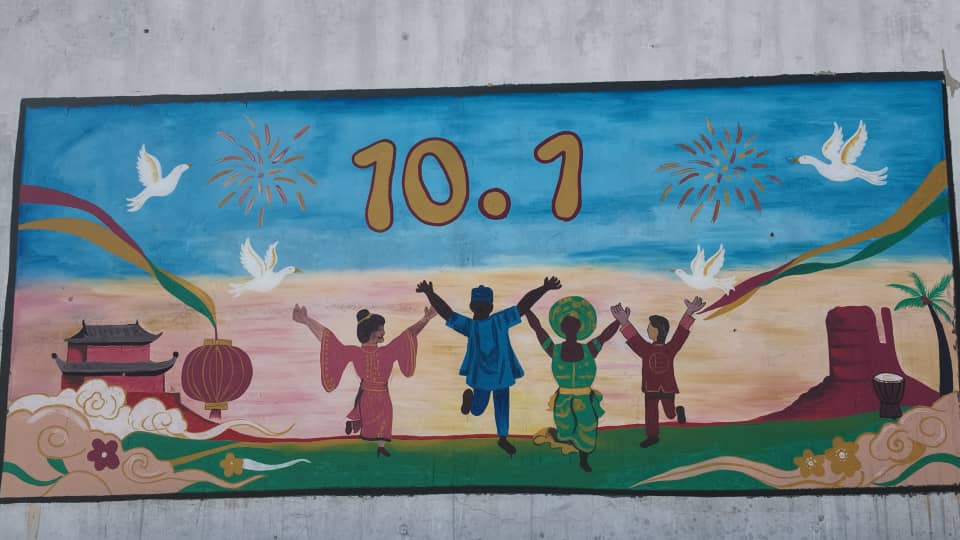
A colourful mural celebrating both China’s National Day and Nigeria’s Independence Day has been unveiled at an overseas project site, serving as a vivid symbol of the enduring friendship between the two nations.
The artwork, jointly produced by Chinese and Nigerian staff, features builders dressed in traditional Chinese costumes and Nigerian ethnic attire holding hands and dancing together.
Above them, fireworks and white doves of peace illuminate the sky, while the inscription “10.1” highlights the dual significance of October 1, the China’s National Day and Nigeria’s Independence Day.
On the left side of the mural, ancient Chinese architecture, red lanterns and auspicious cloud motifs showcase Chinese heritage.
On the right, red earth, coconut palms and African drums reflect Nigeria’s cultural identity. Flowing ribbons weave across the painting, symbolising unity and shared destiny.
Project officials described the mural as a “living testament” to cooperation at the frontline of development. They said it embodies mutual trust and support as workers from both countries overcome challenges together.
The initiative underscores cultural integration and partnership, with both sides pledging to continue working hand in hand to strengthen ties.
“Celebrating two festivals as one, we march forward with one heart,” a statement read, emphasising the commitment to write new chapters of friendship along the path of cooperation.
The mural, rooted in the overseas project site, stands as a reminder of the brotherly bond between China and Nigeria, and the shared vision of building together for a brighter future.
News
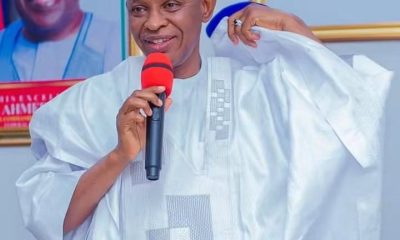
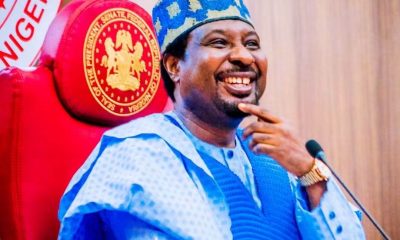
Musa Illiyasu Kwankwaso Celebrates Senator Lado @60, Says Is A Political Dogma
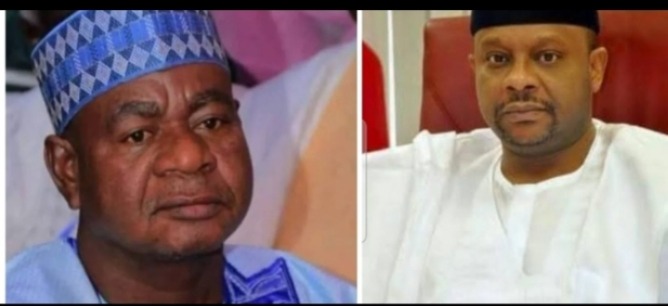
From Muhammad Kabir Kano
The spokesperson of Political Appointees Forum from Kano State, Dr. Musa Illiyasu Kwankwaso, has described Senator Basheer Lado, the Special Adviser to President Tinubu on National Assembly Matters (Senate), who also doubles as the Chairman of the Appointees, on his 60th birthday, as a Political Blog who plays the game with maturity and respect.
Kwankwaso who also describes Senator as Political Dogma, praised his contributions to democratic governance, humanitarian services and national development.
“Senator Lado is a dependable public servant and accomplished legislator whose experience had helped strengthen relations between the Executive and the Senate and also steer ship the activities of the Political Appointees with huge respect and understanding”,
He said it is on notice that Lado served in the Senate for four years before his by late President Buhari on Relief agency and subsequent appointment as Tinubu’s liaison officer in the upper chamber of the National Assembly.
Lado represented Kano Central Senatorial District in the Seventh National Assembly from 2011 to 2015, where he served as Vice Chairman of the Senate Committee on Works.
Lado facilitated several constituency projects, including the Kundila Bridge, popularly known as Gadar Lado, in Kano State. His contributions to humanitarian services through his previous roles as Federal Commissioner of the National Commission for Refugees, Migrants and Internally Displaced Persons, and Director-General of the National Agency for the Prohibition of Trafficking in Persons (NAPTIP).
He said Lado contributed to protecting vulnerable Nigerians, combating human trafficking and improving the welfare and rehabilitation of displaced persons.
Kwankwaso further commended the senator’s humanitarian initiatives through the Ladon Alheri Foundation, particularly in education, healthcare, women’s economic empowerment, rural water supply and support for disadvantaged communities.
” Lado’s contributions across public service reflected his commitment to national development and the welfare of Nigerians”, he added.
News
EFCC Reopens Atiku’s Alleged Financial Crimes Probe
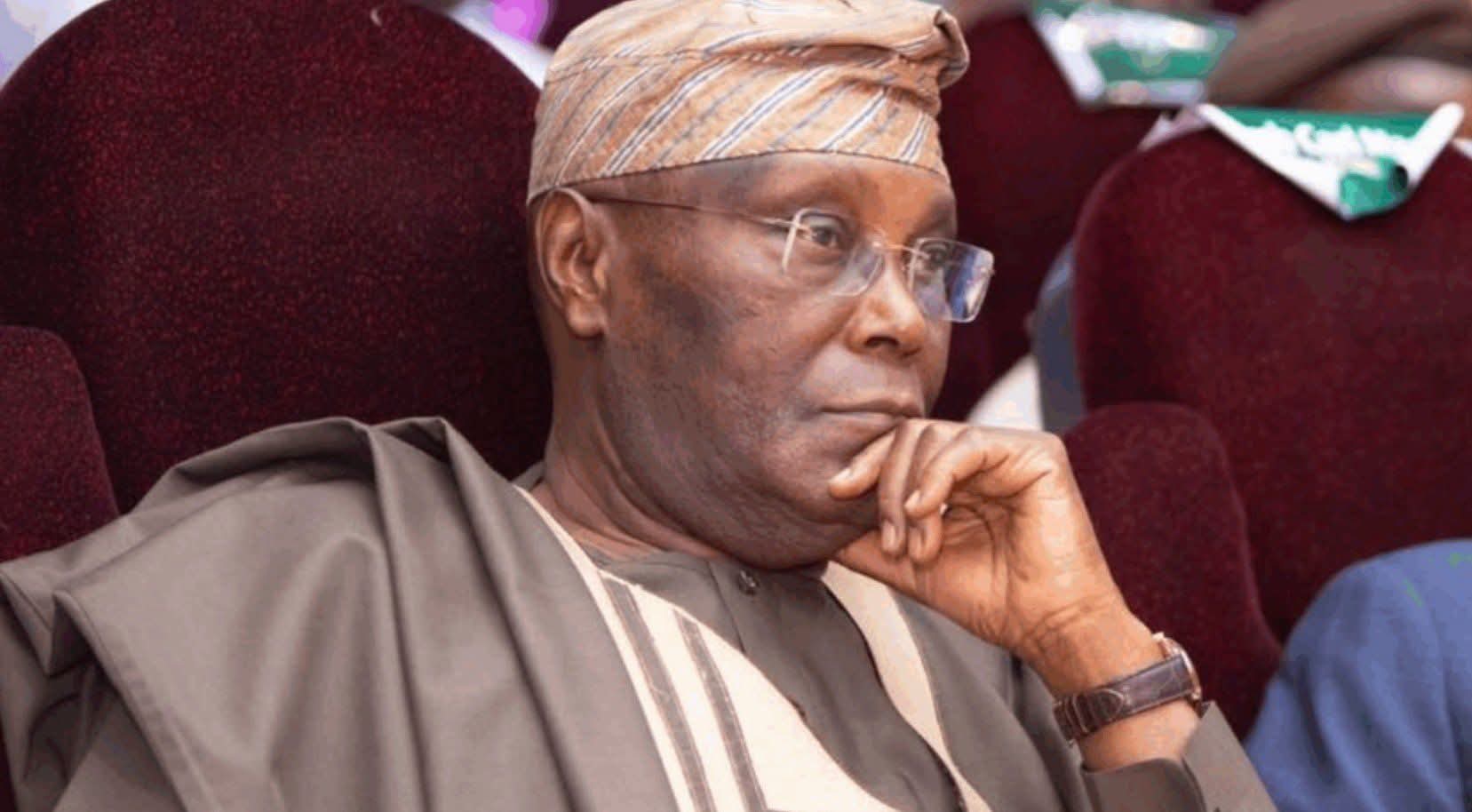
By Yusuf Danjuma Yunusa
The Economic and Financial Crimes Commission (EFCC) has reopened its investigation into allegations against former Vice President Atiku Abubakar following a petition by former House of Representatives member, Hon. Ehiozuwa Johnson Agbonayinma, seeking his prosecution over alleged financial crimes.
The petition seeks to revive a case dating back to 2006, asking the anti-graft agency to revisit its investigation under former chairman, Mallam Nuhu Ribadu, and consider a subsequent report by a United States Senate subcommittee.
Speaking on the development, Agbonayinma said the EFCC had acknowledged his petition, dated August 27, 2026, and received on September 1. Filed through his lawyer, Chief Hannibal Egbe Uwaifo, SAN, the petition asks the commission to reactivate its earlier report and act on the allegations.
The former lawmaker appeared at the EFCC headquarters in Jabi, Abuja, where he adopted the petition and answered questions from investigators.
Agbonayinma said the matter should not be allowed to remain unresolved.
“I want to thank Nigerians, the EFCC, and those praying for me in this struggle. The laws are meant for both the rich and the poor. After the EFCC has done a fantastic job, it should not be kept under the table,” he said.
In the petition, Agbonayinma urged the EFCC to revisit its September 2006 report on Atiku and a February 4, 2010, report by the US Senate Permanent Subcommittee on Investigations, arguing that both documents should form the basis for renewed action.
The petition alleged that the EFCC had previously indicated that Atiku could face prosecution after leaving office as vice-president, when his constitutional immunity ceased to apply, but that no prosecution followed.
Agbonayinma described the alleged failure to act as a dereliction of duty and argued that pursuing the matter would demonstrate the commission’s resolve to hold politically influential figures accountable.
He also disclosed that he had petitioned US President Donald Trump over the allegations.
The EFCC spokesman, Dele Oyewale, had yet to respond to messages seeking an update on the investigation as of the time of filing this report.

Why Gov Abba Deserves Another Tenure

China, Nigeria Mark Friendship with Joint Cultural Mural

Musa Illiyasu Kwankwaso Celebrates Senator Lado @60, Says Is A Political Dogma

EFCC Reopens Atiku’s Alleged Financial Crimes Probe

APC Presidential Campaign Council: Nigerians Devoid Of Party Affiliations Endorses Tinubu’s 2nd Term-Kwankwaso

Zamfara Varsity ASUU Threatens Warning Strike Over FG-ASUU Agreement, Promotion Arrears

PCACC Arrests Man Over Alleged ₦4.5m Sale, Illegal Leasing of Kano Government Horse Stable

Goje’s Electoral War:The Confrontation With Tinubu,Governor Inuwa,Usman Kumo And APC candidates Ahead Of 2027

Prof Yusuf Adamu Delivers BUK’s 63rd Professorial Inaugural Lecture, Reflects on Medical Geography and Academic Legacy

RE:WE ARE UNDER SIEGE: TARABA MONARCH BREAKS SILENCE AS FULANI BANDITS OVERRUN THE ANCIENT KWARARAFA KINGDOM:
Why Gov Abba Deserves Another Tenure
China, Nigeria Mark Friendship with Joint Cultural Mural
Musa Illiyasu Kwankwaso Celebrates Senator Lado @60, Says Is A Political Dogma
EFCC Reopens Atiku’s Alleged Financial Crimes Probe
APC Presidential Campaign Council: Nigerians Devoid Of Party Affiliations Endorses Tinubu’s 2nd Term-Kwankwaso
Zamfara Varsity ASUU Threatens Warning Strike Over FG-ASUU Agreement, Promotion Arrears
PCACC Arrests Man Over Alleged ₦4.5m Sale, Illegal Leasing of Kano Government Horse Stable
Goje’s Electoral War:The Confrontation With Tinubu,Governor Inuwa,Usman Kumo And APC candidates Ahead Of 2027
Prof Yusuf Adamu Delivers BUK’s 63rd Professorial Inaugural Lecture, Reflects on Medical Geography and Academic Legacy
RE:WE ARE UNDER SIEGE: TARABA MONARCH BREAKS SILENCE AS FULANI BANDITS OVERRUN THE ANCIENT KWARARAFA KINGDOM:
-

 Opinion5 years ago
On The Kano Flyovers And Public Perception
-

 Features5 years ago
How I Became A Multimillionaire In Nigeria – Hadiza Gabon
-

 Opinion6 years ago
Kano As future Headquarters Of Poverty In Nigeria
-

 History6 years ago
Sheikh Adam Abdullahi Al-Ilory (1917-1992):Nigeria’s Islamic Scholar Who Wrote Over 100 Books And Journals
-

 Opinion5 years ago
My First Encounter with Nasiru Gawuna, the Humble Deputy Governor
-

 History5 years ago
The History Of Borno State Governor Professor Babagana Umara Zulum
-

 History6 years ago
The Origin Of “Mammy Market” In Army Barracks (Mammy Ochefu)
-

 News5 years ago
Federal University Of Technology Babura To Commence Academic Activities September