
News
IG to bring special Operation squad to plateau state
By Asile Abel, jos
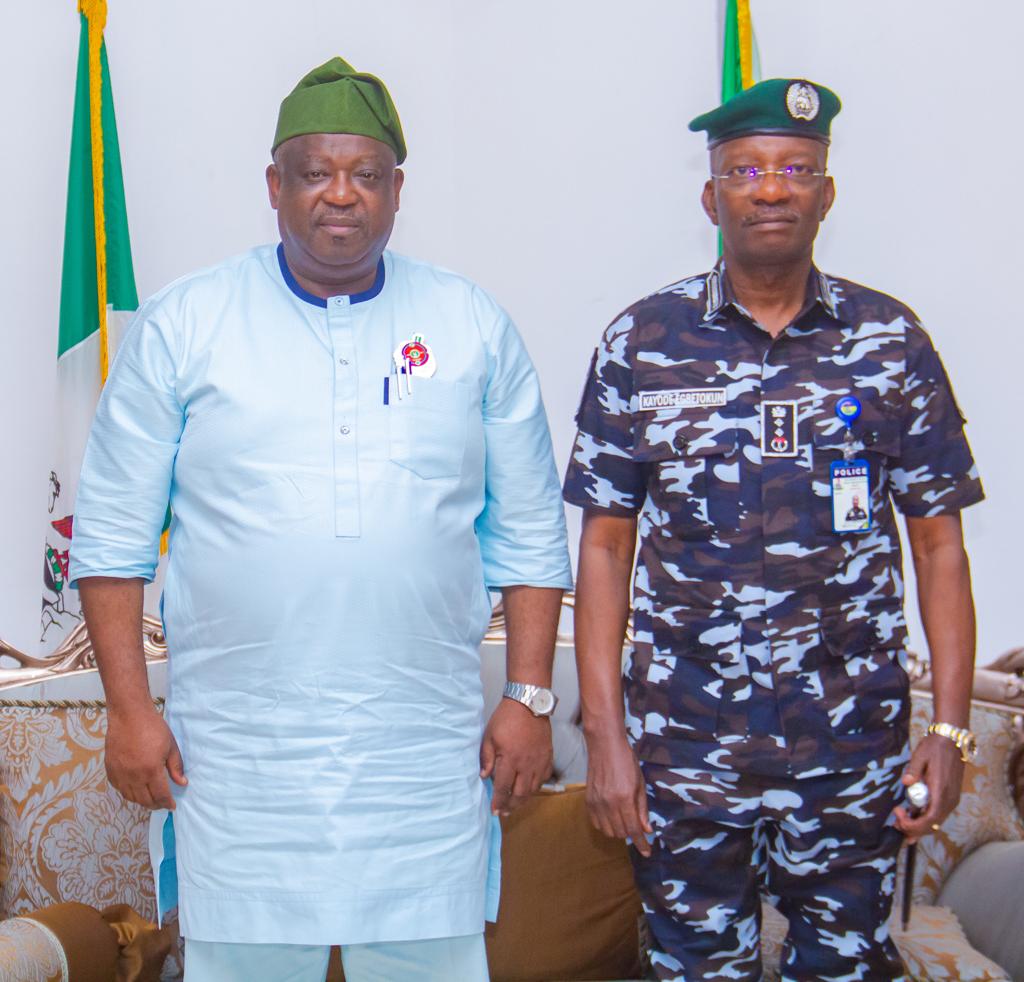
The Inspector General of Police (IGP), Olukayode Egbelokun have stated that the Nigeria Police Force,NPF, had put machinery in motion to address deplorable security situation in Plateau through the deployment of tactical special intervention squad unit.
Egbelokun said this matching by president Ahmed Bola Tinubu to fish out perpetrators of the heinous crime against humanity which occurred on the Christmas Eve (24th December, 2023) in Bokkos and Barkin-Ladi local government areas of Plateau.
The Police IG made this known while in a condolence visit to Plateau.
According to him, “I am in Plateau state for the second time within six months, and this time around on the sad note to condole with the Government and people of Plateau state on the sad event that took place on Christmas Eve. I am also here to give confidence to the people that are affected areas and the people of Plateau state generally.
“We have increase our deployment as directed by President Tinubu. Deployment of tactical unit to go into those affected areas and other areas. I have a specific instruction of Mr president to fish out the perpetrators of this dastardly act and to ensure that the killings in this state stop and that is what were committed to. We have started deploying adequately, were responding appropriately to this incident, and were not going to swept the matter under the carpet. Were deploying all our resources to ensure this doesn’t happen in Plateau again.
“The operation will be commenced in this state today with deployment of the tactical unit. You can see me coming with the DIG Operation, the DIG Intelligent is here with me, the AIG is here with me, the AIG of the zone is also here with me. The AIG of the zone has been order to relocate to Plateau until we record success on the operation that were starting today.
This special operation that were starting today will found the nucleus of our special intervention squad. I have made it public previously that, the special intervention squad is going to commenced in ten (10) pilot state in Nigeria including Plateau state. This special intervention that started today form the nucleus of that in Plateau state and I believe with this we are going to dominate the affected areas and ensure the criminals are brought to book and they do not come back for any attack again.”
He said the exercise is not aiming at any tribe or religion but stabilizing the security of the state, calling on people citizens to work in corporation with the security to enable them achieve success.
Governor Caleb Mutfwang while appreciating the police Inspector General over the condolence and his subsequent confirmation by the National security as IG believed his coming on board will restore confidence on Nigerians to ensure internal security is sustain looking at his track records of achievement.
Governor Mutfwang laments that because of overzealous of some security some traumatized victims becomes a skip goat, advised that in dealing with the perpetrators, more attention should focus on knowing their sponsors.
He thanked president Tinubu for working the talk and other service chiefs who are up and doing to deal with situation.
He expressed confidence that Plateau would regain its status as a home of peace and tourism.
President of Plateau Traditional council of Chiefs and Emirs, Gbong Gwom Jos, His Royal Majesty, Da Jacob Gyang Buba have plead with President Tinubu to equip the Nigerian Police Force with modern technologies, training and capacity building.
The monarch said it is very unfortunate the terrorists are gathering momentum on daily basis by their sponsors while Nigeria security architecture continue backsliding.
While praying for the IG and his men, he call for speedy completion of Police Mobile Barrack in Gashish district of Barkin-Ladi local government that is under construction.








News
Governor Abba Kabir Yusuf Holds Exclusive Prerogative to Choose Deputy – Malam Inuwa Waya
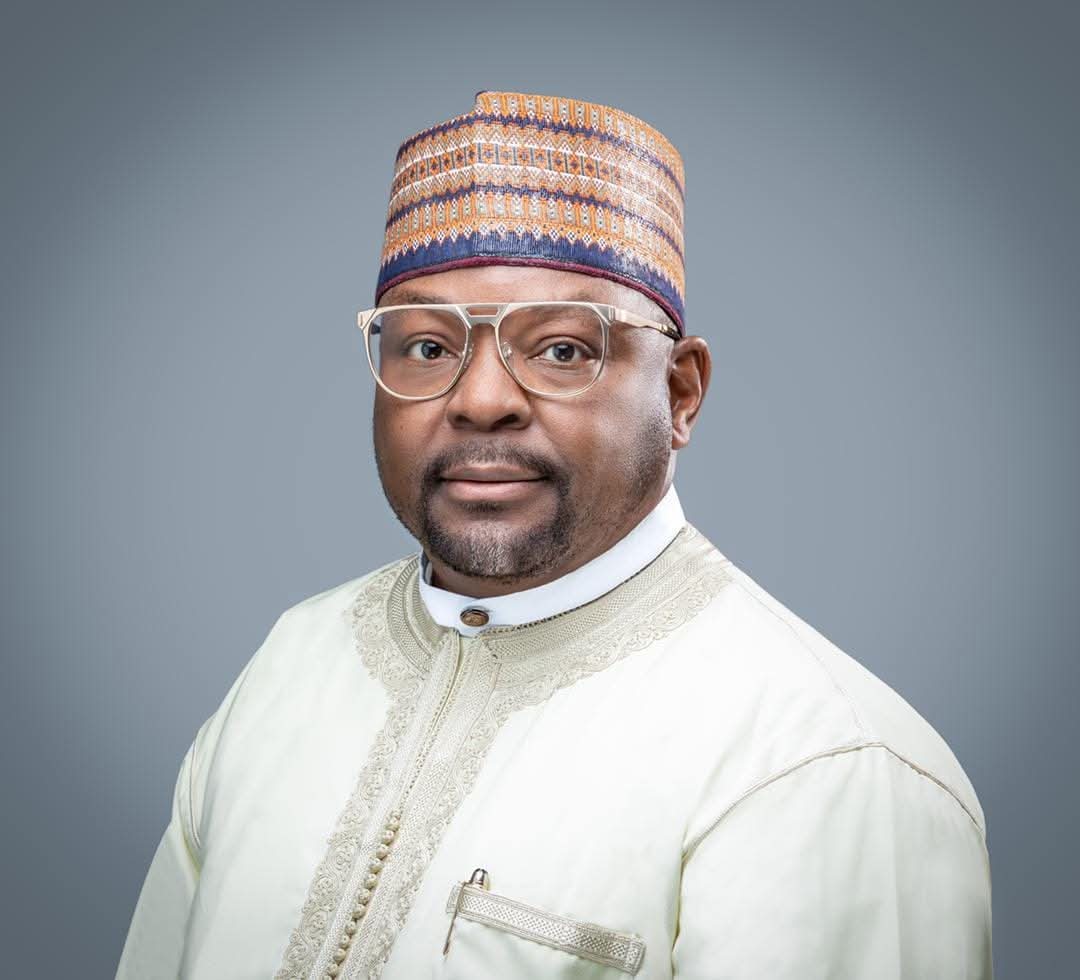
Malam Inuwa Waya, a chieftain of the All Progressives Congress (APC) in Kano, has reaffirmed that the constitutional prerogative to appoint a new Deputy Governor rests solely with His Excellency, Governor Abba Kabir Yusuf.
Speaking to journalists in Kano, Malam Waya cautioned against undue interference from individuals on social media who have been attempting to dictate the Governor’s choice following the resignation of the former Deputy Governor, Comrade Aminu Abdulsalam.
“It is only Governor Abba Kabir Yusuf who has the prerogative to choose his deputy. People should stop coming to social media to tell him who to appoint. The constitution does not mandate him to select from any particular zone; it is entirely his decision,” Malam Waya stated.
He further explained that while political balancing may encourage consideration of candidates from Kano North or South since the Governor hails from Kano Central, such arrangements remain political strategies rather than constitutional requirements.
Malam Waya also commended Governor Yusuf’s infrastructural strides, noting that within two years, the administration has revived water projects, advanced public-private partnerships in power, and accelerated development across education, agriculture, and investment.
“The Governor has revived the glory of Kano. With the infrastructure projects ongoing, it will be an easy sail for all of us as we prepare for 2027. He has put Kano first, and that is what matters,” he said.
On the issue of inclusivity, Malam Waya emphasized that all stakeholders, including former APC members, are being carried along in governance. He urged the people of Kano to unite behind the Governor’s vision.
“We, the old APC members, have no problem with Governor Yusuf. We are knit together in Kano, and our priority is Kano first, not any individual. The Governor knows who he will pick as his deputy, and we trust his judgment,” he concluded.
Malam Waya also extended prayers for the acceptance of Ramadan fasting and congratulated the Muslim Ummah in Kano for celebrating Sallah peacefully.
News
ADC Reports Surge in Membership Following Kwankwaso’s Defection, Calls Him ‘Game Changer’
By Yusuf Danjuma Yunusa
The African Democratic Congress (ADC) has officially welcomed former Kano State Governor and 2023 presidential candidate Senator Rabiu Musa Kwankwaso into its fold, touting his defection as a pivotal move that strengthens a growing coalition for political realignment in Nigeria.
In a statement released for immediate effect, the party described Kwankwaso as a “game-changer,” announcing that he has directed his network of supporters nationwide to join the ADC. According to the party, this call has already triggered a significant uptick in registrations on its online platform over the past 24 hours.
The ADC’s National Publicity Secretary, Mallam Bolaji Abdullahi, framed the defection as part of a broader recognition among Nigerians of the need for a credible political alternative. The statement emphasized Kwankwaso’s experience in governance, grassroots influence, and capacity to unify as assets to the party’s ambition to “rebuild Nigeria.”
Notably, the ADC highlighted the presence of several high-profile leaders at the defection event, including the party’s National Chairman, Senator David Mark; National Secretary, Ogbeni Rauf Aregbesola; and leading presidential aspirants such as former Vice President Atiku Abubakar, Mr. Peter Obi, and Rt. Hon. Rotimi Amaechi. Their attendance, the party stated, reflects a united front and growing momentum.
The party characterized the surge in online registrations as evidence that Nigerians are aligning with what it called a “different path forward.” In its appeal to Kwankwaso’s supporters and the broader public, the ADC positioned itself as a vehicle for restoring dignity, opportunity, and public trust in governance.
“Change does not happen by chance,” the statement concluded. “It happens when people come together with purpose.”
The development marks a significant realignment in Nigeria’s opposition political landscape, with the ADC seeking to position itself as a converging point for influential politicians and their followings ahead of future elections.
News
Foreign Affairs Minister Resigns to Pursue Bauchi Governorship Election
By Yusuf Danjuma Yunusa
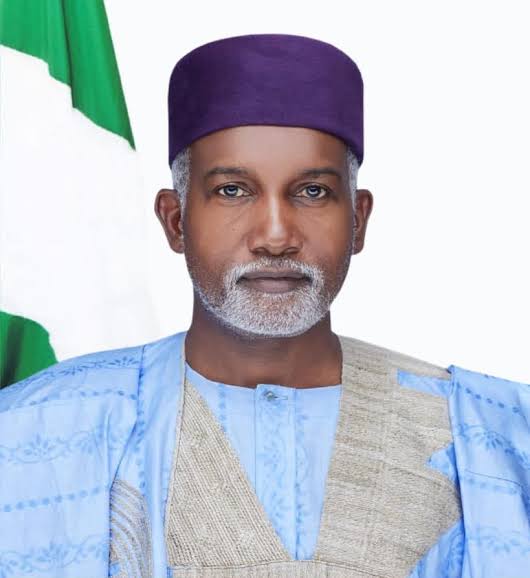
The Minister of Foreign Affairs, Yusuf Maitama Tuggar, has resigned from his position in the administration of President Bola Ahmed Tinubu to pursue the governorship of Bauchi State in the 2027 election.
Tuggar submitted his resignation on Monday, in compliance with a presidential directive requiring all political appointees with electoral ambitions to vacate their posts by the March 31, 2026, deadline.
The directive, issued through the office of the Secretary to the Government of the Federation, George Akume, aligns with Section 88(1) of the Electoral Act, 2026, and the timetable released by the Independent National Electoral Commission (INEC). It affects ministers, advisers, and heads of federal agencies intending to contest in the 2027 general elections.
Reports have it that his resignation positions him to seek the ticket of the All Progressives Congress (APC) for the Bauchi State gubernatorial race.
Tuggar’s entry is expected to significantly reshape the state’s political landscape, intensifying an already competitive contest for the APC nomination. His background as a career diplomat and serving minister is seen by political observers as a potential advantage, offering national visibility and extensive political networks.
With less than 24 hours remaining before the deadline, additional resignations from the Federal Executive Council are anticipated as other appointees move to formalize their electoral ambitions.

Governor Abba Kabir Yusuf Holds Exclusive Prerogative to Choose Deputy – Malam Inuwa Waya

ADC Reports Surge in Membership Following Kwankwaso’s Defection, Calls Him ‘Game Changer’

Foreign Affairs Minister Resigns to Pursue Bauchi Governorship Election

Kwankwaso Officially Joins ADC

El-Rufai/Uba Sani And Pantami’s Perceived Peace Of The Graveyard

The Governor Who Chose His People Over His Politics: Abba Yusuf and the Moral Courage Behind Kano First

FREEDOM OF SPEECH, NOT FREEDOM FROM CONSEQUENCE: A CITIZEN’S CALL FOR RESPONSIBLE PUBLIC COMMENTARY
Restoring the Glory That Was Always There: Governor Abba Kabir Yusuf and the Historical Vision Behind Kano First

Tinubu to Swear in Olatunji Disu as Inspector-General of Police on Wednesday

NDLEA Clarifies: Drug Case Against Abba Kyari Still Active After Court Discharge
Governor Abba Kabir Yusuf Holds Exclusive Prerogative to Choose Deputy – Malam Inuwa Waya
ADC Reports Surge in Membership Following Kwankwaso’s Defection, Calls Him ‘Game Changer’
Foreign Affairs Minister Resigns to Pursue Bauchi Governorship Election
Kwankwaso Officially Joins ADC
El-Rufai/Uba Sani And Pantami’s Perceived Peace Of The Graveyard
The Governor Who Chose His People Over His Politics: Abba Yusuf and the Moral Courage Behind Kano First
FREEDOM OF SPEECH, NOT FREEDOM FROM CONSEQUENCE: A CITIZEN’S CALL FOR RESPONSIBLE PUBLIC COMMENTARY
Restoring the Glory That Was Always There: Governor Abba Kabir Yusuf and the Historical Vision Behind Kano First
Tinubu to Swear in Olatunji Disu as Inspector-General of Police on Wednesday
NDLEA Clarifies: Drug Case Against Abba Kyari Still Active After Court Discharge
-

 Opinion4 years ago
On The Kano Flyovers And Public Perception
-

 Features5 years ago
How I Became A Multimillionaire In Nigeria – Hadiza Gabon
-

 Opinion5 years ago
Kano As future Headquarters Of Poverty In Nigeria
-

 History5 years ago
Sheikh Adam Abdullahi Al-Ilory (1917-1992):Nigeria’s Islamic Scholar Who Wrote Over 100 Books And Journals
-

 Opinion4 years ago
My First Encounter with Nasiru Gawuna, the Humble Deputy Governor
-

 History5 years ago
The Origin Of “Mammy Market” In Army Barracks (Mammy Ochefu)
-

 History4 years ago
The History Of Borno State Governor Professor Babagana Umara Zulum
-

 News4 years ago
Federal University Of Technology Babura To Commence Academic Activities September