
News
The Essence of Great Health During Ramadan—By Dr. Nelson Aluya
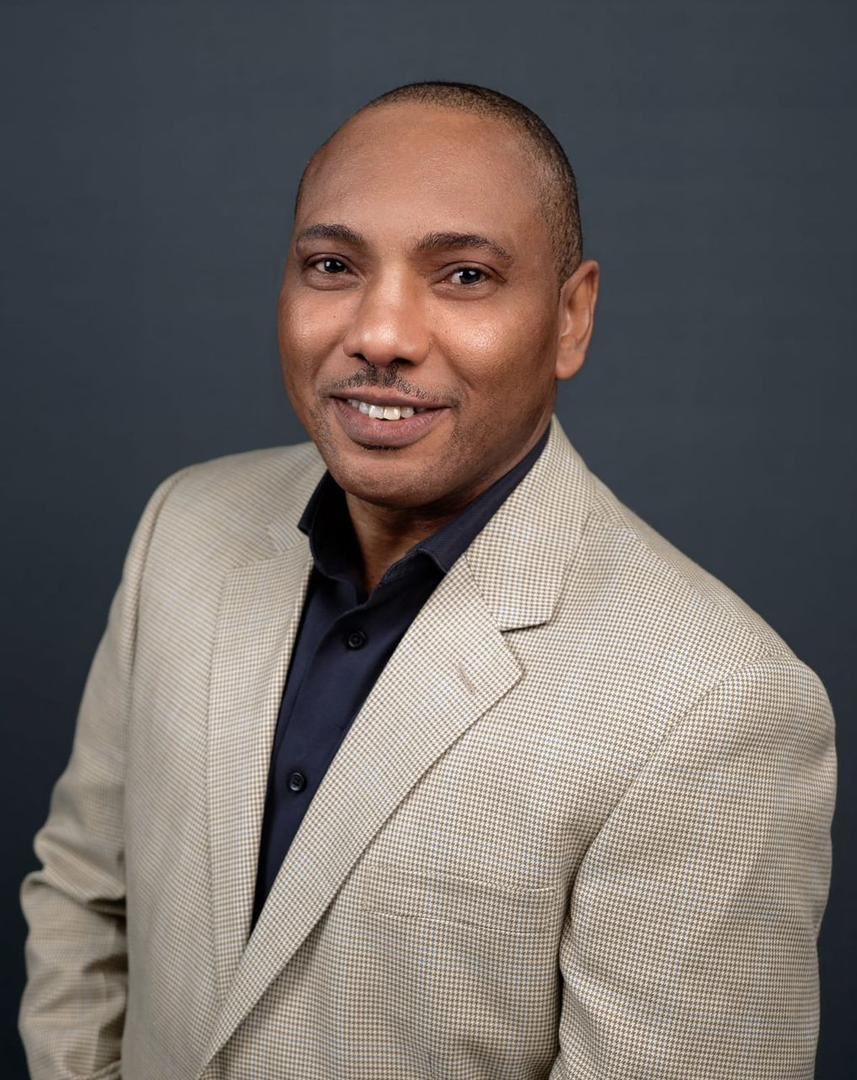
Ramadan is far more than abstaining from food and drink. It is a sacred season of discipline, renewal, and elevation of the human spirit. For Muslims around the world, it is a month where the body, mind, and soul are aligned in purposeful worship. Observed as one of the Five Pillars of Islam, fasting during Ramadan nurtures taqwa (God-consciousness), strengthens self-control, cultivates gratitude, and deepens empathy for those in need.
As a physician serving patients from diverse racial, ethnic, and religious backgrounds for over two decades, I have spoken at numerous Pre—Ramadan Health Fairs and seminars for the last fifteen years, and have walked alongside many individuals seeking guidance on how to manage their health, take their medications and fast safely. I believe that Ramadan offers tremendous spiritual and even physiological benefits when approached with knowledge, preparation, and medical wisdom.
*The Divine Foundation of Fasting*
Ramadan occurs during the ninth month of the Islamic lunar calendar. Its obligation is rooted in the Qur’an:
“O you who believe! Fasting is prescribed for you as it was prescribed for those before you, that you may attain taqwa.”
— Surah Al-Baqarah (2:183)
The Qur’an further clarifies the period and purpose:
“The month of Ramadan in which was revealed the Qur’an, a guidance for mankind and clear proofs for the guidance and the criterion…”
— Surah Al-Baqarah (2:185)
Fasting extends from dawn (Fajr) until sunset (Maghrib) for 29–30 days, beginning with the sighting of the new moon. In 2026, Ramadan is expected to begin around February 18 or 19, depending on lunar observation.
The Qur’an also provides compassionate exemptions:
“…And whoever is ill or on a journey – then an equal number of other days…”
— Surah Al-Baqarah (2:185)
Islamic law exempts the ill, travelers, the elderly who cannot tolerate fasting, pregnant or breastfeeding women if fasting may cause harm, menstruating women, and children. This divine mercy underscores a foundational principle: preservation of health precedes ritual obligation when harm is likely.
*Ramadan: A Holistic Act of Worship*
The fast is not merely physical deprivation. It is moral and spiritual refinement.
The Prophet Muhammad (peace be upon him) said:
“Whoever does not give up false speech and evil actions, Allah is not in need of his leaving his food and drink.”
— (Sahih al-Bukhari)
Thus, Ramadan is:
– A purification of the soul
– A strengthening of discipline
– A cultivation of patience
– A renewal of gratitude
– A communal celebration through shared Iftar
*Preparing for Ramadan: A Physician’s Perspective*
Fasting without knowledge can be harmful. The body undergoes metabolic transitions during prolonged fasting:
– Glycogen( sugar)stores are depleted.
– Fat metabolism( breakdown) increases.
– Ketone bodies(chemical produced in place of sugar during fastin) are produced.
– Hormonal shifts occur (including insulin reduction and glucagon increase).
– Fluid balance ( Dehydration)changes in the absence of water
While many experience modest weight loss, others gain weight due to excessive caloric intake at Iftar.
Preparation must therefore be intentional.
*1.Know Your Health Status*
Before Ramadan, assess:
– Physical and mental health
– Level of daily activity
– Chronic medical conditions
– Nutritional needs
– Work demands
– Hydration capacity
– Medication schedules
*2. Schedule a Pre-Ramadan Medical Visit*
The “Visit — Your Doctor and You” is critical.
A pre-Ramadan consultation should include screening or review of may have developed along the way:
– Diabetes
– Hypertension
– Heart disease
– Chronic lung disease
– Kidney disease
– Autoimmune conditions
– Cancer
– Pregnancy
For those who insist on fasting despite chronic illness, coordinated medical supervision is essential.
The Qur’an emphasizes balance:
“…And do not throw yourselves into destruction with your own hands…”
— Surah Al-Baqarah (2:195)
Health preservation is not a lack of faith — it is an expression of wisdom.
*Suhoor and Iftar: Strategic Nutrition*
*Suhoor (Pre-Dawn Meal)*
The Prophet encouraged Suhoor:
“Take Suhoor, for in Suhoor there is blessing.”
— (Sahih al-Bukhari)
A balanced Suhoor should include:
– Complex carbohydrates (oats, whole grains)
– Lean protein (eggs, legumes, yogurt)
– Healthy fats (nuts, olive oil)
– Adequate hydration
– Limited salt to reduce thirst.
*Iftar (Breaking the Fast)*
Traditionally, the fast is broken with dates and water, following the practice of the Prophet. Dates provide:
– Natural sugars for quick glucose replenishment
– Fiber
– Potassium
– Antioxidants
However, moderation is key. Heavy fried foods, excessive sweets, and large portions often lead to:
– Weight gain
– Blood sugar spikes
– Gastric distress
– Sleep disruption
Ramadan should not become a festival of overconsumption. The Qur’an reminds:
“…Eat and drink, but do not be excessive. Indeed, He does not like the excessive.”
— Surah Al-A’raf (7:31)
*Medication Management During Ramadan*
Medication timing often requires adjustment:
– Once-daily medications may shift to Iftar.
– Twice-daily regimens may need restructuring.
– Insulin dosing requires individualized modification.
– Diuretics ( water pills)may increase dehydration risk.
– Certain medications cannot be safely delayed.
Never adjust medications independently. Collaborative planning between patient and physician is essential.
*Who Should Not Fast?*
The Qur’anic exemption in Surah 2:185 is both clear and compassionate.
Those advised not to fast include:
– Uncontrolled( Sugar) diabetics
– Advanced heart failure patients
– Severe chronic kidney disease
– Active cancer patients undergoing therapy
– Frail elderly individuals
– High-risk pregnancies
Faith is not measured by physical endurance but by sincerity and obedience. For some, abstaining from fasting is the true act of submission.
*Mental and Spiritual Health During Ramadan*
– Ramadan strengthens psychological resilience:
– Structured routine enhances discipline.
– Night prayers (Taraweeh) improve communal bonding.
– Increased charity fosters empathy.
– Qur’an recitation enhances reflection and calm.
Scientific literature( Books ) ,increasingly recognizes that mindful fasting, spiritual meditation, and communal connection improve emotional regulation and stress resilience.
*Community, Compassion, and Character*
Ramadan is a communal equalizer. Rich and poor experience hunger together. Shared Iftar meals strengthen bonds across socioeconomic lines.
The Qur’an emphasizes generosity:
“And they give food in spite of love for it to the needy, the orphan, and the captive…”
— Surah Al-Insan (76:8)
True health is not merely biological — it is relational, spiritual, and ethical.
*The Balance Between Faith and Medicine*
As a physician who has cared for thousands of patients across cultures and beliefs, I have learned that faith and medicine are not adversaries. They are allies.
Ramadan teaches restraint. Medicine teaches prudence. Together, they preserve life.
The essence of great health during Ramadan lies in:
– Spiritual awareness
– Medical wisdom
– Nutritional balance
– Disciplined moderation
– Compassion for oneself and others
When approached correctly, Ramadan becomes a month of metabolic recalibration, spiritual elevation, and communal unity.
*My Spiritual Reflection*
Ramadan is not a test of starvation — it is a training of the soul.
It refines character. It disciplines appetite. It strengthens gratitude. It elevates consciousness.
And when practiced with knowledge and preparation, it can nurture both spiritual vitality and physical well-being.
“…Allah intends for you ease and does not intend for you hardship…”
— Surah Al-Baqarah (2:185)
May this Ramadan be one of wisdom, balance, safety, and profound renewal amin.
— Dr. Nelson Aluya










News
Beyond Connectivity: How a Community Network Is Changing Life in Dakwa
By Ali Sabo
Dakwa is the kind of community that can easily be overlooked in Nigeria’s digital story.
Located along the Zuba–Dei-Dei–Zuma corridor of the Federal Capital Territory, the agrarian community is only about 29 kilometres from Abuja, yet proximity to the nation’s capital has not always translated into access to reliable and affordable internet. For many residents, particularly young people, accessing the opportunities of the digital world meant looking beyond their immediate environment.
That is beginning to change.
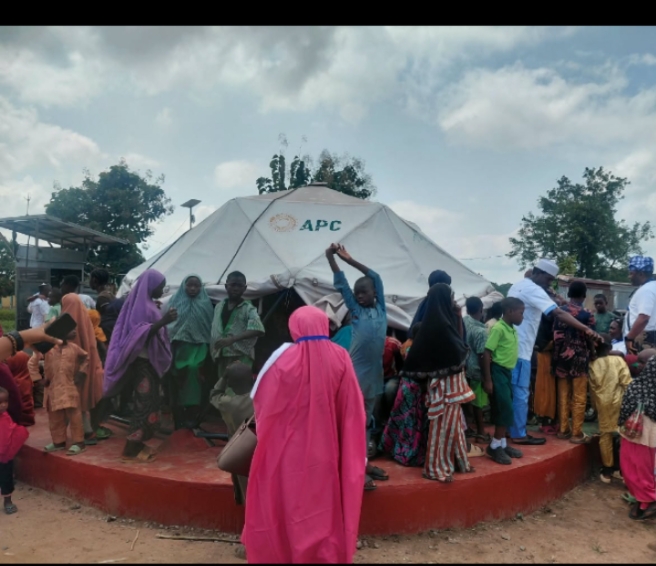
Through the efforts of the Centre for Information Technology and Development (CITAD), the Association for Progressive Communications (APC), Hello World and 48 Percent, a community network and internet hub was established in Dakwa, bringing affordable connectivity closer to residents and creating a space where people can use the internet for learning, communication and accessing opportunities.
But the real story of the Dakwa Community Network is not the infrastructure. It is what the people of Dakwa are beginning to do with it.
During a recent visit to the community, the District Head of Dakwa, Alhaji Shuaibu Samu, described the intervention as a “life-changing opportunity” for residents.
His description is rooted in what the community experienced before the hub came into existence.
“Before the establishment of this facility, access to reliable and affordable internet was a major challenge for our people.”
For a community increasingly connected to a world where education, employment, communication and access to information are moving online, that challenge carries consequences. Being offline or poorly connected does not simply mean having no internet. It can mean missing opportunities that others take for granted.
Today, Samu says the situation is changing.
“Now, our youths can access information, learn new skills and explore opportunities online without having to travel far from the community.”
That statement captures perhaps the most important change taking place in Dakwa: the world of opportunities is becoming physically closer to the people who live there.
A window beyond Dakwa
For Ismail Shuaibu, a Community Champion at the hub, the facility has already become part of the community’s daily life.
He explained that young people now use the hub to study, search for jobs, access online opportunities and communicate with others.
“Many young people now come here to study, search for jobs, access online opportunities and communicate with others.”
These may sound like simple activities. But in a community where reliable and affordable internet was previously a major challenge, they represent something much bigger.
A young person who comes to the hub to search for a job is no longer limited to opportunities advertised within the community. A student who comes to study can access information and learning resources that may not be available locally. Someone looking for information can reach beyond the boundaries of Dakwa and engage with a much wider world.
In that sense, the community network is not merely connecting devices. It is expanding people’s horizons.
From a project to a community asset
Perhaps equally important is the way residents are beginning to see the facility.
Ismail explained that the hub operates through a community-driven model, with users paying a small fee that contributes to maintaining the equipment and keeping the service running.
“The idea is for the community to see this as its own facility. The small amount paid by users helps us maintain the equipment and provide the service continuously.”
This is significant.
Many development interventions struggle after external support ends because the communities that benefit from them were not sufficiently involved in their ownership or management. Dakwa is attempting a different path: making the community part of the solution.
The District Head has also called on residents to take ownership of the facility and support efforts to keep it operational.
That sense of ownership could ultimately determine whether the digital opportunity created in Dakwa becomes a temporary intervention or a lasting community institution.
The real measure of digital inclusion
Dakwa’s experience offers a broader lesson about digital inclusion in Nigeria.
For years, discussions about the digital divide have often focused on infrastructure, broadband coverage and the number of people connected to the internet. These are important measures, but they do not tell the whole story.
The more important question is: What changes when people get connected?
In Dakwa, the early answers are emerging from the residents themselves: young people are studying, searching for jobs, accessing opportunities, communicating and becoming more familiar with digital tools and online services.
The organisations that helped bring the community network into existence deserve recognition for creating that opportunity. But the most important voices in determining its impact are those of the people who now use it.
And their testimonies suggest that something deeper than internet access is taking place.
Dakwa is beginning to discover that distance does not necessarily have to determine opportunity.
A young person can live in a community outside the centre of Abuja and still search for employment online. A student can access learning resources without travelling to the city. A resident can communicate, find information and explore opportunities that were previously difficult to reach.
That is what meaningful connectivity should ultimately achieve.
The success of Dakwa’s community network will not be measured simply by how many people connect to it. It will be measured by how many possibilities people discover because they can.
And perhaps that is the most important transformation happening in Dakwa: the internet is not only bringing the wider world into the community. It is giving the people of Dakwa a stronger opportunity to reach out and participate in that world.
Ali Sabo is the Campaign and Communication Officer of the Centre for Information Technology and Development and can be reached at asabo@citad.org
News
Kenyan Presidential Aspirant Warns Dangote: ‘Don’t Rush Lamu Refinery, I’ll Send You Back to Nigeria’
By Yusuf Danjuma Yunusa
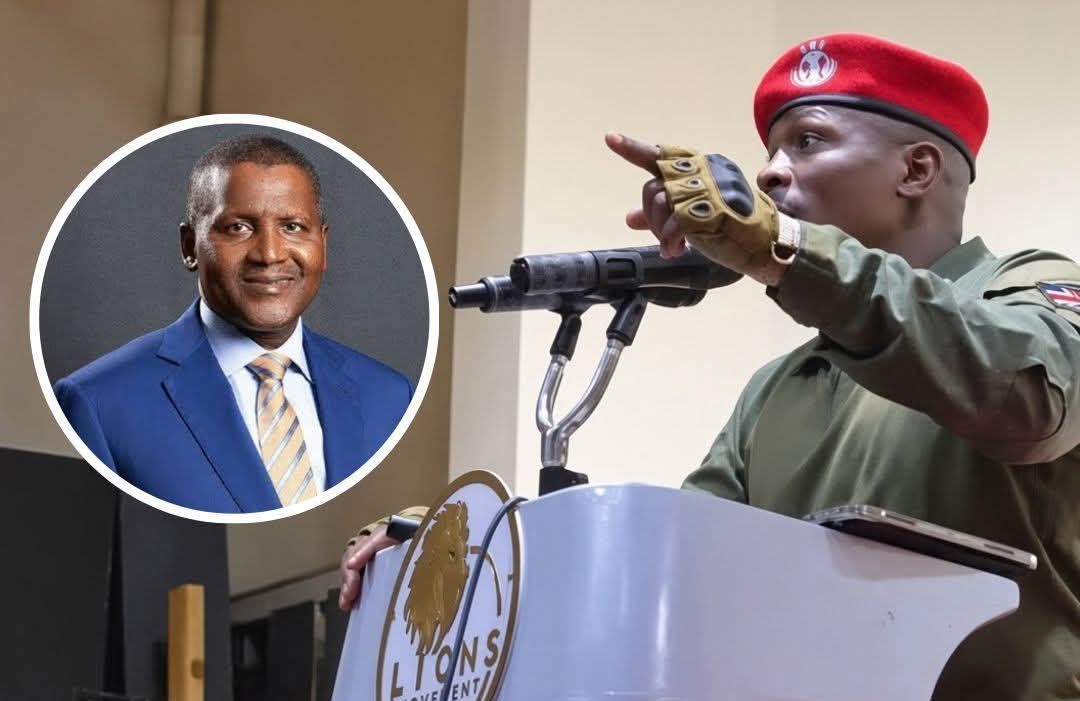
A man identified in a viral video as Kenyan presidential aspirant Patrick Osoi has sparked a heated online debate after warning Nigerian billionaire Aliko Dangote not to rush into establishing an oil refinery in Lamu, saying he would send the businessman back to Nigeria if elected president.
In the clip, said to have been recorded at a Lions Movement event, Osoi says: “I want to tell Aliko Dangote, please don’t rush to start the refinery because, when I’m sworn in as President of Kenya next year, you will be heading back to Nigeria.”
The remarks appear to reference a proposed $16 billion refinery project in Lamu, a coastal county that Kenya has promoted as a future hub for oil and gas infrastructure. Osoi argued that Kenyan investors have the capacity to build and run such a facility without foreign ownership.
“We don’t need to beg foreigners to develop our resources,” he said, according to a partial transcript of the video. “Kenyans can do it.”
The video has been shared widely on Facebook, X and WhatsApp, drawing mixed reactions. Supporters praised Osoi for what they called a bold defense of economic sovereignty. Critics warned that the comments could scare off foreign investors and strain Kenya’s diplomatic and trade ties with Nigeria.
Dangote, Africa’s richest man and chairman of Dangote Group, has not publicly responded to the clip. His conglomerate operates one of the world’s largest single-train refineries in Nigeria and has investments in cement, sugar, fertilizer and petroleum across Africa.
The Kenyan government has not commented on the video. It was not immediately clear whether the Lamu refinery project involving Dangote is still active or whether Osoi’s remarks reflect any official policy.
Political analysts say the controversy underscores growing public debate in Kenya over foreign investment, local content and control of natural resources ahead of the next general election, expected in 2027.
News
NDC’s Kano Governorship Candidate Gwarzo Missing From INEC Final List
By Yusuf Danjuma Yunusa
The National Democratic Congress (NDC) governorship candidate in Kano State, Aminu Abdussalam Gwarzo, is absent from the final list of governorship candidates released by the Independent National Electoral Commission (INEC).
The three-page list, signed by INEC Secretary Rose Oriaran-Anthony, contains 17 governorship candidates and their running mates for the Kano election, but neither Gwarzo nor any other NDC candidate appears on it.
Those listed include Governor Abba Kabir Yusuf of the All Progressives Congress (APC), Abacha Muhammed Sani of the Peoples Democratic Party (PDP), and candidates from the African Democratic Congress (ADC), Labour Party (LP), Social Democratic Party (SDP), Action Alliance (AA), African Action Congress (AAC), Action Democratic Party (ADP), All Progressives Grand Alliance (APGA), Allied Peoples Movement (APM), and New Democratic Party (NDP), among others.
The document provides the names, political parties, ages, genders, and educational qualifications of the candidates and their deputy governorship candidates.
INEC did not state why the NDC candidate was omitted, and the published list does not indicate whether the omission is connected to the party’s nomination process, documentation, or another issue.
The development raises questions about the NDC’s participation in the Kano governorship election, although the list alone does not establish the reason for Gwarzo’s absence.

Beyond Connectivity: How a Community Network Is Changing Life in Dakwa

Kenyan Presidential Aspirant Warns Dangote: ‘Don’t Rush Lamu Refinery, I’ll Send You Back to Nigeria’

NDC’s Kano Governorship Candidate Gwarzo Missing From INEC Final List

Dawakin Tofa Academic Forum Holds Maiden Heroes Day, Honours Former Kano Governor

Atiku Slams Tinubu Over 30-Day Petrol Discount, Demands Answers on Day 31

Zamfara Varsity ASUU Threatens Warning Strike Over FG-ASUU Agreement, Promotion Arrears

PCACC Arrests Man Over Alleged ₦4.5m Sale, Illegal Leasing of Kano Government Horse Stable

Goje’s Electoral War:The Confrontation With Tinubu,Governor Inuwa,Usman Kumo And APC candidates Ahead Of 2027

Prof Yusuf Adamu Delivers BUK’s 63rd Professorial Inaugural Lecture, Reflects on Medical Geography and Academic Legacy

Al-Istiqama University to Hold Convocation, Honours Late Aminu Dantata, Sheikh Ibrahim Khalil
Beyond Connectivity: How a Community Network Is Changing Life in Dakwa
Kenyan Presidential Aspirant Warns Dangote: ‘Don’t Rush Lamu Refinery, I’ll Send You Back to Nigeria’
NDC’s Kano Governorship Candidate Gwarzo Missing From INEC Final List
Dawakin Tofa Academic Forum Holds Maiden Heroes Day, Honours Former Kano Governor
Atiku Slams Tinubu Over 30-Day Petrol Discount, Demands Answers on Day 31
Zamfara Varsity ASUU Threatens Warning Strike Over FG-ASUU Agreement, Promotion Arrears
PCACC Arrests Man Over Alleged ₦4.5m Sale, Illegal Leasing of Kano Government Horse Stable
Goje’s Electoral War:The Confrontation With Tinubu,Governor Inuwa,Usman Kumo And APC candidates Ahead Of 2027
Prof Yusuf Adamu Delivers BUK’s 63rd Professorial Inaugural Lecture, Reflects on Medical Geography and Academic Legacy
Al-Istiqama University to Hold Convocation, Honours Late Aminu Dantata, Sheikh Ibrahim Khalil
-

 Opinion5 years ago
On The Kano Flyovers And Public Perception
-

 Features5 years ago
How I Became A Multimillionaire In Nigeria – Hadiza Gabon
-

 Opinion6 years ago
Kano As future Headquarters Of Poverty In Nigeria
-

 History5 years ago
Sheikh Adam Abdullahi Al-Ilory (1917-1992):Nigeria’s Islamic Scholar Who Wrote Over 100 Books And Journals
-

 Opinion5 years ago
My First Encounter with Nasiru Gawuna, the Humble Deputy Governor
-

 History5 years ago
The History Of Borno State Governor Professor Babagana Umara Zulum
-

 History6 years ago
The Origin Of “Mammy Market” In Army Barracks (Mammy Ochefu)
-

 News5 years ago
Federal University Of Technology Babura To Commence Academic Activities September