
Opinion
The 18th Daily Trust Annual Dialogue: Where Sardauna was sealed an Orphan and Thrown into the Debris of History
_
By Ibraheem A. Waziri
What happened at the Daily Trust 18th Annual Dialogue of the 21st January, 2021 was really interesting. The Southeast remembered the colonial legacy; the structures it left at independence before the 1966 coup that toppled it by some – largely their own – very ambitious and adventurous youthful military officers, with nostalgia.
They think the structure was the best thing that ever happened to them! John Nwodo, the president of the apex sociocultural group of the third largest ethnic collective in Nigeria, Ohanaeze Ndigbo, was high on this position.
Throughout the sessions and very articulate so. The solution for a better Nigeria, he constantly reiterated, is only to find a way of dismantling the present structure, write a freshly minted constitution; disregarding the mandate and authority of the present National Assembly as is composed now, after all, according to him, everything about this country since 1966 was built only “on a quicksand”. What trampled the old order and the baggage it came with, in the name of a new and present order, even after nearly six decade now, is still democratically illegitimate. He implied.
For the Southwest through the sharp tongue and the profound insight of Chief Ayo Adebanjo, fire or brimstone, we must return also to pre 1966 regional arrangement where Yoruba ethnic nationality in particular can relatively take its destiny onto its own hand and the other parts of the country too, for their own good and needed comprehensive progress. Ayo is a nonagenarian and a founding father of the apex Yoruba sociocultural group, Afenifere.
He believes either, restructuring is actually not a constitutional matter and therefore its processes can bypass the present National Assembly as is composed. The foundation of a solid national prospect and prosperity must be built on the over bearing influence of cultural sentiment as the case was with the different regions of Nigeria before 1966. Subversion of that arrangement from the onset was the origin of negative narrative that is associated constantly with Nigeria now.
What is very interesting is the position of Northern Nigeria. It claims now and then –everywhere before and outside the Trust dialogue – to be the worst victim of the events of 1966 with its best of leaders, since Nigeria, literally wiped out. However away from the Southwest’s and Southeast’s positions; and during the dialogue, the Northern position seems to be, the best governing structure that Nigeria should continue on, is this present structure that toppled the legacy of the British colonial masters in the North that was a hybrid between the old Sokoto Caliphate/ Kanem-Bornu and the then colonial thoughts and experience. The North suddenly don’t want anything to do with the past structure that they claim gave them the best in terms of leaders, leadership and fruits of governance through the impeccable and unrivalled wisdom of our darling Sardauna!
The North was shown to prefer, what succeeded the 1966 – the legacy of the coupists – 12 states structure of General Gowon, the 1976 governance command line ratified by General Murtala, which completely did away with the local institutions Sardauna worked with to deliver the much appreciated and remembered good governance. They substituted them with free for all agencies that were newly experimented in the name of Local Governments; the subsequent 19 to 36 states structure that will continue to deliver the fruits of ‘good’ governance, still, further away from the kind of institutions the mighty, selfless, angel like Ahmadu Bello used to deliver the fruits of governance.
Prof. Attahiru Jega, an accomplished academic and a veteran NEPU ideologue. NEPU, we must not forget, was Anti-Ahmadu Bello’s thoughts and ideals of the institution he worked with to deliver the trumpeted untainted fruits of good leadership. Jega stood tall to present what seemed to be the unanimous position of Northern Nigeria’s apex sociocultural group, Arewa Consultative Forum.
He wants the present structure retained but power devolved down to the states or state governors and this should be accomplished using the same National Assembly that is the ultimate product of the 1966 coup that killed the very best of Northern leadership. The National Assembly that both Southwest and Southeast regard presently as not a product of people’s will and as such not far from being fraudulent.
This raises in the mind of spectators and historical events surveyors of Northern Nigeria like yours sincerely questions like these: are the Northern Nigerians the ultimate beneficiaries of the events of 1966? Did Generals, Murtala, Gowon and TY Danjuma who over saw the counter coup of 1966 really avenged or even wanted to avenge Ahmadu Bello and his killed colleagues or they subsequently helped completely murdered and permanently buried his legacy as is obvious? Is it true as Reverend Matthew Kukah often say that Sardauna’s children only paid and still pay lip service to his legacies in a manner typical of hypocrisy?
Where are the true representatives of the institutions Sardauna used to deliver the much celebrated good governance we so much like to hail? Why are they silent? Do they too no longer believe in themselves? Is the North confused or lying to self that it still loves what Danfodio/Elkanemi left to them as modified by the British and Ahmadu Bello and Wazirin Borno, Sir Kashim Ibrahim? Was Rev. Matthew Hassan Kukah truly nostalgic about Sardauna’s Northern Nigeria as in his letter to Ahmadu Bello written six years ago and virally republished by many online Nigerian Newspapers last week (19th January, 2021); when he wrote to him in his grave or being merely tongue-in-cheek, sarcastic, mocking him as the ultimate loser as already proven by the actions of the present Northern elites? After all his grandchild is basking in the lavish comfort afforded by the status quo, grown bigger in prism without the ability to even keep fit to play fives like the Sardauna used to as a sign of determination and strength of will to make useful his times in life, as Kukah reported?
Whatever the case maybe and as observed in the same letter by Kukah, all these years after Ahmadu Bello, the supposed claimants of his true legacy, have failed in the simple task of endowing a single Chair for Sardauna studies in any of the universities in or outside the country. Had there been one, probably the Sardauna legacy would have remained looming large in the air with scholars constantly conducting synthesis over time between his enduring legacies and contemporary exigencies, to keep his ideals relevant at any time, when discussing the future fate of Nigerian nation state. Had there been such, certainly there wouldn’t have been the sad event of last week where a monumental step was taken dialoguing, without any wide idea presented amidst applause making adequate case for neo Sardaunism as the eternal panacea to the troubles facing the 21st century Nigeria; even if side by side the neo NEPU bone prone but flesh barren, articulated presentation of Prof. Jega.
It would have been two positions from the North as it used be always from two different political paradigms, instead of one. But contrary to that as we have seen, the Northerners went to the event to complete the funeral prayer for Sardaunism and declare the Sardauna loudly and forcefully an orphan _non grata._ They failed to remember that Sardauna didn’t do that to Dan Fodio. Had he done so we would have had those miscreants claiming to be his representatives, instead, on our shores long before now that we have them in the Boko Haram claiming to be the best of Danfodio and El-amin Elkanemi. However, if we continue to neglect Sardauna, walk away from the grave ,the 18th Annual Daily Trust Dialogue, dug for him and buried him – without waiting to exhume him, and place him on the right stable of our national life- it wouldn’t be long before we have another militant group coming up on these coasts claiming to represent him best. And it will not be good to Nigeria or Northern Nigeria. History or prominent historical figures are a burden to their succeeding generations. It is either they embrace them, garb them well and use them for good ends or throw them aside as wastes for others to pick, mould in ugly muds and use them effectively against contemporaries!







Opinion
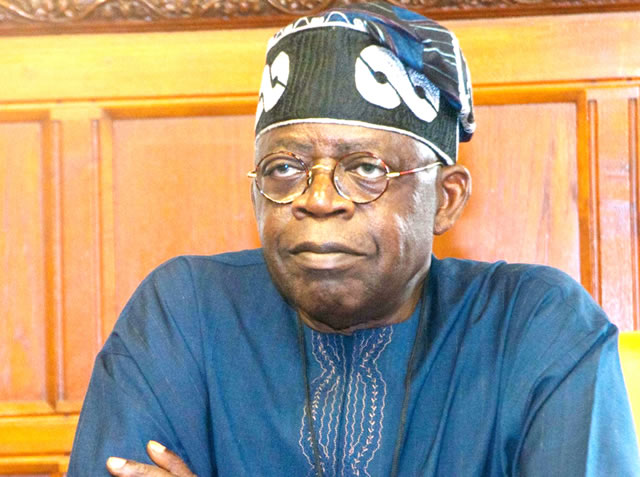
OPEN LETTER TO HIS EXCELLENCY, MR. PRESIDENT BOLA AHMED TINUBU, GCFR PRESIDENT AND COMMANDER-IN-CHIEF OF THE FEDERAL REPUBLIC OF NIGERIA
KANO AT A CROSSROADS: AN URGENT CALL FOR IMMEDIATE PRESIDENTIAL INTERVENTION TO PREVENT CRISIS AND SOCIAL UPHEAVAL
Your Excellency,
The Kano Patriotic CSOs Coalition Forum (KPCF), a coalition committed to peace, good governance, human rights, democracy and the protection of Kano State’s long-standing tradition of peaceful coexistence, writes with deep concern over recent developments that have heightened political and social tensions in the ancient city of Kano.
Kano Is At a Crossroads
We believe that the situation requires urgent, impartial and preventive intervention by the Federal Government, before the current tensions develop into a wider crisis or social unrest
Kano is a politically active and socially diverse society. Its people have historically demonstrated resilience, tolerance and peaceful coexistence. However, the current political season, combined with the continous happenings surrounding the Kano Emirate, makes any inflammatory statement, actions with provocative tendency, or political confrontation, potentially and imminently dangerous.
Our Concern Over Inflammatory Statements
KPCF is deeply concerned about the statement attributed to Alhaji Aminu Babba Dan’agundi (Sarkin Dawaki Babba), which we consider unfortunate and particularly concerning at this sensitive period. Public statements by prominent traditional and community figures carry significant influence and should, therefore, be guided by the need to promote peace, unity, tolerance and social cohesion.
Similarly, a viral video circulating on social media allegedly showed Hon. Aminu Abdullahi Warkal, an NDC candidate for the Kano State House of Assembly representing Gwale Constituency, displaying what appeared to be a pump-action rifle during a political gathering or rally in the Janbulo area of Gwale.
We have also learnt that the Kano State Police Command subsequently invited him for questioning in connection with the alleged incident, reportedly citing possible violations of relevant firearms laws and concerns relating to public peace and security. These allegations remain matters for the appropriate authorities to establish in accordance with due process.
KPCF emphasizes that, regardless of political affiliation, social status, traditional position or personal differences, public figures, political actors, traditional institutions, religious leaders and community influencers have a shared responsibility to promote peaceful political participation and social cohesion. Language or conduct capable of generating fear, anger, hostility or confrontation should be avoided, particularly as political activities and campaigns intensify.
We therefore urge all political, traditional, religious and community leaders, as well as their supporters and followers, to exercise the highest level of restraint and responsibility. We call on all stakeholders to refrain from hate speech, inflammatory rhetoric, threats, incitement, intimidation or any statements and actions capable of provoking violence or mobilising citizens against one another.
KPCF further encourages political actors and other influential stakeholders to use their platforms to promote dialogue, tolerance, respect for opposing views and peaceful participation, recognising that political differences should never become a basis for violence or threats to the safety and dignity of citizens.
At this critical period, Kano State needs responsible leadership, restraint and constructive dialogue from all sides. We call on all stakeholders to put the peace, security and unity of Kano State above partisan interests and personal differences.
The Recent Durbar Incident
KPCF is also concerned about the reported incident surrounding the recent Durbar organised by the 15th Emir of Kano, Alhaji Aminu Ado Bayero, during which violence was reported and campaign posters and billboards bearing the identities of President Bola Ahmed Tinubu and Governor Abba Kabir Yusuf, were reportedly destroyed by some people alleged to the supporters of the 15th Emir of Kano, Alh. Aminu Ado Bayero.
Although, we have acknowledged reports that Alhaji Aminu Ado Bayero subsequently and personally apologised to Governor Abba Kabir Yusuf over the incident. Though, such an apology is welcomes and it certainly represents an important gesture towards de-escalation of the already heated atmosphere.
However, an apology alone may not be sufficient to address the broader concerns arising from the incident. We respectfully urge the relevant authorities to establish the facts surrounding the incident and ensure that any person found to have committed an offence is dealt with in accordance with the law, irrespective of political, traditional or social status.
Political campaign materials are part of democratic expression. Their unlawful destruction, just like any other act of violence or intimidation, should not be allowed to become normalised.
The Kano Emirate Matter and the Rule of Law
Your Excellency, KPCF is particularly disturbed about the continuing politicisation of the Kano Emirate issue.
We respectfully recognise that matters concerning the Kano Emirate have generated strong emotions across the State and that aspects of the dispute have been subjected to judicial consideration, including proceedings before the Supreme Court of Nigeria.
In the interest of peace and respect for constitutional institutions, we appeal to political appointees and government officials at both Federal and Kano State levels to refrain from making inflammatory statement or taking partisan positions on matters before the courts.
The judiciary must be allowed to perform its constitutional responsibility without political pressure, intimidation or public mobilisation.
We therefore call on all stakeholders to allow the courts to determine the legal questions before them and to respect the outcome of the judicial process.
Our Appeal for Immediate Presidential Intervention
Your Excellency, KPCF respectfully believes that this is the time for preventive leadership rather than reactive intervention.
We therefore appeal to Your Excellency to:
1. Urgently intervene in the emerging situation in Kano State and encourage all parties to exercise maximum restraint.
2. Direct the relevant security and intelligence agencies to closely monitor developments and take preventive measures against violence, intimidation, hate speech and destruction of property.
3. Call on political appointees at both Federal and Kano State levels to refrain from unnecessary involvement in the Emirate dispute, particularly on matters that are before the courts.
Reaffirm the independence of the judiciary and encourage all parties to respect judicial proceedings and decisions concerning the Kano Emirate.
Direct that political parties, campaign organisations and their supporters be protected equally and that the destruction of political posters, billboards or campaign materials be investigated and addressed according to law.
Ensure that all persons responsible for violence, regardless of political or traditional affiliation, are held accountable under the law.
Encourage traditional, religious, political and community leaders to publicly commit themselves to peace and responsible communication throughout the political campaign period.
Facilitate an inclusive peace and stakeholders’ dialogue in Kano, involving the State Government, Federal Government representatives, traditional institutions, political parties, security agencies, religious leaders, youth and women representatives, and civil society organisations.
Urge political actors to focus their campaigns on issues of development and governance rather than personality traditional institutions or matters capable of dividing the people of Kano.
Kano Must Not Be Allowed to Slide into Crisis
Your Excellency, Kano is too important to Nigeria to be allowed to descend into avoidable confrontation
The ancient city of Kano is a major commercial, cultural, political and social centre whose stability has implications far beyond the State. A crisis in Kano would affect not only its citizens but also neighbouring states and the wider northern region.
KPCF therefore considers the present moment a critical early-warning stage. We believe that decisive and impartial intervention now can prevent a much more serious crisis later.
We appeal to Your Excellency, as President and Commander-in-Chief, to use the moral authority and constitutional powers of your office to send a clear message that peace, democratic participation, freedom of expression, respect for traditional institutions, protection of political rights and the rule of law must prevail over political rivalry.
We further urge all parties to sheathe their swords, avoid provocative statements and actions, and place the peace and stability of Kano above personal, political or institutional interests.
Kano belongs to all its people. Its peace must not become a casualty of political competition or institutional disagreements.
The Kano Patriotic CSOs Coalition Forum remains committed to working with the Federal and State Governments, security agencies, traditional institutions, political parties and all stakeholders to promote peaceful coexistence, democratic participation and respect for the rule of law.
We respectfully call on Your Excellency to act now, before tension becomes crisis and crisis becomes conflict.
May peace continue to prevail in Kano State and the Federal Republic of Nigeria.
Yours faithfully,
Signed ,
Hassan Ibrahim Gama Mustapha Muhammed Chiroma Peter Hassan Tijjani
Convener Convener Convener
For and on behalf of the undersigned members of the Kano Patriotic CSOs Coalition Forum (KPCF):
S/N
Contact Person
Name of Organization
1
Hassan Ibrahim Gama.
Friend of the Community Organisation (FOCO)
2
Mustapha Muhammed Chiroma
Community Rights Initiative Of Nigeria (CORIN)
3
Peter Hassan Tijani
New Ethics for Empowerment and Development Initiative (NEEDIN)
4
Farouk Umar
Citizens for Development and Education (CDE)
5
Ibrahim Muhammad
Rural – Urban Slums Development Initiative (RUSDI)
6
Ruth Stephen
Touch and Care Foundation (TOCAF)
7
Maimuna Shuaibu
Muna Helping Hand Foundation (MHHF)
8
Amb. Lami Bako Yakasai
Enlightenment And Empowerment Of Northern Women Initiative
9
Abdulrahman Uba Daushe
Spinal Cord Injuries Association Of Nigeria (SCIAN)
10
Ahmad Tijjani
Alkali Ahmad Center For Development
11
Sunusi Hashimu
Society For Child Support And Economic Empowerment (SOCSEE)
12
Hassan Musa Yaro
Cardinal Aid Development Support Initiative
13
Nworisa Michael
Stand For Peace Initiative
14
Aisha Ahmed Abdulkadir
Sustainable Dynamic and Human Development Initiative
15
Khadija A. Muhammad
Nana Aisha Development Initiative (NADI)
16
Halima Suleiman ESQ
Advocacy on Human Rights and Equal Opportunity (AHREO)
17
Dr. Kabir Hamisu Kura
Community Development Initiative
18
Halima Titi Bello
Women Gender Developers (WOGEND)
19
Rakiya Ladi Musa
Ansar Women Development
20
Amina Ali Alhassan
Be My Guide Development initiative.
21
Amb. Rabi Yusuf Gezawa MON
Center For Empowerment Of Older Persons And The Vulnerable (CEOPAV)
22
Comrade A.A Haruna Ayagi
International Human Rights Network IHRN-Nigeria
23
Tijjani Sarki
Human Rights Watch And Youths Empowerment Foundation, Nigeria.
24
Ola Taiwo
Mari-Care Foundation for Widows, Single Parents, Orphans and Vulnerable Children Nigeria. (MARI-CARE)
25
Solomon Samuel
Mercy Helpline Initiative
26
Sheriff Abubakar
Sheriff Orphanage and Charity home foundation (Sheriff foundation)
27
Salmanu Muhammed
WAZOBIA International Women and Children Foundation, Kano
28
Amb. Hadiza Abdullahi kishimi
Women’s Social and leadership Development initiative ( WSLDI )
29
Grace Musa
Standup for Women Society
30
Dr. Ramatu Garba
Support For Women And Teenage Children (SWATCH)
31
Amina Aliyu Dogarai
Women and orphans charity initiative
32
Surayya Ado Salisu
ABC Road Safety Project Initiative
33
Barr. Aisha Ali Tijjani
Sayyidatu Wal adfal Foundation (Women and Children Foundation)
34
Murjanatu G. Umar
Women Empowerment, Leadership, Education, Advancement And Development Initiative (WE-LEAD)
35
Amb. Maryam Hassan
League for Societal Protection Against Drugs Abuse (LESPADA)
36
Wali Ado Rano
Voice Of The Hopeful Enlightenment And Development Initiative (VOHEDI)
37
Saratu I. Maigida
Lifeline Initiative For Widows Empowerment And Economic Development (LIWEED)
38
Sagir Salihu Chedi
Voice And Accountability Platform (VAP)
39
Barr. Mustapha Idris
Human Right and Community Initiative
40
Gharzali Ibrahim Ungogo
Ummatee Centre For The Promotion Of Public Education, Accountability And Social Safety (UMMATEE-C4PASS)
41
Aisha Halliru
Halliru Memorial Youth Development And Empowerment Initiative (AYDI)
42
Mrs. Esther Abdulahi Kingsley
Inter-tribe Community Support Forum
43
Auwal Idris Dorayi
Center For Peace And Environmental Justice CEPEJ
44
Mariya Ishaka
Albino Cluster Association
45
Sani Shuaib Rogo
Rogo Concern Citizens
46
Abubakar Shuibu Maitumaki
Youth Awareness Foundation On Drug Abuse (YAFODA)
47
Dr. Mustapha Mukhatar
Danbatta Development Forum (DDF)
48
Musa Muhammad Khaila
Community Support for Social Accountability Initiative (COMSSI)
49
Haj. Habiba Mijinyawa
Federation of Muslim Women Association of Nigeria (FOMWAN) Kano
50
Abbas Abdullahi Yakasai CISSP, IPMA
One Kano Agenda
51
Comrade Ali Wali
Network for Environmental Safety and Society Development (NESSD)
52
Hadiza Bala Fagge
Women Widows And Orphans Development Initiative (WWODI)
53
Farida Ahmed Tahir
Mata Iyayen Al’umma Foundation
54
Bello Abdulkadir Yusuf
Karaye Community Development Association
55
Badiya Aliyu
Sustainable Dynamic Human Development Initaitive (SDHDI)
56
Ruqayya Bello
Women for Women Initiative
57
Sabo Bello Madaki
Kiru Community Development Association
58
Sunusi Mamuda Wudil
Wudil Association Cooperative
59
Zubaida Umar Gashash
Youths And Women Sustainable Development Initiative (YASDI)
60
Ibrahim H. Sale
Habib Community Education Initiative
61
Khadijah Ibrahim
Adolescents Girls, Children And Research Project – GCRP
62
Sumaila Namadi Ahmad
Yadfulde Kiru Local government Association & Dev.
63
Abdulaziz Habibu Bello
Yanoko Youth Development Association
64
Umar Ibrahim Umar
War Against Injustice
65
Maimuna Umar Sheriff
Centre for Gender Base Violence Advocacy
66
Kola Samuel Asaju
KAF Care Foundation
67
Ali Suleiman
Masses First International Organization –MFI
68
Muhammed Yusuf Gama
Global Youth and Women Support Initiative – GLOYWSI
69
Abubakar Shariff Jaddah
Society for Women and Child Health Initiative (SWACHI)
70
Abdussalam Haruna
New Turn for Youth Enthusiasm & Dev. (N-YED)
71
Dalhatu Jibrin Dalhatu
Karaye Initiative Forum
72
Mohammad Lawal Datti
Initiative for Health Rescue & Risk Reduction (IHRAR)
73
Amb Dr Abdulrahman Kitilly Hudu ( Phd)
Empowerment For Vulnerable Women And Children International (EVWACH International)
74
Fatima Umar
Albarka Women Development Association
75
Mahmud Hashimu
Community Health I Initiatives and society development – CHISOD
76
Suyudi Isa Jibril
Media Advocacy for Accountability Sustainable Initiative –
77
Lukman Dayyab
Public Health Promotion Initiative
78
Amb Maryam Ibrahim Sani
Nigerian Coalition on youth,peace and security Agenda,Kano.
79
Haj. Safiyya Salisu Abdul
Support Group For Good Governance Organisation (SG3)
80
Sagir Saidu
Gyarakayanka Development Association
81
Sani Muhammad.
Annur Health And Peace Community Development Initiative
82
Ahmad Tijjani Yau
Development Insight Hub
83
Comrade Garba Suleiman Marafa
WAZOBIA Conflict Resolution And Peace Advocacy Initiative (WACORPAI)
84
Dr. Auwalu Halilu
Non-Formal Development for Education and Health Initiatives (NDEHI)
85
Yahaya A. Yahaya
National Association Of Persons With Physical Disabilities Kano Chapter (NAPWPD)
86
Dr Abubakar Ibrahim Hassan
Community Education and Health Promotion Initiatives (CEHPI)
87
Hajiya Saadatu Hashim
Concerns Mothers Association of Kano
88
Aisha Shatima
Joint Action Campaign for development
89
Najib Nasir
Northern Youth Concerned
90
Dr. Tanimu Adam Ibrahim
Gwarzo Initiative Forum
91
Aminu Sa’ad
Consolidated Ajingi Development Association.
92
Umar Iliyasu Madobi
Madobi Youth Development Forum
93
Barrister. Badamasi
Kano First Forum
94
Salamatu Sulaiman Mustapha
Salmah Africa Rescue Initiative
95
Garba Musa
Save Girls Initiative
96
Murtala Muhd Rabiu
Hannu Dayawa Youth development Association Bachirawa
97
Maryam Muhammad
Indigent Youth Education And Care Foundation (IYECF)
98
Rakiya Abba Tahula
Interfaith Peace Foundation
99
Nafisa Muhammad Ado
Anniswan Women Health Initiative (AWOHI)
100
Mohammed Hussaini
Nigerian Democracy Working Group
CC:
– The National Security Adviser (NSA), Federal Republic of Nigeria
– The Inspector-General of Police (IGP), Nigeria Police Force
– The Director-General, Department of State Services (DSS)
– The Director-General, National Intelligence Agency (NIA)
– The Commandant-General, Nigeria Security and Civil Defence Corps (NSCDC)
– The Commissioner of Police, Kano State Command
– The Director, State Security Services (SSS), Kano State
– The Kano State Commandant, NSCDC
Opinion
Muhuyi Raided Our Area: Encomiums, Prayers and Solidarity Trail Operation

By Abba Anwar
A few days ago, Sheikh Salga Street, the stretch from Goron Dutse to Jakara, was a haven for Yandaba and drug addicts. They terrorized residents in broad daylight without fear, and at night, it was even worse. The Jakara Divisional Police did their best to curb the menace, but the challenge was beyond a single station.
The real game-changer came when the Inter-Agency Task Force Against Drug Abuse and Other Related Crimes, under the fearless Barrister Muhuyi Magaji Rimingado, stormed the area. It was a thorough, house-to-house operation that combed every nook and cranny.
This is my area. I was born and raised in Bakinruwa quarters, and I have friends across all the adjoining neighborhoods. When Barrister Rimingado led his men in a Rambo-style raid, calls started coming in. Many residents told me that this single operation alone has convinced every right-thinking person in the area to vote for the present administration under His Excellency, Governor Abba Kabir Yusuf, in the 2027 election.
Interestingly, a greater percentage of those I spoke to do not belong to the ruling party, the All Progressives Congress, APC. Yet they insisted that this intervention is the best thing that has happened to them in recent times. They promised to pay back with their votes in 2027.
Politics aside, when these criminal elements forced people to run for their lives, they did not ask whether you wereAPC, ADC or any other party. Several people were severely injured. Some were alleged to have lost their lives.
What made this raid more strategic and successful was how the Task Force worked hand-in-hand with traditional community leaders, the Masu Unguwa. These are leaders who know the suspects by name, who know their parents, their houses and their hideouts. That is why the operation succeeded.
This is a smart application of community policing. Beyond intelligence from security agencies, bringing in community leaders was a vital, creative and strategic move by the Chairman of the Task Force.
The raid was not a one-day show. It continued up to yesterday. Coincidentally, there was a Maulud gathering on the road between Durumin Kaigama and Yar Kasuwa. I learnt that immediately after the Maulud, a special prayer session was held. They prayed for Governor Yusuf to secure another term, and they prayed for Allah’s protection and guidance for Barrister Rimingado and his dedicated team.
What the Task Force did was appreciated by thousands of residents. From what I gathered, some youth have even started organizing a movement to support Governor Yusuf’s re-election bid. The movement, I learnt, has nothing to do with party affiliation.
I was briefed that youth from all walks of life are involved – students, artisans, members of community-based organizations, business people, women groups and civil servants.
What Barrister Rimingado did has opened the eyes of many apolitical people. These are hundreds of people who do not belong to any political party, but who have now resolved to do everything possible to ensure Governor Yusuf returns in 2027.
This vindicates what I wrote earlier, that politics aside, if properly handled, the activities of the Task Force could be one of the most fundamental efforts capable of giving APC more votes in Kano in all elections, especially the gubernatorial contest.
Alhamdulillah, rules of engagement were professionally adhered to during the raid. About 80 suspected criminals were arrested. Some fled out of the state, but I was reliably informed they will be trailed to wherever they hide. This is what we call patriotic commitment.
Let me use this platform to convey the thank-you message of our people to the Governor of Kano State and the Task Force under Barrister Rimingado for this timely intervention and show of concern and seriousness.
One Malam Ahmad Dahawi, who leads an umbrella body of community associations in the area with thousands of members, confirmed that peace has now returned to the affected areas. He assured that although their umbrella body comprises people across different political parties, they have resolved to support Governor Yusuf in 2027, while members are free to vote for whoever they like in other elections.
More grease to your elbow, the people’s Governor. More courage and fearlessness to Barrister Rimingado and his unwavering team. With this kind of teamwork and community support, the days of these criminals are numbered.
What is most interesting is the political will of the Governor and his unwavering support for cleansing our state of criminal activities.
I suggest other areas within the metropolis and rural communities, should copy from our people in supporting the operation of the all-important Task Force. It is for the good of all of us.
Anwar writes from Kano
Saturday, 3rd October, 2026
Opinion
Muhuyi and the Fight for Kano’s Future-Ismail Auwal

By Ismail Auwal
I knew Muhuyi Magaji Rimin Gado had capacity. His work at Kano’s Public Complaints and Anti-Corruption Commission had established that much. But watching the pace of his present assignment, I have had to revise my expectations upward. I did not imagine he would bring this much energy to the task.
The operations have kept coming: arrests, investigations and court proceedings. Alongside them are plans for rehabilitation and skills training. What has emerged is a public official taking responsibility for an assignment whose consequences reach far beyond his office and into the homes and neighbourhoods of Kano.
Within 45 days, the task force reportedly conducted more than 200 raids and secured more than 200 convictions, with four mobile courts handling the cases. Those figures remain reported results. They nevertheless describe an early pace of enforcement that deserves attention, and the leadership sustaining it deserves recognition.
Consider the work behind an operation. Information arrives and must be assessed. Someone decides what requires investigation and brings the relevant agencies together. Officers are deployed, evidence is gathered and records are prepared. After an arrest, the responsibility continues through the preparation and handling of a case.
Maintaining that effort across repeated operations requires organisation and follow-through. This is where Muhuyi’s energy becomes significant. He has taken on a responsibility that demands sustained attention, and the accounts emerging from Kano suggest he is giving the assignment precisely that.
The arrests sit at the centre of this effort because they make government action visible. For residents who have reported suspected criminal activity, an operation can show that their information reached someone prepared to respond. It can begin to restore a connection between public complaints and public action.
That connection matters. When people believe a complaint will go nowhere, they may stop making it. They find ways to live around the problem, avoid certain places or carry their concerns privately. An institution that responds gives them a reason to participate again and demonstrates that their knowledge of their community has value.
Muhuyi’s task force has an opportunity to strengthen that relationship with every operation properly investigated and every case properly followed. His leadership deserves commendation for pursuing the work through institutions, bringing enforcement and court proceedings into the same understanding of public responsibility.
For Kano, the stakes are personal. A family dealing with harmful drug use may find its plans gradually displaced by the next crisis. Schooling is interrupted, money intended for other needs goes towards seeking help, and relationships come under strain. Parents try to understand what is happening while worrying about what might happen next.
These are the lives behind the assignment. A response that reaches them can change what they expect from government. It can provide somewhere to seek assistance and a reason to believe that the burden they have been carrying is receiving attention beyond the household.
That is why I have followed Muhuyi’s work with growing interest. The task force is addressing a problem whose effects can spread through generations. Protecting a young person’s opportunity to learn, work and contribute has consequences for an entire family. It also influences the kind of Kano that will emerge in the years ahead.
Muhuyi brings experience suited to these demands. At the Public Complaints and Anti-Corruption Commission, he worked where citizens’ grievances met the machinery of government. Complaints had to be received, records examined and investigations pursued. Public expectations had to be translated into administrative and legal action.
His contribution included work on the institution itself. In April 2025, the commission published an account of commendations from the Civil Society Legislative Advocacy Centre. CISLAC recognised developments under his leadership, including an anticorruption strategy, operating guidelines for government institutions and offices across Kano’s 44 local government areas.
There is substance in that record. Extending an institution’s presence makes it easier for people to approach it. Establishing procedures gives staff a framework for handling complaints. Setting a strategy helps work continue across competing demands. These are foundations on which visible results depend.
For a resident seeking assistance, the difference can be practical: an office within reach, a process that can be understood and an official assigned to follow the matter. Such arrangements give public service a form people can use. Muhuyi’s experience developing them is an asset to his present responsibility.
The commission’s engagement with CISLAC also involved cooperation on asset tracking and recovery. That experience points to another quality relevant to the task force: understanding that institutions can accomplish more when they combine expertise and establish clear arrangements for working together.
Drug enforcement brings together responsibilities held by different bodies. Reporting on the task force’s maiden meeting described participation by the NDLEA, police, Department of State Services and other public institutions. Their involvement provides a basis for coordinated work, while leadership keeps that cooperation active after the meeting ends.
Information must move to those able to assess it. Evidence must reach those preparing proceedings. Responsibilities must be understood well enough to prevent a case from losing momentum between institutions. Muhuyi’s role is to help make these connections work, and the reported activity gives reason to recognise his commitment.
Governor Abba Kabir Yusuf also deserves credit for establishing the platform and giving the assignment political backing. Placing an experienced official at its head was a consequential decision. Muhuyi’s response has given that decision operational meaning through the task force’s reported activities and developing partnerships.
The governor’s support and the chairman’s drive can reinforce each other. Public backing enables institutions to commit resources, while operational leadership directs those resources towards the work. Kano benefits when both remain focused on the people the assignment is meant to serve.
The effort has attracted recognition from other institutions. Reports of an August visit said the NDLEA’s Zone 5 Command named Muhuyi a War Against Drug Abuse ambassador, citing cooperation, awareness and community mobilisation. In September, the North-West Development Commission also commended the task force and expressed interest in collaboration.
Such recognition can open opportunities for assistance and shared expertise. It also encourages the personnel carrying out the work. Officers, investigators and administrative staff all contribute to the results associated with a chairman’s name. Their effort deserves recognition alongside the leadership coordinating it.
The ambition to help people rebuild their lives after enforcement is equally important. Muhuyi has reportedly outlined plans for skills training reaching 10,000 people, with a role envisaged for the Kiru Reformation Centre. That number is a proposed target, and its direction is encouraging: rehabilitation has a place in how he understands the assignment.
A young person returning home may need treatment, an opportunity to resume education or help acquiring a skill. The family may also need guidance. Recovery can involve a series of steps, each requiring someone to remain involved after the immediate crisis has passed.
Including rehabilitation recognises that public responsibility continues through those steps. It gives the campaign a purpose that families can understand: helping a person regain the ability to participate in everyday life. That ambition deserves support because its benefits can extend well beyond the individual receiving assistance.
A young person who resumes school recovers an opportunity to prepare for adulthood. Someone who acquires a useful skill has a basis for pursuing a livelihood. A household that receives help can begin making plans again. Through these changes, an intervention becomes an investment in Kano’s future.
The support of religious scholars, Friday mosque imams and Hisbah can strengthen this effort. These institutions have relationships with communities that government agencies can work alongside. Their participation can encourage discussion, prevention and assistance in places where families already seek guidance.
Muhuyi deserves credit for leading an assignment that is developing these connections. Public engagement helps build the cooperation on which sustained progress depends. Families need to know where to seek help, and communities need to understand how they can contribute to protecting young people.
The task force’s developing approach brings these responsibilities into the same conversation. Operations address suspected offences, court proceedings carry cases forward, rehabilitation plans look towards recovery, and community partnerships create opportunities for prevention and support. Together, they provide a basis for recognising the leadership behind the effort.
I have followed Muhuyi’s work with an existing appreciation of his capacity. What I now appreciate more fully is his willingness to apply it with urgency. He has brought energy to an assignment that requires people to keep showing up, keep coordinating and keep following the work. That commitment deserves commendation.
Kano’s future will be shaped partly by what happens to its young people today. Every opportunity preserved, every family assisted and every community able to obtain a response contributes to that future. Muhuyi has taken on a responsibility that reaches directly into those possibilities.
The arrests have made the effort visible, and his leadership is giving it momentum. With sustained support, the work can leave its strongest record in the lives of people who find a way forward: young people returning to education and employment, families receiving assistance and communities gaining confidence in the institutions serving them.

Senate Passes Barau’s Bill to Provide Legal Framework for Yusuf Maitama Sule Federal University of Education, Kano

APC London branch confers development award on Gov Abba Kabiru Yusuf

Kano Monitors ₦48.9bn Projects Across Six LGAs

Muhammad Hussari Makes INEC Final List as APM Governorship Candidate in Kano

Nonagenarian Zulai Yusuf Is Dead

Zamfara Varsity ASUU Threatens Warning Strike Over FG-ASUU Agreement, Promotion Arrears

PCACC Arrests Man Over Alleged ₦4.5m Sale, Illegal Leasing of Kano Government Horse Stable

Goje’s Electoral War:The Confrontation With Tinubu,Governor Inuwa,Usman Kumo And APC candidates Ahead Of 2027

Prof Yusuf Adamu Delivers BUK’s 63rd Professorial Inaugural Lecture, Reflects on Medical Geography and Academic Legacy

Al-Istiqama University to Hold Convocation, Honours Late Aminu Dantata, Sheikh Ibrahim Khalil
Senate Passes Barau’s Bill to Provide Legal Framework for Yusuf Maitama Sule Federal University of Education, Kano
APC London branch confers development award on Gov Abba Kabiru Yusuf
Kano Monitors ₦48.9bn Projects Across Six LGAs
Muhammad Hussari Makes INEC Final List as APM Governorship Candidate in Kano
Nonagenarian Zulai Yusuf Is Dead
Zamfara Varsity ASUU Threatens Warning Strike Over FG-ASUU Agreement, Promotion Arrears
PCACC Arrests Man Over Alleged ₦4.5m Sale, Illegal Leasing of Kano Government Horse Stable
Goje’s Electoral War:The Confrontation With Tinubu,Governor Inuwa,Usman Kumo And APC candidates Ahead Of 2027
Prof Yusuf Adamu Delivers BUK’s 63rd Professorial Inaugural Lecture, Reflects on Medical Geography and Academic Legacy
Al-Istiqama University to Hold Convocation, Honours Late Aminu Dantata, Sheikh Ibrahim Khalil
-

 Opinion5 years ago
On The Kano Flyovers And Public Perception
-

 Features5 years ago
How I Became A Multimillionaire In Nigeria – Hadiza Gabon
-

 Opinion6 years ago
Kano As future Headquarters Of Poverty In Nigeria
-

 History5 years ago
Sheikh Adam Abdullahi Al-Ilory (1917-1992):Nigeria’s Islamic Scholar Who Wrote Over 100 Books And Journals
-

 Opinion5 years ago
My First Encounter with Nasiru Gawuna, the Humble Deputy Governor
-

 History5 years ago
The History Of Borno State Governor Professor Babagana Umara Zulum
-

 History6 years ago
The Origin Of “Mammy Market” In Army Barracks (Mammy Ochefu)
-

 News5 years ago
Federal University Of Technology Babura To Commence Academic Activities September