
Opinion
THE ENDURING PRESTIGE OF PROFESSOR SANI LAWAN MALUMFASHI: A LEGACY OF WISDOM, TRUST, INTEGRITY, AND LEADERSHIP IN THE HEART OF NORTHERN NIGERIA.
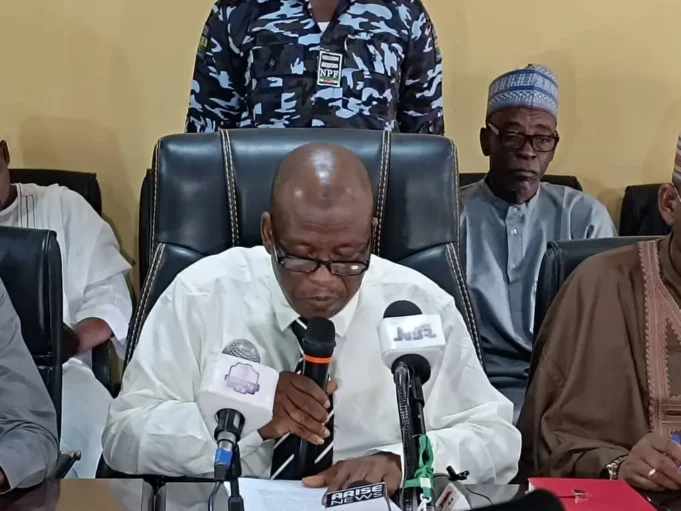
By. Ahmad Muhammad Sani Gwarzo , Anipr.
The story of Professor Sani Lawan Malumfashi enters a profound new chapter—one shaped by the calm resilience of a seasoned academic, the loyalty of those who believe in his character and the values that have guided his life for decades. As public conversations continue to rise and fade, one truth becomes clearer: his legacy reaches far beyond the passing storms of public scrutiny.
To many, the professor’s journey stands as a testament to the enduring power of intellect and discipline. He is part of a rare generation of northern intellectuals whose knowledge is not merely academic, but deeply rooted in wisdom, community experience and moral consciousness. His colleagues often describe him as a man who reads life as carefully as he reads books.
In every institution he served, his presence brought a sense of maturity. He carried himself with the calm assurance of someone who understood both his responsibilities and the weight of his influence. Students recall the confident but humble professor who entered the lecture hall with precision, delivering each idea with clarity, balance and thoughtful depth.
Among the qualities most celebrated about him is his trustworthiness. People who interacted with him closely speak of a man who honored his words as commitments. His promises were modest, but his actions were dependable. He represented a model of leadership anchored not in authority, but in credibility.
In academic discussions, the professor was known for his sharp analytical mind. He possessed the rare ability to separate emotion from reason, ensuring that every conclusion was grounded in evidence. This intellectual discipline shaped his reputation as someone who approached every task—even simple ones—with seriousness and purpose.
His wisdom extended beyond books and politics. It showed in the way he related to people. His peers often say that the professor listened before he spoke, observed before he judged and advised only when necessary. This reflective personality became a defining trait of his leadership style.
Integrity has always been considered his most enduring quality. The professor lived in accordance with his values—simplicity, fairness, and self-restraint. Neighbors and acquaintances describe him as a man who avoided conflict, avoided extravagance, and avoided anything that compromised his peace of mind.
These values shaped his relationships with some of Kano’s most influential leaders. His professional respect for His Excellency, Governor Abba Kabir Yusuf, FNISE, is a significant part of his story. Observers note that the professor maintained a relationship built on courteous dialogue, shared developmental aspirations, and mutual recognition of service to the public.
The governor is known for appreciating competence, honesty, and loyalty—qualities many believe the professor embodied. Their relationship, supporters say, reflected the intersection of academic intelligence and leadership responsibility. It was grounded in professionalism rather than political calculation.
Another important influence in the professor’s journey has been the iconic founder of the Kwankwasiyya Movement and national leader of the NNPP, Dr. Senator Rabiu Musa Kwankwaso. Known across Nigeria for his discipline, courage, and leadership philosophy, Dr. Kwankwaso represents the kind of public figure the professor respects deeply.
Those who have observed the professor’s relationship with Dr. Kwankwaso describe it as one defined by admiration. The professor appreciated Kwankwaso’s commitment to education, youth empowerment, and structural governance. Supporters point out that both men share a disciplined lifestyle and a sober approach to leadership.
Within the circles of the Kwankwasiyya philosophy, values such as humility, justice, and service are non-negotiable. These values align closely with the personality of Professor Malumfashi, which explains why many within the movement view him with respect. His academic discipline mirrors the movement’s intellectual backbone.
The professor’s calm demeanor, even in challenging times, further strengthens the belief that he embodies the qualities that great institutions value. Supporters argue that his composure reflects inner strength rather than public pressure. They see a man who trusts the process of justice, respects the rule of law, and maintains dignity through every phase of his journey.
As public discussions continue, one striking pattern appears: the professor is often described as a man whose understanding of governance is shaped by fairness. His former students recall learning from him that leadership must never be a tool of oppression but a responsibility rooted in justice.
His long years in academia nurtured in him a respect for evidence, procedure, and balanced judgment. These principles shaped not only his teaching but his approach to public leadership. Supporters argue that these values should be remembered and appreciated as part of his overall legacy.
In the communities that know him well, the professor remains a respected figure. Elders see him as a symbol of intellectual pride. Young people admire him as a mentor whose achievements show that education can elevate a person to high responsibility. Civic organizations speak of him as a man who contributed to
societal growth without seeking personal reward.
As society reflects on his contributions, one aspect becomes undeniable: Professor Malumfashi symbolizes a generation of Nigerians who invested their lives in knowledge-building rather than wealth accumulation. This alone differentiates him from many of his contemporaries.
The professor’s supporters often highlight that he lived modestly even when he held influential positions. His house, lifestyle, and personal conduct remain consistent with the principles of simplicity that he taught in classrooms for decades. This coherence deepens the public perception that the professor’s character is not shaped by circumstances but by conviction.
His relationship with people across different social classes further strengthens his enduring reputation. Whether speaking with a student, a civil servant, a political leader, or a market trader, the professor maintained an equal level of respect and patience. His humanity made him accessible, approachable, and widely appreciated.
Among his close associates, the professor is often celebrated for his deep emotional intelligence. He understands the power of empathy in leadership. His guidance is often calm, steady, and grounded in experience rather than reaction. These traits made him a stabilizing influence in many professional settings.
When debates arise about his public life, supporters insist that the professor’s legacy cannot be reduced to legal headlines. They argue that the measure of a man lies in decades of consistent behavior, not in the turbulence of a particular moment. His supporters emphasize that such turbulence does not erase his contributions.
To many, the professor remains a national asset—a scholar who helped shape the intellectual foundations of northern Nigeria. His community engagement, academic service, and calm leadership style are seen as qualities worthy of recognition wherever integrity is valued.
Over time, stories about the professor’s kindness continue to surface. Students narrate how he supported them during difficult periods. Friends describe how he offered guidance without expecting anything in return. Colleagues recall his commitment to teamwork and institutional progress.
These stories collectively paint a portrait of a man deeply rooted in goodness, humility and responsibility. Supporters believe that this foundation of character will continue to shape public memory long after current discussions fade.
As Part Three of his journey unfolds, the professor’s narrative becomes not only a personal story but a reflection of Nigeria’s search for leaders who carry wisdom, integrity and community loyalty. It is a search for individuals whose character remains strong even when tested by the complexities of public life.
For those who admire him, the professor stands among such individuals. They believe that his legacy will ultimately highlight the values he upheld—not the challenges he encountered. They believe that future generations will remember him as an educator, a thinker, a peaceful citizen and a man of disciplined principles.
His life continues to inspire conversations about trust, leadership and ethical responsibility. These conversations form an essential part of his evolving story—a story shaped not by the voices of critics but by the enduring truth of character.
In this broader view, the professor remains a symbol of what it means to serve with dignity, to teach with sincerity and to live with purpose. His journey continues to resonate because it reflects the timeless values of wisdom, humility and honor.
As the narrative moves forward, one idea becomes central: the professor’s contributions to education and community development form the foundation upon which his legacy will stand. His values continue to echo through the lives he touched.
The professor’s story, like all stories of great men, is one of resilience. It is the story of a scholar who walked through the world with dignity, who built bridges with people and who held firm to his beliefs even when tested.
In this final portrait, he stands as a figure whose wisdom shaped many, whose integrity guided him and whose trustworthiness earned him a permanent place in the hearts of countless Nigerians.












Opinion
Alhaji Abba Yusuf At 81: A Life Of Service, Leadership And Traditional Responsibility
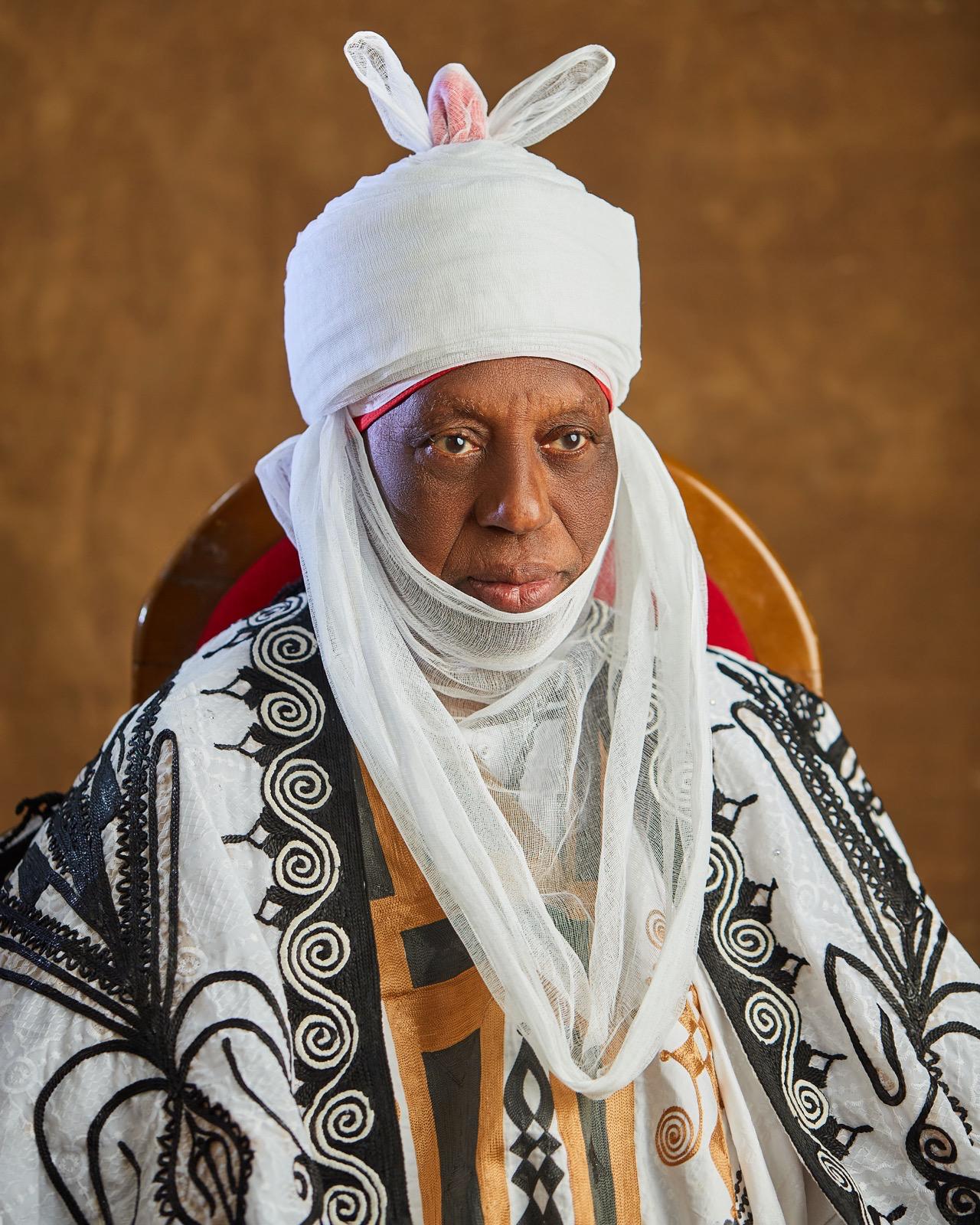
By Baba Dantiye, MON, mni, FNGE
Eighty-one years is a remarkable milestone in the journey of life. It represents more than the passage of time; it offers an opportunity to reflect on a life shaped by experience, service and the enduring values that give meaning to human existence.
For Alhaji Abba Yusuf, Secretary of the Kano Emirate Council and District Head of Dawakin Kudu, Danmakwayon Kano, his 81st birthday provides an opportunity to celebrate a distinguished journey through public administration, trade union leadership and traditional service.
His story reflects a career spanning three important spheres of responsibility. From local government administration to the trade union movement and, subsequently, the Kano Emirate Council, he has served in institutions that require an understanding of people, respect for established procedures and a commitment to the responsibilities entrusted to their leaders.
His years in local government administration provided an important foundation for his subsequent assignments. As the tier of government closest to the people, local government operates where public policies meet everyday needs and where the effectiveness of governance is often measured by its direct impact on communities.
Service at this level demands familiarity with administrative procedures, patience in dealing with competing expectations and an appreciation of the practical challenges confronting ordinary citizens. His experience in local government therefore constitutes an important chapter in his professional journey, exposing him to the workings of public administration and the relationship between government and the communities it serves.
Another defining aspect of his career is his involvement in trade union leadership. Trade unionism occupies an important place in public administration and democratic society. It provides an organised platform through which workers articulate their concerns, defend their legitimate interests and engage employers and government on matters affecting their welfare.
Veteran union leaders often operate in demanding circumstances. They must understand their members’ interests, negotiate with management, manage disagreements and pursue collective objectives without losing sight of the need for dialogue. Such responsibilities require patience, courage, tact and an ability to balance competing interests.
The experience acquired through trade union leadership can be valuable beyond the workplace. Consultation, negotiation, representation and conflict management are essential in many areas of public life. For someone who subsequently assumed responsibilities within a traditional institution, these experiences provide a useful foundation for understanding people and managing institutional relationships.
Alhaji Abba Yusuf’s years in the trade union movement consequently form a significant part of his professional story. They represent another phase in a career that has brought him into contact with different institutions, constituencies and responsibilities.
His subsequent service at the Kano Emirate Council represents a further chapter in this journey. The Kano Emirate occupies an important place in the historical and cultural life of Kano. Beyond its ceremonial functions, the traditional institution plays a role in community engagement, traditional administration and the preservation of customs and values that have endured across generations.
As Secretary of the Council, Alhaji Abba Yusuf occupies an administrative position that connects institutional decisions with their implementation. The office requires organisational ability, effective communication, familiarity with established procedures and an appreciation of the traditions and protocols of the institution.
His journey from local government administration and trade union leadership to the Emirate Council brings together three distinct but related areas of service. Each has its own demands, yet all require an understanding of people, respect for institutions and the ability to work within established systems.
His position as District Head of Dawakin Kudu, with the traditional title of Danmakwayon Kano, adds another dimension to his public responsibilities.
Traditional leadership remains an important feature of community life in Kano State. District heads and other traditional officeholders operate within an established hierarchy and are expected to uphold the dignity of their offices, respect local customs and contribute to peaceful community relations.
Such responsibilities extend beyond the prestige associated with a traditional title. They call for a commitment to the people, respect for institutions and an appreciation of the historical significance of traditional authority. The district headship also places Alhaji Abba Yusuf within the continuing relationship between the Kano Emirate and the communities under its traditional administration.
Taken together, his experience in local government, trade union leadership and traditional administration provides an opportunity to reflect on the different ways individuals contribute to public life. Each sphere has its own expectations, but the ability to listen, consult, negotiate and understand the concerns of others remains relevant across them all.
An 81st birthday is also an occasion to appreciate the value of experience accumulated over many decades. Society changes, institutions evolve, generations succeed one another and new challenges emerge. Those who have lived through different periods of these developments possess perspectives that can enrich public discourse and provide useful lessons for younger generations.
The value of such experience lies not simply in the number of years lived, but also in the opportunities it offers for reflection, learning and continued contribution. Alhaji Abba Yusuf’s professional journey provides a basis for considering how knowledge and experience acquired in one institution can serve as a resource in another.
At this milestone, family members, friends, colleagues and associates have an opportunity to celebrate not only his longevity but also the various responsibilities he has undertaken over the years. His career has encompassed public administration, organised labour and traditional service, giving his professional life several distinct chapters.
The occasion also reminds us of the importance of continuity across generations. Institutions endure when experience is respected, responsibilities are taken seriously and the values underpinning public life are preserved. The lessons accumulated over a long career can remain useful long after particular assignments have ended.
On this special occasion, I congratulate Alhaji Abba Yusuf, Secretary of the Kano Emirate Council and District Head of Dawakin Kudu, Danmakwayon Kano, on attaining the remarkable age of 81.
May Almighty Allah grant him continued good health, peace of mind and renewed strength. May He bless his years with contentment, protect his family and enable him to continue contributing meaningfully to the institutions and communities with which he is associated.
Happy 81st birthday, Alhaji Abba Yusuf, Danmakwayon Kano. May the years ahead bring you good health, dignity, peace and fulfilment.
Baba Dantiye, MON, mni, FNGE
Former Kano State Commissioner for Information and Internal Affairs
Former President, Nigerian Guild of Editors
Opinion
OPEN LETTER TO HIS EXCELLENCY, MR. PRESIDENT BOLA AHMED TINUBU, GCFR PRESIDENT AND COMMANDER-IN-CHIEF OF THE FEDERAL REPUBLIC OF NIGERIA
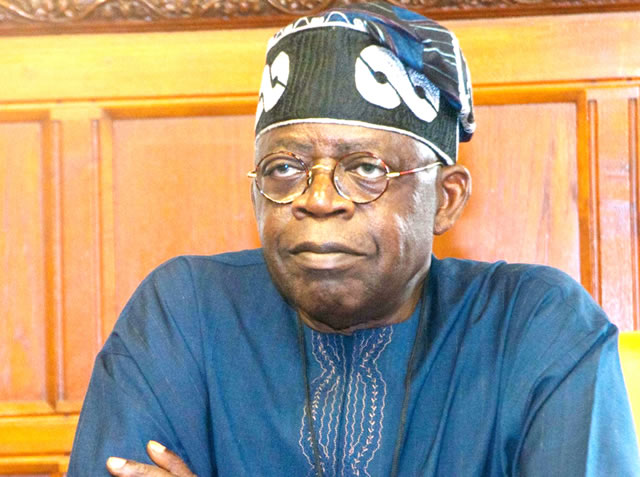
KANO AT A CROSSROADS: AN URGENT CALL FOR IMMEDIATE PRESIDENTIAL INTERVENTION TO PREVENT CRISIS AND SOCIAL UPHEAVAL
Your Excellency,
The Kano Patriotic CSOs Coalition Forum (KPCF), a coalition committed to peace, good governance, human rights, democracy and the protection of Kano State’s long-standing tradition of peaceful coexistence, writes with deep concern over recent developments that have heightened political and social tensions in the ancient city of Kano.
Kano Is At a Crossroads
We believe that the situation requires urgent, impartial and preventive intervention by the Federal Government, before the current tensions develop into a wider crisis or social unrest
Kano is a politically active and socially diverse society. Its people have historically demonstrated resilience, tolerance and peaceful coexistence. However, the current political season, combined with the continous happenings surrounding the Kano Emirate, makes any inflammatory statement, actions with provocative tendency, or political confrontation, potentially and imminently dangerous.
Our Concern Over Inflammatory Statements
KPCF is deeply concerned about the statement attributed to Alhaji Aminu Babba Dan’agundi (Sarkin Dawaki Babba), which we consider unfortunate and particularly concerning at this sensitive period. Public statements by prominent traditional and community figures carry significant influence and should, therefore, be guided by the need to promote peace, unity, tolerance and social cohesion.
Similarly, a viral video circulating on social media allegedly showed Hon. Aminu Abdullahi Warkal, an NDC candidate for the Kano State House of Assembly representing Gwale Constituency, displaying what appeared to be a pump-action rifle during a political gathering or rally in the Janbulo area of Gwale.
We have also learnt that the Kano State Police Command subsequently invited him for questioning in connection with the alleged incident, reportedly citing possible violations of relevant firearms laws and concerns relating to public peace and security. These allegations remain matters for the appropriate authorities to establish in accordance with due process.
KPCF emphasizes that, regardless of political affiliation, social status, traditional position or personal differences, public figures, political actors, traditional institutions, religious leaders and community influencers have a shared responsibility to promote peaceful political participation and social cohesion. Language or conduct capable of generating fear, anger, hostility or confrontation should be avoided, particularly as political activities and campaigns intensify.
We therefore urge all political, traditional, religious and community leaders, as well as their supporters and followers, to exercise the highest level of restraint and responsibility. We call on all stakeholders to refrain from hate speech, inflammatory rhetoric, threats, incitement, intimidation or any statements and actions capable of provoking violence or mobilising citizens against one another.
KPCF further encourages political actors and other influential stakeholders to use their platforms to promote dialogue, tolerance, respect for opposing views and peaceful participation, recognising that political differences should never become a basis for violence or threats to the safety and dignity of citizens.
At this critical period, Kano State needs responsible leadership, restraint and constructive dialogue from all sides. We call on all stakeholders to put the peace, security and unity of Kano State above partisan interests and personal differences.
The Recent Durbar Incident
KPCF is also concerned about the reported incident surrounding the recent Durbar organised by the 15th Emir of Kano, Alhaji Aminu Ado Bayero, during which violence was reported and campaign posters and billboards bearing the identities of President Bola Ahmed Tinubu and Governor Abba Kabir Yusuf, were reportedly destroyed by some people alleged to the supporters of the 15th Emir of Kano, Alh. Aminu Ado Bayero.
Although, we have acknowledged reports that Alhaji Aminu Ado Bayero subsequently and personally apologised to Governor Abba Kabir Yusuf over the incident. Though, such an apology is welcomes and it certainly represents an important gesture towards de-escalation of the already heated atmosphere.
However, an apology alone may not be sufficient to address the broader concerns arising from the incident. We respectfully urge the relevant authorities to establish the facts surrounding the incident and ensure that any person found to have committed an offence is dealt with in accordance with the law, irrespective of political, traditional or social status.
Political campaign materials are part of democratic expression. Their unlawful destruction, just like any other act of violence or intimidation, should not be allowed to become normalised.
The Kano Emirate Matter and the Rule of Law
Your Excellency, KPCF is particularly disturbed about the continuing politicisation of the Kano Emirate issue.
We respectfully recognise that matters concerning the Kano Emirate have generated strong emotions across the State and that aspects of the dispute have been subjected to judicial consideration, including proceedings before the Supreme Court of Nigeria.
In the interest of peace and respect for constitutional institutions, we appeal to political appointees and government officials at both Federal and Kano State levels to refrain from making inflammatory statement or taking partisan positions on matters before the courts.
The judiciary must be allowed to perform its constitutional responsibility without political pressure, intimidation or public mobilisation.
We therefore call on all stakeholders to allow the courts to determine the legal questions before them and to respect the outcome of the judicial process.
Our Appeal for Immediate Presidential Intervention
Your Excellency, KPCF respectfully believes that this is the time for preventive leadership rather than reactive intervention.
We therefore appeal to Your Excellency to:
1. Urgently intervene in the emerging situation in Kano State and encourage all parties to exercise maximum restraint.
2. Direct the relevant security and intelligence agencies to closely monitor developments and take preventive measures against violence, intimidation, hate speech and destruction of property.
3. Call on political appointees at both Federal and Kano State levels to refrain from unnecessary involvement in the Emirate dispute, particularly on matters that are before the courts.
Reaffirm the independence of the judiciary and encourage all parties to respect judicial proceedings and decisions concerning the Kano Emirate.
Direct that political parties, campaign organisations and their supporters be protected equally and that the destruction of political posters, billboards or campaign materials be investigated and addressed according to law.
Ensure that all persons responsible for violence, regardless of political or traditional affiliation, are held accountable under the law.
Encourage traditional, religious, political and community leaders to publicly commit themselves to peace and responsible communication throughout the political campaign period.
Facilitate an inclusive peace and stakeholders’ dialogue in Kano, involving the State Government, Federal Government representatives, traditional institutions, political parties, security agencies, religious leaders, youth and women representatives, and civil society organisations.
Urge political actors to focus their campaigns on issues of development and governance rather than personality traditional institutions or matters capable of dividing the people of Kano.
Kano Must Not Be Allowed to Slide into Crisis
Your Excellency, Kano is too important to Nigeria to be allowed to descend into avoidable confrontation
The ancient city of Kano is a major commercial, cultural, political and social centre whose stability has implications far beyond the State. A crisis in Kano would affect not only its citizens but also neighbouring states and the wider northern region.
KPCF therefore considers the present moment a critical early-warning stage. We believe that decisive and impartial intervention now can prevent a much more serious crisis later.
We appeal to Your Excellency, as President and Commander-in-Chief, to use the moral authority and constitutional powers of your office to send a clear message that peace, democratic participation, freedom of expression, respect for traditional institutions, protection of political rights and the rule of law must prevail over political rivalry.
We further urge all parties to sheathe their swords, avoid provocative statements and actions, and place the peace and stability of Kano above personal, political or institutional interests.
Kano belongs to all its people. Its peace must not become a casualty of political competition or institutional disagreements.
The Kano Patriotic CSOs Coalition Forum remains committed to working with the Federal and State Governments, security agencies, traditional institutions, political parties and all stakeholders to promote peaceful coexistence, democratic participation and respect for the rule of law.
We respectfully call on Your Excellency to act now, before tension becomes crisis and crisis becomes conflict.
May peace continue to prevail in Kano State and the Federal Republic of Nigeria.
Yours faithfully,
Signed ,
Hassan Ibrahim Gama Mustapha Muhammed Chiroma Peter Hassan Tijjani
Convener Convener Convener
For and on behalf of the undersigned members of the Kano Patriotic CSOs Coalition Forum (KPCF):
S/N
Contact Person
Name of Organization
1
Hassan Ibrahim Gama.
Friend of the Community Organisation (FOCO)
2
Mustapha Muhammed Chiroma
Community Rights Initiative Of Nigeria (CORIN)
3
Peter Hassan Tijani
New Ethics for Empowerment and Development Initiative (NEEDIN)
4
Farouk Umar
Citizens for Development and Education (CDE)
5
Ibrahim Muhammad
Rural – Urban Slums Development Initiative (RUSDI)
6
Ruth Stephen
Touch and Care Foundation (TOCAF)
7
Maimuna Shuaibu
Muna Helping Hand Foundation (MHHF)
8
Amb. Lami Bako Yakasai
Enlightenment And Empowerment Of Northern Women Initiative
9
Abdulrahman Uba Daushe
Spinal Cord Injuries Association Of Nigeria (SCIAN)
10
Ahmad Tijjani
Alkali Ahmad Center For Development
11
Sunusi Hashimu
Society For Child Support And Economic Empowerment (SOCSEE)
12
Hassan Musa Yaro
Cardinal Aid Development Support Initiative
13
Nworisa Michael
Stand For Peace Initiative
14
Aisha Ahmed Abdulkadir
Sustainable Dynamic and Human Development Initiative
15
Khadija A. Muhammad
Nana Aisha Development Initiative (NADI)
16
Halima Suleiman ESQ
Advocacy on Human Rights and Equal Opportunity (AHREO)
17
Dr. Kabir Hamisu Kura
Community Development Initiative
18
Halima Titi Bello
Women Gender Developers (WOGEND)
19
Rakiya Ladi Musa
Ansar Women Development
20
Amina Ali Alhassan
Be My Guide Development initiative.
21
Amb. Rabi Yusuf Gezawa MON
Center For Empowerment Of Older Persons And The Vulnerable (CEOPAV)
22
Comrade A.A Haruna Ayagi
International Human Rights Network IHRN-Nigeria
23
Tijjani Sarki
Human Rights Watch And Youths Empowerment Foundation, Nigeria.
24
Ola Taiwo
Mari-Care Foundation for Widows, Single Parents, Orphans and Vulnerable Children Nigeria. (MARI-CARE)
25
Solomon Samuel
Mercy Helpline Initiative
26
Sheriff Abubakar
Sheriff Orphanage and Charity home foundation (Sheriff foundation)
27
Salmanu Muhammed
WAZOBIA International Women and Children Foundation, Kano
28
Amb. Hadiza Abdullahi kishimi
Women’s Social and leadership Development initiative ( WSLDI )
29
Grace Musa
Standup for Women Society
30
Dr. Ramatu Garba
Support For Women And Teenage Children (SWATCH)
31
Amina Aliyu Dogarai
Women and orphans charity initiative
32
Surayya Ado Salisu
ABC Road Safety Project Initiative
33
Barr. Aisha Ali Tijjani
Sayyidatu Wal adfal Foundation (Women and Children Foundation)
34
Murjanatu G. Umar
Women Empowerment, Leadership, Education, Advancement And Development Initiative (WE-LEAD)
35
Amb. Maryam Hassan
League for Societal Protection Against Drugs Abuse (LESPADA)
36
Wali Ado Rano
Voice Of The Hopeful Enlightenment And Development Initiative (VOHEDI)
37
Saratu I. Maigida
Lifeline Initiative For Widows Empowerment And Economic Development (LIWEED)
38
Sagir Salihu Chedi
Voice And Accountability Platform (VAP)
39
Barr. Mustapha Idris
Human Right and Community Initiative
40
Gharzali Ibrahim Ungogo
Ummatee Centre For The Promotion Of Public Education, Accountability And Social Safety (UMMATEE-C4PASS)
41
Aisha Halliru
Halliru Memorial Youth Development And Empowerment Initiative (AYDI)
42
Mrs. Esther Abdulahi Kingsley
Inter-tribe Community Support Forum
43
Auwal Idris Dorayi
Center For Peace And Environmental Justice CEPEJ
44
Mariya Ishaka
Albino Cluster Association
45
Sani Shuaib Rogo
Rogo Concern Citizens
46
Abubakar Shuibu Maitumaki
Youth Awareness Foundation On Drug Abuse (YAFODA)
47
Dr. Mustapha Mukhatar
Danbatta Development Forum (DDF)
48
Musa Muhammad Khaila
Community Support for Social Accountability Initiative (COMSSI)
49
Haj. Habiba Mijinyawa
Federation of Muslim Women Association of Nigeria (FOMWAN) Kano
50
Abbas Abdullahi Yakasai CISSP, IPMA
One Kano Agenda
51
Comrade Ali Wali
Network for Environmental Safety and Society Development (NESSD)
52
Hadiza Bala Fagge
Women Widows And Orphans Development Initiative (WWODI)
53
Farida Ahmed Tahir
Mata Iyayen Al’umma Foundation
54
Bello Abdulkadir Yusuf
Karaye Community Development Association
55
Badiya Aliyu
Sustainable Dynamic Human Development Initaitive (SDHDI)
56
Ruqayya Bello
Women for Women Initiative
57
Sabo Bello Madaki
Kiru Community Development Association
58
Sunusi Mamuda Wudil
Wudil Association Cooperative
59
Zubaida Umar Gashash
Youths And Women Sustainable Development Initiative (YASDI)
60
Ibrahim H. Sale
Habib Community Education Initiative
61
Khadijah Ibrahim
Adolescents Girls, Children And Research Project – GCRP
62
Sumaila Namadi Ahmad
Yadfulde Kiru Local government Association & Dev.
63
Abdulaziz Habibu Bello
Yanoko Youth Development Association
64
Umar Ibrahim Umar
War Against Injustice
65
Maimuna Umar Sheriff
Centre for Gender Base Violence Advocacy
66
Kola Samuel Asaju
KAF Care Foundation
67
Ali Suleiman
Masses First International Organization –MFI
68
Muhammed Yusuf Gama
Global Youth and Women Support Initiative – GLOYWSI
69
Abubakar Shariff Jaddah
Society for Women and Child Health Initiative (SWACHI)
70
Abdussalam Haruna
New Turn for Youth Enthusiasm & Dev. (N-YED)
71
Dalhatu Jibrin Dalhatu
Karaye Initiative Forum
72
Mohammad Lawal Datti
Initiative for Health Rescue & Risk Reduction (IHRAR)
73
Amb Dr Abdulrahman Kitilly Hudu ( Phd)
Empowerment For Vulnerable Women And Children International (EVWACH International)
74
Fatima Umar
Albarka Women Development Association
75
Mahmud Hashimu
Community Health I Initiatives and society development – CHISOD
76
Suyudi Isa Jibril
Media Advocacy for Accountability Sustainable Initiative –
77
Lukman Dayyab
Public Health Promotion Initiative
78
Amb Maryam Ibrahim Sani
Nigerian Coalition on youth,peace and security Agenda,Kano.
79
Haj. Safiyya Salisu Abdul
Support Group For Good Governance Organisation (SG3)
80
Sagir Saidu
Gyarakayanka Development Association
81
Sani Muhammad.
Annur Health And Peace Community Development Initiative
82
Ahmad Tijjani Yau
Development Insight Hub
83
Comrade Garba Suleiman Marafa
WAZOBIA Conflict Resolution And Peace Advocacy Initiative (WACORPAI)
84
Dr. Auwalu Halilu
Non-Formal Development for Education and Health Initiatives (NDEHI)
85
Yahaya A. Yahaya
National Association Of Persons With Physical Disabilities Kano Chapter (NAPWPD)
86
Dr Abubakar Ibrahim Hassan
Community Education and Health Promotion Initiatives (CEHPI)
87
Hajiya Saadatu Hashim
Concerns Mothers Association of Kano
88
Aisha Shatima
Joint Action Campaign for development
89
Najib Nasir
Northern Youth Concerned
90
Dr. Tanimu Adam Ibrahim
Gwarzo Initiative Forum
91
Aminu Sa’ad
Consolidated Ajingi Development Association.
92
Umar Iliyasu Madobi
Madobi Youth Development Forum
93
Barrister. Badamasi
Kano First Forum
94
Salamatu Sulaiman Mustapha
Salmah Africa Rescue Initiative
95
Garba Musa
Save Girls Initiative
96
Murtala Muhd Rabiu
Hannu Dayawa Youth development Association Bachirawa
97
Maryam Muhammad
Indigent Youth Education And Care Foundation (IYECF)
98
Rakiya Abba Tahula
Interfaith Peace Foundation
99
Nafisa Muhammad Ado
Anniswan Women Health Initiative (AWOHI)
100
Mohammed Hussaini
Nigerian Democracy Working Group
CC:
– The National Security Adviser (NSA), Federal Republic of Nigeria
– The Inspector-General of Police (IGP), Nigeria Police Force
– The Director-General, Department of State Services (DSS)
– The Director-General, National Intelligence Agency (NIA)
– The Commandant-General, Nigeria Security and Civil Defence Corps (NSCDC)
– The Commissioner of Police, Kano State Command
– The Director, State Security Services (SSS), Kano State
– The Kano State Commandant, NSCDC
Opinion
Muhuyi Raided Our Area: Encomiums, Prayers and Solidarity Trail Operation

By Abba Anwar
A few days ago, Sheikh Salga Street, the stretch from Goron Dutse to Jakara, was a haven for Yandaba and drug addicts. They terrorized residents in broad daylight without fear, and at night, it was even worse. The Jakara Divisional Police did their best to curb the menace, but the challenge was beyond a single station.
The real game-changer came when the Inter-Agency Task Force Against Drug Abuse and Other Related Crimes, under the fearless Barrister Muhuyi Magaji Rimingado, stormed the area. It was a thorough, house-to-house operation that combed every nook and cranny.
This is my area. I was born and raised in Bakinruwa quarters, and I have friends across all the adjoining neighborhoods. When Barrister Rimingado led his men in a Rambo-style raid, calls started coming in. Many residents told me that this single operation alone has convinced every right-thinking person in the area to vote for the present administration under His Excellency, Governor Abba Kabir Yusuf, in the 2027 election.
Interestingly, a greater percentage of those I spoke to do not belong to the ruling party, the All Progressives Congress, APC. Yet they insisted that this intervention is the best thing that has happened to them in recent times. They promised to pay back with their votes in 2027.
Politics aside, when these criminal elements forced people to run for their lives, they did not ask whether you wereAPC, ADC or any other party. Several people were severely injured. Some were alleged to have lost their lives.
What made this raid more strategic and successful was how the Task Force worked hand-in-hand with traditional community leaders, the Masu Unguwa. These are leaders who know the suspects by name, who know their parents, their houses and their hideouts. That is why the operation succeeded.
This is a smart application of community policing. Beyond intelligence from security agencies, bringing in community leaders was a vital, creative and strategic move by the Chairman of the Task Force.
The raid was not a one-day show. It continued up to yesterday. Coincidentally, there was a Maulud gathering on the road between Durumin Kaigama and Yar Kasuwa. I learnt that immediately after the Maulud, a special prayer session was held. They prayed for Governor Yusuf to secure another term, and they prayed for Allah’s protection and guidance for Barrister Rimingado and his dedicated team.
What the Task Force did was appreciated by thousands of residents. From what I gathered, some youth have even started organizing a movement to support Governor Yusuf’s re-election bid. The movement, I learnt, has nothing to do with party affiliation.
I was briefed that youth from all walks of life are involved – students, artisans, members of community-based organizations, business people, women groups and civil servants.
What Barrister Rimingado did has opened the eyes of many apolitical people. These are hundreds of people who do not belong to any political party, but who have now resolved to do everything possible to ensure Governor Yusuf returns in 2027.
This vindicates what I wrote earlier, that politics aside, if properly handled, the activities of the Task Force could be one of the most fundamental efforts capable of giving APC more votes in Kano in all elections, especially the gubernatorial contest.
Alhamdulillah, rules of engagement were professionally adhered to during the raid. About 80 suspected criminals were arrested. Some fled out of the state, but I was reliably informed they will be trailed to wherever they hide. This is what we call patriotic commitment.
Let me use this platform to convey the thank-you message of our people to the Governor of Kano State and the Task Force under Barrister Rimingado for this timely intervention and show of concern and seriousness.
One Malam Ahmad Dahawi, who leads an umbrella body of community associations in the area with thousands of members, confirmed that peace has now returned to the affected areas. He assured that although their umbrella body comprises people across different political parties, they have resolved to support Governor Yusuf in 2027, while members are free to vote for whoever they like in other elections.
More grease to your elbow, the people’s Governor. More courage and fearlessness to Barrister Rimingado and his unwavering team. With this kind of teamwork and community support, the days of these criminals are numbered.
What is most interesting is the political will of the Governor and his unwavering support for cleansing our state of criminal activities.
I suggest other areas within the metropolis and rural communities, should copy from our people in supporting the operation of the all-important Task Force. It is for the good of all of us.
Anwar writes from Kano
Saturday, 3rd October, 2026

EFCC Reopens Atiku’s Alleged Financial Crimes Probe

APC Presidential Campaign Council: Nigerians Devoid Of Party Affiliations Endorses Tinubu’s 2nd Term-Kwankwaso

IMF to Nigeria: Don’t Bring Back Petrol Subsidy for Everyone, Help the Poor Instead

Alhaji Abba Yusuf At 81: A Life Of Service, Leadership And Traditional Responsibility

Ahmad Hamisu Gwale Wins NBMA National Award for Best Male Newscaster 2026

Zamfara Varsity ASUU Threatens Warning Strike Over FG-ASUU Agreement, Promotion Arrears

PCACC Arrests Man Over Alleged ₦4.5m Sale, Illegal Leasing of Kano Government Horse Stable

Goje’s Electoral War:The Confrontation With Tinubu,Governor Inuwa,Usman Kumo And APC candidates Ahead Of 2027

Prof Yusuf Adamu Delivers BUK’s 63rd Professorial Inaugural Lecture, Reflects on Medical Geography and Academic Legacy

RE:WE ARE UNDER SIEGE: TARABA MONARCH BREAKS SILENCE AS FULANI BANDITS OVERRUN THE ANCIENT KWARARAFA KINGDOM:
EFCC Reopens Atiku’s Alleged Financial Crimes Probe
APC Presidential Campaign Council: Nigerians Devoid Of Party Affiliations Endorses Tinubu’s 2nd Term-Kwankwaso
IMF to Nigeria: Don’t Bring Back Petrol Subsidy for Everyone, Help the Poor Instead
Alhaji Abba Yusuf At 81: A Life Of Service, Leadership And Traditional Responsibility
Ahmad Hamisu Gwale Wins NBMA National Award for Best Male Newscaster 2026
Zamfara Varsity ASUU Threatens Warning Strike Over FG-ASUU Agreement, Promotion Arrears
PCACC Arrests Man Over Alleged ₦4.5m Sale, Illegal Leasing of Kano Government Horse Stable
Goje’s Electoral War:The Confrontation With Tinubu,Governor Inuwa,Usman Kumo And APC candidates Ahead Of 2027
Prof Yusuf Adamu Delivers BUK’s 63rd Professorial Inaugural Lecture, Reflects on Medical Geography and Academic Legacy
RE:WE ARE UNDER SIEGE: TARABA MONARCH BREAKS SILENCE AS FULANI BANDITS OVERRUN THE ANCIENT KWARARAFA KINGDOM:
-

 Opinion5 years ago
On The Kano Flyovers And Public Perception
-

 Features5 years ago
How I Became A Multimillionaire In Nigeria – Hadiza Gabon
-

 Opinion6 years ago
Kano As future Headquarters Of Poverty In Nigeria
-

 History6 years ago
Sheikh Adam Abdullahi Al-Ilory (1917-1992):Nigeria’s Islamic Scholar Who Wrote Over 100 Books And Journals
-

 Opinion5 years ago
My First Encounter with Nasiru Gawuna, the Humble Deputy Governor
-

 History5 years ago
The History Of Borno State Governor Professor Babagana Umara Zulum
-

 History6 years ago
The Origin Of “Mammy Market” In Army Barracks (Mammy Ochefu)
-

 News5 years ago
Federal University Of Technology Babura To Commence Academic Activities September