
News
Katsina APC Prays For Senator Abu Ibrahim @80

Katsina APC Deputy Chairman Bala Habu Musawa Leads Grand Prayer and Charity in Honour of Distinguished Senator Abu Ibrahim at 80
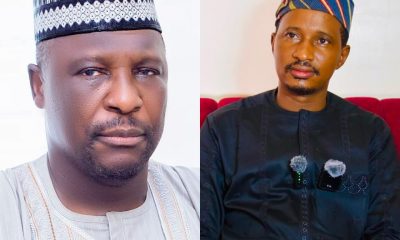
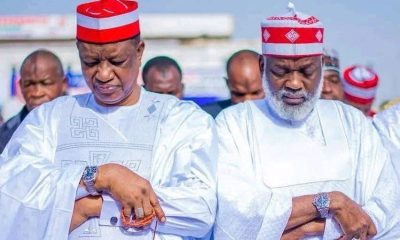
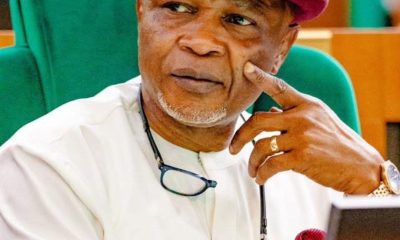
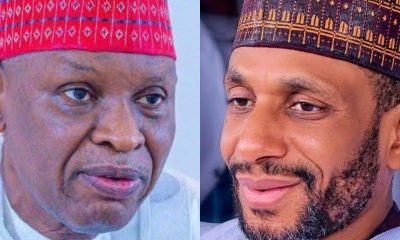
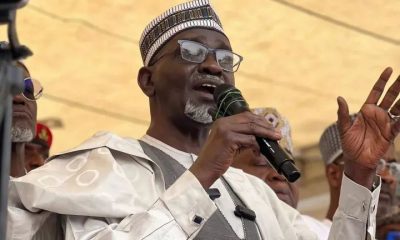
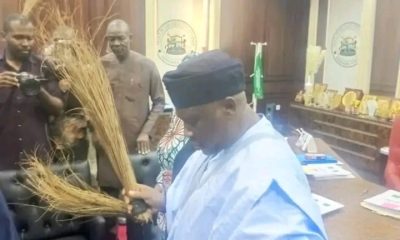
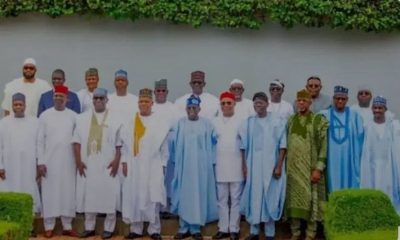
In an atmosphere filled with gratitude, unity, and reverence, political associates, clerics, family members, and well-wishers gathered to celebrate the 80th birthday of Distinguished Senator Abu Ibrahim a man described as a fountain of inspiration and selfless service.
The special event was organized by the Deputy Chairman of the All Progressives Congress (APC) in Katsina State, Bala Habu Musawa and other will wishers, who led prayers, charity donations to orphans, and reflections on the Senator’s enduring legacy.
Speaking during the occasion, Bala Habu Musawa said:
“We gather here today in an atmosphere of gratitude, unity, and reverence to celebrate a man whose life is a fountain of inspiration and selfless service Distinguished Senator Abu Ibrahim as he graciously attains the age of eighty years.
This gathering is not about politics, but about prayers, thanksgiving, and reflection a humble effort to honor a father, mentor, and statesman who has touched countless lives with his wisdom, patience, and generosity.
Allah is our witness that this noble thought came from within us, and his devoted family members. We collectively agreed that it was necessary to organize this special prayer gathering in honor of our father and leader, Distinguished Senator Abu Ibrahim, as he marks 80 remarkable years of life.
We also resolved to reach out to at least one hundred orphans, some living close to his residence, by offering them modest gifts and charity. We have invited our learned clerics to lead prayers of goodwill and blessings so that Allah may include us in their supplications that we may live with the kind of noble character and humility that our father, Senator Abu Ibrahim, embodies.
Even if we cannot fully reach his level of greatness, we pray that we may at least walk in his footsteps with dignity, self-respect, and the grace he represents. We pray that just as people have benefitted from his generosity, others too may one day benefit from ours, even after our time on earth.
Everything we have become today, whether in Katsina State or anywhere in Nigeria, is through the guidance, mentorship, and support of Senator Abu Ibrahim. He lifted us when we were unknown; he honored us and gave us the platform to grow. Today, we hold our heads high in Katsina, proud of who we are because of him.
Even when people identify us, they say, ‘Those are the children of Bala,’ but at the end of the day, we are always known as ‘the household of Habu Ibrahim.’
Now that our father and mentor has reached old age, we too have matured and grown in our own capacities. Though we strive to emulate him, we can never truly match the greatness of Senator Abu Ibrahim. His patience, wisdom, and integrity are unmatched.
When we first knew him, he was already advanced in age, yet full of discipline and principle. As for us, we are still young, still learning, still growing. But Senator Abu has always been a true elder a man of his word, a man of truth. When he speaks, one never suspects political flattery; he speaks sincerely, from the heart. He is not a man chasing after the pleasures or wealth of the world a virtue that clearly distinguishes him from most of us today.
Even after serving two or three terms in the Senate, he owns no personal mansions beyond the official houses in Kaduna and Katsina provided by the government. Only recently did his elder sons build their own house in Abuja. Throughout his years in the capital, he lived in a rented apartment despite his long service in politics.
I remember vividly one day when he came to my house and, seeing the large house I had built, he looked surprised and said jokingly, ‘Bala, do you ever think you will die? Otherwise, why have you built such a big house?’ That is the kind of fatherly counsel he gives reminding us of humility and legacy.
In today’s generation, people measure success by the height of their buildings, but during his time, it was not like that. Let’s not forget, he once served as one of the pioneer directors of Abuja when the city was first being developed. Yet despite that opportunity, he owned no plot of land, simply because worldly acquisition was never his concern.
When he entered politics, it was purely as a servant of God and humanity, not a seeker of gain. He even won elections under the opposition, and through Allah’s grace, he triumphed. During the PDP era, even when the ruling party tried to unseat him, they could not succeed, for Allah stood firmly by him.
Every week, without fail, Senator Abu Ibrahim could be found in his constituency attending funerals, visiting the sick, and participating in weddings of the very people who voted for him. His closeness to the people built unshakable trust and love, to the point that they repeatedly re-elected him.
And when the time came for him to step aside, he did not cling to power. He said, ‘My body is tired; let the younger ones take over.’ Since he vacated that seat, no one has been able to replicate his achievements in the Funtua zone. Many have tried, but their performances fall short because the dignity and humility with which he served are rare.
Indeed, every person who occupies that seat after him is only borrowing his name, for the legacy of Senator Abu Ibrahim refuses to fade.
These are the values he instilled in us integrity, modesty, service, and fairness. Whenever he was given the opportunity to nominate people for government positions, he never promoted his biological children. Instead, he uplifted others.
I remember vividly during Governor Masari’s administration when an alliance was formed between Masari and Senator Abu Ibrahim. Each was asked to submit names for commissioner slots. Senator Abu did not submit his son Muhammadu’s name, nor any relative’s. Instead, he nominated hardworking party loyalists like Hamza Sule Faskari and Hamza Burodo both of whom have continued to serve Katsina State honorably to this day.
Yet, the Senator has many capable sons Muhammadu, Engr. Yahaya, Ibrahim, and Ahmad all qualified to hold any public office. But he never imposed them.
Contrast that with other politicians like the late Kanti Bello, who gave his son Mustafa a commissioner’s slot, and Sada Ilu, who also nominated his own son. Senator Abu Ibrahim never did that. Instead, he brought up people like us his political children and encouraged us to continue the struggle.
Even now, under President Bola Ahmed Tinubu, who is his close ally and friend, Senator Abu remains deeply respected. In fact, among all northern leaders, Tinubu’s closest northern friend has always been Abu Ibrahim. The President himself once said that Muhammadu was ‘his son,’ not just Senator Abu’s and that was why he personally insisted that Muhammadu must be appointed into his government.
Muhammadu, who had never even worked in government being a private businessman, following his father’s teachings was appointed only because Tinubu insisted, saying, ‘He is my son.’
All these are proofs of the honor and respect our father commands. And for that reason, we, his political sons and loyalists, have never been ungrateful. Wherever his name is mentioned, we stand in defense of it. From the days of politics until now, his name commands respect and affection.
That is why we decided to organize this charity and prayer event to support orphans and offer prayers for his long life and continued blessings. Even if all we can provide is a day’s meal, our intention is sincere that Allah accepts our efforts, grants his wishes, and strengthens him with good health and longevity.
Our gathering is not political in nature. It is about celebrating 80 years of wisdom, service, and humanity.
Eighty years is no small achievement, especially for a man who still recognizes everyone and remembers everything clearly. Even now, as I speak, I hear he has traveled for Umrah to thank Allah for His countless blessings.
Therefore, as his sons and brothers, it is only fitting that we thank Allah for preserving him and pray for his continued strength and peace.
Let this be a lesson to all of us that whoever does good shall surely leave behind a lasting legacy. Whoever emulates his character will end his journey in honor.
We too are now raising our own children, just as he raised us. People already identify them by saying, ‘These are Bala’s sons the next generation of Abu’s family.’ Hence, it is our duty to pass on these values.
This prayer and charity we organize today are from our pockets and hearts, and everyone who wishes may also organize similar prayers in their own towns. For Senator Abu Ibrahim belongs to every community across the Funtua Zone he has touched lives everywhere.
Whoever organizes such an event will have our representation and our appreciation. What our father needs most now is not wealth, but prayers and goodwill.
As long as such prayers are offered, our hearts are fully happy and we shall continue to pray that Allah grants us the patience, discipline, and humility that our father has always shown for patience is one of his greatest virtues.
We are only human; sometimes youth brings mistakes, but we seek Allah’s forgiveness and guidance. For in truth, anyone who wishes to attain greatness must first master patience and humility.
And if Allah blesses us with even a fraction of the patience, courage, and integrity of Senator Abu Ibrahim, then surely, by His grace, we shall succeed in this world and in the Hereafter.”
“Finally, I wish to apologize to the family members of Distinguished Senator Abu Ibrahim who were not invited to this gathering. This event was a private, indoor occasion. However, very soon, when a grand public celebration is organized, they will surely take the front seats while we, the organizers, will humbly stay behind.
Let me also give an example with our leader, our model of justice and humility, His Excellency Governor Malam Dikko, who is himself a proud son of Senator Abu Ibrahim. Had he been invited, I am certain nothing would have stopped him from attending.
We all know that in today’s Nigeria, Malam Dikko stands out as a shining example a governor of dignity, compassion, and genuine concern for the common people. His constant message is always about serving God, loving one another, and supporting the less privileged.
Therefore, our only words for His Excellency Malam Dikko are prayers for long life, good health, and continued wisdom. We also pray that Allah grants him another opportunity to lead again, for he has truly mastered the art of governance and progress.
We sincerely hope that one day, by Allah’s will, he too will reach the age of eighty, and people will gather to celebrate and remember his good deeds and selfless service to humanity for indeed, his leadership is already visible and deeply commendable
In his closing remarks, Bala Habu Musawa called on politicians of nowadays to emulate the good character, humility, and selfless service of Distinguished Senator Abu Ibrahim, saying such virtues remain the true measure of leadership and legacy.










News
TMS Inaugurates Kano North’s 13 LG Executives and Empowers Social Media Representatives
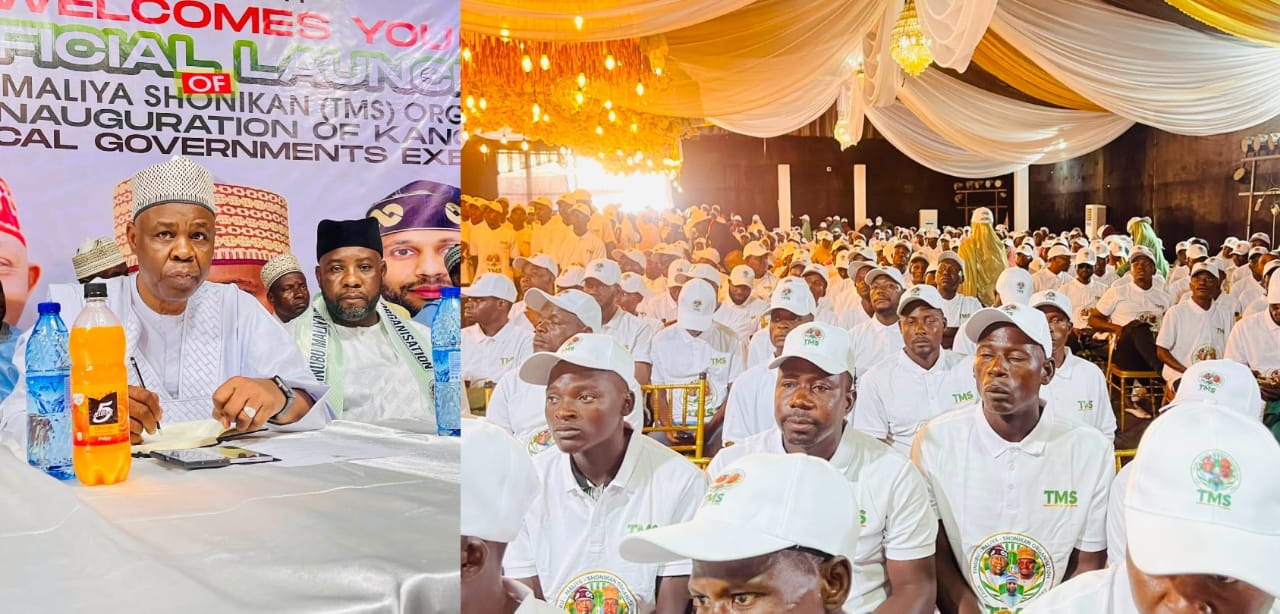
The Tinubu Maliya Shonikan (TMS) Organisation has inaugurated its local government coordinators across Kano North Senatorial District, with a pledge to strengthen grassroots mobilisation and support the All Progressives Congress (APC) ahead of future political engagements.
The inauguration ceremony, which was held on Sunday at Amani Event Centre, Nassarawa GRA, Kano, was led by the organisation’s leader, Alhaji Ibrahim Yusuf Garo, popularly known as Shonikan, alongside the Kano State Chairman of TMS, Barrister Nura Abdullahi Bagwai.
Speaking at the event, the organisers said the establishment of TMS in Kano North was motivated by the desire to support and promote programmes and political activities associated with Senator Barau I. Jibril Maliya, whom they described as having contributed significantly to the development and representation of the area.
According to the organisation, the initiative is also intended to mobilise support for the APC and strengthen its grassroots structure across Kano North and the wider Kano State.
As part of the inauguration, social media agents from 141 wards across Kano North were provided with android tablet pc and data support to enable them to effectively communicate the activities, programmes and achievements of the organisation and its political allies through digital platforms.
The leadership of TMS said the provision of the devices and monthly data support formed part of a broader strategy to establish an organised and effective digital communication network across the senatorial district.
The organisation further announced plans to introduce additional programmes and initiatives aimed at strengthening grassroots mobilisation and contributing to the success of the APC from the grassroots to the state level.
The event attracted important diginataries like MD Hadejia Jama’are River Basin Development Authority, Engr. Rabi’u Suleiman Bichi whonis the Guest Speaker if rhe Occasion, APC National Vice Chairman North West Hon. Garba Datti Mohammed, the commissioner National Assembly Service Commission Hon. Yusuf A. Yusuf Tabuka, Representative of rhe State Minister Housing and Urban Development, APC leaders, members, supporters and representatives of the organisation from across Kano North.
The organisers expressed appreciation to God for the successful and peaceful conclusion of the inauguration ceremony, describing the event as an important step towards strengthening the organisation’s structure and activities across the senatorial district.
News
No Pay, No Escape: Unpacking Shehu Sani’s Account of Abuja Hospital Lock-Ins
By Yusuf Danjuma Yunusa
The escalating cost of healthcare in Nigeria has reached a critical inflection point, with private hospitals in the Federal Capital Territory now reportedly resorting to security protocols to prevent patients from absconding at night without settling their bills. This stark reality was brought to light on Thursday by former Kaduna Central Senator, Shehu Sani.
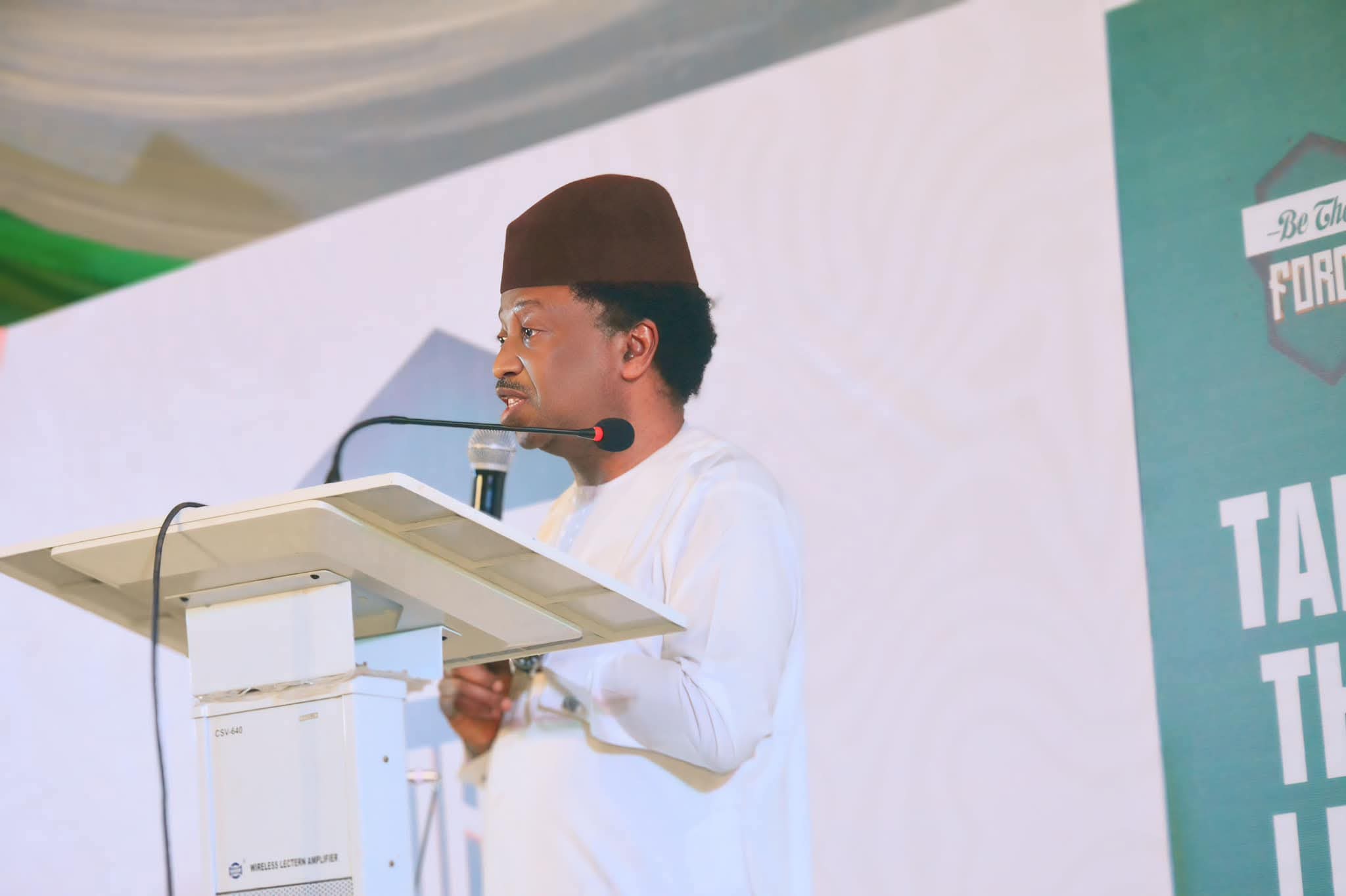
In a post on his Facebook page, Sani described witnessing the practice firsthand during a visit to a private clinic in Abuja.
“Some Abuja private hospitals have started taking security measures to ensure that patients don’t escape at night without completely settling their bills. That’s the case when I visited one of the private clinics today,” he wrote.
While he refrained from naming the facility or detailing the specific security steps, his observation underscores a deepening national crisis where medical care is rapidly becoming a luxury, trapping families between the desperation for treatment and the burden of debt.
This practice is merely the symptom of a systemic failure where the rising costs of drugs, diagnostic scans, surgery, and hospital admission fees are pushing citizens to the brink. For many, the choice is no longer between private and public care, but between treatment and survival.
While patients suffer, health workers argue that hospitals are also struggling under the weight of economic headwinds. With inflation eroding the naira’s value, forex challenges limiting the import of medical supplies, and the removal of fuel subsidies impacting logistics and energy costs, the operational expenses for healthcare facilities have more than doubled in the last 18 months.
While on the other hand, a health practitioner, Ummee Manson, painted a stark picture of Nigeria’s healthcare burden, citing the ordeal of a fictional mother, Mama Chinedu, who had to sell her earrings and borrow money to raise ₦185,000 for her children’s malaria treatment—a bill that, despite saving the children, left the family skipping meals for weeks.
The practitioner noted that this experience mirrors the reality for millions, as it’s documented that in 2024, out‑of‑pocket spending still accounted for 58.3% of total health expenditure, meaning families directly bear the cost of drugs, tests, and hospital care.
The practitioner further warned that such high financial exposure pushes over one million Nigerians into poverty each year, since a single illness can deplete savings, create crushing debt, or force households to abandon care altogether, locking them in a relentless cycle of worsening health and economic distress.
The statistics paint a grim picture of a broken system. Recently released data from the National Bureau of Statistics (NBS) indicates that out-of-pocket spending still accounts for over 70% of total health expenditure in Nigeria. With most families lacking any form of health insurance, they are left to pay directly for services, often depleting their life savings in the process.
In response, both the Nigerian Medical Association (NMA) and various patient advocacy groups are renewing their calls for urgent government intervention. They urge the Federal Government to aggressively expand the National Health Insurance Scheme (NHIS) to cover a larger percentage of the population and to regulate the prices of essential medicines to curb exploitation.
For now, however, survival often depends on the kindness of strangers. Many Nigerians are forced to resort to crowdfunding, church donations, and social media appeals to raise funds for life-saving procedures—a precarious lifeline that is not available to everyone.
Health economists and medical professionals warn that without comprehensive reforms, the trend will only worsen, and until structural changes are made, the haunting reality remains: for millions of Nigerians, a hospital bed is a financial gamble, and the price of life is becoming too high to pay.
News
Gov. Yusuf Increases Salaries of Two Varsities’ Academic and Non-Academic Staff
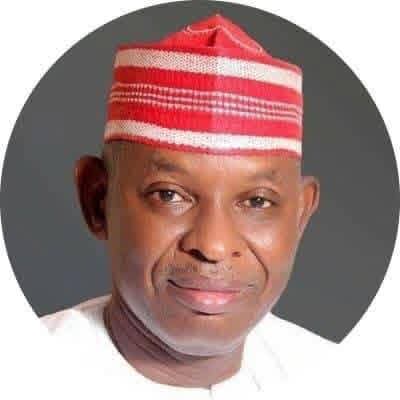
Kano State Governor, Alhaji Abba Kabir Yusuf, has approved the implementation of a new salary review for Academic and Non-Academic Staff of Aliko Dangote University of Science and Technology, Wudil, and Northwest University, Kano.
The new increase in salary was adopted from the Federal Government’s new remuneration package implemented at the Federal Universities in Nigeria.
This was contained in a statement issued by the governor’s spokesman, Sunusi Bature Dawakin Tofa, on Monday.
The approval followed a report and recommendations of a committee constituted by the State Executive Council to examine and review requests by the two state-owned universities for the domestication of the new salary package.
Under the approved arrangement, the new remuneration package will take effect from January 2026, while payment will commence in September 2026.
The salary review will have a total financial implication of ₦391,847,555.24 monthly, amounting to ₦4,702,170,662.88 annually for the two universities.
For Aliko Dangote University of Science and Technology, Wudil, the monthly financial implication is ₦228,195,210.83, comprising ₦141,082,223.37 for Academic Staff under the ASUU agreement and ₦87,112,987.46 for Non-Academic Staff under SSANU.
For Northwest University, Kano, the monthly implication is ₦163,652,344.41, comprising ₦112,238,985.30 for Academic Staff and ₦51,413,359.11 for Non-Academic Staff.
The government has approved the inclusion of ₦1,567,390,220.96 in the 2026 Supplementary Budget to cover payments from September to December 2026.
Similarly, arrears covering the period from January to August 2026, amounting to ₦3,134,780,441.92, will be provided for under the 2027 Budget.
The decision, according to the committee’s report, is aimed at ensuring industrial harmony and improving the welfare of staff of the two institutions, in line with the implementation of the new remuneration package in federal universities and other state-owned universities.
Governor Yusuf also approved the consideration of Visitation Panels for the two universities and other tertiary institutions in the state, as provided by relevant laws, to strengthen accountability, administration and effective management of the institutions.
The Governor reaffirmed his administration’s commitment to improving the welfare of workers and strengthening the quality of higher education as part of its broader investment in human capital development.

962 Forfeited Homes: Why Aliyu’s ICPC Is Beginning To Redefine What Asset Recovery Means

The Weight of a School Bag Is Not the Weight of Knowledge

TMS Inaugurates Kano North’s 13 LG Executives and Empowers Social Media Representatives

No Pay, No Escape: Unpacking Shehu Sani’s Account of Abuja Hospital Lock-Ins

Gov. Yusuf Increases Salaries of Two Varsities’ Academic and Non-Academic Staff
How Kano Digitized Land Turns N50m to N750m Monthly

Goodwill, Visibility, and Operational Security: A Strategic Communication Reading of Senator Ahmad Lawan’s DIA Post
Kano Governor Yusuf Shortlisted for Africa’s SANKOFA Award of Excellence in Infrastructural Development

Is This Even Legal’: Internet Erupts as Senator Lawan Boasts About ‘Facilitating’ Secret Agent Jobs for Constituents

Beyond the Numbers: What the Ekiti 2026 Governorship Results Reveal About Coalition Politics and Path to 2027
962 Forfeited Homes: Why Aliyu’s ICPC Is Beginning To Redefine What Asset Recovery Means
The Weight of a School Bag Is Not the Weight of Knowledge
TMS Inaugurates Kano North’s 13 LG Executives and Empowers Social Media Representatives
No Pay, No Escape: Unpacking Shehu Sani’s Account of Abuja Hospital Lock-Ins
Gov. Yusuf Increases Salaries of Two Varsities’ Academic and Non-Academic Staff
How Kano Digitized Land Turns N50m to N750m Monthly
Goodwill, Visibility, and Operational Security: A Strategic Communication Reading of Senator Ahmad Lawan’s DIA Post
Kano Governor Yusuf Shortlisted for Africa’s SANKOFA Award of Excellence in Infrastructural Development
Is This Even Legal’: Internet Erupts as Senator Lawan Boasts About ‘Facilitating’ Secret Agent Jobs for Constituents
Beyond the Numbers: What the Ekiti 2026 Governorship Results Reveal About Coalition Politics and Path to 2027
-

 Opinion4 years ago
On The Kano Flyovers And Public Perception
-

 Features5 years ago
How I Became A Multimillionaire In Nigeria – Hadiza Gabon
-

 Opinion6 years ago
Kano As future Headquarters Of Poverty In Nigeria
-

 History5 years ago
Sheikh Adam Abdullahi Al-Ilory (1917-1992):Nigeria’s Islamic Scholar Who Wrote Over 100 Books And Journals
-

 Opinion5 years ago
My First Encounter with Nasiru Gawuna, the Humble Deputy Governor
-

 History5 years ago
The History Of Borno State Governor Professor Babagana Umara Zulum
-

 History5 years ago
The Origin Of “Mammy Market” In Army Barracks (Mammy Ochefu)
-

 News4 years ago
Federal University Of Technology Babura To Commence Academic Activities September