
News
Special Report:Nigerians’ And Waning Patriotism ,Experts Calls for Reform
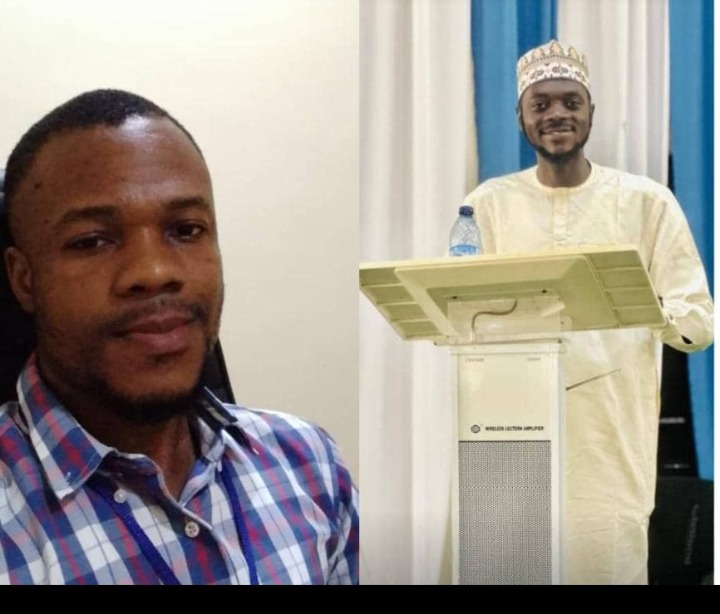
Yusuf Danjuma Yunusa- NIGERIAN TRACKER correspondent
Amid growing demands for institutional reforms across Nigeria, a concerning disconnect exists between citizens and the spirit of patriotism a vital catalyst for the very change they seek. Many fail to recognize that patriotism serves as the driving force behind national transformation, a quality currently in short supply among the populace.
Increasingly, Nigerians feel no sense of duty toward their country, with some even viewing national identity as a mark of shame. This raises a critical question: How can meaningful reform take root when such disillusionment persists?
In an effort to investigate the causes and potential solutions to this growing apathy, Nigerian Tracker News correspondent Yusuf Danjuma Yunusa consulted experts for insights:
Historical Roots of Unpatriotism
Political scientist Chukwuemeka Precious Chidiebere traced the issue back to Nigeria’s pre-independence era, where loyalty was often divided along ethnic and tribal lines.
“Even before independence, the patriotism displayed by leaders was largely tied to ethnic and tribal affiliations,” Chidiebere noted. “This division fueled the civil war an unequivocally unpatriotic conflict.”
He emphasized that true patriotism hinges on unity and upholding national values, qualities he argued were absent in past leadership.
When asked about the impact of poor governance on citizens’ loyalty, Chidiebere was unequivocal: “Leaders have normalized broken promises, breeding political apathy another form of unpatriotism. Poor leadership is undeniably a major factor in the erosion of national loyalty.”
Comparing Nigeria to other African nations, he observed that the country ranks low in patriotism, attributing this to systemic governance failures.
Leadership Failures Fuel Disillusionment
Sociologist Isah Imran expanded on the discussion, criticizing Nigerian leaders for failing to set a patriotic example.
“Many of our leaders seek medical care, education, and investments abroad resources that could strengthen local institutions,” Imran stated. “This contradicts core patriotic values: sacrifice, national pride, and faith in domestic systems.”
A Path Forward
Despite these challenges, both experts expressed cautious optimism about Nigeria’s future.
Imran outlined key prerequisites for progress: “Good governance led by honest, transparent leaders is essential to rebuilding trust. Nigerians must also prioritize national identity over ethnic divisions.”
Echoing this sentiment, Chidiebere stressed that unity can only be achieved when discourse transcends tribal and ethnic biases.
As calls for reform grow louder, the experts’ message is clear: without a resurgence of patriotism from both leaders and citizens Nigeria’s path to meaningful change remains uncertain.
Voices From Ordinary Nigerians
Various Nigerians shared their candid opinion on how they feel about the country:
Omeiza Alfa, a 200 level student of engineering was asked if he considers himself a patriotic Nigerian and he responded, “Honestly, I don’t know if I am one.”
When asked why, he said: “with the level of suffering and the economic situation of the country, I am considering leaving the country for greener pastures–which is certainly not a patriotic mindset.”
Another respondent, Nazir Musa, was of the opinion that if given the opportunity to change one thing that could make Nigerians more patriotic, he will definitely recommend a drastic reform in the governance system of the country:
“It’s in this country that Nigerian senators are earning in millions of naira excluding their allowances–more than the professors that are serving as lecturers in the universities,” “no professor in Nigerian universities earn close to a million naira,” he criticized.
“So if I could change one thing to make Nigerians more patriotic, it will definitely be the system of governance where lecturers will be well compensated and our graduates gainfully employed,” Mr. Nazir proposed.
Sodiq Oluwatele Jimoh, a final year student of Ahmadu Bello University, Zaria, was also of the same opinion that he isn’t sure if he is a patriotic Nigerian:
“Although, I will never try anything to break the law in the country but, being a patriotic citizen is something I am not sure of.”
When asked why, Mr. Jimoh responded that he is political apartheid:
“I don’t vote. As a matter of fact, I don’t even have voter’s card,” he added.
Mr. Sodiq also recommended that for Nigerians to be patriotic, there should be good governance, and for that to happen, allowances and salaries of the elected political office holders should be reduced in such a manner that only those with genuine intention to make good impacts in the country will contest for elections.
From professionals to everyday citizens, the consensus is clear: tangible governance reforms not just rhetoric are essential to restoring faith and patriotism among Nigerians.











News
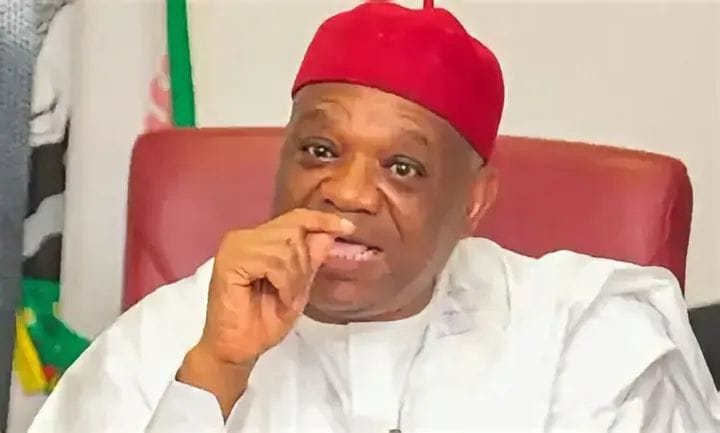
Sen. Kalu Admits Selling Heavy Weapons to Any Buyer
By Yusuf Danjuma Yunusa
The Senator representing Abia North, Orji Kalu, has disclosed that he previously traded in heavy weapons internationally, saying he sold arms to buyers who could afford them before abandoning the business at his parents’ insistence.
Kalu made the disclosure during an interview on Arise Television on Monday, while discussing his longstanding relationships with former and current South African leaders.
The former Abia State governor said his business interests previously extended beyond Nigeria, adding that he dealt in heavy weapons sold from one country to another.
When asked by the interviewer whether he was an arms dealer, Kalu responded, “Yes, so I stopped because my…”
Explaining why he abandoned the business, he said his parents asked him to quit.
“But my parents, my mother, my father came and said I must stop, and I stopped,” he said.
Asked whether he sold weapons to people who intended to use them to kill others, Kalu dismissed the suggestion, insisting that his interest was making money.
“No, no, no, no, no, no. I was selling guns to make money, whether they blow up it’s not my business,” he said.
The interviewer subsequently asked whether he supplied weapons to the African National Congress during the struggle against apartheid in South Africa.
Kalu denied selling exclusively to the ANC, saying his customers included anyone willing to pay for the weapons.
“No, I was selling to anybody who wants to buy. If you have the money, you want to buy in D.R.C, I sell to you, you want to buy in Namibia, you want to buy…” he said.
News
NDC Deputy Governorship Candidate Gives Kano Information Commissioner 48-Hour Ultimatum Over Alleged Defamation
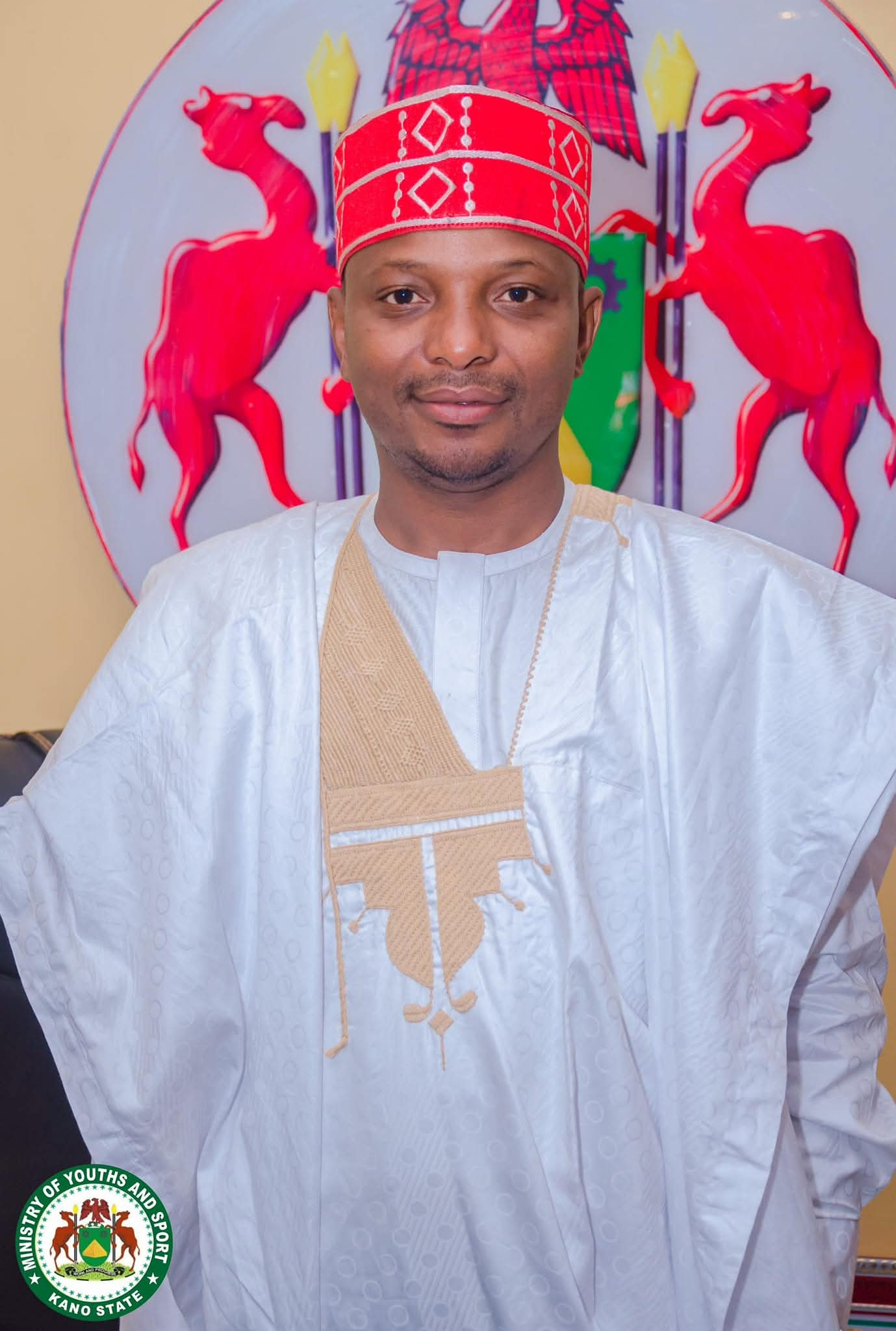
Mustapha Rabiu Kwankwaso, the Nigeria Democratic Congress (NDC) Deputy Governorship Candidate in Kano State, has threatened legal action against the newly appointed Commissioner for Information, accusing him of making false, malicious and damaging allegations against his person and family.
Kwankwaso, a former Kano State Commissioner for Youth and Sports, gave the Information Commissioner a 48-hour ultimatum to withdraw the alleged defamatory statements and tender an unreserved public apology to him, his family and the people of Kano State.
The former commissioner made the demand in a statement issued in response to comments allegedly made by the Information Commissioner during a programme, in which he accused Kwankwaso of having visited several rehabilitation centres across the world and suggested that his personal circumstances influenced his father, former Governor Rabiu Musa Kwankwaso, to establish the Kiru Reformatory Institute.
Kwankwaso described the allegations as false, malicious and an attempt to assassinate his character, insisting that they were intended to distract the people of Kano State from pressing issues of governance.
On the establishment of the Kiru Reformatory Institute, the NDC deputy governorship candidate maintained that the claim that the institution was established because of him was historically inaccurate.
He explained that during his father’s second tenure as governor of Kano State, when the institute was established, he was residing in Dubai and was not even in the country.
According to him, the Kiru Reformatory Institute was established as a deliberate government policy aimed at reforming, rehabilitating and reintegrating young people into society by providing them with opportunities for a better future.
Kwankwaso argued that reducing the establishment of the institution to a personal family matter was an insult to the people of Kano State and thousands of young people whose lives had reportedly been transformed through the initiative.
Reacting to allegations that his father did not trust him with the management of Skyline University, Mewar University or his farm, Kwankwaso dismissed the claims as lies.
He said his father had mentored and trained him to become an independent person rather than someone who depended on family connections or financial handouts.
The former commissioner further disclosed that he had established several businesses through personal effort, including a rice mill which, according to him, provides employment opportunities for people and contributes to Kano State’s economy.
He maintained that his business achievements were products of hard work, discipline and the values instilled in him by his father, insisting that the suggestion that his father did not trust him was unfounded.
On his previous appointment as Commissioner for Youth and Sports under the Kano State Government, Kwankwaso expressed appreciation to Governor Abba Kabir Yusuf for giving him the opportunity to serve in the State Executive Council.
He said he discharged his responsibilities with sincerity, commitment and loyalty to the people of Kano State, particularly the youth population.
Kwankwaso, however, condemned the Information Commissioner’s alleged description of his appointment as “executive rehabilitation,” arguing that the remark was an insult to the office he occupied and the responsibilities he discharged.
He insisted that his appointment was based on the responsibility to serve the state and not an attempt to rehabilitate him, adding that such comments also undermined the dignity of the State Executive Council and the youths he represented.
The NDC chieftain also questioned the responsibility of the newly appointed Information Commissioner, asking whether he was appointed to communicate government policies, programmes and achievements to the public or to engage in personal attacks against political opponents.
He further challenged the commissioner to clarify whether the allegations were his personal invention or whether he was acting on behalf of his principal.
Kwankwaso maintained that the office of the Commissioner for Information was an important public institution that should be used to inform citizens about government activities rather than serve as a platform for character assassination, personal insults and political attacks.
He warned that failure to withdraw the alleged statements and issue the demanded apology within 48 hours would leave him with no option but to seek legal redress.
The former commissioner said he was prepared to pursue every available legal remedy to protect his reputation, his family’s name and his record of public service.
He added that he would not allow himself to be drawn into personal insults, stressing that his attention remained focused on his political aspiration and efforts to contribute to a better future for Kano State.
Kwankwaso concluded by urging political actors to focus on issues, policies, programmes and performance rather than resorting to allegations bordering on the personal character of political opponents.
The Information Commissioner was accused of making the allegations, but his response to Kwankwaso’s 48-hour ultimatum was not contained in the statement.
News
HFN Threatens Kano Govt with Fine, Over Pillars’ Absence from Handball Premier League
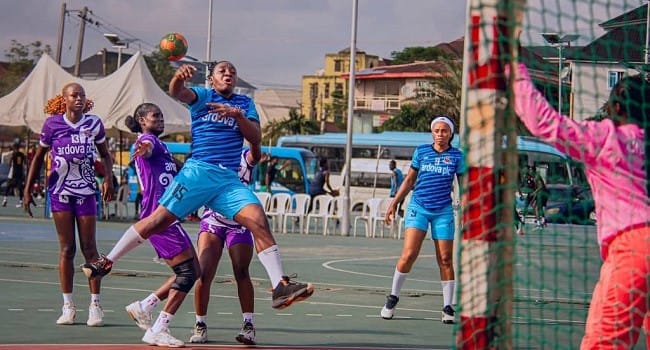
The management of the Handball Federation of Nigeria (HFN) is set to fine the Kano State Government following the absence of the state’s contingent from the 2026 Ardova Handball Premier League.
The 2026 Ardova Handball Premier League, organised by the Handball Federation of Nigeria, is scheduled to run from November 7 to 21, 2026, in Lagos State. The competition features 12 teams in the men’s category and 10 teams in the women’s category.
Reports indicate that former champions Kano Pillars Handball Club failed to participate in the tournament, which commenced on November 7, due to a lack of funding from the Kano State Government to sponsor the team’s participation.
Credible sources disclosed that the state government had yet to release the funds required for the team’s participation, raising concerns over its commitment to the development of sports in the state.
The Kano State Sports Commission operates under the state government, with its administrative affairs overseen through the Office of the Secretary to the State Government. However, reports suggest that the commission has repeatedly faced difficulties in securing the necessary approvals to carry out its responsibilities.
Kano Pillars Handball Club is one of Nigeria’s most successful handball teams, having previously won the Nigerian Men’s Handball Premier League in 2019 at the Rowe Park Sports Centre in Lagos.
The club also emerged champions in 2021 after winning nine of its 11 matches. In 2022, it successfully defended its title, finishing the campaign unbeaten with 65 points from 22 matches.
These achievements underline Kano Pillars’ status as one of the country’s leading handball clubs.
However, the alleged failure of the Kano State Government to release the necessary funds has prevented the team from participating in the ongoing competition in Lagos.
In a related development, an exclusive report published this week indicated that Kano Pillars could be heading for another major setback, as Technical Adviser Daniel Ogunmodede is reportedly considering leaving the club over financial challenges and poor welfare conditions.
Sources also disclosed that the Kano State Government had not released any funds to the team.
Efforts to obtain comments from relevant government officials, including the Secretary to the State Government, the Sports Commission and the Governor’s spokesperson, were unsuccessful, as they could not be reached at the time of filing this report.
The situation raises serious questions among sports stakeholders and Kano sports enthusiasts about the government’s commitment to supporting and sustaining sporting activities in the state.
Meanwhile, the 36 states of the federation and the Federal Capital Territory are preparing for the 23rd National Sports Festival, officially tagged the Coal City Games, scheduled to take place in Enugu State from November 27 to December 11, 2026.
With the National Sports Festival approaching, concerns remain over whether the Kano State Government will address the funding challenges facing its sports sector to avoid another disappointing absence from an important national sporting event.
The big question remains: How long will Kano’s sporting activities continue to suffer from inadequate government support? Time will tell.

The Political Awakening:Why Nigeria Needs More Youth Participation In Governance- Zubair -A -Zubair

Sen. Kalu Admits Selling Heavy Weapons to Any Buyer

NDC Deputy Governorship Candidate Gives Kano Information Commissioner 48-Hour Ultimatum Over Alleged Defamation

HFN Threatens Kano Govt with Fine, Over Pillars’ Absence from Handball Premier League

Court Battles May Dismantle Opposition Ahead of 2027, Lawyer Warns

Kano Monitors ₦48.9bn Projects Across Six LGAs

Open The Social Sciences “A Tribute to a Heterodox Scholar: Mallam Ibrahim Muazzam

Senate Passes Barau’s Bill to Provide Legal Framework for Yusuf Maitama Sule Federal University of Education, Kano

Gov. Yusuf Appoints Inuwa Waya Director of International Corporations Engagement

Emir Sanusi Seeks Compensation, Reallocation of Demolished Eid Ground Stalls
The Political Awakening:Why Nigeria Needs More Youth Participation In Governance- Zubair -A -Zubair
Sen. Kalu Admits Selling Heavy Weapons to Any Buyer
NDC Deputy Governorship Candidate Gives Kano Information Commissioner 48-Hour Ultimatum Over Alleged Defamation
HFN Threatens Kano Govt with Fine, Over Pillars’ Absence from Handball Premier League
Court Battles May Dismantle Opposition Ahead of 2027, Lawyer Warns
Kano Monitors ₦48.9bn Projects Across Six LGAs
Open The Social Sciences “A Tribute to a Heterodox Scholar: Mallam Ibrahim Muazzam
Senate Passes Barau’s Bill to Provide Legal Framework for Yusuf Maitama Sule Federal University of Education, Kano
Gov. Yusuf Appoints Inuwa Waya Director of International Corporations Engagement
Emir Sanusi Seeks Compensation, Reallocation of Demolished Eid Ground Stalls
-
 Opinion5 years ago
On The Kano Flyovers And Public Perception
-

 Features5 years ago
How I Became A Multimillionaire In Nigeria – Hadiza Gabon
-

 Opinion6 years ago
Kano As future Headquarters Of Poverty In Nigeria
-
 History6 years ago
Sheikh Adam Abdullahi Al-Ilory (1917-1992):Nigeria’s Islamic Scholar Who Wrote Over 100 Books And Journals
-
 Opinion5 years ago
My First Encounter with Nasiru Gawuna, the Humble Deputy Governor
-
 History5 years ago
The History Of Borno State Governor Professor Babagana Umara Zulum
-
 History6 years ago
The Origin Of “Mammy Market” In Army Barracks (Mammy Ochefu)
-
 News5 years ago
Federal University Of Technology Babura To Commence Academic Activities September