
News
2027: ALKALANCI Mobilises Women Religious Leaders Against Fake News, Disinformation
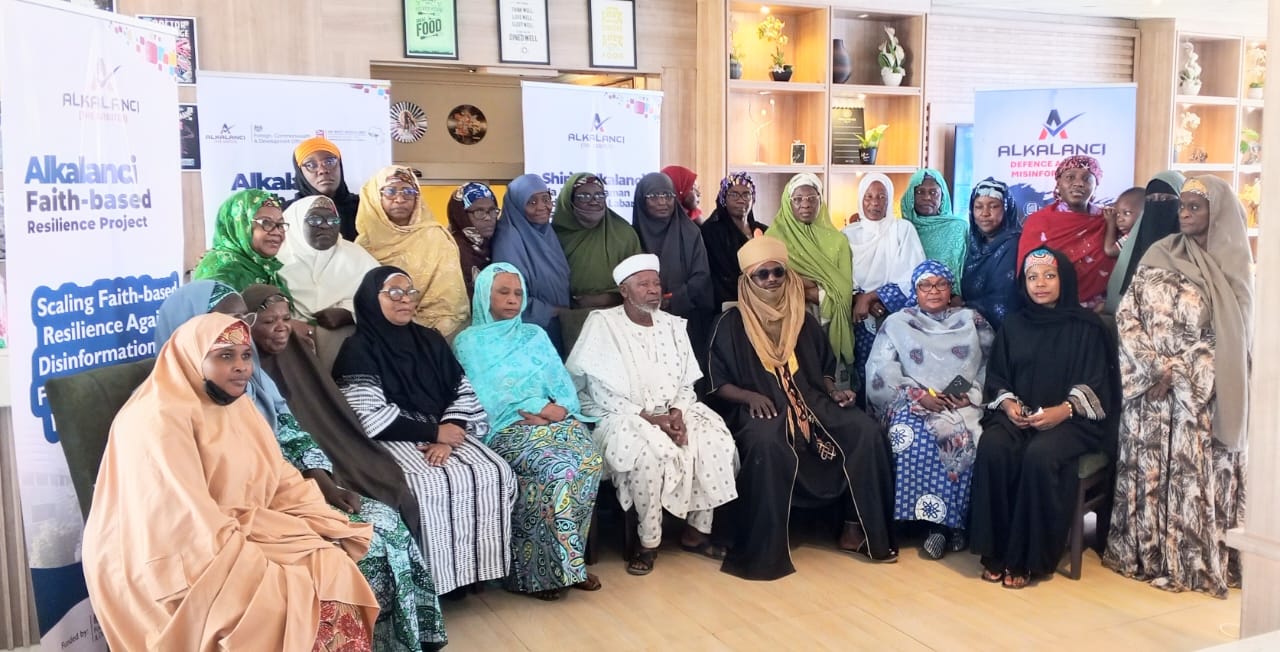
The ALKALANCI Faith-Based Resilience Project has organised a two-day capacity-building workshop for women religious leaders in Kano to equip them with the skills to identify, verify and prevent the spread of misinformation, disinformation and fake news ahead of the 2027 general elections.
The workshop, funded by the United Kingdom Government through the FCDO/ISF West Africa, was designed to strengthen community resilience against false information and promote responsible information sharing, particularly within religious and community settings.
The organisers said women religious leaders were targeted because of their significant influence in society, especially their roles in guiding families, shaping public opinion, communicating religious values and influencing decisions within their communities.
Speaking during an interview with journalists, Victoria, Programme Manager of ALKALANCI, said the initiative was aimed at strengthening the capacity of religious leaders to navigate the rapidly evolving information environment.
She explained that the widespread availability of mobile phones and internet access had transformed the information landscape, making it possible for virtually anyone to generate and circulate information, unlike in the past when traditional media organisations largely controlled information dissemination through established editorial and gatekeeping procedures.
According to her, the challenge is that many people do not possess the necessary knowledge and skills to distinguish credible information from false narratives, a development she said had contributed to misinformation with serious consequences, including health complications, loss of lives and communal conflicts.
Victoria said ALKALANCI, which operates in the fact-checking and information integrity sector, recognised that fact-checking organisations alone could not debunk false information at the same speed it spreads, making community participation critical to addressing the problem.
She explained that religious leaders were considered strategic partners because of the trust they enjoy within their communities and their ability to transmit knowledge acquired during the training to a wider audience.
She added that the workshop adopted a train-the-trainer approach, under which participants would not only benefit from the sessions but also educate other members of their communities on how to identify, question and reject misleading information.
Victoria further explained that the timing of the programme was deliberate, considering the significant role misinformation and disinformation have played in electoral processes in Nigeria and other countries.
She, however, clarified that the objective was not necessarily to prevent people from creating false information but to build what she described as information “inoculation”, where members of the public would develop the ability to recognise misleading content, reject it and avoid acting on it, irrespective of the source.
On his part, Alhassan Bala, Editor of the ALKALANCI fact-checking platform, urged Nigerians to cultivate the habit of critically examining information, establishing its accuracy and verifying its source before sharing it across social media platforms and other communication channels.
Bala said the women religious leaders would be equipped with critical-thinking skills to assess information received or intended for circulation before taking decisions or transmitting it to members of their communities.
He also cautioned journalists against allowing the pressure to break news ahead of competitors to undermine professional ethics and standards, insisting that every piece of information must be subjected to proper scrutiny and verification before publication.
According to him, the publication of unverified breaking news could undermine the credibility and integrity of media organisations that audiences have trusted over the years.
“As somebody is trying to break the news, he may end up breaking the organisation’s integrity,” Bala cautioned.
He maintained that journalists must resist the temptation to publish unverified reports, regardless of the pressure to be the first to inform the public.
The ALKALANCI editor also called on media organisations, including newspapers, online news platforms and television stations, to establish dedicated fact-checking desks to scrutinise information before publication or broadcast.
He recommended that media organisations that lack the resources to establish such units should strengthen partnerships and collaboration with independent fact-checking organisations to ensure that information disseminated to the public is accurate and credible.
In his remarks, the Chairman of the Nigerian Council of Ulama, Kano State Chapter, Sheikh Ibrahim Khalil, represented by Sheikh Abubakar Ibrahim Tofa, underscored the importance of information verification, citing Islamic teachings that discourage the spread of unsubstantiated reports.
Tofa specifically referred to Surah Al-Hujurat, verse 6 of the Holy Qur’an, which directs believers to verify information brought to them before acting on it to avoid causing harm to others out of ignorance.
He assured the ALKALANCI Faith-Based Resilience Project of the Kano State Council of Ulama’s readiness to support initiatives aimed at addressing misinformation, disinformation and the spread of fake news.
Similarly, the Emir of Kano, Khalifa Muhammad Sanusi II, represented by Adam Auwal Mudi Yakasai, representing the District Head of Rimin Gado, welcomed the initiative, describing the training as timely in view of the growing challenges associated with the circulation of false information.
He also assured the ALKALANCI fact-checking project of the Kano State Emirate Council’s support for efforts to promote information integrity and discourage the spread of misinformation and disinformation.
The two-day workshop brought together women religious leaders and other stakeholders for sessions on information verification, critical thinking, responsible communication and the dangers of circulating unsubstantiated claims.
The organisers expressed the expectation that participants would use the knowledge acquired to promote information integrity, particularly at the grassroots, and strengthen public awareness against the manipulation of information ahead of the 2027 general elections.














News
ADC Accuses Kaduna Govt of Sealing Arewa House to Block Atiku’s Northern Stakeholders’ Meeting
By Yusuf Danjuma Yunusa
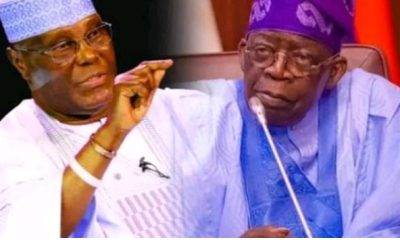
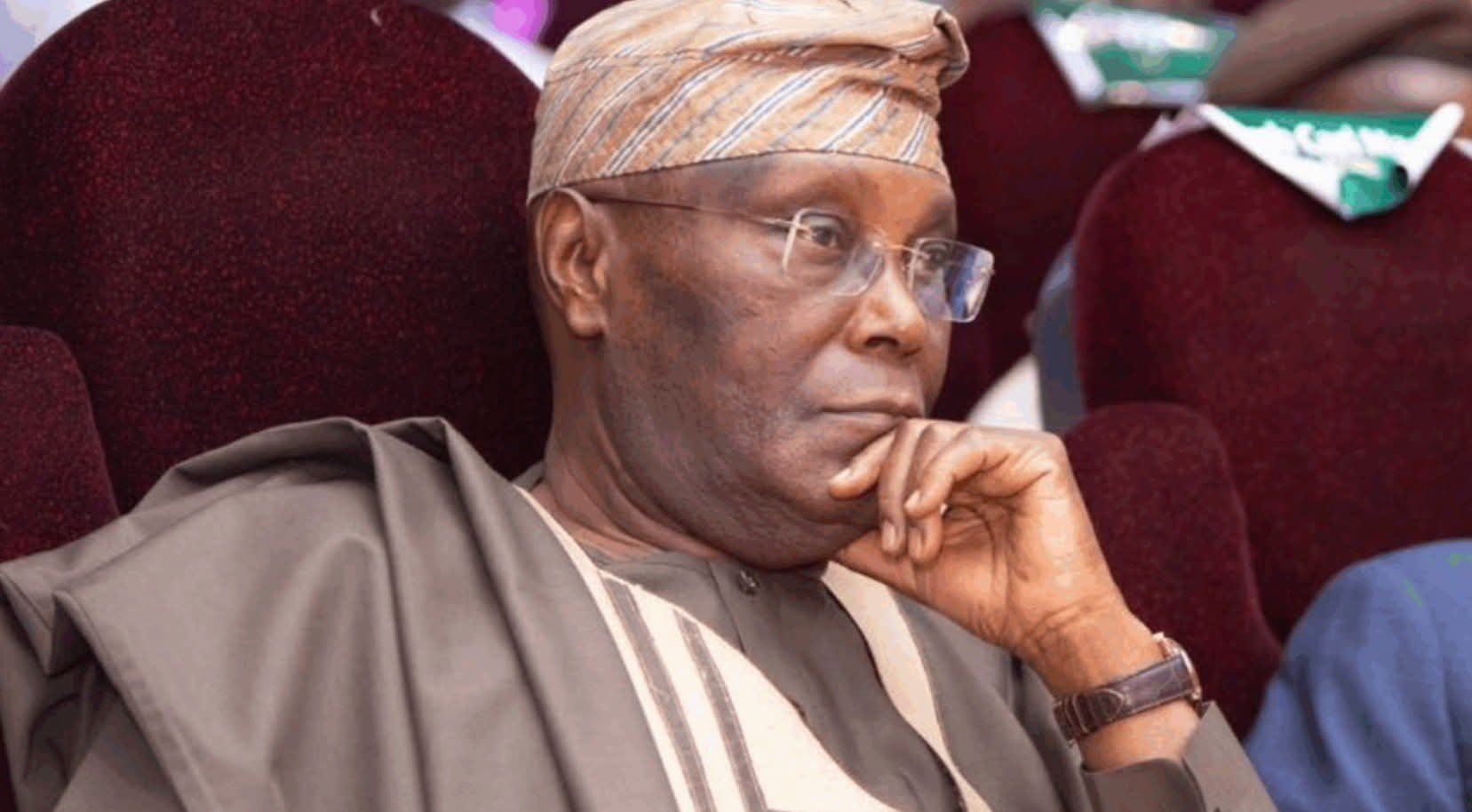
The African Democratic Congress (ADC) has raised the alarm over the closure of Arewa House, which was set to host a meeting of its presidential candidate, Atiku Abubakar, with Northern stakeholders.
In a statement on Wednesday, Phrank Shaibu, spokesperson for the ADC presidential campaign council, said, “My campaign team had proposed Arewa House as the venue for our consultation with stakeholders on Thursday and, today, the APC government decided to seal the building.”
But the ADC said, “We will not be intimidated,” condemning the sealing off.
The statement described the move as “a troubling pattern”.
“During our campaign flag-off in Sokoto, the APC government also tried to frustrate us. The people stood firm, and their will prevailed. Now, as Atiku prepares to consult stakeholders at Arewa House, the venue has been sealed”.
“We hold President Bola Tinubu and the APC politically responsible for this pattern of obstruction. An outgoing president and a ruling party should respect democratic competition, not use public authority to impede the opposition, restrict political consultation or weaken Nigerians’ right to choose,” the statement said.
News
NASWDEN backs FG’s move to license, regulate scrap business, raises alarm over attack on members
The National President, National Association of Scrap and Waste Dealers Employers of Nigeria (NASWDEN), Alhaji Fatai Ogunwale, has expressed the support of the association for the Federal Government’s Proposed licencing and regulations of Scrap business.
A statement made available to the News Agency of Nigeria (NAN) by its National President, Alhaji Fatai Ogunwale, on Tuesday, stated that the move was also to curb theft and vandalism in the country.Read Daily News
In a Two-Day stakeholders meeting in Lagos, the Federal Government under the supervision of the Federal Ministry of Steel Development, had moved to regulate Scrap industry business and operation in Nigeria.
The theme of the event is “Validation of the proposed Scrap metal Collection, Trading, Recycling and Regulations 2026”.
According to the President of the association, the move was targeted at those who engaged themselves in illegally stealing of metals and vandalism of critical infrastructure including electricity cables, railways components and manhole covers amongst others.
He expressed gratitude to the Federal Government for the initiative and warned against double taxation scrap metal dealers carrying scraps to end users or rolling mills across the country.
Ogunwale also called on the Federal Government to eradicate touts on our expressways who harrass NASWDEN members ,extort them while going about thier legitimate scrap business.
The President also informed stakeholders that NASWDEN had earlier launched anti Vandalism and currently working with security agencies to protect critical national infrastructure and the nation’s assets.
According to him, the move also involved the issuing of loading inspection confirmation clearance papers to members to check theft and vandalism by criminals parading themselves as scrap dealers.
In his remarks, the Minister of Steel Development, Shuiabu Audu, stated that the framework would establish an organised transparent scrap metal value chain in the country.
The Minister was represented by the Director of Metallurgical Raw Metal Development and Investment Promotion in the ministry, Mr Ime Eprikpo.
“The proposed Scrap metal collection, trading, recycling and regulations 2026, are also expected to improve the supply of the locally sourced raw materials to steal manufacturing companies.
As well as to formalise the activities of scrap dealers and strengthen environment and occupational safety standards, ”he added
I’m his remarks, the Deputy National President of NASWDEN, Comrade Aminu Hassan Soja called on the Federal Government to as a matter of urgency, tackle the issue of alleged attacks on its members by one Uche Ogbu Luke.
According to Soja, Luke is an impostor who allegedly uses armed thugs to intimidate and extort scrap dealers along highways across the South-East and South-South regions of the country.
” We call on the federal government tomurgently intervene and put an end to the activities of one Uche Ogbu Luke, whom he describes as an impostor allegedly using armed thugs to intimidate and extort scrap dealers along highways across the South-East and South-South regions of the country,” he alleged.
He urged the relevant security agencies to “investigate the allegations, apprehend those involved and protect innocent scrap dealers from harassment, intimidation and unlawful extortion”.
News
ASUU Declares Strike at Zamfara State University

The Academic Staff Union of Universities (ASUU), Zamfara State University branch, has declared an indefinite strike over what it described as the failure of the university management and relevant authorities to address its longstanding demands concerning staff welfare, salaries, promotions and working conditions.
The branch chairman, Comrade Anas Abubakar Dogo, announced the decision in a statement, explaining that the industrial action would commence at midnight on November 11, 2026.
Dogo said the decision followed the expiration of an initial two-week ultimatum issued to the university management, which was subsequently extended by another three weeks, bringing the total period of the ultimatum to five weeks.
According to him, the union had also embarked on a one-week warning strike in an effort to compel the authorities to address its grievances, but the failure to resolve the outstanding issues had left the branch with no option but to proceed with an indefinite strike.
The ASUU chairman listed several challenges confronting the university, including the absence of official student accommodation, inadequate staff housing, poor remuneration and the non-implementation of the Federal Government-ASUU agreement.
He lamented that students of the institution had no official university hostel, while members of staff were also without adequate accommodation, describing the situation as a major challenge to the effective administration and development of the university.
Dogo further accused the university authorities of failing to implement the Federal Government-ASUU agreement in its entirety, including the payment of outstanding arrears owed to academic staff.
The union also expressed dissatisfaction over the non-payment of promotion arrears, noting that the failure to implement staff promotions and their accompanying financial benefits had continued to undermine the morale of lecturers.
On staffing, the ASUU chairman raised concerns over the shortage of academic personnel, disclosing that some departments had only one tenured academic staff member, while others had none.
He warned that the situation was affecting the university’s academic capacity and could undermine the quality of teaching, research and other academic activities.
The union also described Zamfara State University as a training ground for academic staff, alleging that many lecturers were leaving the institution for other universities where better remuneration and improved working conditions were available.
Dogo disclosed that many academic staff members earned monthly salaries ranging from N96,000 to N120,000, a situation he said was inadequate and had contributed to the institution’s difficulty in retaining qualified lecturers.
He consequently demanded the full implementation of the Federal Government-ASUU agreement in all its provisions, including the settlement of all outstanding arrears.
The union also demanded the implementation of staff promotions and the payment of all accumulated promotion arrears.
The ASUU chairman stated that all academic activities on the university campus would remain suspended throughout the period of the industrial action.
He urged the relevant authorities to address the union’s demands to facilitate a resolution of the dispute and ensure the resumption of academic activities.

ADC Accuses Kaduna Govt of Sealing Arewa House to Block Atiku’s Northern Stakeholders’ Meeting

NASWDEN backs FG’s move to license, regulate scrap business, raises alarm over attack on members

ASUU Declares Strike at Zamfara State University

US Midterm Elections: What Does It Mean for Nigerian Female Politicians?

Tinubu’s Jigawa Rally Signals Growing Northern Support, TMS Says as President Defends Economic Reforms

Open The Social Sciences “A Tribute to a Heterodox Scholar: Mallam Ibrahim Muazzam

Senate Passes Barau’s Bill to Provide Legal Framework for Yusuf Maitama Sule Federal University of Education, Kano

Gov. Yusuf Appoints Inuwa Waya Director of International Corporations Engagement

Sen. Kalu Admits Selling Heavy Weapons to Any Buyer

APC Presidential Campaign Council: Nigerians Devoid Of Party Affiliations Endorses Tinubu’s 2nd Term-Kwankwaso
ADC Accuses Kaduna Govt of Sealing Arewa House to Block Atiku’s Northern Stakeholders’ Meeting
NASWDEN backs FG’s move to license, regulate scrap business, raises alarm over attack on members
ASUU Declares Strike at Zamfara State University
US Midterm Elections: What Does It Mean for Nigerian Female Politicians?
Tinubu’s Jigawa Rally Signals Growing Northern Support, TMS Says as President Defends Economic Reforms
Open The Social Sciences “A Tribute to a Heterodox Scholar: Mallam Ibrahim Muazzam
Senate Passes Barau’s Bill to Provide Legal Framework for Yusuf Maitama Sule Federal University of Education, Kano
Gov. Yusuf Appoints Inuwa Waya Director of International Corporations Engagement
Sen. Kalu Admits Selling Heavy Weapons to Any Buyer
APC Presidential Campaign Council: Nigerians Devoid Of Party Affiliations Endorses Tinubu’s 2nd Term-Kwankwaso
-

 Opinion5 years ago
On The Kano Flyovers And Public Perception
-

 Features5 years ago
How I Became A Multimillionaire In Nigeria – Hadiza Gabon
-

 Opinion6 years ago
Kano As future Headquarters Of Poverty In Nigeria
-
 History6 years ago
Sheikh Adam Abdullahi Al-Ilory (1917-1992):Nigeria’s Islamic Scholar Who Wrote Over 100 Books And Journals
-

 Opinion5 years ago
My First Encounter with Nasiru Gawuna, the Humble Deputy Governor
-

 History5 years ago
The History Of Borno State Governor Professor Babagana Umara Zulum
-
 History6 years ago
The Origin Of “Mammy Market” In Army Barracks (Mammy Ochefu)
-
 News5 years ago
Federal University Of Technology Babura To Commence Academic Activities September