
News
Parliamentary Probe Reveals Tampering with Key Tax Reform Legislation
By Yusuf Danjuma Yunusa
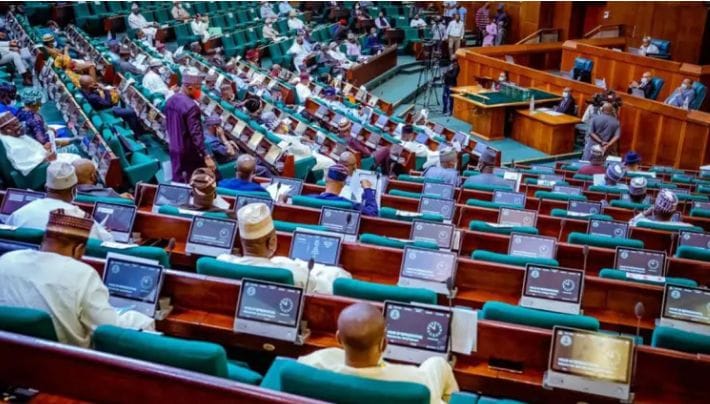
The House of Representatives has confirmed that there is an illegal alteration of Nigeria’s newly gazetted tax reform laws.
The House Minority Caucus Ad-hoc Committee probing alleged alteration of the tax reform laws reported evidence of unauthorized changes to some of the tax reform laws recently passed by the National Assembly and signed into law by President Bola Tinubu.
In an interim report released on Friday, the committee said its findings showed clear discrepancies between the versions of the tax laws approved by lawmakers and those later published in the official gazette.
According to the panel, the Nigeria Tax Administration Act, 2025, contained the most significant alterations.
The probe followed public concern triggered by a motion raised on the floor of the House by Abdulsamad Dasuki, who warned that versions of the tax laws in circulation differed from what legislators had approved.
In response, the Minority Caucus, in a statement issued on December 28, 2025, pledged to safeguard the autonomy of the legislature and cautioned that the circulation of “fake laws” posed a direct threat to constitutional democracy.
Acting on that commitment, the caucus, under the leadership of Kingsley Chinda, set up a seven-member fact-finding committee on January 2, 2026.
The panel is chaired by Victor Ogene, with members Aliyu Garu (Bauchi), Stanley Adedeji (Oyo), Ibe Osonwa (Abia), Marie Ebikake (Bayelsa), Shehu Fagge (Kano), and Gaza Gbefwi Jonathan (Nasarawa).
A day later, the House, through its spokesman Akin Rotimi, announced that Speaker Tajudeen Abbas had ordered the release of certified copies of the four tax reform Acts signed by the President to enable public scrutiny.
The laws are the Nigeria Tax Act, 2025; Nigeria Tax Administration Act, 2025; National Revenue Service (Establishment) Act, 2025; and the Joint Revenue Board (Establishment) Act, 2025.
The committee, in its preliminary assessment, said that a side-by-side review of the certified copies and the gazetted documents confirmed Dasuki’s claims.
“There were some alterations as alleged, especially in the Nigeria Tax Administration Act, 2025.
“There were three different versions of the documents in circulation, particularly the Nigeria Tax Administration Act, 2025,” the committee stated.
The report, signed by Ogene, noted that multiple versions of the Nigeria Tax Administration Act, 2025, were in circulation, raising questions about the integrity of the legislative process.
The panel argued that instructions to “align” the Acts with the Federal Government Printing Press suggested serious procedural lapses.
The committee added that the published version of the laws unlawfully intruded into the constitutional authority of the National Assembly.
According to the committee, there was “a clear indication that there were procedural anomalies in the previously gazetted version that illegally encroached on the core mandate of the National Assembly.”
Highlighting specific concerns, the committee said Section 29(1) on reporting thresholds had been altered.
While the version passed by lawmakers set thresholds at N50 million for individuals and N100 million for companies, the gazetted text reportedly reduced the individual threshold to N25 million, a move the committee described as an attempt to widen the tax net through executive interference.
The committee also criticised the insertion of new subsections 41(8) and 41(9), which mandate a 20 per cent deposit of disputed tax liabilities before appeals can be taken from the Tax Appeal Tribunal to the High Court.
The committee noted that these provisions were absent from the version approved by the legislature.
According to the report, Section 64 of the gazetted Act further expanded the enforcement powers of tax authorities, allowing arrests through law enforcement agencies and the sale of seized assets without court authorisation, powers not contained in the original Act.
The committee also flagged changes to Section 3(1)(b), where petroleum income tax and VAT were reportedly removed from the definition of federal taxes, and to Section 39(3), which now mandates tax computation for petroleum operations in U.S. dollars rather than “the currency of the transaction,” as originally passed.
Beyond the Tax Administration Act, the panel raised alarms over the Nigerian Revenue Service (Establishment) Act, saying provisions on National Assembly oversight, particularly Sections 30(1)(d) and 30(3), were deleted in the gazetted version.
The committee said these omissions stripped the legislature of mechanisms for summons, reporting, and accountability, undermining the principle of checks and balances.
The House is expected to deliberate on the interim findings and consider further actions to rectify the published laws and prevent future alterations.








News
Kano Intensifies War Against Drug Abuse, Thuggery as Governor Abba Commissions Quick Response Squad

Kano State Governor, Alhaji Abba Kabir Yusuf, has commissioned a Quick Response Squad of the Multi-Agency Task Force on Drug Abuse and Illicit Trafficking, alongside operational equipment worth hundreds of millions of naira, as part of renewed efforts to combat drug abuse, thuggery and illicit drug trafficking in the state.
Governor Yusuf performed the commissioning on Thursday, November 5, 2026, describing the initiative as a major step towards strengthening the state’s capacity to tackle substance abuse and its associated social problems.
Speaking at the ceremony, the governor expressed satisfaction with the progress recorded by his administration in the fight against drug abuse, saying sustained interventions by the government and relevant agencies were gradually yielding positive results.
“I am the happiest man in Kano today as we continue to push drug abuse down to the barest minimum,” Yusuf declared.
The governor explained that the newly established Quick Response Squad would improve the operational effectiveness of the Multi-Agency Task Force by ensuring swift responses to reports, drug-related incidents and emerging security threats associated with substance abuse and illicit trafficking.
He said the provision of operational equipment worth hundreds of millions of naira demonstrated his administration’s determination to equip relevant agencies with the necessary resources to confront the growing challenges of drug abuse and other related crimes.
Yusuf stressed that the fight against substance abuse should not be limited to arrests and prosecution, noting that rehabilitation, skills acquisition and reintegration were equally important in addressing the problem.
According to him, the state government would continue to strengthen vocational training, apprenticeship and skills acquisition programmes to ensure that rehabilitated persons acquire legitimate means of livelihood and are prevented from returning to drug abuse or criminal activities.
The governor maintained that providing economic opportunities for rehabilitated persons remained essential to achieving sustainable results in the campaign against substance abuse.
He commended the Chairman and members of the Multi-Agency Task Force for their dedication, courage and commitment, saying the achievements recorded within a relatively short period reflected the importance of collaboration among government institutions and other stakeholders.
Yusuf, who was accompanied by the Speaker of the Kano State House of Assembly, Rt. Hon. Jibril Ismaila Falgore, and other senior government officials, also inspected the newly commissioned facility and operational equipment procured to strengthen the activities of the Task Force.
During the inspection, the governor expressed satisfaction with the level of preparedness and operational capacity demonstrated by the Task Force, urging its leadership and personnel to sustain their commitment to protecting young people from the dangers of substance abuse.
He described drug abuse as one of the major threats to the wellbeing and future of young people, stressing the need for sustained government intervention and collective action to address the menace.
In his remarks, the Chairman of the Multi-Agency Task Force on Drug Abuse and Illicit Trafficking, Muhyi Magaji Rimin Gado, reaffirmed the commitment of the agency to intensifying its operations against drug abuse, thuggery and illicit trafficking across Kano State.
Rimin Gado said the commissioning of the Quick Response Squad and the provision of modern operational equipment would significantly enhance the Task Force’s ability to respond promptly to drug-related challenges and protect communities from the devastating consequences of substance abuse.
He assured the governor that the Task Force would sustain its operations and remain committed to its mandate, emphasising that the fight against drug abuse required consistency, determination and effective collaboration among relevant agencies.
The chairman expressed appreciation to Governor Yusuf for what he described as his strong political will, commitment and continued support towards confronting drug abuse and illicit trafficking in the state.
He noted that the governor’s backing had provided the Task Force with the confidence and operational resources required to intensify its activities and discharge its responsibilities without fear or favour.
Rimin Gado further emphasised that combating drug abuse was not solely the responsibility of law enforcement agencies but a collective social responsibility requiring the participation of traditional rulers, religious leaders, parents, communities, educational institutions, security agencies and other stakeholders.
He pledged that the Task Force would continue to strengthen its enforcement operations while expanding preventive interventions, rehabilitation and reintegration programmes to address the problem from multiple angles.
The chairman expressed optimism that with sustained government support and the cooperation of stakeholders, Kano State would make further progress in reducing substance abuse and illicit drug trafficking to the barest minimum.
The event was attended by the Speaker of the Kano State House of Assembly, senior government officials and other stakeholders involved in the state’s campaign against drug abuse.
Signed: Lamara Garba, mnipr, Secretary, Media and Publicity Committee, Multi-Agency Task Force on Drug Abuse and Illicit Trafficking.
News
APC Youth Coalition Petitions Akpabio, Defence Minister, Amnesty International Over Alleged Lawlessness by Dan Agundi

The Coalition of APC Progressive Youth Group has petitioned President of the Senate, Senator Godswill Akpabio, the Minister of State for Defence and international human rights organisation, Amnesty International, over alleged acts of lawlessness and the organisation of an illegal protest by Hon. Baffa Babba Dan Agundi.
The coalition, through its representative, Comrade Usman Salisu, disclosed this while addressing newsmen, saying the petitions were aimed at drawing the attention of relevant authorities to what it described as Dan Agundi’s alleged disregard for constituted authority and the rule of law.
Salisu explained that the petition to Amnesty International followed earlier submissions to the Senate President and the Minister of State for Defence, urging them to intervene over what the group characterised as a growing tendency by the APC chieftain to act above the law.
According to the coalition, the petitions, dated October 30 and November 2, 2026, were formally acknowledged by the respective offices on November 5, 2026.
The group particularly accused Dan Agundi of organising an illegal protest allegedly aimed at reigniting the Kano Emirate crisis through an open declaration of support for Alhaji Aminu Ado Bayero, despite the matter remaining before a court of competent jurisdiction.
It maintained that the alleged action amounted to a disregard for the judicial process and constituted authority, warning that public demonstrations capable of escalating an already sensitive traditional institution dispute could undermine peace and stability in Kano State.
The coalition further alleged that Dan Agundi’s conduct had contributed to the vandalisation of banners bearing the images of President Bola Ahmed Tinubu and Kano State Governor Abba Kabir Yusuf.
“This attitude of acting above the law and taking laws into his own hands led to the vandalisation of banners of the President and the Governor,” the group alleged.
It also accused the APC chieftain of allegedly exploiting the Kano Emirate dispute to encourage youth thuggery and political violence, warning that mobilising young people along political and factional lines could pose a serious threat to public safety and peaceful coexistence.
The coalition expressed concern that the alleged activities, if left unchecked, could create an atmosphere of political hostility and insecurity, particularly at a time when Kano State requires sustained efforts to maintain peace among its diverse political and traditional interests.
It said it could no longer remain silent in the face of what it described as persistent disrespect for the rule of law, insisting that political affiliation should not confer immunity on anyone against investigation or lawful accountability.
The group therefore called on the Senate President, the Minister of State for Defence and Amnesty International to take note of the allegations and ensure that appropriate steps were taken by relevant authorities.
It specifically demanded an impartial and evidence-based investigation into the allegations against Dan Agundi, urging security agencies and other relevant institutions to take appropriate action if the accusations were substantiated.
The coalition added that decisive action against anyone found culpable would serve as a deterrent to others who might seek to take the law into their own hands, stressing that respect for the rule of law remains essential to sustaining peace, security and stability in society.
News
2027: ALKALANCI Mobilises Women Religious Leaders Against Fake News, Disinformation
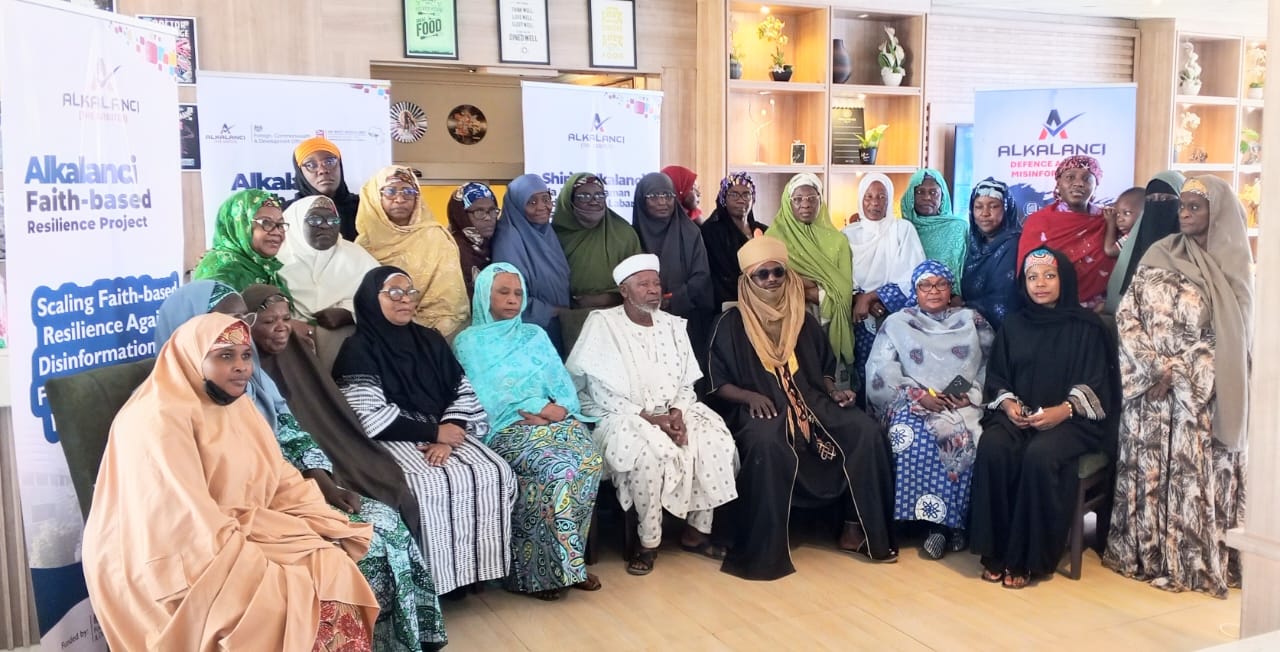
The ALKALANCI Faith-Based Resilience Project has organised a two-day capacity-building workshop for women religious leaders in Kano to equip them with the skills to identify, verify and prevent the spread of misinformation, disinformation and fake news ahead of the 2027 general elections.
The workshop, funded by the United Kingdom Government through the FCDO/ISF West Africa, was designed to strengthen community resilience against false information and promote responsible information sharing, particularly within religious and community settings.
The organisers said women religious leaders were targeted because of their significant influence in society, especially their roles in guiding families, shaping public opinion, communicating religious values and influencing decisions within their communities.
Speaking during an interview with journalists, Victoria, Programme Manager of ALKALANCI, said the initiative was aimed at strengthening the capacity of religious leaders to navigate the rapidly evolving information environment.
She explained that the widespread availability of mobile phones and internet access had transformed the information landscape, making it possible for virtually anyone to generate and circulate information, unlike in the past when traditional media organisations largely controlled information dissemination through established editorial and gatekeeping procedures.
According to her, the challenge is that many people do not possess the necessary knowledge and skills to distinguish credible information from false narratives, a development she said had contributed to misinformation with serious consequences, including health complications, loss of lives and communal conflicts.
Victoria said ALKALANCI, which operates in the fact-checking and information integrity sector, recognised that fact-checking organisations alone could not debunk false information at the same speed it spreads, making community participation critical to addressing the problem.
She explained that religious leaders were considered strategic partners because of the trust they enjoy within their communities and their ability to transmit knowledge acquired during the training to a wider audience.
She added that the workshop adopted a train-the-trainer approach, under which participants would not only benefit from the sessions but also educate other members of their communities on how to identify, question and reject misleading information.
Victoria further explained that the timing of the programme was deliberate, considering the significant role misinformation and disinformation have played in electoral processes in Nigeria and other countries.
She, however, clarified that the objective was not necessarily to prevent people from creating false information but to build what she described as information “inoculation”, where members of the public would develop the ability to recognise misleading content, reject it and avoid acting on it, irrespective of the source.
On his part, Alhassan Bala, Editor of the ALKALANCI fact-checking platform, urged Nigerians to cultivate the habit of critically examining information, establishing its accuracy and verifying its source before sharing it across social media platforms and other communication channels.
Bala said the women religious leaders would be equipped with critical-thinking skills to assess information received or intended for circulation before taking decisions or transmitting it to members of their communities.
He also cautioned journalists against allowing the pressure to break news ahead of competitors to undermine professional ethics and standards, insisting that every piece of information must be subjected to proper scrutiny and verification before publication.
According to him, the publication of unverified breaking news could undermine the credibility and integrity of media organisations that audiences have trusted over the years.
“As somebody is trying to break the news, he may end up breaking the organisation’s integrity,” Bala cautioned.
He maintained that journalists must resist the temptation to publish unverified reports, regardless of the pressure to be the first to inform the public.
The ALKALANCI editor also called on media organisations, including newspapers, online news platforms and television stations, to establish dedicated fact-checking desks to scrutinise information before publication or broadcast.
He recommended that media organisations that lack the resources to establish such units should strengthen partnerships and collaboration with independent fact-checking organisations to ensure that information disseminated to the public is accurate and credible.
In his remarks, the Chairman of the Nigerian Council of Ulama, Kano State Chapter, Sheikh Ibrahim Khalil, represented by Sheikh Abubakar Ibrahim Tofa, underscored the importance of information verification, citing Islamic teachings that discourage the spread of unsubstantiated reports.
Tofa specifically referred to Surah Al-Hujurat, verse 6 of the Holy Qur’an, which directs believers to verify information brought to them before acting on it to avoid causing harm to others out of ignorance.
He assured the ALKALANCI Faith-Based Resilience Project of the Kano State Council of Ulama’s readiness to support initiatives aimed at addressing misinformation, disinformation and the spread of fake news.
Similarly, the Emir of Kano, Khalifa Muhammad Sanusi II, represented by Adam Auwal Mudi Yakasai, representing the District Head of Rimin Gado, welcomed the initiative, describing the training as timely in view of the growing challenges associated with the circulation of false information.
He also assured the ALKALANCI fact-checking project of the Kano State Emirate Council’s support for efforts to promote information integrity and discourage the spread of misinformation and disinformation.
The two-day workshop brought together women religious leaders and other stakeholders for sessions on information verification, critical thinking, responsible communication and the dangers of circulating unsubstantiated claims.
The organisers expressed the expectation that participants would use the knowledge acquired to promote information integrity, particularly at the grassroots, and strengthen public awareness against the manipulation of information ahead of the 2027 general elections.

Kano Intensifies War Against Drug Abuse, Thuggery as Governor Abba Commissions Quick Response Squad

APC Youth Coalition Petitions Akpabio, Defence Minister, Amnesty International Over Alleged Lawlessness by Dan Agundi

2027: ALKALANCI Mobilises Women Religious Leaders Against Fake News, Disinformation

Just In: Court Nullifies Atiku’s Candidacy ,David Mark’s ADC Leadership

President Tinubu Departs Jeddah for Abuja After Completing Umrah

Kano Monitors ₦48.9bn Projects Across Six LGAs

Kano Spends ₦10.36bn on Hospitality, Sitting Allowances, Others in Six Months

Open The Social Sciences “A Tribute to a Heterodox Scholar: Mallam Ibrahim Muazzam

Senate Passes Barau’s Bill to Provide Legal Framework for Yusuf Maitama Sule Federal University of Education, Kano
OPEN LETTER TO HIS EXCELLENCY, MR. PRESIDENT BOLA AHMED TINUBU, GCFR PRESIDENT AND COMMANDER-IN-CHIEF OF THE FEDERAL REPUBLIC OF NIGERIA
Kano Intensifies War Against Drug Abuse, Thuggery as Governor Abba Commissions Quick Response Squad
APC Youth Coalition Petitions Akpabio, Defence Minister, Amnesty International Over Alleged Lawlessness by Dan Agundi
2027: ALKALANCI Mobilises Women Religious Leaders Against Fake News, Disinformation
Just In: Court Nullifies Atiku’s Candidacy ,David Mark’s ADC Leadership
President Tinubu Departs Jeddah for Abuja After Completing Umrah
Kano Monitors ₦48.9bn Projects Across Six LGAs
Kano Spends ₦10.36bn on Hospitality, Sitting Allowances, Others in Six Months
Open The Social Sciences “A Tribute to a Heterodox Scholar: Mallam Ibrahim Muazzam
Senate Passes Barau’s Bill to Provide Legal Framework for Yusuf Maitama Sule Federal University of Education, Kano
OPEN LETTER TO HIS EXCELLENCY, MR. PRESIDENT BOLA AHMED TINUBU, GCFR PRESIDENT AND COMMANDER-IN-CHIEF OF THE FEDERAL REPUBLIC OF NIGERIA
-

 Opinion5 years ago
On The Kano Flyovers And Public Perception
-

 Features5 years ago
How I Became A Multimillionaire In Nigeria – Hadiza Gabon
-

 Opinion6 years ago
Kano As future Headquarters Of Poverty In Nigeria
-
 History6 years ago
Sheikh Adam Abdullahi Al-Ilory (1917-1992):Nigeria’s Islamic Scholar Who Wrote Over 100 Books And Journals
-

 Opinion5 years ago
My First Encounter with Nasiru Gawuna, the Humble Deputy Governor
-

 History5 years ago
The History Of Borno State Governor Professor Babagana Umara Zulum
-
 History6 years ago
The Origin Of “Mammy Market” In Army Barracks (Mammy Ochefu)
-
 News5 years ago
Federal University Of Technology Babura To Commence Academic Activities September