
Opinion
OPEN LETTER TO HIS EXCELLENCY, MR. PRESIDENT BOLA AHMED TINUBU, GCFR PRESIDENT AND COMMANDER-IN-CHIEF OF THE FEDERAL REPUBLIC OF NIGERIA
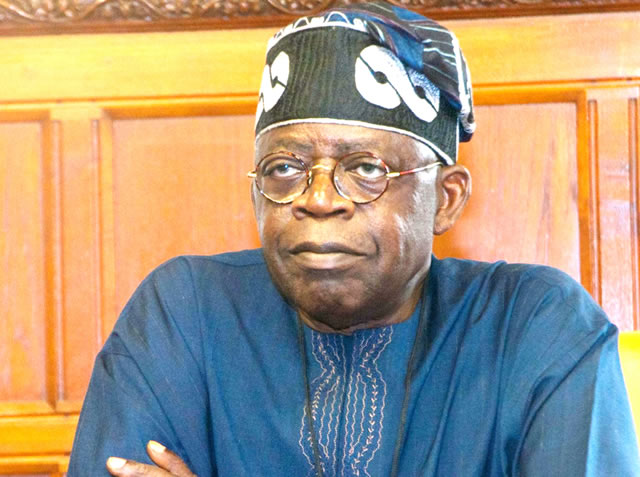
KANO AT A CROSSROADS: AN URGENT CALL FOR IMMEDIATE PRESIDENTIAL INTERVENTION TO PREVENT CRISIS AND SOCIAL UPHEAVAL
Your Excellency,
The Kano Patriotic CSOs Coalition Forum (KPCF), a coalition committed to peace, good governance, human rights, democracy and the protection of Kano State’s long-standing tradition of peaceful coexistence, writes with deep concern over recent developments that have heightened political and social tensions in the ancient city of Kano.
Kano Is At a Crossroads
We believe that the situation requires urgent, impartial and preventive intervention by the Federal Government, before the current tensions develop into a wider crisis or social unrest
Kano is a politically active and socially diverse society. Its people have historically demonstrated resilience, tolerance and peaceful coexistence. However, the current political season, combined with the continous happenings surrounding the Kano Emirate, makes any inflammatory statement, actions with provocative tendency, or political confrontation, potentially and imminently dangerous.
Our Concern Over Inflammatory Statements
KPCF is deeply concerned about the statement attributed to Alhaji Aminu Babba Dan’agundi (Sarkin Dawaki Babba), which we consider unfortunate and particularly concerning at this sensitive period. Public statements by prominent traditional and community figures carry significant influence and should, therefore, be guided by the need to promote peace, unity, tolerance and social cohesion.
Similarly, a viral video circulating on social media allegedly showed Hon. Aminu Abdullahi Warkal, an NDC candidate for the Kano State House of Assembly representing Gwale Constituency, displaying what appeared to be a pump-action rifle during a political gathering or rally in the Janbulo area of Gwale.
We have also learnt that the Kano State Police Command subsequently invited him for questioning in connection with the alleged incident, reportedly citing possible violations of relevant firearms laws and concerns relating to public peace and security. These allegations remain matters for the appropriate authorities to establish in accordance with due process.
KPCF emphasizes that, regardless of political affiliation, social status, traditional position or personal differences, public figures, political actors, traditional institutions, religious leaders and community influencers have a shared responsibility to promote peaceful political participation and social cohesion. Language or conduct capable of generating fear, anger, hostility or confrontation should be avoided, particularly as political activities and campaigns intensify.
We therefore urge all political, traditional, religious and community leaders, as well as their supporters and followers, to exercise the highest level of restraint and responsibility. We call on all stakeholders to refrain from hate speech, inflammatory rhetoric, threats, incitement, intimidation or any statements and actions capable of provoking violence or mobilising citizens against one another.
KPCF further encourages political actors and other influential stakeholders to use their platforms to promote dialogue, tolerance, respect for opposing views and peaceful participation, recognising that political differences should never become a basis for violence or threats to the safety and dignity of citizens.
At this critical period, Kano State needs responsible leadership, restraint and constructive dialogue from all sides. We call on all stakeholders to put the peace, security and unity of Kano State above partisan interests and personal differences.
The Recent Durbar Incident
KPCF is also concerned about the reported incident surrounding the recent Durbar organised by the 15th Emir of Kano, Alhaji Aminu Ado Bayero, during which violence was reported and campaign posters and billboards bearing the identities of President Bola Ahmed Tinubu and Governor Abba Kabir Yusuf, were reportedly destroyed by some people alleged to the supporters of the 15th Emir of Kano, Alh. Aminu Ado Bayero.
Although, we have acknowledged reports that Alhaji Aminu Ado Bayero subsequently and personally apologised to Governor Abba Kabir Yusuf over the incident. Though, such an apology is welcomes and it certainly represents an important gesture towards de-escalation of the already heated atmosphere.
However, an apology alone may not be sufficient to address the broader concerns arising from the incident. We respectfully urge the relevant authorities to establish the facts surrounding the incident and ensure that any person found to have committed an offence is dealt with in accordance with the law, irrespective of political, traditional or social status.
Political campaign materials are part of democratic expression. Their unlawful destruction, just like any other act of violence or intimidation, should not be allowed to become normalised.
The Kano Emirate Matter and the Rule of Law
Your Excellency, KPCF is particularly disturbed about the continuing politicisation of the Kano Emirate issue.
We respectfully recognise that matters concerning the Kano Emirate have generated strong emotions across the State and that aspects of the dispute have been subjected to judicial consideration, including proceedings before the Supreme Court of Nigeria.
In the interest of peace and respect for constitutional institutions, we appeal to political appointees and government officials at both Federal and Kano State levels to refrain from making inflammatory statement or taking partisan positions on matters before the courts.
The judiciary must be allowed to perform its constitutional responsibility without political pressure, intimidation or public mobilisation.
We therefore call on all stakeholders to allow the courts to determine the legal questions before them and to respect the outcome of the judicial process.
Our Appeal for Immediate Presidential Intervention
Your Excellency, KPCF respectfully believes that this is the time for preventive leadership rather than reactive intervention.
We therefore appeal to Your Excellency to:
1. Urgently intervene in the emerging situation in Kano State and encourage all parties to exercise maximum restraint.
2. Direct the relevant security and intelligence agencies to closely monitor developments and take preventive measures against violence, intimidation, hate speech and destruction of property.
3. Call on political appointees at both Federal and Kano State levels to refrain from unnecessary involvement in the Emirate dispute, particularly on matters that are before the courts.
Reaffirm the independence of the judiciary and encourage all parties to respect judicial proceedings and decisions concerning the Kano Emirate.
Direct that political parties, campaign organisations and their supporters be protected equally and that the destruction of political posters, billboards or campaign materials be investigated and addressed according to law.
Ensure that all persons responsible for violence, regardless of political or traditional affiliation, are held accountable under the law.
Encourage traditional, religious, political and community leaders to publicly commit themselves to peace and responsible communication throughout the political campaign period.
Facilitate an inclusive peace and stakeholders’ dialogue in Kano, involving the State Government, Federal Government representatives, traditional institutions, political parties, security agencies, religious leaders, youth and women representatives, and civil society organisations.
Urge political actors to focus their campaigns on issues of development and governance rather than personality traditional institutions or matters capable of dividing the people of Kano.
Kano Must Not Be Allowed to Slide into Crisis
Your Excellency, Kano is too important to Nigeria to be allowed to descend into avoidable confrontation
The ancient city of Kano is a major commercial, cultural, political and social centre whose stability has implications far beyond the State. A crisis in Kano would affect not only its citizens but also neighbouring states and the wider northern region.
KPCF therefore considers the present moment a critical early-warning stage. We believe that decisive and impartial intervention now can prevent a much more serious crisis later.
We appeal to Your Excellency, as President and Commander-in-Chief, to use the moral authority and constitutional powers of your office to send a clear message that peace, democratic participation, freedom of expression, respect for traditional institutions, protection of political rights and the rule of law must prevail over political rivalry.
We further urge all parties to sheathe their swords, avoid provocative statements and actions, and place the peace and stability of Kano above personal, political or institutional interests.
Kano belongs to all its people. Its peace must not become a casualty of political competition or institutional disagreements.
The Kano Patriotic CSOs Coalition Forum remains committed to working with the Federal and State Governments, security agencies, traditional institutions, political parties and all stakeholders to promote peaceful coexistence, democratic participation and respect for the rule of law.
We respectfully call on Your Excellency to act now, before tension becomes crisis and crisis becomes conflict.
May peace continue to prevail in Kano State and the Federal Republic of Nigeria.
Yours faithfully,
Signed ,
Hassan Ibrahim Gama Mustapha Muhammed Chiroma Peter Hassan Tijjani
Convener Convener Convener
For and on behalf of the undersigned members of the Kano Patriotic CSOs Coalition Forum (KPCF):
S/N
Contact Person
Name of Organization
1
Hassan Ibrahim Gama.
Friend of the Community Organisation (FOCO)
2
Mustapha Muhammed Chiroma
Community Rights Initiative Of Nigeria (CORIN)
3
Peter Hassan Tijani
New Ethics for Empowerment and Development Initiative (NEEDIN)
4
Farouk Umar
Citizens for Development and Education (CDE)
5
Ibrahim Muhammad
Rural – Urban Slums Development Initiative (RUSDI)
6
Ruth Stephen
Touch and Care Foundation (TOCAF)
7
Maimuna Shuaibu
Muna Helping Hand Foundation (MHHF)
8
Amb. Lami Bako Yakasai
Enlightenment And Empowerment Of Northern Women Initiative
9
Abdulrahman Uba Daushe
Spinal Cord Injuries Association Of Nigeria (SCIAN)
10
Ahmad Tijjani
Alkali Ahmad Center For Development
11
Sunusi Hashimu
Society For Child Support And Economic Empowerment (SOCSEE)
12
Hassan Musa Yaro
Cardinal Aid Development Support Initiative
13
Nworisa Michael
Stand For Peace Initiative
14
Aisha Ahmed Abdulkadir
Sustainable Dynamic and Human Development Initiative
15
Khadija A. Muhammad
Nana Aisha Development Initiative (NADI)
16
Halima Suleiman ESQ
Advocacy on Human Rights and Equal Opportunity (AHREO)
17
Dr. Kabir Hamisu Kura
Community Development Initiative
18
Halima Titi Bello
Women Gender Developers (WOGEND)
19
Rakiya Ladi Musa
Ansar Women Development
20
Amina Ali Alhassan
Be My Guide Development initiative.
21
Amb. Rabi Yusuf Gezawa MON
Center For Empowerment Of Older Persons And The Vulnerable (CEOPAV)
22
Comrade A.A Haruna Ayagi
International Human Rights Network IHRN-Nigeria
23
Tijjani Sarki
Human Rights Watch And Youths Empowerment Foundation, Nigeria.
24
Ola Taiwo
Mari-Care Foundation for Widows, Single Parents, Orphans and Vulnerable Children Nigeria. (MARI-CARE)
25
Solomon Samuel
Mercy Helpline Initiative
26
Sheriff Abubakar
Sheriff Orphanage and Charity home foundation (Sheriff foundation)
27
Salmanu Muhammed
WAZOBIA International Women and Children Foundation, Kano
28
Amb. Hadiza Abdullahi kishimi
Women’s Social and leadership Development initiative ( WSLDI )
29
Grace Musa
Standup for Women Society
30
Dr. Ramatu Garba
Support For Women And Teenage Children (SWATCH)
31
Amina Aliyu Dogarai
Women and orphans charity initiative
32
Surayya Ado Salisu
ABC Road Safety Project Initiative
33
Barr. Aisha Ali Tijjani
Sayyidatu Wal adfal Foundation (Women and Children Foundation)
34
Murjanatu G. Umar
Women Empowerment, Leadership, Education, Advancement And Development Initiative (WE-LEAD)
35
Amb. Maryam Hassan
League for Societal Protection Against Drugs Abuse (LESPADA)
36
Wali Ado Rano
Voice Of The Hopeful Enlightenment And Development Initiative (VOHEDI)
37
Saratu I. Maigida
Lifeline Initiative For Widows Empowerment And Economic Development (LIWEED)
38
Sagir Salihu Chedi
Voice And Accountability Platform (VAP)
39
Barr. Mustapha Idris
Human Right and Community Initiative
40
Gharzali Ibrahim Ungogo
Ummatee Centre For The Promotion Of Public Education, Accountability And Social Safety (UMMATEE-C4PASS)
41
Aisha Halliru
Halliru Memorial Youth Development And Empowerment Initiative (AYDI)
42
Mrs. Esther Abdulahi Kingsley
Inter-tribe Community Support Forum
43
Auwal Idris Dorayi
Center For Peace And Environmental Justice CEPEJ
44
Mariya Ishaka
Albino Cluster Association
45
Sani Shuaib Rogo
Rogo Concern Citizens
46
Abubakar Shuibu Maitumaki
Youth Awareness Foundation On Drug Abuse (YAFODA)
47
Dr. Mustapha Mukhatar
Danbatta Development Forum (DDF)
48
Musa Muhammad Khaila
Community Support for Social Accountability Initiative (COMSSI)
49
Haj. Habiba Mijinyawa
Federation of Muslim Women Association of Nigeria (FOMWAN) Kano
50
Abbas Abdullahi Yakasai CISSP, IPMA
One Kano Agenda
51
Comrade Ali Wali
Network for Environmental Safety and Society Development (NESSD)
52
Hadiza Bala Fagge
Women Widows And Orphans Development Initiative (WWODI)
53
Farida Ahmed Tahir
Mata Iyayen Al’umma Foundation
54
Bello Abdulkadir Yusuf
Karaye Community Development Association
55
Badiya Aliyu
Sustainable Dynamic Human Development Initaitive (SDHDI)
56
Ruqayya Bello
Women for Women Initiative
57
Sabo Bello Madaki
Kiru Community Development Association
58
Sunusi Mamuda Wudil
Wudil Association Cooperative
59
Zubaida Umar Gashash
Youths And Women Sustainable Development Initiative (YASDI)
60
Ibrahim H. Sale
Habib Community Education Initiative
61
Khadijah Ibrahim
Adolescents Girls, Children And Research Project – GCRP
62
Sumaila Namadi Ahmad
Yadfulde Kiru Local government Association & Dev.
63
Abdulaziz Habibu Bello
Yanoko Youth Development Association
64
Umar Ibrahim Umar
War Against Injustice
65
Maimuna Umar Sheriff
Centre for Gender Base Violence Advocacy
66
Kola Samuel Asaju
KAF Care Foundation
67
Ali Suleiman
Masses First International Organization –MFI
68
Muhammed Yusuf Gama
Global Youth and Women Support Initiative – GLOYWSI
69
Abubakar Shariff Jaddah
Society for Women and Child Health Initiative (SWACHI)
70
Abdussalam Haruna
New Turn for Youth Enthusiasm & Dev. (N-YED)
71
Dalhatu Jibrin Dalhatu
Karaye Initiative Forum
72
Mohammad Lawal Datti
Initiative for Health Rescue & Risk Reduction (IHRAR)
73
Amb Dr Abdulrahman Kitilly Hudu ( Phd)
Empowerment For Vulnerable Women And Children International (EVWACH International)
74
Fatima Umar
Albarka Women Development Association
75
Mahmud Hashimu
Community Health I Initiatives and society development – CHISOD
76
Suyudi Isa Jibril
Media Advocacy for Accountability Sustainable Initiative –
77
Lukman Dayyab
Public Health Promotion Initiative
78
Amb Maryam Ibrahim Sani
Nigerian Coalition on youth,peace and security Agenda,Kano.
79
Haj. Safiyya Salisu Abdul
Support Group For Good Governance Organisation (SG3)
80
Sagir Saidu
Gyarakayanka Development Association
81
Sani Muhammad.
Annur Health And Peace Community Development Initiative
82
Ahmad Tijjani Yau
Development Insight Hub
83
Comrade Garba Suleiman Marafa
WAZOBIA Conflict Resolution And Peace Advocacy Initiative (WACORPAI)
84
Dr. Auwalu Halilu
Non-Formal Development for Education and Health Initiatives (NDEHI)
85
Yahaya A. Yahaya
National Association Of Persons With Physical Disabilities Kano Chapter (NAPWPD)
86
Dr Abubakar Ibrahim Hassan
Community Education and Health Promotion Initiatives (CEHPI)
87
Hajiya Saadatu Hashim
Concerns Mothers Association of Kano
88
Aisha Shatima
Joint Action Campaign for development
89
Najib Nasir
Northern Youth Concerned
90
Dr. Tanimu Adam Ibrahim
Gwarzo Initiative Forum
91
Aminu Sa’ad
Consolidated Ajingi Development Association.
92
Umar Iliyasu Madobi
Madobi Youth Development Forum
93
Barrister. Badamasi
Kano First Forum
94
Salamatu Sulaiman Mustapha
Salmah Africa Rescue Initiative
95
Garba Musa
Save Girls Initiative
96
Murtala Muhd Rabiu
Hannu Dayawa Youth development Association Bachirawa
97
Maryam Muhammad
Indigent Youth Education And Care Foundation (IYECF)
98
Rakiya Abba Tahula
Interfaith Peace Foundation
99
Nafisa Muhammad Ado
Anniswan Women Health Initiative (AWOHI)
100
Mohammed Hussaini
Nigerian Democracy Working Group
CC:
– The National Security Adviser (NSA), Federal Republic of Nigeria
– The Inspector-General of Police (IGP), Nigeria Police Force
– The Director-General, Department of State Services (DSS)
– The Director-General, National Intelligence Agency (NIA)
– The Commandant-General, Nigeria Security and Civil Defence Corps (NSCDC)
– The Commissioner of Police, Kano State Command
– The Director, State Security Services (SSS), Kano State
– The Kano State Commandant, NSCDC










Opinion
Blowing One’s Own Trumpet:43 Years Since My Journey Through Triumph
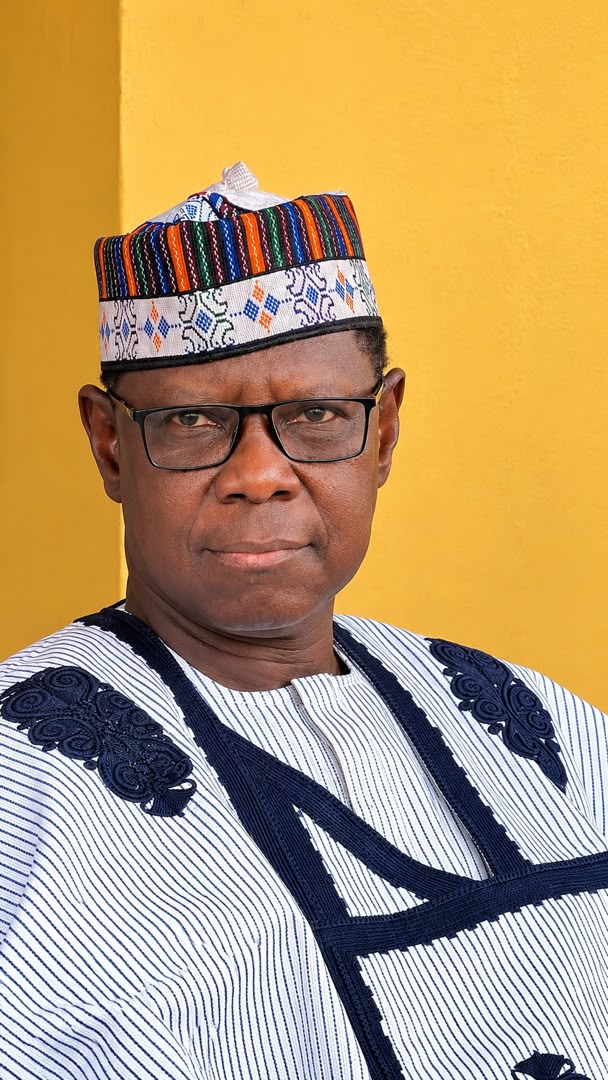
A 45-year journey in journalism, professional leadership and public service
By Baba Dantiye, MON, mni, FNGE
There is a saying attributed to the late Premier of Northern Nigeria, Sir Ahmadu Bello, the Sardauna of Sokoto, that if you do not blow your own trumpet, nobody will blow it for you, because others will be busy blowing theirs. I have always found wisdom in that observation. At 65, having spent 45 years in journalism and public service, I believe the time has come to tell my story, put some historical records in perspective and acknowledge, with gratitude, what Almighty Allah has made possible in my life.
On 21 November 1983, I was formally employed as a Reporter with the Triumph Publishing Company, Kano, during the administration of Alhaji Aliyu Sabo Bakin Zuwo, with the late Alhaji Sidi Ali Surajo as Managing Director. Forty-three years have since passed. I look back on that date as a defining moment in my professional journey. However, it is important to establish that my journalism career did not begin at Triumph. It had commenced two years earlier, and the experiences I acquired before joining the newspaper were equally significant in shaping the professional I eventually became.
I was only 20 years old when I joined Kano State Television, CTV 67, now Abubakar Rimi Television (ARTV), as one of its pioneer members of staff. I was fortunate to be among those selected and sent to the United States for professional training. On returning to Nigeria, I was posted to the Research Unit at Government House, Kano, where I worked under Dr Asikpo Essien-Ibok.
That assignment exposed me to government and public administration at a remarkably early stage. Dr Essien-Ibok had been appointed following the brutal assassination of the legendary Dr Bala Mohammed. It remains one of the painful chapters in Kano’s political history that, to date, no arrest has been made in connection with that murder. What a country!
The Research Unit was closely associated with the political and strategic operations of the Governor’s Office. We therefore worked directly within the Governor’s establishment and gained an understanding of government, political administration and policy processes from the inside. This is an important part of my history because, long before many who would subsequently occupy prominent positions in Kano’s political and administrative circles became familiar with Government House, I had already worked there as a young professional.
When Alhaji Sabo Bakin Zuwo assumed office as Governor in 1983, one of his early directives was that anyone working in the Research Unit should consider himself dismissed. That brought this chapter of my experience to an abrupt end. Among those who shared that experience were retired Permanent Secretary Dahiru Musa, Bashir Yusuf Ibrahim and another retired Permanent Secretary, Abba Yakubu. Dr Essien-Ibok, who remains an important figure in this part of my professional history, is still alive in Calabar.
I recount these events because my story did not begin with my appointment at Triumph. By the time I joined the newspaper on 21 November 1983, at the age of 22, I had already acquired valuable institutional experience, professional exposure and an understanding of government. My appointment at Triumph was therefore not the beginning of my professional journey, but a defining moment in a career that had started two years earlier.
Triumph became the platform upon which much of my professional identity was built. What began as a reporting assignment developed into a career spanning virtually every important aspect of newspaper journalism. Through commitment, discipline, hard work and continuous learning, I rose through the ranks, serving in various editorial capacities, including Editor of Weekend Triumph, Sunday Triumph and Daily Triumph, and eventually Deputy Editor-in-Chief and Head of the Editorial Department.
Those years were invaluable. I experienced journalism from the newsroom floor to the highest levels of editorial management. I learnt that journalism is not simply about gathering and publishing information; it is about responsibility, public interest, accountability and the courage to ask difficult questions.
My professional development was accompanied by academic and specialised training. I obtained a Diploma in Journalism from the London School of Journalism, a Certificate in Broadcasting from the US Graduate School in Washington, DC, and subsequently a Master’s degree in Journalism Studies from Cardiff University, United Kingdom, between 2009 and 2010. I have always believed that experience must be complemented by knowledge and that professional advancement should never become an excuse to stop learning.
My involvement in journalism extended beyond the newsroom. I served as General Secretary of the Nigerian Guild of Editors between 2001 and 2003 before being elected President in 2003. I served two terms, from 2003 to 2008. This was a significant period in my professional life, providing the opportunity to contribute to journalism and editorial leadership at the national level.
One of the enduring institutional developments associated with my presidency was the establishment of the All Nigeria Editors’ Conference (ANEC), which subsequently became an annual gathering of Nigerian editors and was incorporated into the Guild’s Constitution as a mandatory conference. Today, ANEC remains an important platform for professional engagement, national discourse and reflection on the responsibilities of the media in a democratic society.
I also had the privilege of representing the media, alongside Senator Smart Adeyemi, who was then President of the Nigerian Union of Journalists (NUJ), at the National Political Reform Conference convened by President Olusegun Obasanjo. I subsequently served on the National Steering Committee of Vision 20:2020. These assignments broadened my exposure to national policy discussions, governance, institutional reform and strategic development. They demonstrated that my contributions had extended beyond journalism into wider national affairs. My induction as a Fellow of the Nigerian Guild of Editors (FNGE) further recognised my contributions to the profession.
My transition into government communication and public administration was another important dimension of my career. Between 2012 and 2015, I served as Director of Press and Public Relations to Governor Rabiu Musa Kwankwaso. I subsequently served as Director-General, Media and Publicity, to Governor Abdullahi Umar Ganduje between 2015 and 2016. These appointments placed me at the centre of government communication, strategic information management and public engagement, requiring a combination of journalistic experience, political understanding and administrative competence.
I later moved into the mainstream civil service, serving as Permanent Secretary in different ministries, including Commerce, Industry, Cooperatives and Tourism, and Environment. This progression demonstrated that my experience had extended beyond journalism and political communication into mainstream public administration. I served in the civil service until my retirement in 2018.
But Almighty Allah was not yet done with me.
In 2023, Governor Abba Kabir Yusuf appointed me Honourable Commissioner for Information and Internal Affairs, making me a member of the Kano State Executive Council. For me, this was a remarkable culmination of a journey that had started decades earlier as a young television broadcaster.
Consider the progression: pioneer television staff; Government House researcher; newspaper Reporter; Editor; Deputy Editor-in-Chief; General Secretary and President of the Nigerian Guild of Editors; Director of Press and Public Relations; Director-General of Media and Publicity; Permanent Secretary; and finally, Honourable Commissioner for Information and Internal Affairs.
I consider this a particularly distinctive professional progression. I have traversed journalism, national professional leadership, strategic government communication and public administration, rising through the ranks and accepting increasingly demanding responsibilities. I make this observation not to diminish the accomplishments of others, but because my own record deserves to be properly acknowledged and documented.
There is another dimension of my journey that I consider important to acknowledge. Although I was born into a family with a respected background and inherited a name associated with education and journalism through my father, a former teacher and editor, I have had to build my own professional identity and earn my place through personal effort. Whatever I have achieved has come through hard work, determination, professional commitment and continuous learning, coupled with the grace of Almighty Allah. I have had no godfather to chart my course, influence my career or secure positions for me. I have relied on my abilities, believed in myself, remained focused on my aspirations and worked diligently to earn every opportunity that came my way. My journey is, in many respects, a testament to the value of self-belief, perseverance and the courage to pursue one’s dreams.
I have always believed that a good family name can provide a foundation, but it cannot substitute for personal effort, competence and achievement. One may inherit a name, but one must work to establish one’s own identity and earn recognition on one’s own merits. I am proud of my family heritage, but I am equally conscious that the professional record I have built over the years is my own responsibility and achievement.
There are two further distinctions in my journey that I consider particularly significant: the national honour of Member of the Order of the Niger (MON), conferred on me in 2022, and my admission into the prestigious National Institute for Policy and Strategic Studies (NIPSS), Kuru, where I participated in Senior Executive Course 33 in 2011 and earned the designation mni.
These are not merely titles to decorate a name. They represent national recognition for service and contribution, and exposure to strategic leadership, policy formulation and national development. Considered alongside my Fellowship of the Nigerian Guild of Editors, they constitute a combination of professional recognition, national honour and strategic leadership training that I regard as particularly distinctive. Their significance extends beyond Kano and places my professional journey within a wider national context.
At 65, I have reached a point in life where reflection becomes more important than competition. I have occupied offices that many aspire to, participated in institutions that have shaped national discourse and enjoyed opportunities I could hardly have imagined when, as a 22-year-old, I walked into the Triumph newsroom in November 1983.
More importantly, I can look back with a clear conscience. I have sought to maintain a record of service free from fraud, financial impropriety and deliberate abuse of public trust. My professional and administrative record is one I am prepared to defend. Like every human being, I may have made mistakes, but I have never knowingly compromised my integrity for personal enrichment or sacrificed my principles for temporary advantage.
I have experienced the inevitable challenges of professional life: disappointments, disagreements, criticisms and occasions when recognition did not necessarily correspond with contribution. But these experiences have not diminished my appreciation of what Almighty Allah has done for me. I have learnt that one does not need to fight everybody, respond to every provocation or become angry whenever others receive recognition. Life is not a race in which everybody must arrive at the same destination at the same time.
This article is my own modest attempt at blowing my trumpet, not out of arrogance, but out of a responsibility to tell my story while I can still give it its full context and meaning. I am a trailblazer in the sense that my career has traversed professional territories rarely combined in one journey. I have gone through the ranks, acquired experience, accepted demanding responsibilities and reached positions of considerable national and state significance. My record should be assessed on its own merits.
If there is one lesson I would like younger journalists, aspiring public servants and today’s generation to take from my experience, it is that they must believe in themselves and never allow their circumstances or humble beginnings to define the limits of their aspirations. Have a vision of what you want to become and remain focused on achieving it. Be determined, work hard, pursue your dreams and never allow temporary setbacks to discourage you. Acquire knowledge, develop your skills, remain disciplined and be prepared to start from wherever an opportunity presents itself.
Do not wait for a godfather before you begin to build your future. Do not assume that success comes only through political connections, family influence or privileged access. While guidance, mentorship and support from others are valuable, personal preparation, competence and perseverance remain indispensable. Opportunities may come through people, but it is your responsibility to prove yourself when they do.
Above all, never sacrifice your integrity in pursuit of appointments, recognition or material rewards. Positions are temporary, but character and reputation endure. The greatest satisfaction is not merely in occupying important offices, but in being able to look back and know that you earned your place through honest effort and discharged your responsibilities with a sense of duty.
As I reflect on 45 years in journalism and 43 years since joining Triumph, my overriding emotion is gratitude. I remember the late Sidi Ali Surajo, who presided over Triumph when I joined. I acknowledge Dr Asikpo Essien-Ibok for his place in my early public-service experience. I remember colleagues with whom I shared those formative years, including those who are no longer with us. I also acknowledge the editors, journalists, public officers, mentors, political leaders, friends and family members who contributed to my journey.
Ultimately, my story is not simply about the positions I occupied. It is about the experience accumulated, the institutions served, the contributions made, the people encountered and the values I have tried to uphold.
What more could I reasonably have asked for? From a 20-year-old pioneer television staff member who travelled to the United States for training, to a 22-year-old Reporter at Triumph, and eventually to the national leadership of the Guild, the senior civil service and the Kano State Executive Council, Almighty Allah has taken me further than I could have imagined.
I have no reason to fight, envy or become unnecessarily angry with anybody. I have received more than I could have imagined at the beginning of my journey. My remaining responsibility is to preserve my record, share my experience, contribute to society and leave behind a legacy worthy of the opportunities I have enjoyed.
I have travelled a long road, occupied important positions and served in different capacities. I am proud of the journey, grateful for the opportunities and at peace with my record.
Above all, I give all the glory to Almighty Allah, who made it possible.
Alhamdulillah!
Baba Dantiye, MON, mni, FNGE
Former Commissioner for Information and Internal Affairs, Kano State
Former President, Nigerian Guild of Editors (2003–2008)
Opinion
Kano Pension App: OGP Becomes Dignity, Not Document
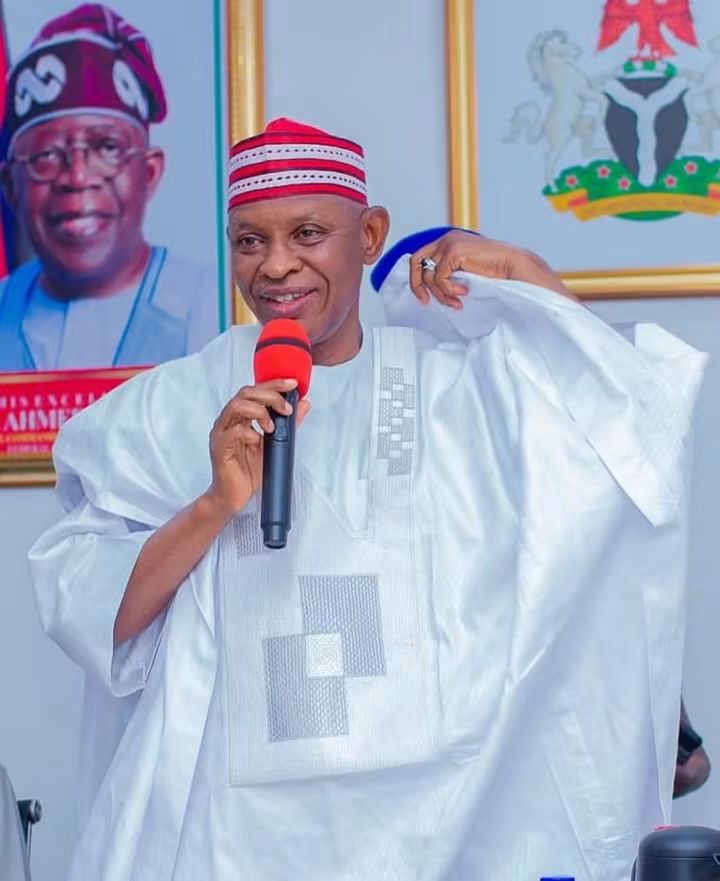
By Abba Anwar
For years, Open Government Partnership, OGP, sounded in Kano like big English. Transparency. Accountability. Citizen participation. Fiscal openness. Access to information.
Beautiful words. In workshops. In communiques. In State Action Plans. Words that looked good on a banner, but did not put food on an old man’s table.
Ask an old pensioner in Fagge what OGP meant, and he would look at you, adjust his cap, and ask you a simple question, “Will it pay my gratuity?”
On Monday, 16 November 2026, Kano State Governor, Abba Kabir Yusuf finally answered him. Not with a workshop. Not with a seminar. With an app. The App That Ended The Queue.
The Kano State Pension Fund Trustees Pensioner Verification Application. On Google Play Store. Free. Simple.
Download it. Verify yourself. From your house. Are you in Kano? Verify.
Are you in Lagos? Verify.
Are you in London, America, China, Saudi Arabia? Verify.
No more travelling to Kano. No more queuing under the sun at 70 years old. No more sleeping at motor parks because you came for verification and they told you to come tomorrow. No more paying middlemen to help you collect your own money. No more “come tomorrow, come next week, come next year.”
That single app did what a dozen OGP seminars are aiming at. It took power from the office and gave it to the citizen. That is OGP. In real life. Not on paper.
Then what OGP really is? It was created in 2011 as a global partnership between governments, civil society and citizens. Nigeria joined in 2016. Kano joined in 2017 and became a subnational member in 2018.
Its philosophy is simple, but radical for Nigeria:
1. Government should not hide.
2. Citizens should not beg.
3. Power should be shared, not hoarded.
Kano’s 2024-2026 State Action Plan, signed by Governor Yusuf, lists seven commitments to make that real, fiscal transparency, access to information, citizens’ engagement, access to justice, anti-corruption, service delivery, and climate change.
For a long time, those were promises on paper. Under Yusuf, they are becoming platforms in people’s phones.
First came the Ministry of Public Procurement, to open up how government spends money. So that contracts are not awarded in darkness.
Then came the Kano State Integrated Projects Monitoring System (KSIPMS), where any resident can monitor a government project in real time: its budget, its timeline, its progress. You don’t need to be a commissioner to know what is happening in your ward.
Then came the Fix Kano App where a citizen can report a broken road, a dry tap, a dead health centre, and track government response from submission to resolution. You report, you follow, you see.
And now, the Pension Verification App. Four apps. One philosophy: You don’t need to know somebody in Government House to be served by Government House. I think Hon Musaddiq Kabir Adam, Senior Special Assistant to the Governor on OGP and at the same time, the OGP State Coordinator, could be the happiest person here. A very committed SSA, who believes in effective and efficient OGP regime.
That is why the OGP National Secretariat has commended Kano, and why Kano has moved from 11th to 4th position in the national OGP ranking. That is why Kano was invited to showcase its reforms at the next OGP Global Summit.
Here it is instructive to note that ranking is not the story. The old man is the story. The Pension App is the purest OGP story in Kano.
If you want to understand OGP, in practical terms it is not always necessary for you to go to a conference. Go and sit with a pensioner who just verified himself on his phone.
Look at this development through the eyes of OGP, one by one:
1. Transparency – You can now see what government is doing.
Before, a pensioner did not know if his name was on the list. He did not know if his file was lost in some dusty cabinet. He did not know if someone had collected his money and signed for him. He lived in darkness, and darkness is where corruption grows.
Now, verification is digital. Payroll is fully automated. Biometric capture is completed. Every name is captured. Every fingerprint is captured. Every payment is traceable. Every alert drops directly into the pensioner’s bank account, not into a middleman’s hand.
The Governor himself said the system was built to “eliminate bureaucratic bottlenecks and institutionalise efficiency.”
In plain language: No more ghost pensioners eating the food of real pensioners. No more files disappearing. No more “your name is not here, come back next month.”
Transparency is not a slogan here. It is a fingerprint. It is a bank alert. It is a record that cannot be changed in secret.
2. Accountability – Government can now be held to its word.
On 16 November, Governor did not just release ₦5 billion, the 7th tranche. He gave a date. April 2027. He said, “By April 2027, the Kano State Government shall be able to liquidate every single kobo.”
With ₦37 billion already paid out of the ₦48 billion inherited backlog, that is 77.1% done. The remaining ₦11 billion is now a public promise, with a public deadline, on a public app.
And that is the beauty of it. Before, government could promise and forget. Now, civil society, journalists, and pensioners themselves can count. They can open the app. They can check the tranches. They can ask: You said April 2027, where are we now?
The app makes the Governor accountable not just to Abuja, not just to OGP Secretariat, but to the old man in Dala who is waiting for his alert. That is accountability from below, not from above.
3. Citizen Participation – The old man is now a participant, not a beggar. OGP says citizens must not be passive observers. They must be active participants. They must co-create government. The power of co-creation.
What is more participatory than an 80-year-old man verifying himself from his bedroom in Rano, without begging a clerk? What is more participatory than a widow in Gaya, who cannot afford transport to Kano, verifying herself from her son’s phone and receiving her late husband’s death benefit?
What is more participatory than the Nigeria Union of Pensioners, led by Comrade Godwin Ikechukwu-Abumisi, sitting at the table with government, not outside the gate shouting?
What is more participatory than Kano electing its civil society representatives into the OGP Steering Committee through a free, transparent election, monitored by the OGP National Secretariat, with equal representation – government and civil society, side by side?
The Pension App is citizen participation without a conference hall. It does not ask the pensioner to come to government. It brings government to the pensioner.
And that changes the psychology. The pensioner no longer feels like a beggar. He feels like an owner. Because he is an owner. It is his money. It is his right.
4. Inclusion – No one is left behind because he is old, poor, or far.
OGP is not just for the educated, the young, the connected. It is for everybody. Especially the vulnerable.
Think about it. Who suffers most from physical verification? The old. The sick. The poor. The widow. The man who retired in 2012 and now lives in a village with no road.
The Pension App says to them: You matter. You don’t need to travel. You don’t need to spend ₦20,000 transport to collect ₦50,000 gratuity. You don’t need to be strong to be served.
Inclusion is not a workshop topic. Inclusion is a woman in Bunkure verifying herself without leaving her house. That is OGP.
5. Anti-Corruption – Technology kills the middleman. Every Nigerian knows the middleman. The man at the gate who says “bring something, I will help you see oga.” The man who says “your file is missing, but I can find it.”
The Pension App has no gate. It has no oga to see. It has no file to lose. When verification is biometric, you cannot forge it. When payment is direct to bank, you cannot divert it. When payroll is automated, you cannot insert a ghost name.
In April 2025, the Executive Chairman of the Pension Fund Trustees, Alhaji Habu Muhammad Fagge, said the Fund inherited a deeply troubling situation, where pensioners suffered irregular deductions, sometimes losing half of their entitlements, and where the previous administrations borrowed extensively from the pension fund.
The App is the answer to that history. It is a lock on the door. It is saying: Never again will a pensioner’s money disappear in an office. That is anti-corruption, not by arrest, but by design.
6. Access To Information – The right to know, in your hand. OGP says citizens have a right to know what government is doing with their money.
Before, a pensioner had to write a letter to know his status. Now, he opens his phone.
Before, a journalist had to beg for data. Now, the Governor announces every tranche in public: 1st tranche ₦6 billion, 2nd ₦5 billion, 3rd ₦5 billion, total ₦16 billion to 6,886 retirees, then ₦32 billion, then ₦37 billion. Open. Countable. Verifiable.
Access to information is no longer a Freedom of Information request. It is a notification on your phone.
7. Technology and Innovation For Service Delivery – OGP’s newest frontier. In November 2026, Kano OGP Coordinator, Musaddiq Kabir Adam, told journalists in Dutse that Kano is prioritising AI for Governance, open budgeting, youth inclusion and citizens’ participation.
The Pension App is that priority in action. It uses technology to solve a human problem: distance, age, poverty, and corruption.
A pensioner who cannot walk can now be verified. A widow who cannot afford transport from Gaya to Kano can now be verified. A retired teacher living with his son in America can now be verified. Technology did not replace compassion. Technology delivered compassion.
From paper to people- Let us be honest. OGP in many states in Nigeria has become a ceremony. Steering Committee inaugurated. Photo taken. Communique issued. Nothing changes in the village.
Kano is trying to break that jinx.
When a pensioner opens his phone and sees his gratuity alert, he does not need to know what OGP means. He feels what OGP means.
When a young person opens Fix Kano App and reports a broken borehole and sees government respond, he does not need to recite the 2024-2026 Action Plan. He lives it.
When a journalist opens KSIPMS and checks a project budget, he does not need a lecture on fiscal transparency. He practices it.
That is the advantage of the Pension App for OGP in Kano. It turned OGP from a document into dignity. It proved that OGP is not about opening files. It is about opening doors. It is not about government talking to citizens. It is about government listening to citizens, and citizens holding government to account, with evidence in their hands.
The Lesson For The World.
OGP Global Summit will hear many presentations. Many countries will bring PowerPoints. Many governors will bring speeches. Kano can bring a pensioner. A man who waited 8 years. Who was verified on his phone. Who was paid ₦5 billion in the 7th tranche along with thousands of others. Who will be paid monthly from December 2026 until April 2027, when the debt is finished.
That man is the best OGP ambassador Kano has ever produced. He did not attend a workshop. He did not read the Action Plan. He lived it.
Governor Yusuf did not just pay pensioners. He proved that open government is not about opening files. It is about opening doors. And in Kano today, the door is open. On an app. In the hand of an old man. Who no longer has to beg.
Kano OGP is by all standard one of the best, not only in Nigeria, but across the sub-Saharan Africa. While the Governor is committed and has set in motion, genuine political will, the State Coordinator is not only coordinating well, but he clearly understands who and who to coordinate and strategize with.
The recently held workshop in Dutse, Jigawa state, on 14th November, 2026, organized by Kano OGP, as a One-Day Sensitization Workshop for Media Practitioners of Kano, gave an insight of the genuine commitment of His Excellency, the Governor and the entire OGP Steering Committee, in pushing OGP philosophy to highest level.
The resource persons who delivered speeches and the good quality of the media people invited, alongside some selected Special Assistants and Senior Special Assistants to the Governor on social media engagement, buttress a good point that, Kano OGP understands the journey clearly.
The papers presented gave more light to the media as to what OGP is all about. As well as the need for the media to fully participate in the implementation aspect of the philosophy.
The captions. Paper One “Understanding the Open Government Partnership (OGP): Objectives, Commitments, Principles and Implementation Framework,” by OGP State Coordinator, Hon Musaddiq. Paper Two “The Open Government Partnership: Origins, Principles and the Kano Experience,” by Barrister Muhiyi Magaji Rimingado, Pioneer Government Co-Chair, Kano OGP/State Lead Person.
Paper Three “Kano State OGP Commitment under the Current Administration,” by Abba A. Danguguwa, Permanent Secretary Establishment, OGP Steering Committee Member. And Paper Four “The Media and Open Government: Turning OGP Commitment into News Stories,” by Dr Abdussalam Kani, Executive Director, FIDAC, OGP Member.
As the Commissioner for Information, Sanusi Bature Dawakin Tofa was ably represented by a veteran, who is the Director Information in the Ministry, Malam Aminu K-Yassar, while the Commissioner for Public Procurement Projects Monitoring and Evaluation, Comrade Nura Iro Ma’aji was ably represented by his Permanent Secretary, Engineer Abdulrazaq Haruna.
The Acting Executive Chairman of the Kano State Public Complaints and Anti-Corruption Commission, Barrister Hafsat Ada’u Kutama, Chairman of the Kano State Correspondents’ Chapel of the Nigeria Union of Journalists, Comrade Murtala Adewale, was also represented by his Secretary, Comrade Salim Umar Ibrahim and a Commissioner 1 from Jigawa State Anti-Corruption Commission, Malam Hassan Hashim was also there. A full house, so to speak.
Coming back to Kano Pension App and OGP reality let me request this, please my reader if you know a pensioner who has finally smiled, share this story. That smile is OGP.
Anwar writes from Kano
Wednesday, 18th November, 2026
Opinion
Sarkin Yaki Kano: A Decade Of Leadership, Integrity And Service
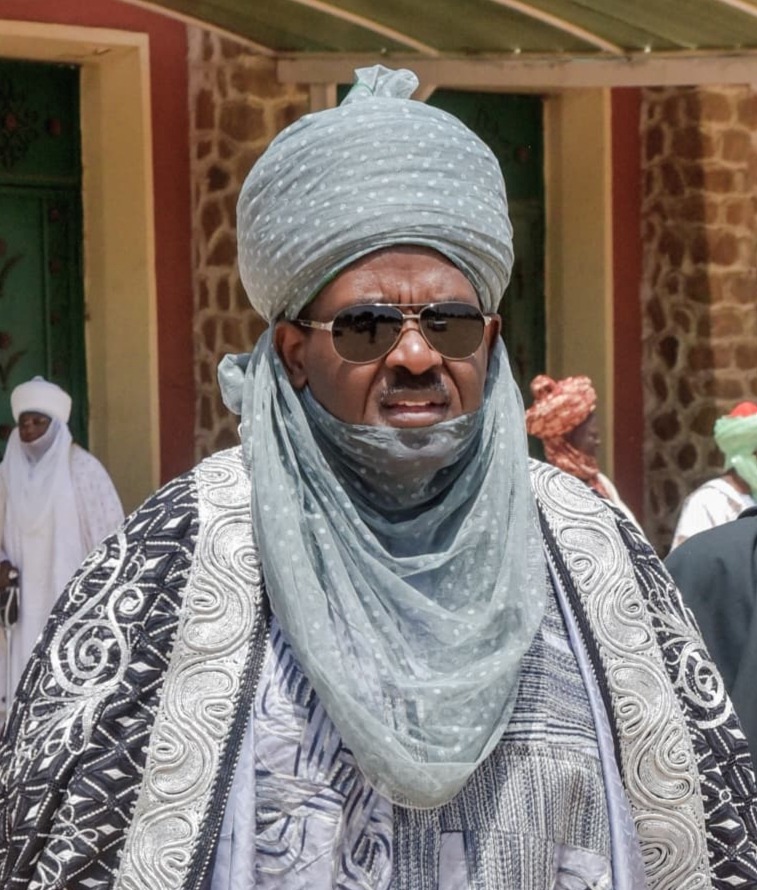
By Baba Dantiye, MON, mni, FNGE
Ten years in any leadership position provides sufficient time to assess performance, measure impact and determine the extent to which a leader has justified the confidence reposed in him. In traditional institutions, where leadership is deeply rooted in history, culture, community relations and public trust, such an assessment becomes even more significant.
It is against this background that the tenth anniversary of Ambassador Ahmed Umar, OON, as a District Head (Hakimi) in the Kano Emirate deserves particular recognition. Beyond the celebration of an important personal milestone, the occasion offers an opportunity to reflect on a decade of traditional leadership that has successfully brought together the values of our heritage and the demands of contemporary society.
Indeed, Ambassador Ahmed Umar’s journey within the Kano traditional institution has been remarkable. Within ten years, he has progressed through three distinguished traditional titles: Dan Malikin Kano, Jarma Kano and, presently, Sarkin Yakin Kano. Such successive elevations within a relatively short period are no small achievement. They represent recognition of service, personal character and the confidence of the Kano Emirate Council under the leadership of His Highness, the Emir of Kano, Khalifa Muhammad Sanusi II, CON, PhD.
While traditional titles carry honour and prestige, their deeper significance lies in the responsibilities they confer. In this regard, the progression of Ambassador Ahmed Umar reflects the Emir’s confidence in his capacity to contribute meaningfully to the institution and to the welfare of the people.
One of the most interesting aspects of Ambassador Ahmed Umar’s leadership journey is his professional background.
He is an accomplished career diplomat whose experience spans several important international assignments. His diplomatic engagements took him to countries including Morocco, Saudi Arabia and the United States, as well as service at the British High Commission in the United Kingdom. He also served as Chief of Protocol to the late Head of State, General Sani Abacha.
These are experiences that expose an individual to different cultures, political systems, administrative practices and approaches to leadership. Diplomacy requires patience, tact, discretion, negotiation, cultural sensitivity and the ability to manage relationships across different backgrounds.
These qualities are equally relevant to traditional leadership, particularly in a society that is increasingly diverse, interconnected and confronted by complex developmental challenges.
The transition from international diplomacy to traditional leadership may appear unusual to some, but in Ambassador Ahmed Umar’s case, it represents a convergence of two important worlds. He brings the exposure and administrative discipline of a career diplomat into an institution whose authority and relevance are deeply rooted in community values and cultural heritage.
His experience demonstrates that traditional leadership does not have to be confined to inherited practices alone. It can benefit immensely from the knowledge, exposure and professional experience of individuals who have served in different capacities.
The programme marking the tenth anniversary was particularly instructive because it went beyond the usual ceremonial celebrations associated with traditional institutions.
It commenced on Wednesday, 11 November 2026, with recitation of the Holy Qur’an and special prayers, setting a spiritual tone for the anniversary. This was followed by a series of activities reflecting the different dimensions of community leadership and social responsibility.
On Thursday, the District Head visited the 7Up Bottling Company, where he expressed appreciation for its contribution to youth employment within the Mariri District. The visit was significant because it recognised the role of private-sector organisations in creating employment opportunities, supporting livelihoods and contributing to local economic development.
Traditional institutions have an important responsibility to encourage productive relationships between communities and businesses operating within their domains. By acknowledging the contributions of such organisations, the Sarkin Yakin Kano demonstrated an understanding that community development is a shared responsibility involving government, the private sector and traditional institutions.
Later that day, he visited the children’s home at Tudun Maliki, Ja’oji, where he offered support to vulnerable children and encouraged the caregivers. This gesture was particularly meaningful. The welfare of vulnerable members of society should remain an important concern of every responsible leader.
A traditional ruler’s responsibility extends beyond the palace and the affairs of prominent members of society. It must also embrace the less privileged, the vulnerable, children without adequate family support and those who depend on the kindness and assistance of others.
The visit therefore conveyed an important message: leadership is ultimately about people, especially those whose circumstances make them less visible in society.
The anniversary programme also included a visit to the Mariri Primary Health Care Centre on Sunday. The visit provided an opportunity for the District Head to familiarise himself with the facility, appreciate the efforts of healthcare personnel and demonstrate his concern for the health and well-being of residents within his domain. It was another practical expression of his understanding that community leadership must extend to essential services, particularly primary healthcare, which remains the first point of contact for many people seeking medical attention.
Another remarkable feature of the anniversary programme was the attention given to education and religious development.
Of particular significance was his courtesy visit to Ahlu Badar Litahfizil Qur’an Islamiyya Foundation at Shekar Barde. The visit provided an opportunity to interact with the pupils, encourage their commitment to Qur’anic education and appreciate the dedication of their teachers and caregivers.
In a society where moral development, discipline and responsible citizenship are increasingly important, institutions that promote religious education have a valuable role to play. The visit was therefore a practical demonstration of the importance he attaches to faith, education and the development of the younger generation.
Equally, the special prayers conducted across the Juma’at mosques of the 17 village heads on Friday reflected the spiritual and communal character of the anniversary.
Taken together, these activities demonstrate an appreciation of the relationship between education, faith, social responsibility and community development.
Perhaps the most revealing aspect of the anniversary was the reception organised by the 17 village heads of Mariri District.
The gathering was more than a social celebration. It offered an opportunity to assess the relationship between the District Head and the traditional structures operating under his leadership.
The enthusiastic participation of the village heads, alongside ward heads, religious leaders and other community stakeholders, spoke volumes about the level of cooperation and camaraderie that appears to have developed within the district.
Those who addressed the gathering expressed appreciation for the leadership qualities of the Sarkin Yakin Kano and thanked His Highness, the Emir of Kano, for appointing him to Mariri District.
Such expressions of appreciation are significant because traditional leadership derives much of its strength from the confidence and cooperation of the people.
Even more encouraging was the observation made by the representative of the Divisional Police Officer, who attributed the substantial reduction in crime within the district to the cooperation and collaborative relationship between the traditional institution and security agencies.
This is an important endorsement.
Security cannot be achieved by law enforcement agencies acting alone. It requires community participation, timely information, responsible leadership and a relationship of mutual confidence between the people and those entrusted with protecting them.
Traditional rulers, village heads, ward heads and religious leaders are strategically positioned to support this process because of their closeness to the people and their understanding of local circumstances.
The experience in Mariri therefore reinforces the importance of traditional institutions as partners in maintaining peace, preventing crime and strengthening community security.
While celebrating Ambassador Ahmed Umar, it is equally important to recognise the vision of His Highness, the Emir of Kano, Khalifa Muhammad Sanusi II.
The appointment and subsequent elevation of individuals with diverse professional backgrounds into positions of traditional responsibility demonstrate an appreciation of the changing realities of contemporary society.
Traditional institutions are custodians of history, culture, identity and values. However, their continued relevance also depends on their ability to respond intelligently to the evolving needs of society.
Today, communities face challenges involving unemployment, insecurity, educational development, public health, environmental concerns, social dislocation and the changing aspirations of young people.
Addressing these issues requires more than ceremonial authority. It requires exposure, experience, sound judgement, strategic thinking and the ability to build partnerships with government institutions, the private sector, civil society and development organisations.
The Emir’s confidence in Ambassador Ahmed Umar reflects this understanding. His professional background provides an additional resource that can strengthen the capacity of the traditional institution to engage constructively with contemporary development challenges.
This is not to suggest that traditional leadership should abandon its established values. Rather, it should preserve its cultural foundations while embracing useful knowledge, experience and innovations that enhance its effectiveness.
The convergence of modernity and tradition is therefore not a contradiction. It is an opportunity to strengthen an enduring institution.
Another important source of support in Ambassador Ahmed Umar’s traditional leadership journey is his Wakili, Alhaji Mohammed Sabo Kwalli, a retired Permanent Secretary whose wealth of administrative experience, personal standing and commitment to traditional institutions have remained invaluable. Ambassador Ahmed Umar is indeed fortunate to have such a respected and experienced personality as his Wakili, particularly one who has consistently demonstrated support, encouragement and loyalty. His presence and guidance underscore the importance of experience, mutual respect and trusted counsel in the effective discharge of traditional responsibilities.
Ten years is a considerable period, but it is also a reminder that leadership is a continuing responsibility.
The anniversary activities have provided an opportunity to celebrate achievements, recognise relationships and appreciate the people whose cooperation has contributed to the journey so far.
For Ambassador Ahmed Umar, the next phase should build upon the foundations already established. Sustaining the confidence of the Emir and the people will require continued engagement, fairness, accessibility and a genuine commitment to the welfare of all communities within Mariri District.
The involvement of the 17 village heads, ward heads, Imams and other community stakeholders must remain a central pillar of his leadership. Their cooperation will be particularly important in addressing security concerns, encouraging school enrolment, supporting vulnerable families and mobilising communities around development initiatives.
Ultimately, the success of a traditional ruler should not be measured merely by the number of titles he holds, the splendour of his palace or the attendance at his celebrations. It should be measured by the confidence he inspires, the peace he helps sustain, the lives he touches and the positive difference his leadership makes in the community.
As Ambassador Ahmed Umar marks this important milestone, the expectation is that he will continue to justify the confidence reposed in him by the Emir of Kano and the people of Mariri District, bringing his wealth of diplomatic experience, leadership capacity and commitment to community development to bear on the responsibilities ahead.
May Almighty Allah grant him wisdom, good health and the strength to continue serving humanity with integrity, humility and distinction.
Baba Dantiye, MON, mni, FNGE
Former Commissioner for Information and Internal Affairs, Kano State
Former President, Nigerian Guild of Editors (2003–2008)

Blowing One’s Own Trumpet:43 Years Since My Journey Through Triumph

Northern APC Youths Reject Tinubu’s Second-Term Bid, Form Anti-Tinubu Forum

Atiku to INEC: Subject AI Election Result System to Independent Audit Before 2027

Trump, Putin, Xi Urged to Translate Historic Trilateral Meeting into Concrete Action to End Wars

Senator Kawu Sumaila Commends Kano Drug Task Force, Donates ₦5m to Operatives, Supports Rescued Children

Open The Social Sciences “A Tribute to a Heterodox Scholar: Mallam Ibrahim Muazzam

Kano’s War On Drugs: How Barr. Muhyi’s Taskforce Is Changing The Game

Begging in Northern Nigeria: What Future Are We Preparing for Our Society?

NDC Deputy Governorship Candidate Gives Kano Information Commissioner 48-Hour Ultimatum Over Alleged Defamation

Tinubu’s Jigawa Rally Signals Growing Northern Support, TMS Says as President Defends Economic Reforms
Blowing One’s Own Trumpet:43 Years Since My Journey Through Triumph
Northern APC Youths Reject Tinubu’s Second-Term Bid, Form Anti-Tinubu Forum
Atiku to INEC: Subject AI Election Result System to Independent Audit Before 2027
Trump, Putin, Xi Urged to Translate Historic Trilateral Meeting into Concrete Action to End Wars
Senator Kawu Sumaila Commends Kano Drug Task Force, Donates ₦5m to Operatives, Supports Rescued Children
Open The Social Sciences “A Tribute to a Heterodox Scholar: Mallam Ibrahim Muazzam
Kano’s War On Drugs: How Barr. Muhyi’s Taskforce Is Changing The Game
Begging in Northern Nigeria: What Future Are We Preparing for Our Society?
NDC Deputy Governorship Candidate Gives Kano Information Commissioner 48-Hour Ultimatum Over Alleged Defamation
Tinubu’s Jigawa Rally Signals Growing Northern Support, TMS Says as President Defends Economic Reforms
-

 Opinion5 years ago
On The Kano Flyovers And Public Perception
-

 Features5 years ago
How I Became A Multimillionaire In Nigeria – Hadiza Gabon
-

 Opinion6 years ago
Kano As future Headquarters Of Poverty In Nigeria
-
 History6 years ago
Sheikh Adam Abdullahi Al-Ilory (1917-1992):Nigeria’s Islamic Scholar Who Wrote Over 100 Books And Journals
-
 Opinion5 years ago
My First Encounter with Nasiru Gawuna, the Humble Deputy Governor
-
 History5 years ago
The History Of Borno State Governor Professor Babagana Umara Zulum
-
 History6 years ago
The Origin Of “Mammy Market” In Army Barracks (Mammy Ochefu)
-
 News5 years ago
Federal University Of Technology Babura To Commence Academic Activities September