
Opinion
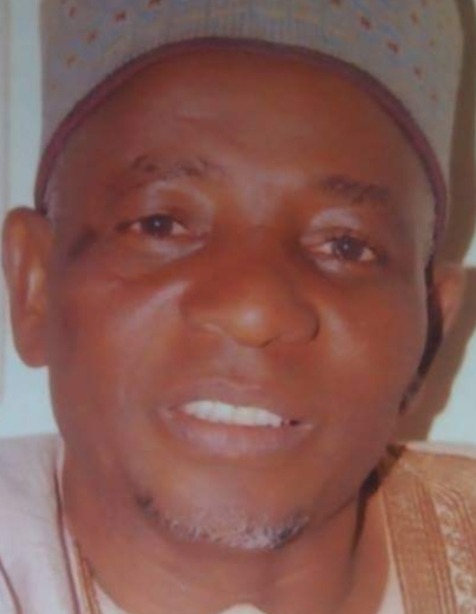
Malam Gausu Ahmad: The Quintessential Media Scholar and Journalist
By
Muhammad Jameel Yusha’u
mjyushau@gmail.com
(Opinion expressed in this piece is strictly personal)
In the late 1990s, a gentleman with a humble demeanor made his way up the stairs of the Mass Communications Department, a figure no student registering for classes could overlook. It was September 1998 when I first encountered Malam Gausu Ahmad while walking through the famous FAIS corridor.
I had seen him occasionally in the department, but I cannot recall any significant interaction with him during the 1998/99 academic session when I was enrolled alongside other students to study Mass Communications at Bayero University, Kano.
Our real contact was established in the following academic session when I registered for one of his classes on Editing and Design. Unlike today’s students, we did not have the luxury of computers and had to engage with traditional learning methods. One of Bayero University’s best decisions was to employ academics like Malam Gausu, who possessed a strong professional background in the media industry. He was among the country’s finest newspaper editors, having worked with the New Nigerian during its prime and with Concord Newspapers. Some of the stories I learned about the late MKO Abiola, the Presidential Candidate of the Social Democratic Party in the 1993 elections, came from Malam Gausu, as Chief Abiola was the owner of National Concord newspapers.
Malam Gausu dedicated himself to teaching us about newspaper production, editing, and design. He was meticulous in explaining typesetting, headline casting, font selection, and the intricate details of the editorial process. Taking that course partly influenced me to consider a career in print journalism, eventually leading me to become the editor-in-chief of Bayero Beacon, the official newspaper of the department where students honed their skills in print journalism.
Malam Aminu Hotoro, one of our typists in the department, often joked with me, saying, “You are a typical student of Malam Gausu. I always feel jittery when either of you brings work for typing because I know I have to redo it several times. You will find mistakes even at the last minute.” A defining trait of Malam Gausu was his commitment to providing students with copies of books, handouts, and relevant articles to enhance their learning. His desk was always cluttered with photocopies of manuscripts.
We truly came to know the real Malam Gausu in our final year when he taught a unique module called ‘Critical Issues in Mass Communication.’ In my opinion, no experience as a student in the Mass Communications Department at Bayero University is complete without taking this course. More than 20 years after graduation, we still discuss it fondly. This class brought out the best in students, as Malam Gausu employed a dynamic teaching method, dividing the class into groups.
He would assign topics to these groups, requiring students to research, prepare papers, and present them in class. Each group would select two to three presenters, while the rest of the members would respond to questions arising from the presentation. The class became a weekly intellectual feast, promoting an atmosphere of healthy competition among students. Everyone wanted to belong to a group they believed would outperform others to earn higher marks. Malam Gausu acted as a moderator, inviting guests to discuss topics of general interest as the semester progressed.
The learning experience was immense. The class covered international relations, sociology, history, religion, politics, culture, and the environment, laying the foundation for aspiring journalists to become generalists, as one definition of a journalist suggests. It was also a training ground for public speaking.
Our group typically included Shamsudden Muhammad, Mustapha Ahmad, Mukhtar Elkasim, Osita Nwankwo, Amina Saidu Abubakar, Halima Ishaq, Dallatu, and others. The class nurtured several opinion leaders, including Mainasara Kurfi, Samson Ode, Binta Kasim Muhammad, Abdussalam Sani, Ahmad Balarabe Said, John Otu, Isa Kontagora, Abu Sadiq Loko, Adamu Abdullahi, and Chimfunanya Azinge, e.t.c.
That class has produced two full professors: Mainasara Kurfi at Bayero University and Shamsudden Muhammad at Ahmadu Bello University, Zaria. Mukhtar Elkasim is also on track to become a full professor following his recent promotion to associate professor at Ahmadu Bello University, Zaria. Additionally, it has led to numerous doctorate degree holders across Nigeria and beyond.
I truly got to know the real Malam Gausu in the months leading up to our graduation. The lecturers I was closest to in the department were Dr. Abdurrahman Adam and Malam Gausu, both of whom strongly encouraged me to consider a career in academia. They among other senior academics, did everything possible to ensure I was hired by the Mass Communications Department as a graduate assistant.
One of my most memorable experiences came after our graduation. Dr. Adam asked me to stay on and assist the department with various tasks. Malam Gausu, who was like a twin brother to Dr. Adam would often drop me at Bayero University Old Campus after working hours. It was a challenging time in academia, with frequent strikes forcing the university to compress the academic calendar. We worked tirelessly to complete the marking of scripts, compile results, and prepare them for Senate approval.
Every day, I joined Malam Gausu and Dr. Adam in the Office of the Head of Department from morning until night. Sometimes, we would stay until 10 PM, working on the compilation of results. I assisted Malam Aminu, the departmental typist, and Mrs. Aina, the departmental secretary, with typing and other secretarial work. It was a period filled with hard work and little breaks, with our lunches consisting of ‘awara’ (bean curd or tofu) along with ‘pure water,’ a staple that became popular during the era of structural adjustment in Nigeria.
Malam Gausu took scholarship seriously; he consistently presented papers at conferences and responded to calls for articles in journals and edited collections. He is an excellent administrator who understands the nuances of university politics and knows how to navigate them while maintaining his integrity. I have personally benefited from his wisdom on numerous occasions.
His book, The Rise and Fall of New Nigerian Newspaper, will remain a key reference in any academic study of the newspaper industry in Nigeria. Malam Gausu rose through the ranks to attain the professorial cadre, and this week he has reached the age of 70, marking his retirement from university service.
On behalf of myself and my family, I extend heartfelt congratulations to Professor Gausu Ahmad for achieving this significant milestone. May Allah (SWT) bless him with continued health, wealth, and strength to keep contributing to society. His legacy has been inscribed in gold, and his intellectual contributions will remain indelible for generations to come. Accept our best wishes as you enter this new phase of life.
Friday 10 Rabi Al Awwal, 1446
13th September 2024
07:12 am, Jeddah.













Opinion
Why Gov Abba Deserves Another Tenure
By Abba Anwar
Let us be honest with ourselves. When Abba Kabir Yusuf took over on 29th May, 2023, many people were doubting. Today, even his worst enemies cannot deny that Kano has moved.
I went through the project registry at the Office of the SSA Publicity. As at May 29, 2026, this government has 1,493 projects on its table. 799 completed and delivered, 694 are ongoing at advanced level. You can go and verify in any of the 44 LGAs. That is not audio project.
EDUCATION FIRST, SECOND, THIRD
Abba did what many avoided. On June 8, 2024, he declared State of Emergency on Education. And he backed it with money nobody has done before in Kano.
2024 budget – 29.95% to education. 2025 budget – 31% to education. 2026 budget – N405.3 billion out of N1.368 trillion, which is 30% of the whole budget. UNESCO asks for 26%, Abba is doing 30% plus.
WHAT IS THE RESULT OF THE MONEY ALLOCATED AND SPENT?
He recruited over 15,000 teachers. That includes 2,000 volunteer teachers who were regularized. He renovated more than 3,500 classrooms and built hundreds of new ones across the state. Free uniforms, furniture, textbooks distributed.
At tertiary level, he cut registration fees by 50% in all state-owned institutions. He paid N4.45 billion examination fees for NECO, NABTEB and NBAIS for Kano students. Go to Ministry of Education and ask.
And about the scholarship the former Governor Rabi’u Musa Kwankwaso started, Governor Yusuf revived it fully. First batch 418 students, they all completed their studies. Second batch 1,001 students flagged off at Coronation Hall, Government House, Kano, 350 to India, 240 to private universities inside Nigeria. He also paid the debt left behind over N3 billion, N2.4bn to Near East University Cyprus, N500m to 5 private universities, plus N2 billion support for Kano indigenes in public universities. And for those 150 first class graduates that came back, he gave them automatic employment.
Today Kano students are Best in NECO 2024 and 2025 consecutively. An achievement celebrated across.
HEALTH – LAFIYA DOLE IS REAL
You remember how our General Hospitals were? No drugs, no light. Our able leader renovated 340 Primary Healthcare Centres (PHCs) across 44 LGAs. He upgraded over 200 PHCs to run 24 hours. He renovated General Hospitals in Wudil, Bichi, Gaya, Rano and others.
He built 10 new General Hospitals, 6 more are in the pipeline. He established Kano Centre for Disease Control (KCDC) for the first time. He revived the Drug Revolving Fund – now 90% of prescribed drugs are available.
And for our mothers – free antenatal, free postnatal, free CS for pregnant women, free healthcare for children under 5 and elderly. Over 2,000 health workers employed – doctors, nurses, midwives and pharmacists.
ROADS, WATER, LIGHT – YOU CAN SEE IT.
Dan Agundi Flyover and Underpass completed, only finishing touches. Tal’udu Cloverleaf Flyover completed, finishing touches also. These two alone decongested many parts of the city.
Then 5km roads in each LGA, though not promise, but they are on ground. Tarauni-Hotoro-Kwanar Dawaki dualization, BUK Road, Zaria Road, Katsina Road. Panshekara Underpass to Madobi Bridge N5.2bn. Dambatta to Gwarabjawa N2.63bn.
Water: He rehabilitated Challawa and Tamburawa Water Treatment Plants. The biggest Goron Dutse Reservoir that was dead for 30 years, now back with 40.4 million litres capacity and 15.6km transmission line from Challawa. Test run already on board before the main supply.
PEOPLE-ORIENTED POLICIES THAT TOUCH THE POOR
This is where many governors fail. Our Governor went to the grassroots.
(1) Agriculture – subsidized fertilizer, improved drought-tolerant seeds, tractors, harvesters. Kano divided into three zones for mechanization.
(2) Empowerment – KEEP programme: sewing machines, grinding machines, freezers, noodle machines, soft loans for women and youth.
(3) Girl-child – He created Office of SSA on Girl-Child Education, appointed 88 girl-child advocates across 44 LGAs. Through AGILE, 148,000 girls trained in life skills, 100,000 girls got cash transfer, free school shuttle buses for girls, re-entry policy for married adolescent girls. No other governor has done that.
(4) Economy – Created Kano State Signage and Advertisement Agency (KASA) to block revenue leakages. The Agency made N300m in just 3 months, now targeting N2bn. Under him Kano acquired majority shares in KEDCO, launched Kano Electricity Policy, and secured President Tinubu’s approval for N1 trillion Kano Metropolitan Rail.
(5) Security – Kano remains peaceful. Neighbourhood security offices, support for police, DSS, Civil Defence.
And for workers – settlement of pension backlogs, which runs into Billions of Naira. After prolonged years of negligence from past administrations. With this he injected life into the near-dead families across the state. Establishment and construction of 50 low-cost houses in each of the 36 LGAs, an ongoing project. solar streetlights, 150KW solar backup.
In conclusion without taking much time to explain, let me say this, in three years, he has fulfilled over 90% of his campaign promises.
So when some opposition politicians gather and start shouting, ask them one question – where were they when schools had no roofs, hospitals had no drugs, and water was not running for 30 years?
Apart from projects and other infrastructural development, there are two major issues that are brought on board by His Excellency Governor Yusuf, in the last few months.
The first and foremost is his choice of HE Murtala Sule Garo to become his Deputy after the resignation of the then Deputy, HE Aminu Abdussalam Gwarzo. Personal interest and political differences apart, there was no better choice than Garo. Looking at the prism from all angles. But His Excellency, the Governor is in the best position to understand what I’m saying. What HE Garo is to him and his administration, can best be explain by the Governor. Yes him alone (Governor Yusuf) can put it succinctly clear.
The second issue is that of the establishment of Kano State Multi-Agency Task Force on Drug Abuse and Other Related Crimes. As he appointed Barrister Muhuyi Magaji Rimingado, as the Chairman. This agency is doing well in cleansing the state, especially the metropolis, from the activities of drug abuse among our youth. The nefarious activities of our derailed youth, popularly called ‘Yandaba’ are reduced drastically. Rimingado trails them down to their hideout.
When it comes to real politics, His Excellency, the people’s Governor, is a political unifier. A moulder of peace and tranquility among members and leaders of the ruling party, All Progressives Congress (APC). While he promotes peace in party politics, he is a bridge between divergent political interests within the ruling APC. This needs no further explanation and instances.
Abba deserves another tenure not because he is perfect, but because he has done what many could not do in many years, in just three years. The remaining 694 ongoing projects need him to finish them.
Kano First is not a slogan. It is visible remark hovering around us. His efforts, political will and delivery are visible for all to see. Let us allow him to finish what he started. The good work for a better legacy.
Anwar writes from Kano
Friday, 16th October, 2026
Opinion
Alhaji Abba Yusuf At 81: A Life Of Service, Leadership And Traditional Responsibility
By Baba Dantiye, MON, mni, FNGE
Eighty-one years is a remarkable milestone in the journey of life. It represents more than the passage of time; it offers an opportunity to reflect on a life shaped by experience, service and the enduring values that give meaning to human existence.
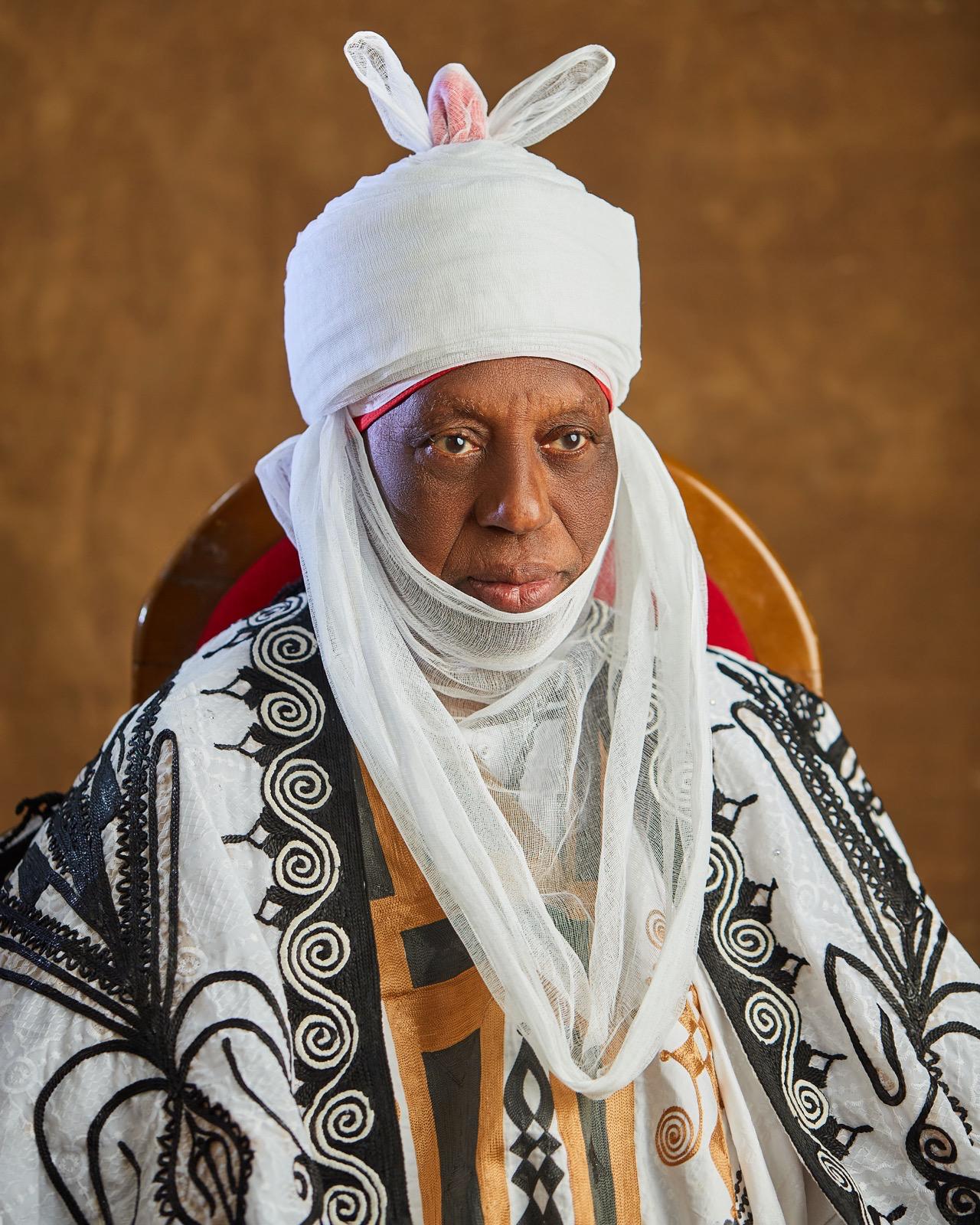
For Alhaji Abba Yusuf, Secretary of the Kano Emirate Council and District Head of Dawakin Kudu, Danmakwayon Kano, his 81st birthday provides an opportunity to celebrate a distinguished journey through public administration, trade union leadership and traditional service.
His story reflects a career spanning three important spheres of responsibility. From local government administration to the trade union movement and, subsequently, the Kano Emirate Council, he has served in institutions that require an understanding of people, respect for established procedures and a commitment to the responsibilities entrusted to their leaders.
His years in local government administration provided an important foundation for his subsequent assignments. As the tier of government closest to the people, local government operates where public policies meet everyday needs and where the effectiveness of governance is often measured by its direct impact on communities.
Service at this level demands familiarity with administrative procedures, patience in dealing with competing expectations and an appreciation of the practical challenges confronting ordinary citizens. His experience in local government therefore constitutes an important chapter in his professional journey, exposing him to the workings of public administration and the relationship between government and the communities it serves.
Another defining aspect of his career is his involvement in trade union leadership. Trade unionism occupies an important place in public administration and democratic society. It provides an organised platform through which workers articulate their concerns, defend their legitimate interests and engage employers and government on matters affecting their welfare.
Veteran union leaders often operate in demanding circumstances. They must understand their members’ interests, negotiate with management, manage disagreements and pursue collective objectives without losing sight of the need for dialogue. Such responsibilities require patience, courage, tact and an ability to balance competing interests.
The experience acquired through trade union leadership can be valuable beyond the workplace. Consultation, negotiation, representation and conflict management are essential in many areas of public life. For someone who subsequently assumed responsibilities within a traditional institution, these experiences provide a useful foundation for understanding people and managing institutional relationships.
Alhaji Abba Yusuf’s years in the trade union movement consequently form a significant part of his professional story. They represent another phase in a career that has brought him into contact with different institutions, constituencies and responsibilities.
His subsequent service at the Kano Emirate Council represents a further chapter in this journey. The Kano Emirate occupies an important place in the historical and cultural life of Kano. Beyond its ceremonial functions, the traditional institution plays a role in community engagement, traditional administration and the preservation of customs and values that have endured across generations.
As Secretary of the Council, Alhaji Abba Yusuf occupies an administrative position that connects institutional decisions with their implementation. The office requires organisational ability, effective communication, familiarity with established procedures and an appreciation of the traditions and protocols of the institution.
His journey from local government administration and trade union leadership to the Emirate Council brings together three distinct but related areas of service. Each has its own demands, yet all require an understanding of people, respect for institutions and the ability to work within established systems.
His position as District Head of Dawakin Kudu, with the traditional title of Danmakwayon Kano, adds another dimension to his public responsibilities.
Traditional leadership remains an important feature of community life in Kano State. District heads and other traditional officeholders operate within an established hierarchy and are expected to uphold the dignity of their offices, respect local customs and contribute to peaceful community relations.
Such responsibilities extend beyond the prestige associated with a traditional title. They call for a commitment to the people, respect for institutions and an appreciation of the historical significance of traditional authority. The district headship also places Alhaji Abba Yusuf within the continuing relationship between the Kano Emirate and the communities under its traditional administration.
Taken together, his experience in local government, trade union leadership and traditional administration provides an opportunity to reflect on the different ways individuals contribute to public life. Each sphere has its own expectations, but the ability to listen, consult, negotiate and understand the concerns of others remains relevant across them all.
An 81st birthday is also an occasion to appreciate the value of experience accumulated over many decades. Society changes, institutions evolve, generations succeed one another and new challenges emerge. Those who have lived through different periods of these developments possess perspectives that can enrich public discourse and provide useful lessons for younger generations.
The value of such experience lies not simply in the number of years lived, but also in the opportunities it offers for reflection, learning and continued contribution. Alhaji Abba Yusuf’s professional journey provides a basis for considering how knowledge and experience acquired in one institution can serve as a resource in another.
At this milestone, family members, friends, colleagues and associates have an opportunity to celebrate not only his longevity but also the various responsibilities he has undertaken over the years. His career has encompassed public administration, organised labour and traditional service, giving his professional life several distinct chapters.
The occasion also reminds us of the importance of continuity across generations. Institutions endure when experience is respected, responsibilities are taken seriously and the values underpinning public life are preserved. The lessons accumulated over a long career can remain useful long after particular assignments have ended.
On this special occasion, I congratulate Alhaji Abba Yusuf, Secretary of the Kano Emirate Council and District Head of Dawakin Kudu, Danmakwayon Kano, on attaining the remarkable age of 81.
May Almighty Allah grant him continued good health, peace of mind and renewed strength. May He bless his years with contentment, protect his family and enable him to continue contributing meaningfully to the institutions and communities with which he is associated.
Happy 81st birthday, Alhaji Abba Yusuf, Danmakwayon Kano. May the years ahead bring you good health, dignity, peace and fulfilment.
Baba Dantiye, MON, mni, FNGE
Former Kano State Commissioner for Information and Internal Affairs
Former President, Nigerian Guild of Editors
Opinion
OPEN LETTER TO HIS EXCELLENCY, MR. PRESIDENT BOLA AHMED TINUBU, GCFR PRESIDENT AND COMMANDER-IN-CHIEF OF THE FEDERAL REPUBLIC OF NIGERIA
KANO AT A CROSSROADS: AN URGENT CALL FOR IMMEDIATE PRESIDENTIAL INTERVENTION TO PREVENT CRISIS AND SOCIAL UPHEAVAL
Your Excellency,
The Kano Patriotic CSOs Coalition Forum (KPCF), a coalition committed to peace, good governance, human rights, democracy and the protection of Kano State’s long-standing tradition of peaceful coexistence, writes with deep concern over recent developments that have heightened political and social tensions in the ancient city of Kano.
Kano Is At a Crossroads
We believe that the situation requires urgent, impartial and preventive intervention by the Federal Government, before the current tensions develop into a wider crisis or social unrest
Kano is a politically active and socially diverse society. Its people have historically demonstrated resilience, tolerance and peaceful coexistence. However, the current political season, combined with the continous happenings surrounding the Kano Emirate, makes any inflammatory statement, actions with provocative tendency, or political confrontation, potentially and imminently dangerous.
Our Concern Over Inflammatory Statements
KPCF is deeply concerned about the statement attributed to Alhaji Aminu Babba Dan’agundi (Sarkin Dawaki Babba), which we consider unfortunate and particularly concerning at this sensitive period. Public statements by prominent traditional and community figures carry significant influence and should, therefore, be guided by the need to promote peace, unity, tolerance and social cohesion.
Similarly, a viral video circulating on social media allegedly showed Hon. Aminu Abdullahi Warkal, an NDC candidate for the Kano State House of Assembly representing Gwale Constituency, displaying what appeared to be a pump-action rifle during a political gathering or rally in the Janbulo area of Gwale.
We have also learnt that the Kano State Police Command subsequently invited him for questioning in connection with the alleged incident, reportedly citing possible violations of relevant firearms laws and concerns relating to public peace and security. These allegations remain matters for the appropriate authorities to establish in accordance with due process.
KPCF emphasizes that, regardless of political affiliation, social status, traditional position or personal differences, public figures, political actors, traditional institutions, religious leaders and community influencers have a shared responsibility to promote peaceful political participation and social cohesion. Language or conduct capable of generating fear, anger, hostility or confrontation should be avoided, particularly as political activities and campaigns intensify.
We therefore urge all political, traditional, religious and community leaders, as well as their supporters and followers, to exercise the highest level of restraint and responsibility. We call on all stakeholders to refrain from hate speech, inflammatory rhetoric, threats, incitement, intimidation or any statements and actions capable of provoking violence or mobilising citizens against one another.
KPCF further encourages political actors and other influential stakeholders to use their platforms to promote dialogue, tolerance, respect for opposing views and peaceful participation, recognising that political differences should never become a basis for violence or threats to the safety and dignity of citizens.
At this critical period, Kano State needs responsible leadership, restraint and constructive dialogue from all sides. We call on all stakeholders to put the peace, security and unity of Kano State above partisan interests and personal differences.
The Recent Durbar Incident
KPCF is also concerned about the reported incident surrounding the recent Durbar organised by the 15th Emir of Kano, Alhaji Aminu Ado Bayero, during which violence was reported and campaign posters and billboards bearing the identities of President Bola Ahmed Tinubu and Governor Abba Kabir Yusuf, were reportedly destroyed by some people alleged to the supporters of the 15th Emir of Kano, Alh. Aminu Ado Bayero.
Although, we have acknowledged reports that Alhaji Aminu Ado Bayero subsequently and personally apologised to Governor Abba Kabir Yusuf over the incident. Though, such an apology is welcomes and it certainly represents an important gesture towards de-escalation of the already heated atmosphere.
However, an apology alone may not be sufficient to address the broader concerns arising from the incident. We respectfully urge the relevant authorities to establish the facts surrounding the incident and ensure that any person found to have committed an offence is dealt with in accordance with the law, irrespective of political, traditional or social status.
Political campaign materials are part of democratic expression. Their unlawful destruction, just like any other act of violence or intimidation, should not be allowed to become normalised.
The Kano Emirate Matter and the Rule of Law
Your Excellency, KPCF is particularly disturbed about the continuing politicisation of the Kano Emirate issue.
We respectfully recognise that matters concerning the Kano Emirate have generated strong emotions across the State and that aspects of the dispute have been subjected to judicial consideration, including proceedings before the Supreme Court of Nigeria.
In the interest of peace and respect for constitutional institutions, we appeal to political appointees and government officials at both Federal and Kano State levels to refrain from making inflammatory statement or taking partisan positions on matters before the courts.
The judiciary must be allowed to perform its constitutional responsibility without political pressure, intimidation or public mobilisation.
We therefore call on all stakeholders to allow the courts to determine the legal questions before them and to respect the outcome of the judicial process.
Our Appeal for Immediate Presidential Intervention
Your Excellency, KPCF respectfully believes that this is the time for preventive leadership rather than reactive intervention.
We therefore appeal to Your Excellency to:
1. Urgently intervene in the emerging situation in Kano State and encourage all parties to exercise maximum restraint.
2. Direct the relevant security and intelligence agencies to closely monitor developments and take preventive measures against violence, intimidation, hate speech and destruction of property.
3. Call on political appointees at both Federal and Kano State levels to refrain from unnecessary involvement in the Emirate dispute, particularly on matters that are before the courts.
Reaffirm the independence of the judiciary and encourage all parties to respect judicial proceedings and decisions concerning the Kano Emirate.
Direct that political parties, campaign organisations and their supporters be protected equally and that the destruction of political posters, billboards or campaign materials be investigated and addressed according to law.
Ensure that all persons responsible for violence, regardless of political or traditional affiliation, are held accountable under the law.
Encourage traditional, religious, political and community leaders to publicly commit themselves to peace and responsible communication throughout the political campaign period.
Facilitate an inclusive peace and stakeholders’ dialogue in Kano, involving the State Government, Federal Government representatives, traditional institutions, political parties, security agencies, religious leaders, youth and women representatives, and civil society organisations.
Urge political actors to focus their campaigns on issues of development and governance rather than personality traditional institutions or matters capable of dividing the people of Kano.
Kano Must Not Be Allowed to Slide into Crisis
Your Excellency, Kano is too important to Nigeria to be allowed to descend into avoidable confrontation
The ancient city of Kano is a major commercial, cultural, political and social centre whose stability has implications far beyond the State. A crisis in Kano would affect not only its citizens but also neighbouring states and the wider northern region.
KPCF therefore considers the present moment a critical early-warning stage. We believe that decisive and impartial intervention now can prevent a much more serious crisis later.
We appeal to Your Excellency, as President and Commander-in-Chief, to use the moral authority and constitutional powers of your office to send a clear message that peace, democratic participation, freedom of expression, respect for traditional institutions, protection of political rights and the rule of law must prevail over political rivalry.
We further urge all parties to sheathe their swords, avoid provocative statements and actions, and place the peace and stability of Kano above personal, political or institutional interests.
Kano belongs to all its people. Its peace must not become a casualty of political competition or institutional disagreements.
The Kano Patriotic CSOs Coalition Forum remains committed to working with the Federal and State Governments, security agencies, traditional institutions, political parties and all stakeholders to promote peaceful coexistence, democratic participation and respect for the rule of law.
We respectfully call on Your Excellency to act now, before tension becomes crisis and crisis becomes conflict.
May peace continue to prevail in Kano State and the Federal Republic of Nigeria.
Yours faithfully,
Signed ,
Hassan Ibrahim Gama Mustapha Muhammed Chiroma Peter Hassan Tijjani
Convener Convener Convener
For and on behalf of the undersigned members of the Kano Patriotic CSOs Coalition Forum (KPCF):
S/N
Contact Person
Name of Organization
1
Hassan Ibrahim Gama.
Friend of the Community Organisation (FOCO)
2
Mustapha Muhammed Chiroma
Community Rights Initiative Of Nigeria (CORIN)
3
Peter Hassan Tijani
New Ethics for Empowerment and Development Initiative (NEEDIN)
4
Farouk Umar
Citizens for Development and Education (CDE)
5
Ibrahim Muhammad
Rural – Urban Slums Development Initiative (RUSDI)
6
Ruth Stephen
Touch and Care Foundation (TOCAF)
7
Maimuna Shuaibu
Muna Helping Hand Foundation (MHHF)
8
Amb. Lami Bako Yakasai
Enlightenment And Empowerment Of Northern Women Initiative
9
Abdulrahman Uba Daushe
Spinal Cord Injuries Association Of Nigeria (SCIAN)
10
Ahmad Tijjani
Alkali Ahmad Center For Development
11
Sunusi Hashimu
Society For Child Support And Economic Empowerment (SOCSEE)
12
Hassan Musa Yaro
Cardinal Aid Development Support Initiative
13
Nworisa Michael
Stand For Peace Initiative
14
Aisha Ahmed Abdulkadir
Sustainable Dynamic and Human Development Initiative
15
Khadija A. Muhammad
Nana Aisha Development Initiative (NADI)
16
Halima Suleiman ESQ
Advocacy on Human Rights and Equal Opportunity (AHREO)
17
Dr. Kabir Hamisu Kura
Community Development Initiative
18
Halima Titi Bello
Women Gender Developers (WOGEND)
19
Rakiya Ladi Musa
Ansar Women Development
20
Amina Ali Alhassan
Be My Guide Development initiative.
21
Amb. Rabi Yusuf Gezawa MON
Center For Empowerment Of Older Persons And The Vulnerable (CEOPAV)
22
Comrade A.A Haruna Ayagi
International Human Rights Network IHRN-Nigeria
23
Tijjani Sarki
Human Rights Watch And Youths Empowerment Foundation, Nigeria.
24
Ola Taiwo
Mari-Care Foundation for Widows, Single Parents, Orphans and Vulnerable Children Nigeria. (MARI-CARE)
25
Solomon Samuel
Mercy Helpline Initiative
26
Sheriff Abubakar
Sheriff Orphanage and Charity home foundation (Sheriff foundation)
27
Salmanu Muhammed
WAZOBIA International Women and Children Foundation, Kano
28
Amb. Hadiza Abdullahi kishimi
Women’s Social and leadership Development initiative ( WSLDI )
29
Grace Musa
Standup for Women Society
30
Dr. Ramatu Garba
Support For Women And Teenage Children (SWATCH)
31
Amina Aliyu Dogarai
Women and orphans charity initiative
32
Surayya Ado Salisu
ABC Road Safety Project Initiative
33
Barr. Aisha Ali Tijjani
Sayyidatu Wal adfal Foundation (Women and Children Foundation)
34
Murjanatu G. Umar
Women Empowerment, Leadership, Education, Advancement And Development Initiative (WE-LEAD)
35
Amb. Maryam Hassan
League for Societal Protection Against Drugs Abuse (LESPADA)
36
Wali Ado Rano
Voice Of The Hopeful Enlightenment And Development Initiative (VOHEDI)
37
Saratu I. Maigida
Lifeline Initiative For Widows Empowerment And Economic Development (LIWEED)
38
Sagir Salihu Chedi
Voice And Accountability Platform (VAP)
39
Barr. Mustapha Idris
Human Right and Community Initiative
40
Gharzali Ibrahim Ungogo
Ummatee Centre For The Promotion Of Public Education, Accountability And Social Safety (UMMATEE-C4PASS)
41
Aisha Halliru
Halliru Memorial Youth Development And Empowerment Initiative (AYDI)
42
Mrs. Esther Abdulahi Kingsley
Inter-tribe Community Support Forum
43
Auwal Idris Dorayi
Center For Peace And Environmental Justice CEPEJ
44
Mariya Ishaka
Albino Cluster Association
45
Sani Shuaib Rogo
Rogo Concern Citizens
46
Abubakar Shuibu Maitumaki
Youth Awareness Foundation On Drug Abuse (YAFODA)
47
Dr. Mustapha Mukhatar
Danbatta Development Forum (DDF)
48
Musa Muhammad Khaila
Community Support for Social Accountability Initiative (COMSSI)
49
Haj. Habiba Mijinyawa
Federation of Muslim Women Association of Nigeria (FOMWAN) Kano
50
Abbas Abdullahi Yakasai CISSP, IPMA
One Kano Agenda
51
Comrade Ali Wali
Network for Environmental Safety and Society Development (NESSD)
52
Hadiza Bala Fagge
Women Widows And Orphans Development Initiative (WWODI)
53
Farida Ahmed Tahir
Mata Iyayen Al’umma Foundation
54
Bello Abdulkadir Yusuf
Karaye Community Development Association
55
Badiya Aliyu
Sustainable Dynamic Human Development Initaitive (SDHDI)
56
Ruqayya Bello
Women for Women Initiative
57
Sabo Bello Madaki
Kiru Community Development Association
58
Sunusi Mamuda Wudil
Wudil Association Cooperative
59
Zubaida Umar Gashash
Youths And Women Sustainable Development Initiative (YASDI)
60
Ibrahim H. Sale
Habib Community Education Initiative
61
Khadijah Ibrahim
Adolescents Girls, Children And Research Project – GCRP
62
Sumaila Namadi Ahmad
Yadfulde Kiru Local government Association & Dev.
63
Abdulaziz Habibu Bello
Yanoko Youth Development Association
64
Umar Ibrahim Umar
War Against Injustice
65
Maimuna Umar Sheriff
Centre for Gender Base Violence Advocacy
66
Kola Samuel Asaju
KAF Care Foundation
67
Ali Suleiman
Masses First International Organization –MFI
68
Muhammed Yusuf Gama
Global Youth and Women Support Initiative – GLOYWSI
69
Abubakar Shariff Jaddah
Society for Women and Child Health Initiative (SWACHI)
70
Abdussalam Haruna
New Turn for Youth Enthusiasm & Dev. (N-YED)
71
Dalhatu Jibrin Dalhatu
Karaye Initiative Forum
72
Mohammad Lawal Datti
Initiative for Health Rescue & Risk Reduction (IHRAR)
73
Amb Dr Abdulrahman Kitilly Hudu ( Phd)
Empowerment For Vulnerable Women And Children International (EVWACH International)
74
Fatima Umar
Albarka Women Development Association
75
Mahmud Hashimu
Community Health I Initiatives and society development – CHISOD
76
Suyudi Isa Jibril
Media Advocacy for Accountability Sustainable Initiative –
77
Lukman Dayyab
Public Health Promotion Initiative
78
Amb Maryam Ibrahim Sani
Nigerian Coalition on youth,peace and security Agenda,Kano.
79
Haj. Safiyya Salisu Abdul
Support Group For Good Governance Organisation (SG3)
80
Sagir Saidu
Gyarakayanka Development Association
81
Sani Muhammad.
Annur Health And Peace Community Development Initiative
82
Ahmad Tijjani Yau
Development Insight Hub
83
Comrade Garba Suleiman Marafa
WAZOBIA Conflict Resolution And Peace Advocacy Initiative (WACORPAI)
84
Dr. Auwalu Halilu
Non-Formal Development for Education and Health Initiatives (NDEHI)
85
Yahaya A. Yahaya
National Association Of Persons With Physical Disabilities Kano Chapter (NAPWPD)
86
Dr Abubakar Ibrahim Hassan
Community Education and Health Promotion Initiatives (CEHPI)
87
Hajiya Saadatu Hashim
Concerns Mothers Association of Kano
88
Aisha Shatima
Joint Action Campaign for development
89
Najib Nasir
Northern Youth Concerned
90
Dr. Tanimu Adam Ibrahim
Gwarzo Initiative Forum
91
Aminu Sa’ad
Consolidated Ajingi Development Association.
92
Umar Iliyasu Madobi
Madobi Youth Development Forum
93
Barrister. Badamasi
Kano First Forum
94
Salamatu Sulaiman Mustapha
Salmah Africa Rescue Initiative
95
Garba Musa
Save Girls Initiative
96
Murtala Muhd Rabiu
Hannu Dayawa Youth development Association Bachirawa
97
Maryam Muhammad
Indigent Youth Education And Care Foundation (IYECF)
98
Rakiya Abba Tahula
Interfaith Peace Foundation
99
Nafisa Muhammad Ado
Anniswan Women Health Initiative (AWOHI)
100
Mohammed Hussaini
Nigerian Democracy Working Group
CC:
– The National Security Adviser (NSA), Federal Republic of Nigeria
– The Inspector-General of Police (IGP), Nigeria Police Force
– The Director-General, Department of State Services (DSS)
– The Director-General, National Intelligence Agency (NIA)
– The Commandant-General, Nigeria Security and Civil Defence Corps (NSCDC)
– The Commissioner of Police, Kano State Command
– The Director, State Security Services (SSS), Kano State
– The Kano State Commandant, NSCDC

IITA Trains Over 1,800 Farmers on Modern Farming Techniques in Kano

Former Delta State Governor, Emmanuel Uduaghan, Dies At 71

Astute Civil Society Raises Concern Over Exclusion of Gubernatorial Candidates

WHC Solar Trains 300 Youths in Kano to Prevent Installation Errors, Fire Outbreaks

Emir Sanusi Seeks Compensation, Reallocation of Demolished Eid Ground Stalls

Zamfara Varsity ASUU Threatens Warning Strike Over FG-ASUU Agreement, Promotion Arrears

PCACC Arrests Man Over Alleged ₦4.5m Sale, Illegal Leasing of Kano Government Horse Stable

Goje’s Electoral War:The Confrontation With Tinubu,Governor Inuwa,Usman Kumo And APC candidates Ahead Of 2027

Kano Monitors ₦48.9bn Projects Across Six LGAs

Prof Yusuf Adamu Delivers BUK’s 63rd Professorial Inaugural Lecture, Reflects on Medical Geography and Academic Legacy
IITA Trains Over 1,800 Farmers on Modern Farming Techniques in Kano
Former Delta State Governor, Emmanuel Uduaghan, Dies At 71
Astute Civil Society Raises Concern Over Exclusion of Gubernatorial Candidates
WHC Solar Trains 300 Youths in Kano to Prevent Installation Errors, Fire Outbreaks
Emir Sanusi Seeks Compensation, Reallocation of Demolished Eid Ground Stalls
Zamfara Varsity ASUU Threatens Warning Strike Over FG-ASUU Agreement, Promotion Arrears
PCACC Arrests Man Over Alleged ₦4.5m Sale, Illegal Leasing of Kano Government Horse Stable
Goje’s Electoral War:The Confrontation With Tinubu,Governor Inuwa,Usman Kumo And APC candidates Ahead Of 2027
Kano Monitors ₦48.9bn Projects Across Six LGAs
Prof Yusuf Adamu Delivers BUK’s 63rd Professorial Inaugural Lecture, Reflects on Medical Geography and Academic Legacy
-

 Opinion5 years ago
On The Kano Flyovers And Public Perception
-

 Features5 years ago
How I Became A Multimillionaire In Nigeria – Hadiza Gabon
-

 Opinion6 years ago
Kano As future Headquarters Of Poverty In Nigeria
-

 History6 years ago
Sheikh Adam Abdullahi Al-Ilory (1917-1992):Nigeria’s Islamic Scholar Who Wrote Over 100 Books And Journals
-

 Opinion5 years ago
My First Encounter with Nasiru Gawuna, the Humble Deputy Governor
-

 History5 years ago
The History Of Borno State Governor Professor Babagana Umara Zulum
-

 History6 years ago
The Origin Of “Mammy Market” In Army Barracks (Mammy Ochefu)
-

 News5 years ago
Federal University Of Technology Babura To Commence Academic Activities September