
News
Legislative Forum Hails Former Speaker’s Nomination as One of Tinubu’s Best Appointments
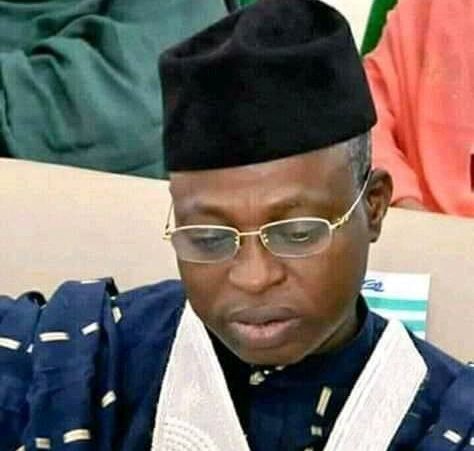
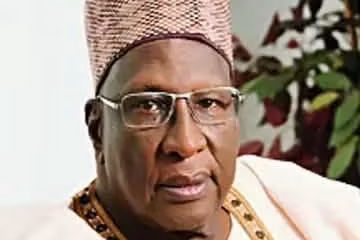
The Kano State Forum, comprising members of the State House of Assembly from 1999 to 2024, has expressed strong support for the appointment of former Speaker Yusuf Abdullahi Ata as a ministerial nominee by President Bola Ahmed Tinubu.
The Forum believes Ata’s nomination reflects the government’s commitment to grassroots representation and the upliftment of the less privileged. Speaking on behalf of the group, Pharm Dahiru Magaji Zarewa praised the President for his timely choice, emphasizing that Ata’s appointment brings long-overdue representation for grassroots politicians.
According to Zarewa, “Ata’s selection is a strategic move to realign political representation, ensuring balanced voices from all regions within the state. Ata has remained a dedicated grassroots politician, always within his community—even during his tenure as Speaker, he lived in Fagge among his constituents rather than the legislative quarters.”
On behalf of the forum, Zarewa thanked President Tinubu, the National Party Chairman, the Deputy Senate President, and the State Party Chairman for this nomination. He added that Ata’s deep-rooted experience in grassroots politics is bound to yield positive results for the administration.
Born on June 22, 1962, in Fagge Quarters of Kano City, Yusuf Abdullahi Ata attended Fagge Primary School from 1968 to 1975 and went on to Aminu Kano Community Commercial College from 1975 to 1980. He graduated with a BSc in Economics from Bayero University, Kano, in 1984, completed his National Youth Service Corps (NYSC) in Sokoto State in 1985, and earned a Master’s in Development Studies from Bayero University in 2001.
Ata began his career in civil service as a classroom teacher in 1992 and later joined the Ministry of Education as a Business Education Inspector in 1994. By 1997, he was serving as Principal Planning Officer at the Kano State Housing Corporation. Following his retirement, Ata entered politics, where he was elected as a member of the Kano State House of Assembly representing Fagge Constituency. Over the years, he chaired several key House Committees, including Appropriations and Finance, served as Majority Leader, and was eventually appointed Speaker of the House in 2015.
Zarewa concluded, “With his extensive background and deep connection to the masses, as well as to religious and traditional leaders, Ata is well-positioned to strengthen the government’s achievements and deliver meaningful results.”












News
Mahanga TV Launches in Nigeria to Take Hausa Storytelling, Northern Talent to Global Audiences

Kano-based media platform combines broadcasting, original productions, current affairs, culture and digital media in a new chapter for Northern Nigerian storytelling
A new voice has entered Nigeria’s evolving media landscape with the launch of Mahanga TV, a Kano-based Hausa media and broadcasting platform established to bring together original storytelling, journalism, drama, film, culture and entertainment while giving Northern Nigerian stories a wider audience.
Operating under Mahanga Media and Productions Ltd., the platform is positioning itself at the intersection of television, digital media and modern content production, with an ambition to inform, entertain and connect audiences through professionally produced content.
Mahanga TV is available as a Free-to-Air television service on Amos 17 at a frequency of 11,882 MHz, providing viewers with access to its growing range of Hausa-language programming and original content.
The company describes its philosophy in a simple phrase: “Born in Kano. Built for the world.” Its stated mission is to deliver innovative media solutions that inform, inspire and connect audiences through storytelling and technology, while its broader vision is to build a media and broadcasting company recognised for excellence, creativity and impact in Nigeria and beyond.
For Nuhu Abdullahi Balarabe, Founder and Chief Executive Officer of Mahanga TV, the platform was created from a belief that Northern Nigeria possesses a wealth of stories, talent and cultural perspectives that deserve a larger platform.
“Mahanga TV was established from a deep conviction that Northern Nigeria has a wealth of stories, talent, culture and perspectives that deserve to be told with professionalism, creativity and global relevance. Our vision is to build a modern Hausa media platform that informs, entertains and connects audiences while creating opportunities for Northern talent and amplifying stories that reflect who we are and where we are going.
“At Mahanga TV, we are combining contemporary broadcast technology with original storytelling, current affairs, drama, film, music, culture and entertainment to create a platform that goes beyond traditional television. We are proud to be born in Kano, but our ambition is to take the stories and voices of Northern Nigeria to audiences across Nigeria and the world.”
— Nuhu Abdullahi Balarabe, Founder & Chief Executive Officer, Mahanga TV
That vision is reflected in the platform’s programming structure, which spans talk shows, drama series, feature films, current affairs, music and culture, and family-friendly entertainment. Its published programming slate includes talk formats such as Labaran Yau, Sahel Circle, Kano After Dark and Arewa Dialogues, alongside drama productions, feature films, current-affairs programmes and music and cultural shows.
Its drama offering focuses on stories grounded in Hausa-Fulani heritage, with the company highlighting writers, directors and actors from across Northern Nigeria. Its feature-film programming similarly seeks to showcase Northern Nigerian filmmaking and artistry, while its music and culture programming brings together traditional cultural expressions and contemporary Northern sounds.
The platform’s current-affairs offering is another important part of its identity, with programmes listed under the Mahanga Newshour, Northern Report, Frontline and Market Day brands. The programming is designed around issues and conversations relevant to audiences in Northern Nigeria, complementing the platform’s entertainment and cultural content.
Behind the programming is an investment in production infrastructure. Mahanga’s facility at Farm Centre, Tarauni, Kano, includes professional studios, editing and post-production suites, audio recording booths, a live-streaming control room, meeting rooms and high-speed internet. Its listed production equipment includes high-definition cameras, professional lighting, audio recording systems, live-streaming equipment, editing facilities and broadcast transmission gear.
The company’s production model covers the entire process from concept and scripting to filming, editing and distribution, allowing projects to be developed with a unified creative and production direction. Its delivery platforms include television, online broadcasting, social media and live streaming.
Beyond its programming, Mahanga Media and Productions also positions itself as a full-service media company serving brands, institutions and individuals. Its services include television and online broadcasting, video production, social-media campaigns, online media campaigns, event coverage and live streaming.
The company’s development has also been marked by a gradual expansion of its production and digital capabilities. According to its published corporate timeline, Mahanga TV was founded in Kano in 2025, expanded its studio and live-streaming infrastructure in 2026, moved into digital campaigns and online broadcasting in 2026 and produced its original Baya da Kura series in 2026. In 2026, the company describes itself as operating as a full-service media organisation covering broadcasting, production, events and live streaming.
The digital component of the platform is also being expanded. Mahanga says a dedicated mobile application for iOS and Android is currently in development, with plans to allow audiences to watch programmes, receive updates and access Mahanga TV content directly from their mobile devices.
For Northern Nigeria’s creative industry, the emergence of a platform built around local storytelling, production and talent creates another avenue through which filmmakers, journalists, actors, musicians, presenters and other creatives can reach audiences.
More broadly, Mahanga’s launch comes at a time when the distinction between television and digital media is becoming increasingly fluid. Audiences now consume news, entertainment and cultural content across television, social media, streaming platforms and mobile devices. Mahanga’s stated strategy reflects that changing media environment by combining conventional broadcasting with digital distribution and original content production.
At the centre of the platform, however, remains storytelling.
From current affairs and long-form conversations to drama, film, music and cultural programming, Mahanga is seeking to build a media identity that is distinctly Northern while remaining accessible to audiences beyond the region.
Its launch therefore represents more than the arrival of another television platform in Kano. It marks the beginning of an effort to create a modern Hausa media brand capable of bringing together Northern identity, professional production, contemporary broadcasting and digital storytelling.
And with its ambition captured in its own words — “Born in Kano. Built for the world.” — Mahanga TV is setting out to give the stories, voices and talent of Northern Nigeria a wider stage.
Mahanga TV — Free-to-Air Broadcast Information
Satellite: AMOS-17
Transponder: K7113
Frequency: 11,882 MHz
Polarization: V (Vertical)
Symbol Rate: 30 Msps
Modulation: QPSK
FEC: 2/3
News
Kano Online Media Chapel Urges Members to Uphold Ethics,Mulls Financial Independence
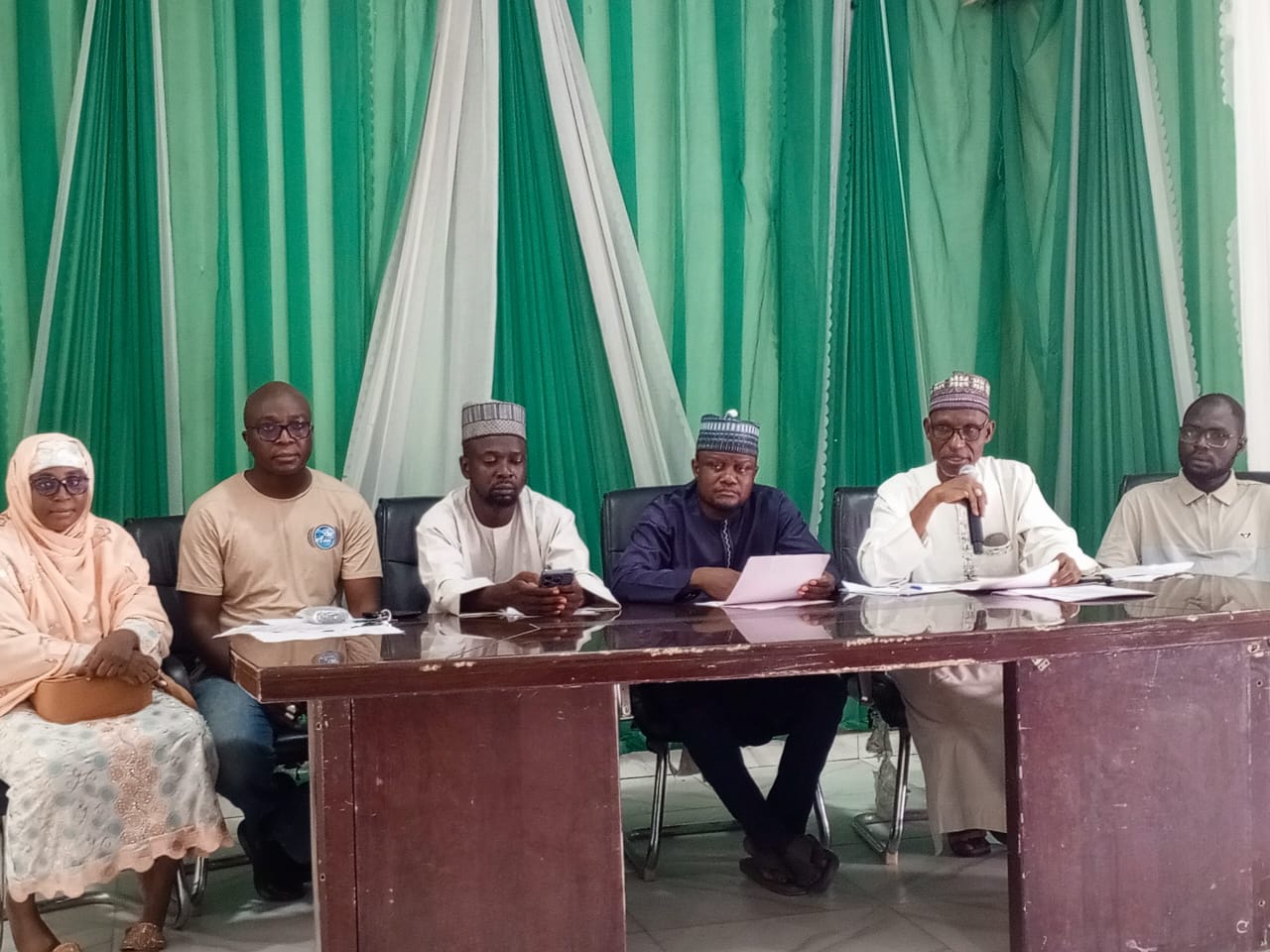
The Kano Online Media Chapel (KOMC) of the Nigeria Union of Journalists (NUJ) has called on its members to uphold professional ethics, accuracy, fairness and responsible journalism, particularly in the coverage of political activities and elections.
The Chapel made the call at its Congress held on Saturday, September 19, 2026, at the NUJ Press Centre, Kano, where members deliberated on professional standards, welfare, financial sustainability, administration and the overall development of the Chapel.
In a communiqué issued after the meeting, the Congress stressed the need for members to strictly adhere to the NUJ Code of Ethics and maintain professionalism in all their journalistic activities.
The members were particularly urged to ensure accuracy, balance, fairness and accountability in their reports, while promoting peace and the public interest in their coverage of elections and other politically sensitive issues.
The Congress also called on members to avoid actions capable of undermining the credibility of journalism, stressing the importance of responsible reporting across their respective online media platforms.
On the financial sustainability of the Chapel, the Congress approved the introduction of regular monthly contributions by members as a means of strengthening the organisation’s revenue base and supporting its programmes and activities.
The Congress also unanimously approved the establishment of a seven-member Revenue Drive Committee to identify and pursue legitimate and sustainable sources of income for the Chapel.
The committee is expected to explore professional opportunities, partnerships and other lawful revenue-generating initiatives capable of supporting the activities and effective administration of the organisation.
The Congress emphasised that efforts to generate revenue must be consistent with the professional responsibilities and ethical standards of journalism.
The Chapel also urged members to maintain unity, mutual respect and cooperation, stressing that the progress of the organisation depends on the collective commitment and participation of its members.
On membership welfare and administration, the Congress discussed the issuance of identification cards to members and resolved to engage the NUJ State Council on the matter, with a view to pursuing it through the appropriate channels up to the National Secretariat of the Union.
The Congress further approved the introduction of a “Red Card” system for members involved in advertisement-related activities, aimed at properly identifying and coordinating members undertaking advertising engagements on behalf of their respective online media organisations.
It also approved the organisation of a two-year anniversary of the Chapel, replacing an earlier proposal for a one-year anniversary.
The Congress called for greater participation and patronage of the Chapel’s office, programmes and official activities by members and relevant stakeholders, while emphasising the importance of regular meetings and proper Secretariat and financial reporting.
The Congress commended the current leadership for presenting standard Secretariat and financial reports and reaffirmed its commitment to strengthening professional journalism, promoting ethical reporting, improving members’ welfare and enhancing the capacity and professional development of online journalists in Kano State.
The Congress also congratulated Governor Abba Kabir Yusuf and the Kano State Commissioner for Information and Internal Affairs, Comrade Ibrahim Abdullahi Waiya, following the recognition presented to the Governor by the Union during a retreat in Jigawa State and subsequently received by him at a State Executive Council meeting.
The communiqué was signed by the Chapel Chairman, Comrade Abubakar Abdulkadir Dangambo, and the Assistant Secretary, Comrade Sunusi Kofar Na’isa.
The communiqué drafting committee comprised Comrade Hamman Abdulkareem as Chairman, Comrade Sani Magaji Garko as Secretary and Comrade Salisu Babangida as member.
News
AROGMA Challenges NMDPRA Over Petroleum pricing powers
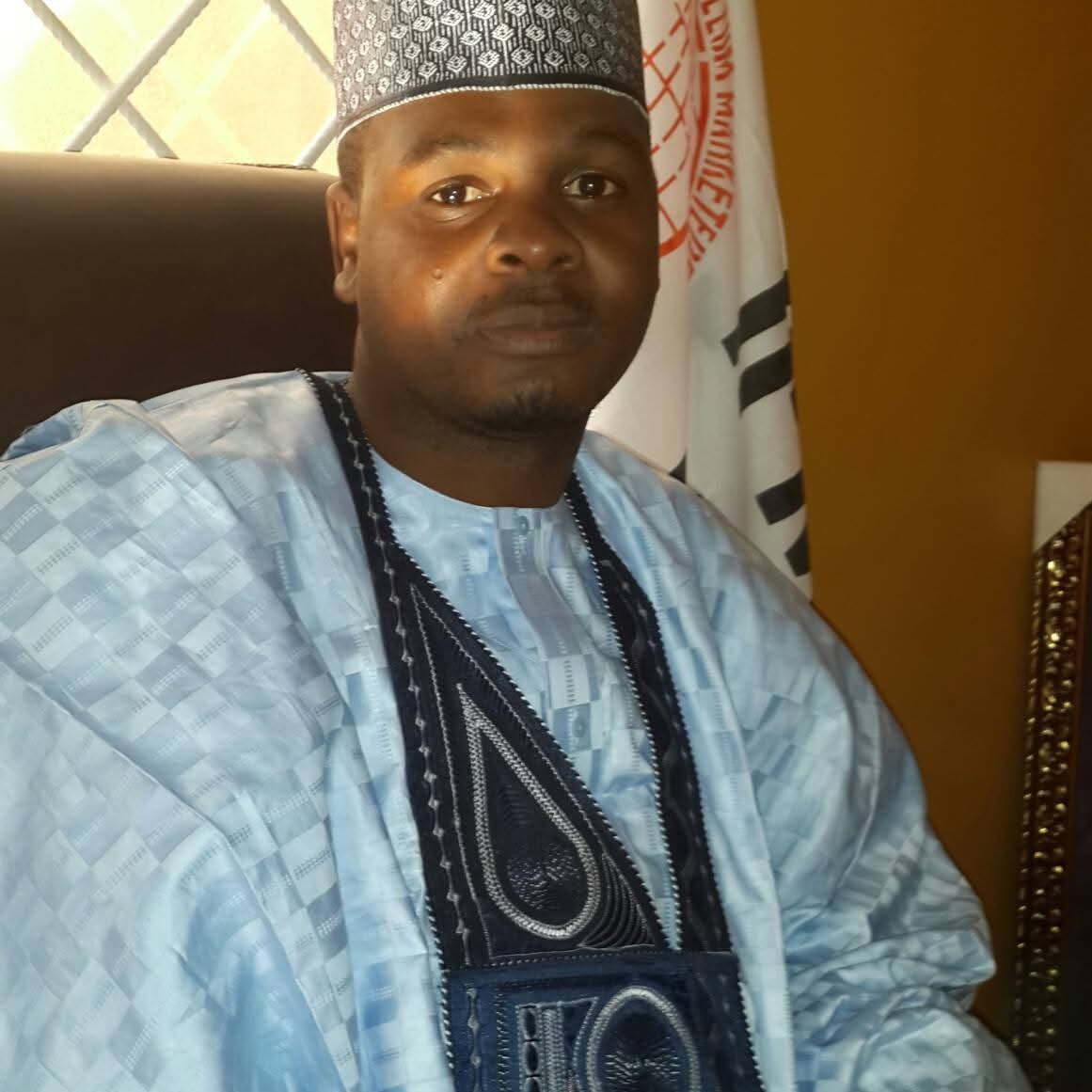
The Arewa Oil and Gas Marketers Association of Nigeria (AROGMA) has strongly reacted to recent claims by the Nigerian Midstream and Downstream Petroleum Regulatory Authority (NMDPRA) that it does not wield pricing powers over petroleum products in the country.
In a statement issued to journalists, AROGMA President, Bashir Ahmad Danmalam, dismissed the assertion, stressing that the association was actively involved as a stakeholder during the legislative process that birthed the Petroleum Industry Act (PIA). According to him, AROGMA is well aware of the statutory powers and oversight functions granted to the NMDPRA under the Act.
Danmalam emphasized that Section 164 of the PIA clearly outlines the regulatory authority’s oversight role in matters relating to petroleum pricing. He insisted that the NMDPRA must exercise these powers responsibly and in the interest of Nigerians, rather than denying its mandate.
“The Petroleum Industry Act was not passed in isolation. Stakeholders like AROGMA contributed to its development, and we understand the provisions. Section 164 gives NMDPRA oversight functions, and these must be carried out transparently for the benefit of the people,” Danmalam stated.
The AROGMA President further noted that pricing remains a critical issue affecting both marketers and consumers, urging the regulatory body to acknowledge its responsibilities rather than deflecting them. He warned that failure to address pricing concerns could deepen economic hardship and fuel public distrust in the petroleum sector.
This exchange reflects the mood of the market players in response to what role the government should play through the regulator to ameliorate the suffering of Nigerians.
Industry observers say the dispute underscores the need for clearer communication and collaboration between stakeholders to stabilise Nigeria’s petroleum market.

Mahanga TV Launches in Nigeria to Take Hausa Storytelling, Northern Talent to Global Audiences

Kano Online Media Chapel Urges Members to Uphold Ethics,Mulls Financial Independence

AROGMA Challenges NMDPRA Over Petroleum pricing powers

Global Shapers Community Organises 13th Annual Blood Drive in Kano, Collects 108 Bags

The AI RACE And The Future Of Humanity:Can The World Agree Before It Loses Control

95% of Governor Abba Kabir Yusuf’s Promises Have Been Fulfilled — CPS Interview By Musa Diso, In Kano

Bello Sharada: A Great Writer, A Bookish Soul, Gone Too Soon

Call Me Chairman, Not Tony!’: Elumelu’s Blunt Correction of Trainee Splits Internet as Old Video Sparks Double Standard Fury

NUT Launches ‘Go Public’ Campaign to Promote Public Education in Nigeria

Nigerians Are Tired of Promises’ — CAN Demands Action on Insecurity, Hardship In Eid-el-Maulud Message
Mahanga TV Launches in Nigeria to Take Hausa Storytelling, Northern Talent to Global Audiences
Kano Online Media Chapel Urges Members to Uphold Ethics,Mulls Financial Independence
AROGMA Challenges NMDPRA Over Petroleum pricing powers
Global Shapers Community Organises 13th Annual Blood Drive in Kano, Collects 108 Bags
The AI RACE And The Future Of Humanity:Can The World Agree Before It Loses Control
95% of Governor Abba Kabir Yusuf’s Promises Have Been Fulfilled — CPS Interview By Musa Diso, In Kano
Bello Sharada: A Great Writer, A Bookish Soul, Gone Too Soon
Call Me Chairman, Not Tony!’: Elumelu’s Blunt Correction of Trainee Splits Internet as Old Video Sparks Double Standard Fury
NUT Launches ‘Go Public’ Campaign to Promote Public Education in Nigeria
Nigerians Are Tired of Promises’ — CAN Demands Action on Insecurity, Hardship In Eid-el-Maulud Message
-

 Opinion5 years ago
On The Kano Flyovers And Public Perception
-

 Features5 years ago
How I Became A Multimillionaire In Nigeria – Hadiza Gabon
-

 Opinion6 years ago
Kano As future Headquarters Of Poverty In Nigeria
-

 History5 years ago
Sheikh Adam Abdullahi Al-Ilory (1917-1992):Nigeria’s Islamic Scholar Who Wrote Over 100 Books And Journals
-

 Opinion5 years ago
My First Encounter with Nasiru Gawuna, the Humble Deputy Governor
-

 History5 years ago
The History Of Borno State Governor Professor Babagana Umara Zulum
-

 History5 years ago
The Origin Of “Mammy Market” In Army Barracks (Mammy Ochefu)
-

 News4 years ago
Federal University Of Technology Babura To Commence Academic Activities September