
News
Dangote’s 650,000bpd Refinery 97% Completed, says NMDPRA
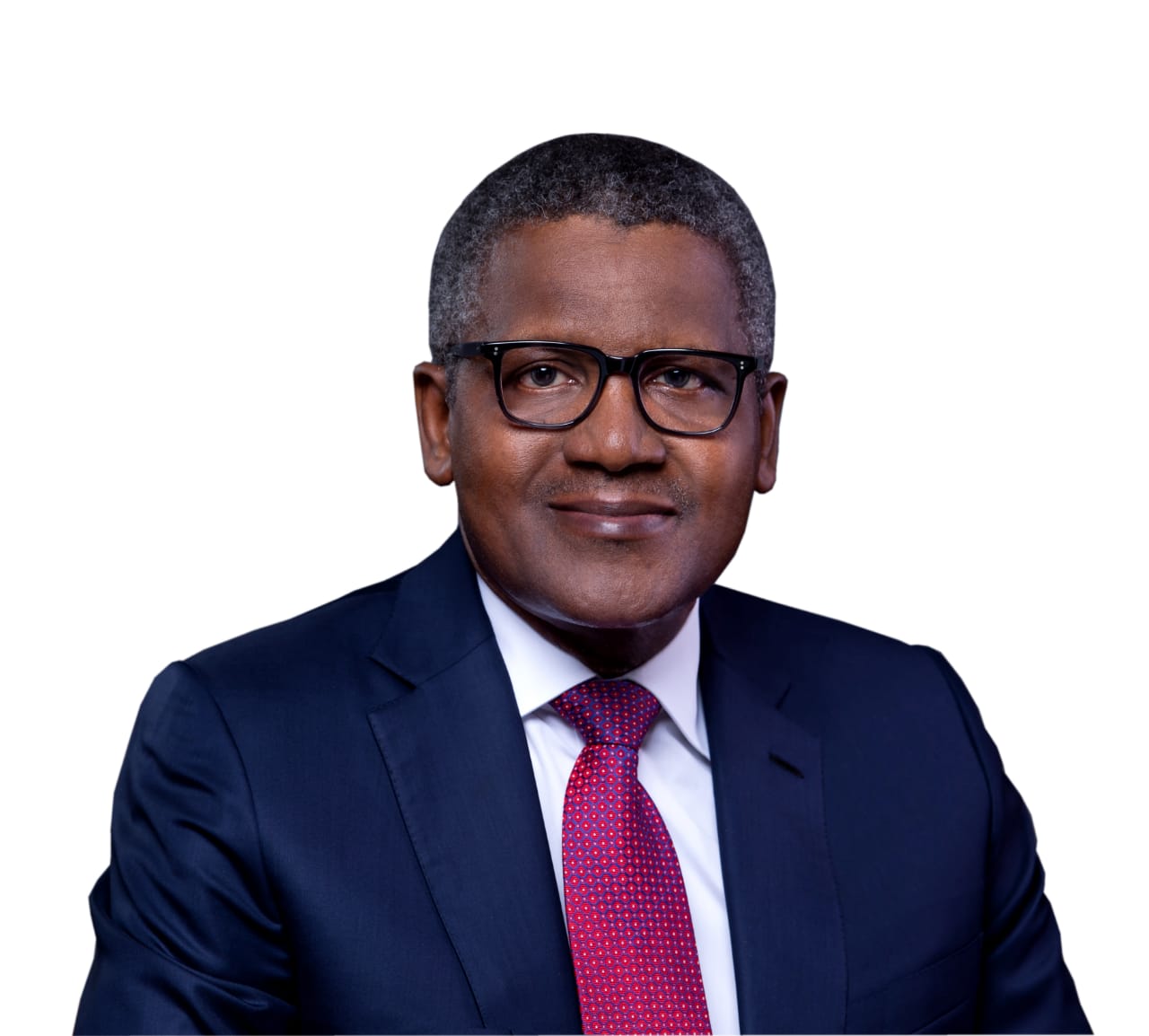
The Nigerian Midstream and Downstream Petroleum Regulatory Authority (NMDPRA) has disclosed that the Dangote Petroleum Refinery, upon which the hope of the nation rests for fuel sufficiency is now 97 per cent completed. The agency has also commended the work done on the project.
The refinery, with 650,000 barrels per-day installed capacity is expected to double the total output of Nigeria’s existing ailing refining infrastructure and meet 100 per cent of the Nigerian requirement of all refined products will pump out fuel any moment soon, the Agency declared.
The NMDPRA made this disclosure in Abuja when representatives of the Dangote Petroleum Refinery visited in Abuja to present the work plan for the facility for 2022/2023 as the regulatory agency for the sector.
The successful completion of Africa’s biggest petroleum refinery and the world’s largest single-train facility is expected to have a significant impact on Nigeria’s foreign exchange through import substitution and substantial savings in earnings. It is expected, that once the refinery commences production, the pressure on the nation’s currency will reduce and significant inflow of forex, is expected to come in through sales from the refinery.
APC’s Former Presidential Aspirant Dumps Party,Joins PDP
On completion of the refinery, it is estimated that Nigeria will import zero petroleum oil products – down from approximately $50 billion current oil product imports per year.
“Today, representatives of the Dangote Refinery and Petrochemicals presented their 2022/2023 work plan to the Authority which showed that the refinery project is estimated to be at 97 per cent completion.
“Dangote Oil Refinery is a 650,000 barrels per day integrated refinery project under construction in the Lekki Free Trade Zone, Lagos. It is expected to be Africa’s biggest oil refinery and the world’s biggest single-train facility,” the NMDPRA said during the visit.
NMDPRA’s Chief Executive, Mr Farouk Ahmed, reiterated the importance of the Dangote petroleum Refinery to the country while assuring that the Authority will give all necessary support to ensure timely completion and kick-start operations.
Speaking on the refinery project, Group Executive Director, Strategy, Portfolio Development & Capital Projects, Dangote Industries Limited, Mr. Devakumar Edwin said it (refinery) would stimulate economic development in Nigeria, adding that it can meet 100 per cent of the Nigerian requirement of all liquid products (Gasoline, Diesel, Kerosene and Aviation jet), and also have surplus of each of these products for export.
“The high volume of petrol output from the refinery would transform Nigeria from a petrol import-dependent country to an exporter of refined petroleum products,” he stated adding that the refinery would produce Euro-V quality gasoline, diesel, jet fuel, kerosene and poly-propylene for local consumption and also have surplus of each of the products for export.
On employment generation, he disclosed that over 30,000 people are currently working at petroleum Refinery project sites through various contractors noting that when operational, the refinery will generate over 100,000 direct and indirect jobs for the youths.
On local content development, Edwin said the company had trained over 600 artisans selected from the host communities in the areas of masonry, AC electricians, plumbing, welding, iron bending and auto mechanics.
The refinery design, according to the company, conforms to World Bank, United States (US), United States Environmental Protection Agency (EPA), the European Union (EU), and the Nigerian Midstream and Downstream Petroleum Regulatory Authority (NMDPRA) standards.
The refinery has its own dedicated steam and power generation system with adequate standby units of reliable/uninterrupted utility supply to operating plants.435 Power plant in refinery.
“It also has self-sufficient marine facility with the ability for freight optimisation; the largest single order of 5 SPMs anywhere in the world; Crude SPM for unloading ships up to ULCCs; 3 product SPM for product exports up to Suez Max vessels and 2 X 48” subsea crude pipelines with interconnection.
“Dangote industries has developed a port and constructed quays with a loading bearing capacity of 25 tonnes/sq meters to bring Over Dimensional Cargoes close to the site directly to handle liquid cargoes. The jetty is situated at a distance of 12.3 km from the refinery thereby effectively reducing the travel time.
“Dangote Petroleum Refinery maintains high standards for all its business practices, valuing health, safety, environment and rights for its employees, compliances with all applicable local and international laws, and being a committed partner to communities, governments and the environment,” Edwin added.










News
NNPC Ltd Welcomes $800m Ima Gas Final Investment Decision
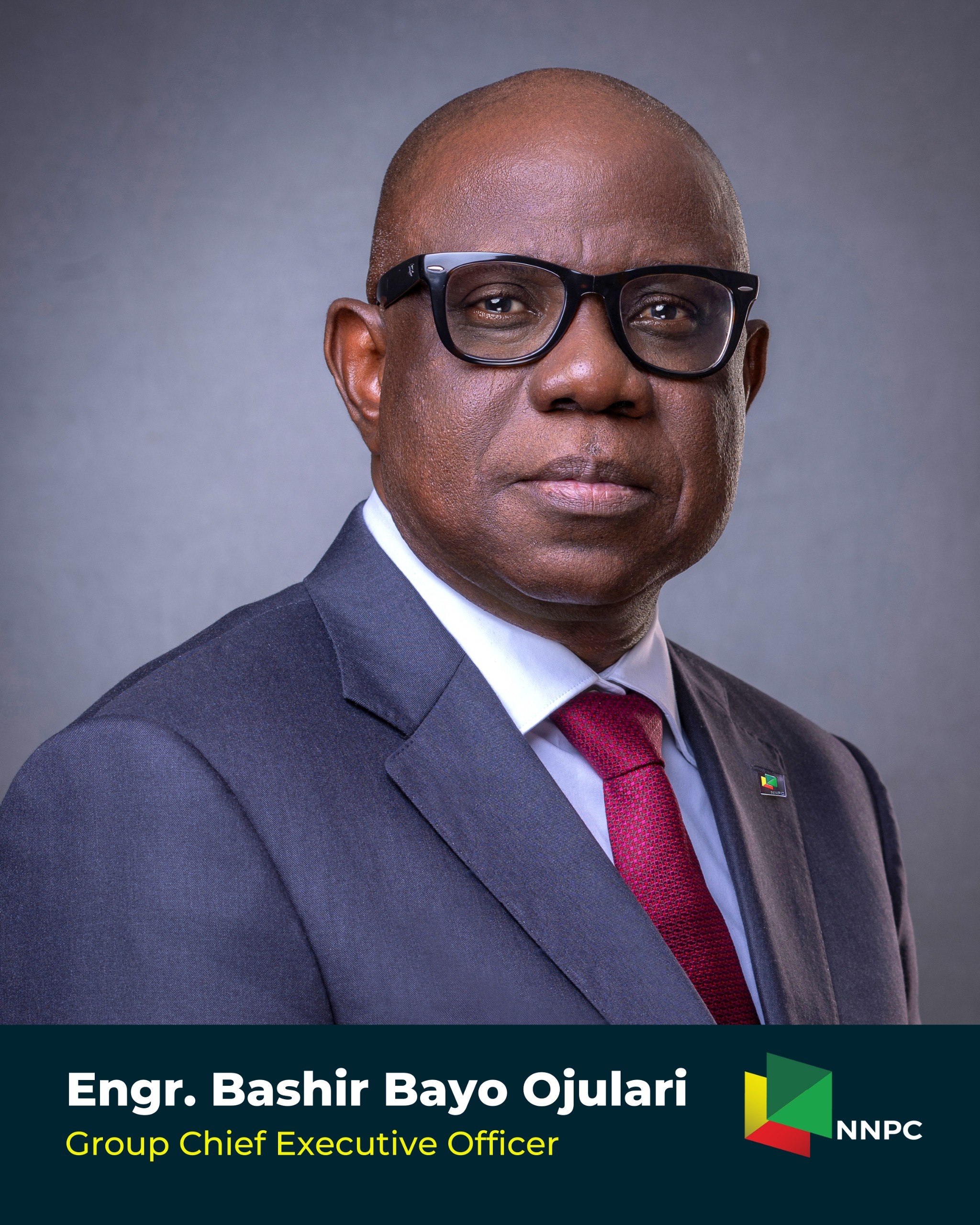
The Nigerian National Petroleum Company Limited (NNPC Ltd) has welcomed the $800 million Final Investment Decision (FID) on the Ima Gas Project, describing it as a landmark development that affirms the growing viability of Nigeria’s upstream gas sector.
The project, located offshore in OMLs 112 and 117 and developed by AMNI International in partnership with TotalEnergies, will produce about 300 million standard cubic feet of gas per day at peak. The output will supply critical feedgas to Nigeria LNG Limited in support of its Train 7 expansion, which will increase capacity at the Bonny Island plant from 22 million tons per annum to 30 Mtpa.
The FID was enabled by the Presidential Directives of 2024, which provided fiscal incentives for non-associated gas, streamlined contracting and lowered development costs. Ima is the fourth major gas project to reach FID under President Bola Ahmed Tinubu, after Iseni, Ubeta and HI.
Group Chief Executive Officer, NNPC Ltd., Engr. Bashir Bayo Ojulari described it as “a decisive vote of confidence in Nigeria’s gas sector and in the bold reforms” that have created competitive terms and a predictable investment environment.
NNPC Ltd. also commends the collaboration between AMNI, TotalEnergies and the Nigerian financial sector, saying the model of indigenous operator, international partner and domestic capital is a template for future developments.
In a statement signed by Andy Odeh Chief corporate communications officer of NNPC Ltd. reaffirms its commitment to work with government, regulators and industry partners to sustain investment momentum and deploy Nigeria’s gas resources for industrialisation, job creation and long-term prosperity.
News
At MAN AGM In Kano, Manufacturers Throng Dangote Pavilion Over ‘Peoples IPO’
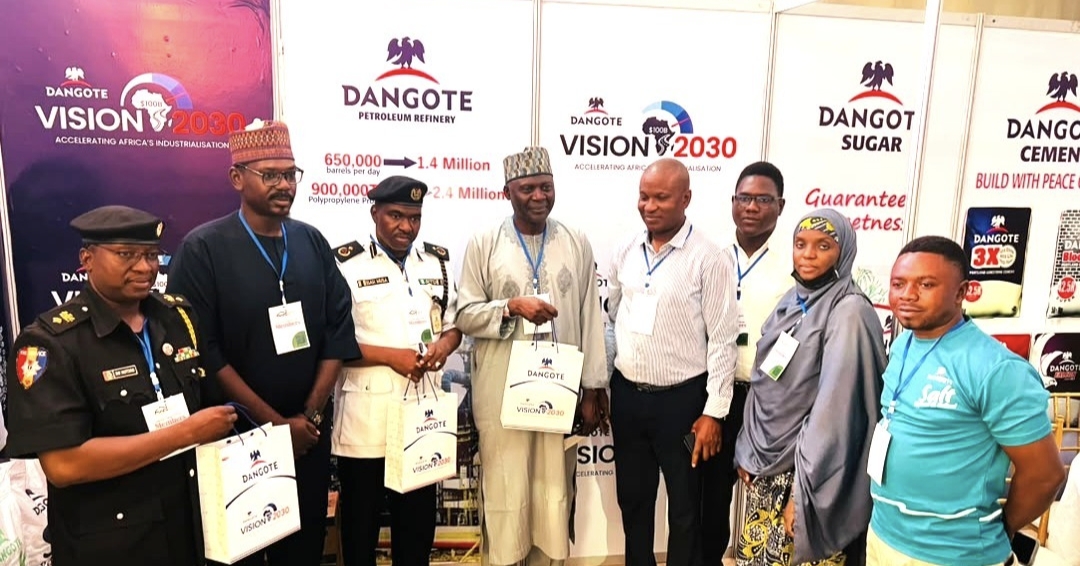
Manufacturers under the aegis of the Manufacturers Association of Nigeria (MAN) thronged the Dangote Group’s pavilion at the exhibition to seek information and clarification on the ongoing Public Initial Public Offering (IPO) of the Dangote Petroleum Refinery and Petrochemicals (DPRP).
The three-day Annual General Meeting (AGM) of the Kano-Jigawa Branch of the Manufacturers Association of Nigeria (MAN), the 54th in the series, ended on Thursday, with the Dangote Group’s representative hosting participants and engaging manufacturers who expressed keen interest in the ongoing Initial Public Offering (IPO) of the Dangote Refinery.
The Dangote Refinery Peoples’ IPO offers Nigerians and other eligible investors an opportunity to buy shares in the Dangote Petroleum Refinery and Petrochemicals, thereby becoming part-owners of one of Africa’s largest industrial projects and participating in its future growth.
The Dangote Refinery IPO runs from 14 September to 13 October 2026.
Dangote Industries Limited is one of the sponsors of the 54th MAN AGM.
Earlier, in his opening remarks, the Chairman of the Manufacturers Association of Nigeria (MAN), Sharada/Challawa Branch, Alhaji Nura S. Madugu, highlighted the mounting burden of multiple taxes, levies and charges on manufacturers, warning that the situation is increasing the cost of doing business and undermining the competitiveness of local industries.
Madugu urged the Kano State and Federal Governments to ease the tax burden on manufacturers and accelerate efforts to harmonise taxes and levies imposed on businesses.
He particularly decried the practice of double and multiple taxation, which he said continued to place additional financial pressure on manufacturers already grappling with high energy costs, inadequate infrastructure, expensive financing, insecurity, foreign exchange challenges and unfair competition from imported goods.
“We are especially concerned about instances of double and even multiple taxation, where the three tiers of government impose what is essentially the same levy under different names and different guises. This practice places our products at a serious disadvantage in their constant competition with imported goods, a disadvantage made worse by the high cost of alternative power supply and the volatility of the foreign exchange rate.
Madugu reminded the meeting of MAN’s enormous contribution to the society and provide employment to thousands of Nigerians, as well as participating actively in tax revenue generation for the country.
“We provide employment to thousands of Nigerians. We participate actively in tax revenue generation for the states and the federation through the deduction of Value Added Tax on our products, the remittance of Pay-As-You-Earn on behalf of our staff, and the payment of Withholding Tax, Education Tax, Tertiary Education Tax, Company Income Tax, and a whole host of other levies too numerous to mention individually. Beyond taxation, we also discharge our Corporate Social Responsibility diligently to the communities in which we operate.
“Even though what we receive in return remains modest, we continue, in strength and in good faith, to serve this nation and to hold up its economy. We do this because we believe in Nigeria and in Kano State. But it must be said plainly,” Madugu added.
In his remarks also, MAN Chairman, Bompai/Jigawa Branch, Mohammed Bello I. Umar, appreciated the association’s members for their resilience, commitment and continued investment in the Nigerian economy despite the difficult operating environment.
He pointed out that the meeting provides the members of the association with an opportunity to reflect on its activities, review the challenges confronting their businesses, acknowledge the progress they have made, and chart a stronger course for the future of manufacturing in the country.
However, he said, the members must acknowledge that manufacturing remains under serious pressure.
He highlighted that the high cost of energy, multiple taxes and levies, inadequate infrastructure, high financing costs, insecurity, foreign exchange challenges and unfair competition from imported goods continue to affect our competitiveness.
“One issue that requires our collective attention is the importation of contraband and substandard goods. These products undermine local manufacturers who invest heavily
“Reliable and affordable electricity remains one of the most important requirements for industrial development.
He however welcomed the ongoing electricity reforms and efforts by the Kano State Government and the State House of Assembly towards establishing a more effective electricity framework for the State.
He called for the swift implementation of reforms that will create a more reliable, competitive and affordable electricity market for industries.
He noted that manufacturers continue to provide employment, generate wealth, support local communities and contribute significantly to government revenue in production, employ Nigerians and comply with government regulations.
“We must therefore stand together and call for stronger enforcement at our borders and markets.
He urged the relevant government agencies to intensify the fight against smuggling, counterfeiting and the importation of goods that compete unfairly with locally
News
NLC President Ajaero: It Is Wrong to Negotiate Minimum Wage Without Minimum Pension
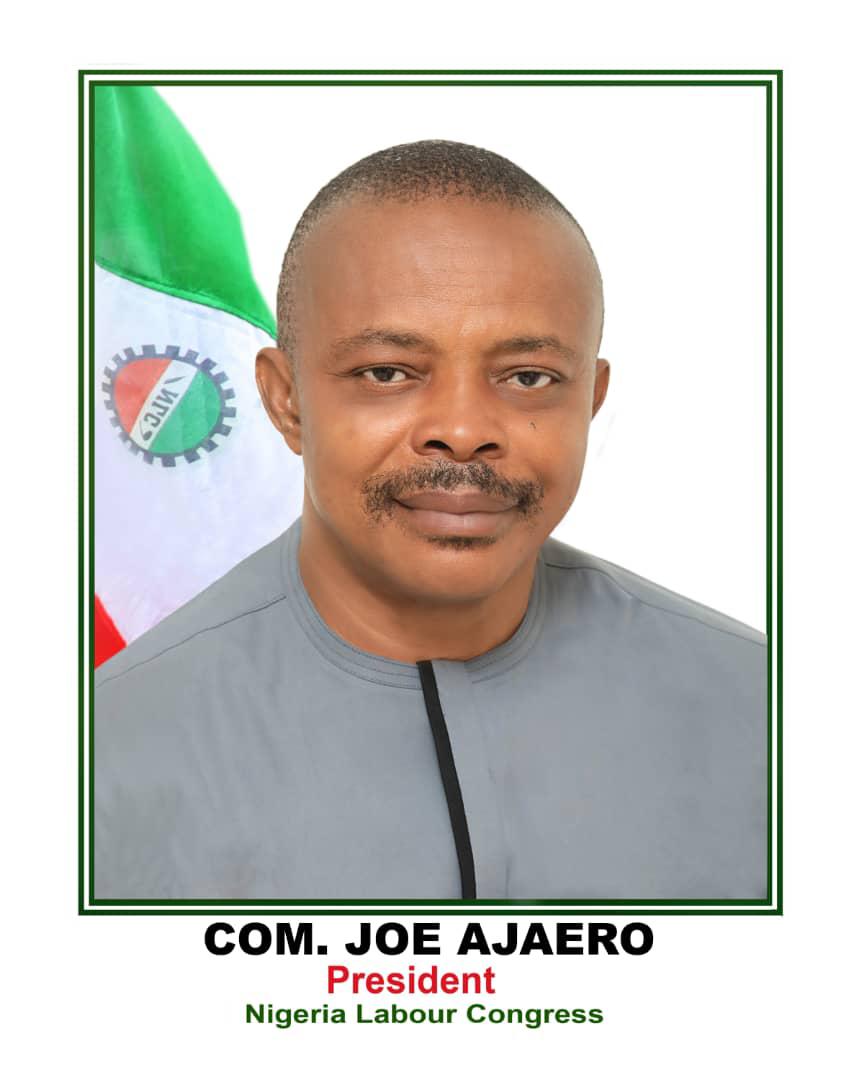
The President of the Nigeria Labour Congress (NLC), Comrade Joe Ajaero, has called for the simultaneous negotiation of minimum wage and minimum pension, saying it is wrong for government and organised labour to focus on workers’ wages without addressing the welfare of retirees.
Ajaero made the call while speaking at the National Pre-Retirement Summit, held at Shehu Musa Yaradua centre in Abuja where he raised concerns over the declining purchasing power of retirement savings and pensions as a result of inflation and other economic challenges.
According to the NLC President, the experience of retirees over the years has demonstrated the need for workers and policymakers to consider what happens to employees after they leave active service.
Ajaero said the depreciation of the value of money means that savings made during a worker’s active years could lose significant purchasing power by the time the worker retires.
He explained that a worker who saves ₦1 million at a particular period could find that the real value of the savings has substantially declined over time because of inflation and the rising cost of living.
“It is wrong for us to start negotiating minimum wage without negotiating minimum pension,” Ajaero said, stressing that retirement benefits must be treated as an important component of workers’ welfare.
The NLC President said the objective of the summit was to examine ways of protecting workers from falling into poverty after retirement, particularly by ensuring that pension contributions and retirement savings are effectively managed.
Ajaero said pension fund administrators and other stakeholders in the pension industry must ensure that workers’ contributions are preserved and managed in a manner that protects their value against economic depreciation.
He said the challenge facing retirees goes beyond the amount accumulated in their pension accounts, arguing that the real value of such funds must also be considered in the face of inflation and increasing living costs.
According to him, the purpose of the discussion should be to develop mechanisms that would enable workers to enjoy a reasonable standard of living after retirement instead of becoming financially vulnerable when they leave active service.
Ajaero also questioned the adequacy of the existing provision allowing retirees to make a 25 per cent withdrawal from their retirement savings, saying such an amount may not provide sufficient financial support for retirees facing the realities of life after employment.
The NLC President called for consideration of mechanisms that would allow retirement contributions to serve as collateral for accessing funds, particularly for retirees who want to establish or manage businesses.
He argued that allowing workers to leverage their retirement savings as collateral could provide them with access to capital while preserving the broader objective of retirement security.
Ajaero said retirees who have acquired skills and experience during their years of service should be supported to use those skills to remain economically active after retirement rather than being left without adequate means of livelihood.
The labour leader also linked the removal of fuel subsidy to the declining purchasing power of pensioners, saying rising transportation and living costs can make existing pension payments inadequate.
Ajaero explained that a pensioner receiving ₦30,000, for instance, could face serious difficulties meeting basic transportation and other expenses when the cost of fuel and other essential commodities rises.
According to him, pension policy must therefore take inflation into account so that pension benefits do not lose their purchasing power as the cost of living increases.
He called for pension investments and benefits to be reviewed in line with prevailing inflationary trends, arguing that the value of retirement income should be protected against sustained increases in prices.
Ajaero further urged the National Pension Commission (PenCom), pension fund administrators and other policymakers to establish stronger channels of communication with workers and contributors.
He said workers who make regular contributions to pension schemes should have opportunities to interact directly with regulators and policymakers so that their experiences and concerns can influence decisions affecting the pension system.
The NLC President said such interaction would enable policymakers to better understand the challenges faced by contributors and retirees, particularly those struggling with the effects of inflation and the rising cost of living.
Ajaero said the labour movement would continue to advocate policies that protect workers not only during their active years but also after retirement, stressing that retirement security should remain an integral part of labour negotiations.
He said the discussions at the National Pre-Retirement Summit were therefore aimed at finding practical solutions to the challenges confronting workers and retirees and preventing poverty in old age.
The NLC President maintained that a comprehensive approach to workers’ welfare must cover both minimum wage during active employment and adequate pension after retirement, saying the two issues should not be treated separately.

NNPC Ltd Welcomes $800m Ima Gas Final Investment Decision

At MAN AGM In Kano, Manufacturers Throng Dangote Pavilion Over ‘Peoples IPO’

NLC President Ajaero: It Is Wrong to Negotiate Minimum Wage Without Minimum Pension

Prof Yusuf Adamu Delivers BUK’s 63rd Professorial Inaugural Lecture, Reflects on Medical Geography and Academic Legacy

Court Orders Fresh PDP Primary in Gombe Over Pantami’s Candidacy

Zamfara Varsity ASUU Threatens Warning Strike Over FG-ASUU Agreement, Promotion Arrears

Bello Sharada: A Great Writer, A Bookish Soul, Gone Too Soon

NUT Launches ‘Go Public’ Campaign to Promote Public Education in Nigeria

Kano Chemists Threaten Warning Strike Over Alleged PCN Pressure

Per Ishaq Samaila: “Waziri” for Strategy. “Mai Jama’a” for Service. One Man. One Mission. Ibrahim Kabir Masari
NNPC Ltd Welcomes $800m Ima Gas Final Investment Decision
At MAN AGM In Kano, Manufacturers Throng Dangote Pavilion Over ‘Peoples IPO’
NLC President Ajaero: It Is Wrong to Negotiate Minimum Wage Without Minimum Pension
Prof Yusuf Adamu Delivers BUK’s 63rd Professorial Inaugural Lecture, Reflects on Medical Geography and Academic Legacy
Court Orders Fresh PDP Primary in Gombe Over Pantami’s Candidacy
Zamfara Varsity ASUU Threatens Warning Strike Over FG-ASUU Agreement, Promotion Arrears
Bello Sharada: A Great Writer, A Bookish Soul, Gone Too Soon
NUT Launches ‘Go Public’ Campaign to Promote Public Education in Nigeria
Kano Chemists Threaten Warning Strike Over Alleged PCN Pressure
Per Ishaq Samaila: “Waziri” for Strategy. “Mai Jama’a” for Service. One Man. One Mission. Ibrahim Kabir Masari
-

 Opinion5 years ago
On The Kano Flyovers And Public Perception
-

 Features5 years ago
How I Became A Multimillionaire In Nigeria – Hadiza Gabon
-

 Opinion6 years ago
Kano As future Headquarters Of Poverty In Nigeria
-

 History5 years ago
Sheikh Adam Abdullahi Al-Ilory (1917-1992):Nigeria’s Islamic Scholar Who Wrote Over 100 Books And Journals
-

 Opinion5 years ago
My First Encounter with Nasiru Gawuna, the Humble Deputy Governor
-

 History5 years ago
The History Of Borno State Governor Professor Babagana Umara Zulum
-

 History5 years ago
The Origin Of “Mammy Market” In Army Barracks (Mammy Ochefu)
-

 News4 years ago
Federal University Of Technology Babura To Commence Academic Activities September