
News
CDS Oluyede Honored with National Award in Sierra Leone
By Yusuf Danjuma Yunusa
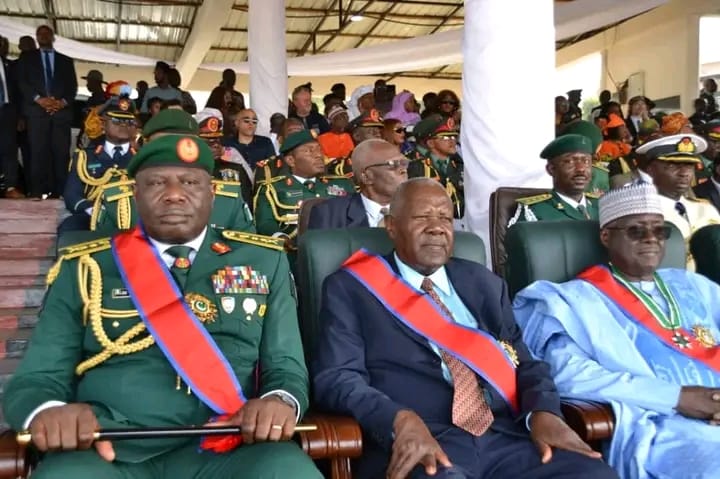
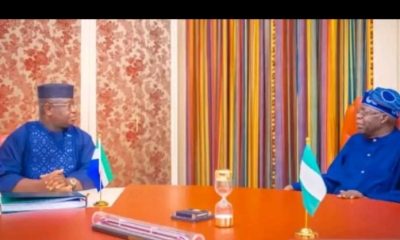
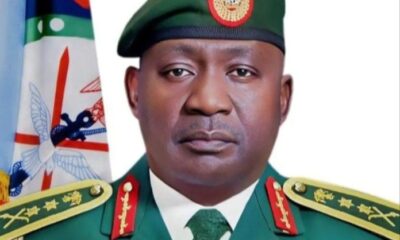
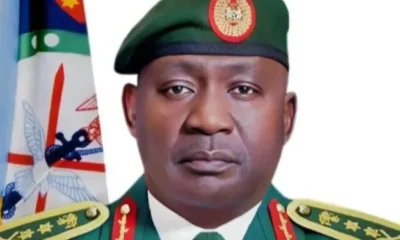
Nigeria’s Chief of Defence Staff (CDS), General Olufemi Oluyede, has been decorated with the Grand Commander of the Order of the Rokel, one of Sierra Leone’s highest national honours. The award was conferred during a grand ceremony marking the 17th Armed Forces Day of the Republic of Sierra Leone.
In a statement released on [Date, if available], the Director of Defence Information, Major General Samaila Uba, confirmed that the honour recognises General Oluyede’s pivotal role in securing peace in Sierra Leone during his service with the Economic Community of West African States Monitoring Group (ECOMOG).
The statement highlighted that the award serves as a profound appreciation not only for General Oluyede’s personal contributions but also for the sacrifices of all Nigerian officers and soldiers who fought to restore peace and stability to the nation during its civil war.
General Oluyede’s connection to Sierra Leone dates back to the early 1990s. Between 1992 and 1994, he was deployed as a Platoon Commander, tasked with securing the residence of the then-Head of State. During this period, he was lauded for his exemplary leadership, professionalism, and unwavering commitment to protecting the government in a time of intense turmoil.
Aside from Nigerian CDS, other distinguished personalities from Nigeria, Guinea, United Kingdom, United States and Kenya, among others, were equally awarded medals during the ceremony.
They included former Nigerian CDS, Gen. Martin Luther Agwai (rtd), Lt. Gen. Daniel Opande of Kenya (rtd), Lt. Gen. Ibrahima Sory Bangoura of Guinea, Maj. Gen. Paul Rogers of USA and
Brig. Gen. Edward Butler (rtd) of the UK.
The Armed Forces Day event also served as a solemn tribute to the courage and sacrifice of regional forces. Special recognition was reserved for the Nigerian Armed Forces, whose steadfast commitment under the ECOMOG banner was described as being at the forefront of regional peace enforcement.
The Nigerian contingent was particularly commended for its distinctive bravery, resilience, and dedication to the protection of civilians during Sierra Leone’s brutal civil war, cementing the nation’s legacy as a cornerstone of peace and stability in the West African sub-region.









News
FG Approves N70,000 Monthly Transport Intervention for Public Workers
By Yusuf Danjuma Yunusa
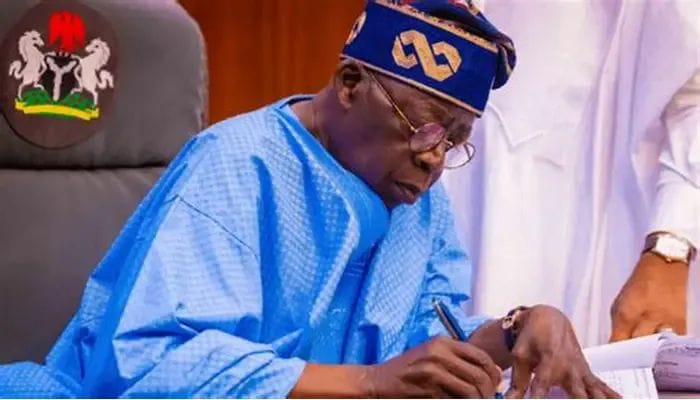
The Federal Government has approved a N70,000 monthly transport intervention for public service workers across all levels for six months, beginning in November 2026, to cushion the impact of rising living costs.
The approval was one of the resolutions reached at a conciliation meeting between the Federal Government and the leadership of the Nigeria Labour Congress in Abuja on Tuesday, following renewed pressure from organised labour over the cost of living, workers’ welfare and outstanding agreements.
The government also approved the payment of peculiar allowance arrears, effective from May 1, 2026, in three equal monthly instalments beginning in November.
However, the parties failed to agree on the effective date for implementing the national minimum wage, although they agreed that the Minimum Wage Negotiation Committee would be constituted and commence meetings immediately.
The resolutions were contained in a memorandum of understanding signed at the end of the meeting by the Director-General of Budget, Timi Yakubu; NLC President, Joe Ajaero; the Permanent Secretary, Service Welfare Office, Office of the Head of the Civil Service of the Federation, Dr Garba Abdul S.U.; and the Minister of Labour and Employment, Dr Muhammad Maigari Dingyadi.
The document, titled ‘Resolutions Reached at a Conciliation Meeting Held at Federal Ministry of Labour and Employment Between the Federal Government and the Leadership of Nigeria Labour Congress on Tuesday, 27th October, 2026’, outlined agreements on minimum wage negotiations, transport support, outstanding allowances, health workers’ remuneration, tax relief and hazard allowances for agricultural officers.
The meeting followed an earlier conciliation session held on October 22, 2026, convened by the Federal Ministry of Labour and Employment to address disagreements between the government and organised labour.
On the transport intervention, the document stated, “That transport intervention of Seventy Thousand Naira (N70,000) commencing from November 2026 would be paid across all levels for a period of six months.”
The document did not specify the payment date within each month or provide details of the administrative arrangements for disbursement.
The agreement comes amid continuing concerns over transportation costs and the prices of other essential goods following the removal of the petrol subsidy in May 2023, which contributed to rising living costs across the country.
Organised labour has repeatedly demanded measures to ease the economic pressure on workers, including reductions in petrol prices, improved wages and the implementation of outstanding welfare agreements.
The memorandum also noted the NLC leadership’s concerns about the government’s handling of its demands.
Addressing the disagreement, it stated that the NLC leadership “expressed concern over the Federal Government’s attitude towards the above issues.”
It added that the Federal Government, in response, “stated that it fully respect the right of the Congress to advocate for improved working conditions for Nigerian workers, and is genuinely trying to address every aspect of it through a structured intervention.”
On the national minimum wage, the parties agreed that the Minimum Wage Negotiation Committee would be constituted and commence meetings immediately.
However, the effective date of implementation remained unresolved.
The document stated, “It was agreed that the Minimum Wage Negotiation Committee would be constituted and commence meeting immediately. It should however be noted that there is a disagreement on the effective date of implementation.”
The disagreement leaves a key issue outstanding despite the commitment to begin negotiations without delay.
The national minimum wage became a major issue in 2024 when the Federal Government and organised labour negotiated an increase in the statutory minimum monthly wage from N30,000 to N70,000. The new rate was subsequently enacted into law through the National Minimum Wage Act.
News
Kano FC Bayern Munich Fans Club Felicitates Harry Kane on 2026 Ballon d’Or Victory

The Registered FC Bayern Munich Fans Club, Kano State, Nigeria, has congratulated the club’s striker, Harry Kane, on his reported victory in the 2026 Ballon d’Or award, describing the achievement as a moment of pride for Bayern Munich supporters in Kano State, Nigeria, and across the world.
In a statement issued by the Chairman of the FC Bayern Munich Fans Club, Kano State, Mujtaba Bature Marmara, the club extended its heartfelt congratulations to Harry Kane, the management of FC Bayern Munich, and the entire Bayern Munich supporters’ community worldwide.
The statement described Kane’s reported achievement as a testament to his exceptional performances, dedication, consistency, professionalism, and commitment to the game, noting that his contributions to the team have continued to demonstrate his importance to the club.
According to the Chairman, the recognition did not come as a surprise to the club’s supporters, considering Kane’s impressive performances, goal-scoring ability, and determination to achieve success since joining Bayern Munich.
“We are delighted to celebrate Harry Kane and this remarkable achievement. His dedication, consistency, and commitment to excellence have continued to inspire us as supporters of FC Bayern Munich.
“His recognition is a source of pride for our club and supporters. We believe that his achievements will further strengthen Bayern Munich’s rich footballing heritage and inspire other players to pursue excellence in their careers,” the statement quoted the Chairman as saying.
Marmara further noted that Kane’s contributions have added to the club’s rich history, pointing to the striker’s performances and record-breaking accomplishments since his arrival at the Allianz Arena.
He said the achievement further demonstrates the quality, ambition, and competitive spirit associated with FC Bayern Munich, one of the most prominent football clubs in Europe.
The Kano FC Bayern Munich Fans Club Chairman also congratulated the club’s management, technical crew, players, and supporters worldwide for their continued commitment to maintaining Bayern Munich’s reputation and competitiveness in domestic and international football.
He added that Kane’s success should be celebrated not only as an individual accomplishment but also as an inspiration to young footballers who aspire to reach the highest levels of the game.
As part of its efforts to celebrate the reported achievement, the FC Bayern Munich Fans Club, Kano State, disclosed plans to organise a befitting celebration in honour of Harry Kane.
The proposed event is expected to bring together members, supporters, and other football enthusiasts to celebrate the striker’s achievements and strengthen the spirit of unity among Bayern Munich fans in Kano State.
According to the statement, the planned celebration will also provide an opportunity for members to demonstrate their continued loyalty to the club and promote the values of sportsmanship, unity, and peaceful coexistence through football.
Marmara called on all FC Bayern Munich supporters in Kano State to remain united, active, and committed to the growth of the supporters’ community.
He also encouraged supporters who have yet to register with the Kano State chapter to do so, stressing that a strong and organised fan base would help promote the club’s identity, strengthen members’ relationships, and support the association’s future activities.
The Chairman reaffirmed the association’s commitment to expanding its membership, encouraging responsible fan engagement, and promoting FC Bayern Munich’s values among football lovers in Kano State and Nigeria at large.
He stressed optimism that the club would continue to achieve greater success and that its supporters would remain steadfast in their loyalty, regardless of the challenges and competitions ahead.
For membership registration and further enquiries, interested supporters are encouraged to contact the Chairman, Mujtaba Bature Marmara, through the
0803 630 6968
Signed
Mujtaba Bature Marmara Chairman, FC Bayern Munich Fans Club
Kano State, Nigeria.
News
FG Panel Says 37 Miners Died of Suffocation in NSCDC Custody, Recommends 1.4billion Compensation for Deceased Families, Survivors
By Yusuf Danjuma Yunusa
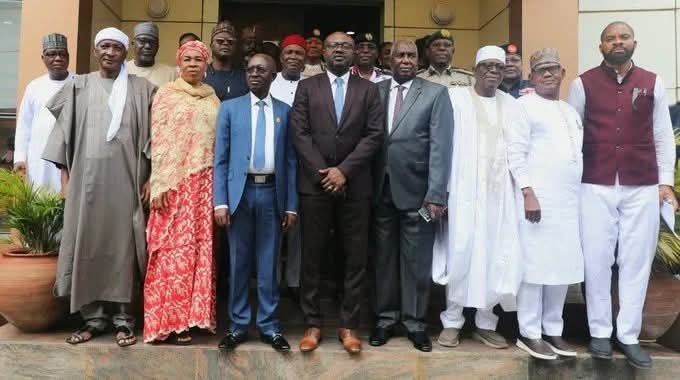
A ten-member independent committee set up by the federal government to investigate the deaths of 37 suspected illegal miners in the custody of the Nigeria Security and Civil Defence Corps (NSCDC) in Minna, Niger state, has identified the cause of their deaths.
The committee found that the miners died from asphyxiation, a condition in which the body is deprived of adequate oxygen, potentially leading to unconsciousness, organ damage or death.
Jonathan Kure, chairman of the committee, spoke on Tuesday while presenting the panel’s report to Olubunmi Tunji-Ojo, minister of interior, in Abuja.
The federal government constituted the committee on September 19 following a directive by President Bola Tinubu for a “full and transparent” investigation into the deaths of the suspected illegal miners.
Tunji-Ojo announced the decision in a statement in which he listed the names of the 21 officers suspended in connection with the incident.
Two days before the committee was constituted, the NSCDC said the suspects were arrested during operations conducted on September 15 and 16 around Mohammed Inuwa Wushishi Estate in Minna, the Niger state capital.
In a statement, Suberu Aniviye, the NSCDC commandant in Niger state, said “scores of the detained suspects were found dead in the early hours of Thursday following a suspected outbreak of disease”.
Following the development, the federal government suspended the Niger state NSCDC commandant and ordered a full investigation into the circumstances surrounding the deaths.
However, on October 6, the panel requested a two-week extension to submit its report on the matter.
Speaking at a press conference in Abuja, Kure said the panel travelled to Minna and inspected the custody facility, conducted autopsies, took witness statements from NSCDC personnel, survivors, families and other witnesses, and collected documentary and forensic evidence.
He noted that preliminary findings showed institutional gaps and overzealousness on the part of some officers, adding that greater professionalism was required in handling such sensitive cases.
The committee also recommended N1.4 billion Naira compensation for deceased families and survivors.
The 10-man investigative committee proposed the sum while presenting the report to the Minister of Interior, Dr Olubunmi Tunji-Ojo on Tuesday in Abuja.Track Exec Orders
The committee’s Chairman, retired Deputy Director, Department of State Services (DSS), Jonathan Kure said that the committee proposed N30 million naira for each of the 33 bereaved families.
Kure added that the committee also proposed that N10 million naira be given to each of the 41 survivors, alongside educational, medical and psychological support.

FG Approves N70,000 Monthly Transport Intervention for Public Workers

Tinubu’s Burden, Atiku’s Opportunity: The Road to 2027

Kano FC Bayern Munich Fans Club Felicitates Harry Kane on 2026 Ballon d’Or Victory

Reassessment of DSP Barau’s Projects in Kano North: One Building, Three Names (1)

FG Panel Says 37 Miners Died of Suffocation in NSCDC Custody, Recommends 1.4billion Compensation for Deceased Families, Survivors

PCACC Arrests Man Over Alleged ₦4.5m Sale, Illegal Leasing of Kano Government Horse Stable

Kano Monitors ₦48.9bn Projects Across Six LGAs

Kano Spends ₦10.36bn on Hospitality, Sitting Allowances, Others in Six Months

Goje’s Electoral War:The Confrontation With Tinubu,Governor Inuwa,Usman Kumo And APC candidates Ahead Of 2027

Open The Social Sciences “A Tribute to a Heterodox Scholar: Mallam Ibrahim Muazzam
FG Approves N70,000 Monthly Transport Intervention for Public Workers
Tinubu’s Burden, Atiku’s Opportunity: The Road to 2027
Kano FC Bayern Munich Fans Club Felicitates Harry Kane on 2026 Ballon d’Or Victory
Reassessment of DSP Barau’s Projects in Kano North: One Building, Three Names (1)
FG Panel Says 37 Miners Died of Suffocation in NSCDC Custody, Recommends 1.4billion Compensation for Deceased Families, Survivors
PCACC Arrests Man Over Alleged ₦4.5m Sale, Illegal Leasing of Kano Government Horse Stable
Kano Monitors ₦48.9bn Projects Across Six LGAs
Kano Spends ₦10.36bn on Hospitality, Sitting Allowances, Others in Six Months
Goje’s Electoral War:The Confrontation With Tinubu,Governor Inuwa,Usman Kumo And APC candidates Ahead Of 2027
Open The Social Sciences “A Tribute to a Heterodox Scholar: Mallam Ibrahim Muazzam
-

 Opinion5 years ago
On The Kano Flyovers And Public Perception
-

 Features5 years ago
How I Became A Multimillionaire In Nigeria – Hadiza Gabon
-

 Opinion6 years ago
Kano As future Headquarters Of Poverty In Nigeria
-

 History6 years ago
Sheikh Adam Abdullahi Al-Ilory (1917-1992):Nigeria’s Islamic Scholar Who Wrote Over 100 Books And Journals
-

 Opinion5 years ago
My First Encounter with Nasiru Gawuna, the Humble Deputy Governor
-

 History5 years ago
The History Of Borno State Governor Professor Babagana Umara Zulum
-

 History6 years ago
The Origin Of “Mammy Market” In Army Barracks (Mammy Ochefu)
-

 News5 years ago
Federal University Of Technology Babura To Commence Academic Activities September