
News
50 Years After Murtala Muhammed: Between the Ghost of Coups and the Crisis of Democracy
By Yusuf Danjuma Yunusa & Abbas Yushau Yusuf
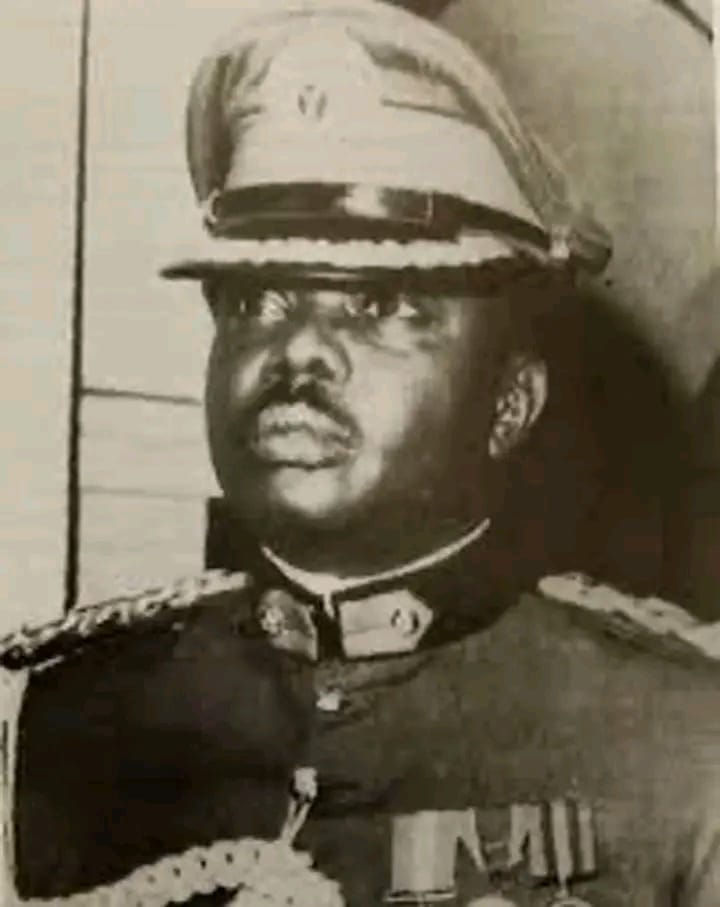
February 13 marks exactly 50 years since General Murtala Ramat Muhammed was assassinated in a failed coup attempt that shook Nigeria to its core. His death on that Friday morning in 1976 was not merely the killing of a Head of State; it was a brutal reminder of how fragile political power can be when the barrel of a gun becomes the pathway to leadership.
Half a century later, Nigeria stands under democratic rule, yet the memory of coups still lingers like a warning siren in the nation’s political subconscious.
Muhammed himself came to power through a military coup in 1975, toppling General Yakubu Gowon. His own assassination less than seven months later, during an abortive coup led by dissident officers, reinforced the inherent instability of governance born out of force. Coups promise swift correction, but they often deliver cycles of uncertainty, repression and further violence.
The danger of military coups to democracy is not theoretical; it is historical fact. Military regimes centralise authority, suspend constitutional order and weaken civilian institutions. Even when they promise reform, they operate outside the consent of the governed. The culture they breed — command-and-control politics — can outlive their uniforms, seeping into civilian administrations long after soldiers return to the barracks.
Nigeria’s post-independence history reads like a ledger of interrupted transitions: 1966, 1975, 1983, 1985, 1993. Each intervention reset the political clock but deepened structural fragilities. Civil institutions were stunted. Political parties became vehicles of patronage rather than ideology. Trust between citizens and the state eroded.
Today, the guns are silent, and ballots have replaced bullets as instruments of power. Yet the shadow of military interruption remains instructive, especially at a time when frustration with democratic governance is rising across the country.
The uncomfortable truth is that democracy, while intact procedurally, is struggling substantively. Elections are held regularly, but economic hardship persists. Institutions exist, but public confidence in them is thin. The Constitution guarantees rights, yet citizens often feel unheard in matters of security, employment and welfare.
This disconnect between democratic form and democratic outcome creates a dangerous vacuum. When people begin to question whether democracy delivers tangible improvement to their lives, nostalgia for “strongman efficiency” can quietly resurface. It is a perilous sentiment. History shows that military rule may appear decisive, but it rarely produces sustainable prosperity or inclusive governance.
The lesson from Murtala Muhammed’s assassination is not simply about the vulnerability of leaders; it is about the vulnerability of systems built without deep institutional roots. Democracies collapse when institutions are hollowed out, when the judiciary is weakened, when legislatures lose independence and when accountability becomes selective.
Equally, democracy fails when it becomes distant from the daily struggles of the masses. Nigeria today grapples with inflation, unemployment, insecurity and widening inequality. For many citizens, the promise of 1999 — that civilian rule would bring stability and opportunity — feels deferred. This perception does not justify military intervention, but it does expose the urgent need for democratic renewal.
A coup does not cure governance failure; it compounds it. It replaces flawed accountability with none at all. It silences dissent rather than addressing its root causes. The real antidote to democratic disappointment is not regression to authoritarian shortcuts but reform within constitutional boundaries.
Fifty years after Murtala Muhammed’s assassination, Nigeria’s greatest safeguard against instability is not the strength of its armed forces but the credibility of its democratic institutions. The military must remain firmly subordinate to civilian authority, while civilian leaders must govern in ways that justify that authority.
Democracy cannot survive on ritual alone. It must deliver justice, equity and measurable improvement in citizens’ lives. When it does not, cynicism grows. And when cynicism grows unchecked, history’s darker chapters begin to look deceptively attractive.
The anniversary of 1976 should therefore serve as both memorial and mirror — a memorial to a turbulent past and a mirror reflecting present responsibilities. Nigeria has paid dearly for power seized by force. The challenge now is ensuring that democracy does not lose legitimacy through neglect, inequity or arrogance.
The gun once interrupted Nigeria’s future. The ballot must not be allowed to lose its meaning.
General Murtala Muhammad’s legacy will continue to remain fresh in the memory of patriotic Nigerians.
The constitutional democracy Nigeria is enjoying today is the brainchild of the late General Murtala Muhammad, who addressed the nation with vigour and instilled confidence.
His phrase “Immediate effect” remains the phrase successive Nigerian leaders have used to command respect and to show Nigerians they are very serious about formulating and implementing policies for the progress of all.
Despite military rule being an aberration, General Murtala Muhammad’s assassination was backward and retrogressive to the development of Nigeria, which many will continue to mourn for decades to come.
As General Murtala Muhammad clocks five decades after passing to the great beyond, the Nigerian Government should mandate a topic for Nigerian children in the country’s civic education curriculum so that those yet unborn will feel the impact of Nigeria’s great leader lost to the hands of retrogressive assassins on that fateful Friday, February 13th, 1976, which is exactly five decades today.
Adieu, great son of Nigeria and great son of Kano.









News
EFCC Reopens Atiku’s Alleged Financial Crimes Probe
By Yusuf Danjuma Yunusa
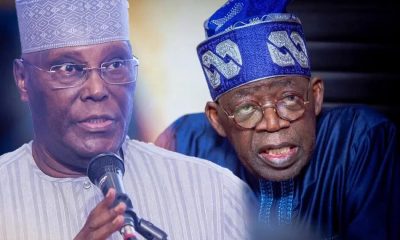
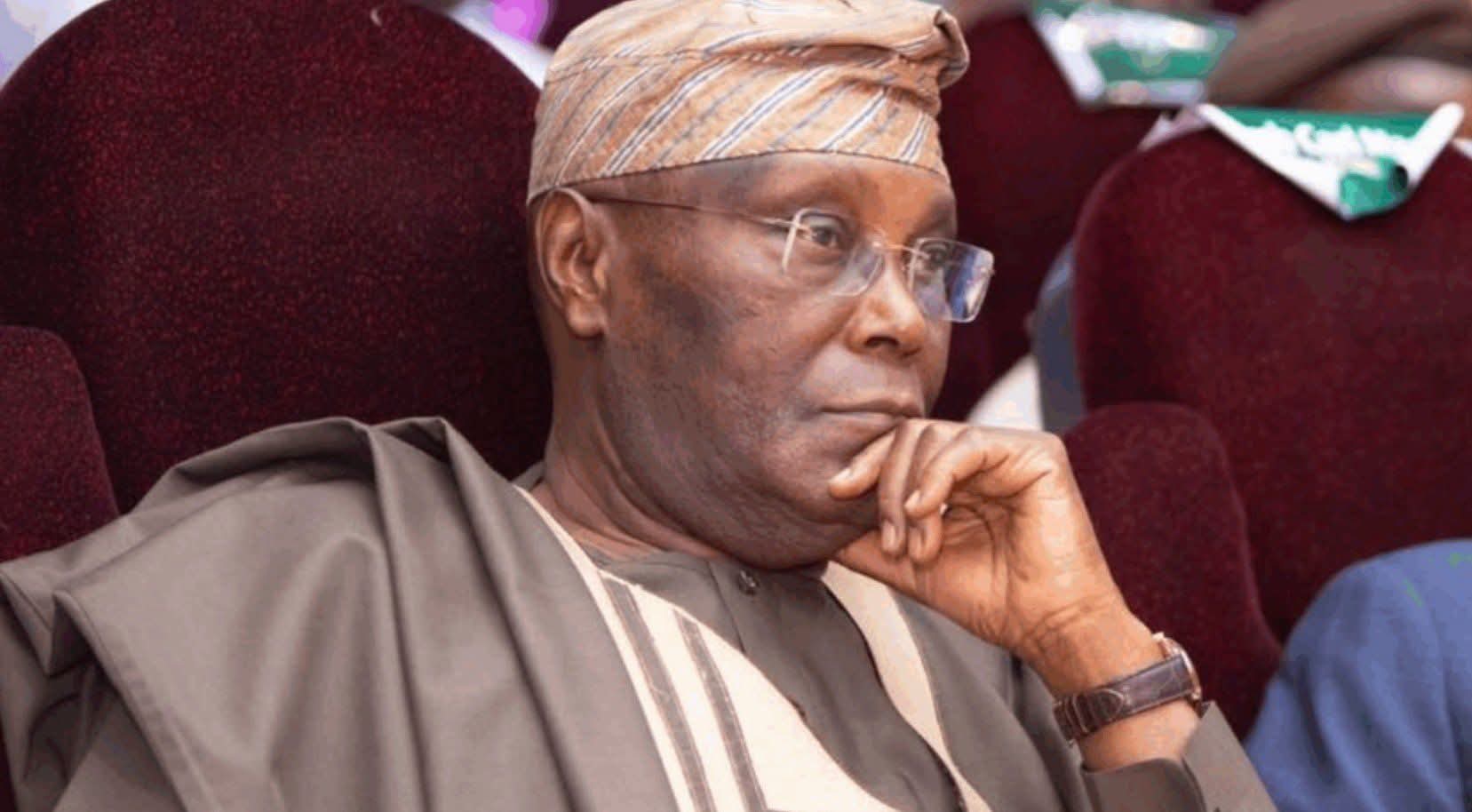
The Economic and Financial Crimes Commission (EFCC) has reopened its investigation into allegations against former Vice President Atiku Abubakar following a petition by former House of Representatives member, Hon. Ehiozuwa Johnson Agbonayinma, seeking his prosecution over alleged financial crimes.
The petition seeks to revive a case dating back to 2006, asking the anti-graft agency to revisit its investigation under former chairman, Mallam Nuhu Ribadu, and consider a subsequent report by a United States Senate subcommittee.
Speaking on the development, Agbonayinma said the EFCC had acknowledged his petition, dated August 27, 2026, and received on September 1. Filed through his lawyer, Chief Hannibal Egbe Uwaifo, SAN, the petition asks the commission to reactivate its earlier report and act on the allegations.
The former lawmaker appeared at the EFCC headquarters in Jabi, Abuja, where he adopted the petition and answered questions from investigators.
Agbonayinma said the matter should not be allowed to remain unresolved.
“I want to thank Nigerians, the EFCC, and those praying for me in this struggle. The laws are meant for both the rich and the poor. After the EFCC has done a fantastic job, it should not be kept under the table,” he said.
In the petition, Agbonayinma urged the EFCC to revisit its September 2006 report on Atiku and a February 4, 2010, report by the US Senate Permanent Subcommittee on Investigations, arguing that both documents should form the basis for renewed action.
The petition alleged that the EFCC had previously indicated that Atiku could face prosecution after leaving office as vice-president, when his constitutional immunity ceased to apply, but that no prosecution followed.
Agbonayinma described the alleged failure to act as a dereliction of duty and argued that pursuing the matter would demonstrate the commission’s resolve to hold politically influential figures accountable.
He also disclosed that he had petitioned US President Donald Trump over the allegations.
The EFCC spokesman, Dele Oyewale, had yet to respond to messages seeking an update on the investigation as of the time of filing this report.
News
APC Presidential Campaign Council: Nigerians Devoid Of Party Affiliations Endorses Tinubu’s 2nd Term-Kwankwaso
From Muhammad Kabir Kano
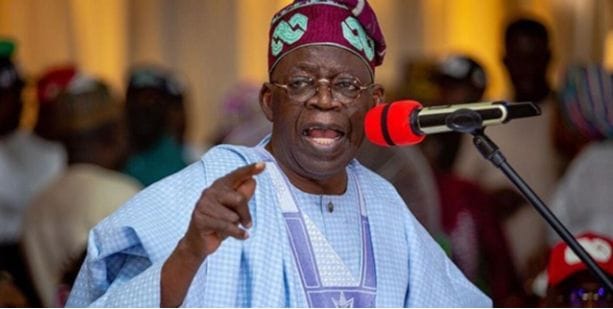
The Collection of Nigerians of different Political Parties that openly not only attended the inauguration of the APC Presidential Campaign Council, Wednesday, clearly shows that President Tinubu today is been accepted by all and sundry, regardless of Party Affiliations.
Making this submission, a member of the Presidential Campaign Council, and who is the Director Finance Hadejia Jammaare River Basin, Musa Illiyasu Kwankwaso, said that, from APGA, to Labour Party and others who were introduced, all firmly stands with Tinubu continuity in office.
Kwankwaso, said that remarks of Men of proven integrity likes Chukuma Charles Soludo the Governor of Anambara State and others, they said it all that President Tinubu Economic blueprint is a masterpiece that only Economic gurus and those who are awake to global economic realities will appreciate.
“It has never happened in the political Nigerian history that one Man attract collection of nearly all opposition Parties not only Opposition Politicians but those who have never agreed to sit together, but because Tinubu they accepted to come onboard and pursued his common goal”.
Dr Musa Illiyasu Kwankwaso, notes that, today the issues at stake is not about Tinubu’s reelection alone but the prosperity of Nigeria, which despite the difficulties, President Tinubu accepted to uphold and ensure it’s total achievement.
He said, “to me the inauguration of the Campaign Council is just like a congregation of celebration of the reelection of President Tinubu back to office, because what else remains, the same Nigerians that we will campaign for, have collectively came forward themselves in unison for one Person(Tinubu).
Musa Illiyasu Kwankwaso, who assured that just like what it is obtained at the National levels, the same things will be done in Kano and other states, adding that the open recognition of Governor Abba Kabir Yusuf by the President and his symbolic Cap shows a clear victory for the Governor Yusuf/Murtala Sule Garo his Deputy.
“One will agree with me that Governor Yusuf, Senator Barau Jibrin, House of Representatives Committee Chairman on Appropriation Abubakar Kabir Abubakar Bichi, Alhassan Ado Doguwa, Abdulmumini Jibrin Kofa, Senator Kawu Sumaila, Senator Mallam Ibrahim Shekarau, Honorable Alhassan Rirum, and all other contestants including our Father former National Chairman of APC, Dr Umar Abdullahi Ganduje are working in tandem for the President Tinubu/ Governor Yusuf/Garo 2 term bids”.
Kwankwaso, assured that before noon, they will bring forward the entire Northern Nigeria votes for Tinubu.
News
IMF to Nigeria: Don’t Bring Back Petrol Subsidy for Everyone, Help the Poor Instead
By Yusuf Danjuma Yunusa
The International Monetary Fund (IMF) has advised Nigeria against restoring broad petrol subsidy, recommending targeted support for vulnerable households to cushion the impact of rising energy costs.
IMF said blanket petrol subsidies were expensive, often benefited higher-income consumers disproportionately and could worsen fiscal pressures amid rising borrowing costs.
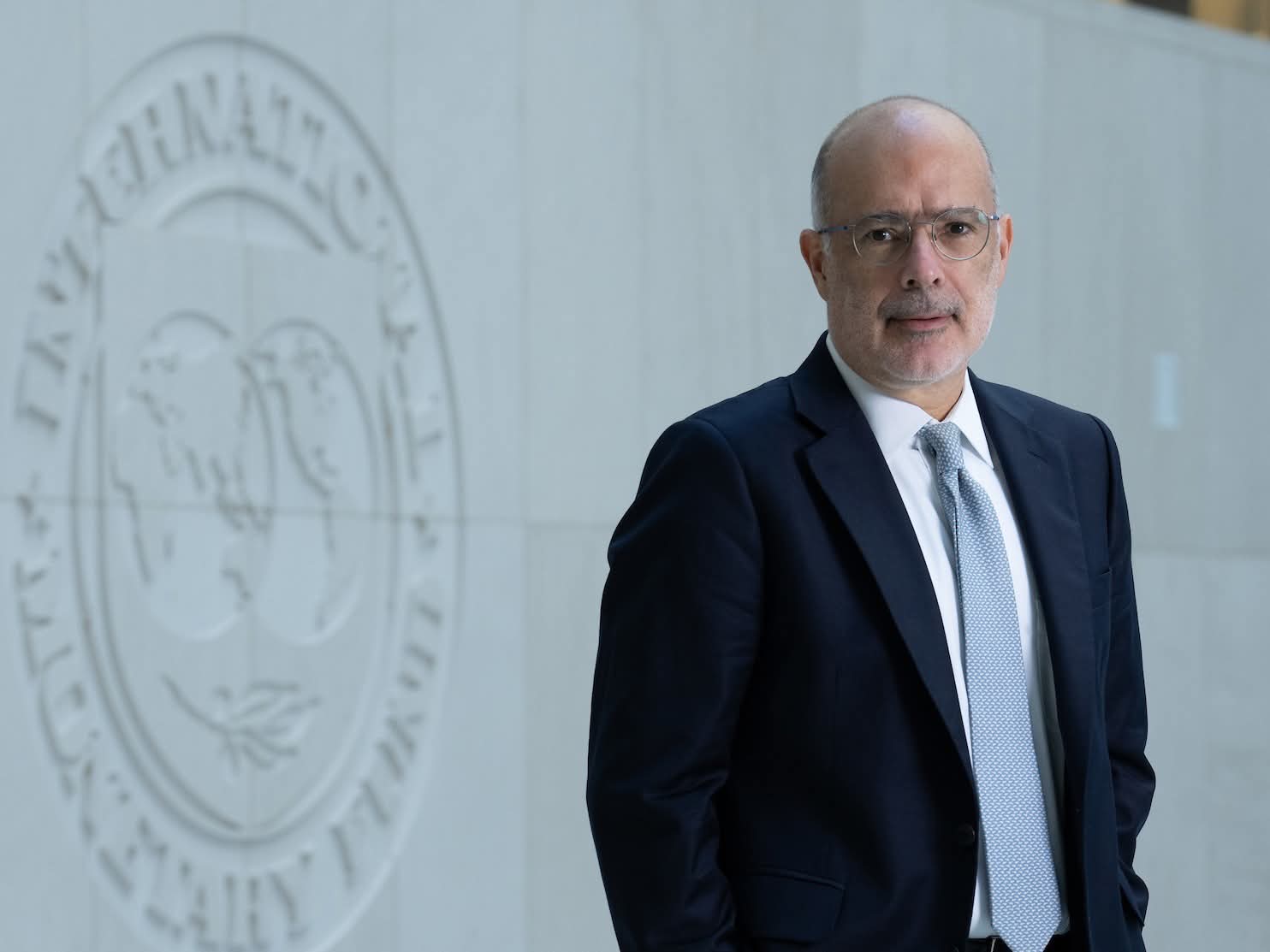
Rodrigo Valdés, director of the IMF’s fiscal affairs department, spoke during a press briefing on the fund’s fiscal monitor at the 2026 annual meetings of the IMF and World Bank in Bangkok, Thailand, on Wednesday.
His comments followed a question on how the fund could recommend allowing energy prices to reflect scarcity when higher fuel prices in Nigeria could raise transport costs, worsen inflation and deepen poverty, particularly when the government was facing calls to restore petrol subsidy ahead of an election year.
“Protecting people is not the same as protecting the price of fuels,” Valdés said.
He said fuel subsidies or measures preventing prices from adjusting fully to an energy shock had cost countries between 1 percent and 1.5 percent of gross domestic product (GDP) in 2026.
“It’s first fiscally very costly, and second, if you look at the pattern of consumption, it’s easy to see that that subsidy is readily regressive in many places,” he said.
Valdés said governments should instead use social safety nets and household data to identify people who need assistance.
“There are better tools to deal with this,” he said.
The federal government recently announced a 30-day petrol discount at Nigerian National Petroleum Company (NNPC) Limited retail stations, with priority for public transport operators, to cushion the impact of rising fuel prices.
Taiwo Oyedele, minister of finance, said NNPC retail would sell petrol at cost by foregoing its retail profit margin, describing the measure as temporary relief rather than a return to petrol subsidy.
The government also proposed negotiating a ceiling of N1,350 per litre on petrol’s ex-gantry or landing cost, subject to monthly reviews.
The IMF also recommended targeted interventions to cushion the effect of higher fuel prices on transportation costs.
Davide Furceri, a division chief in the fund’s fiscal affairs department, said governments could redirect some of the resources spent on blanket subsidies towards vulnerable consumers.
“For example, you mentioned transportation costs. Yeah, gasoline could go up, and perhaps bus fees may be subsidised in a way that is a much better policy at the end of the day than just a blanket subsidy for everybody,” Furceri said.
He also suggested alternatives such as school feeding programmes, geographical targeting and assistance for vulnerable farmers.
Furceri acknowledged that some countries lacked household registries and digital payment systems needed to deliver targeted support effectively.
However, he said governments could adopt alternative approaches in the short term while developing stronger systems.
He recommended that assistance should be limited, targeted and temporary.
Valdés explained that fuel subsidies could worsen global energy pressures by preventing demand from adjusting when supplies were constrained.
“When you subsidise, you don’t allow, at the end of the day, demand to adjust,” he said.
“And reality is that we have less fuels in the world economy. That means that someone else has to adjust more, and the market produces a higher price for that.”
The IMF official said subsidies were not only costly and regressive but could also have spillover effects on the global economy.

EFCC Reopens Atiku’s Alleged Financial Crimes Probe

APC Presidential Campaign Council: Nigerians Devoid Of Party Affiliations Endorses Tinubu’s 2nd Term-Kwankwaso

IMF to Nigeria: Don’t Bring Back Petrol Subsidy for Everyone, Help the Poor Instead

Alhaji Abba Yusuf At 81: A Life Of Service, Leadership And Traditional Responsibility

Ahmad Hamisu Gwale Wins NBMA National Award for Best Male Newscaster 2026

Zamfara Varsity ASUU Threatens Warning Strike Over FG-ASUU Agreement, Promotion Arrears

PCACC Arrests Man Over Alleged ₦4.5m Sale, Illegal Leasing of Kano Government Horse Stable

Goje’s Electoral War:The Confrontation With Tinubu,Governor Inuwa,Usman Kumo And APC candidates Ahead Of 2027

Prof Yusuf Adamu Delivers BUK’s 63rd Professorial Inaugural Lecture, Reflects on Medical Geography and Academic Legacy

RE:WE ARE UNDER SIEGE: TARABA MONARCH BREAKS SILENCE AS FULANI BANDITS OVERRUN THE ANCIENT KWARARAFA KINGDOM:
EFCC Reopens Atiku’s Alleged Financial Crimes Probe
APC Presidential Campaign Council: Nigerians Devoid Of Party Affiliations Endorses Tinubu’s 2nd Term-Kwankwaso
IMF to Nigeria: Don’t Bring Back Petrol Subsidy for Everyone, Help the Poor Instead
Alhaji Abba Yusuf At 81: A Life Of Service, Leadership And Traditional Responsibility
Ahmad Hamisu Gwale Wins NBMA National Award for Best Male Newscaster 2026
Zamfara Varsity ASUU Threatens Warning Strike Over FG-ASUU Agreement, Promotion Arrears
PCACC Arrests Man Over Alleged ₦4.5m Sale, Illegal Leasing of Kano Government Horse Stable
Goje’s Electoral War:The Confrontation With Tinubu,Governor Inuwa,Usman Kumo And APC candidates Ahead Of 2027
Prof Yusuf Adamu Delivers BUK’s 63rd Professorial Inaugural Lecture, Reflects on Medical Geography and Academic Legacy
RE:WE ARE UNDER SIEGE: TARABA MONARCH BREAKS SILENCE AS FULANI BANDITS OVERRUN THE ANCIENT KWARARAFA KINGDOM:
-

 Opinion5 years ago
On The Kano Flyovers And Public Perception
-

 Features5 years ago
How I Became A Multimillionaire In Nigeria – Hadiza Gabon
-

 Opinion6 years ago
Kano As future Headquarters Of Poverty In Nigeria
-

 History6 years ago
Sheikh Adam Abdullahi Al-Ilory (1917-1992):Nigeria’s Islamic Scholar Who Wrote Over 100 Books And Journals
-

 Opinion5 years ago
My First Encounter with Nasiru Gawuna, the Humble Deputy Governor
-

 History5 years ago
The History Of Borno State Governor Professor Babagana Umara Zulum
-

 History6 years ago
The Origin Of “Mammy Market” In Army Barracks (Mammy Ochefu)
-

 News5 years ago
Federal University Of Technology Babura To Commence Academic Activities September