
News
The Altercation Between Officer Yerima And The FCT Minister Wike: Nigerians Express Divergent Views
By Yusuf Danjuma Yunusa
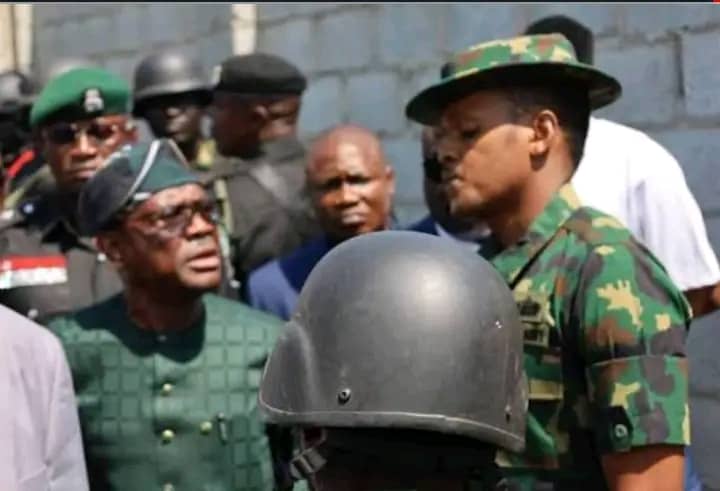
Yesterday afternoon, at about 3pm, a Naval officer with the name A. M Yerima was involved in a face-off with the serving minister of the federal capital territory, Nyesome Wike, over land issue.
The altercation led to Wike addressing the officer as a ‘fool’ severally despite Yerima being polite in his responses. With all the verbal abuses to the officer of the law from the minister, the viral video showed that the Yerima stood his ground and refused to allow Wike assess the land; while letting him know that he was acting based on an order from his superior.
With a roudy scene as shown in the video, Wike later put a call directly to the Chief of Defense Staff, Oluyede Olufemi, who, according to the video, was believed to had made him leave the scene.
What is Really The Story Behind The Altercation?
According to a video made by a practicing human rights lawyer, Deji Adeyanju, the said piece of land located at Gaduwa, in Abuja, belongs to a Chief Naval Officer. He acquired the land for his wife and started developing on it already when Wike’s men came threatening the builders to leave or they would be dealt with mercilessly. The development was reported to the Chief Naval Officer, and he ordered his boys to go to the location and make sure they were not harmed in any form.
Wike’s men having known that military officers had arrived, positioning themselves strategically on the piece of land, went to inform their superior who came and started verbal abuses.
Who Is Wrong?
With that exchange between the young, polite, and vibrant officer Yerima and Wike, some people are of the opinion that the officer was wrong to have come to the scene, as it’s not right for a military personnel to meddle in civilian cases like land dispute; citing the Land Acts section of law that prohibits such.
Conversely, others insist the officer wasn’t wrong, that it’s Wike–for addressing an officer of the law as a fool; noting that the said piece of land belongs to a 3–star General who acquired it for his wife. They further argued that Wike should have immediately reach out to the said 3–star General to find out the legality of his acquisition of the land instead of involving himself in an exchange with the officer to the extent he had to abuse in order to make a point.
What Does The Law Say?
According to another practicing lawyer, Osita Chidoka–the founder of Athena Centre For Policy And Leadership, he made two points known in his piece which he entitled: “Minister Wike: Power, Process, And The Rule of Law”:
One of the points was that the FCT Minister was wrong to have abused the officer verbally:
“Any law enforcement officer, in uniform or plain clothes, represents the President and the sovereignty of the Nigerian state. To abuse such an officer is to diminish the authority of the Republic itself,” he posted.
The second point was the process that Wike took the matter through. Osita explained that he would have taken the matter through the appropriate channels instead of trying to enforce an order himself while making verbal abuses.
“Executive authority must be exercised or adjudicated through the courts, ministries, and lawful instruments of state, never through confrontation. No matter how justified a grievance, a minister cannot become an enforcer; that violates the very idea of ordered government.
In a democracy, ministers act through process, not presence. A formal communication to the Minister of Defence, whose office oversees the Armed Forces, would have sufficed. If the officers were on illegal duty, the established disciplinary systems would have addressed it.”
Chidoka concluded by noting that the FCT Minister has dent the image of the office he holds by his uncouth behavior at the site:
“This episode is a cautionary tale: This episode demeans the dignity of the office of the Minister and undermines the image of disciplined governance.”
However, section 5 of the Land Use Act gives the Governor, or the FCT Minister in Abuja, wide powers to manage all land within their jurisdiction. In simple terms, this means the Governor can legally grant anyone the right to occupy and use land for any purpose—whether for housing, business, farming, or public use. The Governor can also authorise someone to use part of another person’s land for specific purposes, charge rent for land that has been allocated, and review or change that rent from time to time, as stated in the land documents or whenever necessary.
But that does not warrant him insulting an officer who, by extension, represents the president of the federal republic of Nigeria as the C-in-C of the armed forces.
Another lawyer, Muhammad Bello Buhari, stated that the laws vested on the FCT Minister, authorizing him to wield certain powers do not exonerate him from the uncouth behavior that he exhibited at the Gaduwa land scene.
“From the reports that have emerged, the land in question was acquired by the 23rd CNS, Vice Admiral AZ Gambo (Rtd), duly documented, and lawfully owned. Yet, under the present administration, it was suddenly revoked without justification, without notice, without compensation, and the minister personally led a team of police and bulldozers to enforce that revocation. How can a revocation of title be valid when it violates the due process prescribed by the same Land Use Act that confers power on the minister? Even under that law, revocation must be founded on overriding public interest, not personal vendetta or political motivation. And where revocation is done, the law requires notice and compensation. When none of these exist, what we have is not law, it is brute power,” Mr. Bello posted.
He continued, “Let us even assume, for argument’s sake, that the land was properly revoked. Should that justify the minister’s physical presence, berating and demeaning a presidential commissioned military officer on lawful duty, acting under the orders of a three-star general? The same law that vests authority in the minister also imposes boundaries on how that authority should be exercised. Power must always be subject to restraint, and leadership without discipline is the most dangerous form of lawlessness.”
Reacting to the development, the former Chief of Army Staff, Lieutenaant General Tukur Buratai(rtd), posted on his social media handle that Wike’s action undermines the security consciousness of the country:
“The events of November 11, 2025, involving the Minister of the Federal Capital Territory, Barrister Nyesom Wike, demand an immediate and serious response. His public disparagement of a uniformed officer of the Nigerian Armed Forces transcends mere misconduct; it represents a palpable threat to national security and institutional integrity,” he posted.
General Buratai concluded by urging the FCT Minister to tender an apology for the verbal abuses toward the officer:
“Consequently, Barrister Nyesom Wike must tender an immediate and unequivocal public apology to President Bola Ahmed Tinubu as Commander-in-Chief, the entire Armed Forces of Nigeria, and the specific officer whose honour was violated.
Our nation’s security must come first. It is time for decisive action, not politics of military bashing. The integrity of our Armed Forces demands nothing less.”






News
INEC Announces Job Vacancies for Accountants, Engineers, Admin, IT, Clinical Officers
By Yusuf Danjuma Yunusa
The Independent National Electoral Commission (INEC) has announced job vacancies for Nigerians seeking employment in various entry-level positions, including accountants, engineers, clinical officers, lawyers and other roles.
In a memo signed by the commission, INEC said the application period would run from Monday, July 20, to Monday, July 27, 2026.
“The recruitment exercise is aimed of strengthening the Commission’s institutional capacity in electoral administration, voter registration, data management, election logistics, and other critical electoral operations in furtherance of its constitutional mandate,” the memo reads.
The commission listed accountant, clinical officer, lawyer, ICT officer, engineer, quantity surveyor, registration area officer (administrative officer) and registration area officer (executive officer) among the available vacancies.
It noted that applicants must be Nigerian citizens by birth or descent and must present a valid Certificate of State of Origin duly signed by the chairman or secretary of their local government.
It added that certificates endorsed by liaison officers would not be accepted.
The commission also said applicants must be computer literate and not be above 35 years of age at the time of application.
According to INEC, applicants must possess good character, must not have been convicted of any criminal offence, and must be willing to serve in any part of the federation where they are assigned.
It added that applicants must demonstrate integrity, discipline and commitment to public service.
INEC said applicants should submit their applications online through the INEC Recruitment Portal by clicking on the “Vacancies” tab on the homepage, completing the appropriate application form, uploading all required credentials and submitting the application online.
The commission further added that only shortlisted candidates would be invited to the next stage of the recruitment exercise.
News
Kano Executive Council Approves ₦55.48bn for Schools, Roads, Healthcare, Water Project’s
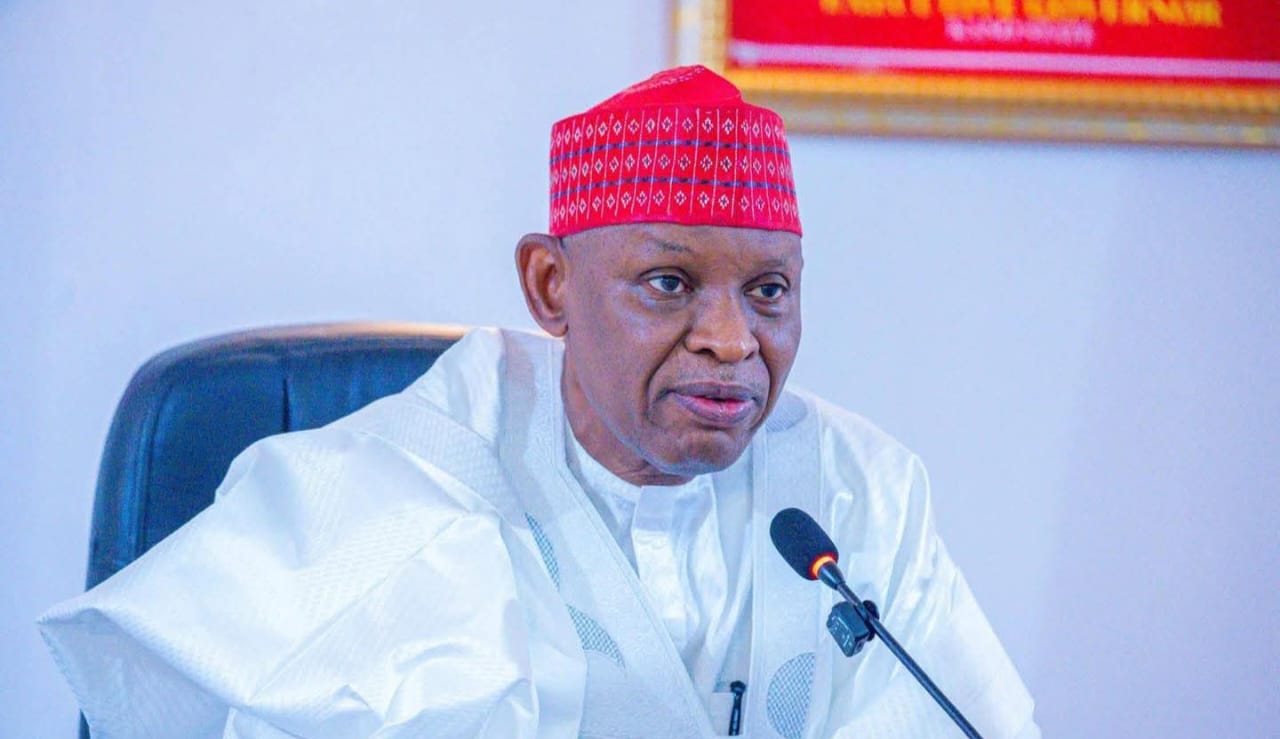
The Kano State Executive Council has approved projects and programmes worth ₦55.48 billion, with education receiving the largest share of the spending as the government intensifies efforts to improve infrastructure, healthcare, road networks, water supply and rural development across the state.
The approvals were made during the 40th Executive Council Meeting presided over by Governor Abba Kabir Yusuf at the Council Chamber, Government House, Kano.
Briefing journalists after the meeting, the Commissioner for Information and Internal Affairs, Comrade Ibrahim Abdullahi Waiya, said the Council approved a total expenditure of ₦55,475,406,487.82 for strategic projects designed to accelerate socio-economic development and improve the welfare of residents.
According to him, the approvals reflect the administration’s commitment to strengthening education, healthcare, road infrastructure, water supply, environmental sanitation, housing, rural development and public service delivery.
Education Takes the Largest Share
Education emerged as the biggest beneficiary, with the Council approving more than 30 projects involving the renovation and construction of schools, provision of classrooms, libraries, ICT centres, staff quarters, perimeter fencing, furniture and solar power installations across the state.
Among the major approvals were the rehabilitation of Sani Bello Science College, Dawakin Kudu at over ₦1.02 billion, rehabilitation of Science Secondary School, Dawakin Tofa worth ₦896.3 million, settlement of outstanding boarding school feeding bills amounting to ₦816.2 million, establishment of the Maryam Abba Yusuf Modern Learning Centre at Rijiyar Gwangwan, rehabilitation of 31 buses under the Girls Child Education Initiative, and procurement of educational materials for special education schools.
Major Investments in Healthcare
The Council also approved several healthcare projects aimed at expanding access to quality medical services.
These include the reconstruction and upgrading of primary healthcare centres in Kumbotso, Kiru, Dukawa, Gano, Warawa, Gwale and Nassarawa, procurement of medical equipment for Garun Malam General Hospital, Ghari General Hospital, and the Kano State Comprehensive Sickle Cell Treatment Centre at Murtala Muhammad Specialist Hospital.
Billions for Roads and Infrastructure
Road construction and infrastructure development also received significant attention.
Among the key approvals were:
Construction of the Ungogo–Minjibir Road valued at ₦10.47 billion.
Construction of the Kofar Waika–Turba–Gidan Siminti–Dorawar Dillalai Road traversing Gwale, Dala and Ungogo Local Government Areas at ₦3.67 billion.
Reconstruction of roads around Singer Market at ₦3.09 billion.
Reconstruction of Ali Yakasai and Tukur Roads in Nassarawa Local Government Area.
Installation of solar-powered street lights on major roads.
Completion of the New Kano State House of Assembly Office Complex and other public infrastructure.
Compensation for Road Projects
Under the Ministry of Land and Physical Planning, the Council approved over ₦6.5 billion as compensation to property owners affected by major road projects.
The beneficiaries include owners of 361 properties affected by the Kano Northern Bypass Road, 1,113 properties along the Gaya Dualised Road Project, and those impacted by the Kano–Dawakin Tofa–Gwarzo–Dayi Dualisation Project.
The Council also approved the purchase of a property at Kofar Nassarawa for conversion into an Islamiyya school for girls and women.
Water Supply, Environment and Flood Control
To improve water supply and environmental sanitation, the Council approved over ₦7 billion for the supply of diesel to water works, payment of electricity bills, annual desilting of drainage channels, cemetery intervention works, beautification of parks and construction of drainage systems across Gwale Local Government Area.
Housing and Rural Development
The Executive Council further approved the construction of perimeter fences and security gates at Kwankwasiyya City and Amana City, as well as the release of ₦1.169 billion as counterpart funding for the Rural Access and Agricultural Marketing Project (RAAMP).
It also approved the implementation of a Five-Year Kano Integrated Rural and Sustainable Community Development Framework.
Information Ministry Gets Broadcasting Equipment
The Council approved the procurement of modern broadcasting equipment for the Kano State Broadcasting Corporation, renovation of the office of the Commissioner for Information and Internal Affairs, and a two-day capacity-building workshop for public information officers across Ministries, Departments and Agencies.
Health Bills Head to Assembly
Beyond project approvals, the Executive Council approved the transmission of several health-related bills to the Kano State House of Assembly.
The proposed legislation includes the review of the Kano State Primary Health Care Management Board Law, the establishment of colleges of health sciences through the upgrading of health institutions in Kano and Bebeji, and the review of the Kano State Drugs and Medical Consumables Supply Agency Bill.
Council Bans ‘Daba’
The Council also declared the practice popularly known as “Daba” a deviant and unacceptable social act, directing security agencies and relevant government institutions to intensify enforcement against the practice.
It equally approved Kano State’s participation in the NG-CARES 2.0 Additional Financing Programme, aimed at expanding social protection initiatives, supporting vulnerable households and stimulating economic recovery.
Hajj, Halal Economy Receive Attention
Council members received a report on the successful conduct of the 2026 Hajj exercise, commending the welfare and safe transportation of Kano pilgrims.
They also received a presentation on the US$7.7 trillion Global Halal Economy, highlighting opportunities for Kano State to become a leading hub for Halal products and services.
Presentations were equally made on the Kano State Master Plan and achievements recorded in the revitalisation of regional water supply schemes.
Governor Receives Multiple Awards
During the meeting, Governor Abba Kabir Yusuf received several awards and recognitions from professional bodies, civil society organisations, youth groups, health institutions and media organisations in recognition of his administration’s performance in education, infrastructure, healthcare and public service.
Among the organisations that honoured the Governor were the Administrative Staff College of Nigeria (ASCON), the Computer Society of Nigeria, the Sickle Cell Foundation of Nigeria, the Association of Industrial Pharmacists of Nigeria, the Institute of Chartered Secretaries and Administrators of Nigeria, the Kano State Online Media Chapel, and several other professional and community organisations.
Speaking on the outcome of the meeting, Waiya said the decisions taken by the Executive Council underscore Governor Yusuf’s determination to deliver sustainable development and improve the quality of life of the people of Kano State through strategic investments in critical sectors
News
Kwankwaso Hails President Trump for Commending Tinubu’s Efforts in Securing Nigeria
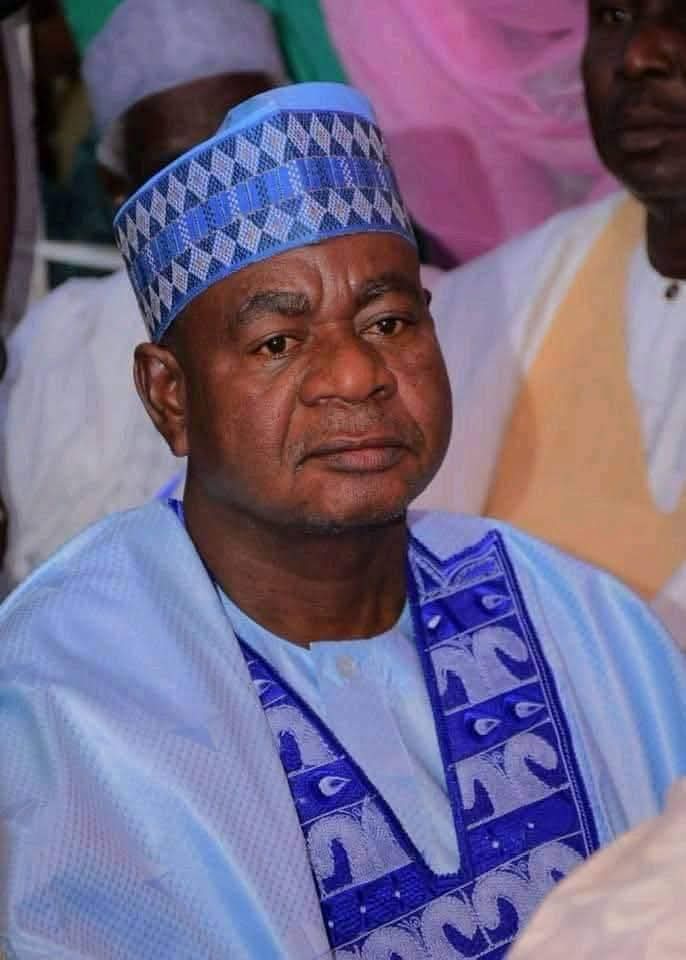
The persistent stance taken against every inch of insecurity in Nigeria by President Tinubu, which today earned him global commendations, including that of President Donald Trump of America, calls for the Nigerian opposition to stop baseless attacks on the government and join hands with the President to secure the nation.
This was the submission of Dr. Musa Illiyasu Kwankwaso, the Director of Finance, Hadejia Jama’are River Basin, in a release he personally signed and issued to newsmen.
Kwankwaso is of the view that despite the open commendations of great presidents of the world, including President Trump, President Tinubu has maintained a relentless position in ensuring that the nation’s citizens sleep with their eyes closed without fear.
“You can see that President Tinubu has earned great commendation from President Trump on his fight against insecurity. This is clearly an open fact that Nigeria today is getting it right and calls for every person who truly loves the country to give his support to the government.”
He added that, “Another thing of interest, and something that shows the love and concern President Tinubu has for Nigerians, is that he has given the go-ahead for the expansion of the nation’s military formations from eight to twelve.”
Bayo Onanuga, Special Adviser to the President (Information & Strategy), said in a release that President Bola Ahmed Tinubu has approved the expansion of the Nigerian Army’s structure from eight to twelve divisions—a landmark move to enhance the country’s security architecture and improve the operational effectiveness of the Nigerian Army.
Musa Illiyasu Kwankwaso highlighted that this approval underscores the President’s unwavering commitment to equipping the Armed Forces to address Nigeria’s evolving security challenges effectively and to further strengthen national defence capabilities.
He assured Nigerians that, sooner rather than later, citizens would be traveling freely from one end of the country to another without fear of being attacked.
The Director of Finance, Hadejia Jama’are River Basin, also commended Mallam Nuhu Ribadu, Ministers of Defence Badaru and Matawalle, as well as all the Service Chiefs, for their unwavering efforts in strengthening Nigeria’s security.
“Nigerians should pray for and appreciate these gentlemen for their total commitment to securing the country and freeing it from the shackles of insecurity.”

Kano Governor Yusuf Shortlisted for Africa’s SANKOFA Award of Excellence in Infrastructural Development

INEC Announces Job Vacancies for Accountants, Engineers, Admin, IT, Clinical Officers

Kano Executive Council Approves ₦55.48bn for Schools, Roads, Healthcare, Water Project’s

Kwankwaso Hails President Trump for Commending Tinubu’s Efforts in Securing Nigeria

Nigeria Senator Condemns Ted Cruz’s Remarks as Divisive and Dangerous

Alhaji Tijjani Rabiu Spikin: A Neighbour, Philanthropist, and Friend of Children

AI Delusion Among Students: When Smart Tools Start Replacing Real Connections, The Truth About AI And Student Life

From Corruption to Cannabis: As Governor Yusuf Puts Muhiyi, Anti-Graft Czar, in Charge of Kano Drug Crackdown

BUK Emerges Top Performing Nigerian University In Global Ranking
Open letter to Governor Abba Kabir Yusuf on the Need To Include PCN, NAFDAC In Special Task Force On Drug Abuse And Illicit Trafficking
Kano Governor Yusuf Shortlisted for Africa’s SANKOFA Award of Excellence in Infrastructural Development
INEC Announces Job Vacancies for Accountants, Engineers, Admin, IT, Clinical Officers
Kano Executive Council Approves ₦55.48bn for Schools, Roads, Healthcare, Water Project’s
Kwankwaso Hails President Trump for Commending Tinubu’s Efforts in Securing Nigeria
Nigeria Senator Condemns Ted Cruz’s Remarks as Divisive and Dangerous
Alhaji Tijjani Rabiu Spikin: A Neighbour, Philanthropist, and Friend of Children
AI Delusion Among Students: When Smart Tools Start Replacing Real Connections, The Truth About AI And Student Life
From Corruption to Cannabis: As Governor Yusuf Puts Muhiyi, Anti-Graft Czar, in Charge of Kano Drug Crackdown
BUK Emerges Top Performing Nigerian University In Global Ranking
Open letter to Governor Abba Kabir Yusuf on the Need To Include PCN, NAFDAC In Special Task Force On Drug Abuse And Illicit Trafficking
-

 Opinion4 years ago
On The Kano Flyovers And Public Perception
-

 Features5 years ago
How I Became A Multimillionaire In Nigeria – Hadiza Gabon
-

 Opinion6 years ago
Kano As future Headquarters Of Poverty In Nigeria
-

 History5 years ago
Sheikh Adam Abdullahi Al-Ilory (1917-1992):Nigeria’s Islamic Scholar Who Wrote Over 100 Books And Journals
-

 Opinion5 years ago
My First Encounter with Nasiru Gawuna, the Humble Deputy Governor
-

 History5 years ago
The History Of Borno State Governor Professor Babagana Umara Zulum
-

 History5 years ago
The Origin Of “Mammy Market” In Army Barracks (Mammy Ochefu)
-

 News4 years ago
Federal University Of Technology Babura To Commence Academic Activities September