
News
Breaking:IPMAN cautions 14th Emir Of Kano, Gov. El-Rufa’i against bringing capitalists ideologies
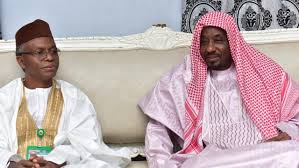
The Independent Petroleum Marketers Association of Nigeria (IPMAN) has called on the former Emir of Kano, Alhaji Muhammad Sanusi II and Kaduna State Governor, Mallam Nasiru El-Rufa’i to stop making unguarded comments on the oil and gas sector, saying with the current economic situation in the country removal of fuel subsidy will cause more hardship for Nigerians especially the common man.
The IPMAN Chairman Northern chapter, Alhaji Bashir Danmalam made the remark while speaking with newsmen in Kano on Tuesday.
According to Danmalam, the former Central Bank Governor and El-Rufa’i had for long been talking about the removal of subsidy at every fora they found themselves.
“What happened after the subsidy of gas (desiel) was withdrawn. The price of anything you can think of has gone up as a litre of diesel is now being sold at N850,” the IPMAN Chairman said.
Danmalam was reacting to Sanusi’s comments at the 7th edition of the Kaduna Economic and Investment Summit where he was full of pity for the incoming President on account of the scale of the economic challenges awaiting him, particularly the knotty issue of petroleum subsidy and debt servicing.
“The reform of the oil sector has already started by the passing of the PIA by Mr President, with a 24 months transition period.
“The management of NNPC must be commended for their consistency in seeing the Petroleum Industry Act (PIA) was passed and implemented to the letter
Danmalam further said, “Today halfway through the transition period, NNPC has completed its transition and is now a full fledged limited liability company with strategic commanding shares in the nearly completed Dangote refinery, the largest refining in the world.
It means that as Nigeria exits fuel subsidy the management of NNPC has invested wisely in local refining capacity to boost domestic consumption, eliminate importation, ease the pressure on our forex, straighten the Naira, provide jobs and boost our GDP. Mele Kyari and his team deserve commendation for their doggedness, patriotism and nationalism.
The issue of removing fuel subsidy has to be gradual in order to make it effective and result-oriented for national economic growth and development.
He noted that the governors and their states have always been fed mainly by the hard work and earnings of NNPC over the years, adding now that NNPC has moved on, let’s see how the states fare.
On the volume of petrol being consumed in Nigeria on a daily basis, Danmalam advised the former Emir and Governor El-Rufa’i to visit all the depots where the product is being kept before distribution to ascertain whether it is being imported or not.
He said there was a time the association wrote to President Muhammadu Buhari calling on his government to constitute a committee including National Bureau of Statistics ( NBS) and all the relevant stakeholders to investigate the volume of fuel being imported and consumed on a daily basis.
According to Danmalam, If the former emir and Governor El-Rufa’i were smart they would have helped Kaduna state to be independent of FAAC allocation like what Tinubu and his successors did by making Lagos to survive even without FAAC allocation, but they did not.
“The concern of the duo is to see that the Federal Government removed subsidies so as to make life more difficult for the less privileged citizens of the country.
“It’s high time for the former Emir to stop bringing his capitalists’ ideologies into the country in order to maintain his dignity.
He, therefore, advised the duo to concentrate on what would be of benefit to the citizens rather than continue to talk on issues that are anti masses or the common man.









News
Ebola: NCDC to Provide N100,000 Weekly Allowance for Isolated People
By Yusuf Danjuma Yunusa
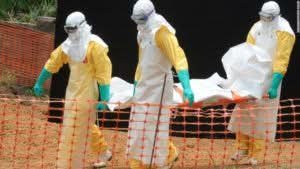
The Nigeria Centre for Disease Control and Prevention has announced the provision of a N100,000 weekly allowance for each of the 53 isolated contacts traced to the female Ebola patient in Abuja.
Jide Idris, NCDC director-general, told reporters on Sunday, stating that the stipend became necessary after isolated people complained about the financial impact of their isolation on their families.
“We are paying for their accommodation; we are paying for their feeding. Some of them are asking for a stipend to maintain their families,” the NCDC boss said.
He added, “We are providing N100,000 per person per week just to maintain their comfort and feeding, because they were complaining.”
Mr Idris explained that the allowance is an unplanned emergency measure that could be reviewed as the situation evolves.
“This was not planned for, but it is an emergency. We will continue to review it as we go along,” Mr Idris said.
That the Ebola patient was discovered in FCT, according to Mr Idris, did not mean the responsibility for managing the outbreak rested solely with the FCT government.
He enjoined other states to prepare to support persons impacted by public health emergencies, should any case be detected in their jurisdiction.
“This is not the responsibility of the FCT alone. What we have to do for the FCT, we have to do for any other state, just in case,” he said.
He confirmed the isolation of seven additional persons linked to the Ebola virus patient in Abuja, raising the number of isolated persons to 53.
Peoples Gazette last week reported that NCDC added the patient’s two domestic staff to the 44 isolated persons.
“As of now, we have 53 primary contacts. These comprise 44 people from the health facility where the patient was treated and nine additional contacts,” the NCDC boss said at a press briefing on Sunday.
He explained that the newly traced contacts were largely the healthcare workers who first attended to the patient in Julius Berger Clinic before she went to Nizamiye Hospital, where she was diagnosed with Ebola.
Mr Idris said none of the isolated people has, so far, tested positive to the virus.
A 42-year-old female patient, who was born in Uganda and married to a Swiss diplomat, tested positive to the Bundibugyo strain of the Ebola virus disease on October 20.
She had departed Uganda for Nigeria on October 3.
Nigeria’s health minister Ali Pate said genomic analysis indicates that the virus identified in Nigeria is highly similar to the case reported in Kenya.
He implied that there was a high possibility that the patient in Nigeria crossed paths with a Kenyan man at the airport in Uganda. The Kenyan man died days after arriving in Nairobi.
Uganda’s Ministry of Health denied exporting the virus to Nigeria, reaffirming its Ebola-free status as declared by the World Health Organisation in August.
News
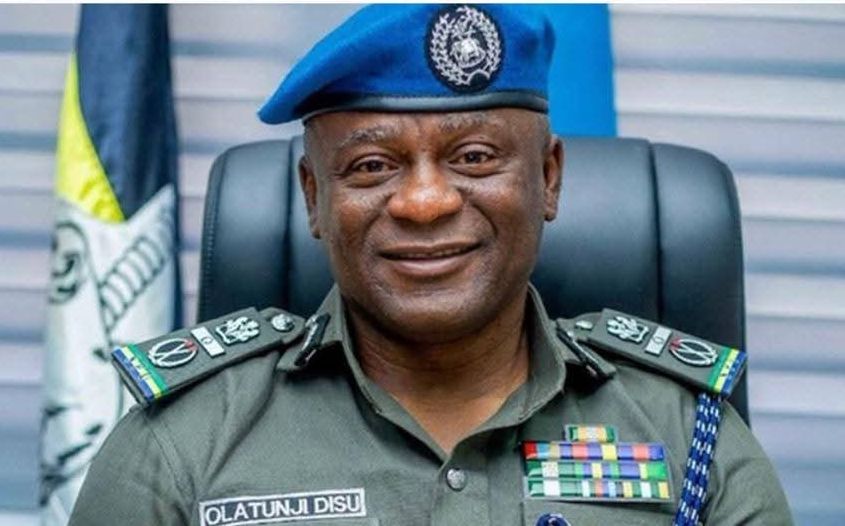
IGP Proposes 200% Gratuity, Pension for Retired Officers
By Yusuf Danjuma Yunusa
Inspector-General of Police Olatunji Disu has proposed a 200 per cent gratuity and pension for retired police officers as part of the ongoing reforms in the Nigeria Police Force.
Mr Disu told journalists on Sunday in Abuja that the proposal was before a presidential committee set up to examine police concerns and recommend sustainable solutions.
He said the proposal was to intensify efforts to secure improved retirement benefits for personnel of the Nigeria Police Force (NPF) and address the longstanding pension challenges.
The IGP also said the committee was made up of representatives of the Ministry of Finance and the Office of the Accountant-General of the Federation.
According to him, other representatives in the committee are the National Salaries, Incomes and Wages Commission, the Budget Office of the Federation, and the National Pension Commission (PenCom).
“Under the proposed arrangement, eligible officers can retire on pension benefits linked to their last salaries, alongside the enhanced gratuity,” the IGP said.
Mr Disu said the package was also expected to address recurring protests by serving officers, seeking to exit the Contributory Pension Scheme (CPS), a contentious issue within the force.
“The initiative is aimed at resolving the outstanding pension liabilities, providing more adequate retirement benefits, and creating a more efficient pension administration system.
“It also seeks to cover officers who retired before the new framework takes effect, with provisions to review their benefits in line with the revised terms, rather than limiting reform to future retirees,” he said.
The IGP said the intervention of President Bola Tinubu in the police pension crisis had raised expectations among retired officers, who had long complained about inadequate benefits, delayed payments, and administrative bottlenecks.
According to him, for many pensioners, timely access to benefits is essential for meeting household expenses and medical bills amid rising living costs.
He said the federal government had cleared the backlog of pension payments that previously left some retirees waiting for up to two years and introduced pension increment.
Mr Disu revealed that some of the beneficiaries currently receive almost double their previous payments.
“Our engagement with the presidency, PenCom, and other relevant institutions is seen as important to sustain the NPF reform momentum.
“The committee is expected to recommend measures on outstanding liabilities, funding arrangements, and benefit administration.
“It is also to provide a framework to resolve pension challenges and improve coordination among the institutions responsible for policy, funding, and administration,” he said.
He added that the proposal remained subject to the committee’s deliberations, relevant government approvals, funding arrangements, and implementation guidelines.
Mr Disu said the 200 per cent gratuity should not be regarded as approved or existing entitlement, adding that the final outcome would determine whether it would be adopted.
News
Dagumawa Promises to Connect Wudil/Garko to Global Economy Through ICT Hub
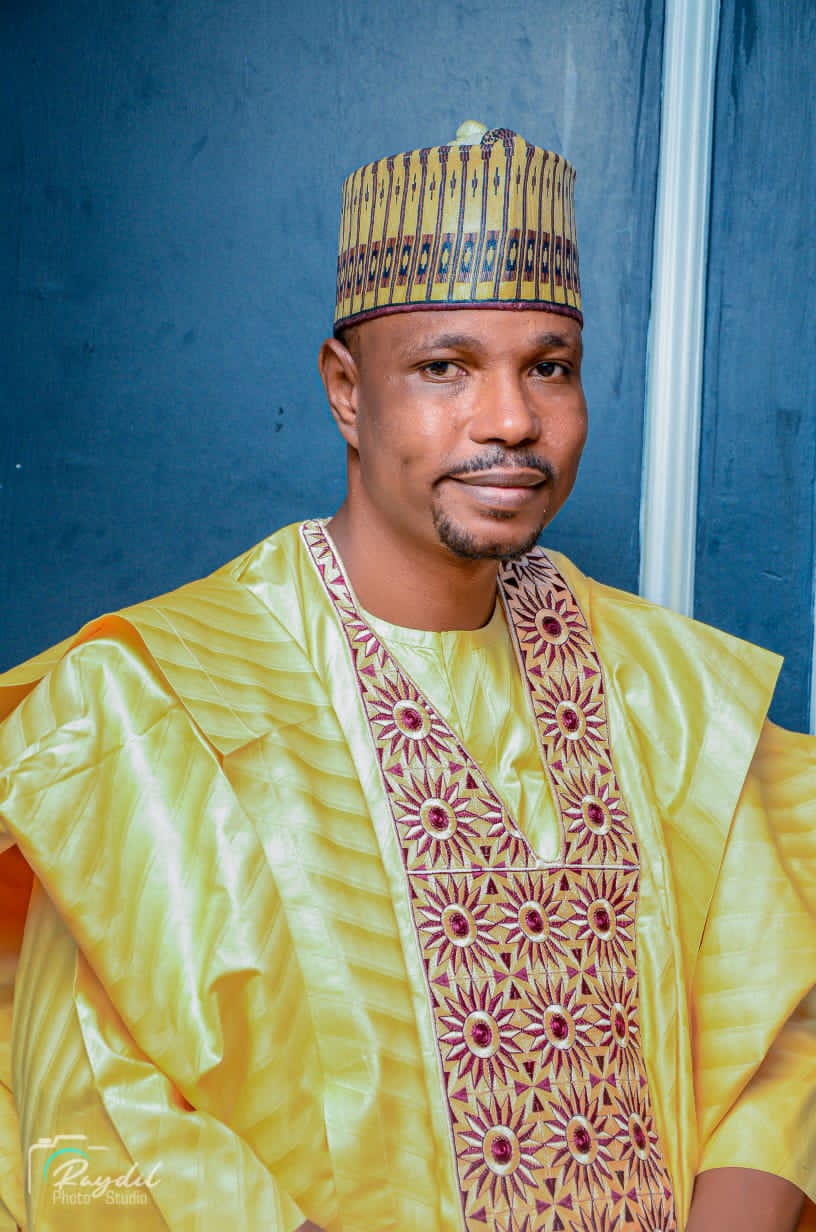
The House of Representatives candidate for Wudil/Garko Federal Constituency under the platform of people’s redemption party in Kano State, Rufai Dagumawa, has pledged to establish an Information and Communication Technology (ICT) hub in Garko to equip young people with digital and technical skills and connect them to the global economy.
Dagumawa made the pledge in an interview with Nigerian Tracker after a stakeholders’ meeting held in Kano, where he outlined his vision for addressing socioeconomic challenges in the constituency through technology-driven empowerment.
The candidate said he believed that sustainable development required a proper understanding of the underlying causes of socioeconomic problems rather than adopting temporary measures that failed to provide lasting solutions.
According to Dagumawa, many people discuss the challenges confronting their communities without fully understanding the issues or identifying practical ways to resolve them permanently.
He said he had been considering different approaches to addressing the problems facing Wudil and Garko, adding that his proposed interventions would focus on practical solutions that could improve the lives of residents.
Dagumawa argued that Garko Local Government Area could address many of its development challenges through targeted interventions, noting that its circumstances differed from those of larger metropolitan local government areas.
He maintained that establishing an ICT hub would provide an opportunity to equip young people with marketable skills and create sustainable employment opportunities within the constituency.
“Information and Communication Technology is the key to success in today’s world,” Dagumawa said, explaining that technology had become an important tool for economic growth and development across different countries.
He cited countries such as Singapore, Malaysia and Argentina as examples of places where technology and sophisticated ICT infrastructure were being used to support development and improve access to technical services.
Dagumawa said his plan, if elected, would involve bringing experts to Garko to train young people in the production of mobile phone accessories, including screen protectors and phone chargers.
He explained that the proposed centre would also provide practical training in phone repairs, laptop and desktop computer repairs, as well as other ICT-related services that could enable participants to earn a living through technical expertise.
The candidate said the initiative would go beyond conventional empowerment programmes by equipping beneficiaries with skills they could use to establish businesses, provide services and compete in an increasingly technology-driven economy.
According to him, the availability of technical support services and ICT training facilities would create opportunities for young people to develop specialised competencies and respond to the growing demand for digital and electronic services.
Dagumawa added that the proposed hub would help bridge the gap between young people in Wudil/Garko and opportunities available in the wider economy by giving them access to skills that could be applied locally and internationally.
He described the initiative as a form of sustainable empowerment that could provide young people with long-term livelihood opportunities rather than temporary financial assistance.
The candidate said his ultimate objective was to create a system through which young people in the constituency could acquire practical knowledge, become economically productive and contribute to the development of their communities.
Dagumawa maintained that connecting Wudil/Garko to the global economy through technology would require deliberate investment in skills acquisition, technical training and access to modern ICT services.
Dagumawa also pledged to address drainage problems in Garko, saying his approach would focus on identifying the root causes of the challenges and implementing lasting solutions rather than temporary measures.
The House of Representatives candidate said many people discussed socioeconomic problems without adequately understanding their underlying causes, stressing that effective leadership required careful thinking and practical plans to resolve such challenges permanently.
According to Dagumawa, he had been considering different approaches to addressing the drainage challenges confronting the area, adding that he was committed to finding solutions that would improve the living conditions of residents.
He argued that addressing the drainage system in Garko was achievable with targeted interventions, noting that the local government did not face the same scale of challenges as some larger metropolitan areas.
Dagumawa said his proposed intervention would focus on resolving the drainage problems through practical measures designed to provide lasting relief to residents, although he did not provide specific details of the proposed projects.

Ebola: NCDC to Provide N100,000 Weekly Allowance for Isolated People

IGP Proposes 200% Gratuity, Pension for Retired Officers

Dagumawa Promises to Connect Wudil/Garko to Global Economy Through ICT Hub

Hamma Urges Political Candidates to Prioritise Unity, Ideology Over Personal Interests

Open The Social Sciences “A Tribute to a Heterodox Scholar: Mallam Ibrahim Muazzam

PCACC Arrests Man Over Alleged ₦4.5m Sale, Illegal Leasing of Kano Government Horse Stable

Kano Monitors ₦48.9bn Projects Across Six LGAs

Kano Spends ₦10.36bn on Hospitality, Sitting Allowances, Others in Six Months

Goje’s Electoral War:The Confrontation With Tinubu,Governor Inuwa,Usman Kumo And APC candidates Ahead Of 2027
Open The Social Sciences “A Tribute to a Heterodox Scholar: Mallam Ibrahim Muazzam
Ebola: NCDC to Provide N100,000 Weekly Allowance for Isolated People
IGP Proposes 200% Gratuity, Pension for Retired Officers
Dagumawa Promises to Connect Wudil/Garko to Global Economy Through ICT Hub
Hamma Urges Political Candidates to Prioritise Unity, Ideology Over Personal Interests
Open The Social Sciences “A Tribute to a Heterodox Scholar: Mallam Ibrahim Muazzam
PCACC Arrests Man Over Alleged ₦4.5m Sale, Illegal Leasing of Kano Government Horse Stable
Kano Monitors ₦48.9bn Projects Across Six LGAs
Kano Spends ₦10.36bn on Hospitality, Sitting Allowances, Others in Six Months
Goje’s Electoral War:The Confrontation With Tinubu,Governor Inuwa,Usman Kumo And APC candidates Ahead Of 2027
Open The Social Sciences “A Tribute to a Heterodox Scholar: Mallam Ibrahim Muazzam
-

 Opinion5 years ago
On The Kano Flyovers And Public Perception
-

 Features5 years ago
How I Became A Multimillionaire In Nigeria – Hadiza Gabon
-

 Opinion6 years ago
Kano As future Headquarters Of Poverty In Nigeria
-

 History6 years ago
Sheikh Adam Abdullahi Al-Ilory (1917-1992):Nigeria’s Islamic Scholar Who Wrote Over 100 Books And Journals
-

 Opinion5 years ago
My First Encounter with Nasiru Gawuna, the Humble Deputy Governor
-

 History5 years ago
The History Of Borno State Governor Professor Babagana Umara Zulum
-

 History6 years ago
The Origin Of “Mammy Market” In Army Barracks (Mammy Ochefu)
-

 News5 years ago
Federal University Of Technology Babura To Commence Academic Activities September