
Opinion
The Plight Of Farida-Eugenia Abu

By Eugenia Abu
It has often bothered me that twenty-six years after we arrived Beijing and committed to the 12 critical areas of concern for the advancement of women worldwide that we are still talking about those things that undo us as humanity and disempower us as a nation. I was a proud delegate to the Beijing 1995 women’s conference and even then, conversations about giving women a fair and equitable chance to contribute to National development were met with all manners of obstacles but as Maya Angelou famously declared “Still we arise”.
As a people, Nigerians are some of the most amazing in the world, big hearted and giving, communal and charitable and brilliant to boot. But our realisation of the role our women can play in pushing the nation forward still needs a lot of work. And therein lies the plight of Farida. I tell Farida’s tale in order for us to understand the power of supporting any process that improves the plight of women in our land.
Yusuf could hear the groaning from his room. He turned severally on the bed unable to sleep. His wife Maimuna sat up; her nightshirt drenched in sweat. It was difficult for her to sleep as well.
It was two years ago that they had agreed to marry off Farida, their first daughter to a man, about her father’s age. Farida had expressed her displeasure and told anyone who cared to listen that she wanted to go to school. Moreover, she did not like her suitor. But no one was listening. Her Father told her she would grow to like her suitor and explained further that it was for the family. Do you want us to die in penury? Farida looked at her mother with pleading eyes. Her mother nodded consent and looked the other way. Now Farida’s husband, Mallam Musa did not want her anymore and the reason is clear. She was now an expendable individual, used and dumped.
The beautiful life of the Nigerian university lecturers that you do not know
The groans from her room were sad and harrowing. At barely Sixteen, Farida was just a child and went on to carry a child. The entire process overwhelmed her fragile biology and destroyed her life. At the hands of a traditional birth attendant with little knowledge, she suffered the worst tear, lost her baby and ended up with Vesico Vagina Fistula. This is an opening that develops between the wall of the bladder and the vagina which leads to continuous leakage of urine.
And incontinence This abnormal opening can be caused by injury from prolonged labour, surgery or an infection. This injury caused by prolonged labour often occurs in young brides carrying a baby which their bodies are not capable of dealing with.
In addition to the Fistula, Farida also suffered physical violence at the hands of her husband leaving a deep scar on her leg that caused her enormous pain. Add this to the stigma, the foul smell around her and the pain of no longer going to school. At only 18, Farida’s life has been cut short, school abandoned and the money the parents got from the marriage is not enough for her treatment and repair. Today as Farida wails, her parents look at each other in regret. Vivid as this story is. It is all true! Who will help Farida and how can we stop this violence against our daughters?
Worldwide one in three girls are subjected to one form of gender-based violence or the other but Nigeria has the third highest cases of child marriage and female genital mutilation numbers, globally. Statistics show that 8% of girls aged between 15-18 are married before age 15, while 43% are married before age 18, in addition, girls between 0-14 years have undergone one form of genital mutilation or another. This is a huge deprivation of girls who end up like Farida, unable to help themselves or contribute to society. How many persons in Nigeria really want their daughters to end up like Farida? I doubt that there are. Scholars and Medical Doctors, Stamakos et al, writing in the Indian Journal of Surgery in 2014 capture the most important factors contributing to Obstetric Fistulas in Africa as socio-economic.; early marriage, low social status for women, malnutrition and inadequately developed socio-economic infrastructures especially in poor areas. They put the prevalence of the disease in Africa and narrow it in Nigeria to the North.
I am particularly concerned that domesticating international instruments concerning women’s issues in Nigeria continue to face obstacles that are difficult to fathom.
The proposed Gender and equal opportunities Bill have made far reaching provisions for people like Farida and her parents. One of these provisions is found in section 13 captured under the title, the rights of persons living in rural communities. This section provides for education for both men and women living in rural areas particularly women to enable them benefit directly from social security programmes and obtain all types of training and education both formal and informal would include that relating to functional literacy and opportunities through employment and self-employment. This section also provides for access to agricultural credit and loans, marketing facilities and appropriate technology for women. Can we all see the benefit to Farida’s parents and how Farida’s sad condition could have been avoided? No one would have needed to trade a girl-child for money.
The proposed Bill also advocates 18 years as the age of consent for marriage I believe that if things are in place as they ought to be Farida would today be the pride of her family, marry well, assist her family because she is educated and contribute to a healthy family life which in turn leads to National development.
No nation succeeds by using only half of its resources. Nigerian women are 49.32% of the population. Times are changing and our nation must also change with the times. We must retain those parts of our culture that are positives and begin to do away with the ones that bring sorrow to people like Farida and her family. Women hold half the sky. Let us support our wives, daughters, aunt’s and friends. It is possible if we pass the Gender and Equal Opportunities Bill.
Abu is a Nigerian broadcast journalist, writer, poet and media consultant. She writes in from Abuja
(The Lead News)
Opinion
Fifty Years, Four Terms. A Life Of Enterprise, Scholarship And Public Service-By Abbas Tajuddin
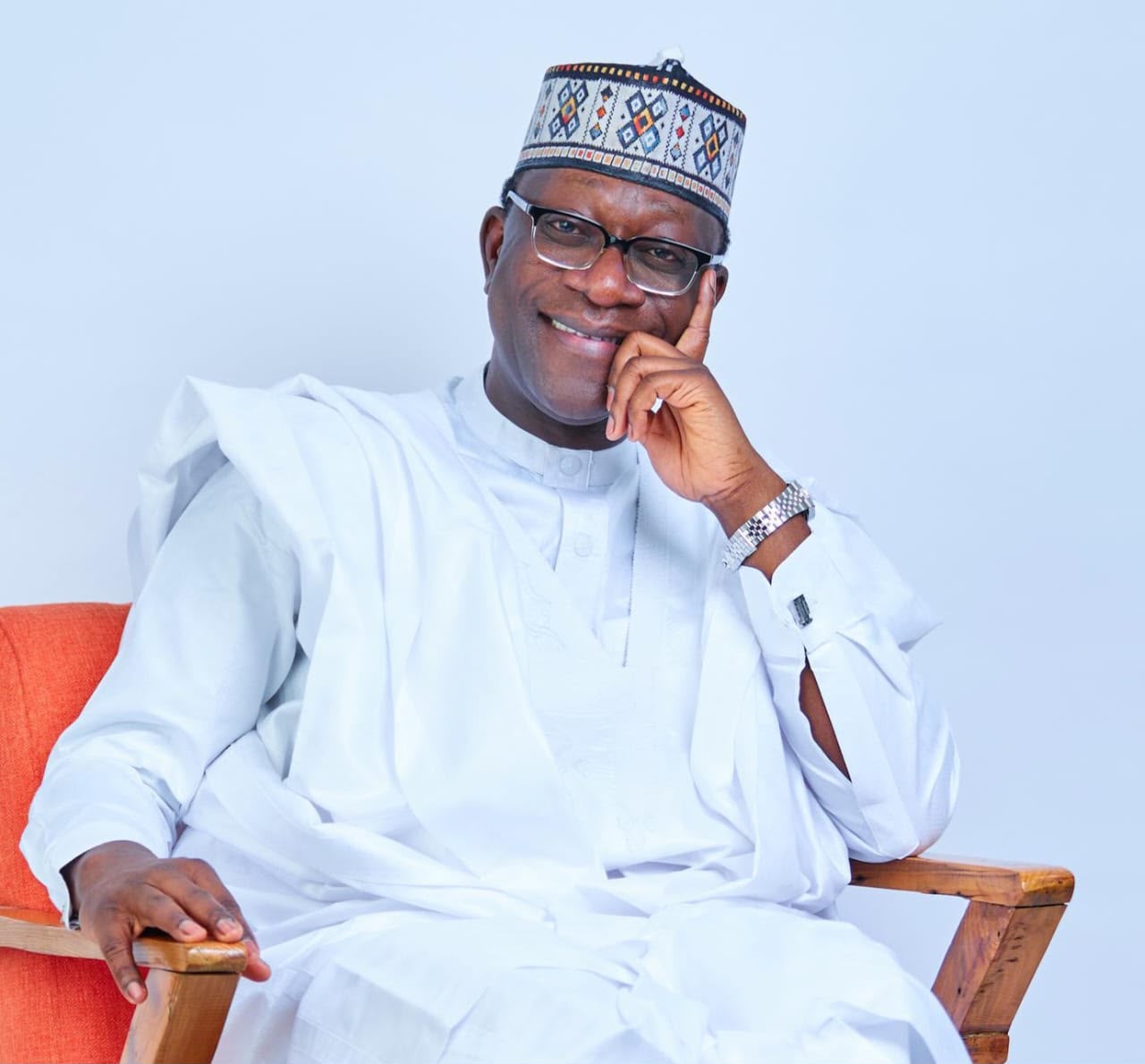
Today, I celebrate my colleague and friend, Hon. Abdulmumin Jibrin Kofa, as he attains the golden milestone of 50.
Turning 50 is more than a birthday; it is a moment to pause, reflect and appreciate a journey already rich in accomplishment, service and impact.
Over four terms in the House of Representatives, Abdulmumin has brought to our legislative enterprise a rare combination of intellectual depth, business experience, courage and an unmistakable independence of mind. From his leadership of key committees, including Finance, Appropriations, Land Transport, Foreign Affairs, and Housing and Habitat, his contributions have reflected a strong grasp of public finance and a broad understanding of national affairs.
He is, without doubt, one of the sharpest minds in our Parliament. His academic accomplishments, including two PhDs and an MBA, his experience in business and academia, his executive education at leading institutions, and his service at the Federal Housing Authority have all contributed to the distinctive perspective he brings to public service.
But beyond the degrees, positions and accomplishments is a man who has never been afraid to speak his mind.
Abdulmumin is forthright. He is courageous. He is independent-minded. And he is never one to hide his convictions.
In a Parliament, such voices matter. A healthy legislature must have room for principled disagreement, robust debate and legislators willing to speak for what they believe is right and in the interest of their constituents.
As you celebrate 50, dear Abdulmumin, I celebrate not only the milestones behind you but also the possibilities ahead.
On behalf of the leadership and the entire membership of the House of Representatives, I wish you good health, renewed strength, greater accomplishments and many more years of impactful service to your constituents and our dear nation.
May the next chapter be even greater than the first five decades.
Happy 50th Birthday, Hon. Abdulmumin Jibrin Kofa.
Opinion
A FRIEND’S LETTER TO ABDULMUMIN AT FIFTY
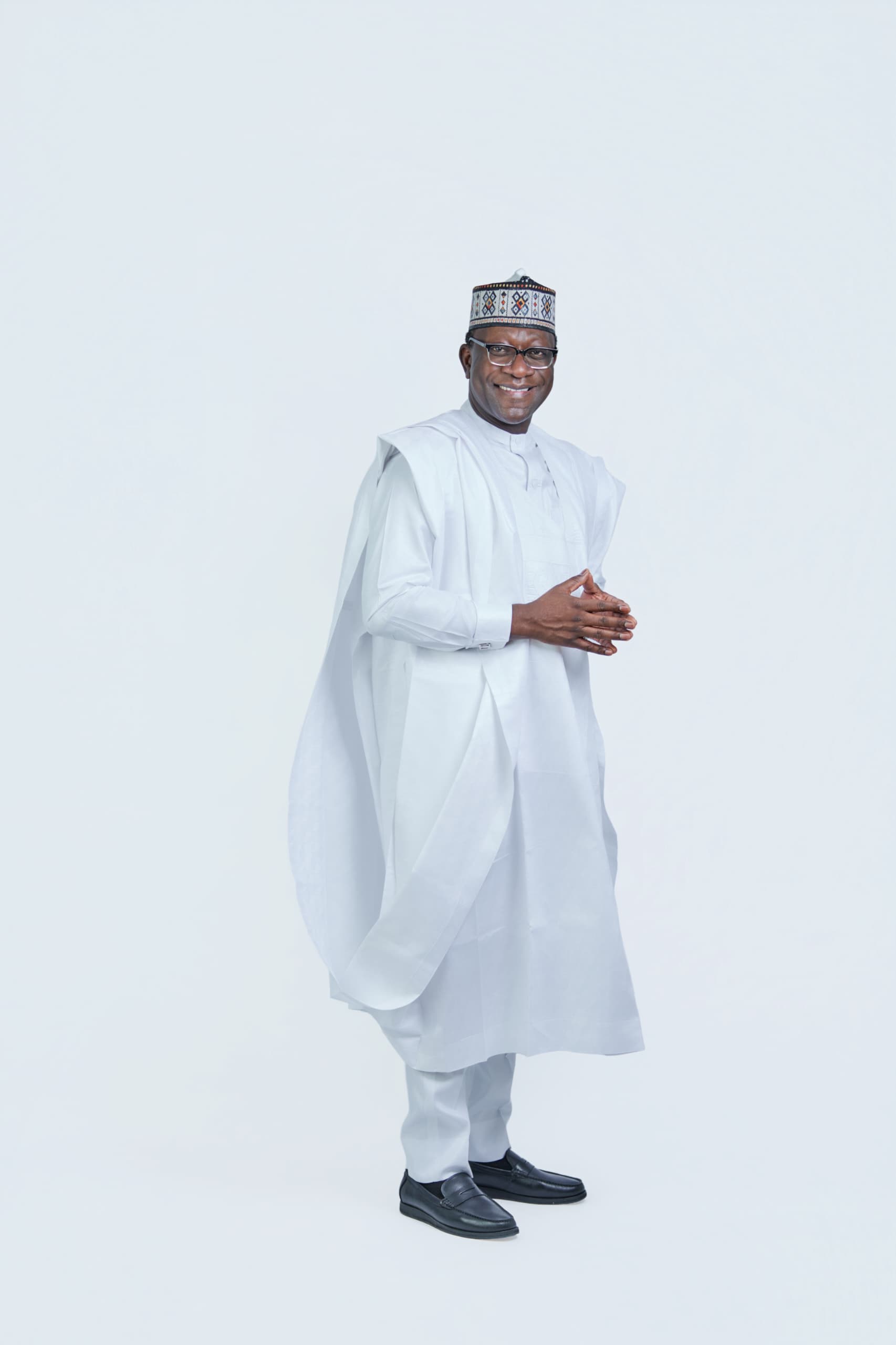
By Barr. Ismaeel Ahmed, OON
There is a particular privilege in knowing someone before the world decided who they were going to be; before the titles, the cameras, the offices and the public arguments. I have had that privilege with Abdulmumin Jibrin.
I knew Abdulmumin long before most people knew him as they do today, before the National Assembly and before the many chapters of public life that have since defined his name. So, as he turns fifty, I find myself writing not about the Honourable Member for Kiru and Bebeji, but about my friend, my older brother and school father. That distinction has always mattered.
I remember someone whose mind never seemed to rest. Chairman, as we fondly call him, could take an idea everyone else had accepted, turn it around repeatedly, question it from every direction and continue long after the rest of us had become tired of the conversation. I used to tease him about it, and sometimes I still do. But over the years, I have come to understand that this intellectual restlessness is at the very centre of who he is.
It explains the businessman, the teacher, the politician and the scholar who earned a PhD in International Relations and, years later, returned to Bayero University Kano for another in Economics. Chairman has never believed that learning has an end point. He is always searching for the next question and, inevitably, the better answer.
Yet, for all his accomplishments, what I value most about him is something much simpler: his loyalty. He remembers people. He remembers friendships, kindnesses and those who stood with him when there was little to gain from doing so. Beneath the forcefulness that people see in public is a tenderness and generosity that those who know him closely understand very well.
I have also had the privilege of seeing him through both triumph and adversity. His political journey has had its share of difficult seasons, some of them difficult enough to discourage almost anyone. But Chairman has an extraordinary capacity to return. He reflects, recalibrates and rises again. Not because the fall did not hurt, but because he has always believed that a difficult chapter does not have to be the end of the story.
Perhaps that is one of the most important lessons of his first fifty years. We are not measured by never falling. We are measured by what we learn from the fall and whether we find the courage to rise again.
Another quality I have come to admire is his ability to create room for other people to grow. He does not merely occupy spaces; he opens conversations, shares ideas and encourages those around him to think beyond their immediate circumstances. Many people have benefited from his advice, introductions, encouragement and willingness to challenge them to become better versions of themselves. That influence may not always be visible, but it is one of the lasting marks a person leaves on the lives of others.
He also possesses a rare ability to remain connected to his roots while engaging confidently with the wider world. Whether in the classroom, the boardroom, the political arena or among friends, he carries with him a strong sense of identity and responsibility. His journey has taken him through different institutions and experiences, but it has not separated him from the people, values and community that shaped him. That balance is not easy to maintain, and it is one of the reasons his story continues to resonate with many people.
At fifty, therefore, I am less interested in counting Abdulmumin’s offices, businesses, degrees or political accomplishments. I think instead of the full measure of the man I have known: the businessman who understood risk, the scholar who never stopped learning, the politician who survived both victory and defeat, and the friend who still remembers to call.
Fifty is a beautiful milestone. It gives a man enough road behind him to understand the journey, and, God willing, enough road ahead to decide what he wants the rest of that journey to mean.
My Chairman, I hope the years ahead bring a little more patience to your restlessness and a little more peace to your ambition. Build more. Give more. Mentor more. Forgive quickly, as you have always somehow managed to do. And worry less about who receives the credit. History has its own way of separating noise from substance.
Happy fiftieth birthday, Sir. May the years ahead bring you more wisdom than ambition, more peace than pressure, more purpose than applause, and many more opportunities to give than reasons to receive.
Congrats.
Opinion
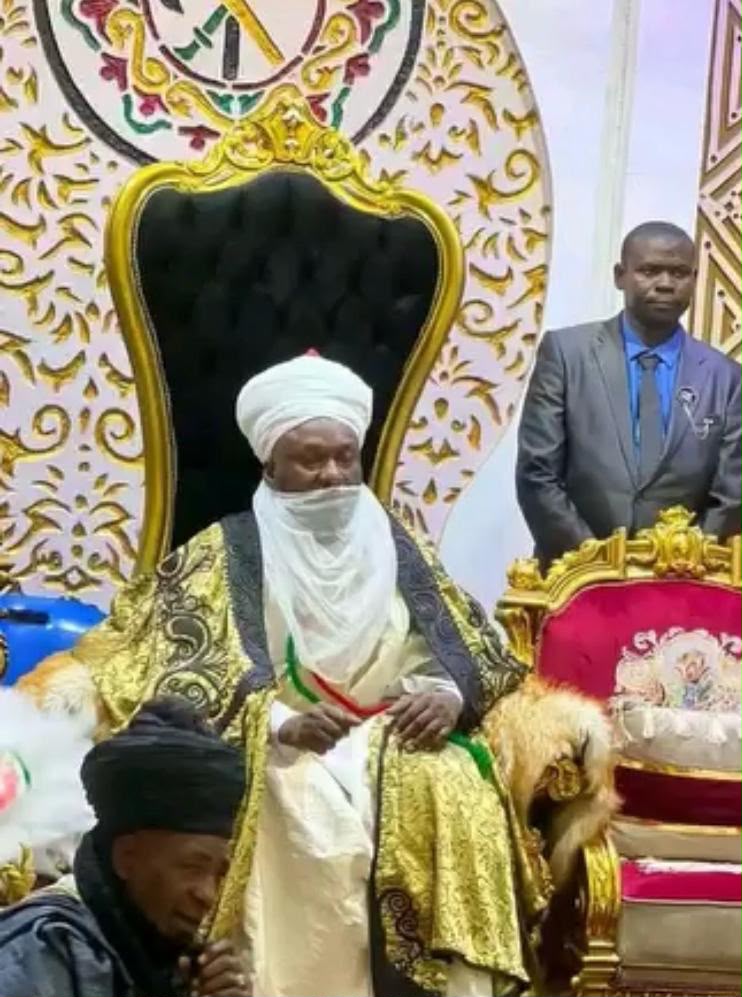
All Hail The 17th Emir Of Gumel, His Royal Highness, Dr. Lawan Ahmed Mohammed-DIG
By DIG Mohammed Usaini Gumel (Rtd)
With profound submission to the will of Almighty Allah, I extend my heartfelt condolences on the passing of our revered Emir, His Royal Highness Dr Ahmad Muhammad Sani II, (CON).
His distinguished reign was marked by wisdom, humility, justice, peace and devoted service to his people. May Almighty Allah forgive his shortcomings, illuminate his grave, admit him into Aljannatul Firdaus and grant him eternal rest. Ameen.
As we mourn his passing, we thank Almighty Allah for the peaceful succession to the revered throne of Gumel. It is therefore with great joy and respect that I congratulate His Royal Highness, Lawan Ahmed Mohammed, PhD, on his ascension as the 17th Emir of Gumel.
Your Royal Highness’s ascension to the throne of Gumel, continues the sacred trust entrusted to the custodians of this ancient throne.
There is no doubt that enduring traditions of unity, dignity, courage and service, has been established and preserved by the forbears, as your late father has strengthened them, through compassionate and principled leadership.
We are confident that your knowledge, experience and understanding of both our traditions and the modern world will guide the Gumel Emirate towards greater progress. We look forward to your leadership to consolidate peace and unity, preserve our cultural heritage, uphold justice and consultation, and promote development in education, agriculture, commerce, healthcare, technology, youth empowerment and community security.
This is a time for every son and daughter of the Gumel Emirate to unite in common purpose. The strength and stability of the throne depend on the cooperation of the Royal Family, traditional titleholders, District and Village Heads, religious leaders, elders, elected representatives, professionals, farmers, traders, women, youth and all our communities, should rally round the new Emir for the common purpose of peace, unity, progress and socio-economic development of the Gumel Emirate.
At this time, our loyalty must be expressed through respect for the traditional institution, responsible conduct, sincere counsel and a shared commitment to the Emirate’s peace and development.
In a period like this we must accept to preserve the legacy of our ancestors and predecessors while building a Gumel Emirate that is peaceful, united, secure, educated, economically vibrant and responsive to every community.
Indeed, a leader serves as the heartbeat of a community. You are the heartbeat of the Gumel Emirate. The Gumel Emirate is lucky to have you as our 17th Emir, because you are such a figure, embodying wisdom, unity, and deep compassion for all residents. This tribute reflects on a legacy defined by tireless service, demonstrating how true leadership transcends mere titles to become a guiding light for generations to come.
Kindness often acts as the strongest bridge between a ruler and the people. We can only expect that this your distinguished reign as the 17th Emir of Gumel shall prioritize the well-being of the vulnerable, ensuring that voices which were often unheard find support within the palace walls.
Your Royal Highness, historical records frequently highlight leaders like the late Emir, who gained fame for generosity of spirit. I am happy to embrace the fact that you shall exhibit actions that prove authority is most effective when it is paired with genuine care for the common person.
The Gumel Emirate is lucky for the fact that beyond local boundaries, you are a master of diplomacy and peace. It’s a fact that conflicts are natural parts of human society, yet you are among the wise leaders who know how to navigate these challenges without bloodshed.
May Almighty Allah grant Your Royal Highness wisdom in judgment, patience in adversity, courage in leadership and sound health throughout your reign. May He protect you, guide your decisions and bless you with sincere, loyal and trustworthy advisers and reign, strengthen our unity, preserve our honour and bring enduring peace, progress and shared prosperity to the entire Gumel Emirate. Amin.
DIG Mohammed Usaini Gumel (Rtd) writes from his Gumel home, Jigawa State.

Fifty Years, Four Terms. A Life Of Enterprise, Scholarship And Public Service-By Abbas Tajuddin

NFF Appoints Eguavoen as Interim Head Coach of Super Falcons
Dependable political ally’ — Tinubu celebrates Abdulmumin Jibrin at 50

A FRIEND’S LETTER TO ABDULMUMIN AT FIFTY

Ibrahim Little Condemns Attack on Journalists, Calls for Government Commitment to Ending Thuggery

From World’s 9th Most Populous City to Perfect: As Gov Yusuf Revisits Kano Master Plan

95% of Governor Abba Kabir Yusuf’s Promises Have Been Fulfilled — CPS Interview By Musa Diso, In Kano

Kano Islamic Scholar Declares Kano Widow Marriage Programme ‘Haram’, Urges Government to Stop It

Between Sabotage and Scepticism: Why Nigeria’s Oil Dream Keeps Stalling

Bello Sharada: A Great Writer, A Bookish Soul, Gone Too Soon
Fifty Years, Four Terms. A Life Of Enterprise, Scholarship And Public Service-By Abbas Tajuddin
NFF Appoints Eguavoen as Interim Head Coach of Super Falcons
Dependable political ally’ — Tinubu celebrates Abdulmumin Jibrin at 50
A FRIEND’S LETTER TO ABDULMUMIN AT FIFTY
Ibrahim Little Condemns Attack on Journalists, Calls for Government Commitment to Ending Thuggery
From World’s 9th Most Populous City to Perfect: As Gov Yusuf Revisits Kano Master Plan
95% of Governor Abba Kabir Yusuf’s Promises Have Been Fulfilled — CPS Interview By Musa Diso, In Kano
Kano Islamic Scholar Declares Kano Widow Marriage Programme ‘Haram’, Urges Government to Stop It
Between Sabotage and Scepticism: Why Nigeria’s Oil Dream Keeps Stalling
Bello Sharada: A Great Writer, A Bookish Soul, Gone Too Soon
-

 Opinion5 years ago
On The Kano Flyovers And Public Perception
-

 Features5 years ago
How I Became A Multimillionaire In Nigeria – Hadiza Gabon
-

 Opinion6 years ago
Kano As future Headquarters Of Poverty In Nigeria
-

 History5 years ago
Sheikh Adam Abdullahi Al-Ilory (1917-1992):Nigeria’s Islamic Scholar Who Wrote Over 100 Books And Journals
-

 Opinion5 years ago
My First Encounter with Nasiru Gawuna, the Humble Deputy Governor
-

 History5 years ago
The History Of Borno State Governor Professor Babagana Umara Zulum
-

 History5 years ago
The Origin Of “Mammy Market” In Army Barracks (Mammy Ochefu)
-

 News4 years ago
Federal University Of Technology Babura To Commence Academic Activities September