
News
World Water Day:CITAD Discovers 20 Communities In Kano That Relied On One Well As Source Of Water
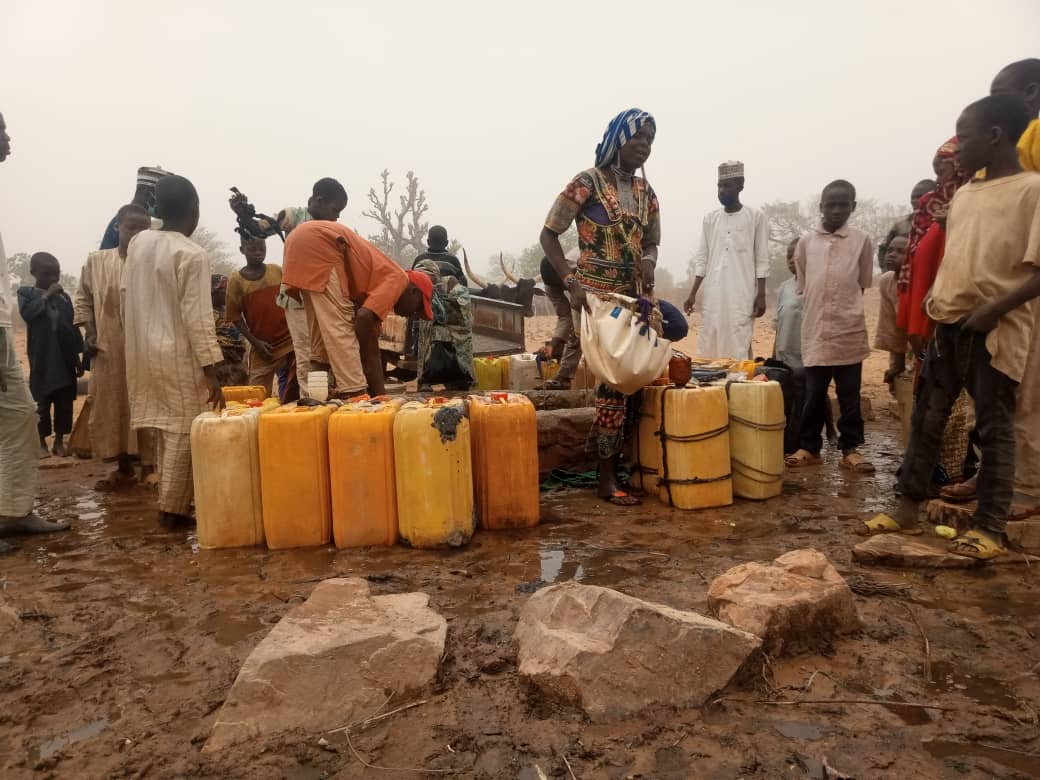
Water is one of the necessity for human lives and it challenges is making life difficult for many people and communities around the globe most especially in developing nations which Nigeria is included.
For this reason, the United Nation set aside 23rd of March of every year to highlights the importance of fresh water. The day is used to advocate for the sustainable management of freshwater resources. It’s on this note that the Centre for Information Technology and Development (CITAD) on the 28th of March, 2021 constituted a media team and paid a field visits to some of the communities that are in dire need of water in Kunchi Local Government of Kano State. The objectives of the visit was to:
i. Assess the level of the challenges the communities are facing in terms of accessing water
ii. Gather some evidences and data that will be used to advocate to the concerned authorities, Philanthropies and Non-Governmental Organizations to come to the aid of the communities .
iii. Bring the issue to the public notice so that necessary actions will be taken
The team started the visit with Gwalaide village of Gwarmai ward where more than 20 communities depended on a single well that was built for over 35 years by a philanthropy for their source of water.
The communities according to the ward head of the Gwalaide village that are using the well are: Dagiri, Limamai, Kargo, Jodade, Gadango, Borin Zare, Madaka, Gwadama, Waire, Santa, Agalawa, Hayin Malamai, Kuku, Gidan Maigari, Gobirawa, Sabuwar Tasha, Tutawa, Jinjimawa, Baje Yola etc.
According to the ward head of Gwalaide village, Malam Haruna Mai Unguwa Dan Zubairu these communities are coming to the well every day for over 30 years to get the water they would for their daily activities. Also in our interview with a 65 year old resident of the area, Malam Yahuza Muhammadu Yahuza of Kuku community narrated to the team that his community people are in dire need of water. He stated that every day he has to trek for more than 30 minutes and waited on the queue for 8-10 hours before he can get the water his family will use in that particular day.
He continued in a cracked voice to mention that because of this problem they have for long stopped their children from going to schools in order for the children to fetch the water the family will use.
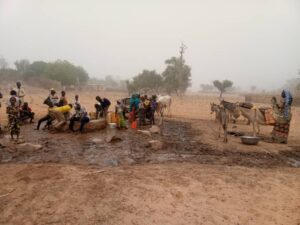
The people trying their luck to get water*
Another resident of the area, Malam Abdullahi Mustapha revealed to the team that this water challenge in the area has deprived the people of the communities many things; their children are not being able to go to schools, frequent diseases outbreaks in the area because they are using same water their animals are using and as Muslims their women are no longer sitting indoors as prescribed by the holy Qur’an because they have to come out too to help the family in getting the water and most of the times during Ramadan they used to force their children to break fasting in the day time due to the hardship they are facing in fetching the water.
Malam Mustapha described the politicians in the area as deceivers and people with empty promises.
Water Bill :Do not ambush Nigerians -NLC Tells National Assembly
However, the team also visited another community in the Local Government, named Kwardagwallen Shuwaki of Shuwaki ward, the community is not more than 22 kilometers from the Local Government Headquarter. This particular community has only one hand borehole which more than 10 communities relied on for their source of water.
According to the Malam Muhammad Umar, a resident of the community, thousands of people from the neighboring communities are every day trooping to get their daily water. He noted that the communities are in this difficult situation for a very longtime but no one cares to come to their aid. When he was asked on whether they have ever complained to the government, Muhammad Umar said he could not remember how many times they have complained this to the authorities but what they received every time is empty promises.
Observations:
i. The communities’ people are finding it difficult to access water
ii. Their children are not being able to go to schools
iii. Frequent disease outbreaks in the areas
iv. The communities’ people are using same water their animals are using
v. As Muslims their women are no longer sitting indoors as prescribed by the holy Qur’an because they have to come out too to help the family in getting the water
vi. During Ramadan they used to force their children to break fasting in the day time due to the hardship they are facing in fetching the water
Recommendations:
i. Governments both at local and state levels should provide wells and boreholes in the areas
ii. Philanthropies and Non-Governmental Organizations to also help in massive construction of boreholes and wells in the communities
iii. Government should build schools in the area
iv. Government should construct road that connect these communities
v. Civil Society Organizations to sensitize the communities’ people on the importance of community contributions













News
ASUU Threatens Nationwide Shutdown

By Yusuf Danjuma Yunusa
The Academic Staff Union of Universities has warned the Federal Government of Nigeria to immediately implement the newly approved salary structure for university lecturers or face a possible nationwide shutdown of public universities.
The union issued a four-day ultimatum on Thursday, with its president, Christopher Piwuna, saying failure to act within the deadline would trigger a strong response.
Speaking at Sa’adu Zungur University in Bauchi State, Piwuna said the government must begin payment under the new salary arrangement without further delay.
“We have issued a four-day ultimatum from today to the federal government to commence payment of the newly approved salary structure. Failure to comply will attract a strong response from the union,” he said.
The warning comes months after ASUU and the federal government signed a renegotiated agreement in January, aimed at resolving long-standing disputes and preventing the recurring strikes that have plagued Nigeria’s university system.
At the heart of the agreement is a revised salary structure designed to improve lecturers’ welfare and finally address issues stemming from the controversial 2009 FG-ASUU pact, which remained largely unimplemented for years.
News
APC Convention:FG Orders Remote Work for Offices Near Eagles Square
By Yusuf Danjuma Yunusa
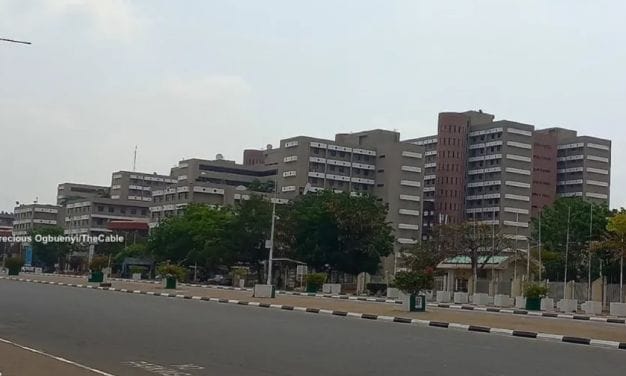
The Federal Government has directed all civil servants working in offices around Eagle Square and the Federal Secretariat complex in Abuja to work from home this weekend.
The directive, issued in a circular by the Office of the Head of the Civil Service of the Federation, is aimed at easing congestion ahead of the All Progressives Congress (APC) national convention. The event is scheduled to hold on March 27 and 28 at Eagle Square.
The measure is intended to ensure smooth access and security around the convention venue.
News
Nigeria’s Power Supply to Improve in Two Weeks as Gas Pipeline Work Nears Completion
By Yusuf Danjuma Yunusa
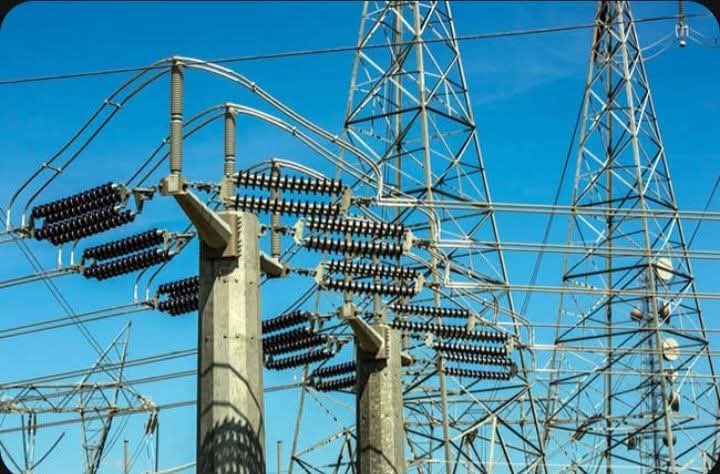
Nigerians can expect a steady improvement in electricity supply within the next two weeks, following the completion of maintenance work on a critical gas pipeline, according to Adebayo Olowoniyi, Chief Technical Adviser to the Minister of Power.
Speaking during an appearance on Arise TV on Thursday, Olowoniyi addressed the recent nationwide blackouts that have disrupted homes, businesses, and industries. His remarks came just days after the Minister of Power, Adebayo Adelabu, issued a public apology over the worsening power situation.
Olowoniyi defended the minister’s apology, framing it not as an admission of personal failure but as a demonstration of accountability. “I think, first of all, I’d like to start with the apology from the Honourable Minister, which we believe is all about taking leadership in the sector,” he said.
“It is not necessarily directly his fault for the challenges that we have, but as the Minister of Power, it was the right leadership step to say, ‘I take ownership of this issue, and I’m going to prefer a solution that would ensure power supply comes back in the shortest available time.'”
The adviser attributed the recent grid instability to disruptions in a major gas pipeline, which supplies fuel to power plants responsible for approximately 75 per cent of the nation’s electricity generation.
“One of the major gas pipelines in Nigeria was undergoing maintenance, and gradually that process is being completed,” Olowoniyi explained. “We’re sure that within the next two weeks, full gas pressure will be back on the gas pipelines, and the power plants will be able to get enough gas at least to go back to their level of generation that they had in the last two to three months.”

ASUU Threatens Nationwide Shutdown

APC Convention:FG Orders Remote Work for Offices Near Eagles Square

Nigeria’s Power Supply to Improve in Two Weeks as Gas Pipeline Work Nears Completion

Court Orders Arrest of PDP Factional Chairman Kabiru Turaki for Skipping Trial

Youth Call on Ibrahim Little to Contest for Kano Governorship Under ADC

The Governor Who Chose His People Over His Politics: Abba Yusuf and the Moral Courage Behind Kano First

FREEDOM OF SPEECH, NOT FREEDOM FROM CONSEQUENCE: A CITIZEN’S CALL FOR RESPONSIBLE PUBLIC COMMENTARY

Press Freedom: IPI Nigeria Calls on New Acting IGP to End Police Harassment of Journalists
Tinubu to Swear in Olatunji Disu as Inspector-General of Police on Wednesday
Restoring the Glory That Was Always There: Governor Abba Kabir Yusuf and the Historical Vision Behind Kano First
ASUU Threatens Nationwide Shutdown
APC Convention:FG Orders Remote Work for Offices Near Eagles Square
Nigeria’s Power Supply to Improve in Two Weeks as Gas Pipeline Work Nears Completion
Court Orders Arrest of PDP Factional Chairman Kabiru Turaki for Skipping Trial
Youth Call on Ibrahim Little to Contest for Kano Governorship Under ADC
The Governor Who Chose His People Over His Politics: Abba Yusuf and the Moral Courage Behind Kano First
FREEDOM OF SPEECH, NOT FREEDOM FROM CONSEQUENCE: A CITIZEN’S CALL FOR RESPONSIBLE PUBLIC COMMENTARY
Press Freedom: IPI Nigeria Calls on New Acting IGP to End Police Harassment of Journalists
Tinubu to Swear in Olatunji Disu as Inspector-General of Police on Wednesday
Restoring the Glory That Was Always There: Governor Abba Kabir Yusuf and the Historical Vision Behind Kano First
-

 Opinion4 years ago
On The Kano Flyovers And Public Perception
-

 Features5 years ago
How I Became A Multimillionaire In Nigeria – Hadiza Gabon
-

 Opinion5 years ago
Kano As future Headquarters Of Poverty In Nigeria
-

 History5 years ago
Sheikh Adam Abdullahi Al-Ilory (1917-1992):Nigeria’s Islamic Scholar Who Wrote Over 100 Books And Journals
-

 Opinion4 years ago
My First Encounter with Nasiru Gawuna, the Humble Deputy Governor
-

 History5 years ago
The Origin Of “Mammy Market” In Army Barracks (Mammy Ochefu)
-

 History4 years ago
The History Of Borno State Governor Professor Babagana Umara Zulum
-

 News4 years ago
Federal University Of Technology Babura To Commence Academic Activities September