
News
Customs Intercepts Contraband Goods Worth Over 79 Million Naira
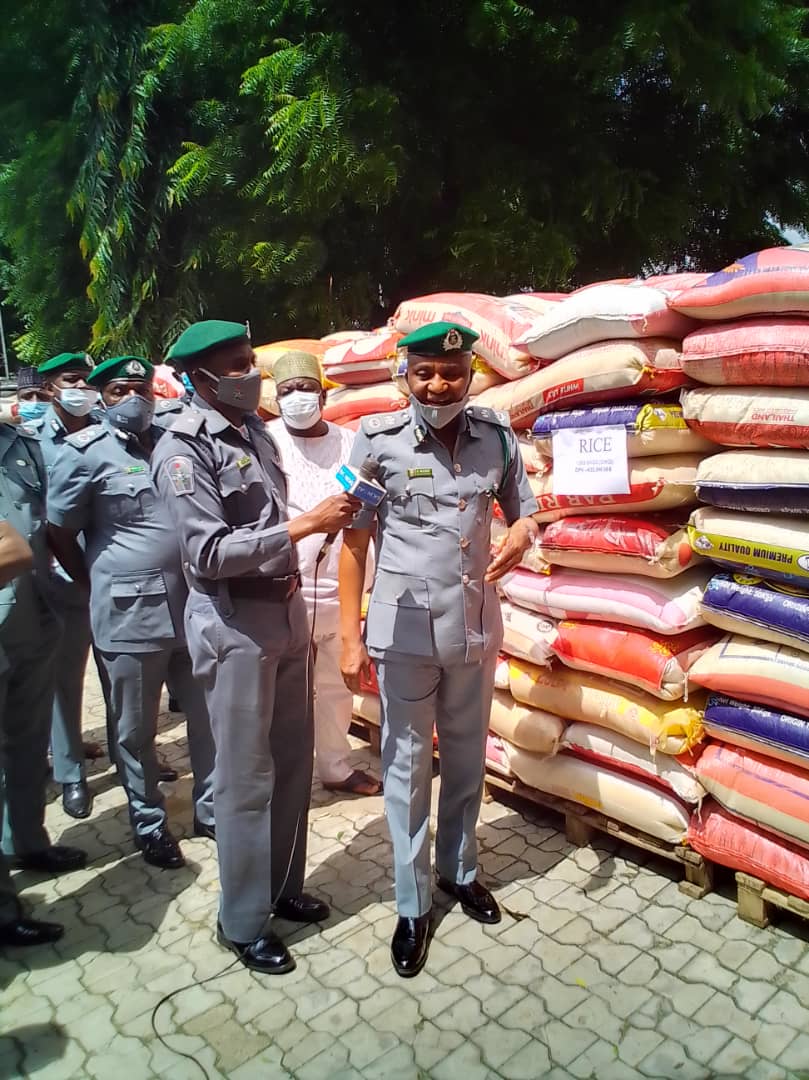
The Nigeria Customs Service (NCS), Kano/Jigawa Area Command said it has intercepted various contraband goods with total Duty Paid Value of about N79, 573,37
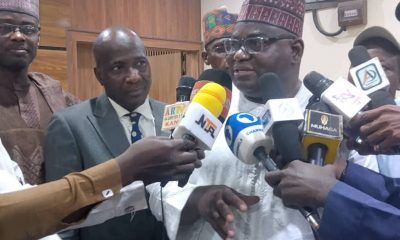
This was made known to newsmen on Tuesday in Kano by the Area Comptroller, Nasiru Ahmed at the Commands headquarters.
According to him, the command intercepted four trailers loaded with 1,842 bags of smuggled bags of fertilizers with Duty Paid Value of N13,815,00.
Covid-19: Sabongari Market Traders lost over 2 billion Naira
Ahmed also revealed that about 1,608 Bags of foreign rice (50KG) each with Duty Paid Value of N35,996,688 were also confiscated within the period under review additionally to foreign 113 bags of foreign sugar (50KG) with N2, 461,705 DPV.
Other items seized include 567 Jerrycans of foreign vegetable oil (25) litters concealed in a 2 by 20 containers, 53 bales of second-hand clothes, 278 compressed blocks of Indian Hemp as well as 20 units of vehicles used as means of conveyance, totaling N79,573,372, with 15 suspects in custody in connection to the various smuggling.
Nasir lamented that the communities along Babura axis in Jigawa state have become notorious in allowing their towns to be used by smugglers.
Hence, he called on community leaders in the area to rise up to the challenge and cooperate with the Customs to checkmate the activities of those who are into the illegal business who uses their area as safe routes and hiding places.
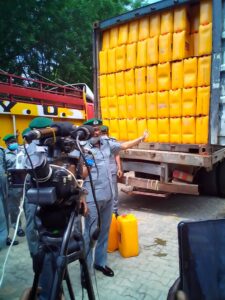
Intercepted Contraband of Oil
The comptroller stressed that smuggling which cripples the economy of the country also poses great health dangers to consumers of products as must of them have expired or contaminated with chemicals harmful to human consumption.
He charges the youths not to allow themselves to be deceived into the illegal business which would lead them into prison if arrested but should rather consider areas such as agriculture, a lucrative sector where they can make their legitimate money.
Ahmed further stated that all suspects are currently under investigation and would be charged to court upon completion, while vehicle confiscated would also be taken to a competent court of jurisdiction for final forfeiture pronouncement before being auctioned.






News
INEC Directs RECs to Suspend Plans on Voter Revalidation Exercise

By Yusuf Danjuma Yunusa
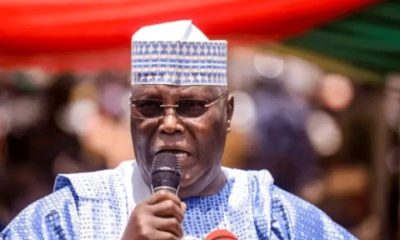
The Independent National Electoral Commission (INEC) has directed all resident electoral commissioners (RECs) to suspend publicity and arrangements for the planned voter revalidation exercise.
On Wednesday, INEC said it would commence a nationwide voter revalidation drive on April 13, 2026, as part of efforts to update the voter register ahead of the 2027 general election.
In a letter signed by Rose Oriaran-Anthony, its secretary, the commission asked all RECs to commence necessary preparations for the exercise, including sourcing of personnel and preparation of INEC voter enrolment devices (IVED).
The letter also listed the timeline for the exercise.
The timeline shows that the exercise will begin at the LGA level from April 13 to May 2, before moving to the registration area (RA) level from May 5 to May 11, and subsequently to polling units (PUs) from May 13 to May 19.
The commission said its meeting with RECs earlier scheduled to hold physically on Thursday, April 9 at 11:00am will now be conducted virtually via Zoom.
“Further to the notice of meeting dated 3rd April 2026, please be informed that the meeting of the commission with Resident Electoral Commissioners scheduled for Thursday, 9th April 2026 at 11.00am will now hold virtually via Zoom,” the notice reads.
The commission advised RECs to remain in their respective states and await login details, which will be shared once arrangements for the virtual meeting are concluded.
“Consequently, RECs are advised to remain in their states and await the login details which will be shared once the meeting is set up,” INEC said.
The commission added that all publicity and preparations for the voter revalidation exercise should be put on hold pending further directives.
“RECs are also directed to step down all publicity and arrangements for the voter revalidation exercise and await further directives from the commission,” the notice added.
INEC expressed regret over any inconvenience caused by the changes, assuring the commissioners of its consideration.
News
Easter: CAN Urges Nigerians to Unite, Rise Above Challenges
By Yusuf Danjuma Yunusa
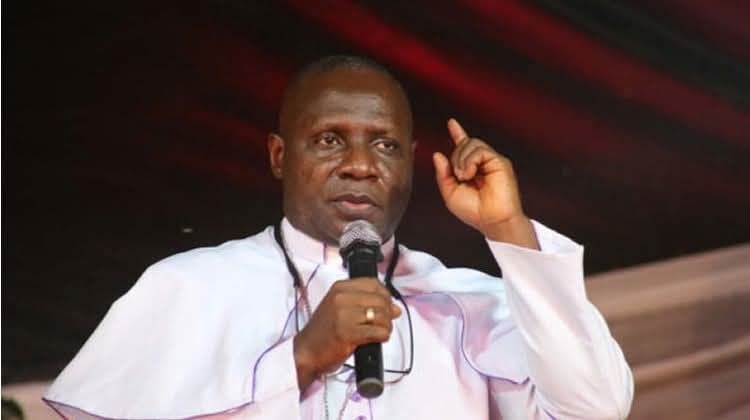
The Christian Association of Nigeria has called on Nigerians to embrace hope, unity, and collective action, declaring that the country can overcome its current challenges and “rise again.”
CAN made the call in its Easter message issued on Sunday and signed by its President, Daniel Okoh, noting that the season symbolises renewal and offers a timely message for a nation facing hardship.
“At Easter, we are reminded of a simple, enduring truth: no matter how hard life has been, rising again is always possible,” the statement read.
The association observed that many Nigerians are currently grappling with economic and security challenges, resulting in widespread anxiety and declining hope among citizens.
“Across the country, people are weary. Families are anxious. Many do not feel safe; others are struggling just to get by. For some, hope has grown faint. But Easter tells us this is not the end,” CAN stated.
The Christian body urged leaders at all levels to demonstrate responsibility and empathy, stressing that citizens expect tangible improvements in their living conditions.
“For those in leadership, this is a test of purpose. People must feel leadership, not just hear it. They are looking for action, empathy, and visible efforts to improve their lives,” the statement added.
CAN also charged the Church to play a more active role in providing hope and guidance during difficult times, urging it to stand with those facing hardship and offer direction.
“For the Church, this is a moment to stand firm and speak clearly. People are searching for hope they can hold on to. The Church must be present, standing with the struggling, offering direction, and helping to light the way forward,” it said.
Addressing Nigerians, the association called for unity and resilience in the face of adversity, warning against fear and division.
“There may be those intent on keeping the rest of us in fear, but we must resist, not with panic or division, but with courage, solidarity, and a shared belief in one another,” the statement read.
The Christian body emphasised that Easter represents not just a celebration but a conscious decision to confront challenges collectively.
“Easter is more than a celebration; it is a decision. A decision to rise above our differences, to stand together, and to confront what holds us back. And if we make that choice together, then Nigeria will rise again,” CAN added.
The association, while extending Easter greetings to Christians across the country, also prayed for peace, unity, and progress in Nigeria.
News
Wife of Former INEC Chairman, Prof. Jega, Passes Away
By Yusuf Danjuma Yunusa
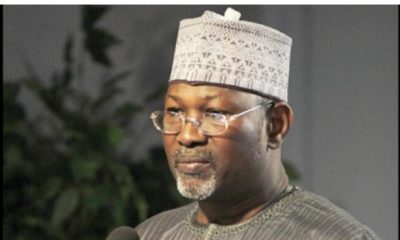
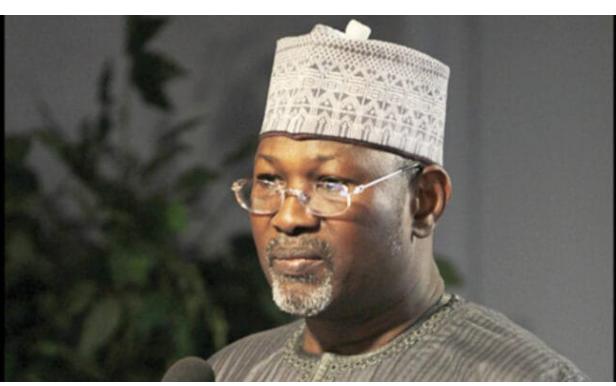
Hajiya Hadiza Attahiru Jega, wife of former Independent National Electoral Commission (INEC) Chairman, Prof. Attahiru Jega, has died.
Her family confirmed the death in a statement issued on Sunday, April 5, 2026. According to the family, her Janazah (funeral prayer) will take place after Zuhr prayer at 1:30 p.m. at the National Mosque in Abuja.
Prof. Jega currently serves as Co-Chairman of the Presidential Livestock Reforms Implementation Committee (PLRIC), Special Adviser to the President on Livestock Development, and Pro-Chancellor of both Nasarawa State University and Usman Danfodio University.
The late Hajiya Hadiza was widely known for her commitment to education and community development, particularly across northern Nigeria. The family prayed for Allah to grant her soul Aljannah Firdausi and called on friends, associates, and well-wishers to remember them in prayers during this period of mourning.
Bayero University, Kano, where Prof. Jega once served as Vice-Chancellor, also announced her demise and extended condolences. In a statement, the university said:
“Inna lillahi wa inna ilaihi raji’un. With total submission to the will of Allah, we announce the passing of the wife of our former Vice-Chancellor, Prof. Attahiru Jega, OFR. Her Janazah will be held immediately after Zuhr prayer at the National Mosque, Abuja, today Sunday, 5th April 2026. May Allah grant her Aljannatul Firdaus and forgive her shortcomings. May He also grant the family the strength and patience to bear this loss. Ameen.”

REJOINDER: The Fallacy of the “Commander” and the Burden of Integrity

INEC Directs RECs to Suspend Plans on Voter Revalidation Exercise

Kano’s Quest for an Alternative with Ibrahim Ali Amin Little, By Adnan Mukhtar

Easter: CAN Urges Nigerians to Unite, Rise Above Challenges

Wife of Former INEC Chairman, Prof. Jega, Passes Away

ADC Leadership Crisis: State Chairmen to Elect Caretaker Committee on Tuesday

Governor Abba Kabir Yusuf Holds Exclusive Prerogative to Choose Deputy – Malam Inuwa Waya

The Governor Who Chose His People Over His Politics: Abba Yusuf and the Moral Courage Behind Kano First
Restoring the Glory That Was Always There: Governor Abba Kabir Yusuf and the Historical Vision Behind Kano First

Table Water Producers Increase New Price for Sachet Water in Kano
REJOINDER: The Fallacy of the “Commander” and the Burden of Integrity
INEC Directs RECs to Suspend Plans on Voter Revalidation Exercise
Kano’s Quest for an Alternative with Ibrahim Ali Amin Little, By Adnan Mukhtar
Easter: CAN Urges Nigerians to Unite, Rise Above Challenges
Wife of Former INEC Chairman, Prof. Jega, Passes Away
ADC Leadership Crisis: State Chairmen to Elect Caretaker Committee on Tuesday
Governor Abba Kabir Yusuf Holds Exclusive Prerogative to Choose Deputy – Malam Inuwa Waya
The Governor Who Chose His People Over His Politics: Abba Yusuf and the Moral Courage Behind Kano First
Restoring the Glory That Was Always There: Governor Abba Kabir Yusuf and the Historical Vision Behind Kano First
Table Water Producers Increase New Price for Sachet Water in Kano
-

 Opinion4 years ago
On The Kano Flyovers And Public Perception
-

 Features5 years ago
How I Became A Multimillionaire In Nigeria – Hadiza Gabon
-

 Opinion5 years ago
Kano As future Headquarters Of Poverty In Nigeria
-

 History5 years ago
Sheikh Adam Abdullahi Al-Ilory (1917-1992):Nigeria’s Islamic Scholar Who Wrote Over 100 Books And Journals
-

 Opinion4 years ago
My First Encounter with Nasiru Gawuna, the Humble Deputy Governor
-

 History5 years ago
The Origin Of “Mammy Market” In Army Barracks (Mammy Ochefu)
-

 History4 years ago
The History Of Borno State Governor Professor Babagana Umara Zulum
-

 News4 years ago
Federal University Of Technology Babura To Commence Academic Activities September