
News
Nigeria’s Headline Inflation Slows To 14.06% As Food Inflation Hits 19.13%
By Yusuf Danjuma Yunusa
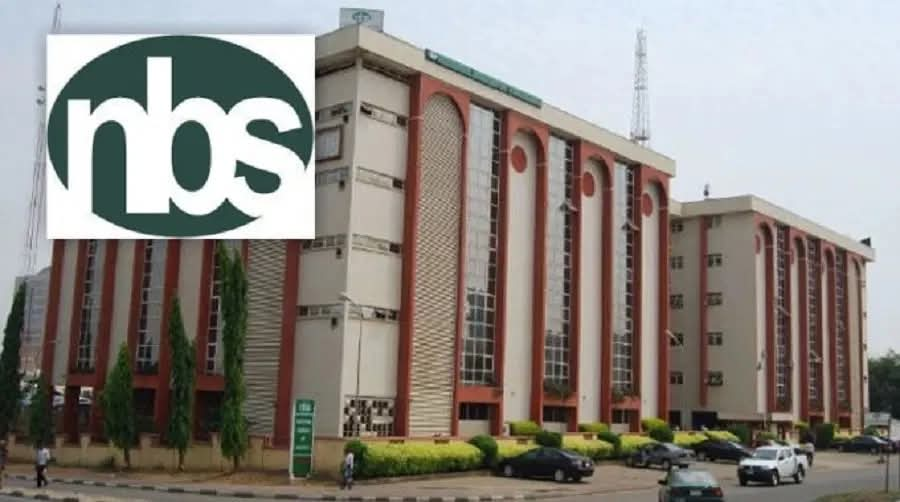
Nigeria’s headline inflation rate declined to 14.06 per cent in October 2026 from 14.63 per cent in September, but food inflation remained elevated at 19.13 per cent, highlighting the continued pressure of food prices on household purchasing power.Buy Maps
The National Bureau of Statistics (NBS), in its October 2026 Consumer Price Index (CPI) report released on November 15, said the headline inflation rate declined by 0.57 percentage points year-on-year from the 14.63 per cent recorded in September.
The October figure also represented a significant decline from the 18.97 per cent recorded in October 2025.
However, the moderation in annual inflation was accompanied by an increase in the month-on-month headline inflation rate, which rose to 0.43 per cent in October from 0.06 per cent in September.
This indicates that although the pace of price increases was lower compared with the corresponding period last year, prices recorded a faster monthly increase in October than in September.
The NBS said the Consumer Price Index increased to 147.0 in October 2026, representing a 0.6-point increase from the preceding month.
The latest figures followed the completion of the bureau’s CPI rebasing exercise, which introduced 2024 as the new base year and 2023 as the weight reference period.
Food inflation, which remains a major concern for Nigerian households, stood at 19.13 per cent year-on-year in October.
On a month-on-month basis, however, food inflation declined by 0.75 per cent, compared with a contraction of 1.55 per cent recorded in September.
The bureau attributed the movement in food prices to changes in the average prices of several commodities, including vegetable oil, Titus sardines, green peas, frozen mackerel, croaker, locally produced rice, fresh catfish, beef tripe, palm oil and millet flour.
The figures suggest that the moderation in food prices recorded in September lost some momentum in October, although the monthly food inflation rate remained negative.
Core inflation, which excludes prices of volatile agricultural produce and energy, stood at 10.78 per cent year-on-year in October.
On a month-on-month basis, core inflation declined by 0.53 per cent, compared with an increase of 1.11 per cent recorded in September.
An analysis of the newly introduced inflation sub-indices showed that energy recorded the highest month-on-month increase at 1.74 per cent, while services declined by 0.94 per cent.
Farm produce recorded a monthly decline of 0.40 per cent, imported food fell by 0.38 per cent, while goods declined marginally by 0.01 per cent.
On a year-on-year basis, farm produce inflation stood at 18.38 per cent, followed by goods at 13.58 per cent, energy at 12.30 per cent, services at 11.73 per cent and imported food at 8.39 per cent.
The NBS also reported significant differences in inflationary pressures across states, with Imo recording the highest year-on-year all-items inflation rate at 28.66 per cent.
Enugu followed with 22.81 per cent, while Kaduna recorded 21.55 per cent.
Taraba, Sokoto and Ekiti recorded the lowest year-on-year headline inflation rates at 6.12 per cent, 6.68 per cent and 7.64 per cent respectively.
On a month-on-month basis, Bauchi recorded the highest headline inflation increase at 11.23 per cent, followed by Borno at 10.94 per cent and Yobe at 9.93 per cent.
Oyo, Osun and Akwa Ibom, however, recorded monthly declines of 6.71 per cent, 4.78 per cent and 4.41 per cent respectively.
The state-level food inflation figures showed that Ondo recorded the highest year-on-year food inflation at 31.74 per cent, followed by Lagos at 31.43 per cent and Imo at 29.75 per cent.
Nasarawa recorded the lowest year-on-year food inflation at 3.70 per cent, while Bayelsa and Kano recorded 7.11 per cent and 7.13 per cent respectively.
On a month-on-month basis, food inflation was highest in Yobe at 18.41 per cent, Kebbi at 16.45 per cent and Borno at 13.96 per cent.
Lagos, Plateau and Benue recorded monthly food inflation declines of 5.93 per cent, 5.83 per cent and 5.49 per cent respectively.
The NBS cautioned that differences in consumption expenditure patterns across states influence the weighting of food and non-food items in their respective consumer baskets, making direct interstate comparisons potentially misleading.
The October report presents a mixed picture of Nigeria’s inflation trajectory, with the annual headline and core inflation rates moderating, while monthly headline inflation accelerated and food inflation remained significantly higher than the overall inflation rate.
The October 2026 Consumer Price Index report is based on the new 2024 CPI base year and 2023 weight reference period.











News
ADC Constitutes Kano Gubernatorial Campaign Council, Names Aminu Labaran Baba Chairman
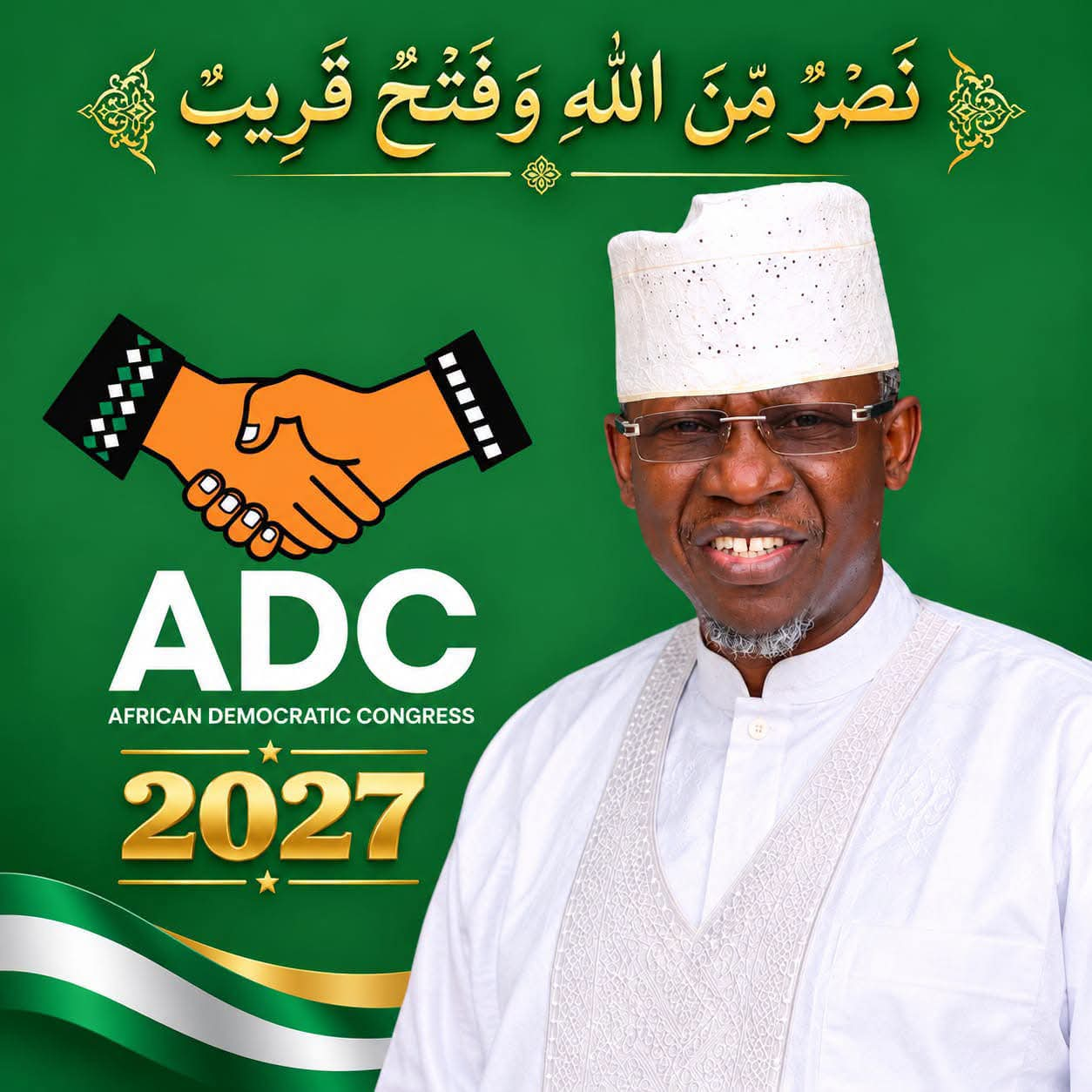
The African Democratic Congress (ADC) gubernatorial candidate in Kano State, Alhaji Ibrahim Ali Amin, popularly known as Little, has constituted an 18-member Gubernatorial Campaign Council to coordinate and oversee the party’s campaign activities ahead of the 2027 general elections.
The composition of the campaign council was announced in a statement signed by Adnan Mukhtar, Director of Media and Strategic Communication and Executive Assistant to the ADC gubernatorial candidate, Alhaji Ibrahim Ali Amin.
According to the statement, Alhaji Aminu Labaran Baba has been appointed Chairman of the campaign council, while Hon. Bala Yau Bayco will serve as Director-General.
The statement further disclosed that Yusuf Mamman Bature has been appointed Secretary of the council, with the responsibility of handling its administrative and coordination activities.
Under the directorates, Hon. Mamina Bako Lamido was appointed Director of Contact, while Hon. Abdullahi Dalhatu Dan Kano will serve as Deputy Director of the same directorate.
The statement also named Alhaji Nasir Tahir as Director of Support Groups, with Hon. Aliyu Ibrahim Muhammad appointed as his deputy to coordinate the activities of various support groups within the party.
In the area of media and strategic communication, Adnan Mukhtar was appointed Director, while Alhaji Nasiru Hussaini Agalawa will oversee the council’s finances as Director of Finance.
The campaign council also appointed Hon. Magaji Yau Indabawa as Director of Public Affairs, while Abba Abdulhadi Kofar Waika will head Youth Mobilisation as Director, assisted by Naja’atu Tasiu Abbas as Deputy Director.
Similarly, Hon. Sharu Garba Umar Gwammaja was appointed Director of Special Duties, while Aisha Ibrahim Hassan, popularly known as Humaira, will serve as Director of Women Mobilisation.
The statement further announced three deputy directors to strengthen women’s mobilisation across Kano State’s three senatorial districts.
According to the announcement, Zahra Ibrahim Aminu was appointed Deputy Director of Women Mobilisation, while Aisha Ibrahim Captain will oversee the directorate in Kano South, Binta Sayyada in Kano Central and Amina Mahmud in Kano North.
The ADC gubernatorial candidate, Ibrahim Ali Amin, is expected to rely on the campaign council to coordinate political engagements, mobilise supporters, strengthen the party’s grassroots structures and communicate its campaign messages across the 44 local government areas of Kano State.
The statement added that additional directorates and appointments would be announced at a later date, indicating that the campaign structure would be expanded as preparations for the election gather momentum.
Adnan Mukhtar, who signed the statement on behalf of the gubernatorial candidate, said the appointments were part of efforts to establish an effective structure for coordinating the party’s campaign activities across the state.
News
NDC Structure in Bichi LG Collapses, as LG Vice Chairman, Five Ward Chairmen, Kwankwasiyya Leaders Defect to APC
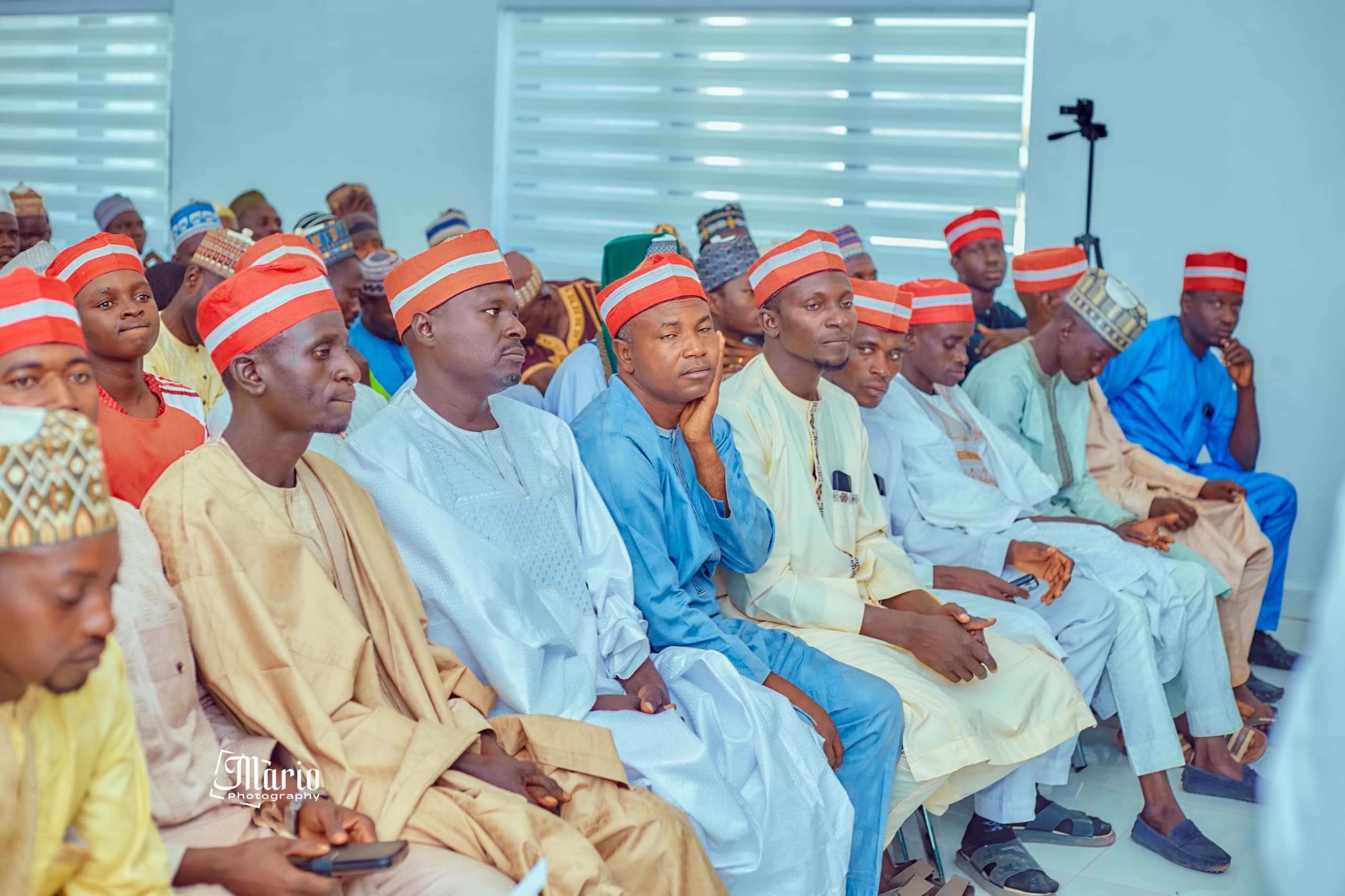
The Member representing Bichi Federal Constituency and Chairman, House Committee on Appropriations, Hon. Abubakar Kabir Abubakar Bichi, has received five ward chairmen and other leaders of the National Democratic Congress (NDC) from Bichi Local Government Area of Kano State following their defection to the All Progressives Congress (APC).
The delegation was led by the vice Chairman of the NDC in Bichi Local Government, Haladu Sa’adu, alongside the party’s Treasurer, Mannir Umar, chairmen of five wards, namely Waire, Danzabuwa, Kaukau, Muntsira and Bichi Ward, as well as their respective secretaries, women leaders, youth leaders and other leaders of the Kwankwasiyya movement.
The delegation paid a visit to the lawmaker on Monday, November 16, 2026, in his Bichi office, where they formally announced their decision to leave the NDC and join the APC.
The development marks a significant political shift in the Bichi Local Government and underscores Hon. Abubakar Kabir’s growing efforts to strengthen the APC’s grassroots structure across Bichi, Kano North, Kano State and Nigeria at large.
Speaking during the defection, one of the defectors, Forum Chairman and also Danzabuwa ward Chairman Abdulkadir Lawan, said the lawmaker’s developmental projects and commitment to the people influenced their decision to join the APC under his leadership.
“I want to inform you that we are all from Bichi, and we have decided to announce our defection from the NDC to the APC because we have recognised your dedication and the developmental projects you have executed in the Bichi Local Government.” Abdulkadir said.
He further commended the lawmaker for his commitment to empowering people through educational opportunities, saying his personal experience with the scholarship programme influenced his decision.
“I was previously a member of the opposition, but I benefited from your scholarship programme, which enabled me to pursue my Master’s degree. Through your foundation, the Abubakar Kabir Foundation, I am now pursuing my PhD without any form of harassment or intimidation,” he said.
Abdulkadir also offered prayers for the lawmaker, expressing optimism about his future political ambitions.
He further cited what he described as a lack of proper coordination and respect for members by the NDC leadership in Kano State, including issues surrounding the leadership of Senator Rabiu Musa Kwankwaso, as some of the reasons behind their decision to leave the party.
While receiving the defectors, Hon. Abubakar Kabir commended the delegation, particularly the vice chairman and the five ward chairmen, for their decision to join the APC.
He expressed appreciation for their confidence in his leadership and welcomed their contributions towards strengthening the party’s political structure at the grassroots level.
The lawmaker also highlighted some of his developmental interventions in Danzabuwa Ward, including the construction of a primary school, ongoing road construction projects and the provision of boreholes to improve access to clean water for residents.
He emphasised the need for sustained grassroots mobilisation, party unity and effective coordination to ensure the success of President Bola Ahmed Tinubu, GCFR, Governor Abba Kabir Yusuf and other APC candidates in the forthcoming elections.
The defection ceremony was witnessed by the APC Member representing Bichi Constituency in the Kano State House of Assembly, Hon. Lawan Shehu Bichi; Director-General of the Campaign Council, Alhaji Sani Mukaddas Bichi; Vice Chairman of Bichi Local Government, Alhaji Babangida Danzabuwa; APC State Secretary, Prof. Yusuf Muhammad Sabo; Special Adviser on Publicity, Alhaji Ahmad Aruwa; Alhaji Babangida Danzabuwa; Hon. Bello Bawa Danzabuwa; Hon. Jamilu Kabir Bichi, among other party leaders and stakeholders.
News
Kwankwasiyya Accuses Kano Government of Abdicating Responsibility Over Attack on Kwankwaso’s Convoy
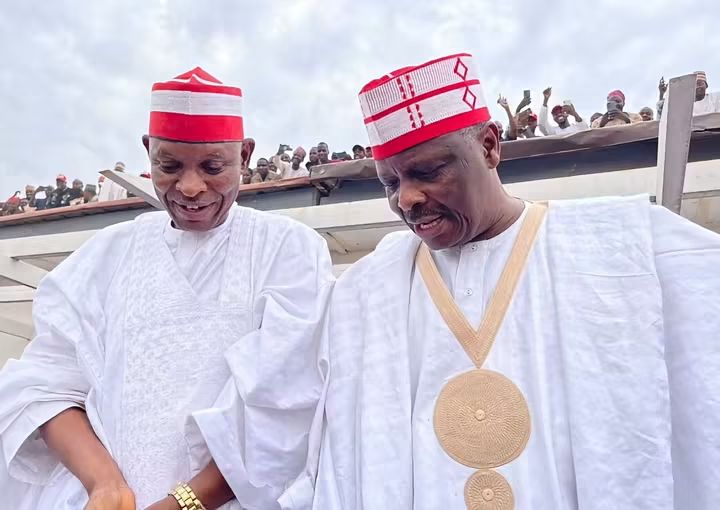
The Kwankwasiyya Movement has accused the Kano State Government of abdicating its responsibility to protect citizens following what it described as an attack on the convoy of its principal, Senator Rabiu Musa Kwankwaso, during a political engagement in Bichi Local Government Area on Sunday, November 15, 2026.
The movement also condemned the government’s response to the incident, describing the statement issued by the Commissioner for Information, Sanusi Bature Dawakin Tofa, as dismissive, partisan and an unfortunate attempt to discredit allegations of political violence.
The spokesperson of the Kwankwasiyya Movement, Dr. Habibu Sale Mohammed, stated this in a press statement dated November 16, 2026, in which he expressed displeasure over both the reported attack and the subsequent reaction of the state government.
According to the statement, the movement considers the reported attack a serious threat to democratic participation and the safety of political actors, particularly because it allegedly occurred during a lawful political engagement by the former Kano State governor.
Dr. Mohammed said the movement was particularly disturbed by the Information Commissioner’s response, accusing him of hastily dismissing the incident as fictitious, alleging that the Kwankwasiyya Movement fabricated the attack to attract public sympathy and challenging those affected to produce photographs and videos.
The spokesperson argued that the government’s responsibility should be to ensure that allegations of criminal activities are investigated by the appropriate security agencies rather than dismissing them before the facts are established.
He questioned why victims of an alleged attack should be required to provide photographic and video evidence before the government could demonstrate concern about their safety and constitutional rights.
“Since when did the responsibility of investigating an alleged criminal incident become that of the victims rather than the security agencies?” the spokesperson queried.
Dr. Mohammed further maintained that the Commissioner’s office should serve as an instrument for communicating government policies, providing accurate information and promoting public confidence in state institutions rather than becoming a platform for political confrontation.
He accused Sanusi Bature of assuming the roles of investigator, prosecutor and judge by declaring the reported incident fictitious without presenting the findings of any police investigation.
The movement also noted that the incident reportedly occurred in Bichi Local Government Area, stressing that the Kano State Government has a responsibility to guarantee the security of every resident and visitor, regardless of political affiliation.
The statement expressed concern over what it described as a growing pattern of partisan responses to allegations of political violence, drawing comparisons with the controversy surrounding the disruption of a New Democratic Congress (NDC) gathering in Lagos.
According to the spokesperson, allegations of political violence should be treated with seriousness and investigated independently rather than being subjected to partisan denials and political exchanges.
The Kwankwasiyya Movement stressed that political competition should not be treated as warfare, insisting that opposition politics is not a criminal offence under Nigeria’s democratic system.
It maintained that Senator Kwankwaso, like every other Nigerian, has the constitutional right to freedom of movement, association and participation in lawful political activities without intimidation or violence.
The spokesperson said the same constitutional protections should extend to members of the NDC, the Kwankwasiyya Movement and supporters of other political organisations across the country.
The movement consequently called on the Kano State Police Command to immediately commence an independent investigation into the reported incident, establish what transpired in Bichi, identify those involved and ensure that anyone found culpable is prosecuted.
It also urged the Commissioner for Information to refrain from making premature pronouncements on matters requiring police investigation, insisting that government communication should promote public confidence rather than deepen political divisions.
The statement further demanded that the state government guarantee the safety of all political parties, candidates, campaign officials and supporters throughout Kano State without discrimination.
The movement also called for proper documentation and investigation of the reported destruction of vehicles and injuries allegedly sustained by members of Kwankwaso’s delegation, urging the relevant authorities to take appropriate legal action against anyone found responsible.
It further demanded an end to what it described as political intimidation, calling on the government to reassure residents that their political affiliations would not expose them to harassment, intimidation or violence.
Dr. Mohammed cautioned the state government against trivialising matters of public safety through partisan exchanges, arguing that the consequences of political violence were too serious to be reduced to arguments over the availability of photographs and video recordings.
He maintained that the political affiliation of alleged victims should not diminish their constitutional rights or absolve the government of its responsibility to protect them.
The spokesperson also highlighted Kwankwaso’s political experience, noting that the former Kano governor had spent decades participating in Nigeria’s democratic process, serving as governor of Kano State and senator of the Federal Republic.
He insisted that Kwankwaso’s political engagements, like those of other political leaders, must be protected by law and should not be subjected to intimidation.
The movement, however, reaffirmed its commitment to peaceful political participation, declaring that it would not be intimidated, provoked into violence or distracted from its democratic objectives.
It warned that its commitment to peace should not be interpreted as an acceptance of intimidation, impunity or the denial of citizens’ constitutional rights.
The statement further stressed that Kano State belongs to all its residents and not exclusively to those occupying public offices, adding that the protection of peace, security and democratic freedoms remains a collective responsibility.
The Kwankwasiyya Movement therefore appealed to Governor Abba Kabir Yusuf to rise above partisan considerations, demonstrate leadership and direct the appropriate security agencies to establish the circumstances surrounding the reported incident in Bichi.
Dr. Mohammed argued that a responsible government should investigate allegations, establish the facts and communicate its findings rather than rush to discredit alleged victims while the circumstances remain unresolved.
He added that the people of Kano deserve security, responsible leadership and a government committed to protecting their rights, rather than treating concerns about public safety as a political inconvenience.

Sarkin Yaki Kano: A Decade Of Leadership, Integrity And Service

Nigeria’s Headline Inflation Slows To 14.06% As Food Inflation Hits 19.13%

ADC Constitutes Kano Gubernatorial Campaign Council, Names Aminu Labaran Baba Chairman

NDC Structure in Bichi LG Collapses, as LG Vice Chairman, Five Ward Chairmen, Kwankwasiyya Leaders Defect to APC

Kwankwasiyya Accuses Kano Government of Abdicating Responsibility Over Attack on Kwankwaso’s Convoy

Open The Social Sciences “A Tribute to a Heterodox Scholar: Mallam Ibrahim Muazzam

Begging in Northern Nigeria: What Future Are We Preparing for Our Society?

NDC Deputy Governorship Candidate Gives Kano Information Commissioner 48-Hour Ultimatum Over Alleged Defamation

Kano’s War On Drugs: How Barr. Muhyi’s Taskforce Is Changing The Game

Gov. Yusuf Appoints Inuwa Waya Director of International Corporations Engagement
Sarkin Yaki Kano: A Decade Of Leadership, Integrity And Service
Nigeria’s Headline Inflation Slows To 14.06% As Food Inflation Hits 19.13%
ADC Constitutes Kano Gubernatorial Campaign Council, Names Aminu Labaran Baba Chairman
NDC Structure in Bichi LG Collapses, as LG Vice Chairman, Five Ward Chairmen, Kwankwasiyya Leaders Defect to APC
Kwankwasiyya Accuses Kano Government of Abdicating Responsibility Over Attack on Kwankwaso’s Convoy
Open The Social Sciences “A Tribute to a Heterodox Scholar: Mallam Ibrahim Muazzam
Begging in Northern Nigeria: What Future Are We Preparing for Our Society?
NDC Deputy Governorship Candidate Gives Kano Information Commissioner 48-Hour Ultimatum Over Alleged Defamation
Kano’s War On Drugs: How Barr. Muhyi’s Taskforce Is Changing The Game
Gov. Yusuf Appoints Inuwa Waya Director of International Corporations Engagement
-

 Opinion5 years ago
On The Kano Flyovers And Public Perception
-

 Features5 years ago
How I Became A Multimillionaire In Nigeria – Hadiza Gabon
-

 Opinion6 years ago
Kano As future Headquarters Of Poverty In Nigeria
-
 History6 years ago
Sheikh Adam Abdullahi Al-Ilory (1917-1992):Nigeria’s Islamic Scholar Who Wrote Over 100 Books And Journals
-
 Opinion5 years ago
My First Encounter with Nasiru Gawuna, the Humble Deputy Governor
-
 History5 years ago
The History Of Borno State Governor Professor Babagana Umara Zulum
-
 History6 years ago
The Origin Of “Mammy Market” In Army Barracks (Mammy Ochefu)
-
 News5 years ago
Federal University Of Technology Babura To Commence Academic Activities September