
News
Rule of Law on Trial in Apo Resettlement Market Dispute as Investors Face Growing Risk

What began as a commercial disagreement over the Apo Resettlement Scheme Market in Abuja is fast becoming a defining moment for the enforcement of judicial authority and the protection of property investors in Nigeria.
At the center of the controversy is the alleged refusal by Manillah Integrated Partners Ltd and AMAC Investment Development Company to comply with a subsisting court order halting construction on the disputed project – an action that raises urgent questions about respect for the rule of law and the safety of public investment.
The dispute traces back to a suit before the FCT High Court, where Justice Yusuf Halilu granted an interlocutory injunction on April 15, 2025, directing all parties involved in the project to cease further work pending the determination of the substantive matter.
The order was not only issued but duly served and visibly enforced at the site, with court bailiffs pasting the directive and marking the premises with a “Stop Work” notice on 28th April 2025. For many observers, that should have marked a pause in all activities and a deference to the judicial process.
Yet, developments on the ground appear to tell a different story. Reports indicate that construction activities have continued despite the court’s directive, with claims that the posted injunction notices were removed and the “Stop Work” inscription erased.
When a team of journalists, in the company of some security personnel, visited the site on 12th May, 2025, it was noticed that not only the construction works on the multi-million naira market project is still ongoing, the documents of the Interlocutory Injunction which were pasted on the administrative wall of the project by the court bailiff have been removed and the “stop work” order written on the walls cleansed.
On 3rd May 2025, a party in the matter, Dr Shuaibu Musari, visited the site to see the level of compliance to the Court Order, but was attacked by the site workers with shovels and other dangerous materials.
If accurate, such actions go beyond mere oversight; they point to a deliberate defiance of judicial authority.
In a country where the courts are constitutionally empowered to interpret and enforce the law, such conduct is not only provocative but also potentially punishable.
Under Nigerian law, disobedience of a court order constitutes contempt of court, an offence that strikes at the heart of the justice system.
The implications for a party found guilty can be severe, ranging from fines to imprisonment, and in some cases, legal setbacks that could influence the outcome of the substantive case itself.
The courts have consistently maintained that their authority must not be undermined, and any proven act of defiance is often met with firm sanctions intended to preserve institutional integrity.
Beyond the courtroom, however, lies a more immediate and human concern – the risk faced by unsuspecting Nigerians who may be investing in the project.
Despite the ongoing litigation and the court’s directive, there are claims that shops within the Apo market are being marketed and sold. This places potential buyers in a precarious position, as any transaction conducted while the property is under judicial dispute may ultimately prove invalid or unenforceable.
Should the court rule against the party undertaking the sales, those who have paid for shops could find themselves entangled in protracted legal battles or, worse, stripped of their investments entirely.
This uncertainty is compounded by the legal doctrine that discourages transactions on properties under litigation, effectively placing a cloud over any such deals. In practical terms, it means that buyers are not just purchasing physical spaces but also inheriting the legal risks attached to them. In a volatile property market, that is a gamble few can afford.
The situation has also taken a troubling turn with reports of violence at the construction site. An alleged attack on representatives of the opposing developer underscores the tension surrounding the project and raises concerns about public safety.
When disputes of this nature escalate beyond legal arguments into physical confrontations, it signals a breakdown in orderly conflict resolution and heightens the urgency for intervention.
For regulators and enforcement agencies, the unfolding events present a critical test. The apparent continuation of work in defiance of a court order suggests gaps not only in compliance but also in enforcement.
It raises the question of whether existing mechanisms are sufficient to ensure that judicial decisions are respected on the ground. The responsibility extends beyond the courts to include administrative authorities and law enforcement bodies tasked with maintaining order and protecting citizens.
Ultimately, the Apo market dispute is shaping up to be more than a disagreement between two developers. It is a reflection of broader systemic issues – how effectively court orders are enforced, how well investors are protected from high-risk ventures, and how seriously the rule of law is taken in practice.
The outcome of this case, and the actions taken in response to the alleged defiance by Manillah Integrated Partners Ltd and AMAC Investment Development Company will likely send a strong signal to both the real estate sector and the wider public.
For now, caution remains the most prudent course for prospective buyers. Until the court reaches a final determination, the project remains legally uncertain, and any financial commitment carries inherent risk. As the judiciary weighs its next steps, the expectation is clear: that the authority of the court will be upheld and that no individual or entity will be allowed to operate above the law.
However, at the resumed hearing, on Thursday April 23, 2026, at the Maitama High Court, Justice Yusuf Halilu, adjourned further hearing of the matter to May 7, 2026, to enable the second claimant AMAC Investment Development Company, serve the defendant, Dr Shuaibu Musari a subpoena.
Counsel to the second claimant Idris Abubakar SAN, has earlier presented a witness, Hassan Ahmed Omale, a legal practitioner, who allegedly prepared a Joint Venture Agreement between Dr Shuaibu Musari and Manillah Integrated Partners Ltd, who is also a third claimant in the case.
Also, Counsel to the first claimant, Dr Shuaibu Musari, Realwan Okpanachi, who was represented by Barr. Godwin, sought the approval of the court to serve an order of contempt – Form 48 and 49, to the second and third claimants (Manillah Integrated Partners Ltd and AMAC Investment Development Company), through substituted means (WhatsApp etc), adding that he has been unable to serve them.
While the presiding Judge, Justice Yusuf Halilu, approved that they be served through substituted service, the Counsel to the second claimant, Idris Abubakar, SAN, however received the form 48 and 49 on behalf of the second and third claimants.
What this implies is that Dr Shuaibu Musari has initiated a contempt of court proceedings against Manillah Integrated Partners Ltd and AMAC Investment Development Company for disobeying court order.
Forms 48 and 49 are legal documents used in Nigerian civil procedure to initiate contempt of court proceedings, specifically when a party disobeys a court order. The penalty for disobeying court orders can lead to imprisonment of the contemnor.
Manillah Integrated Partners Ltd was noticeably absent at the resumed hearing.
The first claimant, Dr Shuaibu Musari is seeking a service of an order mandating the second and third claimants to pay N850 million fine for allegedly disregarding the April 2025, interlocutory injunction issued by the court, pending the final determination of the substantive matter.
Will Manillah Integrated Partners Ltd and AMAC Investment Development Company gets away with this contemptuous disregard for the court order? This is up to Justice Yusuf Halilu and the Nigeria Judiciary to determine.
















News
Dagumawa Promises to Connect Wudil/Garko to Global Economy Through ICT Hub
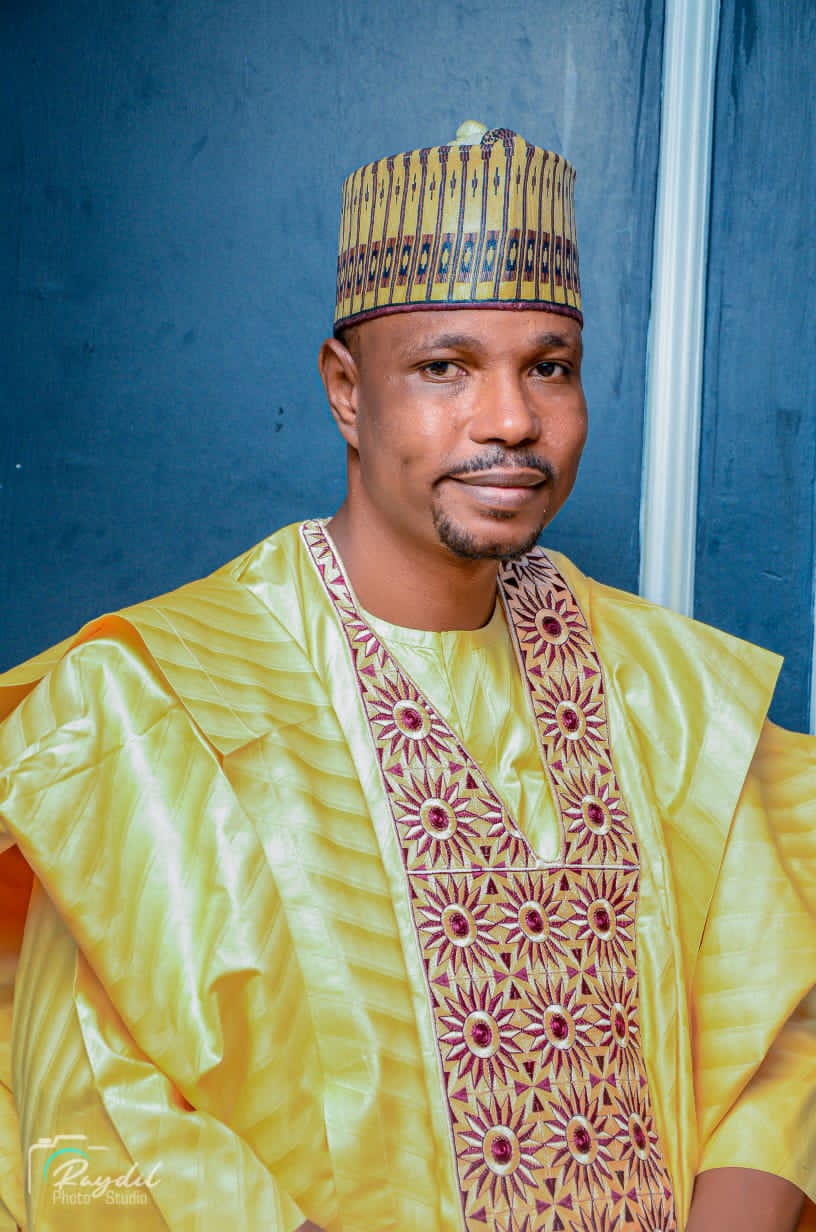
The House of Representatives candidate for Wudil/Garko Federal Constituency under the platform of people’s redemption party in Kano State, Rufai Dagumawa, has pledged to establish an Information and Communication Technology (ICT) hub in Garko to equip young people with digital and technical skills and connect them to the global economy.
Dagumawa made the pledge in an interview with Nigerian Tracker after a stakeholders’ meeting held in Kano, where he outlined his vision for addressing socioeconomic challenges in the constituency through technology-driven empowerment.
The candidate said he believed that sustainable development required a proper understanding of the underlying causes of socioeconomic problems rather than adopting temporary measures that failed to provide lasting solutions.
According to Dagumawa, many people discuss the challenges confronting their communities without fully understanding the issues or identifying practical ways to resolve them permanently.
He said he had been considering different approaches to addressing the problems facing Wudil and Garko, adding that his proposed interventions would focus on practical solutions that could improve the lives of residents.
Dagumawa argued that Garko Local Government Area could address many of its development challenges through targeted interventions, noting that its circumstances differed from those of larger metropolitan local government areas.
He maintained that establishing an ICT hub would provide an opportunity to equip young people with marketable skills and create sustainable employment opportunities within the constituency.
“Information and Communication Technology is the key to success in today’s world,” Dagumawa said, explaining that technology had become an important tool for economic growth and development across different countries.
He cited countries such as Singapore, Malaysia and Argentina as examples of places where technology and sophisticated ICT infrastructure were being used to support development and improve access to technical services.
Dagumawa said his plan, if elected, would involve bringing experts to Garko to train young people in the production of mobile phone accessories, including screen protectors and phone chargers.
He explained that the proposed centre would also provide practical training in phone repairs, laptop and desktop computer repairs, as well as other ICT-related services that could enable participants to earn a living through technical expertise.
The candidate said the initiative would go beyond conventional empowerment programmes by equipping beneficiaries with skills they could use to establish businesses, provide services and compete in an increasingly technology-driven economy.
According to him, the availability of technical support services and ICT training facilities would create opportunities for young people to develop specialised competencies and respond to the growing demand for digital and electronic services.
Dagumawa added that the proposed hub would help bridge the gap between young people in Wudil/Garko and opportunities available in the wider economy by giving them access to skills that could be applied locally and internationally.
He described the initiative as a form of sustainable empowerment that could provide young people with long-term livelihood opportunities rather than temporary financial assistance.
The candidate said his ultimate objective was to create a system through which young people in the constituency could acquire practical knowledge, become economically productive and contribute to the development of their communities.
Dagumawa maintained that connecting Wudil/Garko to the global economy through technology would require deliberate investment in skills acquisition, technical training and access to modern ICT services.
Dagumawa also pledged to address drainage problems in Garko, saying his approach would focus on identifying the root causes of the challenges and implementing lasting solutions rather than temporary measures.
The House of Representatives candidate said many people discussed socioeconomic problems without adequately understanding their underlying causes, stressing that effective leadership required careful thinking and practical plans to resolve such challenges permanently.
According to Dagumawa, he had been considering different approaches to addressing the drainage challenges confronting the area, adding that he was committed to finding solutions that would improve the living conditions of residents.
He argued that addressing the drainage system in Garko was achievable with targeted interventions, noting that the local government did not face the same scale of challenges as some larger metropolitan areas.
Dagumawa said his proposed intervention would focus on resolving the drainage problems through practical measures designed to provide lasting relief to residents, although he did not provide specific details of the proposed projects.
News
Hamma Urges Political Candidates to Prioritise Unity, Ideology Over Personal Interests
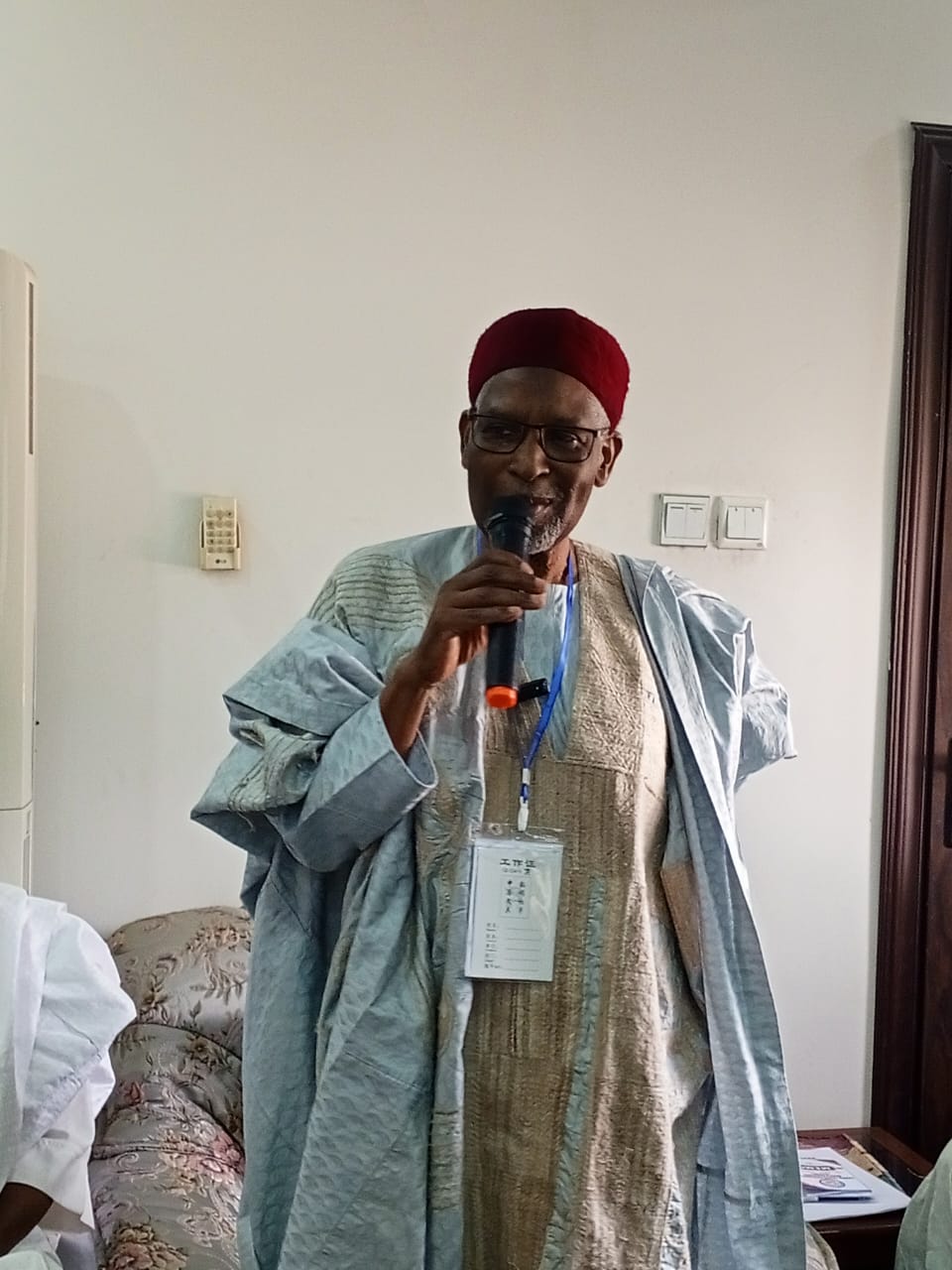
Former Pro-Chancellor of Northwest University and former Secretary to the Kano State Government, Alhaji Sule Yahaya Hamma, has urged political candidates in the Wudil/Garko Federal Constituency to prioritise unity, ideological commitment and peaceful political engagement ahead of the 2027 general elections.
Hamma made the appeal during a town hall meeting organised by the Garko Youth Movement for candidates seeking election to the House of Representatives to represent Wudil/Garko Federal Constituency in 2027.
He commended the youths for initiating the gathering, describing it as an opportunity for candidates to present their programmes and engage with the electorate on their plans for the constituency.
The former secretary to the state government stressed that unity and a clear political ideology were essential ingredients for development, urging the candidates and their supporters to avoid envy, division and personal interests that could undermine collective progress.
“I want to draw the attention of the people to the fact that there can be no progress without unity and ideology. Do away with envy and remain committed to your ideology,” Hamma said.
He explained that commitment to principles had historically played an important role in shaping the reputation of prominent individuals, including traditional rulers and descendants of Prophet Muhammad, noting that their influence was not necessarily determined by their birth but by their adherence to their beliefs and principles.
Hamma urged the candidates to place their political ideologies and the interests of the people above personal ambitions, adding that collective commitment to shared principles could help communities achieve meaningful development.
He also emphasised that contesting an election against another candidate should not be regarded as a personal conflict, noting that all contestants had the right to seek public office and present themselves as potential servants of the people.
According to him, political competition should provide an opportunity for candidates to explain their plans for addressing the challenges facing their constituency rather than becoming a platform for personal attacks.
Hamma consequently advised the candidates to avoid mudslinging, verbal abuse and other forms of negative campaigning, urging them to conduct their political activities with decorum and respect for one another.
He maintained that the ultimate objective of seeking public office should be to serve the people and contribute to the development of the constituency.
Speaking at the event, the Acting Chairman of the Garko Youth Progressive, Anas Ibrahim Na Baffa, described the town hall meeting as a historic gathering, saying that such an initiative had never previously taken place in Garko.
Na Baffa expressed appreciation to the stakeholders who supported the initiative, particularly the candidates and teachers who contributed to making the meeting possible.
He said the organisers were grateful for the cooperation they received from various stakeholders, adding that their participation demonstrated a shared interest in discussing the future of the area.
According to him, the meeting was not organised to undermine or discredit any candidate but to provide a common platform for discussing ideas and identifying practical ways to develop Garko and the wider federal constituency.
He explained that the organisers wanted the candidates to engage with the people, outline their priorities and demonstrate how they intended to address the challenges confronting the constituency if elected.
The meeting attracted more than 10 candidates aspiring to represent Wudil/Garko Federal Constituency in the House of Representatives in the 2027 general elections.
The candidates used the platform to present their views and explain the programmes they intended to implement if elected.
Among the candidates who presented their programmes was the candidate of the People’s Redemption Party (PRP), Rufai Dagumawa, who promised to prioritise the rehabilitation of drainage infrastructure in Garko Local Government Area if elected.
Dagumawa said he would work towards overhauling the area’s drainage system to address drainage-related challenges and improve local infrastructure.
He also pledged to promote information and communication technology (ICT) in Garko Local Government Area, with a view to supporting digital development and expanding opportunities for residents.
In addition, the PRP candidate promised to establish a rice mill as part of his proposed economic development initiatives, saying the project would support agricultural activities and contribute to local economic growth.
The town hall meeting provided an opportunity for the candidates to present their proposed policies and development priorities as political activities gradually build towards the 2027 general elections.
The organisers said the initiative was intended to encourage constructive political engagement and place the development needs of Wudil/Garko Federal Constituency at the centre of discussions among aspiring representatives.
News
State Police: 24 State Assemblies Approve Constitutional Amendment–Presidency
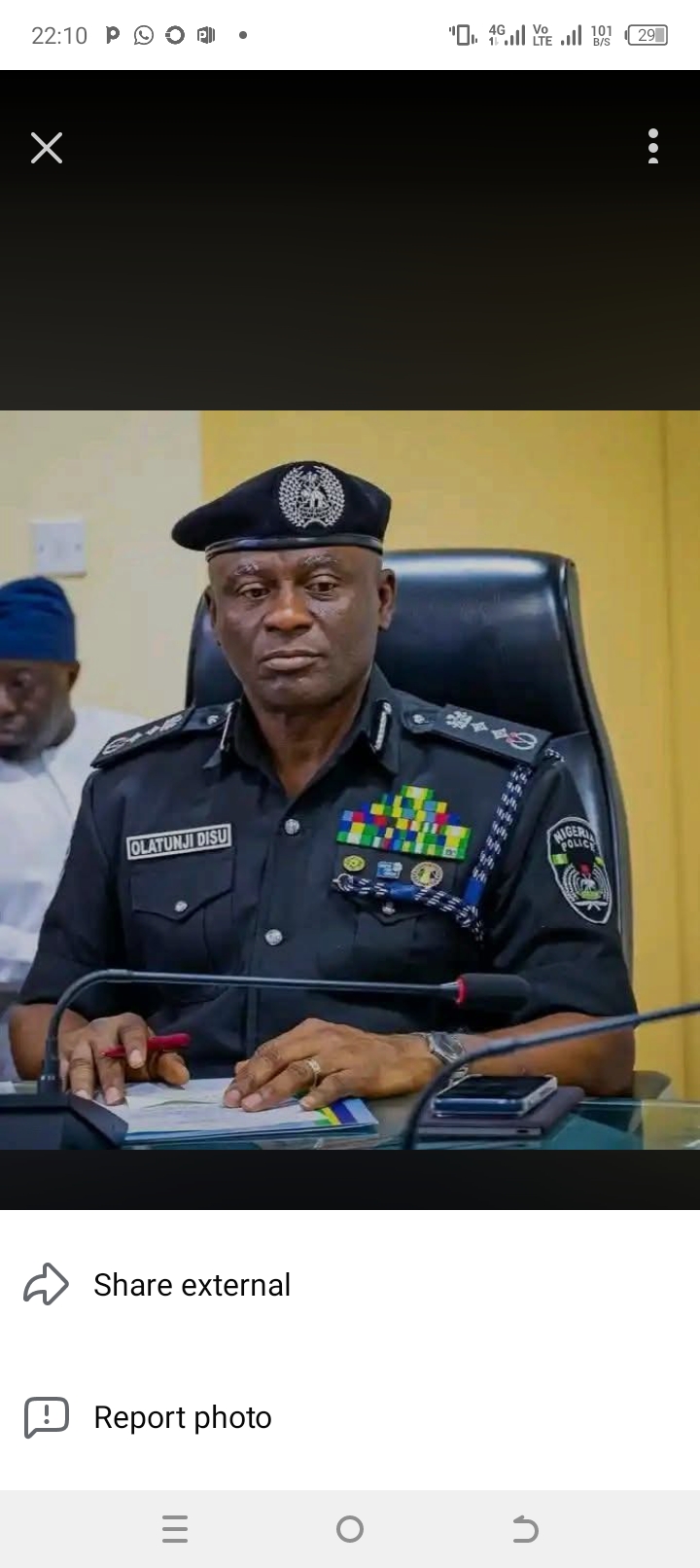
By Yusuf Danjuma Yunusa
The Presidential Working Group on the National Policing Bill says 24 State Houses of Assembly have approved the Constitution (Sixth Alteration) Bill, 2026, providing for a dual policing system.
The approval meets the constitutional threshold of two-thirds of the 36 states required for the amendment to proceed.
The Working Group commended the State Houses of Assembly for their action and acknowledged the National Assembly for passing the amendment in both chambers.
This is contained in a statement issued by Femi Gbajabiamila, Chief of Staff to the president and chairman of the Working Group, on Friday in Abuja.
“In line with Section 9 of the Constitution, the amendment can now be returned to the National Assembly for transmission to Mr President for assent.”
Mr Gbajabiamila said the approval provided constitutional backing for the policing framework outlined in the Working Group’s draft National Policing Bill, 2026.
He added that the draft bills were undergoing legislative drafting, review and validation at the Federal Ministry of Justice.
The bills are expected to be returned on or before October 30, after which the Working Group will give them final consideration before presenting them to President Bola Tinubu.
The Working Group urged stakeholders to support a smooth transition to a dual policing system aimed at improving public safety.

Dagumawa Promises to Connect Wudil/Garko to Global Economy Through ICT Hub

Hamma Urges Political Candidates to Prioritise Unity, Ideology Over Personal Interests

Open The Social Sciences “A Tribute to a Heterodox Scholar: Mallam Ibrahim Muazzam

State Police: 24 State Assemblies Approve Constitutional Amendment–Presidency

ECOWAS Court Faults Process Backed by Council of Ministers in Darma Removal Case

PCACC Arrests Man Over Alleged ₦4.5m Sale, Illegal Leasing of Kano Government Horse Stable

Kano Monitors ₦48.9bn Projects Across Six LGAs

Goje’s Electoral War:The Confrontation With Tinubu,Governor Inuwa,Usman Kumo And APC candidates Ahead Of 2027

Kano Spends ₦10.36bn on Hospitality, Sitting Allowances, Others in Six Months

Senate Passes Barau’s Bill to Provide Legal Framework for Yusuf Maitama Sule Federal University of Education, Kano
Dagumawa Promises to Connect Wudil/Garko to Global Economy Through ICT Hub
Hamma Urges Political Candidates to Prioritise Unity, Ideology Over Personal Interests
Open The Social Sciences “A Tribute to a Heterodox Scholar: Mallam Ibrahim Muazzam
State Police: 24 State Assemblies Approve Constitutional Amendment–Presidency
ECOWAS Court Faults Process Backed by Council of Ministers in Darma Removal Case
PCACC Arrests Man Over Alleged ₦4.5m Sale, Illegal Leasing of Kano Government Horse Stable
Kano Monitors ₦48.9bn Projects Across Six LGAs
Goje’s Electoral War:The Confrontation With Tinubu,Governor Inuwa,Usman Kumo And APC candidates Ahead Of 2027
Kano Spends ₦10.36bn on Hospitality, Sitting Allowances, Others in Six Months
Senate Passes Barau’s Bill to Provide Legal Framework for Yusuf Maitama Sule Federal University of Education, Kano
-

 Opinion5 years ago
On The Kano Flyovers And Public Perception
-

 Features5 years ago
How I Became A Multimillionaire In Nigeria – Hadiza Gabon
-

 Opinion6 years ago
Kano As future Headquarters Of Poverty In Nigeria
-

 History6 years ago
Sheikh Adam Abdullahi Al-Ilory (1917-1992):Nigeria’s Islamic Scholar Who Wrote Over 100 Books And Journals
-

 Opinion5 years ago
My First Encounter with Nasiru Gawuna, the Humble Deputy Governor
-

 History5 years ago
The History Of Borno State Governor Professor Babagana Umara Zulum
-

 History6 years ago
The Origin Of “Mammy Market” In Army Barracks (Mammy Ochefu)
-

 News5 years ago
Federal University Of Technology Babura To Commence Academic Activities September