
News
NNPC Ltd, PSC Contractors Resolve Disputes, Renew PSC Leases
Less than a month after the unveiling of NNPC Ltd by Mr. President, NNPC Ltd and its Production Sharing Contract (PSC) Contractors are pleased to announce the execution of fully termed agreements for the renegotiated PSCs.
During an event to mark the landmark achievement held today at the NNPC Towers in Abuja, the parties renewed their agreements in five Oil Mining Leases (OMLs 128,130,132, 133, and 138), a development that would not only unlock further investments in the upstream sector and boost investors’ confidence but would also unlock over $500bn in revenue for the country.
Group CEO, NNPC Ltd, Mallam Mele Kyari, said renegotiations of the assets were in line with the provisions of section 311 of the PIA with other improvements to the PSCs aimed at driving performance in the PSC operations.
President Buhari Unveils New NNPC LTD
Speaking further, Kyari said the negotiations were completed within the timeframe specified by PIA for all re-negotiated PSCs, stressing that “the “meaning of this is that there is now a great deal of clarity between NNPC Ltd and its partners in the deep water space.”
Kyari commended President Muhammadu Buhari for his leadership in providing theNNPC Ltd and its Contractors the opportunity to achieve the milestone through thePIA, thereby offering more opportunities for boosting the nation’s crude oil production and revenue base.
In his remarks, Country Chair, Shell Companies in Nigeria, Mr. Osagie Okunbor described the execution of OML 133 PSC contract as significant progress towards harnessing the deep-water resources of Nigeria.
Also speaking, the Chairman/Managing Director of Exxon Mobil Companies in Nigeria,Mr. Richard Laing noted that the renewal of the Usan and Erha leases validates his company’s commitment to maintaining a significant deepwater presence in Nigeria,through Esso Exploration and Production Nigeria (Deepwater) Limited.
On his part, Chairman/Managing Director of Chevron Nigeria Limited (CNL), Mr. Rick Kennedy said Chevron is proud of its strong partnership with Nigeria and its various partners and remains also committed to supporting the country to develop its energy resources safely and reliably.
The recent negotiations will put to rest the protracted dispute between the NNPC Ltd and the Contractor Parties in Oil Mining Leases (OMLs) 125, 128, 130, 132 and 133, as well as 138 PSCs). The PSCs and their leases, except OML 130, will run for another 20 years term under pre-PIA laws, while OML130 is to be renewed under PIA terms.
The PIA in Section 31m(2) stipulates that new PSC agreements under new Heads of Terms will be signed between NNPC Ltd as Concessionaire and her Contractor Parties within one year of signing the PIA into law, giving a deadline of 15th August 2022.
This provision paved the way for the resolution of lingering disputes which created investment uncertainty and stifled new investments in the nation’s deep offshore assets.
To achieve this, NNPC Ltd leveraged on the near-end term of the PSCs and the parties’ interest to renew the PSCs as a negotiation currency in bringing the contractors to work towards trading the past for the future.
These renewed PSCs would provide several benefits such as improved long-term relationships with contractors, elimination of contractual ambiguities, especially in relation to gas terms, and enable early contract renewal amongst others.
In a statement by Group General Manger public affairs Division NNPC Limited Garba Deen Muhammad said the signing ceremony was witnessed by the Honourable Minister of State for Petroleum Resources, Chief Timipre Sylva; Board Members of NNPC Ltd, led by the Chairman, Senator, Margerie Chuba Okadigbo; Chief Executive of NUPRC, Engr. Gbenga Komolafe; Chief Executive of NMDPRA, Mr. Faruk Ahmed and the Executive Chairman, Federal InlandRevenue Service (FIRS), Mr. Muhammad Namu.
NNPC Ltd, PSC Contractors Resolve Disputes, Renew PSC Leases
Less than a month after the unveiling of NNPC Ltd by Mr. President, NNPC Ltd and its Production Sharing Contract (PSC) Contractors are pleased to announce the execution of fully termed agreements for the renegotiated PSCs.
During an event to mark the landmark achievement held today at the NNPC Towers in Abuja, the parties renewed their agreements in five Oil Mining Leases (OMLs 128,130,132, 133, and 138), a development that would not only unlock further investments in the upstream sector and boost investors’ confidence but would also unlock over $500bn in revenue for the country.
Group CEO, NNPC Ltd, Mallam Mele Kyari, said renegotiations of the assets were in line with the provisions of section 311 of the PIA with other improvements to the PSCs aimed at driving performance in the PSC operations.
Speaking further, Kyari said the negotiations were completed within the timeframe specified by PIA for all re-negotiated PSCs, stressing that “the “meaning of this is that there is now a great deal of clarity between NNPC Ltd and its partners in the deep water space.”
Kyari commended President Muhammadu Buhari for his leadership in providing theNNPC Ltd and its Contractors the opportunity to achieve the milestone through thePIA, thereby offering more opportunities for boosting the nation’s crude oil production and revenue base.
In his remarks, Country Chair, Shell Companies in Nigeria, Mr. Osagie Okunbor described the execution of OML 133 PSC contract as significant progress towards harnessing the deep-water resources of Nigeria.
Also speaking, the Chairman/Managing Director of Exxon Mobil Companies in Nigeria,Mr. Richard Laing noted that the renewal of the Usan and Erha leases validates his company’s commitment to maintaining a significant deepwater presence in Nigeria,through Esso Exploration and Production Nigeria (Deepwater) Limited.
On his part, Chairman/Managing Director of Chevron Nigeria Limited (CNL), Mr. Rick Kennedy said Chevron is proud of its strong partnership with Nigeria and its various partners and remains also committed to supporting the country to develop its energy resources safely and reliably.
The recent negotiations will put to rest the protracted dispute between the NNPC Ltd and the Contractor Parties in Oil Mining Leases (OMLs) 125, 128, 130, 132 and 133, as well as 138 PSCs). The PSCs and their leases, except OML 130, will run for another 20 years term under pre-PIA laws, while OML130 is to be renewed under PIA terms.
The PIA in Section 31m(2) stipulates that new PSC agreements under new Heads of Terms will be signed between NNPC Ltd as Concessionaire and her Contractor Parties within one year of signing the PIA into law, giving a deadline of 15th August 2022.
This provision paved the way for the resolution of lingering disputes which created investment uncertainty and stifled new investments in the nation’s deep offshore assets.
To achieve this, NNPC Ltd leveraged on the near-end term of the PSCs and the parties’ interest to renew the PSCs as a negotiation currency in bringing the contractors to work towards trading the past for the future.
These renewed PSCs would provide several benefits such as improved long-term relationships with contractors, elimination of contractual ambiguities, especially in relation to gas terms, and enable early contract renewal amongst others.
In a statement by Group General Manger public affairs Division NNPC Limited Garba Deen Muhammad said the signing ceremony was witnessed by the Honourable Minister of State for Petroleum Resources, Chief Timipre Sylva; Board Members of NNPC Ltd, led by the Chairman, Senator, Margerie Chuba Okadigbo; Chief Executive of NUPRC, Engr. Gbenga Komolafe; Chief Executive of NMDPRA, Mr. Faruk Ahmed and the Executive Chairman, Federal InlandRevenue Service (FIRS), Mr. Muhammad Namu.












News
Kano Task Force Arrests 380 Suspects, Secures Over 230 Convictions in Two Months
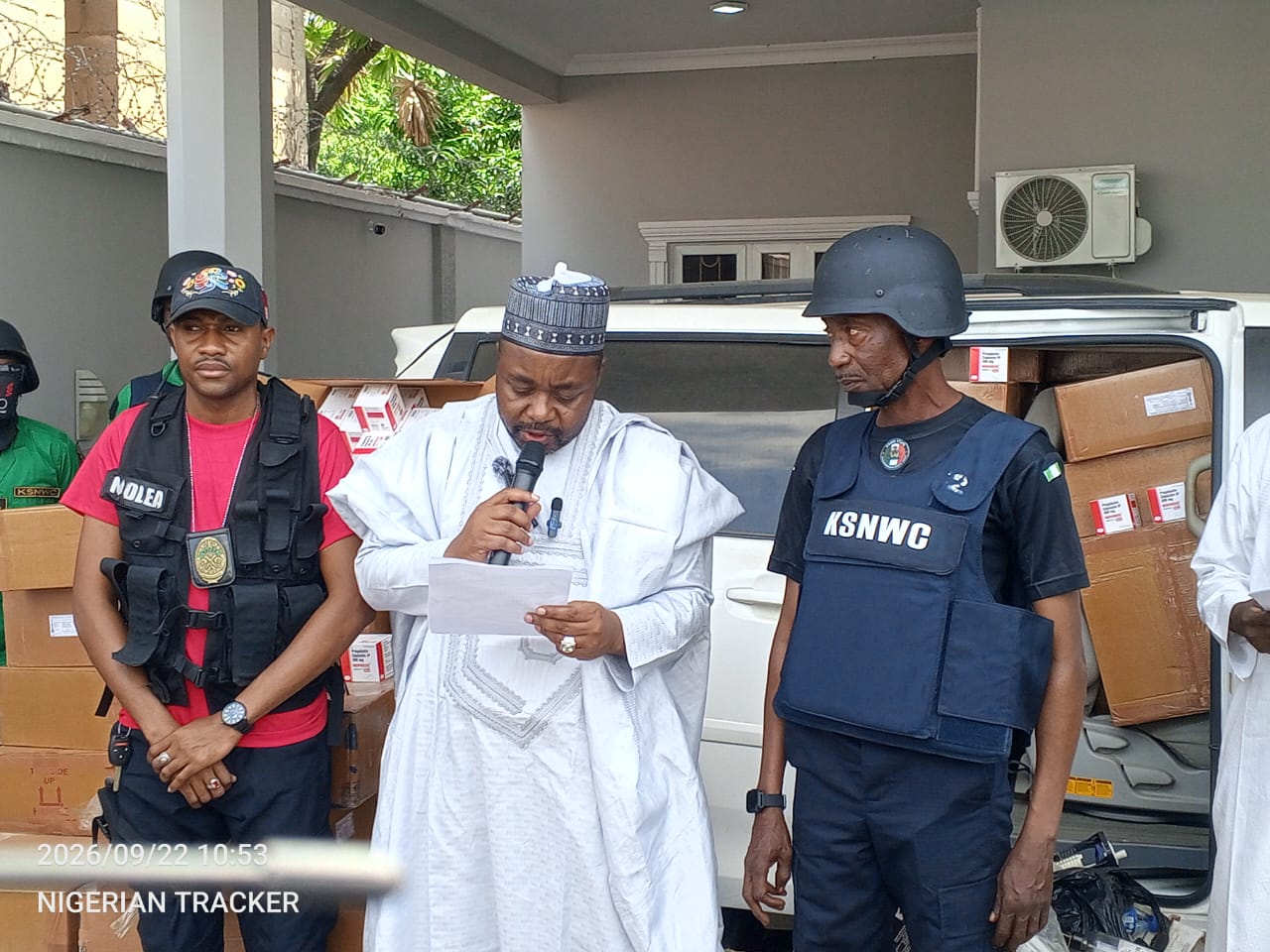
The Kano State Multi-Agency Task Force on Drug Abuse and Illicit Trafficking says it has arrested more than 380 suspects and secured over 230 convictions within two months of its inauguration, as part of intensified efforts to combat drug abuse, illicit trafficking, thuggery and other related crimes in the state.
Chairman of the Task Force, Barrister Muhuyi Magaji Rimin Gado, disclosed this on Tuesday,while briefing journalists on the activities and achievements of the committee since its inauguration on July 22, 2026. The task force was established as part of the Kano State Government’s response to substance abuse and drug-related criminal activities.
According to Rimin Gado, the committee has conducted a series of joint enforcement and dislodgment operations targeting drug joints, criminal hideouts and locations where youths allegedly gather to abuse illicit substances before engaging in activities including thuggery, phone snatching and other crimes.
Rimin Gado said the operations covered several identified black spots in Kano metropolis, including Race Course, Filin Idi, Filin Mahaha, Tashar Rami, Kawo and Tashar Rimi, among other locations.
The Task Force chairman said the operations resulted in the arrest of more than 380 suspects and the recovery of assorted substances, including Cannabis Sativa, Exol-5, Diazepam, Pentazocine injection, Tramadol, Pregabalin capsules, Rubber Solution and other substances identified by the task force as being abused illicitly.
He said the committee also recovered locally made weapons from some of the locations, including knives, cutlasses, daggers, clubs and other offensive weapons allegedly used by suspected drug dealers and members of criminal groups.
Rimin Gado said the recovery of the weapons was significant because some of the suspects allegedly used them to intimidate residents, commit crimes and resist arrest during enforcement operations.
The Task Force chairman also disclosed that about 870,000 capsules of Pregabalin were seized from a pharmaceutical company in the state over suspected diversion of the controlled substance for illicit use.
According to Rimin Gado, the circumstances surrounding the discovery raised concerns about compliance with federal and state regulations governing pharmaceutical warehouse operations and the distribution of controlled medicines.
He therefore called on pharmaceutical companies, pharmacy managers, superintendent pharmacists and other personnel in the pharmaceutical supply chain to strengthen their internal controls and ensure that controlled medicines do not find their way into illicit markets.
Rimin Gado warned that the Task Force would investigate anyone found culpable in the diversion of controlled drugs, stressing that legitimate pharmaceutical businesses must cooperate with inspections and inquiries.
The chairman further disclosed that more than 230 convictions had already been secured from cases handled by the Task Force since its inauguration.
He cited the conviction of two men, Kabiru Isa, popularly known as Mada, and Usman Hamisu, also known as Mani, over their alleged involvement in exposing 43 underage children to intoxicating substances.
The two men were previously reported to have been sentenced by Magistrate Muhammad Alhaji Sani of Magistrate Court No. 44, Gwammaja, Kano, after being convicted of offences including criminal conspiracy, membership of an unlawful society and administering intoxicating substances.
Rimin Gado said the 43 children, many of whom were involved in street scavenging, were allegedly supplied with Rubber Solution and other intoxicating substances instead of being properly paid for their work.
He said the children had been rescued and subjected to medical examinations, counselling and treatment, while efforts were ongoing to trace their families.
The chairman said some of the children’s families had already been identified and reunited with them, while the rehabilitation and reintegration process for others was continuing.
Rimin Gado also disclosed what he described as a landmark case involving alleged illegal administration and distribution of Pentazocine.
According to him, the Task Force acted on a complaint concerning the alleged administration of Pentazocine to a 63-year-old woman by former Chairman of Rogo Local Government Area, Yahuza Musa.
He said the allegation was further corroborated by a 24-year-old man who claimed to have spent more than N10 million and a plot of land to purchase the same injection from the former local government chairman.
Rimin Gado said the former chairman had subsequently been charged before a competent court, where the case remains pending.
The chairman said the Task Force had also intensified its campaign against the activities of criminal gangs popularly referred to as Daba, with several suspected gang members arrested and convicted.
Rimin Gado identified some of those convicted as Abdullahi Ahmad, popularly known as Horror; Abubakar Sada, also known as Daburi; Abdullahi Sani, known as Sarki Ale; and Umar Aliyu, among others.
He said some suspected gang members had used social media platforms to allegedly glorify or encourage thuggery and violence, adding that the Task Force would continue to pursue individuals involved in such activities.
Rimin Gado said the convictions were intended to demonstrate that drug abuse, gang activities and violent thuggery would be treated as criminal matters requiring enforcement and prosecution.
The chairman also announced a breakthrough in the investigation of a phone-snatching syndicate known as ‘Yan Liya, which allegedly uses commercial tricycles, popularly called Adaidaita Sahu or Keke Napep, to steal mobile phones from members of the public.
According to Rimin Gado, the Task Force arrested a suspect linked to the syndicate, secured his conviction and obtained the forfeiture of a tricycle allegedly used in the commission of the crime.
He said the suspect reportedly confessed that he could not count the number of phones allegedly stolen by the syndicate.
Rimin Gado further alleged that some owners of the tricycles used by the syndicate were aware of the criminal activities of their riders and sometimes demanded higher payments because of the proceeds generated from the illicit operations.
The chairman therefore urged members of the public to exercise caution when using commercial tricycles and warned owners against knowingly allowing their vehicles to be used for criminal activities.
He said the Task Force would pursue not only individuals involved in criminal activities but also the instruments allegedly used to commit the offences, including vehicles, where the law permits forfeiture.
Beyond arrests and prosecutions, Rimin Gado said the Task Force was combining enforcement with prevention, treatment and rehabilitation.
He said about 125 people had been referred to the Kano Reformatory Institute in Kiru for rehabilitation as part of efforts to address substance abuse as a problem requiring treatment and recovery rather than enforcement alone.
The Task Force had earlier announced plans to establish additional rehabilitation facilities and engage stakeholders in prevention and treatment programmes across the state.
Rimin Gado said the committee had also embarked on sensitisation programmes involving communities, religious institutions, schools, markets and other stakeholders to educate residents about the dangers associated with drug abuse.
The chairman said the growing demand for rehabilitation had placed significant pressure on the Kano State Reformatory Institute in Kiru, which he said had reached capacity.
According to Rimin Gado, Governor Abba Kabir Yusuf had provided an additional facility in Tofa Local Government Area to serve as an extension of the rehabilitation infrastructure.
He said the facility would be equipped and put into operation to accommodate people seeking treatment and rehabilitation, particularly as more families were voluntarily bringing relatives affected by substance abuse for assistance.
Rimin Gado said the broader objective of the intervention was to take 10,000 youths off the streets, rehabilitate them, provide skills acquisition opportunities and support their eventual reintegration into society.
He said the Task Force was engaging industrial stakeholders and other relevant organisations on strategies for creating employment and productive opportunities for youths who complete rehabilitation.
According to him, the objective is to ensure that rehabilitated youths return to their communities with useful skills and opportunities that can reduce the risk of relapse and re-engagement in criminal activities.
The proposed 10,000-person intervention is consistent with earlier statements by the Task Force that its strategy would combine enforcement with detoxification, rehabilitation, skills acquisition and economic reintegration.
Rimin Gado attributed the progress recorded by the Task Force to the cooperation among security, law enforcement, government and community-based institutions working under the multi-agency framework.
He specifically appreciated personnel from the National Drug Law Enforcement Agency, Nigeria Police Force, Department of State Services, Nigeria Security and Civil Defence Corps, Nigeria Customs Service, Nigerian Correctional Service, KOSSAP, Vigilante groups, Hisbah and KAROTA for their participation in the operations.
The chairman said the multi-agency structure was designed to reduce inter-agency rivalry and improve intelligence sharing, joint operations and coordinated responses to drug abuse and associated criminal activities.
Governor Abba Kabir Yusuf had, at the inauguration of the Task Force in July, directed the committee to coordinate intelligence gathering, enforcement, public enlightenment, rehabilitation and collaboration among relevant agencies.
Rimin Gado also acknowledged the contributions of non-governmental organisations, civil society groups, traditional institutions, religious organisations and the media to the campaign against drug abuse.
He appealed to residents to provide timely and relevant information to the Task Force and other security agencies on drug trafficking, criminal hideouts and activities that threaten public safety.
The chairman said the Task Force’s activities were in line with Governor Yusuf’s objective of achieving a drug-free Kano under his administration’s “Kano First Agenda.”
Rimin Gado expressed appreciation to Governor Yusuf for what he described as the political will and institutional support behind the establishment of the Task Force, saying the administration’s approach had brought several agencies together under a common framework to confront drug abuse, illicit trafficking and related criminal activities.
The Kano State Government inaugurated the multi-agency task force on July 22, shortly after the governor signed an executive order aimed at tackling substance abuse, thuggery and related criminal activities across the state.
The Task Force chairman said the committee would sustain its enforcement, prevention, rehabilitation and reintegration programmes, with the stated objective of making Kano safer while providing vulnerable youths affected by substance abuse with opportunities to recover, acquire skills and return to productive community life.
News
Uromi Killings: Human Rights Group Demands Explanation Over N6m Given to Kano Victims’ Families
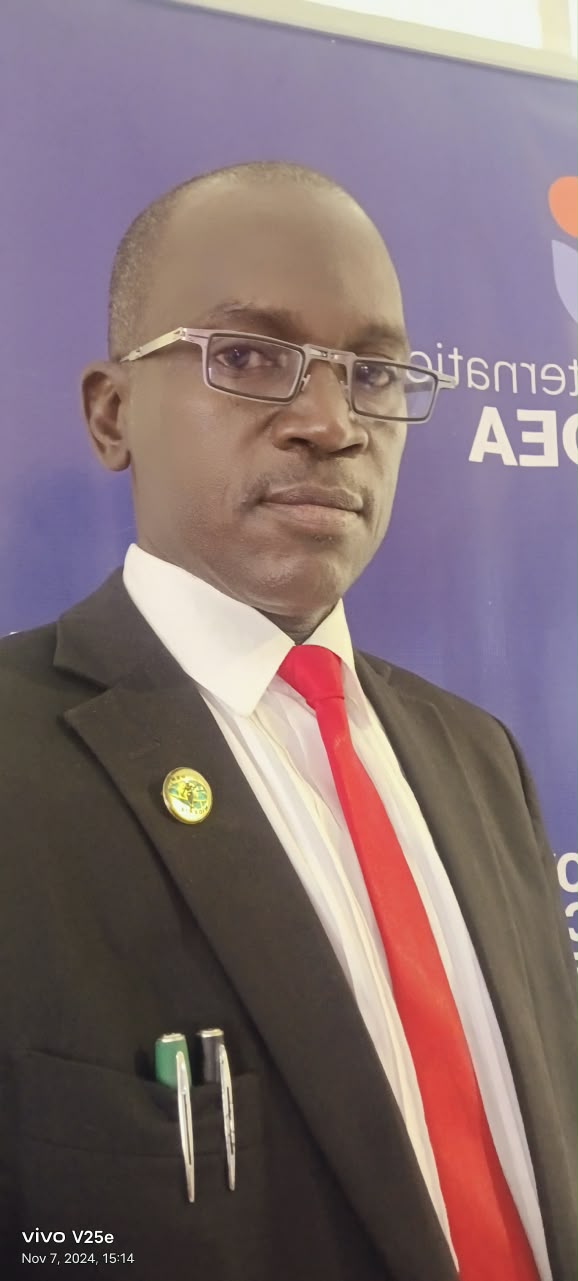
The International Human Rights Network has demanded clarification from the Kano State Government over the reported N6 million given to families of Kano hunters killed during the Uromi killings in Edo State.
The organisation wants Governor Abba Kabir Yusuf to explain whether the money was paid as compensation for the lives lost or was merely financial support to the bereaved families.
The coordinator of the International Human Rights Network, Comrade Haruna Ayagi, made the demand while addressing journalists in Kano, saying the families deserve transparency from the government on the nature and purpose of the payment.
Ayagi said the Kano Government should make the matter public and clearly communicate to the affected families whether the N6 million represents compensation, humanitarian assistance or another form of government intervention.
“We are drawing the attention of the government to be transparent. We want the government to do something and let it be open. They want an explanation of the N6 million given to them, whether it is compensation,” Ayagi said.
while those who sustained injuries were reportedly given N1.8 million each.
The human rights activist said the government should not stop at providing financial support but should also follow up with the Edo State Government and other relevant authorities regarding possible compensation for the victims.
Ayagi specifically urged Governor Yusuf to establish the status of any compensation or diya that may be due to the families of those killed, saying the victims’ relatives need clarity on what they should expect.
“It is not only the support we want. We want the Governor to follow up and track from the Edo State Government whether it is diya or support,” Ayagi said.
The coordinator also recalled that the Kano State Government had previously sent the Commissioner for Information to visit the affected families during Eid-el-Fitr, when relief materials and financial assistance were distributed.
According to Ayagi, the families were given bags of rice and cash support ranging between N250,000 and N350,000.
He said such assistance was appreciated but should not be confused with compensation for the lives lost, stressing that the government should state clearly what the N6 million represents.
Ayagi said the families of the deceased remained entitled to information about the steps being taken by the authorities to pursue justice and address the consequences of the killings.
One of the bereaved family members, Bala Dutse Ahmadu, said his son was among those killed in the Uromi incident and left behind 11 children who are now struggling to cope with life without their father.
Ahmadu said the financial assistance provided by the government had offered some relief to the family, but maintained that the support could not erase the consequences of losing a breadwinner.
“My son lost his life during the Uromi killings. He left 11 children. We are now in hardship since he left,” Ahmadu said.
He said the family appreciated the support received but insisted that compensation for the life lost had yet to be adequately addressed.
According to Ahmadu, the affected families are also seeking justice, saying the payment of financial assistance alone does not resolve the circumstances surrounding the deaths.
The International Human Rights Network therefore called on the Kano State Government to publicly clarify the N6 million payment and intensify its engagement with the Edo State Government and other relevant authorities on compensation and justice for the victims.
News
President Tinubu Adds Days to Working Vacation, Returns at Weekend

By Yusuf Danjuma Yunusa
President Bola Ahmed Tinubu will return to Nigeria this weekend after extending his working vacation in Europe by a few days, the State House announced Monday evening.
The President departed Nigeria on August 30 for London to begin the working vacation, which was initially expected to last three weeks. According to a statement issued by Bayo Onanuga, Special Adviser to the President on Information and Strategy, the President has since relocated to Paris, France, where he held meetings with French President Emmanuel Macron and businessman Mr. Vincent Bollore, whose media group includes Canal+, Multichoice, and Universal Music Group.
Despite his absence, the statement emphasized that President Tinubu has remained actively engaged with domestic affairs, particularly directing an independent panel to investigate the deaths of 37 illegal miners in Minna following their detention by the Nigeria Security and Civil Defence Corps.
The President has delegated Vice President Kashim Shettima to represent him at official functions. However, Vice President Shettima departed Abuja on September 20 for New York to attend the 81st United Nations General Assembly. In his absence, Secretary to the Government of the Federation, Senator George Akume, will continue to represent the President at official engagements.
On the political front, the statement noted that Senator Abubakar Yari, Director-General of the Presidential Campaign Council (PCC), has been leading consultations with prominent traditional rulers across the country alongside other notable party leaders.
The extension comes as the President’s initial three-week vacation timeline elapsed, with the State House confirming he will now return to the country at the weekend.

Kano Task Force Arrests 380 Suspects, Secures Over 230 Convictions in Two Months

Uromi Killings: Human Rights Group Demands Explanation Over N6m Given to Kano Victims’ Families

President Tinubu Adds Days to Working Vacation, Returns at Weekend

Court Adjourns El-Rufai’s N1 billion Suit Against ICPC, AGF, Police

Tinubu Becomes First Post-1999 Nigerian President to Miss Three Consecutive UNGAs

95% of Governor Abba Kabir Yusuf’s Promises Have Been Fulfilled — CPS Interview By Musa Diso, In Kano

Bello Sharada: A Great Writer, A Bookish Soul, Gone Too Soon

Imam Jingir Sells Out, Deploys Muslim-Muslim Chants Minutes After ₦600 Million APC Windfall

NUT Launches ‘Go Public’ Campaign to Promote Public Education in Nigeria

Nigerians Are Tired of Promises’ — CAN Demands Action on Insecurity, Hardship In Eid-el-Maulud Message
Kano Task Force Arrests 380 Suspects, Secures Over 230 Convictions in Two Months
Uromi Killings: Human Rights Group Demands Explanation Over N6m Given to Kano Victims’ Families
President Tinubu Adds Days to Working Vacation, Returns at Weekend
Court Adjourns El-Rufai’s N1 billion Suit Against ICPC, AGF, Police
Tinubu Becomes First Post-1999 Nigerian President to Miss Three Consecutive UNGAs
95% of Governor Abba Kabir Yusuf’s Promises Have Been Fulfilled — CPS Interview By Musa Diso, In Kano
Bello Sharada: A Great Writer, A Bookish Soul, Gone Too Soon
Imam Jingir Sells Out, Deploys Muslim-Muslim Chants Minutes After ₦600 Million APC Windfall
NUT Launches ‘Go Public’ Campaign to Promote Public Education in Nigeria
Nigerians Are Tired of Promises’ — CAN Demands Action on Insecurity, Hardship In Eid-el-Maulud Message
-

 Opinion5 years ago
On The Kano Flyovers And Public Perception
-

 Features5 years ago
How I Became A Multimillionaire In Nigeria – Hadiza Gabon
-

 Opinion6 years ago
Kano As future Headquarters Of Poverty In Nigeria
-

 History5 years ago
Sheikh Adam Abdullahi Al-Ilory (1917-1992):Nigeria’s Islamic Scholar Who Wrote Over 100 Books And Journals
-

 Opinion5 years ago
My First Encounter with Nasiru Gawuna, the Humble Deputy Governor
-

 History5 years ago
The History Of Borno State Governor Professor Babagana Umara Zulum
-

 History5 years ago
The Origin Of “Mammy Market” In Army Barracks (Mammy Ochefu)
-

 News4 years ago
Federal University Of Technology Babura To Commence Academic Activities September