
News
President Tinubu Commissions Projects in Kebbi, Describes Governor Idris as Committed Leader
By Yusuf Danjuma Yunusa
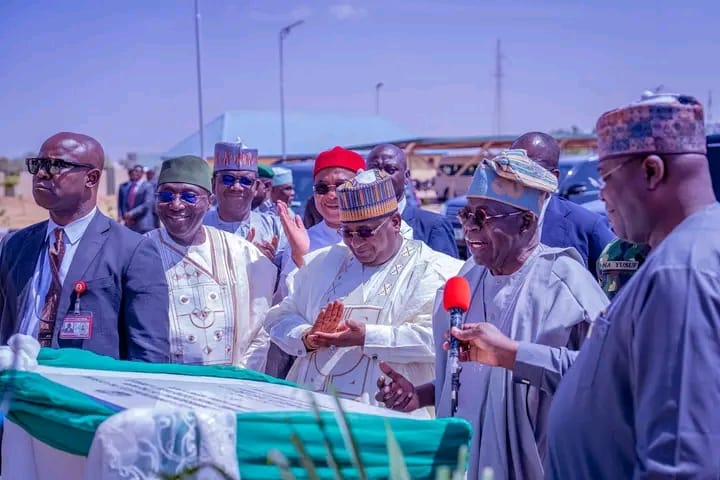
President Bola Tinubu on Saturday praised Kebbi State Governor Nasir Idris for executing transformative infrastructure projects, describing him as a “man of mission and vision” with the masses’ interests at heart.
The President made the remarks in Birnin Kebbi during the inauguration of an ultra-modern State Secretariat Complex, which the state government named after Tinubu in recognition of his leadership. The visit marked the President’s first official trip to the state and underscored the strong political ties between the two leaders.
“I know what you can do. You are a man of mission and vision. I am always proud of you,” Tinubu said, addressing Governor Idris. He further characterized the Governor as “a brother, friend and committed leader,” adding that his sterling performance since assuming office came as no surprise.
The President’s itinerary was packed with commissioning ceremonies as he virtually and physically inaugurated multiple flagship projects that define Idris’s development agenda. The centrepiece of the visit was the new secretariat complex, a multi-billion-naira project originally initiated in 2012 but revived and completed under Idris’s administration. The decision to name the facility after President Tinubu was framed as a symbol of the state’s appreciation for federal support and the President’s national leadership.
In addition to the secretariat, Tinubu inaugurated the Birnin Kebbi Central Motor Park, a modern transport hub designed to enhance commercial activity and passenger experience, as well as the newly dualised three-lane carriageway along Emir Haruna Road and the dualised Old Argungu By-Pass. He also commissioned the Kauran Gwandu College of Nursing and Midwifery Sciences in Ambursa, a significant addition to the state’s healthcare education infrastructure.
Beyond the project inaugurations, President Tinubu took time to commend the people of Kebbi State for their sustained support and cooperation with his administration. He noted that such solidarity from the grassroots has been a critical factor in the achievements recorded under Governor Idris’s leadership.
Reaffirming the Federal Government’s commitment to collaborative governance, Tinubu pledged unwavering support to states in delivering democratic dividends, particularly in infrastructure, healthcare, and education. “We will continue to work together to bring more development to our people,” he assured.
The President’s one-day official visit coincided with a major cultural moment for the state: the grand finale of the 61st edition of the 2026 Argungu International Fishing and Cultural Festival. Tinubu attended as the Special Guest of Honour, blending governance with the celebration of a heritage event that draws visitors from across Nigeria and beyond.
The visit successfully married political solidarity with development diplomacy, as the President used the platform to both endorse Governor Idris’s performance and connect with the broader Kebbi electorate ahead of future political cycles.









News
BREAKING: El-Rufai Released Following Mother’s Death, Son Alleges Unlawful Detention
By Yusuf Danjuma Yunusa
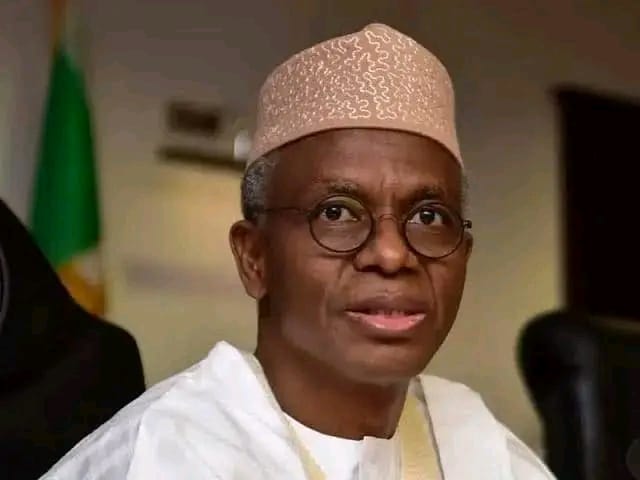
Nasir El-Rufai, the former governor of Kaduna State, has returned home after what his family describes as a period of detention, just in time for the funeral of his late mother.
His son, Bashir El-Rufai, confirmed the development in a post on X (formerly Twitter), stating that his father had been released. Bashir characterized the detention as “unlawful and illegal,” and directed sharp criticism at the agency involved, referring to it as “one of the most corrupt agencies in the Federal Republic of Nigeria that is a lame excuse of a pathetic institution.”
The former governor had reportedly presented himself to the Economic and Financial Crimes Commission (EFCC) on February 16 for questioning. According to Bashir’s account, El-Rufai was held by the commission until his release prior to the funeral.
News
Breaking:Kano Deputy Governor Resigns
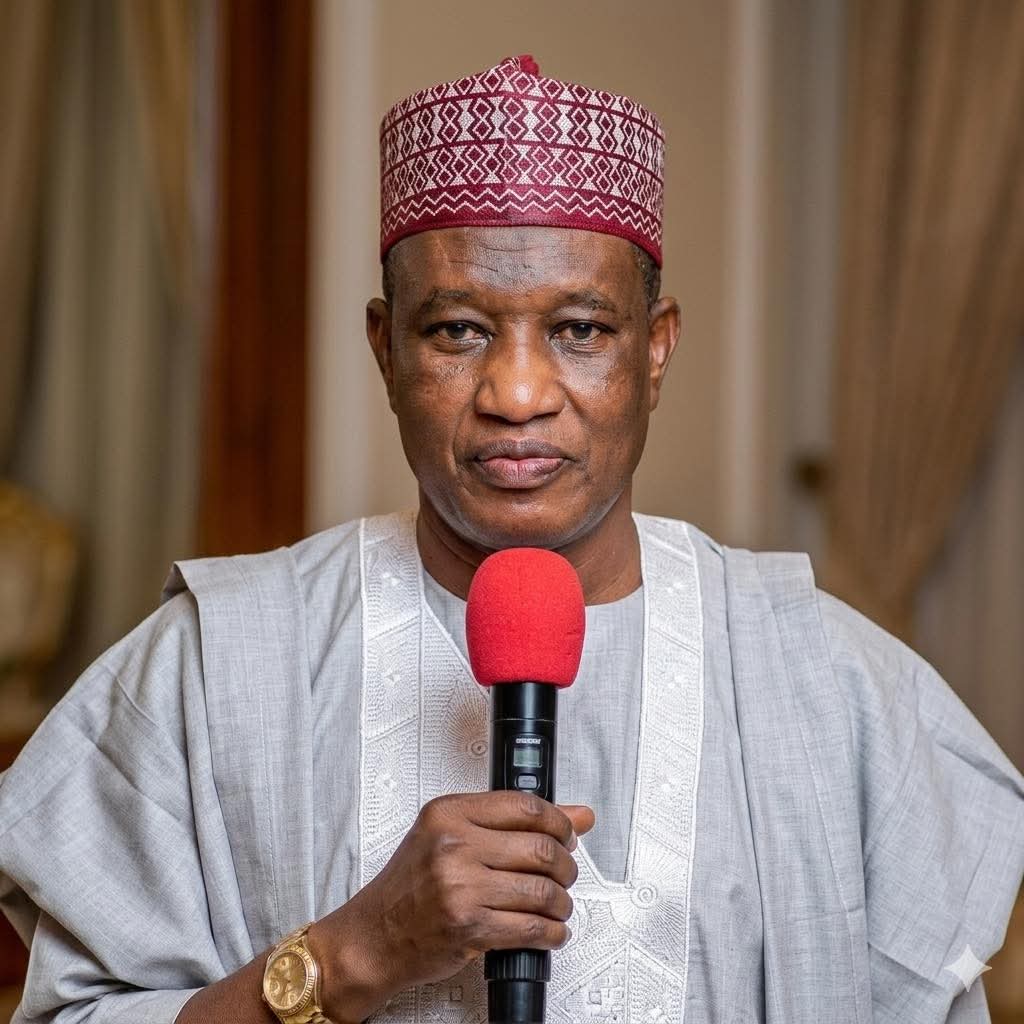
The Kwankwasiyya Movement has announced the resignation of the Deputy Governor of Kano State Comrade Aminu Abdulsalam Gwarzo, stating that the decision was formally communicated to the public in a press release issued on Friday and signed by its spokesperson, Dr. Habibu Sale Mohammed.
According to the statement, the resignation was taken “in the overall interest of the people and the stability of governance” in the state, with the movement noting that recent developments had significantly limited the Deputy Governor’s ability to fully discharge the responsibilities of the office.
The movement also addressed the ongoing issues involving the Kano State House of Assembly, emphasizing that the Deputy Governor’s decision to step down should not be interpreted as an admission of any allegations raised against him, and insisting that he continues to maintain his innocence.
Describing the move as one of “statesmanship,” the statement said the resignation was intended to reduce political tension and prevent further disruptions to governance and development efforts in Kano State, while demonstrating a commitment to peace and political maturity.
The Kwankwasiyya Movement further disclosed that the former Deputy Governor plans to redirect his focus toward strengthening the movement’s internal structures and strategies, particularly as political actors begin positioning ahead of Nigeria’s 2027 general elections.
The statement added that this renewed engagement would involve rebuilding party frameworks and pursuing strategic realignments aimed at promoting what it described as people-oriented leadership, social justice, and sustainable development.
The movement called on its supporters and residents of Kano State to remain calm, law-abiding, and committed to democratic principles, assuring the public that additional details regarding the resignation would be communicated in due course, according to the spokesperson.
Comrade Aminu Abdulsalam Gwarzo the Deputy Governor has been enmeshed in a political battle with his boss Governor Abba Kabir Yusuf since the Governor defected to the All Progressives Congress without the blessing of the NNPP National leader Senator Rabiu Musa Kwankwaso.
Recently the Kano state House of Assembly has issued Impeachment notice on Comrade Aminu Abdulsalam Gwarzo over allegation of corruption.
News
Hajiya Umma El-Rufai, Mother of Former Kaduna Governor, Passes Away
By Yusuf Danjuma Yunusa
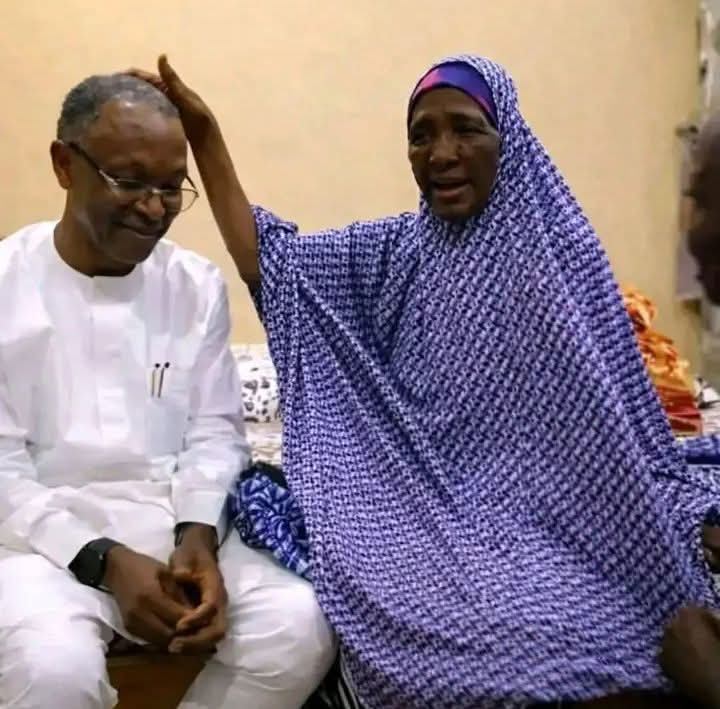
Hajiya Umma El-Rufai, the mother of former Kaduna State governor, Mallam Nasir El-Rufai, has died.
According to family sources, she passed away on Friday afternoon. While details surrounding her death remain unclear at this time, the family has since confirmed the sad event.
The announcement was made public by her grandson, Bello El-Rufai, in a statement shared on Facebook. The statement read:
“Inna lillahi wa inna ilayhi raji’un. From Allah SWT we came and to Him we shall all return.
I would like to inform the public of the demise of my grandmother, Hajiya Umma El-Rufai, who passed away a few hours ago.
She is the biological mother of our father, Mallam Nasir El-Rufai. We are grateful for the life she lived and pray that Allah SWT bless her gentle soul.
May He bless the souls of the parents we have lost. On behalf of our family, we seek your prayers. Thank you.”
The family is expected to release further details regarding funeral arrangements in due course.

APC National Convention : How DSP Barau Displays Political Sagacity, Deep Knowledge of Democracy Before President Tinubu, Others

BREAKING: El-Rufai Released Following Mother’s Death, Son Alleges Unlawful Detention

Breaking:Kano Deputy Governor Resigns

Hajiya Umma El-Rufai, Mother of Former Kaduna Governor, Passes Away

ASUU Threatens Nationwide Shutdown

The Governor Who Chose His People Over His Politics: Abba Yusuf and the Moral Courage Behind Kano First

FREEDOM OF SPEECH, NOT FREEDOM FROM CONSEQUENCE: A CITIZEN’S CALL FOR RESPONSIBLE PUBLIC COMMENTARY

Press Freedom: IPI Nigeria Calls on New Acting IGP to End Police Harassment of Journalists
Tinubu to Swear in Olatunji Disu as Inspector-General of Police on Wednesday
Restoring the Glory That Was Always There: Governor Abba Kabir Yusuf and the Historical Vision Behind Kano First
APC National Convention : How DSP Barau Displays Political Sagacity, Deep Knowledge of Democracy Before President Tinubu, Others
BREAKING: El-Rufai Released Following Mother’s Death, Son Alleges Unlawful Detention
Breaking:Kano Deputy Governor Resigns
Hajiya Umma El-Rufai, Mother of Former Kaduna Governor, Passes Away
ASUU Threatens Nationwide Shutdown
The Governor Who Chose His People Over His Politics: Abba Yusuf and the Moral Courage Behind Kano First
FREEDOM OF SPEECH, NOT FREEDOM FROM CONSEQUENCE: A CITIZEN’S CALL FOR RESPONSIBLE PUBLIC COMMENTARY
Press Freedom: IPI Nigeria Calls on New Acting IGP to End Police Harassment of Journalists
Tinubu to Swear in Olatunji Disu as Inspector-General of Police on Wednesday
Restoring the Glory That Was Always There: Governor Abba Kabir Yusuf and the Historical Vision Behind Kano First
-

 Opinion4 years ago
On The Kano Flyovers And Public Perception
-

 Features5 years ago
How I Became A Multimillionaire In Nigeria – Hadiza Gabon
-

 Opinion5 years ago
Kano As future Headquarters Of Poverty In Nigeria
-

 History5 years ago
Sheikh Adam Abdullahi Al-Ilory (1917-1992):Nigeria’s Islamic Scholar Who Wrote Over 100 Books And Journals
-

 Opinion4 years ago
My First Encounter with Nasiru Gawuna, the Humble Deputy Governor
-

 History5 years ago
The Origin Of “Mammy Market” In Army Barracks (Mammy Ochefu)
-

 History4 years ago
The History Of Borno State Governor Professor Babagana Umara Zulum
-

 News4 years ago
Federal University Of Technology Babura To Commence Academic Activities September