
News
Kano State CSOs Advocate Peaceful Sallah Celebration – Urge Youth to be Ambassadors of Peace

As Muslims across the country and beyond prepare to celebrate the joyous occasion of Eid-el-Kabir (Sallah), the coalition of 106 Civil Society Organizations (CSOs) in Kano State have extended warm greetings and best wishes to all residents of the State, particularly the Muslim faithful.
The CSOs commended the people of Kano for their continued commitment to peace, harmony, and peaceful-communal coexistence, especially during festive periods. In the spirit of the season, we call on all citizens to celebrate the Sallah peacefully, respectfully, and in a manner that upholds the values of unity and mutual respect.
In particular, we urge the youth of Kano State to remain peaceful, law-abiding, and to act as ambassadors of peace in their communities.The youth are the backbone of development of development of our society and must not allow themselves to be used by selfish individuals and groups to disrupt the peace and stability that Kano is known for.
We note with concern the rising tren;d of politically motivated violence and incitement targeting young people during periods of heightened social activity.
We therefore call on politicians, political actors, and community influencers to refrain from using youths for thuggery, violence, or divisive actions that could destabilize the State during or after the Sallah festival.
We also call on security agencies to remain vigilant, professional, and proactive in protecting lives and property throughout the holiday period. The collaboration between civil society, communities, and security institutions is essential to maintaining peace.
Finally, we encourage religious leaders, traditional rulers, and community stakeholders to continue preaching peace, tolerance, and respect for diversity during their Sallah sermons and gatherings. Lets this Eid be a time of joy, compassion, and peaceful celebration for all. Together, we can continue to build a Kano State where every citizen feels safe, included, and proud.
Eid Mubarak to all!
Signed,
Hassan Ibrahim Gama Mustapha Muhammed Chiroma
Co- signatories:
S/N
Name
Organization
1
Farouk Umar
Citizens for Development and Education (CDE)
2
Peter Hassan Tijani
Network for Empowerment and Development Initiative (NEDIN)
3
Yahaya A. Yahaya
National association of persons with physical disabilities Kano Chapter (NAPWPD)
4
Hassan Ibrahim Gama.
Masses First International Organization -MFI
5
Wali Ado Rano
Voice of the Hopeful Enlightenment and Development
Initiative (VOHEDI)
6
Abdulrahman Abdu
Youth Empowerment and Human Development Initiative (YEHDI)
7
Dr. Kabir Hamisu Kura.
Community Development Initiative
8
Rakiya Abba Tahula
Interfaith Peace Foundation
9
Dr. Ramatu Garba
Support for Women and Teenage Children (SWATCH)
10
Maimuna Umar Sheriff
Centre for Gender Base Violence Advocacy
11
Samuel Eneojo,
Merit Kano
12
Bashir Suleiman Baba
Rural – Urban Slums Development Initiative (RUSDI)
13
Abubakar Jaddah
Society for Women and Child Health Initiative (SWACHI)
14
Saratu I. Maigida
Lifeline Initiative For Widows Empowerment and Economic Development (LIWEED)
15
Ali Suleiman
Friends of the Community Organization (FOCO)
16
Halima Titi Bello
Women Gender Developers (WOGEND)
17
Dr. Yahaya Danjuma
International Peace and Secure Society (IPSS)
18
Safayanu Bichi
Kano Budget Working Group
19
Mustapha Muhammed Chiroma
Community Rights Initiative of Nigeria (CORIN)
20
Abdulrahman Uba Daushe
Spinal Cord Injuries Association of Nigeria (SCIAN)
21
Rakiya Ladi Musa
Ansar Women Development
22
Sabo Bello Madaki
Kiru Community Development Association
23
Sunusi Hashimu
Society for Child Support and Economic Empowerment (SOCSEE)
24
Samaila Namadi Ahmad
Yadfulde kiru local government Association and development
25
Asaju KolawoleKola
Kola and Funke Care Foundation
26
Adeniyi Simeon Ayodeji
Green Pasture and Home Initiative (GPHI)
27
Bashir A Bashir
Diamond Youth For Community Development
28
Salisu Gambo Ditol
Youth mobilization by media
29
Fatima Umar
Adolescents Girls, Children and Research Project – GCRp
30
Dr. Tanimu Adam Ibrahim
Gwarzo Initiative Forum
31
Ola Taiwo
Mari-Care Foundation for Widows, Single Parents, Orphans and Vulnerable Children Nigeria. (MARI-CARE)
32
Suleiman Idris
Northern Youth Assembly
33
Sa’adatu Shehu Uba
Apnan Foundation
34
Mohammed Hussaini
Nigerian Democracy Working Group
35
Hauwa Mohammed
Women Democracy Monitors
36
Fatima Ibrahim
Women Advocacy for Inclusive Democracy.
37
Rabi Alhassan
Movement for Women in Democracy.
38
Maijidfa Yahaya.
Eyes on Democracy
39
Aishatu Isah Sa’id
Youth and Women in Governance
40
Amb Dr Abdulrahman Kitilly Hudu ( PhD)
Empowerment for Vulnerable Women and Children International (EVWACH International)
41
Gharzali Ibrahim Ungogo
Ummatee Centre for the Promotion of Public Education, Accountability and Social Safety (Ummatee-C4PASS) –
42
Rabi Yusuf Gezawa MON
Center For Empowerment Of Older Persons And The Vulnerable (CEOPAV)- Formally know as GADIAC
43
Zainab Muhammad Bello
Accelerated Learning and Life Long Development Initiatives (ALALDI)
44
Dr. Auwalu Halilu
Non-formal Development for Education and Health Initiatives ( NDEHI)
45
Prof Muhammad Bello Shitu
Inclusive Community Education and Development Association ( ICEADA)
46
Ismail Kanye
KABO Local Government Development Forum
47
Bello Karaye
Karaye Initiative Forum
48
Sani Bello Madaki
Kiru Community Development Association
49
Hassan Musa Yaro
Cardinal and Development Support Initiative
50
Saadatu Hashim
Concerned Mothers Association of Kano
51
Khadija Mahmoud
ChangeAagent for Empowerment in Community Development
52
Tijjani Baraya
Social Awareness and Community Development Initiative (SACDI Nigeria)
53
FOUNDER/CEO
Human Rights Watch And Youths Empowerment Foundation, Nigeria.
54
Ruth Stephen
Touch And Care Foundation,
55
Abdulmumini Bin Yusuf
Association Of Adult And Non Formal Education (AANE)
56
Maimuna Shu’aibu
Muna Helping Hand Foundation
57
Amb. Idris Tahir Yakubu
Upward Youth Accountability, Peace And Human Rights Initiative (YAPHI)
58
Musa Abdullahi
Emagency Peace Security Committee (EPSC)
59
Ibrahim Adam
Nigeria Peace, Unity And Progress (NPUP)
60
Ibrahim Mustapha
Arewa Health Trust Initiative
61
Ramatu Tijjani
Health and development Initiative
62
Aisha Halliru
Halliru Memorial Youth Development and Empowerment initiative (AYDI)
63
Yusuf Muhammad Anas
Dawaki Youth Network for Better Tomorrow Initiatives
64
Abdurrashid Salisu Baba
Tsakuwa Mu Farka Development Association
65
Umaima Muhammad.
Aminci Multipurpose Development Association.
66
Hassan Jibril
Gano Development Association
67
Nusaibatu Muhammad
Iyayen Giji Development Association.
68
Adamu Balarabe Sarbi
Sarbi Development Association
69
Abdurrazak Ayuba usaini
Minjbir East Community Development Association(Mecda)
70
Zubairu Bala
Kwarkiya Youth Mobilization Forum
71
Ismaila Abdullahi
Gidan Kankara City Community
72
Audu Saidu
Mu Tallafi Juna Kadawa (B)
Gwale Local Government
73
Umar Iliyasu Madobi
Madobi Youth Development Forum
74
Nura Lambu
Tofa Youth Development Forum
75
Shehu Isah
Gajida Youth Development Associations
76
Abdulaziz Habibu Bello
Yanoko Youth Development Association
77
Suleiman Lawan
Gulu Community Development Association
78
Ubale Yusuf
Kofar Gabas Development Association
79
Dalhatu Jibrin Dalhatu
Karaye Initiative Forum
80
Abubakar Auwal Ahmad
Diso Self Help Group ( DISHEG)
Gwale Local Government
81
Murtala Muhd Rabiu
Hannu Dayawa Youth development Association Bachirawa – Ungogo Local Govt
82
Habibu Barau Ruwantsa
Ruwantsa Youth Development Association, Dambatta
83
Sulaiman Yusuf Maitama
Dambatta Reporters
84
Kabiru Balarabe Dambatta
Dambatta Academic Forum
85
Auwal Idris Dorayi
Center for Peace and Environmental Justice CEPEJ
86
Garba Lawan
Rano Development Association
87
Adamu Umar
Rano Youth Enlightenment Forum
88
Auwal Ayuba
Toranke Educational care & support Association.
89
Aminu Sa’ad
Consolidated Ajingi Development Association.
89
Saminu Yusha’u Chula
Chula Area Development Association.
90
Abdullahi Madaki
Kunkurawa Youth Development
91
Sunusi Garba Shehu Gajale
Kafin maiyaki Community Development Association (KACODA), Kiru Local Government Area.
92
Ahmad Tahir
Doguwa Tailoring association.
93
Abdulrazaq Ado Zango
Kano Initiatives Of Persons With Special Needs (KIPSN)
94
Maryam Muhammad
Anniswan Women Health Initiative
95
Nworisa Michael
Stand For Peace Initiative
96
Hadiza Bala Fagge
Women Widows And Orphans Development Initiative (WWODI)
97
Aliyu Salihu
Spaces for Societal and Sustainable Development Initiative (3SDI)
98
Farida Ahmed Tahir
Mata Iyayen Al’umma Foundation
99
Dr. Mustapha Mukhatar
Danbatta Development Forum (DDF)
100
Aliyu Salihu
Spaces for Societal and Sustainable Development Initiative (3SDI)
101
Sani Shuaib Rogo
Rogo Concern Citizens
102
Dr. Tanimu Adam Ibrahim
Gwarzo Initiative Forum
103
Abbas Abdullahi
Beyond Border Alliance
104
Khadija Shehu Muhammed
Save the Future Initiative (SAFI)
105
Abubakar Abdulkadir
One Voice Development Initiative (OVID)
106
Comfort Omownmi Williams
Green Pastures









News
EFCC Reopens Atiku’s Alleged Financial Crimes Probe
By Yusuf Danjuma Yunusa
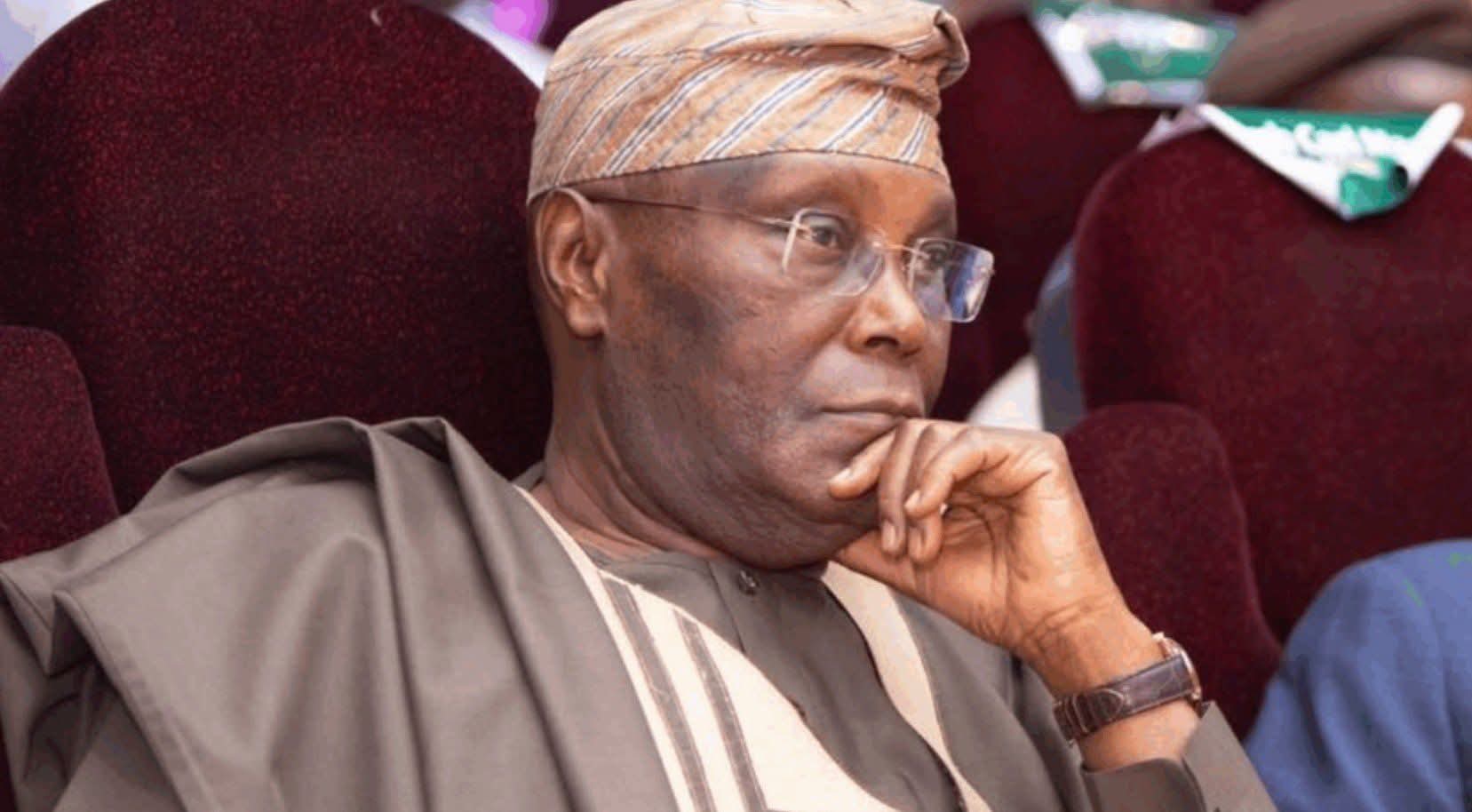
The Economic and Financial Crimes Commission (EFCC) has reopened its investigation into allegations against former Vice President Atiku Abubakar following a petition by former House of Representatives member, Hon. Ehiozuwa Johnson Agbonayinma, seeking his prosecution over alleged financial crimes.
The petition seeks to revive a case dating back to 2006, asking the anti-graft agency to revisit its investigation under former chairman, Mallam Nuhu Ribadu, and consider a subsequent report by a United States Senate subcommittee.
Speaking on the development, Agbonayinma said the EFCC had acknowledged his petition, dated August 27, 2026, and received on September 1. Filed through his lawyer, Chief Hannibal Egbe Uwaifo, SAN, the petition asks the commission to reactivate its earlier report and act on the allegations.
The former lawmaker appeared at the EFCC headquarters in Jabi, Abuja, where he adopted the petition and answered questions from investigators.
Agbonayinma said the matter should not be allowed to remain unresolved.
“I want to thank Nigerians, the EFCC, and those praying for me in this struggle. The laws are meant for both the rich and the poor. After the EFCC has done a fantastic job, it should not be kept under the table,” he said.
In the petition, Agbonayinma urged the EFCC to revisit its September 2006 report on Atiku and a February 4, 2010, report by the US Senate Permanent Subcommittee on Investigations, arguing that both documents should form the basis for renewed action.
The petition alleged that the EFCC had previously indicated that Atiku could face prosecution after leaving office as vice-president, when his constitutional immunity ceased to apply, but that no prosecution followed.
Agbonayinma described the alleged failure to act as a dereliction of duty and argued that pursuing the matter would demonstrate the commission’s resolve to hold politically influential figures accountable.
He also disclosed that he had petitioned US President Donald Trump over the allegations.
The EFCC spokesman, Dele Oyewale, had yet to respond to messages seeking an update on the investigation as of the time of filing this report.
News
APC Presidential Campaign Council: Nigerians Devoid Of Party Affiliations Endorses Tinubu’s 2nd Term-Kwankwaso
From Muhammad Kabir Kano
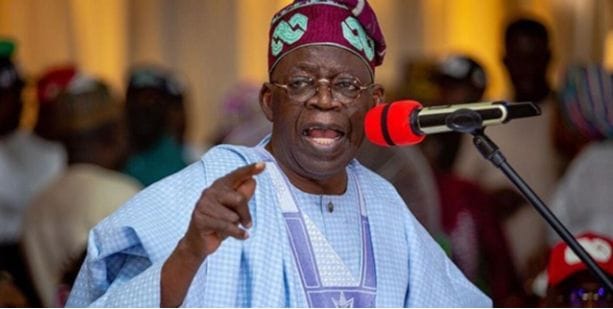
The Collection of Nigerians of different Political Parties that openly not only attended the inauguration of the APC Presidential Campaign Council, Wednesday, clearly shows that President Tinubu today is been accepted by all and sundry, regardless of Party Affiliations.
Making this submission, a member of the Presidential Campaign Council, and who is the Director Finance Hadejia Jammaare River Basin, Musa Illiyasu Kwankwaso, said that, from APGA, to Labour Party and others who were introduced, all firmly stands with Tinubu continuity in office.
Kwankwaso, said that remarks of Men of proven integrity likes Chukuma Charles Soludo the Governor of Anambara State and others, they said it all that President Tinubu Economic blueprint is a masterpiece that only Economic gurus and those who are awake to global economic realities will appreciate.
“It has never happened in the political Nigerian history that one Man attract collection of nearly all opposition Parties not only Opposition Politicians but those who have never agreed to sit together, but because Tinubu they accepted to come onboard and pursued his common goal”.
Dr Musa Illiyasu Kwankwaso, notes that, today the issues at stake is not about Tinubu’s reelection alone but the prosperity of Nigeria, which despite the difficulties, President Tinubu accepted to uphold and ensure it’s total achievement.
He said, “to me the inauguration of the Campaign Council is just like a congregation of celebration of the reelection of President Tinubu back to office, because what else remains, the same Nigerians that we will campaign for, have collectively came forward themselves in unison for one Person(Tinubu).
Musa Illiyasu Kwankwaso, who assured that just like what it is obtained at the National levels, the same things will be done in Kano and other states, adding that the open recognition of Governor Abba Kabir Yusuf by the President and his symbolic Cap shows a clear victory for the Governor Yusuf/Murtala Sule Garo his Deputy.
“One will agree with me that Governor Yusuf, Senator Barau Jibrin, House of Representatives Committee Chairman on Appropriation Abubakar Kabir Abubakar Bichi, Alhassan Ado Doguwa, Abdulmumini Jibrin Kofa, Senator Kawu Sumaila, Senator Mallam Ibrahim Shekarau, Honorable Alhassan Rirum, and all other contestants including our Father former National Chairman of APC, Dr Umar Abdullahi Ganduje are working in tandem for the President Tinubu/ Governor Yusuf/Garo 2 term bids”.
Kwankwaso, assured that before noon, they will bring forward the entire Northern Nigeria votes for Tinubu.
News
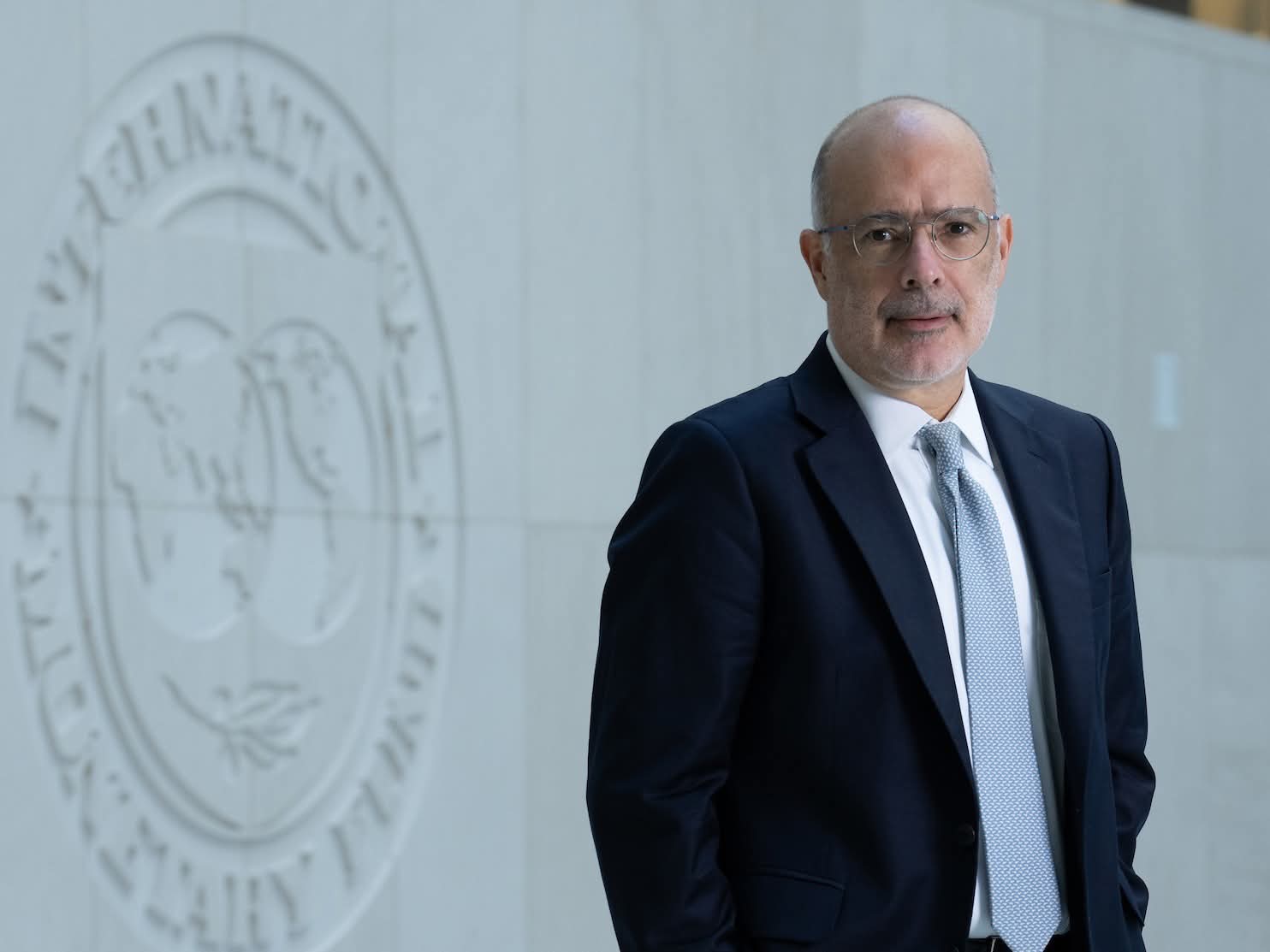
IMF to Nigeria: Don’t Bring Back Petrol Subsidy for Everyone, Help the Poor Instead
By Yusuf Danjuma Yunusa
The International Monetary Fund (IMF) has advised Nigeria against restoring broad petrol subsidy, recommending targeted support for vulnerable households to cushion the impact of rising energy costs.
IMF said blanket petrol subsidies were expensive, often benefited higher-income consumers disproportionately and could worsen fiscal pressures amid rising borrowing costs.
Rodrigo Valdés, director of the IMF’s fiscal affairs department, spoke during a press briefing on the fund’s fiscal monitor at the 2026 annual meetings of the IMF and World Bank in Bangkok, Thailand, on Wednesday.
His comments followed a question on how the fund could recommend allowing energy prices to reflect scarcity when higher fuel prices in Nigeria could raise transport costs, worsen inflation and deepen poverty, particularly when the government was facing calls to restore petrol subsidy ahead of an election year.
“Protecting people is not the same as protecting the price of fuels,” Valdés said.
He said fuel subsidies or measures preventing prices from adjusting fully to an energy shock had cost countries between 1 percent and 1.5 percent of gross domestic product (GDP) in 2026.
“It’s first fiscally very costly, and second, if you look at the pattern of consumption, it’s easy to see that that subsidy is readily regressive in many places,” he said.
Valdés said governments should instead use social safety nets and household data to identify people who need assistance.
“There are better tools to deal with this,” he said.
The federal government recently announced a 30-day petrol discount at Nigerian National Petroleum Company (NNPC) Limited retail stations, with priority for public transport operators, to cushion the impact of rising fuel prices.
Taiwo Oyedele, minister of finance, said NNPC retail would sell petrol at cost by foregoing its retail profit margin, describing the measure as temporary relief rather than a return to petrol subsidy.
The government also proposed negotiating a ceiling of N1,350 per litre on petrol’s ex-gantry or landing cost, subject to monthly reviews.
The IMF also recommended targeted interventions to cushion the effect of higher fuel prices on transportation costs.
Davide Furceri, a division chief in the fund’s fiscal affairs department, said governments could redirect some of the resources spent on blanket subsidies towards vulnerable consumers.
“For example, you mentioned transportation costs. Yeah, gasoline could go up, and perhaps bus fees may be subsidised in a way that is a much better policy at the end of the day than just a blanket subsidy for everybody,” Furceri said.
He also suggested alternatives such as school feeding programmes, geographical targeting and assistance for vulnerable farmers.
Furceri acknowledged that some countries lacked household registries and digital payment systems needed to deliver targeted support effectively.
However, he said governments could adopt alternative approaches in the short term while developing stronger systems.
He recommended that assistance should be limited, targeted and temporary.
Valdés explained that fuel subsidies could worsen global energy pressures by preventing demand from adjusting when supplies were constrained.
“When you subsidise, you don’t allow, at the end of the day, demand to adjust,” he said.
“And reality is that we have less fuels in the world economy. That means that someone else has to adjust more, and the market produces a higher price for that.”
The IMF official said subsidies were not only costly and regressive but could also have spillover effects on the global economy.

EFCC Reopens Atiku’s Alleged Financial Crimes Probe

APC Presidential Campaign Council: Nigerians Devoid Of Party Affiliations Endorses Tinubu’s 2nd Term-Kwankwaso

IMF to Nigeria: Don’t Bring Back Petrol Subsidy for Everyone, Help the Poor Instead

Alhaji Abba Yusuf At 81: A Life Of Service, Leadership And Traditional Responsibility

Ahmad Hamisu Gwale Wins NBMA National Award for Best Male Newscaster 2026

Zamfara Varsity ASUU Threatens Warning Strike Over FG-ASUU Agreement, Promotion Arrears

PCACC Arrests Man Over Alleged ₦4.5m Sale, Illegal Leasing of Kano Government Horse Stable

Goje’s Electoral War:The Confrontation With Tinubu,Governor Inuwa,Usman Kumo And APC candidates Ahead Of 2027

Prof Yusuf Adamu Delivers BUK’s 63rd Professorial Inaugural Lecture, Reflects on Medical Geography and Academic Legacy

Kano APC Chieftain Calls For Re-election Of President Tinubu, Governor Yusuf
EFCC Reopens Atiku’s Alleged Financial Crimes Probe
APC Presidential Campaign Council: Nigerians Devoid Of Party Affiliations Endorses Tinubu’s 2nd Term-Kwankwaso
IMF to Nigeria: Don’t Bring Back Petrol Subsidy for Everyone, Help the Poor Instead
Alhaji Abba Yusuf At 81: A Life Of Service, Leadership And Traditional Responsibility
Ahmad Hamisu Gwale Wins NBMA National Award for Best Male Newscaster 2026
Zamfara Varsity ASUU Threatens Warning Strike Over FG-ASUU Agreement, Promotion Arrears
PCACC Arrests Man Over Alleged ₦4.5m Sale, Illegal Leasing of Kano Government Horse Stable
Goje’s Electoral War:The Confrontation With Tinubu,Governor Inuwa,Usman Kumo And APC candidates Ahead Of 2027
Prof Yusuf Adamu Delivers BUK’s 63rd Professorial Inaugural Lecture, Reflects on Medical Geography and Academic Legacy
Kano APC Chieftain Calls For Re-election Of President Tinubu, Governor Yusuf
-

 Opinion5 years ago
On The Kano Flyovers And Public Perception
-

 Features5 years ago
How I Became A Multimillionaire In Nigeria – Hadiza Gabon
-

 Opinion6 years ago
Kano As future Headquarters Of Poverty In Nigeria
-

 History6 years ago
Sheikh Adam Abdullahi Al-Ilory (1917-1992):Nigeria’s Islamic Scholar Who Wrote Over 100 Books And Journals
-

 Opinion5 years ago
My First Encounter with Nasiru Gawuna, the Humble Deputy Governor
-

 History5 years ago
The History Of Borno State Governor Professor Babagana Umara Zulum
-

 History6 years ago
The Origin Of “Mammy Market” In Army Barracks (Mammy Ochefu)
-

 News5 years ago
Federal University Of Technology Babura To Commence Academic Activities September