
News
Cover Story – Changing the Game: Key Factors That Will Shape the 2027 Elections Differently from 2023
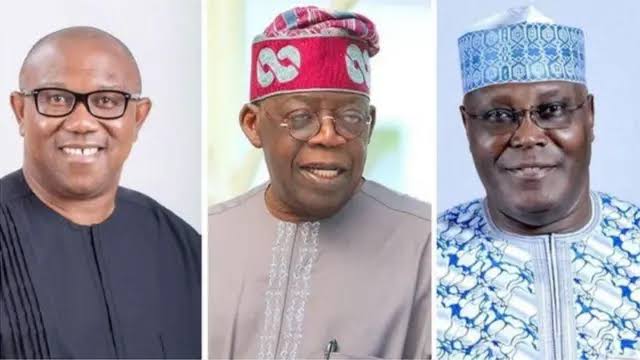
Again, the permutations for the next presidential election, which will be held in 2027, have started. In a deliberate attempt to compare and analyze possible events of 2023 that may likely occur again in the forthcoming 2027 election, Nigerian Tracker’s Yusuf Danjuma Yunusa, filed the story below:
The electioneering for the 2027 presidential election will, in the next six months, kick-start. The opposition is still scavenging for a potent platform to ride into the field with the ruling All Progressives Congress.
Will the platform be the Social Democratic Party (SDP), which El-Rufai, one of the founders of the ruling All Progressives Congress now belongs to, or the newly sought-after bride, the African Democratic Congress (ADC)?
Asking Dr. Kabir Sufi Sa’id a Public Affairs Analyst based in Abuja whether the political dynamics of the 2023 election will emerge again in the forthcoming 2027 election, he responded:
“There may be some similarities between the 2023 and 2027 contests, as well as some differences,” Dr. Kabir asserted. He noted that there are major changes in the affairs of each of the political parties that contested in the 2023 election.
“During the 2023 election, the case was an incumbent president trying all he could to support his party’s candidate. But that is not the case for the coming 2027 presidential election, as the incumbent president is the one contesting himself.”
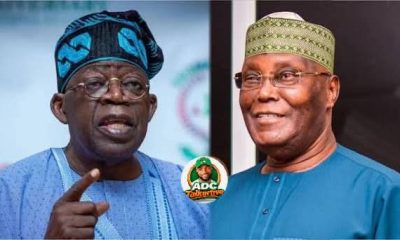
“Also, with developments in the People’s Democratic Party (PDP), there are indications that Alhaji Atiku Abubakar will leave the party for another in order to contest for the office of the presidency,” he stressed further.
On that account, it’s safe to say that a faction of the party will definitely leave with Alhaji Atiku. This will undoubtedly bring about a change in the country’s politicking compared to that of 2023.
The political scientist and public affairs analyst further divulged that “with the intended coalition between the ADC and SDP, Nigerians should expect further alignments from some other bigwigs from the opposition parties, just as it was recorded when El-Rufai initially left APC for the SDP,” even as he pointed out that they have still not found common ground among themselves.
He also opined that the only similarity between the 2023 and 2027 elections that is in play at the moment is the fact that the APC, which was the ruling party then, is still the ruling party now. He stated that it may be a rosy journey for the party again into the villa, except if the citizens react to harsh economic policies by voting it out of power.
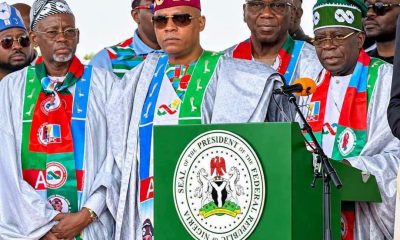
Dr. Kabir was further asked if he reads meaning into the absence of former President Buhari and some of his loyalists at the National Summit held at the banquet hall by the ruling All Progressives Congress on the 23rd of May, 2025, where the 22 governors of the party, the leaders of the National Assembly, and its members passed a vote of confidence in President Bola Ahmed Tinubu for a second tenure in the presidency.
The analyst didn’t hesitate to mention that even the Katsina State Governor wasn’t in attendance at the summit. “The former President Buhari wasn’t the only person absent from the summit; his state governor, Dikko Radda was not in attendance either,” he pointed out.
“But the governor’s absenteeism was attributed to a state function, which was beforehand slated to hold on the same day that the APC announced its summit,” he added in the governor’s defense.
“As for the absenteeism of some of Buhari’s loyalists at the summit, it was clearly understood that the CPC faction of the APC, as led by Abubakar Malami, the former attorney general of the federation during Buhari’s administration was absent. However, the Al-Makura faction was in attendance.”
It could be deduced from Dr. Kabir’s revelation above that the APC family is also divided, as Malami’s faction is against the Tinubu administration, while the Al-Makura faction supports it.
Analysis from the last presidential election in all the geopolitical zones in the country shows that the ruling party garnered most of its votes from the North West, which comprises seven states, the K states, Zamfara, and Jigawa. It clinched a total of 2.6 million votes, with its closest rival the PDP, recording nearly the same figure at 2.3 million votes.
Furthermore, in the Northeastern part of the country, which includes Adamawa, Bauchi, Borno, Gombe, Taraba, and Yobe states, the ruling party was defeated, with the opposition PDP coming first with 1.7 million votes while it secured 1.1 million votes.
For the two zones above, Peter Obi’s Labour Party managed to secure fourth and third places, respectively, overtaking Kwankwaso’s NNPP in the North East.
However, in what didn’t come as a shock, the Labour Party took the lead in the South-South, which comprises Rivers, Akwa Ibom, Bayelsa, Edo, and Delta states. It recorded 1.2 million votes, with the ruling party and PDP coming second and third, respectively.
In the South-West, which is the stronghold of the ruling party’s candidate, the APC overwhelmed the opposition parties, with PDP being the closest, having recorded 941,941 votes, and LP recording 846,478.
The so-called “neutral ground” states also known as the North-Central, comprising six states (Kogi, Niger, Benue, Plateau, Nasarawa, Kwara) and the FCT gave the lead to the opposition PDP with a record of 5.2 million votes. The ruling party came second with 1.7 million votes, while LP came third with 1.4 million votes.
Convincingly and without surprise, LP, in a landslide victory, defeated the ruling party and the opposition PDP with a total of 1.9 million votes in the South-East region. Thus, it is now substantiated that each of the three leading candidates, Tinubu, Atiku, and Obi won their respective zones. It is evident that the battlegrounds for these candidates were the North-West, South-South, and North-Central.
The aforementioned was the political situation in the country as of 2023. There were fierce political permutations and strong political oppositions.
However, as we approach the 2027 presidential election, the story may likely change, considering the political atmosphere of the nation. Currently, there is no serious opposition.
So, the questions remain: What will be the fate of the opposition as the 2027 presidential election draws nearer?
With the division in the ruling All Progressives Congress, will it return its candidate, President Bola Ahmed Tinubu to the presidency for a second term?









News
Anti-Tinubu APC Northern Youth Forum Rejects Re-election Bid, Cites Poor Performance, Insecurity, Fuel Subsidy Mishandling
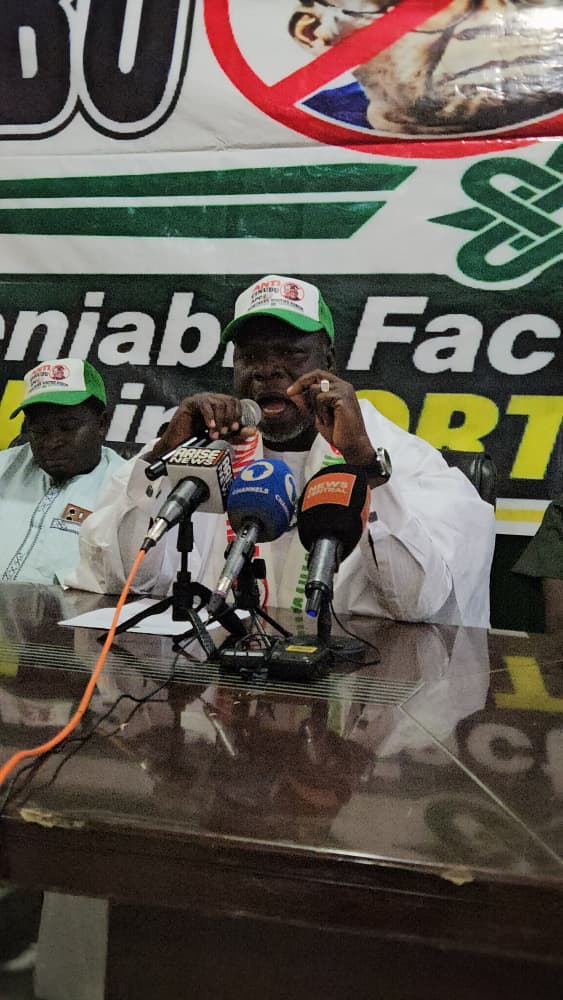
The Anti-Tinubu APC Northern Youth Forum has declared its opposition to President Bola Ahmed Tinubu’s re-election bid, citing worsening insecurity, economic hardship, poor governance and what it described as the Federal Government’s mishandling of fuel subsidy removal.
The Chairman of the forum, Hon. Alhaji Mustapha Muhammad Ciranci, stated this while addressing journalists at the Nigeria Union of Journalists (NUJ) Press Centre in Kano, where the group explained its reasons for opposing the President’s second-term ambition.
Ciranci, who spoke through a statement presented by the forum’s Secretary, Comrade Umar Chanji, said the decision was informed by what the group described as the failure of the Tinubu administration to address the challenges confronting Nigerians, particularly residents of Northern Nigeria.
According to the forum, its position was based on concerns over insecurity, rising cost of living, inadequate infrastructure, declining economic conditions and the continued hardship experienced by ordinary citizens since the inception of the present administration.
The group said it was established by concerned APC youths from different parts of Northern Nigeria to draw attention to what it described as the deteriorating situation in the region and the need for political accountability.
Chanji explained that the forum comprises members from the 19 Northern states and maintained that it was an independent political platform that was not answerable to any individual or group within or outside the country.
He further stated that the organisation was formed by indigenous APC youths who believed that the performance of the Tinubu administration did not reflect the expectations of Nigerians who voted the party into power.
On insecurity, the forum expressed concern over persistent attacks by bandits and other armed groups, which it said had resulted in the destruction of communities, loss of lives, displacement of residents and damage to properties worth billions of naira.
The group cited figures it attributed to Amnesty International, claiming that about 672 villages across Katsina, Zamfara, Sokoto, Benue, Plateau and Kebbi states were attacked and set ablaze between 2023 and 2025.
It also alleged that between 481 and 638 villages in Zamfara State were affected by attacks between 2023 and 2026, while approximately 529 villages were under the control of bandits.
The forum further referenced reports by Daily Trust and Leadership newspapers concerning attacks in Kankara, Faskari, Dutsin-Ma, Sabuwa, Batsari and Jibia local government areas of Katsina State, claiming that about 30 villagers were affected by deadly attacks in 2024.
It also alleged that 17 villages in Faskari Local Government Area of Katsina State experienced attacks in 2026, describing the security situation as a major threat to the survival and economic activities of rural communities.
The forum questioned what it described as the inability of the Federal Government to guarantee the safety of citizens in the North, arguing that the protection of lives and property remained one of the fundamental responsibilities of any government.
According to the group, insecurity has severely affected agricultural activities in the region, forcing farmers to abandon their farmlands out of fear of attacks and kidnappings.
It added that the continued security challenges had also disrupted educational activities, commercial transactions and access to healthcare, with some schools, markets, medical centres and places of worship reportedly shut down in affected communities.
On the economy, the forum criticised the removal of fuel subsidy, the introduction of additional taxes and the devaluation of the naira, arguing that the policies had contributed to rising inflation and the declining purchasing power of Nigerians.
Chanji said the prices of essential commodities had continued to increase while the incomes of ordinary citizens had failed to keep pace with the rising cost of living.
The forum also accused the Tinubu administration of failing to fulfil its promises concerning the utilisation of savings from fuel subsidy removal, particularly the rehabilitation of Nigeria’s refineries.
It argued that despite the removal of fuel subsidy, the country’s refineries had yet to become fully operational, while the Federal Government continued to borrow money to finance its activities.
The group further questioned the administration’s borrowing record, insisting that the justification given for removing the subsidy had not translated into the economic relief and infrastructural development expected by Nigerians.
According to the forum, the Federal Government had also failed to demonstrate sufficient progress in completing and commissioning major capital projects across the country within the first three years of the administration.
The organisation therefore called on Nigerians, particularly young people, to reject what it described as an unsuccessful administration by refusing to support or promote President Tinubu’s second-term ambition ahead of the 2027 general elections.
The forum urged its members and other concerned Nigerians to intensify grassroots mobilisation and public enlightenment campaigns to persuade voters to make informed decisions at the polls.
It also appealed to eligible Nigerians to obtain their Permanent Voter Cards (PVCs) and participate actively in the electoral process, stressing that the ballot remained the most effective constitutional instrument for changing governments.
Chanji urged Nigerians to vote for candidates and political parties of their choice, but specifically called on them not to support Tinubu’s re-election bid.
He recalled the 2015 general elections, when Nigerians used their votes to bring about a change of government, saying the same democratic process could be employed to effect another political change in 2027.
The forum maintained that its opposition to President Tinubu was not driven by personal interests but by what it described as the need to secure a better future for Nigerians and address the country’s numerous challenges.
It also urges Northern youths and other citizens to remain politically active, participate in democratic activities and hold elected officials accountable for their actions and policies.
News
Kano Employs Over 1,000 National Forest Guards to Strengthen Security in Kano
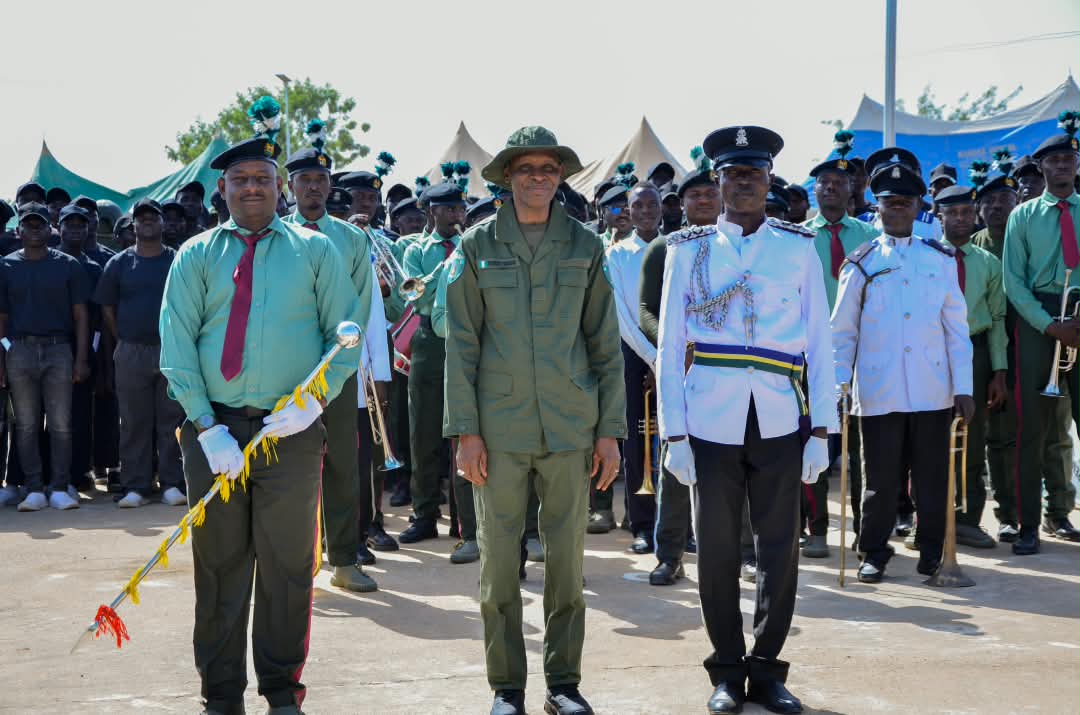
Kano State Governor, Alhaji Abba Kabir Yusuf, has reaffirmed his administration’s commitment to tackling insecurity with the employment and deployment of over 1,000 National Forest Guards to strengthen security and protect vulnerable communities across the state.
The Governor made this known during the passing-out ceremony of the newly trained forest guards, established under the National Forest Guards Initiative through the Office of the National Security Adviser (ONSA).
The National Forest Guards operate under the National Park Service and are part of the Federal Government’s broader initiative to strengthen security, particularly in forested areas that could serve as hideouts for criminal elements.
Governor Yusuf described the initiative as an important step towards addressing security challenges, particularly banditry, kidnapping and other criminal activities associated with ungoverned forest areas.
He noted that the recruitment and training of over 1,000 personnel would enhance intelligence gathering, surveillance and security operations in forest communities and other vulnerable locations across Kano State.
The Governor also acknowledged the leadership of the Federal Government and the Office of the National Security Adviser for introducing the initiative as part of efforts to strengthen the country’s security architecture.
The National Security Adviser, Mallam Nuhu Ribadu, was represented at the ceremony by Mallam Sani Sani, who conveyed the Federal Government’s commitment to supporting security initiatives aimed at protecting lives and property.
Governor Yusuf urged the newly trained personnel to discharge their responsibilities with professionalism, discipline and dedication, while respecting the rights of citizens and working closely with other security agencies.
He assured the people of Kano State that his administration would continue to support all legitimate efforts aimed at ensuring peace, stability and security across the state.
News
ADC Gubernatorial Candidate Appoints Hisham Habib to Publicity Committee in Kano
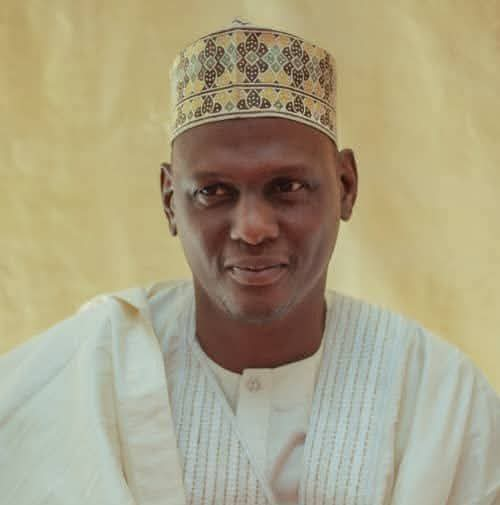
The Kano State governorship candidate of the African Democratic Congress (ADC), Alhaji Ibrahim Ali Amin (Little), has appointed Hon. Hisham Habib as a member of the party’s Gubernatorial Campaign Council Publicity Committee ahead of the 2027 general elections.
The appointment is part of a fresh expansion of the ADC Gubernatorial Campaign Council aimed at strengthening its campaign structure, improving grassroots mobilisation, promoting voter awareness and enhancing publicity and strategic communication across Kano State.
In a statement announcing the appointments, the Director of Media and Strategic Communications of the ADC Gubernatorial Campaign Council, Adnan Mukhtar ANIPR, said Ibrahim Ali Amin had approved the inclusion of additional members into various committees of the campaign council.
According to the statement, the newly appointed members have been assigned to three committees: Special Duties, Voters Awareness, Sensitisation and Enlightenment, and Publicity.
The statement identified Hon. Hisham Habib, Aminu Ya Sayyadi and Barrister Sanusi Yahuza as members of the Publicity Committee, which is expected to strengthen the campaign’s public communication and visibility ahead of the elections.
For the Special Duties Committee, the campaign council appointed Alhaji Sharu Garba Umar Gwammaja as chairman, alongside 42 other members drawn from different parts of the state.
Some of the members of the committee include Abdulsalam Musa Gezawa, Abdulqadir Sale Bebeji, Salisu Musa Kunci, Hamza Adamu Gaya, Sani Lawan (DS) KBT, Hassan Bayos KBT, Garba Alhaji Chiranchi, Sa’id Rabi’u Gabasawa, Kabiru Abdulqadir D. Kurna Dala, Alhaji Ali Kamba Fagge and Fatima Abdullahi Nassarawa.
Other members include Alhaji Isyaku Kura, Hajiya Asabe Muhammad Sheka, Alhaji Umaru Nakowa Dan Maliki, Alhaji Nafi’u H. Wawu Fagge, Alhaji Wada Sa’idu Unguwawu, Lawan Makama, Aminu Abdu Masari, Mukhtar Isyaku Bagwai, Shehu Nasoda KBT, Saminu Lawan Fanshekara and Alhaji Yahuza Yanhamar.
The committee also comprises Nazir Habibu Kabagiwa, Ashafa Isma’il Kabagiwa, Nasiru Daddarawa, Muhammad Abdullahi Gezawa, Sama’ila Sani Gurun, Nafi’u Muhammad Ridawa, Jibrin Dan Gashuwa, Dauda Umar Sulaiman, Shafi’u Inusa Kano, Umar Ya’u, Aliyu Lawan and Malam Dayyanu.
Other appointees to the Special Duties Committee are Mus’ab Shu’aibu, Umar Sunusi, Ibrahim Tijjani Ghari, Sa’ade Adamu, Habu Rabi’u, Liti Shamakawa and Bashir Musa Dawakin Kudu.
Similarly, the campaign council constituted a Voters Awareness, Sensitisation and Enlightenment Committee comprising 21 members to coordinate activities aimed at educating voters and increasing public understanding of the party’s programmes and political objectives.
Members of the committee include Hon. Emma Chika, Engr. Anthony Ifeanyichukwu, Malam Ibrahim Hassan Ecwa, Malam Yusuf Shanono, Malam Matthew Tudunwada, Hon. Muhammad Buhari Ibrahim, Habibu Dr and Comrade Yusuf Yahaya Hashin Tsanyawa.
Others are Hon. Isah Ado Galadima, Saudat Ibrahim Tsanyawa, Abbas Abdullahi Kabiru Dan Lasan, Ismaila Nasiru Dan Lasan, Abbas Gano, Dr. Sagir Muhammad Sulaiman (Ala), Hussain Is’haq Adam (Researcher), Hussaini Usman Datti (Jagora), Aminu Shehu Sule (Falke), Muttaka Muhammad Na Iya, Balarabe Dawakin Kudu, Salisu Alhassan Kwachiri (Danita) and Gwani Murtala.
The statement expressed confidence that the newly appointed members would contribute their experience, commitment and grassroots connections towards advancing the campaign’s objectives across the 44 local government areas of Kano State.
It added that the appointments reflected the commitment of the ADC governorship candidate to building an inclusive, coordinated and result-oriented campaign structure capable of mobilising voters and effectively communicating his vision for Kano State ahead of the 2027 general elections.
The statement was signed by Adnan Mukhtar ANIPR, Director of Media and Strategic Communications of the ADC Gubernatorial Campaign Council, Kano State.

Anti-Tinubu APC Northern Youth Forum Rejects Re-election Bid, Cites Poor Performance, Insecurity, Fuel Subsidy Mishandling

Kano Employs Over 1,000 National Forest Guards to Strengthen Security in Kano

ADC Gubernatorial Candidate Appoints Hisham Habib to Publicity Committee in Kano

Kano Assembly Urges Accountant-General to Prioritise Settlement of Contractors Ahead of 2027 Elections

FCE Technical Bichi Graduates 5,106 Students at Combined Convocation

Kano’s War On Drugs: How Barr. Muhyi’s Taskforce Is Changing The Game

Begging in Northern Nigeria: What Future Are We Preparing for Our Society?

Bauchi Govt Suspends Emir over Alleged Misconduct, Inaugurates Probe Panel

NDC Deputy Governorship Candidate Gives Kano Information Commissioner 48-Hour Ultimatum Over Alleged Defamation

Senator Kawu Sumaila Commends Kano Drug Task Force, Donates ₦5m to Operatives, Supports Rescued Children
Anti-Tinubu APC Northern Youth Forum Rejects Re-election Bid, Cites Poor Performance, Insecurity, Fuel Subsidy Mishandling
Kano Employs Over 1,000 National Forest Guards to Strengthen Security in Kano
ADC Gubernatorial Candidate Appoints Hisham Habib to Publicity Committee in Kano
Kano Assembly Urges Accountant-General to Prioritise Settlement of Contractors Ahead of 2027 Elections
FCE Technical Bichi Graduates 5,106 Students at Combined Convocation
Kano’s War On Drugs: How Barr. Muhyi’s Taskforce Is Changing The Game
Begging in Northern Nigeria: What Future Are We Preparing for Our Society?
Bauchi Govt Suspends Emir over Alleged Misconduct, Inaugurates Probe Panel
NDC Deputy Governorship Candidate Gives Kano Information Commissioner 48-Hour Ultimatum Over Alleged Defamation
Senator Kawu Sumaila Commends Kano Drug Task Force, Donates ₦5m to Operatives, Supports Rescued Children
-

 Opinion5 years ago
On The Kano Flyovers And Public Perception
-

 Features5 years ago
How I Became A Multimillionaire In Nigeria – Hadiza Gabon
-

 Opinion6 years ago
Kano As future Headquarters Of Poverty In Nigeria
-
 History6 years ago
Sheikh Adam Abdullahi Al-Ilory (1917-1992):Nigeria’s Islamic Scholar Who Wrote Over 100 Books And Journals
-
 Opinion5 years ago
My First Encounter with Nasiru Gawuna, the Humble Deputy Governor
-
 History5 years ago
The History Of Borno State Governor Professor Babagana Umara Zulum
-
 History6 years ago
The Origin Of “Mammy Market” In Army Barracks (Mammy Ochefu)
-
 News5 years ago
Federal University Of Technology Babura To Commence Academic Activities September