
Kano News
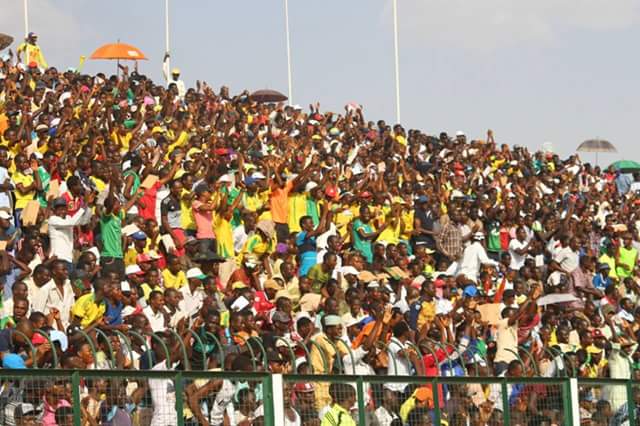
Football Triangle: See Those Killing Kano Pillars
By Abdulgafar Oladimeji
Kano state government, lawmakers , Kano born sports administrators, Kano state Football Association, KSFA , Kano Pillars fans club, the media , former players and regimented section of Kano football supporters constitute the hydra headed demon that is destroying Kano Pillars.
The like hydra headed demon destroying Kano Pillars is an twin semblance of the hydra headed demon in the Greek mythology, when one head is cut off, it is replace by two others.
Kano Pillars is the most fancied club side in the Nigeria Professional Football League, NPFL, no doubt.
Sai Masu Gida posses the potentials to excel to the level of the most successful football economy in Nigeria, ask those who know, they will affirm this assertion.
Since the club ‘s envious maiden continental glorious campaign , Pillars despite wining the country’s league title in an historic back to back famous achievement , it is now a shadow of it’s former self, it is always one day , one trouble for Kano Pillars.
If not for the hydra headed demons at work, why would Pillars continue to live and exit from the valley of failure at intervals.
The following demonic heads have possessed Kano Pillars and had defy various sports tricks, magic and left to suffer from the political trial and error methods been imposed on the club by the owners .
Kano state Government.
The owners of the club are the chief culprits behind the myriads of problem being suffered by the club.
The state government led and has continued to champion the mission of those scavengers that have succeeded in turning the club into a football carcass .
The club is confirmed to be registered with CAC as a Limited liability company.
The state government has refused to inject life into the club by not allowing it to comply with the laid procedures of cooperate governance.
Kano state government in the past nine years have continued to treat this precious asset with levity and non chalant attitude.
Kano state government in recent years is confused over how to manage the club, it resorted to converting the club into a dumping ground, for out of tune football administrators and former athletes cum politician, to thank them for being good party boys.
A then serving Kano lawmaker was widely reported in the media, citing the facilitation of the recruitment of an unamed player from his constituency, into the club as one of his well executed constituency projects.
CORRUPTION.
Another canker worm destroying Kano Pillars is corruption, government officials have and are allegedly conniving with those in the club system to steal from government coffers.
The lean resources been channeled to the club from the state government coffers, is now a victim of kill and divide.
There is a racketing in the sales of tickets, illicit players transfer deal s and misappropriation of the proceeds from such deals.
One of the mother of all corruptions in the club, is in the buying of equipment’s, how on earth will a club with the highest prospects in sports branding and merchandizing continue to budget and spend millions on the purchase of equipments, this submerges football business imaginations, in an sane clime.
The club is swimming in over inflated receipts from away trips.
Recruitment of players for the club is now a conduits pipe, recruitment process and contractual terms of coaches and the salaries of the players and other officials stinks.
SABOTAGE
Some section of Kano born sports administrators, since they are not in charge and their close allies are not in charge, invoke the heavens to fall on the club.
Hatred and envy have continued to inspire some persons, who feel, it is either they are in charge or no one else is good enough , they don’t hide their hatred and vigorously continue to work against the interest of the club, these clique, whenever outside the management of Pillars will work hard and stop at nothing to sabotage the club , they care less to ruin the efforts of those in charge to pave way for their return to take charge directly or by proxy.
Kano Pillars is now a spoil of war, the winner takes all.
MEDIA.
The most abused, disjointed, ill equipped football media brand in Nigeria is Kano Pillars.
A good number of media practitioners in the city have suddenly turned football expert dishing out misguided, polluted and fetish concocted opinion polluting the air enveloping the club with toxic.
We need not get it wrong, Pillars is a darling club, it deserves all the mention, the worries here, is how some journalists have sold out by prostituting around the club.
Media practitioners around the club lack the courage to engage those assigned with the task of running the club, whenever the chip are down, those few who take bold step and have the courage to engage the club are branded as either white or blue enemies, by the self appointed vuvuzelas.
Some journalists have continued to fall over themselves to be in the good books of the club management or the state government to see how to satisfy their lust of seeing to their been enlisted into the club media crew, lacking the bravery to speak truth to sports authorities in the state.
Seekers want to become the Media Officer of Kano Pillars, even at the cost of ethics and self pride.
FANS CLUB
Kano Pillars fans club has failed to claim its economic, political and spiritual share holding in the club.
FORMER PLAYERS
A clique of former players see Kano Pillars as their birth right, nobody, no matter how good your capacity , you are not welcome, if you find your way to the club, you will be caught in their web, you can not operate without the blessings of these players, who will not hesistate to mobilize local forces against any perceived foe.
KANO STATE FOOTBALL ASSOCIATION
KSFA has failed in playing it supposed role as the football think tank in the state, KSFA is supposed to be the reservoir of Kano Pillars, herein today , that is not the case.
The state FA is always busy with the war with imaginary and real enemies of the game, seeing Kano Pillars as its greatest foe.
Kano Pillars does not and has continue to reject the superiority of the state FA over the club.
KSFA seem lost in understanding its powers over the affairs of Kano Pillars.
Today , Kano Pillars is assumed to be bigger than Kano FA, imagine a son becoming bigger than his paternal uncle , this undisputedly has created an unwarranted, unhealthy rivalry between the two Kano football super powers
This cold war between Kano FA and Kano Pillars has cost Pillars so much pains, those who know knows, what this is all about.
What bothers you is that Kano state government is the oga at the top over these two football giants, rather than call them to order, Kano state government officials past and present have continued to exploit the war to pursue their various nefarious agenda within the system.
WAY FORWARD
Kano state government must sit down and have a rethink, if possible contract independent minded football technocrat, locally and abroad, who will be willing to offer their services pro bono, they abound , because the club is well loved, they will be willing to offer their services for free.
Kano state government must decide on whether it wants a Kano Pillars that is a private, commercial or social club side.
The state government must proceed to give the club a disciplined and properly knitted system of governance to deliver on the set mission and vision behind the establishment of the club.
Appointment of all kinds of people into the club management in the name of political compensation to run the club must stop.
If the club is to be redirected towards been commercially driven, technocrats drawn from sports administration, hospitality industry , merchandizing, branding, sports media sectors must be drafted to govern the club
If the mission of the state government is to run the club as a social entity for the purposes of public relations, then appoint a board of five man that would be a mixture of politicians and sports digital technocrat not analog sports technocrat, then ensure adequate funding for the club to project the image of the government and also win laurels to make the people happy.
If Kano state government wants a Kano Pillars that is truly a limited liability company, it should contract football investment experts to help unbundle , then sell shares worth billions of naira to football happy Kano people and football investors from far and wide, who will be forever happy and grateful to own the smallest ownership portion of their darling club, the state government could also keep a good chunk of the ownership to itself.
Then the media, medical security units of Kano Pillars will go haywire.
The fans club will take their rightful place in the affairs of the club.
All loop holes presently demonizing the club will be beheaded and buried.
Pillars will proceed to be the role model club that it was destined to be, since its inception.
To they that have ears, let them hear.
.. SAHEL SPORTS NEWS






Kano News
Gwarzo Community Celebrates Arrival of Certified Herbal Practitioner Dr. Sam Zuga

By: Ahmad Muhammad Sani Gwarzo.
The people of Gwarzo Local Government Area continue to celebrate the arrival of a highly respected traditional medical practitioner who offers free herbal treatment to the public, widely known as Dr. Sam Zuga, a man whose exceptional gift has won admiration across Nigeria.
Residents describe his presence as a blessing, noting that his long-standing commitment to healing has brought hope to countless individuals in different communities.
Dr. Sam Zuga, originally from Gboko in Benue State, has been recognized as a certified traditional medical expert, having obtained and possessed all authorized government certifications for his practice since the year 2003.
His professional documentation and approvals underline his credibility, legal compliance, and the authenticity of his work within the Nigerian health regulatory space.
He began offering free herbal treatment nationwide as far back as 2003, the very year his organization officially began its humanitarian service to the public.
His visit to Gwarzo has gathered immense interest, especially among the poor and underserved who struggle to access modern healthcare due to economic challenges.
Many residents believe that his therapies help with conditions such as high blood pressure, diabetes, eye problems, ear infections, fibroid-related issues, joint pains, asthma, and immune system complications.
The herbal remedies he administers are rooted in natural healing traditions, supported by prayers and trust in the Creator.
A strong message has continued to resonate among community members: medicine does not conflict with religion. Whether a person is Muslim or Christian, the treatment works by God’s permission.
Once a patient declares “tawakaltu Alallah”—meaning complete trust in Allah—residents believe the Almighty allows the medicine to achieve healing according to His will.
This understanding has strengthened community confidence, encouraging people to accept treatment with open hearts and deep faith.
During separate interviews, Alhaji Mansur Sani Gwarzo and Hajiya Haulatu Abdullahi Bakin Rafi shared their testimonies of past consultations, noting significant improvement after using the herbal remedies.
They reaffirmed their satisfaction with the treatment and emphasized that natural medicine, when taken responsibly and with trust in God, contributes meaningfully to healing.
Their experiences mirror the joy expressed across the community as people welcome a support system that reaches the elderly, women, youths, and persons with limited resources.
Healthcare observers in the region acknowledged the role of traditional medicine but advised that all treatments, whether modern or herbal, should be used respectfully and safely.
The arrival of a certified practitioner like Dr. Sam Zuga has renewed conversations about the value of regulated traditional medicine in underserved communities.
Residents believe that blending faith, natural therapy, and good guidance creates a balanced path toward recovery.
Across several gatherings, people have described the initiative as a sign of compassion, humanity, and community upliftment.
Local leaders have extended their appreciation, stating that free healthcare initiatives reinforce unity and social well-being.
Youth groups noted that such humanitarian acts inspire hope and remind society that caring for humanity remains one of the greatest virtues.
Women in the area have expressed gratitude for the relief these services bring at a time when many families face financial stress.
Testimonies continue to spread, with more residents expressing their willingness to seek treatment and praying for complete healing.
Health volunteers advised recipients to follow instructions carefully and maintain patience during treatment to ensure safety and positive outcomes.
They stressed that all healing ultimately comes from God, and medicine—whether herbal or modern—is only a medium through which He grants recovery.
Elders in the community said the visit highlights the enduring value of indigenous knowledge passed down through generations.
They encouraged residents to uphold peace, unity, and cooperation as they embrace beneficial initiatives.
Local youths appealed for more programmes of this nature, believing they can reduce community health burdens and raise awareness.
Patients who spoke with reporters expressed comfort and renewed hope after their encounters with the certified practitioner.
Observers believe the programme will leave a lasting impact on public health in Gwarzo if sustained.
The community remains optimistic that such generosity will continue, especially when healthcare costs are rising nationwide.
Stakeholders applauded the spirit of service, calling on more practitioners to emulate this model of community support.
Religious leaders again reaffirmed that healing is solely in God’s hands and that medicine—whether herbal or modern—does not discriminate between Muslims and Christians.
They emphasized that faith and responsible usage allow the treatment to work in line with divine purpose.
Residents prayed for continued blessings, guidance, and expansion of beneficial initiatives that uplift the community.
In conclusion, the people of Gwarzo expressed profound appreciation for the humanitarian mission, viewing it as a shining example of sincerity, compassion, and fear of God strengthened by the fact that the practitioner has been fully certified and authorized by the government since 2003 to carry out his healing work.
Kano News
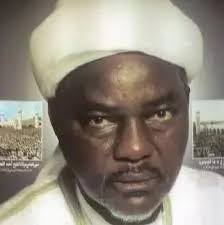
Tribute To An Islamic Icon And Khadimul Quran Khalifa Isyaku Rabiu
By. Ahmad Muhammad Sani Gwarzo , Anipr.
Sheikh Is’haq Rabiu was appointed as the Leader of the Tijjaniyya Movement in Nigeria and neighbouring countries in nineteen ninety four, a position that elevated him to the revered title of KHALIFA.
His appointment signified an era of renewed spiritual discipline, unity and advancement within the Tijjaniyya order.
As a spiritual guide, he strengthened the structure of the movement through wisdom, humility and an unwavering commitment to Islamic principles.
He became recognised for his deep knowledge of Islamic jurisprudence, Sufism and spiritual mentorship.
Sheikh Isyaku Rabiu served as the President of the Sheikh Muhammadu Rabiu Islamic Foundation International.
Under his leadership, the foundation expanded its humanitarian activities across Nigeria and beyond.
The organisation promoted Islamic propagation, social welfare and community development.
He championed educational programmes aimed at strengthening Islamic scholarship.
Sheikh Isyaku Rabiu also supervised the construction of Islamic schools and learning centres.
His devotion to Islamic education helped thousands of students acquire valuable knowledge.
He invested in the training of young scholars who later became respected teachers.
Through his efforts, many memorised the Holy Qur’an and mastered various Islamic sciences.
He sponsored Islamic competitions and Qur’anic recitation events.
These programmes encouraged excellence and discipline among learners.
The Khalifa ensured the availability of learning materials for schools in rural and urban areas.
He promoted the establishment of Tsangaya and Islamiyya schools for easy access to Islamic knowledge.
His vision extended to empowering widows, orphans and vulnerable families through the Foundation.
He initiated food distribution programmes during Ramadan and throughout the year.
He also provided clothing, shelter and basic necessities for disadvantaged communities.
His philanthropy was recognised across several West African countries.
Sheikh Isyaku Rabiu nurtured unity among different Islamic groups.
He promoted peaceful coexistence within the Muslim Ummah.
His guidance encouraged tolerance, compassion and fairness.
The Khalifa frequently delivered lectures emphasising the importance of sincerity in worship.
He encouraged Muslims to uphold moral values and good character.
He taught countless students the principles of cleanliness, discipline and humility.
His leadership strengthened the Tijjaniyya teachings of remembrance, devotion and spiritual purification.
He hosted gatherings for zikr (supplication) and spiritual counselling.
Many people found guidance through his calm and wise approach to issues.
The Khalifa contributed greatly to the spread of Tijjaniyya teachings in remote and urban areas.
He travelled extensively to meet followers and encourage Islamic growth.
He maintained strong relationships with scholars across Africa.
His partnership with international Islamic institutions enhanced religious education.
Through the Foundation, he supported the translation of Islamic texts into local languages.
Sheikh Isyaku Rabiu encouraged inter‑generational learning between elders and youth.
He sponsored youth empowerment initiatives rooted in Islamic values.
He emphasised the importance of balancing religious knowledge and positive community service.
His legacy inspired young Muslims to seek education and practise righteousness.
He also encouraged women to participate in Islamic learning programmes.
The Foundation organised seminars for women on family life and Islamic ethics.
His leadership style was inclusive and respected diverse cultural backgrounds.
He maintained discipline and transparency in all organisational affairs.
The Khalifa always prioritised the welfare of his community.
He promoted the construction of mosques in many Nigerian communities.
He renovated old structures to provide safe and clean worship environments.
He ensured that Imams were trained to deliver correct Islamic teachings.
His contributions strengthened Friday congregational prayers across various towns.
Sheikh Isyaku Rabiu also placed great importance on charity as part of faith.
He personally funded countless humanitarian missions.
The Foundation offered medical support to vulnerable families.
It organised free screening exercises across communities.
Sheikh Isyaku Rabiu collaborated with health organisations to promote public health.
He encouraged the Muslim community to embrace hygiene and cleanliness.
He also supported clean water initiatives for rural communities.
His humanitarian vision extended to peaceful conflict resolution.
He mediated disputes and promoted unity within families.
He advocated for justice and fairness in leadership.
He advised political leaders on good governance guided by Islamic teachings.
The Khalifa encouraged the wealthy to support the needy.
He reminded Muslims that charity strengthens the heart and purifies wealth.
His sermons often emphasised patience, gratitude and trust in Allah.
He uplifted communities through continuous Islamic enlightenment.
Sheikh Isyaku Rabiu empowered scholars to become transformative leaders.
He encouraged research and documentation of Islamic history.
He supported the preservation of Tijjaniyya heritage through writings and lectures.
His leadership was characterised by deep spiritual insight.
He inspired thousands to embrace sincerity in worship.
His teachings encouraged Muslims to constantly seek knowledge.
He supported Qur’anic memorisation camps for children and adults.
He promoted inter‑faith respect and peaceful dialogue.
His influence extended beyond Nigeria into neighbouring African countries.
He was recognised internationally for his contributions to Islamic knowledge.
His leadership brought honour to his community and the Tijjaniyya movement.
The Foundation built research centres for Islamic scholars.
He ensured that books and learning resources were made available to students.
He funded academic scholarships for Islamic studies abroad.
He encouraged Muslims to maintain their cultural identity with dignity.
His guidance strengthened moral values in society.
The Khalifa played a major role in preserving Islamic unity.
He performed humanitarian projects without seeking personal recognition.
His actions inspired love and respect among followers.
He emphasised justice in all personal and community dealings.
His compassion touched the lives of thousands.
The Khalifa’s spiritual sessions attracted people from various regions.
His home served as a centre of learning and guidance.
He encouraged discipline through constant remembrance of Allah.
He mentored many scholars who continued his legacy.
His leadership expanded Islamic awareness across generations.
Through dedication and service, he earned admiration from scholars and leaders.
His passion for Islamic propagation elevated the Tijjaniyya movement.
He revived traditional principles of Islamic brotherhood.
The Khalifa’s wisdom helped resolve numerous social and spiritual challenges.
His life remains an example of humility and devotion.
His teachings continue to inspire communities across West Africa.
His legacy endures through the Sheikh Muhammadu Rabiu Islamic Foundation International.
His contributions to Islamic scholarship remain invaluable.
His leadership continues to influence spiritual development in Nigeria.
Sheikh Isyaku Rabiu is remembered as a symbol of knowledge, charity and unity.
His life stands as a beacon of faith and service.
His contributions strengthened the foundation of Islamic propagation.
His memory remains alive in the hearts of scholars and followers.
His impact will continue to guide future generations.
The Khalifa’s dedication to Islam represents a shining chapter in Nigerian Islamic history.
His life story stands as a testament to exceptional success rooted in unwavering faith, discipline and dedication.
His achievements in Islamic scholarship elevated him among the greatest leaders of his generation.
Through commitment to the Tijjaniyya movement, he succeeded in uniting followers across Nigeria and neighbouring countries.
His success in Islamic propagation strengthened the spiritual identity of countless communities.
His leadership brought transformative growth to Islamic education at local, national and international levels.
He successfully nurtured institutions that continue to empower future scholars.
His humanitarian achievements positioned him as a symbol of generosity and compassion.
He succeeded in touching the lives of people regardless of tribe, status, or background.
His foundation became a successful bridge between faith and community development.
His success continues to inspire generations on the path of sincerity, knowledge and service.
Kano News
KANSIEC Chairman Commends Governor Yusuf For Ensuring Due Process In Governance
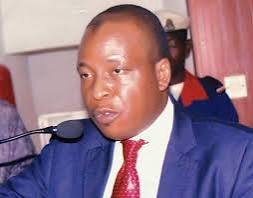
By. Ahmad Muhammad Sani Gwarzo , Anipr.
Professor Sani Lawan Malumfashi, the Chairman of the Kano State Independent Electoral Commission, has poured profound commendation on Governor Alhaji Abba Kabir Yusuf FNISE for his exceptional leadership qualities and relentless commitment to rebuilding Kano State on the foundation of transparency and due process.
In a detailed statement released to the public, the Chairman described Governor Yusuf as a reformer whose administrative brilliance continues to redefine governance across sectors.
He highlighted that the Governor’s style of leadership is rooted in discipline, clarity of purpose, and meticulous attention to detail.
According to him, Governor Yusuf is not only a political leader but also an architect of modern transformation whose actions reflect a deep understanding of developmental governance.
He emphasized that Kano State has entered a new era of accountability under the Governor’s watch, with policies thoroughly examined before approval or implementation.
Professor Malunfashi stated that the Governor’s insistence on due process has restored confidence in public institutions and strengthened democratic practices.
He noted that the Governor’s professionalism and respect for established procedures exemplify what leadership should represent in a progressive society.
The Chairman further described Governor Yusuf as a beacon whose guidance has inspired a wave of administrative reforms across various ministries and agencies.
He praised the Governor for ensuring that every public project meets the standard of quality, relevance, and long-term value to citizens.
He pointed out that the present administration has brought back hope, trust, and renewed enthusiasm among the people of Kano State.
Professor Malumfashi stressed that education remains one of the most impressive pillars of the Governor’s reform agenda.
He acknowledged the massive renovation of schools, provision of instructional materials, and restoration of learning facilities across both urban and rural communities.
He explained that these educational reforms are evidence of a leader who places the future of the younger generation above politics.
The Chairman commended the Governor for investing heavily in the training and motivation of teachers, which has significantly enhanced academic performance in the state.
He stated that the Governor’s approach to planning is holistic, people-centered, and deeply aligned with global best practices.
He added that every policy under the administration follows a sequence of consultation, verification, and technical review before implementation.
He emphasized that this method reduces wastage, prevents policy failure, and protects the integrity of governance.
Professor Malumfashi also praised Governor Yusuf’s unwavering focus on infrastructure development, describing it as a game-changer for the state’s economy.
He acknowledged the numerous roads, water projects, and public utilities currently undergoing construction or rehabilitation across the state.
He stated that the Governor’s developmental agenda is visible, measurable, and inspiring to both residents and visitors.
The Chairman said that Governor Yusuf has demonstrated rare courage in addressing long-standing challenges that previous administrations overlooked.
He stressed that the Governor combines visionary thinking with practical action, a trait found in only the most dedicated leaders.
He applauded the Governor’s ability to assemble competent technocrats who contribute expertise to government programs.
He observed that the Governor listens to experts, consults stakeholders, and prioritizes solutions that benefit the majority.
Professor Malumfashi declared that Governor Yusuf’s governance philosophy embodies fairness, justice, and service to humanity.
He commended the Governor for promoting transparency in financial management, procurement processes, and public resource allocation.
He described the administration as one that values truth, efficiency, and accountability above personal interest or political considerations.
The Chairman emphasized that Governor Yusuf’s commitment to due process is not symbolic but deeply practical and consistent across decisions.
He stated that this commitment has improved efficiency, reduced corruption tendencies, and enhanced public trust.
He praised the Governor for championing reforms that strengthen local government autonomy and community participation.
Professor Malumfashi highlighted the Governor’s initiatives in urban renewal, environmental sanitation, and healthcare revitalization as clear signs of responsible leadership.
He stated that the reforms reflect a leader who works for the people, listens to the people, and stands with the people.
He described Governor Yusuf as a forward-thinking executive officer whose ideas continue to modernize Kano’s administrative landscape.
He applauded the Governor’s wisdom, patience, and strategic mindset in handling sensitive matters of state interest.
Professor Malumfashi affirmed that Kano State is currently witnessing one of its most transparent and accountable eras in democratic history.
He credited the Governor for creating a system where public institutions operate with clarity, integrity, and well-defined responsibilities.
He concluded by calling on citizens to support the Governor’s transformative mission and recognize the value of his reform-driven leadership.
He expressed confidence that the legacy of Governor Abba Kabir Yusuf FNISE will endure as a model of purposeful, people-oriented, and principled governance.
He reaffirmed that the Governor remains a shining example of dedication, transparency, and visionary public service in Nigeria.

2027 Race : President Tinubu’s Aide, Ja’oji Resigns to Contest

Crisis Deepens in PDP as Makinde-Aligned Bloc Rejects Wike Faction’s Convention Plan

APC Convention: Yilwatda, Ajibola Basiru Reappointed as National Chairman, Secretary

El-Rufai’s Release Sparks Claims of Political Motives, Unjust Detention

APC National Convention : How DSP Barau Displays Political Sagacity, Deep Knowledge of Democracy Before President Tinubu, Others

The Governor Who Chose His People Over His Politics: Abba Yusuf and the Moral Courage Behind Kano First

FREEDOM OF SPEECH, NOT FREEDOM FROM CONSEQUENCE: A CITIZEN’S CALL FOR RESPONSIBLE PUBLIC COMMENTARY

Press Freedom: IPI Nigeria Calls on New Acting IGP to End Police Harassment of Journalists
Restoring the Glory That Was Always There: Governor Abba Kabir Yusuf and the Historical Vision Behind Kano First
Tinubu to Swear in Olatunji Disu as Inspector-General of Police on Wednesday
2027 Race : President Tinubu’s Aide, Ja’oji Resigns to Contest
Crisis Deepens in PDP as Makinde-Aligned Bloc Rejects Wike Faction’s Convention Plan
APC Convention: Yilwatda, Ajibola Basiru Reappointed as National Chairman, Secretary
El-Rufai’s Release Sparks Claims of Political Motives, Unjust Detention
APC National Convention : How DSP Barau Displays Political Sagacity, Deep Knowledge of Democracy Before President Tinubu, Others
The Governor Who Chose His People Over His Politics: Abba Yusuf and the Moral Courage Behind Kano First
FREEDOM OF SPEECH, NOT FREEDOM FROM CONSEQUENCE: A CITIZEN’S CALL FOR RESPONSIBLE PUBLIC COMMENTARY
Press Freedom: IPI Nigeria Calls on New Acting IGP to End Police Harassment of Journalists
Restoring the Glory That Was Always There: Governor Abba Kabir Yusuf and the Historical Vision Behind Kano First
Tinubu to Swear in Olatunji Disu as Inspector-General of Police on Wednesday
-

 Opinion4 years ago
On The Kano Flyovers And Public Perception
-

 Features5 years ago
How I Became A Multimillionaire In Nigeria – Hadiza Gabon
-

 Opinion5 years ago
Kano As future Headquarters Of Poverty In Nigeria
-

 History5 years ago
Sheikh Adam Abdullahi Al-Ilory (1917-1992):Nigeria’s Islamic Scholar Who Wrote Over 100 Books And Journals
-

 Opinion4 years ago
My First Encounter with Nasiru Gawuna, the Humble Deputy Governor
-

 History5 years ago
The Origin Of “Mammy Market” In Army Barracks (Mammy Ochefu)
-

 History4 years ago
The History Of Borno State Governor Professor Babagana Umara Zulum
-

 News4 years ago
Federal University Of Technology Babura To Commence Academic Activities September