
News
Kyari’s digital automation of operations, key to NNPC Ltd’s efficiency, high performance
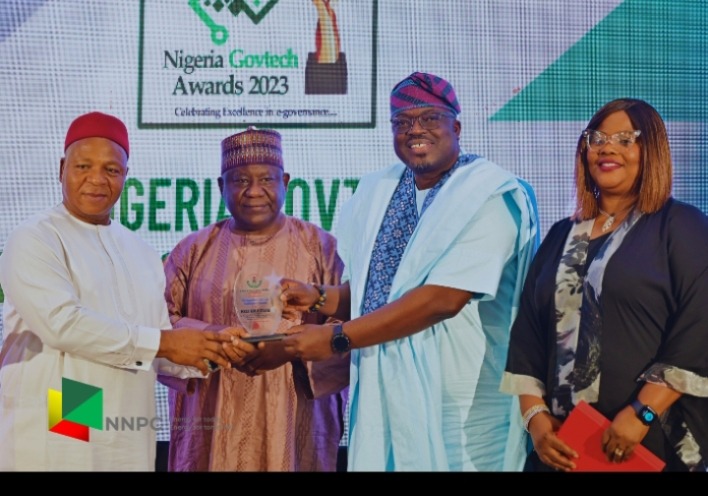
The Nigerian National Petroleum Company (NNPC) Limited and the Group Chief Executive Officer (GCEO), Malam Mele Kyari, have won the 2023 Nigeria GovTech Awards for exceptional service delivery in the public sector.
While the National Oil Company won the Best Federal MDA in Digital Initiatives in Reengineering Government Processes Award, the GCEO carted home the Distinguished GovTech Trailblazer Award.
The awards were in recognition of the GCEO leadership’s proactive steps in activating the Business Continuity Plan (BCP) that is hinged on digital automation of the company’s processes.
The single, sure-footed act of automation, emplaced to, among others, mitigate the effects of COVID-19, has brought about efficiency, high performance, and sustenance of the NNPC Ltd’s operations post-pandemic, for which the GCEO is now referred to as “Mr. Automation” in the industry.
Significantly, the GCEO, through the NNPC IT Division, automated Key Performance Indicator Dashboard across the entire IT Enterprise and Architecture, thereby improving reporting efficiency real-time performance tracking.
Kyari also activated Microsoft Enterprise Additional Licenses for NNPC Digital Transformation initiatives, leading to an estimated cost-saving of over $1 million to the Company.
Indeed, both the NNPC Ltd. and the GCEO shone like a thousand stars at the venue of the awards at the International Conference Centre on October 13, 2023. The event had as its theme “Advancing Public Service Reforms Through Digital Transformation.”
The Nigeria GovTech Awards were given by the Bureau of Public Service Reforms (BPSR), an agency under the Presidency in aid of federal government’s initiative designed to bring governments at the federal, state, local levels, and actors in the technology industry together to discuss and identify new ways and emerging trends in which ICT could be used to transform public service and improve the general well-being of Nigerians.
In clinching the award, the NNPC Ltd. and its GCEO, Malam Kyari outclassed several other contestants in the public sector even as it was clear that the BPSR selection process was anchored on merit, thus strengthening the credibility of the selection process and the subsequent awards.
The DG of BPSR, Dasuki Arabi had commended Mele Kyari’s deployment of technology in driving business at the NNPC Ltd in addition to his exemplary leadership in advancing GovTech initiatives and digital governance within the nation’s oil conglomerate, in line with the Federal Government digital transformation in the public sector.
It would be recalled that prior to the presentation of the awards, Mr. Arabi had, in a letter dated 19th September 2023 to the NNPC Ltd’s GCEO, said that “Sequel to a nationwide nomination and online voting process initiated on Radio, Television and Newspaper publication, we are pleased to inform you that your organisation will be honoured with the prestigious Nigeria GovTech Award in the category of ‘Best Federal: MDA in digital initiatives in reengineering government processes’.”
Arabi had also said that the awards represented a veritable platform aimed at repositioning the Nigerian public service as an engine of reforms in the country.







News
ADC Rising: Salga hails influx of political heavyweights as a turning point for justice
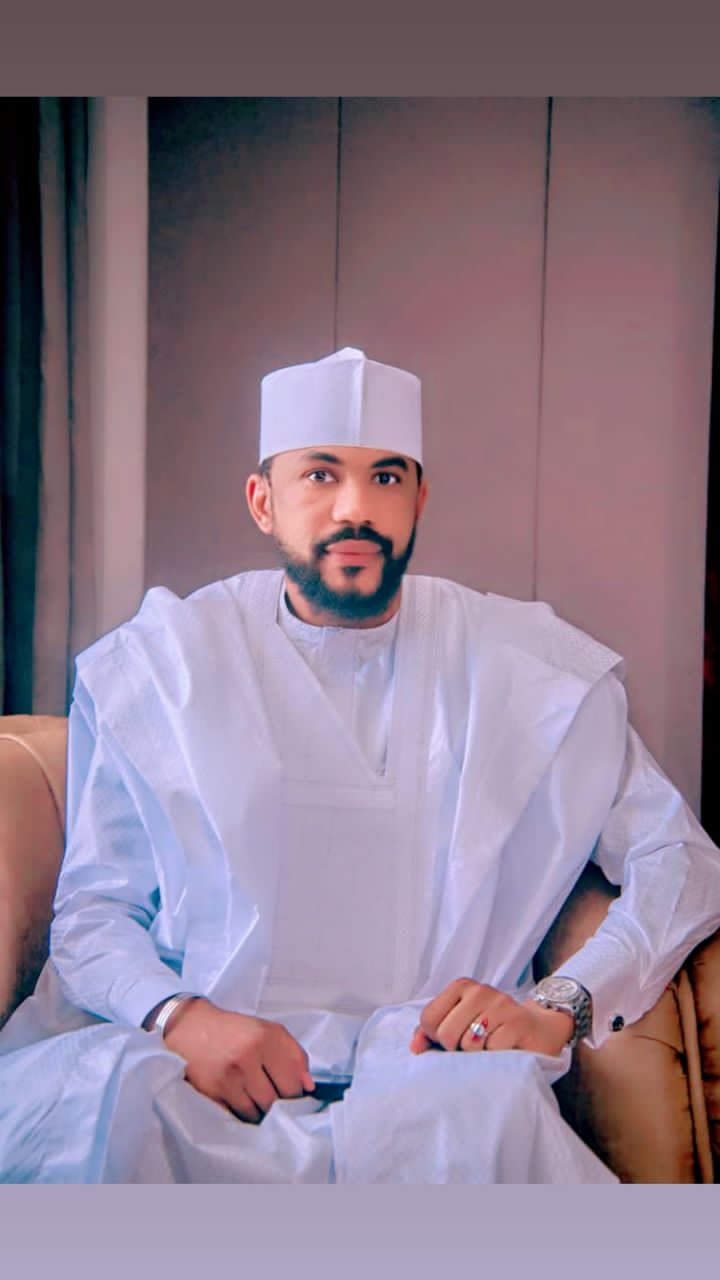
Ambassador Abdulrahman Mai Nasara Salga, a prominent ADC leader from Dala, Kano, has welcomed the influx of influential politicians into the party, describing it as a sign of ADC’s growing acceptance.
Salga, who contested for the federal legislature in Dala during the 2023 general election, says the party’s progress is heartening, having worked tirelessly to promote ADC’s agenda and position it as a viable alternative for good governance.
He highlights the entry of Kwankwasiyya leader Dr. Rabiu Musa Kwankwaso, former Kano State Deputy Governor Comrade Aminu Abdulsalam, and APC’s 2025 gubernatorial candidate Dr. Nasir Yusuf Gawuna, among others, as major boosts that are transforming ADC into a formidable opposition force.
Salga believes these developments signal a shift towards justice and better leadership in Kano and Nigeria. He urges party leaders, including Atiku Abubakar, Peter Obi, and Kwankwaso, to unite for success in 2027.
The ADC leader pledges continued efforts to promote the party’s ideals, expressing optimism for a brighter future with these influential additions.
News
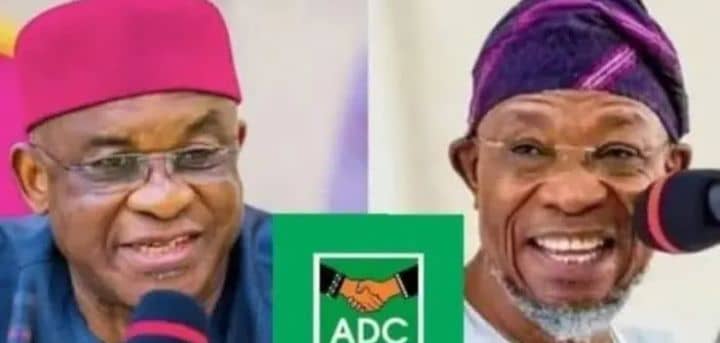
BREAKING: INEC Removes David Mark-Led NWC from Portal, Updates Records Amid ADC Leadership Crisis
By Yusuf Danjuma Yunusa
The Independent National Electoral Commission (INEC) has formally updated its official portal to reflect changes in the leadership of the African Democratic Congress (ADC), signaling the commission’s recognition of the leadership dispute within the party.
The commission confirmed that the removal of the National Working Committee (NWC) led by David Mark followed a detailed review of a recent Court of Appeal judgment and an ongoing suit at the Federal High Court in Abuja.
According to INEC, the decision comes after receiving conflicting legal representations from the two factions vying for control of the party. One faction, loyal to Nafiu Bala Gombe, urged the commission to enforce the appellate court’s ruling, which includes withdrawing recognition from the Mark-led NWC. The other faction, aligned with Mr. Mark, advised INEC against recognizing Mr. Gombe as acting national chairman, citing the pending legal proceedings.
The leadership crisis traces back to July 2025, when the ADC’s former leadership resigned, paving the way for a new executive committee headed by Mr. Mark. Mr. Gombe, a former vice-national chairman, has challenged this transition, arguing that the party’s constitution mandates his ascension to the leadership role.
In a ruling delivered on March 12, 2026, the Court of Appeal dismissed an interlocutory appeal filed by Mr. Mark. The court ordered all parties to maintain the status quo ante bellum—the state of affairs before the crisis—pending the resolution of the substantive suit at the Federal High Court.
News
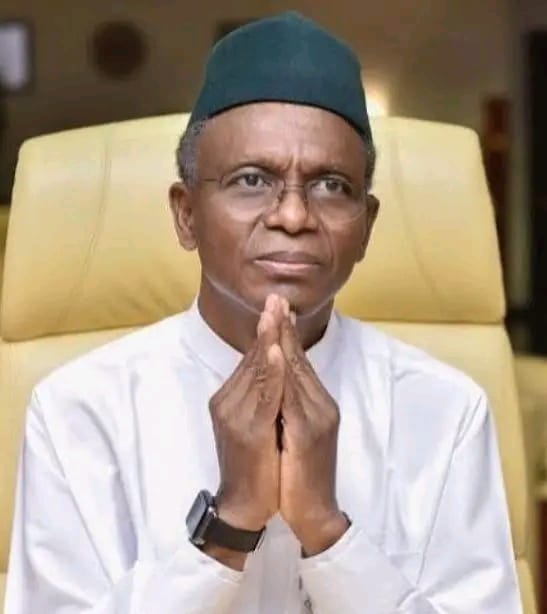
JUST IN: El-Rufai Detained as Bail Ruling Adjourned to April 14
By Yusuf Danjuma Yunusa
Operatives of the Department of State Services on Wednesday took former Kaduna State governor, Nasir El-Rufai, into custody moments after proceedings at the Federal High Court in Kaduna.
El-Rufai, standing trial over alleged corruption, had just concluded a hearing on his bail application filed by the Independent Corrupt Practices and Other Related Offences Commission when DSS operatives bundled him into a waiting vehicle and drove him away, reportedly heading to Abuja.
A heavy DSS presence around the court before the hearing had fuelled speculation that the former governor might be taken into custody.
Security sources said vehicles had been strategically positioned around the court prior to proceedings.
El-Rufai had arrived at the court at about 9:05 a.m. in a Hilux van, drawing attention from security personnel and observers.
Speaking to journalists after the proceedings, lead defence counsel, Oluwole Iyamu (SAN), confirmed that the court had fixed April 14 for ruling on the bail application.
“The bail application was argued and responded to, and the ruling has been fixed for April 14.
“We look forward to that day. We are hopeful. We have put our arguments before the court, and this is a court of justice.
“We await the decision of the court,” he added.
He also noted that the defence team is prepared for a related case scheduled for April 10 at the Federal High Court in Abuja, describing it as “a separate matter.”
“That is a separate matter. As lawyers, we are ready. We have filed all necessary processes and will be in court. That is the DSS matter,” he said.

ADC Rising: Salga hails influx of political heavyweights as a turning point for justice

BREAKING: INEC Removes David Mark-Led NWC from Portal, Updates Records Amid ADC Leadership Crisis

JUST IN: El-Rufai Detained as Bail Ruling Adjourned to April 14

Court Ends NNPP Crisis, Restores Party Leadership to Founder

Why Nura Manu Soro should be APC candidate in Bauchi State come 2027

Governor Abba Kabir Yusuf Holds Exclusive Prerogative to Choose Deputy – Malam Inuwa Waya

The Governor Who Chose His People Over His Politics: Abba Yusuf and the Moral Courage Behind Kano First
Restoring the Glory That Was Always There: Governor Abba Kabir Yusuf and the Historical Vision Behind Kano First

Tinubu to Swear in Olatunji Disu as Inspector-General of Police on Wednesday

NDLEA Clarifies: Drug Case Against Abba Kyari Still Active After Court Discharge
ADC Rising: Salga hails influx of political heavyweights as a turning point for justice
BREAKING: INEC Removes David Mark-Led NWC from Portal, Updates Records Amid ADC Leadership Crisis
JUST IN: El-Rufai Detained as Bail Ruling Adjourned to April 14
Court Ends NNPP Crisis, Restores Party Leadership to Founder
Why Nura Manu Soro should be APC candidate in Bauchi State come 2027
Governor Abba Kabir Yusuf Holds Exclusive Prerogative to Choose Deputy – Malam Inuwa Waya
The Governor Who Chose His People Over His Politics: Abba Yusuf and the Moral Courage Behind Kano First
Restoring the Glory That Was Always There: Governor Abba Kabir Yusuf and the Historical Vision Behind Kano First
Tinubu to Swear in Olatunji Disu as Inspector-General of Police on Wednesday
NDLEA Clarifies: Drug Case Against Abba Kyari Still Active After Court Discharge
-

 Opinion4 years ago
On The Kano Flyovers And Public Perception
-

 Features5 years ago
How I Became A Multimillionaire In Nigeria – Hadiza Gabon
-

 Opinion5 years ago
Kano As future Headquarters Of Poverty In Nigeria
-

 History5 years ago
Sheikh Adam Abdullahi Al-Ilory (1917-1992):Nigeria’s Islamic Scholar Who Wrote Over 100 Books And Journals
-

 Opinion4 years ago
My First Encounter with Nasiru Gawuna, the Humble Deputy Governor
-

 History5 years ago
The Origin Of “Mammy Market” In Army Barracks (Mammy Ochefu)
-

 History4 years ago
The History Of Borno State Governor Professor Babagana Umara Zulum
-

 News4 years ago
Federal University Of Technology Babura To Commence Academic Activities September