
News
Kano: Alibert furniture fire incidence, police opens investigations into suspected act of mischief
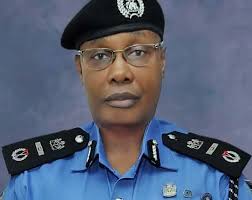
The Nigeria police Kano command has commenced investigation into the causes of the alleged fire outbreak that engulfed Alibert furniture showroom in Kano ;last year.
According to a missive issued by deputy commissioner of police in charge of criminal investigation, Kano police command, DCP Muhammad Abba Umar made available to our reporter, stated that the police command has launched an investigation into the case of mischief by fire and fire incident, relating to the fire outbreak at the Kano showroom , in December 2021.
Our correspondent reports that Kano police command in a letter dated 27 January 2022 addressed to the managing director Alibert products Nigeria limited confirmed that investigation has commenced into the fire incidence at its Kano showroom.
Police Apprehends Bello Turji’s Doctor
The police missive with reference number CR: 3000/KSX/D6/Vol8/74 stated that , complaint of mischief by fire was received from one Abdulhadi Rabiu alleging that the fire incidence that broke out at the poplar furniture company in Kano was caused by mischief as against the alleged attribution of the incidence to faulty electrical gadgets installed within the premises.
The police as part of the investigation have requested the managing director of Alibert furniture, on February 7th to report to the officer in charge of legal/prosecution at the command.
Our finding reveal that the landlord of No 5c Muritala Muhammad Way Kano, Abdulhadi Rabiu through his lawyers, A S Yusuf Associates have forwarded a formal complaint to the police accusing Alibert furniture of mischievously setting ablaze Alibert Kano showroom.
The complainant narrated that, Alibert furniture, who occupied the building as commercial tenant conspired to set the property ablaze.
The complainant pointed out that, Kano Electricity Distribution Company, KEDCO have faulted the claim by Alibert furniture that the fire had emanated from a transformer that feeds the building with power supply.
He informed the police that the fire incidence was planned and executed by some persons commissioned with the aim to achieve criminal intended motives that are bothering on indemnity claims.
The company under investigations through formal reply dated 27th January 2022 addressed to the commissioner of police, Kano command have dismissed all the allegations contained in the complainants.












News
Ibrahim Little Condemns Attack on Journalists, Calls for Government Commitment to Ending Thuggery
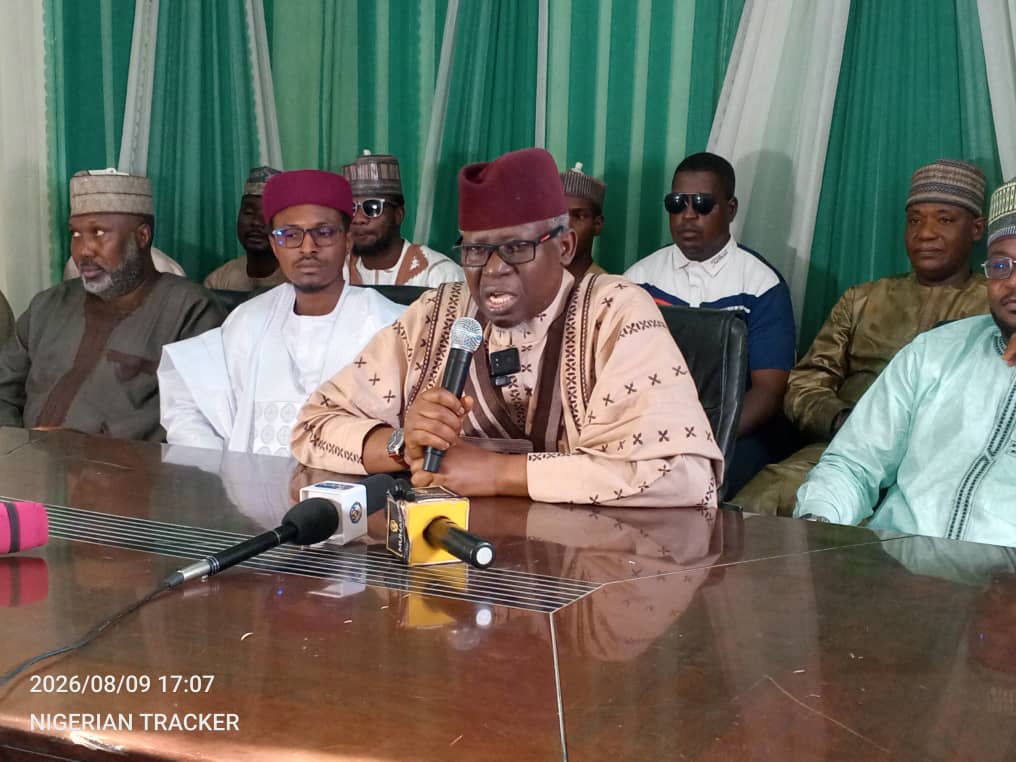
The gubernatorial candidate of the African Democratic Congress (ADC), Alhaji Ibrahim Ali Amin Little, has condemned the recent attack on journalists covering the All Progressives Congress (APC) rally at the Sani Abacha Stadium in Kano on Saturday
Little, in a statement signed by his Executive Assistant, Adnan Mukhtar, described the attack as unfortunate and unacceptable, calling on security agencies to demonstrate greater commitment to ending political thuggery in the state.
“Politicians are guilty of recruiting and using thugs during political rallies, and I believe this is absolutely wrong. Such actions contribute to the destruction of the future of our young people by exposing them to immoral and criminal activities.
“It is important that we tell ourselves the truth. A government that claims to be fighting thuggery, phone snatching and drug abuse should not be seen sponsoring or encouraging thugs to attend political rallies. This is unfortunate, unacceptable and uncalled for.
“Political rallies should be platforms for presenting ideas, engaging citizens and seeking their support, rather than breeding grounds for violence and criminality.”
Little extended his sympathy to the Nigerian Union of Journalists (NUJ), the affected journalists and all other victims of the incident.
He assured the people of Kano that, if elected, his administration would have zero tolerance for political thuggery and other forms of violence, stressing that his government would prioritise the protection of lives and property and create an environment where journalists and citizens can carry out their legitimate activities without fear.
News
Kano Allocates N27.8bn for ICT, CBT Centres Across 44 LGAs
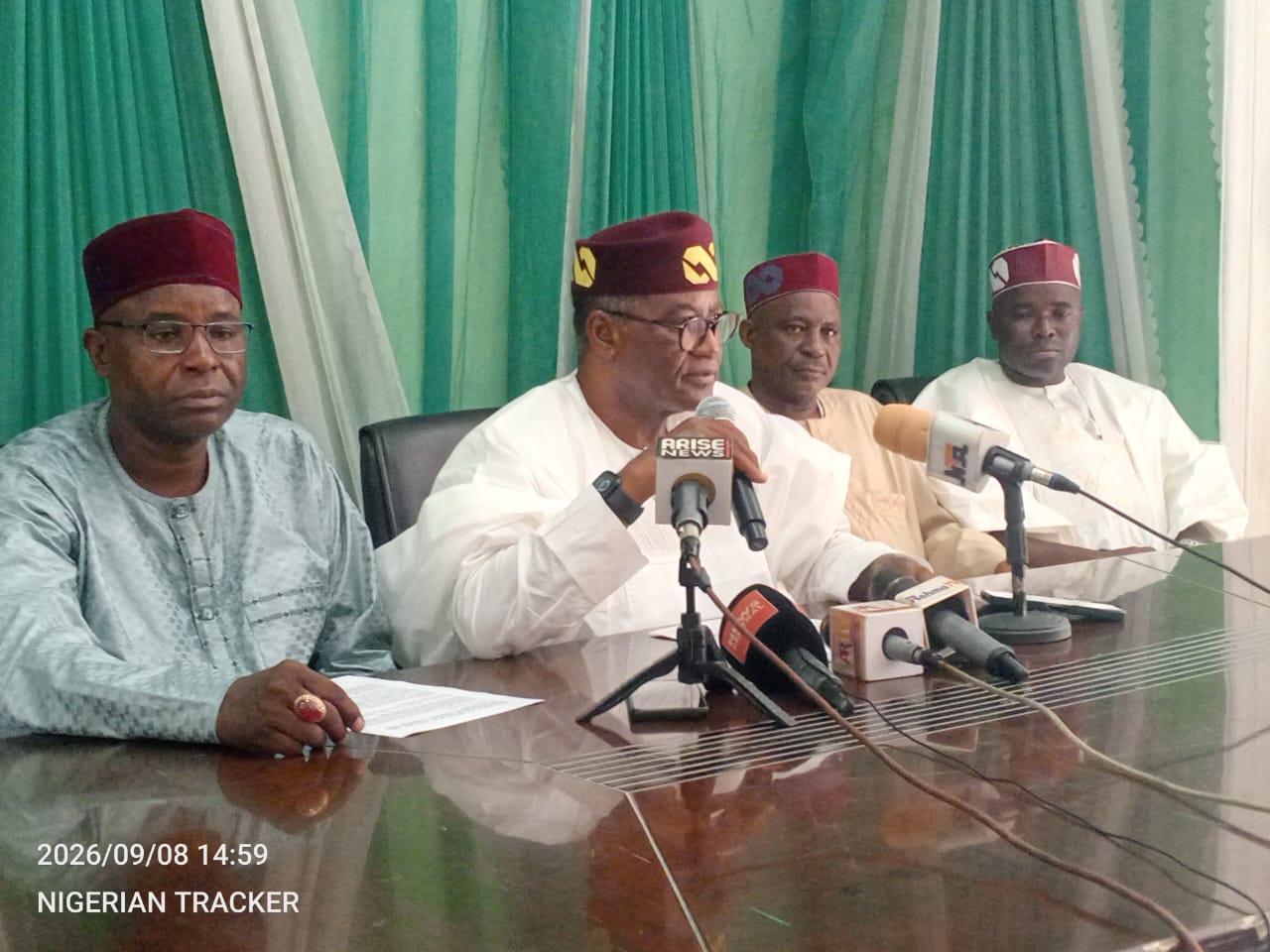
The Kano State Government has earmarked N27.806 billion for the establishment of Information and Communication Technology (ICT) and Computer-Based Test (CBT) centres across the state’s 44 Local Government Areas (LGAs).
The Commissioner for Local Government and Chieftaincy Affairs, Muhammad Tajuddin Uthman, disclosed this while addressing journalists at the Kano Press Centre, where he outlined a number of initiatives being undertaken by the government to improve security, education, healthcare and access to technology across the state.
Uthman said the proposed ICT and CBT centres would be established in each of the 44 LGAs to provide residents, particularly students, with access to computers and digital examination facilities without having to travel long distances to Kano metropolis.
The commissioner explained that the initiative was designed to address the difficulties faced by students from rural communities who are required to travel to the state capital to sit for examinations conducted electronically.
According to him, the government considers the establishment of the centres necessary because examinations and other important services are increasingly moving online, making access to computers and reliable internet-enabled facilities essential for students and other members of the public.
Uthman cited areas such as Dambatta and Gaya as examples of communities where students sometimes have to travel to Kano to access CBT facilities, stressing that the new centres would bring such services closer to the people.
He said the centres would not be restricted to examinations, as residents of the respective LGAs would also have opportunities to use the computers and other facilities for various digital activities, thereby improving their digital literacy and access to online services.
The commissioner disclosed that each of the proposed centres would have three compartments, with each compartment designed to accommodate 100 students at a time, giving each centre a total capacity of 300 students.
Uthman further stated that each centre would be equipped with 300 computers to ensure that a large number of candidates could participate in computer-based examinations and other digital activities simultaneously.
He explained that the government was also making provisions for uninterrupted power supply at the centres, with electricity expected to be supported through the Kano Electricity Distribution Company (KEDCO), generators and solar-powered systems.
According to him, the centres would operate on a 24-hour basis to maximise their usefulness and ensure that students, residents and other users could access the facilities beyond conventional working hours.
Uthman said users would be required to pay affordable charges for some of the services provided at the centres, explaining that the fees would help sustain the facilities, maintain the equipment and ensure that the centres remain functional after their establishment.
On security, the commissioner said the state government was strengthening existing security arrangements in the 44 LGAs through additional measures, including the deployment of forest guards to areas where insecurity has been identified as a challenge.
Uthman said the additional security arrangements were aimed at improving rapid response to security threats and enhancing the safety of residents, particularly in local government areas and communities considered vulnerable to attacks.
He further disclosed that military bases would be established in strategic locations across the state as part of measures to strengthen security and improve the government’s ability to respond quickly to emerging threats.
The commissioner said the government was determined to ensure that security challenges did not prevent residents in rural communities from accessing government services, education, healthcare and other opportunities.
On healthcare, Uthman announced plans to provide a rural emergency ambulance for wards across the state’s 44 LGAs as part of efforts to improve access to emergency and basic healthcare services for people living in rural communities.
He explained that the ambulances would be designed specifically for rural environments and would help transport patients requiring urgent medical attention from remote communities to appropriate healthcare facilities.
According to the commissioner, the ambulances would be in the form of tricycles adapted for emergency medical transportation, making them suitable for communities and roads where conventional ambulances may experience difficulties.
Uthman added that each ambulance would have two drivers assigned to it to ensure availability and continuity of service, while qualified drivers would be recruited by the government to operate the vehicles.
He said the rural ambulance programme was specifically intended to bring emergency healthcare closer to rural dwellers and reduce delays in transporting patients to health facilities.
The commissioner also disclosed plans to establish electric vehicle charging points in the metropolitan area as part of the government’s efforts to promote cheaper and more sustainable transportation.
Uthman said the charging infrastructure would support users of electric motorcycles and electric tricycles and would make it easier for residents to adopt electric vehicles as an alternative means of transportation.
He explained that increasing access to charging facilities would contribute to reducing the cost of transportation for residents while also supporting the state’s transition towards cleaner energy-powered mobility.
The commissioner commended Abba Bichi for his contribution towards the provision of solar-powered facilities, describing such initiatives as important to the state’s efforts to expand access to reliable and alternative sources of electricity.
Uthman also said the state government would continue its efforts to revive entrepreneurship, stressing that the development of small businesses and self-employment opportunities remained an important part of its strategy for improving livelihoods and economic opportunities for residents.
He said the various initiatives in ICT, healthcare, security, renewable energy and entrepreneurship were aimed at bringing government services and opportunities closer to residents across the 44 LGAs, particularly those living in rural communities.
News
Governor Yusuf celebrates Abdulmumin Jibrin Kofa at 50
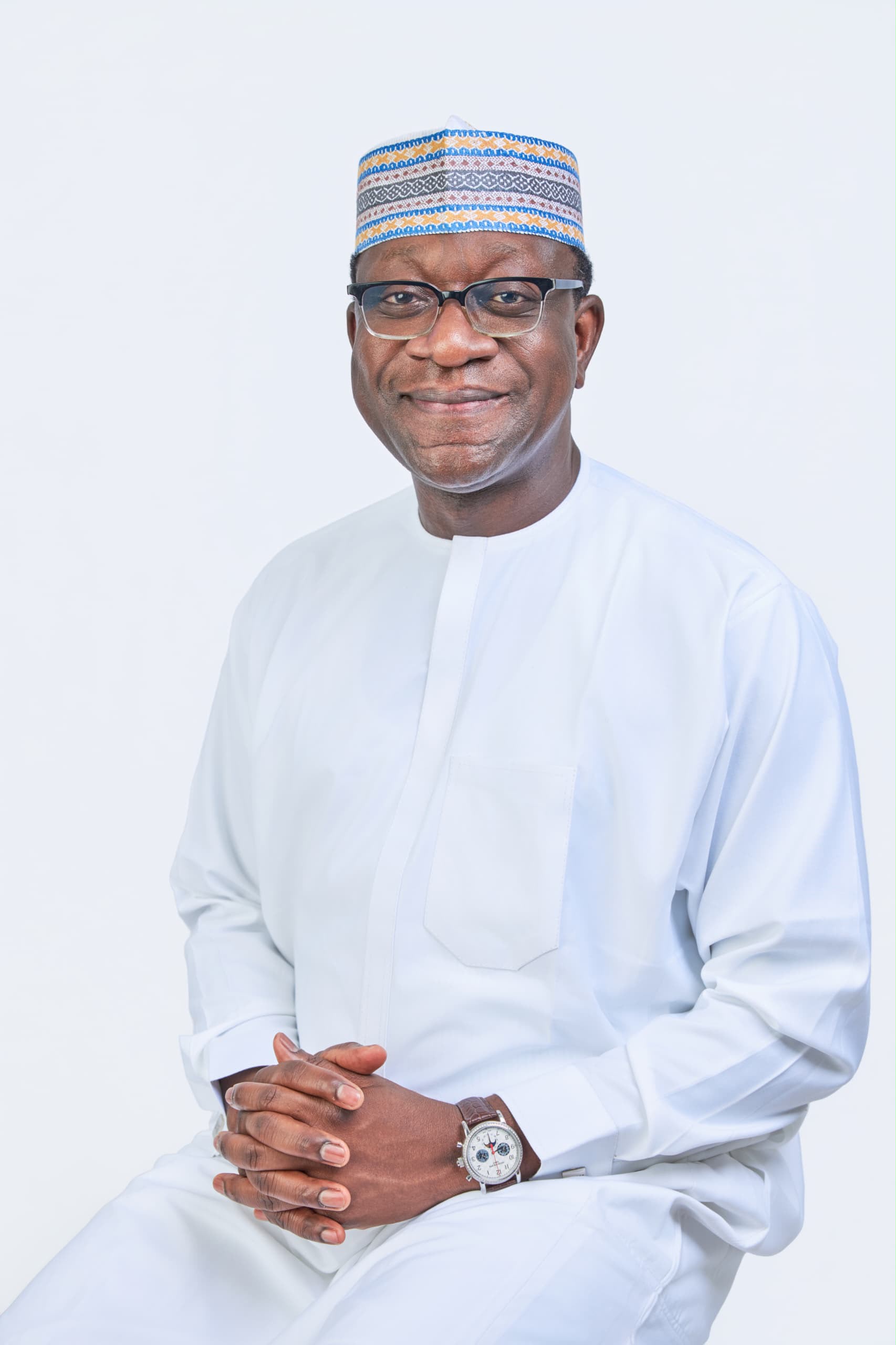
Kano State Governor, Alhaji Abba Kabir Yusuf, has congratulated the member representing Kiru/Bebeji Federal Constituency in the House of Representatives, Hon. Dr. Abdulmumin Jibrin Kofa, on his 50th birthday.
This was contained in a statement issued by the governor’s spokesman, Sunusi Bature Dawakin Tofa, on Monday.
Governor Yusuf described Kofa as a distinguished son of Kano whose contributions to his constituency, the state and Nigeria have earned him recognition and commendation.
The Governor praised Kofa for his outstanding performance in the National Assembly, where he has served in several key capacities, including Chairman of the Committees on Finance, Appropriations, Transport and Foreign Affairs, and currently Housing and Habitat.
According to Governor Yusuf, Kofa has demonstrated strong legislative capacity through effective representation, advocacy and initiatives aimed at improving the welfare of his constituents.
He also acknowledged Kofa’s contributions to the housing sector and national development during his service at the Federal Housing Authority.
Governor Yusuf commended the lawmaker for his continued focus on grassroots development, particularly through empowerment programmes targeting youths, women, farmers, entrepreneurs and vulnerable members of society.
He said Kofa’s interventions, including provision of working tools, business support, vocational training, educational assistance and agricultural initiatives, have helped create opportunities for many constituents to improve their livelihoods.
“You are a fine lawmaker who has demonstrated effective representation of your people. Your empowerment and human development initiatives for the people of Kiru/Bebeji Federal Constituency are remarkable and worthy of emulation,” the Governor said.
Governor Yusuf further described Kofa as a public servant who has combined legislative responsibilities with direct engagement with the grassroots, ensuring that the concerns and needs of his constituents receive attention.
He noted that Kofa’s experience as a businessman, lecturer, public servant and legislator has enabled him to make meaningful contributions to national discussions and issues affecting Kano State.
“Having attained so much at 50, Kano State is proud of you and appreciates your contributions to the development of our state and country,” Governor Yusuf said.
The Governor wished Dr. Abdulmumin Jibrin Kofa many more years of good health, happiness and success, while praying that Almighty Allah grants him the wisdom and strength to continue serving humanity.
He also prayed for greater opportunities for the celebrant to contribute to the growth and development of Kano State and Nigeria.

A FRIEND’S LETTER TO ABDULMUMIN AT FIFTY

Ibrahim Little Condemns Attack on Journalists, Calls for Government Commitment to Ending Thuggery

Kano Allocates N27.8bn for ICT, CBT Centres Across 44 LGAs

Governor Yusuf celebrates Abdulmumin Jibrin Kofa at 50

JUST IN: El-rufai’s Family Issues 7-day Ultimatum for Defence Minister to Retract Comment on Violence

From World’s 9th Most Populous City to Perfect: As Gov Yusuf Revisits Kano Master Plan

95% of Governor Abba Kabir Yusuf’s Promises Have Been Fulfilled — CPS Interview By Musa Diso, In Kano

Kano Islamic Scholar Declares Kano Widow Marriage Programme ‘Haram’, Urges Government to Stop It

We’re aware of your clandestine meetings with Lulu-Briggs, 𝐏𝐢𝐝𝐨𝐦𝐬𝐨𝐧, CRP uncovers ex-MD of NDDC, Nunieh

Between Sabotage and Scepticism: Why Nigeria’s Oil Dream Keeps Stalling
A FRIEND’S LETTER TO ABDULMUMIN AT FIFTY
Ibrahim Little Condemns Attack on Journalists, Calls for Government Commitment to Ending Thuggery
Kano Allocates N27.8bn for ICT, CBT Centres Across 44 LGAs
Governor Yusuf celebrates Abdulmumin Jibrin Kofa at 50
JUST IN: El-rufai’s Family Issues 7-day Ultimatum for Defence Minister to Retract Comment on Violence
From World’s 9th Most Populous City to Perfect: As Gov Yusuf Revisits Kano Master Plan
95% of Governor Abba Kabir Yusuf’s Promises Have Been Fulfilled — CPS Interview By Musa Diso, In Kano
Kano Islamic Scholar Declares Kano Widow Marriage Programme ‘Haram’, Urges Government to Stop It
We’re aware of your clandestine meetings with Lulu-Briggs, 𝐏𝐢𝐝𝐨𝐦𝐬𝐨𝐧, CRP uncovers ex-MD of NDDC, Nunieh
Between Sabotage and Scepticism: Why Nigeria’s Oil Dream Keeps Stalling
-

 Opinion5 years ago
On The Kano Flyovers And Public Perception
-

 Features5 years ago
How I Became A Multimillionaire In Nigeria – Hadiza Gabon
-

 Opinion6 years ago
Kano As future Headquarters Of Poverty In Nigeria
-

 History5 years ago
Sheikh Adam Abdullahi Al-Ilory (1917-1992):Nigeria’s Islamic Scholar Who Wrote Over 100 Books And Journals
-

 Opinion5 years ago
My First Encounter with Nasiru Gawuna, the Humble Deputy Governor
-

 History5 years ago
The History Of Borno State Governor Professor Babagana Umara Zulum
-

 History5 years ago
The Origin Of “Mammy Market” In Army Barracks (Mammy Ochefu)
-

 News4 years ago
Federal University Of Technology Babura To Commence Academic Activities September