
Opinion
Bitter Truth about the North
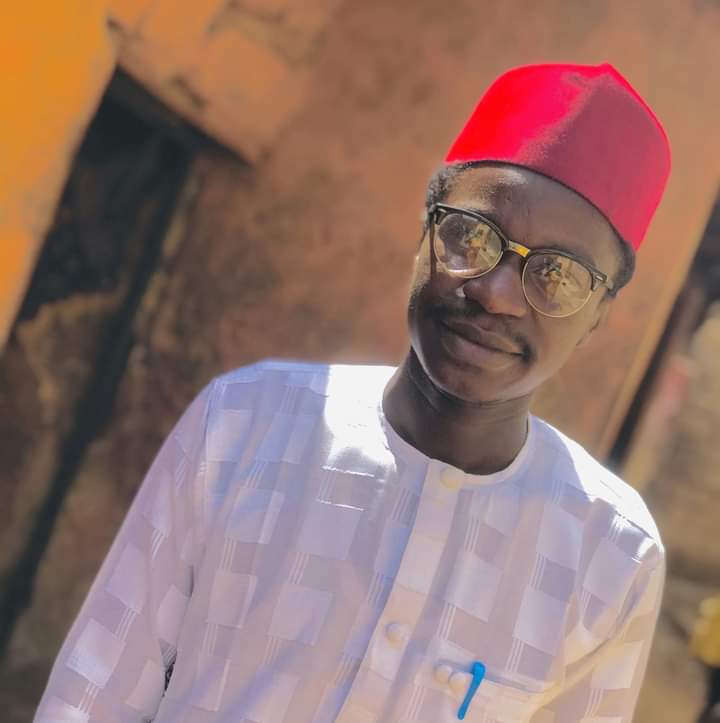
By Abdulmutallib Mukhtar
The North, particularly from the last decade, has been unfortunately submerging in the water of misfortunes. Bako Haram has held the region under siege despite the powerful military Nigeria claims to have, which had been seen in the kind of military assistance it gave to other African countries.
Banditry also spreads its ten fingers in the region claiming the lives of thousands of people including infants. It is indeed a great misforture that like tsunami, kidnappers have flooded the region when poverty is already consuming the people. Amidst all this, northerners that eke out a living in another part of the country are ambushed by people claiming ancestral ownership of a place despite the fundamental right to freedom of movement and ownership of movable and immovable property.
Almajiris: Tambuwal’s Noble Solution for the North
At the risk of being called names, it behoves me to state the truth that the north does not dissipate energy on its priorities, and if it does, then its reaction to those priorities is very much low and slow that a person like me lacks knowledge of such. The truth is, northerners prefer to spend their time on inanities while waiting for other people somewhere else to tell the story of the north, and if the story exposes the problems of the region, the north would then become angry.
Northerners do not have a single voice to tell the world of the kidnapping, the banditry and the Boko Haramism bedevilling them. They lack the unity to sit down and put their issues on the table and decide on how to get out of the woods.
What the north is better at and best known at is discussing trivial issues that adds no flavour to their lives. One Sheikh is seen chilling out abroad with a woman, a Hausa actress dresses indecently, the daughter or son of an influential man is seen dancing at a wedding, a Kannywood actor is seen hugging a woman etc. These are the sort of stories the north prefers to tell the world.
It is highly outrageous how the northerners also keep mute when the region is being ambushed by terrorists because they don’t want the world to know because if the world knows, their tribesman in power or godfather would be condemned harshly for not securing life and property; they would rather pretend that all is well. This greatly gives more morale to northern leaders to continue their customary misrepresentation.
The people are so harshly divided along the religious line. The popular religion there has been classified into different creeds that their adherents celebrate the calamity of one another and block the chances for their progress. This speaks to outsiders of the greatest weakness of the north which is used against them.
When EndSARS protests broke out in the southern part of the country, other southerners living and doing business in the north joined the protests, those in the diaspora also joined. This is the true definition of a united people confronting their problems collectively. And where is SARS today? It is resting in the dustbin of history. Even at this, many northerners condemned the protests which, democratically, was a commendable move and a mechanism of telling the deaf government the grief of the citizens.
With local governments areas still under the control of Boko Haram, with the bloody banditry, with the shocking kidnap of the Kankara boys, the Kagara students and the 300 girls kidnapped in Zamfara two days ago, all in the north, why will the northerners not storm the major roads, storm the streets of social media so that the world will be informed of the plights of notherners? But worse problem of the north is that, once people come out to protest, it would be made to look like PDP or APC sponsors it. Religious leaders milking the cow of the government will make everything contrary to the teaching of the religion. And the followers, with reverence, and without reasoning, will accept everything rawly.
Abdul Mutallib Muktar
abdulmutallib.muktar@gmail.com













Opinion
Fifty Years, Four Terms. A Life Of Enterprise, Scholarship And Public Service-By Abbas Tajuddin
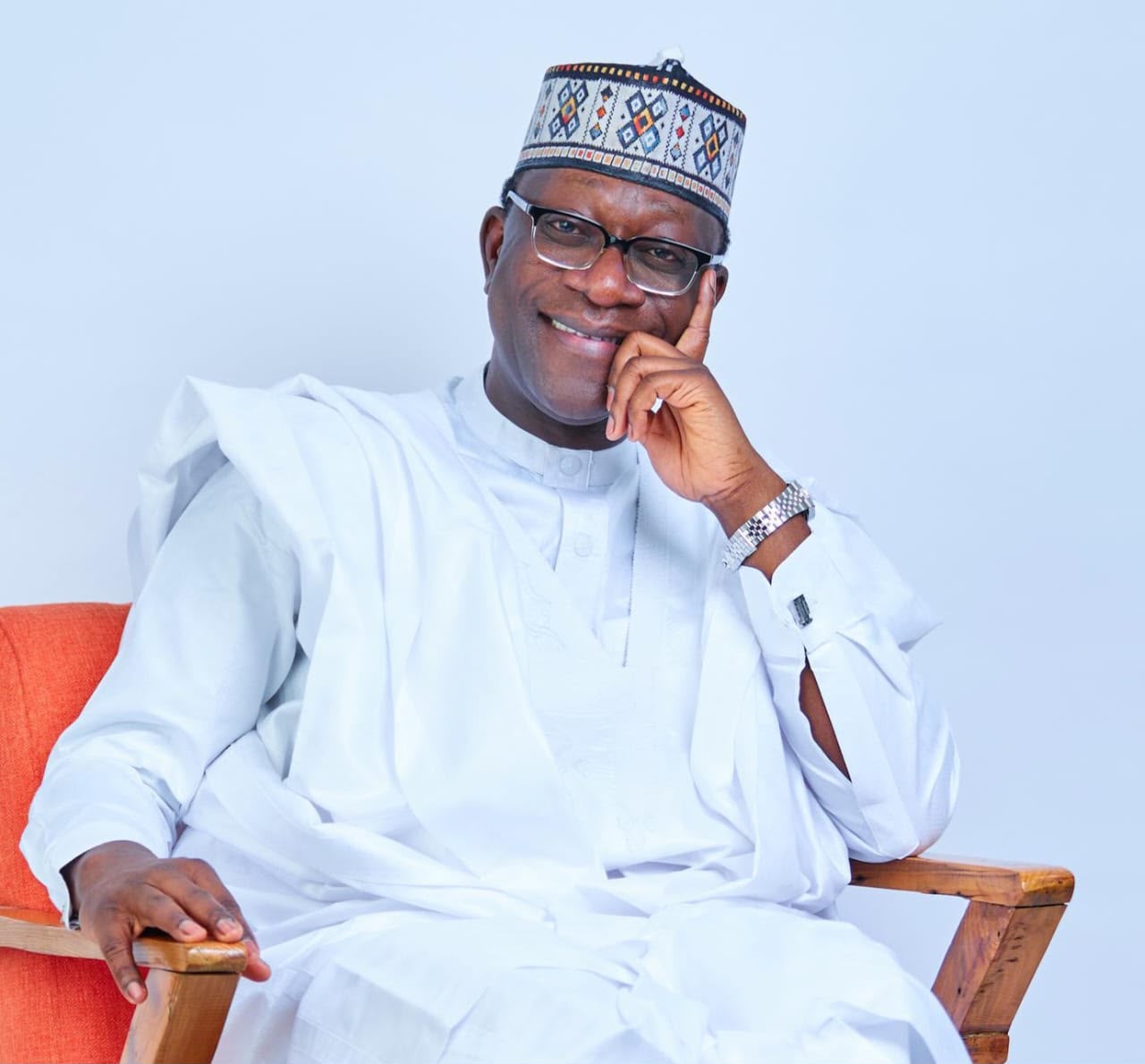
Today, I celebrate my colleague and friend, Hon. Abdulmumin Jibrin Kofa, as he attains the golden milestone of 50.
Turning 50 is more than a birthday; it is a moment to pause, reflect and appreciate a journey already rich in accomplishment, service and impact.
Over four terms in the House of Representatives, Abdulmumin has brought to our legislative enterprise a rare combination of intellectual depth, business experience, courage and an unmistakable independence of mind. From his leadership of key committees, including Finance, Appropriations, Land Transport, Foreign Affairs, and Housing and Habitat, his contributions have reflected a strong grasp of public finance and a broad understanding of national affairs.
He is, without doubt, one of the sharpest minds in our Parliament. His academic accomplishments, including two PhDs and an MBA, his experience in business and academia, his executive education at leading institutions, and his service at the Federal Housing Authority have all contributed to the distinctive perspective he brings to public service.
But beyond the degrees, positions and accomplishments is a man who has never been afraid to speak his mind.
Abdulmumin is forthright. He is courageous. He is independent-minded. And he is never one to hide his convictions.
In a Parliament, such voices matter. A healthy legislature must have room for principled disagreement, robust debate and legislators willing to speak for what they believe is right and in the interest of their constituents.
As you celebrate 50, dear Abdulmumin, I celebrate not only the milestones behind you but also the possibilities ahead.
On behalf of the leadership and the entire membership of the House of Representatives, I wish you good health, renewed strength, greater accomplishments and many more years of impactful service to your constituents and our dear nation.
May the next chapter be even greater than the first five decades.
Happy 50th Birthday, Hon. Abdulmumin Jibrin Kofa.
Opinion
A FRIEND’S LETTER TO ABDULMUMIN AT FIFTY
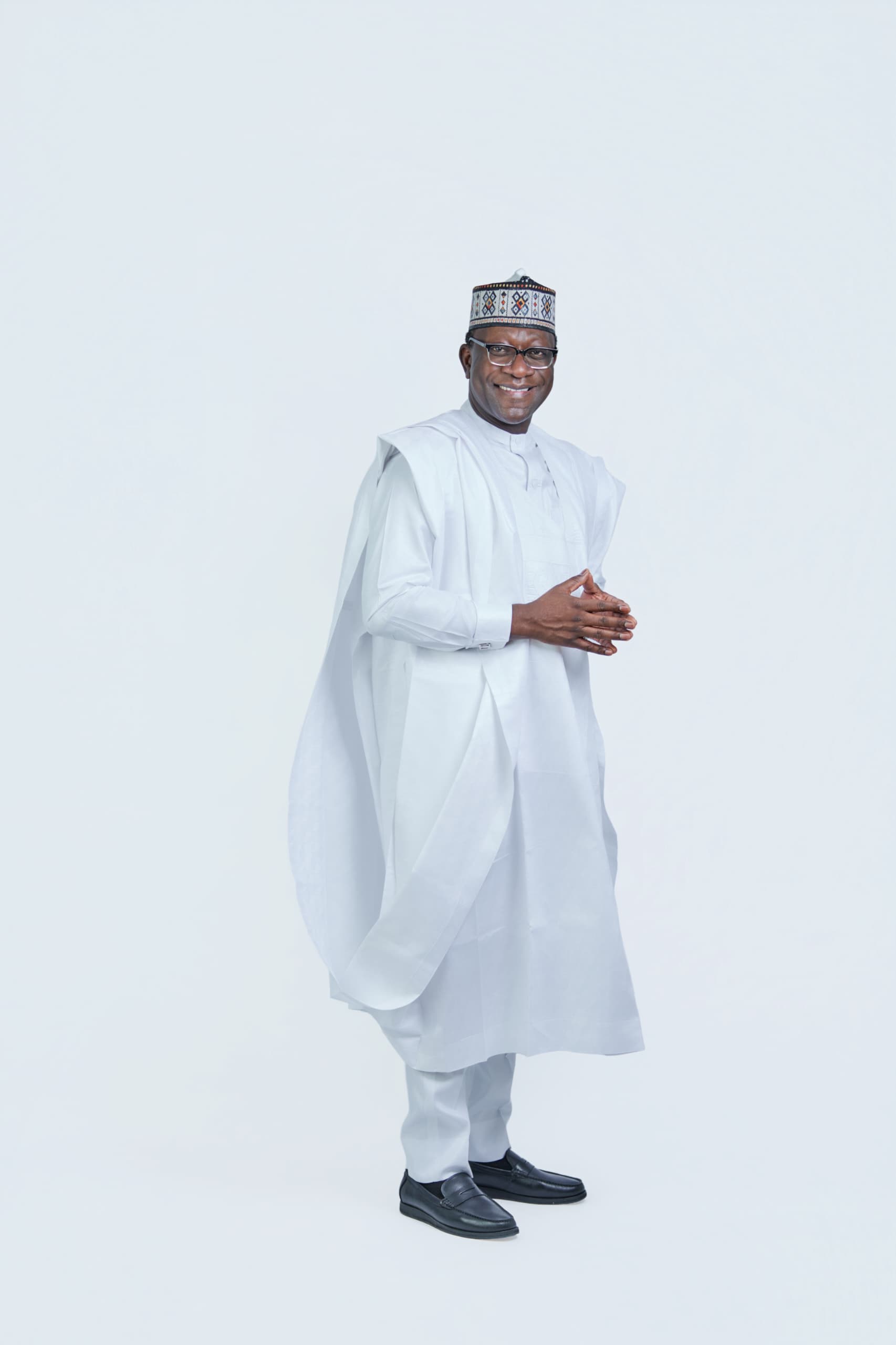
By Barr. Ismaeel Ahmed, OON
There is a particular privilege in knowing someone before the world decided who they were going to be; before the titles, the cameras, the offices and the public arguments. I have had that privilege with Abdulmumin Jibrin.
I knew Abdulmumin long before most people knew him as they do today, before the National Assembly and before the many chapters of public life that have since defined his name. So, as he turns fifty, I find myself writing not about the Honourable Member for Kiru and Bebeji, but about my friend, my older brother and school father. That distinction has always mattered.
I remember someone whose mind never seemed to rest. Chairman, as we fondly call him, could take an idea everyone else had accepted, turn it around repeatedly, question it from every direction and continue long after the rest of us had become tired of the conversation. I used to tease him about it, and sometimes I still do. But over the years, I have come to understand that this intellectual restlessness is at the very centre of who he is.
It explains the businessman, the teacher, the politician and the scholar who earned a PhD in International Relations and, years later, returned to Bayero University Kano for another in Economics. Chairman has never believed that learning has an end point. He is always searching for the next question and, inevitably, the better answer.
Yet, for all his accomplishments, what I value most about him is something much simpler: his loyalty. He remembers people. He remembers friendships, kindnesses and those who stood with him when there was little to gain from doing so. Beneath the forcefulness that people see in public is a tenderness and generosity that those who know him closely understand very well.
I have also had the privilege of seeing him through both triumph and adversity. His political journey has had its share of difficult seasons, some of them difficult enough to discourage almost anyone. But Chairman has an extraordinary capacity to return. He reflects, recalibrates and rises again. Not because the fall did not hurt, but because he has always believed that a difficult chapter does not have to be the end of the story.
Perhaps that is one of the most important lessons of his first fifty years. We are not measured by never falling. We are measured by what we learn from the fall and whether we find the courage to rise again.
Another quality I have come to admire is his ability to create room for other people to grow. He does not merely occupy spaces; he opens conversations, shares ideas and encourages those around him to think beyond their immediate circumstances. Many people have benefited from his advice, introductions, encouragement and willingness to challenge them to become better versions of themselves. That influence may not always be visible, but it is one of the lasting marks a person leaves on the lives of others.
He also possesses a rare ability to remain connected to his roots while engaging confidently with the wider world. Whether in the classroom, the boardroom, the political arena or among friends, he carries with him a strong sense of identity and responsibility. His journey has taken him through different institutions and experiences, but it has not separated him from the people, values and community that shaped him. That balance is not easy to maintain, and it is one of the reasons his story continues to resonate with many people.
At fifty, therefore, I am less interested in counting Abdulmumin’s offices, businesses, degrees or political accomplishments. I think instead of the full measure of the man I have known: the businessman who understood risk, the scholar who never stopped learning, the politician who survived both victory and defeat, and the friend who still remembers to call.
Fifty is a beautiful milestone. It gives a man enough road behind him to understand the journey, and, God willing, enough road ahead to decide what he wants the rest of that journey to mean.
My Chairman, I hope the years ahead bring a little more patience to your restlessness and a little more peace to your ambition. Build more. Give more. Mentor more. Forgive quickly, as you have always somehow managed to do. And worry less about who receives the credit. History has its own way of separating noise from substance.
Happy fiftieth birthday, Sir. May the years ahead bring you more wisdom than ambition, more peace than pressure, more purpose than applause, and many more opportunities to give than reasons to receive.
Congrats.
Opinion
All Hail The 17th Emir Of Gumel, His Royal Highness, Dr. Lawan Ahmed Mohammed-DIG
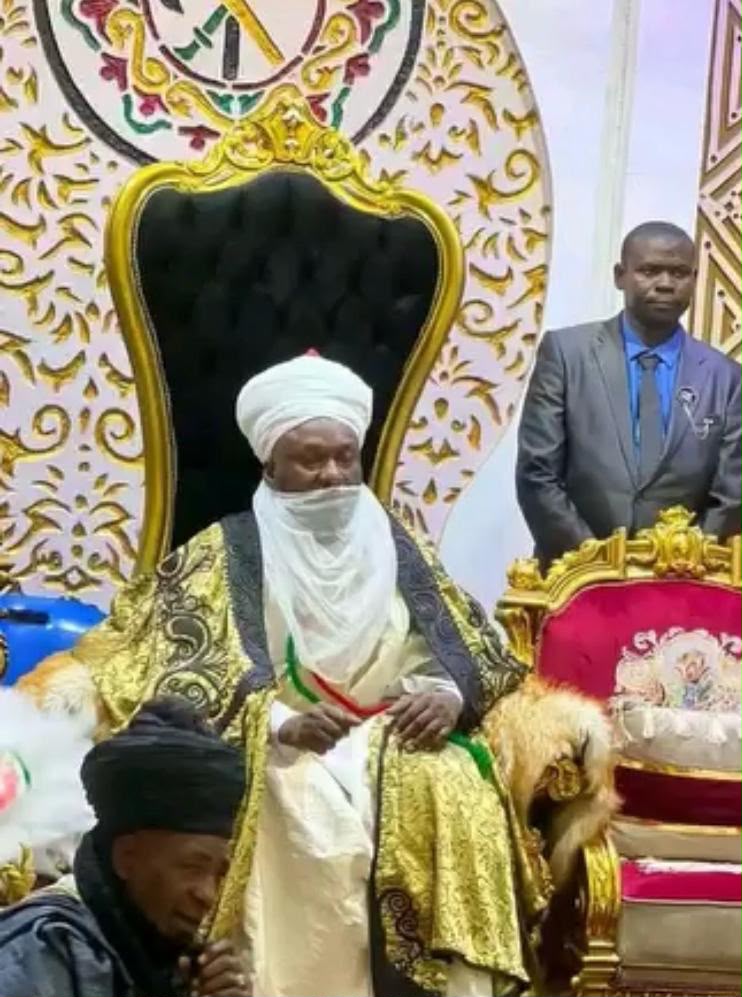
By DIG Mohammed Usaini Gumel (Rtd)
With profound submission to the will of Almighty Allah, I extend my heartfelt condolences on the passing of our revered Emir, His Royal Highness Dr Ahmad Muhammad Sani II, (CON).
His distinguished reign was marked by wisdom, humility, justice, peace and devoted service to his people. May Almighty Allah forgive his shortcomings, illuminate his grave, admit him into Aljannatul Firdaus and grant him eternal rest. Ameen.
As we mourn his passing, we thank Almighty Allah for the peaceful succession to the revered throne of Gumel. It is therefore with great joy and respect that I congratulate His Royal Highness, Lawan Ahmed Mohammed, PhD, on his ascension as the 17th Emir of Gumel.
Your Royal Highness’s ascension to the throne of Gumel, continues the sacred trust entrusted to the custodians of this ancient throne.
There is no doubt that enduring traditions of unity, dignity, courage and service, has been established and preserved by the forbears, as your late father has strengthened them, through compassionate and principled leadership.
We are confident that your knowledge, experience and understanding of both our traditions and the modern world will guide the Gumel Emirate towards greater progress. We look forward to your leadership to consolidate peace and unity, preserve our cultural heritage, uphold justice and consultation, and promote development in education, agriculture, commerce, healthcare, technology, youth empowerment and community security.
This is a time for every son and daughter of the Gumel Emirate to unite in common purpose. The strength and stability of the throne depend on the cooperation of the Royal Family, traditional titleholders, District and Village Heads, religious leaders, elders, elected representatives, professionals, farmers, traders, women, youth and all our communities, should rally round the new Emir for the common purpose of peace, unity, progress and socio-economic development of the Gumel Emirate.
At this time, our loyalty must be expressed through respect for the traditional institution, responsible conduct, sincere counsel and a shared commitment to the Emirate’s peace and development.
In a period like this we must accept to preserve the legacy of our ancestors and predecessors while building a Gumel Emirate that is peaceful, united, secure, educated, economically vibrant and responsive to every community.
Indeed, a leader serves as the heartbeat of a community. You are the heartbeat of the Gumel Emirate. The Gumel Emirate is lucky to have you as our 17th Emir, because you are such a figure, embodying wisdom, unity, and deep compassion for all residents. This tribute reflects on a legacy defined by tireless service, demonstrating how true leadership transcends mere titles to become a guiding light for generations to come.
Kindness often acts as the strongest bridge between a ruler and the people. We can only expect that this your distinguished reign as the 17th Emir of Gumel shall prioritize the well-being of the vulnerable, ensuring that voices which were often unheard find support within the palace walls.
Your Royal Highness, historical records frequently highlight leaders like the late Emir, who gained fame for generosity of spirit. I am happy to embrace the fact that you shall exhibit actions that prove authority is most effective when it is paired with genuine care for the common person.
The Gumel Emirate is lucky for the fact that beyond local boundaries, you are a master of diplomacy and peace. It’s a fact that conflicts are natural parts of human society, yet you are among the wise leaders who know how to navigate these challenges without bloodshed.
May Almighty Allah grant Your Royal Highness wisdom in judgment, patience in adversity, courage in leadership and sound health throughout your reign. May He protect you, guide your decisions and bless you with sincere, loyal and trustworthy advisers and reign, strengthen our unity, preserve our honour and bring enduring peace, progress and shared prosperity to the entire Gumel Emirate. Amin.
DIG Mohammed Usaini Gumel (Rtd) writes from his Gumel home, Jigawa State.

Akpabio Petitions DSS, Demands Probe Into ‘Anti-north Statement’ Attributed to Him on Social Media

Fifty Years, Four Terms. A Life Of Enterprise, Scholarship And Public Service-By Abbas Tajuddin

NFF Appoints Eguavoen as Interim Head Coach of Super Falcons
Dependable political ally’ — Tinubu celebrates Abdulmumin Jibrin at 50

A FRIEND’S LETTER TO ABDULMUMIN AT FIFTY

From World’s 9th Most Populous City to Perfect: As Gov Yusuf Revisits Kano Master Plan

95% of Governor Abba Kabir Yusuf’s Promises Have Been Fulfilled — CPS Interview By Musa Diso, In Kano

Kano Islamic Scholar Declares Kano Widow Marriage Programme ‘Haram’, Urges Government to Stop It

Between Sabotage and Scepticism: Why Nigeria’s Oil Dream Keeps Stalling

Bello Sharada: A Great Writer, A Bookish Soul, Gone Too Soon
Akpabio Petitions DSS, Demands Probe Into ‘Anti-north Statement’ Attributed to Him on Social Media
Fifty Years, Four Terms. A Life Of Enterprise, Scholarship And Public Service-By Abbas Tajuddin
NFF Appoints Eguavoen as Interim Head Coach of Super Falcons
Dependable political ally’ — Tinubu celebrates Abdulmumin Jibrin at 50
A FRIEND’S LETTER TO ABDULMUMIN AT FIFTY
From World’s 9th Most Populous City to Perfect: As Gov Yusuf Revisits Kano Master Plan
95% of Governor Abba Kabir Yusuf’s Promises Have Been Fulfilled — CPS Interview By Musa Diso, In Kano
Kano Islamic Scholar Declares Kano Widow Marriage Programme ‘Haram’, Urges Government to Stop It
Between Sabotage and Scepticism: Why Nigeria’s Oil Dream Keeps Stalling
Bello Sharada: A Great Writer, A Bookish Soul, Gone Too Soon
-

 Opinion5 years ago
On The Kano Flyovers And Public Perception
-

 Features5 years ago
How I Became A Multimillionaire In Nigeria – Hadiza Gabon
-

 Opinion6 years ago
Kano As future Headquarters Of Poverty In Nigeria
-

 History5 years ago
Sheikh Adam Abdullahi Al-Ilory (1917-1992):Nigeria’s Islamic Scholar Who Wrote Over 100 Books And Journals
-

 Opinion5 years ago
My First Encounter with Nasiru Gawuna, the Humble Deputy Governor
-

 History5 years ago
The History Of Borno State Governor Professor Babagana Umara Zulum
-

 History5 years ago
The Origin Of “Mammy Market” In Army Barracks (Mammy Ochefu)
-

 News4 years ago
Federal University Of Technology Babura To Commence Academic Activities September