
News
Kano Has Over 7 Million Poor People-Ibrahim Ado Kurawa
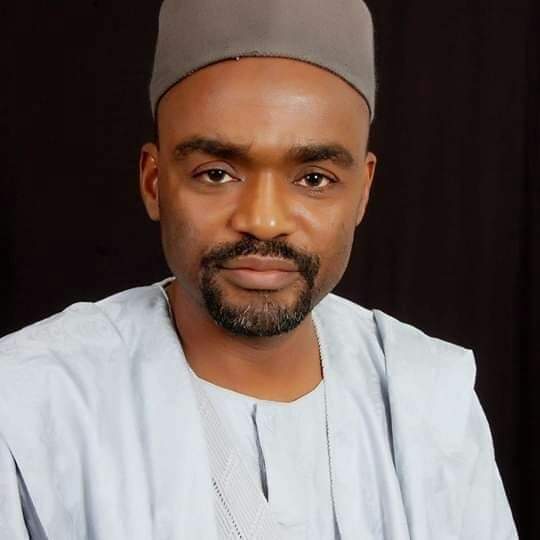
A Nigerian based Researcher Malam Ibrahim Ado Kurawa has said Kano has 7.22 Million poor people together with Jigawa.
Malam Ibrahim Ado Kurawa made the statement in his verified Facebook page
According to Kurawa said Kano the home of NEPU, the base that provided the NPC with resources to form national government in the first republic.
Kano is the home of the first textile industry in Nigeria. Now Kano has 7.22million poor people along with Jigawa with its 5.05million poor they contribute 15% of Nigeria’s poor people with less than 3% of the National Economy.
Kano is now number 9 in GDP from number 2 after. Its GDP is US$13.3 behind Lagos, Rivers, Delta, Oyo, Imo, Edo, Akwa Ibom and Ogun.
Yet the elite don’t care to even discuss the way out.
According to Malam Kurawa, the problem is that the elite in Kano have been compromised.
a) Most of the politicians are morally bankrupt and want to be in every government so they keep cross carpeting from one party to the other.
b) The Ulama who are supposed to be the conscience of the society have been compromised since when the politicians appointed unqualified persons as Religious Advisors and the Ulama accepted which is very tragic.
When Will Nigerians Get Portable Water?
c) The traditional ruling class has been destroyed because of internal jealousies and hatred and they allowed someone who said Shehu Danfodio did Islamic coup so he too is free to do what he likes.
d) Civil society is weak.
Kurawa provided ways out of the problem:
1) some people must lead and take the bull by the horn. They must sacrifice. There’s no success without sacrifice.
2) It must never be business as usual. No ambitious politician should be supported there must be terms of engagement with specific steps and milestones. All the Govs from 1999 to date were perhaps “saints” before they entered the Govt House. So the system of leadership recruitment must change.
3) Mobilization must be from the grass root not elitist. From ground zero.
4) People must be sensitized according to clusters and cells.









News
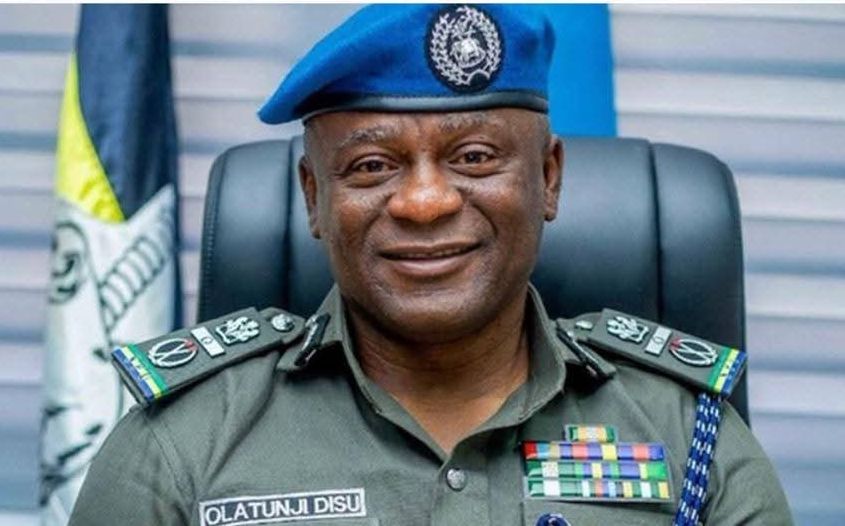
IGP Proposes 200% Gratuity, Pension for Retired Officers
By Yusuf Danjuma Yunusa
Inspector-General of Police Olatunji Disu has proposed a 200 per cent gratuity and pension for retired police officers as part of the ongoing reforms in the Nigeria Police Force.
Mr Disu told journalists on Sunday in Abuja that the proposal was before a presidential committee set up to examine police concerns and recommend sustainable solutions.
He said the proposal was to intensify efforts to secure improved retirement benefits for personnel of the Nigeria Police Force (NPF) and address the longstanding pension challenges.
The IGP also said the committee was made up of representatives of the Ministry of Finance and the Office of the Accountant-General of the Federation.
According to him, other representatives in the committee are the National Salaries, Incomes and Wages Commission, the Budget Office of the Federation, and the National Pension Commission (PenCom).
“Under the proposed arrangement, eligible officers can retire on pension benefits linked to their last salaries, alongside the enhanced gratuity,” the IGP said.
Mr Disu said the package was also expected to address recurring protests by serving officers, seeking to exit the Contributory Pension Scheme (CPS), a contentious issue within the force.
“The initiative is aimed at resolving the outstanding pension liabilities, providing more adequate retirement benefits, and creating a more efficient pension administration system.
“It also seeks to cover officers who retired before the new framework takes effect, with provisions to review their benefits in line with the revised terms, rather than limiting reform to future retirees,” he said.
The IGP said the intervention of President Bola Tinubu in the police pension crisis had raised expectations among retired officers, who had long complained about inadequate benefits, delayed payments, and administrative bottlenecks.
According to him, for many pensioners, timely access to benefits is essential for meeting household expenses and medical bills amid rising living costs.
He said the federal government had cleared the backlog of pension payments that previously left some retirees waiting for up to two years and introduced pension increment.
Mr Disu revealed that some of the beneficiaries currently receive almost double their previous payments.
“Our engagement with the presidency, PenCom, and other relevant institutions is seen as important to sustain the NPF reform momentum.
“The committee is expected to recommend measures on outstanding liabilities, funding arrangements, and benefit administration.
“It is also to provide a framework to resolve pension challenges and improve coordination among the institutions responsible for policy, funding, and administration,” he said.
He added that the proposal remained subject to the committee’s deliberations, relevant government approvals, funding arrangements, and implementation guidelines.
Mr Disu said the 200 per cent gratuity should not be regarded as approved or existing entitlement, adding that the final outcome would determine whether it would be adopted.
News
Dagumawa Promises to Connect Wudil/Garko to Global Economy Through ICT Hub
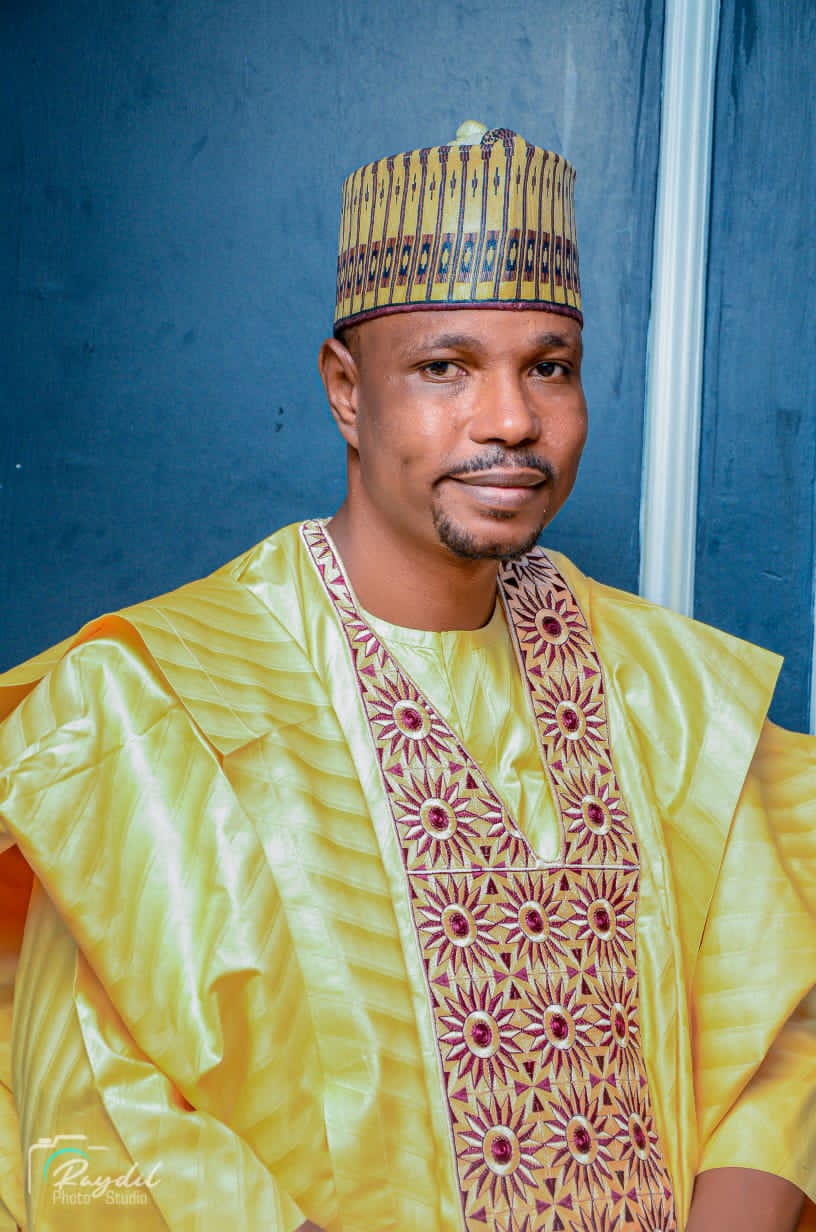
The House of Representatives candidate for Wudil/Garko Federal Constituency under the platform of people’s redemption party in Kano State, Rufai Dagumawa, has pledged to establish an Information and Communication Technology (ICT) hub in Garko to equip young people with digital and technical skills and connect them to the global economy.
Dagumawa made the pledge in an interview with Nigerian Tracker after a stakeholders’ meeting held in Kano, where he outlined his vision for addressing socioeconomic challenges in the constituency through technology-driven empowerment.
The candidate said he believed that sustainable development required a proper understanding of the underlying causes of socioeconomic problems rather than adopting temporary measures that failed to provide lasting solutions.
According to Dagumawa, many people discuss the challenges confronting their communities without fully understanding the issues or identifying practical ways to resolve them permanently.
He said he had been considering different approaches to addressing the problems facing Wudil and Garko, adding that his proposed interventions would focus on practical solutions that could improve the lives of residents.
Dagumawa argued that Garko Local Government Area could address many of its development challenges through targeted interventions, noting that its circumstances differed from those of larger metropolitan local government areas.
He maintained that establishing an ICT hub would provide an opportunity to equip young people with marketable skills and create sustainable employment opportunities within the constituency.
“Information and Communication Technology is the key to success in today’s world,” Dagumawa said, explaining that technology had become an important tool for economic growth and development across different countries.
He cited countries such as Singapore, Malaysia and Argentina as examples of places where technology and sophisticated ICT infrastructure were being used to support development and improve access to technical services.
Dagumawa said his plan, if elected, would involve bringing experts to Garko to train young people in the production of mobile phone accessories, including screen protectors and phone chargers.
He explained that the proposed centre would also provide practical training in phone repairs, laptop and desktop computer repairs, as well as other ICT-related services that could enable participants to earn a living through technical expertise.
The candidate said the initiative would go beyond conventional empowerment programmes by equipping beneficiaries with skills they could use to establish businesses, provide services and compete in an increasingly technology-driven economy.
According to him, the availability of technical support services and ICT training facilities would create opportunities for young people to develop specialised competencies and respond to the growing demand for digital and electronic services.
Dagumawa added that the proposed hub would help bridge the gap between young people in Wudil/Garko and opportunities available in the wider economy by giving them access to skills that could be applied locally and internationally.
He described the initiative as a form of sustainable empowerment that could provide young people with long-term livelihood opportunities rather than temporary financial assistance.
The candidate said his ultimate objective was to create a system through which young people in the constituency could acquire practical knowledge, become economically productive and contribute to the development of their communities.
Dagumawa maintained that connecting Wudil/Garko to the global economy through technology would require deliberate investment in skills acquisition, technical training and access to modern ICT services.
Dagumawa also pledged to address drainage problems in Garko, saying his approach would focus on identifying the root causes of the challenges and implementing lasting solutions rather than temporary measures.
The House of Representatives candidate said many people discussed socioeconomic problems without adequately understanding their underlying causes, stressing that effective leadership required careful thinking and practical plans to resolve such challenges permanently.
According to Dagumawa, he had been considering different approaches to addressing the drainage challenges confronting the area, adding that he was committed to finding solutions that would improve the living conditions of residents.
He argued that addressing the drainage system in Garko was achievable with targeted interventions, noting that the local government did not face the same scale of challenges as some larger metropolitan areas.
Dagumawa said his proposed intervention would focus on resolving the drainage problems through practical measures designed to provide lasting relief to residents, although he did not provide specific details of the proposed projects.
News
Hamma Urges Political Candidates to Prioritise Unity, Ideology Over Personal Interests
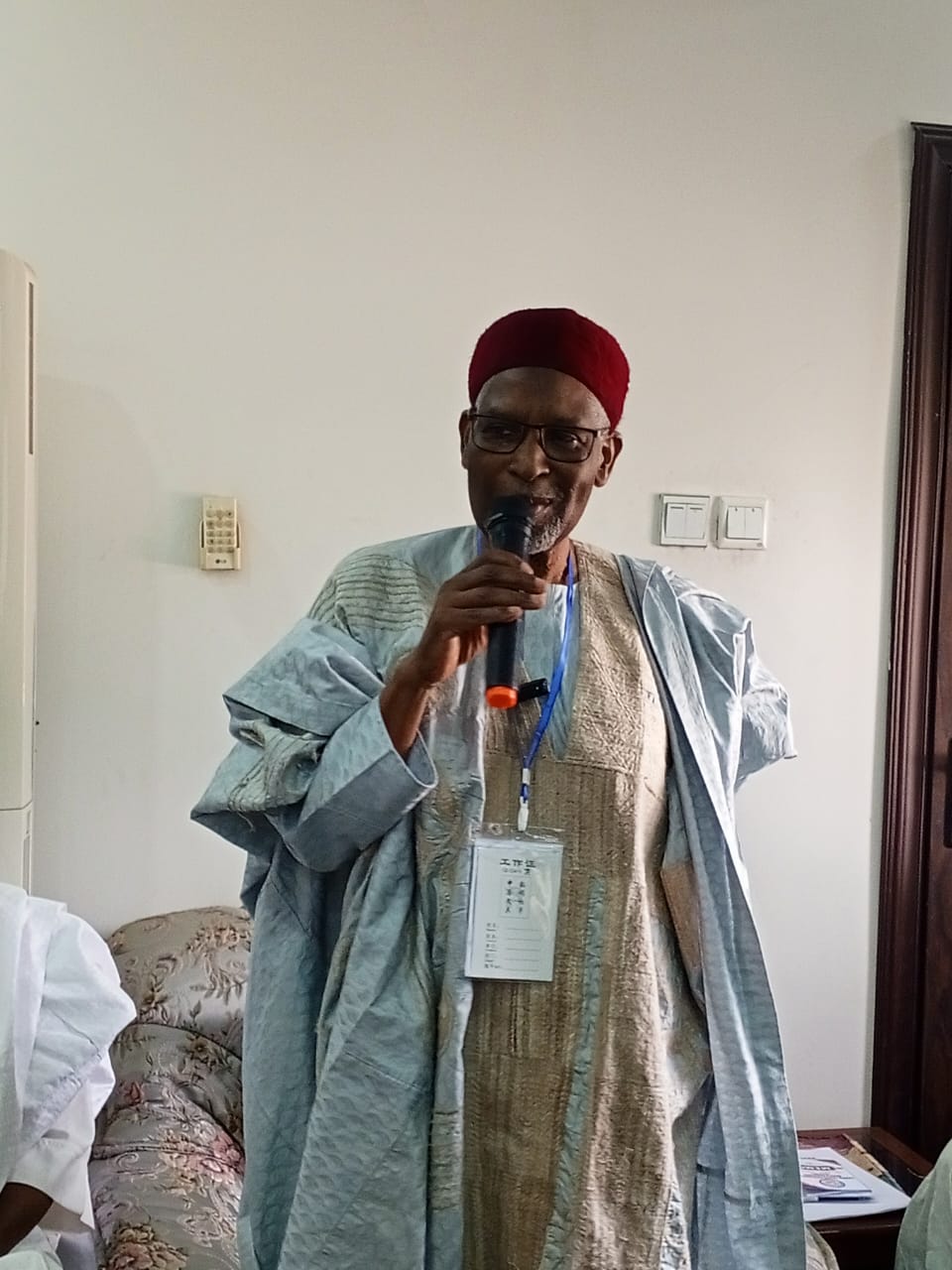
Former Pro-Chancellor of Northwest University and former Secretary to the Kano State Government, Alhaji Sule Yahaya Hamma, has urged political candidates in the Wudil/Garko Federal Constituency to prioritise unity, ideological commitment and peaceful political engagement ahead of the 2027 general elections.
Hamma made the appeal during a town hall meeting organised by the Garko Youth Movement for candidates seeking election to the House of Representatives to represent Wudil/Garko Federal Constituency in 2027.
He commended the youths for initiating the gathering, describing it as an opportunity for candidates to present their programmes and engage with the electorate on their plans for the constituency.
The former secretary to the state government stressed that unity and a clear political ideology were essential ingredients for development, urging the candidates and their supporters to avoid envy, division and personal interests that could undermine collective progress.
“I want to draw the attention of the people to the fact that there can be no progress without unity and ideology. Do away with envy and remain committed to your ideology,” Hamma said.
He explained that commitment to principles had historically played an important role in shaping the reputation of prominent individuals, including traditional rulers and descendants of Prophet Muhammad, noting that their influence was not necessarily determined by their birth but by their adherence to their beliefs and principles.
Hamma urged the candidates to place their political ideologies and the interests of the people above personal ambitions, adding that collective commitment to shared principles could help communities achieve meaningful development.
He also emphasised that contesting an election against another candidate should not be regarded as a personal conflict, noting that all contestants had the right to seek public office and present themselves as potential servants of the people.
According to him, political competition should provide an opportunity for candidates to explain their plans for addressing the challenges facing their constituency rather than becoming a platform for personal attacks.
Hamma consequently advised the candidates to avoid mudslinging, verbal abuse and other forms of negative campaigning, urging them to conduct their political activities with decorum and respect for one another.
He maintained that the ultimate objective of seeking public office should be to serve the people and contribute to the development of the constituency.
Speaking at the event, the Acting Chairman of the Garko Youth Progressive, Anas Ibrahim Na Baffa, described the town hall meeting as a historic gathering, saying that such an initiative had never previously taken place in Garko.
Na Baffa expressed appreciation to the stakeholders who supported the initiative, particularly the candidates and teachers who contributed to making the meeting possible.
He said the organisers were grateful for the cooperation they received from various stakeholders, adding that their participation demonstrated a shared interest in discussing the future of the area.
According to him, the meeting was not organised to undermine or discredit any candidate but to provide a common platform for discussing ideas and identifying practical ways to develop Garko and the wider federal constituency.
He explained that the organisers wanted the candidates to engage with the people, outline their priorities and demonstrate how they intended to address the challenges confronting the constituency if elected.
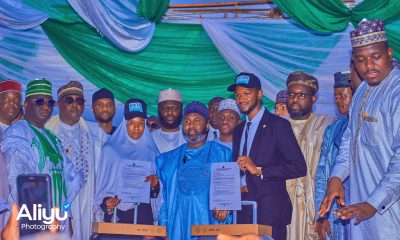
The meeting attracted more than 10 candidates aspiring to represent Wudil/Garko Federal Constituency in the House of Representatives in the 2027 general elections.
The candidates used the platform to present their views and explain the programmes they intended to implement if elected.
Among the candidates who presented their programmes was the candidate of the People’s Redemption Party (PRP), Rufai Dagumawa, who promised to prioritise the rehabilitation of drainage infrastructure in Garko Local Government Area if elected.
Dagumawa said he would work towards overhauling the area’s drainage system to address drainage-related challenges and improve local infrastructure.
He also pledged to promote information and communication technology (ICT) in Garko Local Government Area, with a view to supporting digital development and expanding opportunities for residents.
In addition, the PRP candidate promised to establish a rice mill as part of his proposed economic development initiatives, saying the project would support agricultural activities and contribute to local economic growth.
The town hall meeting provided an opportunity for the candidates to present their proposed policies and development priorities as political activities gradually build towards the 2027 general elections.
The organisers said the initiative was intended to encourage constructive political engagement and place the development needs of Wudil/Garko Federal Constituency at the centre of discussions among aspiring representatives.

IGP Proposes 200% Gratuity, Pension for Retired Officers

Dagumawa Promises to Connect Wudil/Garko to Global Economy Through ICT Hub

Hamma Urges Political Candidates to Prioritise Unity, Ideology Over Personal Interests

Open The Social Sciences “A Tribute to a Heterodox Scholar: Mallam Ibrahim Muazzam

State Police: 24 State Assemblies Approve Constitutional Amendment–Presidency

PCACC Arrests Man Over Alleged ₦4.5m Sale, Illegal Leasing of Kano Government Horse Stable

Kano Monitors ₦48.9bn Projects Across Six LGAs

Kano Spends ₦10.36bn on Hospitality, Sitting Allowances, Others in Six Months

Goje’s Electoral War:The Confrontation With Tinubu,Governor Inuwa,Usman Kumo And APC candidates Ahead Of 2027
Open The Social Sciences “A Tribute to a Heterodox Scholar: Mallam Ibrahim Muazzam
IGP Proposes 200% Gratuity, Pension for Retired Officers
Dagumawa Promises to Connect Wudil/Garko to Global Economy Through ICT Hub
Hamma Urges Political Candidates to Prioritise Unity, Ideology Over Personal Interests
Open The Social Sciences “A Tribute to a Heterodox Scholar: Mallam Ibrahim Muazzam
State Police: 24 State Assemblies Approve Constitutional Amendment–Presidency
PCACC Arrests Man Over Alleged ₦4.5m Sale, Illegal Leasing of Kano Government Horse Stable
Kano Monitors ₦48.9bn Projects Across Six LGAs
Kano Spends ₦10.36bn on Hospitality, Sitting Allowances, Others in Six Months
Goje’s Electoral War:The Confrontation With Tinubu,Governor Inuwa,Usman Kumo And APC candidates Ahead Of 2027
Open The Social Sciences “A Tribute to a Heterodox Scholar: Mallam Ibrahim Muazzam
-

 Opinion5 years ago
On The Kano Flyovers And Public Perception
-

 Features5 years ago
How I Became A Multimillionaire In Nigeria – Hadiza Gabon
-

 Opinion6 years ago
Kano As future Headquarters Of Poverty In Nigeria
-

 History6 years ago
Sheikh Adam Abdullahi Al-Ilory (1917-1992):Nigeria’s Islamic Scholar Who Wrote Over 100 Books And Journals
-

 Opinion5 years ago
My First Encounter with Nasiru Gawuna, the Humble Deputy Governor
-

 History5 years ago
The History Of Borno State Governor Professor Babagana Umara Zulum
-

 History6 years ago
The Origin Of “Mammy Market” In Army Barracks (Mammy Ochefu)
-

 News5 years ago
Federal University Of Technology Babura To Commence Academic Activities September