
News
NAPTIP Trains 1800 Parents On Child Molestation And Trafficking
From Abbas Abdullahi
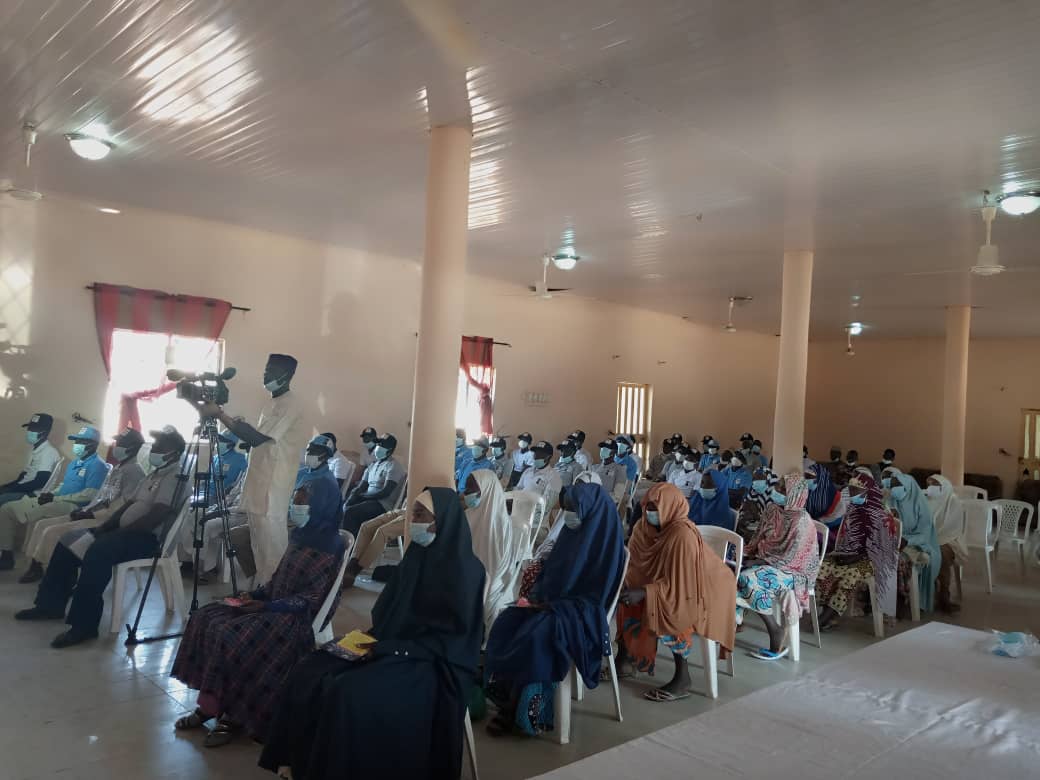
The National Agency for the Prohibition of Trafficking in Persons (NAPTIP) has organised a sensitisation and Advocacy training for 1800 parents in Kano State on Child Molestation and Trafficking.
Mr. Desmond Garba, the Zonal Commander, NAPTIP Kano Zonal Office disclosed this during the training of 100 persons on Friday at Dawakin Kudu Local Government Area of the state.
According to him, the target is to sensitise 2000 participants across the constituency, saying that another 200 persons will be sensitised between Saturday and Sunday.
He said, the sensitisation was organised by the NAPTIP in collaboration with the Member House of Representatives representing Dawakin Kudu/Warawa Constituency, Alhaji Mustapha Bala.
Garba said that the aim of the programme was to inform the people, especially parents at the rural areas on the issue of child molestation and trafficking.
The Commander added that the sensitisation workshop came at the right time because the issue of child trafficking and molestation is becoming something else.
“But I am glad to tell you that with the level of our sensitisation, especially under my catchment area, which is Kano, Kaduna, Katsina, Jigawa and Bauchi States is yielding good result.
“Because since I assume duty as the Zonal Commander in September 2020, we experienced increase in complaints. This is a clear indication that people are becoming more aware of the agency and its function.
“Our main target is to sensitise them so that we can prevent the spread of such menace in our rural areas.” Desmond said.
In his presentation, the Public Relations Officer of the agency, Aliyu Abba said the menace has contributed badly to the current insecurity in the country.
Baba explained that the programme will assist the parents and the general public to know all the tactice the traffickers use to lure or deceit parents to engage their children.
“I want to inform you that sending your children, especially the girl child from villages to cities to serve as house help, contribute in denying them so many things.
“Especially, such can deny them right of education, good food among other many things. It also expose them to so many risks, especially sexual harassment and different diseases.
“Some of the children, after being disengaged from where they are sent to work in the cities, their way of life may likely change due the luxury life they experienced.
“Such can lead them to refuse to return to their parents in the village. And such can easily exposed them to men, drugs and other criminal acts.” He said.
He advised them to avoid being deceit by bad elements in the name of getting a work for their children within or outside the country.
Speaking to newsmen, some of the participants commended the gesture, saying it will assist them in guiding their children and communites to prevent the spread of the menace.
Garba Danladi, one of the participants said he had never engaged in such sensitisation training, describing the efforts as a battle to end the menace.
Another participant, Zainab Aliyu said the training it is a welcome development because people at the rural areas will get to know more on the ways to prevent such act.









News
Bank of Ghana Appoints Prof. Bashir to Chair Islamic Banking Council
By Yusuf Danjuma Yunusa
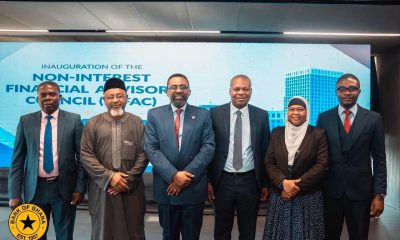
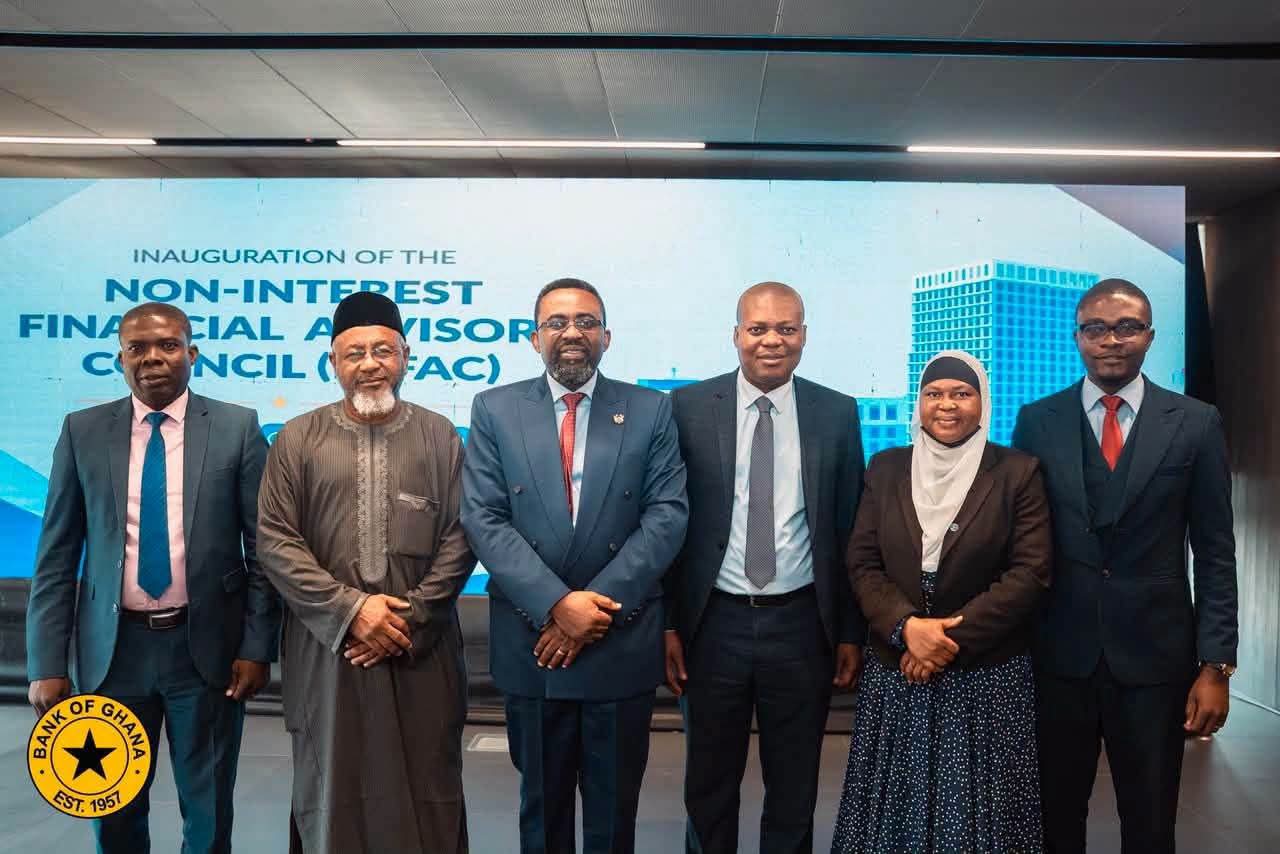
The Bank of Ghana has appointed Professor Bashir Aliyu Umar, a distinguished Islamic scholar from Nigeria’s Bayero University, Kano (BUK), as chairman of its newly constituted council for interest-free (Islamic) banking operations.
Governor Johnson Pandit Asiama formally inaugurated the council members during a brief ceremony in Accra. Professor Umar, a seasoned lecturer in Islamic studies at BUK, will lead the body in ensuring that Ghana’s non-interest banking sector operates in full compliance with Sharia law and its associated ethical principles.
The appointment marks a significant step for Ghana’s financial sector, underscoring the central bank’s commitment to diversifying its banking landscape amid the rapid global expansion of Islamic finance.
Umar’s selection also highlights the increasing reliance on expert scholarly oversight to maintain regulatory integrity and religious adherence within this growing alternative banking model.
News
MURIC Writes ICPC, Demands Access to Elrufai
By Yusuf Danjuma Yunusa
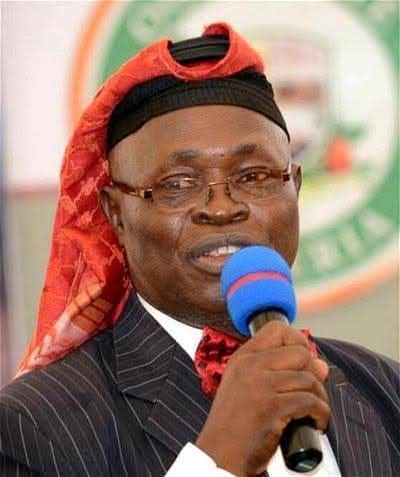
The Muslim Rights Concern, MURIC, has formally requested permission from the Independent Corrupt Practices and Other Related Offences Commission, ICPC, to visit former Kaduna State Governor, Nasir El-Rufai, who is currently in the custody of the anti-corruption agency.
MURIC made the request in a letter submitted to the ICPC on Tuesday, August 18, 2026, by the chairman of its Abuja branch.
The group said the visit was intended to enable its representatives to meet with the former governor and assess his condition while in custody.
According to the organisation, a three-man delegation has been nominated to undertake the visit. The delegation comprises MURIC’s Executive Director, Prof. Ishaq Akintola; the chairman of the Abuja branch, Ustadh Yunus Salahudeen; and the branch’s assistant secretary, Shehu Ahmad Lemu.
MURIC urged the ICPC to grant the delegation access to El-Rufai, stressing that the request was made in line with its civil liberties advocacy and concern for the welfare and rights of persons in detention.
The group noted that Mr El-Rufai had been in ICPC custody since Monday, February 16, 2026, following his detention by the anti-corruption commission.
MURIC said that, as of Tuesday, August 18, 2026, the former governor had spent approximately six months and two days in the custody of the commission.
The organisation did not disclose the specific conditions it intended to assess during the proposed visit, nor did it state whether the request was prompted by any particular complaint concerning El-Rufai’s treatment in custody.
The former Kaduna governor has been under scrutiny by anti-corruption authorities over allegations linked to his administration in the state. His continued detention has also attracted public attention, particularly given the length of time he has spent in custody.
MURIC’s latest request adds a civil liberties dimension to the ongoing case, with the organisation seeking direct access to the former governor through a formally constituted delegation.
The group said it was awaiting the response of the ICPC to its request.
News
President Tinubu Appoints Abel Olumuyiwa As Head Of Service
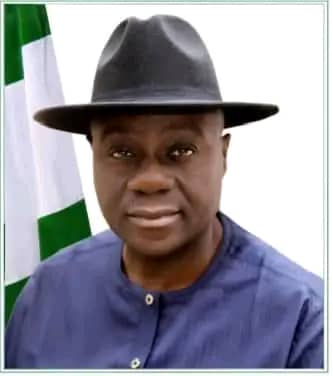
President Bola Ahmed Tinubu has appointed Mr Abel Olumuyiwa Enitan as the Head of the Civil Service of the Federation, effective August 27, 2026.
Mr Enitan succeeds Mrs Didi Esther Walson-Jack, who will retire soon from the Federal Civil Service upon attaining the statutory retirement age of 60.
Mr Enitan, from Osun State, is the most senior Permanent Secretary in the Federal Civil Service.
He has served as Permanent Secretary for seven years and seven months, working at the Ministry of Police Affairs, the Ministry of Humanitarian Affairs, and the Office of the Vice President. He is currently the Permanent Secretary in the Federal Ministry of Education.
He brings considerable institutional experience and a deep understanding of how the Federal Civil Service works to his new responsibility.
President Tinubu expresses his profound appreciation to Mrs Walson-Jack for her distinguished service to the nation and for the reforms, impact and innovations witnessed in the Civil Service during her tenure.
The President wishes her a fulfilling and successful life after service and conveys the nation’s gratitude for her years of dedicated and impactful public service.
President Tinubu charges the incoming Head of the Civil Service of the Federation to consolidate on the reforms and innovations already underway, deepen professionalism and efficiency across the service, and build a more effective and responsive Civil Service capable of delivering on the administration’s Renewed Hope Agenda.
The President further urges Mr Enitan to lead a Civil Service that is professional, merit-driven, accountable, innovative, and responsive to Nigerians’ needs and aspirations.
Enitan was born on December 12, 1966. He had his secondary education at Ajibode Grammar School, Ibadan and the College of Arts and Science, Ile-Ife. He later attended the University of Lagos and graduated in 1988 with a B.Sc. in Finance and Banking.
In 2015, Enitan obtained an M.Sc. in Public Policy Analysis from Nasarawa State University, Lafia.

Bank of Ghana Appoints Prof. Bashir to Chair Islamic Banking Council

MURIC Writes ICPC, Demands Access to Elrufai

From World’s 9th Most Populous City to Perfect: As Gov Yusuf Revisits Kano Master Plan

President Tinubu Appoints Abel Olumuyiwa As Head Of Service

Kano Trains Mass Education Officers to Strengthen Adult Learning, Tackle Out-of-School Challenge

How Kano Digitized Land Turns N50m to N750m Monthly
Kano Governor Yusuf Shortlisted for Africa’s SANKOFA Award of Excellence in Infrastructural Development

From the struggle for Gombe State to life in the Senate: Senator Umar Usman Dukku reflects on politics, democracy, and his relationship with the late General Sani Abacha.

Borders, Visas and the Beautiful Game: How U.S. Immigration Policies Shaped Global Perceptions During the 2026 FIFA World Cup

Defamation Against DSP Barau, Institutional
Bank of Ghana Appoints Prof. Bashir to Chair Islamic Banking Council
MURIC Writes ICPC, Demands Access to Elrufai
From World’s 9th Most Populous City to Perfect: As Gov Yusuf Revisits Kano Master Plan
President Tinubu Appoints Abel Olumuyiwa As Head Of Service
Kano Trains Mass Education Officers to Strengthen Adult Learning, Tackle Out-of-School Challenge
How Kano Digitized Land Turns N50m to N750m Monthly
Kano Governor Yusuf Shortlisted for Africa’s SANKOFA Award of Excellence in Infrastructural Development
From the struggle for Gombe State to life in the Senate: Senator Umar Usman Dukku reflects on politics, democracy, and his relationship with the late General Sani Abacha.
Borders, Visas and the Beautiful Game: How U.S. Immigration Policies Shaped Global Perceptions During the 2026 FIFA World Cup
Defamation Against DSP Barau, Institutional
-

 Opinion5 years ago
On The Kano Flyovers And Public Perception
-

 Features5 years ago
How I Became A Multimillionaire In Nigeria – Hadiza Gabon
-

 Opinion6 years ago
Kano As future Headquarters Of Poverty In Nigeria
-

 History5 years ago
Sheikh Adam Abdullahi Al-Ilory (1917-1992):Nigeria’s Islamic Scholar Who Wrote Over 100 Books And Journals
-

 Opinion5 years ago
My First Encounter with Nasiru Gawuna, the Humble Deputy Governor
-

 History5 years ago
The History Of Borno State Governor Professor Babagana Umara Zulum
-

 History5 years ago
The Origin Of “Mammy Market” In Army Barracks (Mammy Ochefu)
-

 News4 years ago
Federal University Of Technology Babura To Commence Academic Activities September