
News
National Common Entrance Examinations to hold October 17
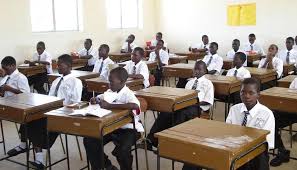
The National Examinations Council has slated te 17th of October 2020 as the day when National Common Entrance Examinations will be written by prospective candidates across the country.
In a statement by a senior Director of the Council, Mustafa Kankarofi said that on the 17th of October 2020 National Common Entrance Examinations into the Federal Government Colleges JSS 1 will hold on that day.
According to him, other Examinations approved by the Federal Ministry of Education through the council and their dates are WAEC-SSCE which will start from Monday 17th August 2020 to Thursday 15th October 2020.
The Fallacy of WAEC cancellation in Nigeria.
The statement further said NABTEB-NBC/NTC will commence from
Monday 21st September 2020-Thursday 15th October 2020 and NABTEB-NCEE for JSS3 students admission into Technical Colleges Saturday 3rd October 2020
According to the statement, other examinations to be conducted are NECO-BECE on Monday 24th August 2020-Monday 7th September 2020 And NECO-SSCEMonday 5th October 2020-Wednesday 18th November 2020
The NBAIS-SAISSCE will hold on Wednesday 23rd September -Saturday 17th October 2020
The Federal Ministry of Education has directed that SS3 exit classes resume from 4th August 2020 for BECE, JSS 3 exit classes affected resume on the 10th August 2020 in order to prepare for the BECE starting on Monday 24th August 2020
The statement urges all Examination Bodies to release their Examination time tables not later than seven days from the announcement by the Federal Ministry of Education.
The statement added that registration for NECO-SSCE ends on Thursday 10th September 2020.
Due to Covid-19 Lock-down that affected the entire nation, Nigerian schools have been shut down since March 23, which led millions of students to stay at home in order to mitigate the spread of the Corona Virus.
As a result, the Federal Government announced the cancellation of the WAEC examination but after pressures from Civil society organizations and other Prominent individuals, the Federal government back-pedal on its decision.









News
Shettima Leads FG Delegation to Ethiopia on Nutrition Mission
By Yusuf Danjuma Yunusa
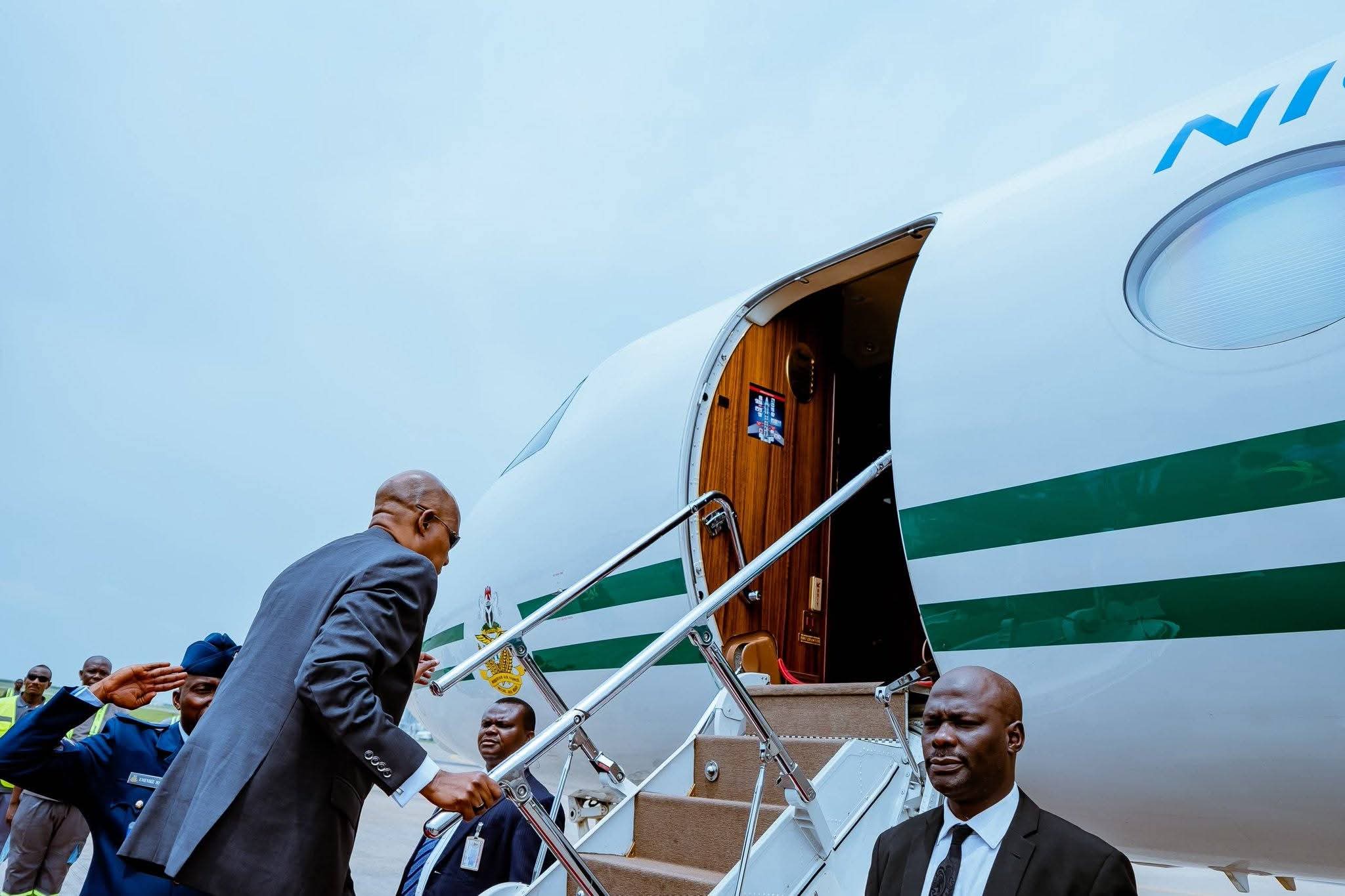
Vice President, Kashim Shettima has departed Abuja for Addis Ababa, Ethiopia, to lead a nutrition-focused peer exchange mission.
Shettima is attending the inaugural Nigeria-Ethiopia Nutrition Leadership Exchange Visit at the invitation of Ethiopian Deputy Prime Minister Temesgen Tiruneh.
According to a statement released by Stanley Nkwocha, Senior Special Assistant to the President on Media and Communications (Office of the Vice President), the visit will enable both nations to share strategies on establishing a combined federal, state, and local compact for effective nutrition delivery.
According to the statement, during the visit, the Nigerian delegation will study Ethiopia’s government-led, multi-sectoral approach to food security and tour several key sites, including: A wheat farm and banana plantation in Oromia, The ‘Bounty of the Basket’ Training Centre and community household initiatives in Mojo, and Jabdu Motors in Bishoftu.”
“The Vice President’s entourage includes Governors Dauda Lawal of Zamfara State and Umar Namadi of Jigawa State; Minister of Budget and Economic Planning, Senator Abubakar Atiku Bagudu; Minister of Agriculture and Food Security, Senator Abubakar Kyari; and Director-General of the National Emergency Management Agency (NEMA), Mrs. Zubaida Umar Abubakar,” it added.
News
JUST IN: Military, DSS , Police Rescue 20 Kidnapped NYSC Members, Civilian in Imo
By Yusuf Danjuma Yunusa
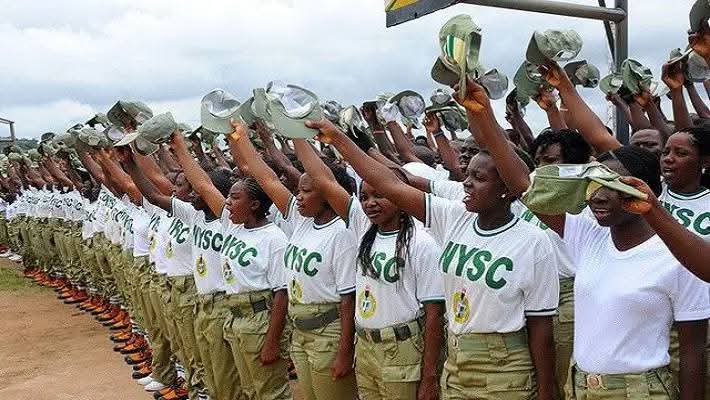
Twenty prospective National Youth Service Corps members and a civilian abducted while travelling through Imo State have been rescued in a joint operation by security agencies.
The victims were rescued by operatives of the military, Department of State Services and police following an intelligence-led search operation launched after the abduction.
The development was confirmed by security sources, who said the victims were receiving medical attention at a DSS facility.
The prospective corps members were reportedly abducted while travelling through the state, prompting security agencies to mobilise for their rescue.
The coordinated operation involved the military, DSS, police and other security agencies.
The sources said the operation was intelligence-driven, leading security operatives to the location where the victims were held.
The rescue comes amid persistent concerns over the safety of travellers and NYSC members in parts of the country.
Authorities have commenced investigations into the abduction and are working to identify and arrest other suspects linked to the incident.
The rescued victims are expected to receive further attention as security agencies continue investigations into their ordeal.
The agencies have yet to disclose details of the identities of the victims, the exact location where they were rescued or whether any arrests have been made.
Security sources said efforts were ongoing to apprehend other suspects involved in the abduction
News
NDC Candidate Questions Barau’s Origin, Says He’s Not From Kano North
By Ahmad Muhammad.
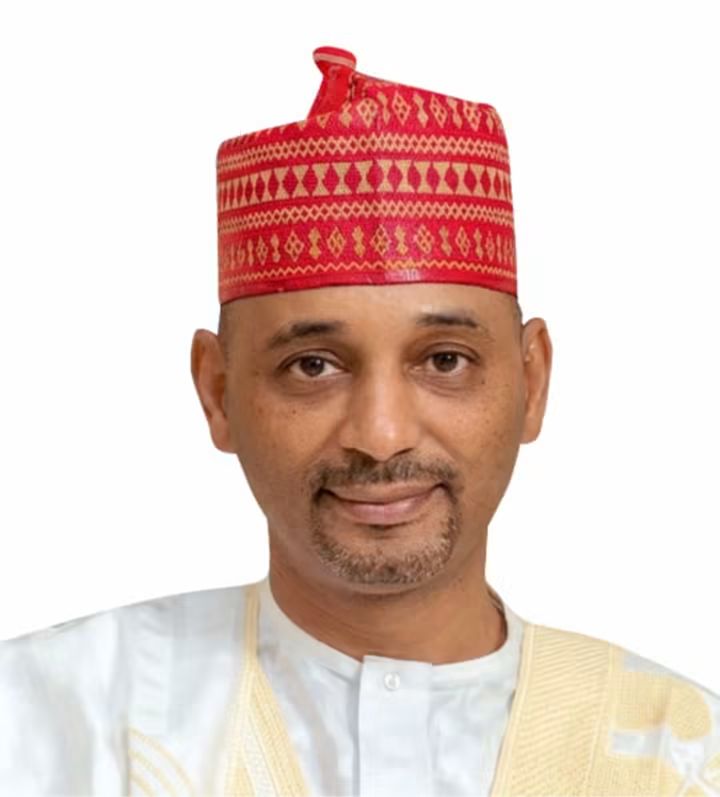
The National Democratic Congress (NDC) candidate for Kano North Senatorial District, Nasiru Garo, has questioned the origin of the incumbent Senator, Barau Jibrin, saying he is not from the zone.
Garo, who spoke during his campaign tour of the district on Sunday, alleged that the Deputy President of the Senate had previously contested and won a House of Representatives seat in Tarauni Local Government, which is under Kano Central and not Kano North.
He claimed that from 1999 to 2023, Barau’s political base was outside Kano North, which is why he has not been sensitive to the needs of the people of the area.
According to him, occupying a high office in the Senate should have translated to more development for Kano North, but the reverse is the case due to lack of commitment.
He listed the abandoned Gwarzo-Dayi Federal Road, which links several agrarian communities, as a major failure of the current representation in the district.
Garo also decried the failure to rehabilitate the Ghari Dam, noting that its revival would boost dry-season farming and create jobs for thousands of youths and farmers.
“The people of this zone have been shortchanged in terms of federal projects and employment opportunities,” he said.
The NDC candidate promised to give the district purposeful representation by ensuring completion of abandoned projects, reviving key dams, and attracting federal presence to the 13 local government areas of Kano North if elected

Shettima Leads FG Delegation to Ethiopia on Nutrition Mission

JUST IN: Military, DSS , Police Rescue 20 Kidnapped NYSC Members, Civilian in Imo

NDC Candidate Questions Barau’s Origin, Says He’s Not From Kano North

Kano Inaugurates Intellectuals Forum To Harness Socio-economic Development-Waiya

Court of Appeal Reserves Judgment on El-Rufai’s Bail Appeal

Zamfara Varsity ASUU Threatens Warning Strike Over FG-ASUU Agreement, Promotion Arrears

Goje’s Electoral War:The Confrontation With Tinubu,Governor Inuwa,Usman Kumo And APC candidates Ahead Of 2027

Per Ishaq Samaila: “Waziri” for Strategy. “Mai Jama’a” for Service. One Man. One Mission. Ibrahim Kabir Masari

PCACC Arrests Man Over Alleged ₦4.5m Sale, Illegal Leasing of Kano Government Horse Stable

Prof Yusuf Adamu Delivers BUK’s 63rd Professorial Inaugural Lecture, Reflects on Medical Geography and Academic Legacy
Shettima Leads FG Delegation to Ethiopia on Nutrition Mission
JUST IN: Military, DSS , Police Rescue 20 Kidnapped NYSC Members, Civilian in Imo
NDC Candidate Questions Barau’s Origin, Says He’s Not From Kano North
Kano Inaugurates Intellectuals Forum To Harness Socio-economic Development-Waiya
Court of Appeal Reserves Judgment on El-Rufai’s Bail Appeal
Zamfara Varsity ASUU Threatens Warning Strike Over FG-ASUU Agreement, Promotion Arrears
Goje’s Electoral War:The Confrontation With Tinubu,Governor Inuwa,Usman Kumo And APC candidates Ahead Of 2027
Per Ishaq Samaila: “Waziri” for Strategy. “Mai Jama’a” for Service. One Man. One Mission. Ibrahim Kabir Masari
PCACC Arrests Man Over Alleged ₦4.5m Sale, Illegal Leasing of Kano Government Horse Stable
Prof Yusuf Adamu Delivers BUK’s 63rd Professorial Inaugural Lecture, Reflects on Medical Geography and Academic Legacy
-

 Opinion5 years ago
On The Kano Flyovers And Public Perception
-

 Features5 years ago
How I Became A Multimillionaire In Nigeria – Hadiza Gabon
-

 Opinion6 years ago
Kano As future Headquarters Of Poverty In Nigeria
-

 History5 years ago
Sheikh Adam Abdullahi Al-Ilory (1917-1992):Nigeria’s Islamic Scholar Who Wrote Over 100 Books And Journals
-

 Opinion5 years ago
My First Encounter with Nasiru Gawuna, the Humble Deputy Governor
-

 History5 years ago
The History Of Borno State Governor Professor Babagana Umara Zulum
-

 History6 years ago
The Origin Of “Mammy Market” In Army Barracks (Mammy Ochefu)
-

 News5 years ago
Federal University Of Technology Babura To Commence Academic Activities September