
News
JAMB Grants Candidates with Disabilities Fee Refunds, Free Audiobooks, Transport Support
By Yusuf Danjuma Yunusa
The Joint Admissions and Matriculation Board has announced special examination support for candidates with disabilities, including refunds of application document fees, free audiobooks and transportation assistance for eligible candidates.
The board said candidates with disabilities who meet the required O’Level qualifications would receive a refund of their application document fees at their respective examination centres.
JAMB disclosed this in an awareness message on its X handle on Wednesday, explaining the special provisions available to candidates with disabilities ahead of the Unified Tertiary Matriculation Examination (UTME).
According to the board, “candidates with visual impairments, particularly those who are blind, would also receive audiobooks of prescribed reading texts to support their examination preparation.”
The board said the initiative was designed to improve access to learning materials and ensure that candidates with visual disabilities could prepare adequately for the examination.
It added that JAMB would cover transportation and accommodation costs for blind candidates and their guides.
The examination body further explained that candidates with disabilities who meet the minimum acceptable UTME score would also be considered for admission into their preferred institutions.


News
Nigeria Govt Makes NIN Verification Mandatory for Domestic Flights
By Yusuf Danjuma Yunusa
The federal government has directed domestic airlines to introduce mandatory National Identification Number (NIN) verification for passengers before December 31, 2026, warning that airlines that fail to comply will not be allowed to board passengers from January 1, 2027.
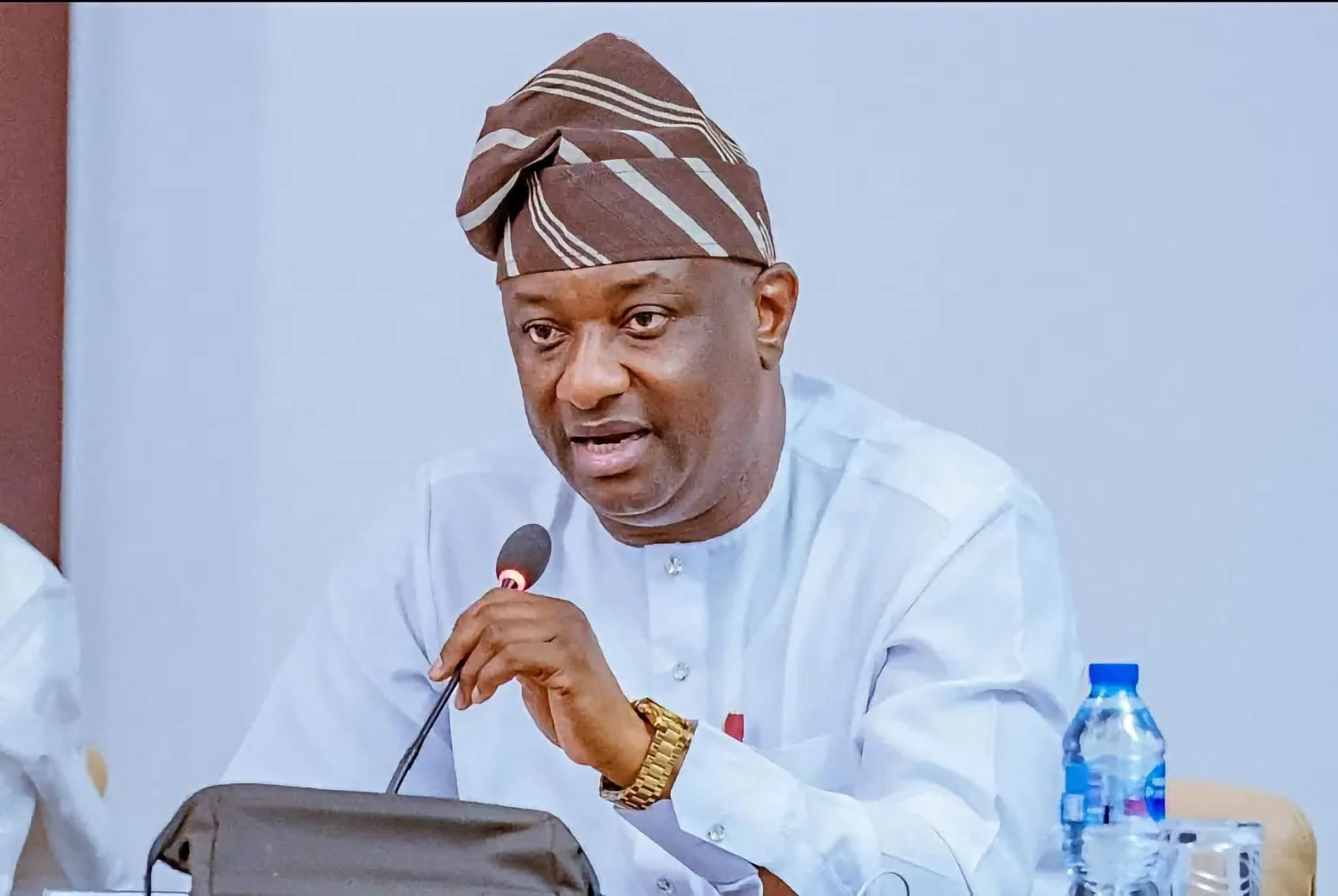
Aviation minister Festus Keyamo announced the directive during the unveiling of the Airport Passenger Verification System, known as vPASS, at the Murtala Muhammed Airport in Lagos.
“I have directed the NCAA (Nigerian Civil Aviation Authority) to give all airlines in the country up till December 31st to key into the system,” the minister said.
The new system will link passengers’ NIN details to their flight records and use biometric technology to verify their identities before they enter departure lounges or board aircraft.
Mr Keyamo said the measure was intended to strengthen airport security, prevent identity fraud and address the activities of ticket touts who buy and resell flight tickets using different names.
The minister warned that scheduled domestic airlines that failed to integrate with the platform would not be permitted to board passengers from January. The verification platform is part of the government’s efforts to improve passenger identification and prevent fraudulent activities at Nigerian airports.
The managing director of the Federal Airports Authority of Nigeria, Olubunmi Kuku, said passengers would undergo a registration process linking their NIN to their travel details. Once registered, travellers would be able to access designated airport security gates using the last four digits of their NIN. At boarding points, passengers could be identified through facial recognition, iris scanning or QR codes on their boarding passes.
Mrs Kuku said the system would reduce manual identity checks, shorten queues and improve security at domestic airports.
Passengers will be able to register at airports or through the vPASS application on Android and iOS devices. The initial rollout will cover Lagos and Abuja airports before the technology is extended to other domestic airports across the country.
Mr Keyamo said the government approved the project through the Federal Executive Council in 2025 and was implementing it under a public-private partnership arrangement. He also said any additional charge associated with the platform would be minimal.
The introduction of vPASS follows earlier government efforts to strengthen passenger identification at domestic airports.
In April 2026, the government approved deploying the biometric verification system to address gaps in passenger records and prevent unauthorised boarding.
FAAN subsequently announced plans in July to introduce facial recognition technology, allowing passengers to complete a one-time registration before using biometric checks for future journeys.
News
President Tinubu Announces Up to ₦100m Mortgages at 9.75% Under ₦1tn Housing Fund for Nigerians
By Yusuf Danjuma Yunusa
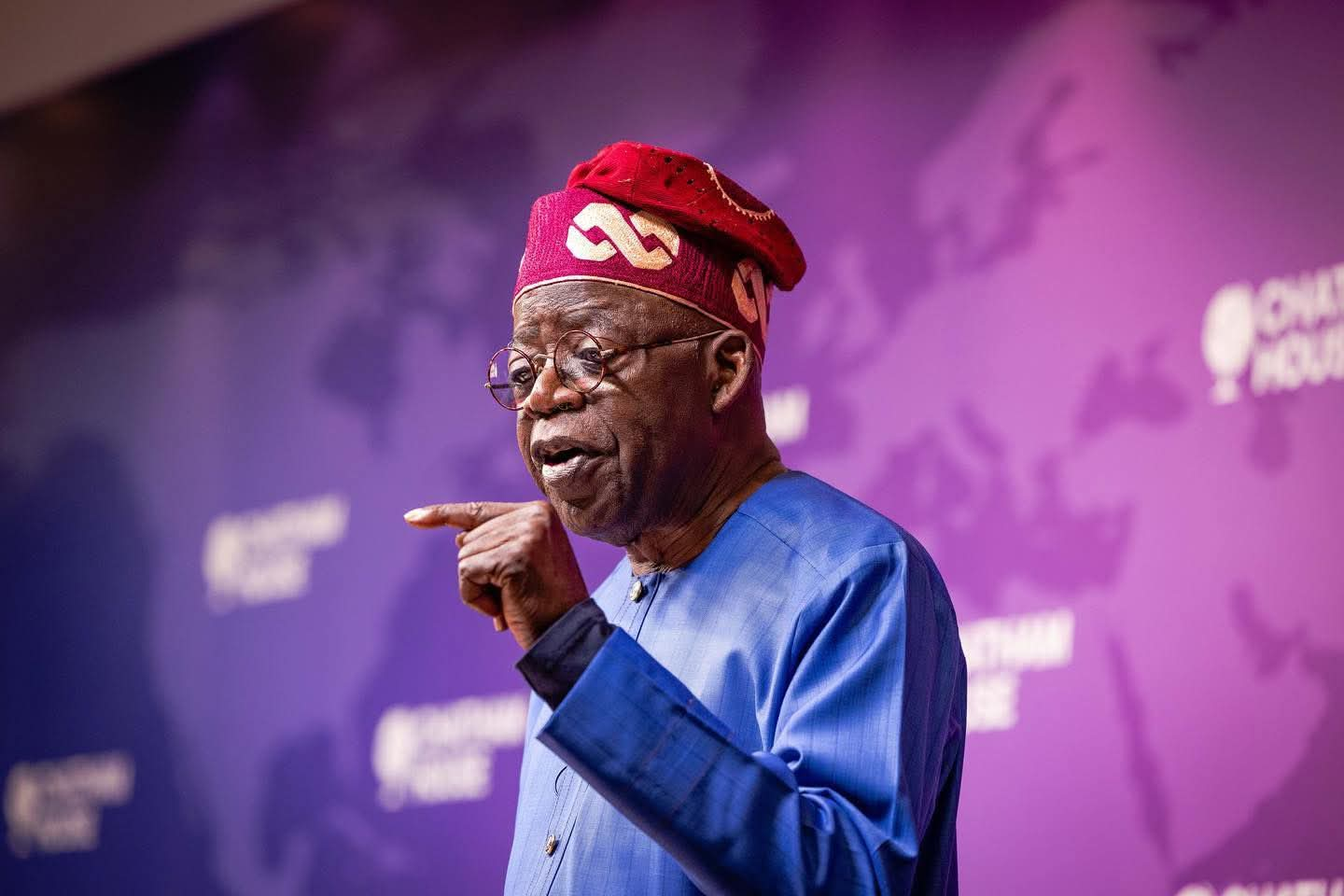
President Bola Tinubu has announced that eligible Nigerians can access mortgages of up to ₦100m at a fixed interest rate of 9.75 per cent, with a repayment period of up to 20 years, under the Federal Government’s housing finance initiative.
The President said the facility, provided through the ₦1tn MOFI Real Estate Investment Fund (MREIF), was part of his administration’s efforts to expand access to affordable housing and help Nigerians move from renting to homeownership.
Tinubu disclosed this in a statement on his verified X handle on Tuesday, explaining that beneficiaries could secure mortgages with an initial deposit of 10 per cent of the property’s value.
Using a ₦10m house as an example, he said a prospective homeowner would need an initial deposit of ₦1m and could repay approximately ₦85,400 monthly over 20 years.
According to the President, more than 2,300 Nigerians across 27 states have accessed ₦160bn in mortgages through MREIF.
“Imagine paying house rent for 25 years. Your children have grown up, you are approaching retirement, and you are still worried about the next rent increase. This is the reality for many hardworking Nigerians,” he said.
Tinubu said expanding access to affordable, long-term credit was a priority when he introduced his economic reforms in 2023, leading to the establishment of the ₦1tn MREIF.
He also announced that the Federal Mortgage Bank of Nigeria had been strengthened to provide eligible Nigerians with housing loans of up to ₦50m at an interest rate of six per cent, repayable over a maximum period of 30 years.
The President said contributors to the Contributory Pension Scheme could also qualify to use up to 25 per cent of their retirement savings towards their initial mortgage deposit.
He added that married applicants could submit joint applications with their spouses to increase their chances of accessing higher mortgage amounts.
“For Nigerians who cannot afford a mortgage, Family Homes Fund supports the delivery of affordable housing, with more than 53 social homes delivered for vulnerable and underserved households,” he said.
News
Industry Leaders Applaud Dangote’s Agricultural Impacts In Africa
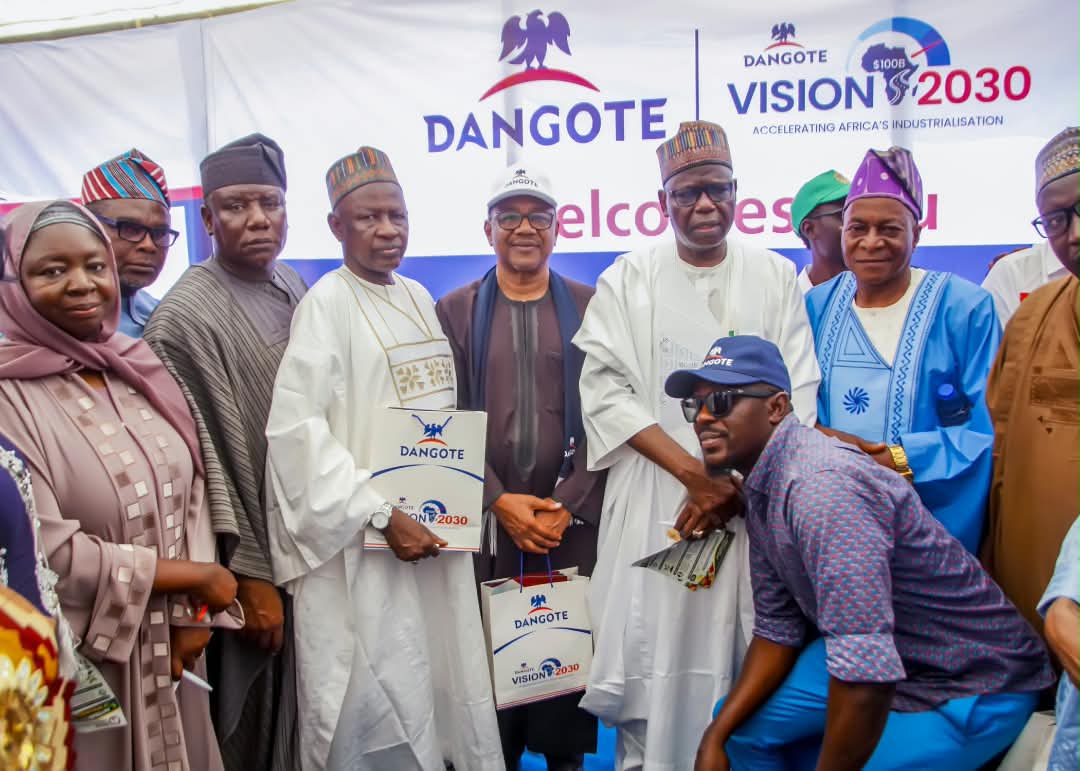
Industry leaders and key stakeholders in Nigeria’s agricultural sector have applauded Dangote Group for its strategic investments and contributions to agricultural development, food security and agro-industrial growth, describing the conglomerate’s initiatives as critical to unlocking Africa’s vast agricultural potential.
The commendation came at the 2026 National Agricultural Show, organised by the National Agricultural Foundation of Nigeria (NAFN), where stakeholders highlighted Dangote Group’s investments across the agricultural value chain, particularly in fertiliser production, rice cultivation and processing, sugar production, mechanised farming and backward integration.
This is coming as the Nigerian industrialist Aliko Dangote is in discussions with the Ghanaian government over a proposed arrangement to process 500,000 metric tonnes of cocoa locally.
The development comes as Ghana intensifies efforts to boost domestic cocoa processing and add value to its cocoa beans instead of exporting them predominantly in their raw form.
Dangote Industries Limited is driving Nigeria’s agricultural self-sufficiency through multibillion-dollar investments in fertiliser manufacturing, large-scale commercial farming, and agro-processing for rice and sugar to reduce food import dependence.
The National Coordinator of NAFN, Hajiya Aishatu Rufa’i Ibrahim, described the partnership between the Foundation and Dangote Group as instrumental to its success in promoting private-sector participation in agricultural development, industrialisation and food security.
Speaking at the official opening of the 2026 National Agricultural on Tuesday, Mrs Ibrahim commended the Group for its contributions to Nigeria’s economic development and urged its President, Alhaji Aliko Dangote, to further expand his investments in the agricultural sector.
According to her, Dangote’s experience in large-scale industrial investments could help transform agriculture through mechanisation, agro-processing, storage, logistics and commodity production.
She called on more indigenous investors to emulate Dangote Group by viewing agriculture as a viable business opportunity capable of generating wealth, creating jobs and securing Nigeria’s food future.
Hajiya Ibrahim explained that this year’s Show, themed “Building a Resilient Nigerian Agrifood System: Empowering Farmers, Mobilising Investment and Driving Innovation for Food Security and Shared Prosperity,” goes beyond the traditional exhibition of agricultural products by providing a strategic platform for connecting farmers, investors, policymakers and technology providers to develop practical solutions to Nigeria’s food security challenges.
The National President of the All Farmers Association of Nigeria (AFAN), Hon. Muhammad Magaji Gettado, also commended Dangote Group for its investments in the agricultural sector, noting that the participation of major private-sector players such as the Group was essential to accelerating Nigeria’s agricultural transformation.
He said the agricultural programmes and policies of the President Bola Ahmed Tinubu-led Federal Government were yielding positive results, but stressed the need for stronger collaboration among government, private-sector investors such as Dangote Group, commercial farmers and smallholder farmers to enhance productivity, boost food production and strengthen food security.
Similarly, the representative of the Nasarawa State Governor and Commissioner for Agriculture, Mohammed Iyimoga Oyigye, acknowledged the importance of private-sector investments, particularly those of Dangote Group, in advancing agricultural development and strengthening Nigeria’s food production capacity.
He said Governor Abdullahi Sule had made significant investments in the science, practice and business of agriculture in the state, adding that partnerships with major investors such as Dangote Group would further accelerate the state’s agricultural ambitions.
He expressed confidence that, with sustained investments and the implementation of ongoing agricultural initiatives, Nasarawa State would, in the nearest future, be capable of producing enough food to feed Nigeria and contribute to global food supply.
Declaring the 2026 National Agricultural Show open on behalf of the Minister of Agriculture and Food Security, Senator Abubakar Kyari, the Ministry’s Director, Malam Bukar Musa, highlighted the importance of private-sector investments, including those of Dangote Group, in driving agricultural modernisation and industrial development.
He said the future of agriculture in Nigeria depended on the country’s ability to embrace science, precision agriculture and mechanised farming, noting that investments in modern technology and agro-industrial infrastructure were essential to improving productivity, reducing production costs and building a resilient agricultural sector.
He stressed that strategic investments by companies such as Dangote Group could complement government efforts to modernise agriculture, strengthen local production and meet the country’s growing food needs.
In her goodwill message, Dangote Group’s Regional Director and Senior Adviser to the Group President, Mrs Fatima Wali-Abdurrahman, said agriculture remained a strategic pillar of Nigeria’s industrialisation, economic diversification, food security and job creation.
Mrs Wali-Abdurrahman, who was represented by the General Manager, Government Relations, Mallam Hashem Ahmed, said the Group remained committed to supporting Nigeria’s agricultural transformation through strategic investments, partnerships and initiatives across the agricultural value chain.
She noted that the Group’s investments in fertiliser production, rice cultivation and processing, sugar production and backward integration, mechanised agriculture and other agro-industrial initiatives reflected its commitment to strengthening domestic food production and building a competitive agricultural economy.
According to her, Dangote Group is also advancing rice production and processing initiatives in Northern Nigeria as part of efforts to stimulate local production, support farmers, promote agro-industrial development and create sustainable employment opportunities, particularly for young people and women.
She commended the Federal Government, under President Bola Ahmed Tinubu, for prioritising food security and agricultural transformation, particularly through initiatives aimed at boosting domestic food production, promoting mechanisation, improving access to agricultural inputs, expanding irrigation and attracting private-sector investments.
She, however, emphasised the need for sustained collaboration, improved rural infrastructure, access to affordable financing, enhanced security in farming communities and policies that encourage long-term investments.
She reaffirmed Dangote Group’s commitment to working with government and other stakeholders to transform Nigeria’s agricultural potential into sustainable economic opportunities, strengthen food security and position the country as a leading agricultural and agro-industrial powerhouse in Africa.

Nigeria Govt Makes NIN Verification Mandatory for Domestic Flights

JAMB Grants Candidates with Disabilities Fee Refunds, Free Audiobooks, Transport Support

President Tinubu Announces Up to ₦100m Mortgages at 9.75% Under ₦1tn Housing Fund for Nigerians

Industry Leaders Applaud Dangote’s Agricultural Impacts In Africa

Abba Yusuf, Peter Mbah Accept Appointment as Deputy Grand Patrons of Nigeria Forward

Open The Social Sciences “A Tribute to a Heterodox Scholar: Mallam Ibrahim Muazzam

Kano’s War On Drugs: How Barr. Muhyi’s Taskforce Is Changing The Game

Begging in Northern Nigeria: What Future Are We Preparing for Our Society?

NDC Deputy Governorship Candidate Gives Kano Information Commissioner 48-Hour Ultimatum Over Alleged Defamation

Gov. Yusuf Appoints Inuwa Waya Director of International Corporations Engagement
Nigeria Govt Makes NIN Verification Mandatory for Domestic Flights
JAMB Grants Candidates with Disabilities Fee Refunds, Free Audiobooks, Transport Support
President Tinubu Announces Up to ₦100m Mortgages at 9.75% Under ₦1tn Housing Fund for Nigerians
Industry Leaders Applaud Dangote’s Agricultural Impacts In Africa
Abba Yusuf, Peter Mbah Accept Appointment as Deputy Grand Patrons of Nigeria Forward
Open The Social Sciences “A Tribute to a Heterodox Scholar: Mallam Ibrahim Muazzam
Kano’s War On Drugs: How Barr. Muhyi’s Taskforce Is Changing The Game
Begging in Northern Nigeria: What Future Are We Preparing for Our Society?
NDC Deputy Governorship Candidate Gives Kano Information Commissioner 48-Hour Ultimatum Over Alleged Defamation
Gov. Yusuf Appoints Inuwa Waya Director of International Corporations Engagement
-

 Opinion5 years ago
On The Kano Flyovers And Public Perception
-

 Features5 years ago
How I Became A Multimillionaire In Nigeria – Hadiza Gabon
-

 Opinion6 years ago
Kano As future Headquarters Of Poverty In Nigeria
-
 History6 years ago
Sheikh Adam Abdullahi Al-Ilory (1917-1992):Nigeria’s Islamic Scholar Who Wrote Over 100 Books And Journals
-

 Opinion5 years ago
My First Encounter with Nasiru Gawuna, the Humble Deputy Governor
-
 History5 years ago
The History Of Borno State Governor Professor Babagana Umara Zulum
-
 History6 years ago
The Origin Of “Mammy Market” In Army Barracks (Mammy Ochefu)
-
 News5 years ago
Federal University Of Technology Babura To Commence Academic Activities September