
News
News Analysis:Divergent Opinions As Nigeria’s Election Calendar Faces Overhaul
By Yusuf Danjuma Yunusa
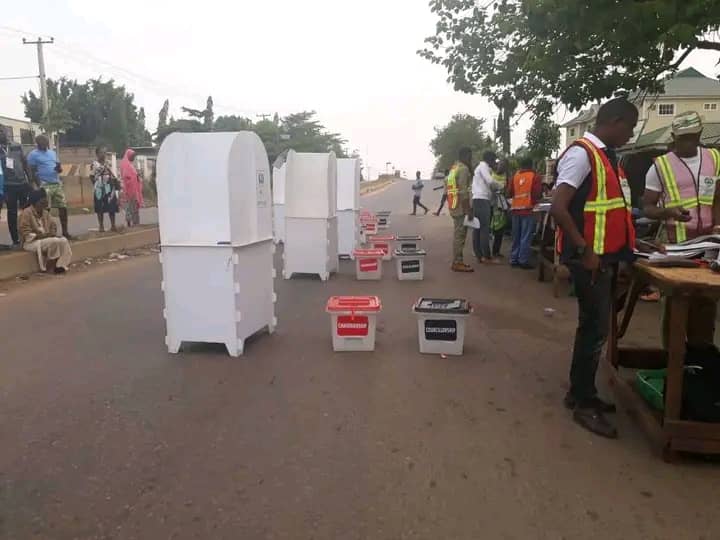
Under a new bill submitted to the National Assembly, Nigeria’s presidential, governorship, and legislative elections may be consolidated to hold in November 2026. The proposal, which aims to repeal the 2022 Electoral Act, makes this rescheduling its primary objective.
Following a one-day public hearing by the Joint Committee on Electoral Matters chaired by Senator Simon Lalong, proposing to move Nigeria’s election dates forward, widespread skepticism and acceptance have been faced at a public hearing. Electoral experts, political parties, and civil society organizations questioned and gave credence to the plan’s propriety, feasibility, and logic.
The amendment proposal was contained in the Reviewed Highlights of the Amendment of the Electoral Act during a public hearing in Abuja. It stipulates that elections into the offices of the president and governors must be conducted “not later than 185 days before the expiration of the term of office of the last holder of the office.”
According to the draft, the provision also extends to elections into the National Assembly and state Houses of Assembly, which must now be held “not later than 185 days before the date on which each of the Houses stands dissolved.”
It adds that where a vacancy occurs in any of the Houses more than 90 days before the general elections, such vacancy must be filled within 30 days of its occurrence. The amendment also seeks to align the new electoral calendar with constitutional changes to Sections 76, 116, 132, and 178, which now delegate election timelines to the Electoral Act rather than the Constitution.
Before the public hearing, it was confirmed that politicians, especially those hoping to seek elective offices in 2027, had taken it for granted that the next general elections would follow a similar pattern as previous ones, to hold either in February or March in the year of inauguration.
In the last general polls, the governorship and presidential elections were conducted in February and March 2023 respectively.
Also, part of the bill is that amendments be made to allow security personnel, INEC officials, accredited journalists, observers, ad-hoc staff to vote up to 14 days before election day.
The bill also seeks the removal of election timelines from the Constitution and their inclusion in the Electoral Act to make future adjustments more flexible.
While some are happy about the development, saying the moving of election day to 2026 will give enough time for legal issues to be settled ahead of the inauguration of new administrations, some have kicked against it, saying it would only favour incumbents, adding that it is bound to have negative effects on governance.
Chairman of the House Committee on Electoral Matters, Adebayo Balogun, said the amendment would help prevent situations where court cases linger after winners assume office.
“We are proposing that all election litigations be concluded before the swearing-in of declared winners. To achieve this, we are recommending that the current 180 days allowed for tribunal judgments be reduced to 90 days, while appellate and Supreme Court decisions should each take no more than 60 days, all within 185 days before inauguration,” he said.
In what is suspected to be a reaction to the wide interest the bill has generated, the Senate on Thursday stepped down the bill, which had earlier been slated for consideration, saying the lawmakers needed more time for wider consultations and a deeper understanding of its provisions.
The Senate President, Godswill Akpabio, who presided over the Thursday session, said sufficient details on the general principles of the bill were not given and suggested an executive session to consider it.
There were also concerns earlier raised by Senator Binos Dauda Yaroe on the procedure, wondering why a bill which has yet to scale second reading went through a public hearing.
“I support the second reading of this bill. But people will wonder. The second reading is supposed to come before the public hearing that was done last Monday. Holding a public hearing before second reading is confusing,” he said.
Following similar observations by other senators, the bill was stepped down to allow the legislators to consult widely on it.
Before then, the proposal had elicited a wide range of reactions from the political class, election monitoring bodies, and the general public.
In a statement signed by its National Publicity Secretary, Mallam Bolaji Abdullahi, the party argued that advancing the election date implies a perpetual campaign cycle, a short period for effective governance, and disruption in development planning, and further weakening of institutional focus.
“The president, ministers, governors, and other public officials vying for office or campaigning for others will shift their focus from performance to positioning. Policies will stall, projects will be abandoned, and the entire system will tilt towards 2026 instead of 2027,” part of the statement reads.
Similarly, the factions of the Labour Party differed on the proposal. While the faction led by Julius Abure said the party is fully prepared for the exercise if it holds next year, the Lamidi Apapa-led faction dismissed the idea as unconstitutional and premature.
National Publicity Secretary of the Abure-led faction, Obiora Ifoh, said the party is “100 percent ready” for any election conducted within the timeframe allowed by law. “We are ready for any election, even if it comes in November 2026. But that is not even the problem. The real issue is for INEC to put its act together and address the lapses we witnessed during the 2023 elections,” he said.
However, the coordinator of the Obidient Movement, Yunusa Tanko, faulted the proposal, saying it contradicts the constitutionally guaranteed four-year term of elected officeholders.
“Does it mean they will hold the election before the tenure of the current officeholders expires?” Tanko queried. “It’s confusing. What happens to the remaining months of their term? The constitution provides for four years, not three.”
Mr. Tanko argued that the proposal lacks its legal implications and it was “too sudden.”
Furthermore, at the time of filing this report, no reactions from the Peoples Democratic Party(PDP) as regards this issue was reported.
However, the New Nigeria Peoples Party (NNPP) spokesperson, Ladipo Johnson, also reacted to the proposal, describing it as “a good idea coming at the wrong time.”
The spokesperson of the party noted that while the intention behind the amendment could help resolve post-election litigations before the swearing-in of winners, the timing of the move would put opposition parties at a disadvantage.
The Executive Director of YIAGA Africa, Mr Samson Itodo, said the organisation is in support of the proposal because it has many advantages outside settling all disputes arising from elections.
“It provides clarity for INEC and for other institutions so that they don’t also get distracted, you know, with the whole business of settling down. It gives the institution the opportunity to conclude everything that it has to do with the post-election audit. And that can be done devoid of any sort of pressure or political interference,” he said.
Despite the interest, however, it appears that the bill will not receive an accelerated hearing now that it has been stepped down for further consultations. Added to that, a lot, Nigerian Tracker learnt, would depend on the outcome of the constitution review process which is currently ongoing.
Chairman of the House of Representatives Committee on Electoral Matters, Adebayo Balogun, in an interview with the Daily Trust correspondent, said his committee is working together with the constitution review committee to ensure synergy.
“The Electoral Act is also dragging a bit because of the constitution review. We are waiting for that because we know some of those things are still subject to the provisions of the constitution. Had it been we were not subjected to it, we would have concluded our own probably since last month. Our own does not need to go to the states. After this, we can go for third reading in the next one week and pass it, but because of their own issues, we have to slow down.”
Professor Kamilu Sani Fage, a Kano-based political scientist, in an interview with the Daily Trust also warns that, though the proposal is logical, it could tilt the playing field in favour of the ruling party, undermine democratic fairness, and expose systemic weaknesses in Nigeria’s electoral and judicial institutions.
“The idea behind the proposal is to change the timetable election period from what it used to be by six months. I think the argument they put forward is logical, the idea is that they need sufficient time so that all electoral cases will be settled before swearing in of elected people or elected leaders. I think it is a logical argument, but a wrong one,” Prof. Fage analysed.
When asked what the implications are, the professor responded thus further:
“One, it will give unnecessary advantage to the ruling party because the party that is in office will use the incumbency factor to win the election. In other words, there will be no fair level playing ground for all contestants.
Secondly, it would be a dangerous thing for the country. Imagine a situation where a ruling party fails and it remains in office for six months. Wwithin that period, it will commit all sorts of atrocities.”
If the amendment sails through, there are fears that the Independent National Electoral Commission (INEC) may find it hard to cope, given that it has lots of off-cycle elections to conduct before 2027, some of which are the Anambra, Osun, and Ekiti governorship elections as well as the FCT council elections holding next year.










News
Education Stakeholders, SBMC Train Students on Skills for Self-Reliance
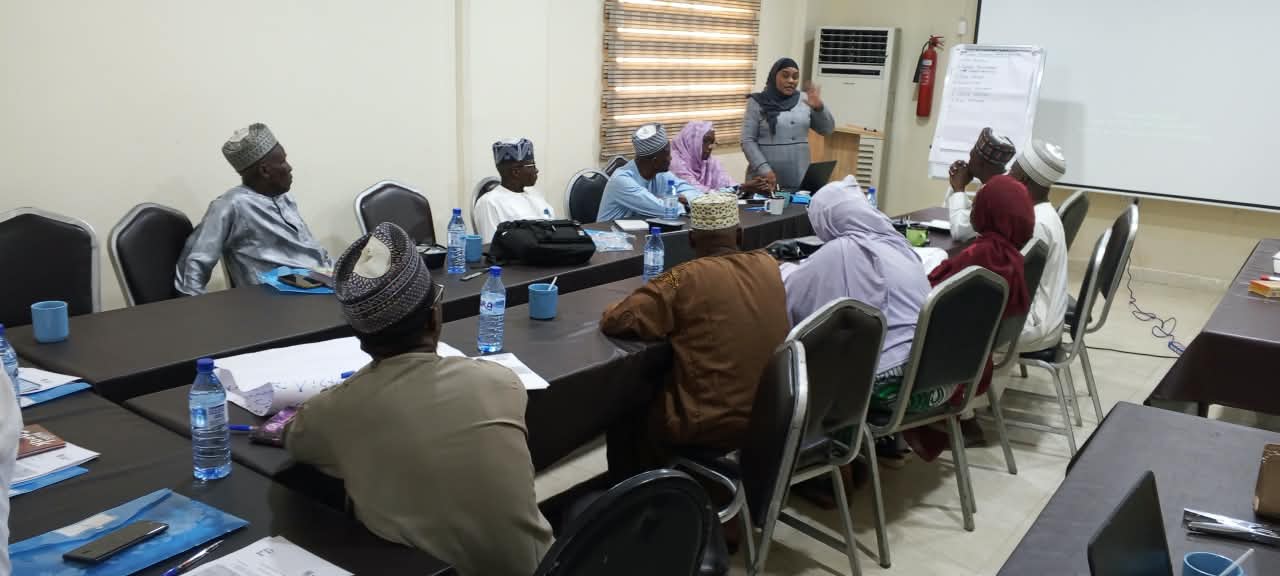
Education stakeholders and School-Based Management Committees (SBMC) in Kano State have stressed the need to equip students with practical skills alongside formal education to prepare them for self-reliance and reduce dependence on government employment.
Chairman of the School-Based Management Committees (SBMC) in Kano State, Tijjani Haladu Baraya, said the skills training programme was important because education should not only prepare students to obtain certificates but should also equip them with practical knowledge that can enable them to earn a living after graduation.
Baraya explained that the initiative was designed to teach students various skills while they are still in school, stressing that having formal education does not necessarily guarantee automatic access to government employment.
According to him, the reality of the current employment market makes it necessary for students to acquire additional skills that would enable them to create opportunities for themselves rather than waiting for government jobs.
He said, “If you study, you will not necessarily get a government job,” adding that the programme was specifically introduced to teach children in schools practical skills that would enable them to rely on themselves after completing their education.
Baraya further emphasised the importance of encouraging female students to acquire vocational and entrepreneurial skills, noting that such knowledge could help women become economically independent and contribute meaningfully to their families and communities.
The SBMC chairman said the committees were fully supporting the initiative because students could graduate with both academic certificates and practical skills, which, according to him, would give them a better chance of becoming self-reliant.
He added that equipping students with skills would also enable them to support their parents and reduce the financial pressure on families, particularly at a time when employment opportunities were becoming increasingly competitive.
Similarly, the Chairman of the Parent-Teachers Association (PTA) in Kano State, Dalhatu Salhu Maijumuri, described the training of students in practical skills as a highly important initiative capable of producing significant benefits for students, families and society.
Maijumuri said the programme would have a far-reaching impact because students who acquired practical skills could use them to establish businesses or provide services for themselves instead of waiting indefinitely for formal employment.
According to him, the era when students completed their education and immediately secured government jobs had largely passed, making it necessary for the education system to respond to the changing realities of the labour market.
“Gone are the days when students finish school and they will immediately get a government job,” Maijumuri said, pointing to the intense competition for the limited employment opportunities available.
He explained that where an organisation had only a few vacancies, thousands of qualified applicants could compete for the same positions, making reliance solely on formal employment an increasingly difficult option for young people.
“For example, now if there is a vacancy for like ten personalities, you will see hundred thousand people jostling for it,” the PTA chairman said, stressing the need for students to develop alternative means of livelihood.
Maijumuri therefore urged stakeholders in the education sector to continue supporting skills acquisition programmes in schools, saying that practical training would give students the ability to become self-reliant and productive members of society.
He further said that empowering students with vocational and entrepreneurial skills would not only benefit the individuals involved but would also reduce pressure on government to provide jobs for every graduate.
The PTA chairman also maintained that investment in skills acquisition would benefit future generations because children who received both formal education and practical training would be better positioned to contribute to economic development and build sustainable livelihoods.
He said the combination of academic education and practical skills would therefore strengthen the education system and ensure that students were prepared not only to seek employment but also to create employment opportunities for themselves and others.
News
Economists Project 12–20 Years Before Nigerians Reap Gains from Tinubu Reforms
By Yusuf Danjuma Yunusa
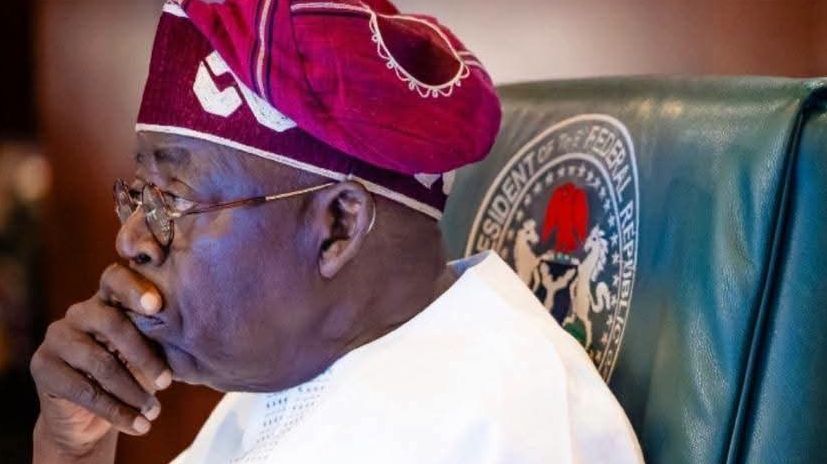
Economists say Nigerians may have to wait between 12 and 20 years to fully feel the benefits of President Bola Tinubu’s economic reforms.
According to them, the measures are likely to deliver gradual improvements in productivity and real incomes rather than immediate relief from high prices and declining purchasing power.
The economists told Nairametrics that major structural reforms typically involve a painful adjustment period before their benefits become evident, adding that the pace of improvement would depend largely on policy stability, infrastructure development, the rule of law and investments in productive sectors of the economy.
Chief Economist and Partner at SPM Professionals, Dr. Paul Alaje, said structural reforms generally take 12 to 20 years before their impact becomes significantly visible, although some countries have recorded meaningful results within six to 10 years.
“On the average, it takes 12 to 20 years before nations start feeling the impact of reforms. That does not necessarily mean such countries will see overnight reduction in their exchange rate. But what they will see is growth in real income as productivity expands,” Alaje told Nairametrics.
Financial economist at Nnamdi Azikiwe University, Dr. Felix Echekoba, also said major economic restructuring usually imposes short-term sacrifices before delivering long-term benefits.
“Most successful economic restructurings around the world imposed short-term sacrifices on the masses before long-term benefits.
“The challenge is working hard enough to ensure that the adjustment period does not become unnecessarily prolonged and that vulnerable citizens are protected,” he said.
According to Professor Tayo Bello, a development economist at Adeleke University, Nigeria’s experience is consistent with the pattern observed in other countries that have undertaken major subsidy and exchange rate reforms.
“There is no case of any country implementing major subsidy removal and exchange rate reforms without experiencing temporary economic distress. What matters are policy stability and whether the reforms ultimately fuel productivity and investment,” Bello said.
Why Nigerians are yet to feel the benefits
Tinubu introduced a series of far-reaching economic reforms after assuming office in May 2023, including the removal of petrol subsidies, liberalisation of the foreign exchange market, electricity tariff increases and tax reforms aimed at improving government revenue and fiscal sustainability.
The reforms have received support from international financial institutions, but their immediate impact has been overshadowed by elevated food and service prices, high interest rates and declining household purchasing power.
Alaje said the absence of key conditions needed to support structural reforms is limiting the speed at which Nigerians can benefit from the government’s policies.
According to him, countries that have achieved faster results from reforms typically had functional institutions, respect for the rule of law, adequate infrastructure and a high level of citizen awareness.
“A functional system where the rule of law is respected and obeyed, abundant infrastructure evident in the availability of roads, electricity and rail system, as well as high level of citizen awareness” are among the factors that can accelerate the benefits of reforms,” he said.
Alaje said Nigeria still faces significant gaps in these areas, particularly infrastructure and institutional effectiveness.
“Businesses are now approaching the banks, but interest rates are not coming down. It ranges between 30 and 40%. Households are now struggling with a minimum wage of N70,000, with the country’s poverty rate at over 140 million, more than 60% of the population,” he said.
He added that the poorest Nigerians would bear much of the burden during the adjustment period, warning that reforms alone would not be enough to lift millions of people out of poverty within a few years.
“It will take more than a decade for the masses to feel any positive impact of Tinubu’s reforms,” Alaje said.
Infrastructure, investment key to reform gains
Bello said macroeconomic stability achieved through reforms would only provide the foundation for broader economic transformation.
“Macroeconomic stability is only the first step. The real benefits come when reforms are buttressed by investments in infrastructure, manufacturing, agriculture, education and technology,” he said.
He added that countries that successfully transformed their economies combined fiscal and monetary reforms with aggressive industrialisation strategies.
Echekoba similarly said the government must ensure that the adjustment period does not become unnecessarily long while putting measures in place to protect vulnerable households.
The economists’ assessment is consistent with experiences from countries that undertook major economic reforms before recording broader improvements in living standards.
India’s economic liberalisation programme, introduced in 1991 following a balance of payments crisis, helped restore macroeconomic stability within about two years. However, broader gains in foreign investment, industrial growth and poverty reduction became more evident over the following decade.
Ghana’s Economic Recovery Programme, introduced in the 1980s, also took several years before inflation declined significantly and economic growth became more sustainable.
Indonesia’s reforms following the 1997 Asian financial crisis similarly took several years to restore investor confidence and return the economy to a stronger growth path.
Egypt’s 2016 currency flotation and subsidy reforms initially triggered a sharp rise in inflation, which exceeded 30%. The economy subsequently recorded stronger growth, increased foreign investment and improved macroeconomic stability after several years of implementation.
These experiences suggest that the economic benefits of major structural reforms can take several years to become widely visible, particularly where reforms are accompanied by significant increases in the cost of living during the initial adjustment period.
Before the removal of petrol subsidies in 2023, the Federal Government was budgeting about N3.36 trillion annually for fuel subsidy payments.
The Tinubu administration had argued that ending the subsidy would free up resources for infrastructure development and social programmes designed to cushion the impact of the policy on households.
However, the economists said the extent to which Nigerians ultimately benefit from the reforms will depend on how effectively the government deploys the savings and creates conditions for higher productivity, investment and real income growth.
Source: Nairametric
News
C-JTF Kano Urges Government to Strengthen Community-Based Security Groups
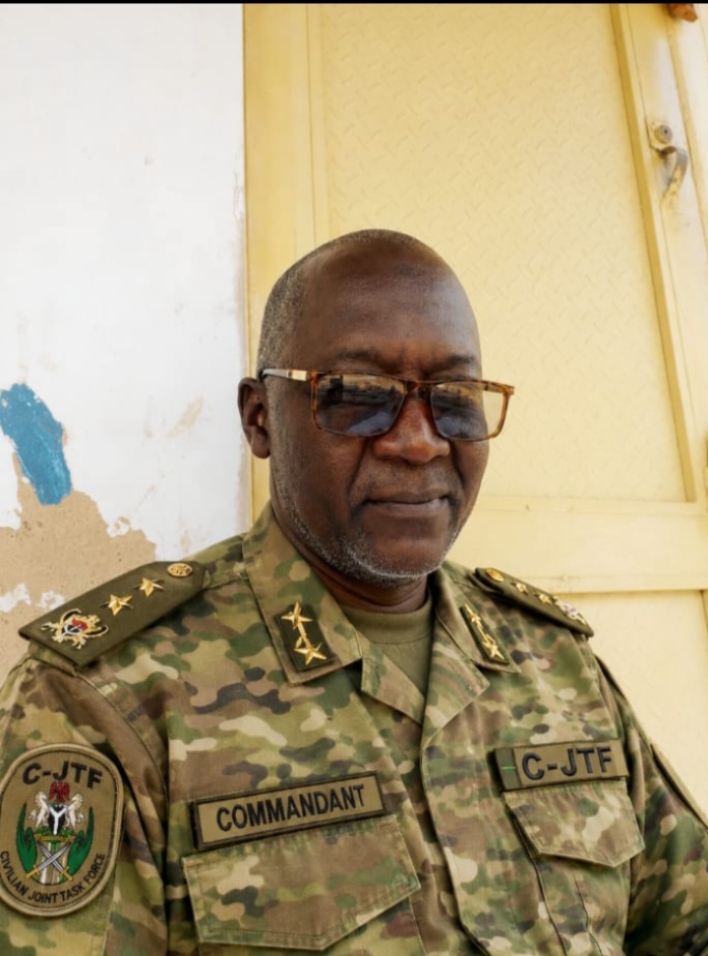
The Commander General of the Coalition for Community-Based Security Organisation (C-JTF), Kano State Command, Sani Elmansur, has urged the Kano State Government to strengthen and properly integrate community-based security groups into the state’s security architecture to address growing challenges of insecurity, drug abuse and street gang activities.
Elmansur made the call while offering recommendations on ways the government could improve security across Kano State, stressing that the complexity of contemporary security challenges requires stronger collaboration between conventional security agencies and community-based organisations.
According to him, the Kano State Government should bring together registered community-based security groups that have been established to support conventional security agencies, rather than allowing their activities to operate without adequate coordination and supervision.
Elmansur said the leadership of many of the recognised community security organisations possesses considerable knowledge of community safety and security matters, adding that their experience should be properly harnessed in the fight against crime.
He explained that community-based security personnel are not merely individuals who patrol neighbourhoods, but include leaders and members with knowledge of local security conditions and the ability to identify emerging threats within their communities.
The C-JTF commander further called for specialised training for government-established initiatives such as the “Anti-Phone Snatching” groups, saying their effectiveness could be improved if they were exposed to modern security techniques and professional methods of crime prevention.
According to Elmansur, the government should ensure that such groups receive adequate training in modern security operations, surveillance, intelligence gathering, communication and appropriate responses to security threats.
He expressed concern over situations in which suspected street gangs or “Yan Daba” allegedly operate for long periods in some neighbourhoods without immediate intervention from conventional security personnel, despite reports being made by residents.
Elmansur said that in some instances, residents could report the activities of street gangs and wait for between one and two hours before security personnel arrive at the affected locations, a situation he said could expose residents and their property to unnecessary danger.
He, however, noted that security patrols and checkpoints alone may not be sufficient to deter criminal elements if the criminals are able to identify the security personnel and avoid their locations.
According to him, criminals may simply stay away from areas where they see security personnel conducting regular patrols, only to resume their activities after the officers leave, thereby reducing the effectiveness of conventional patrol strategies.
Elmansur therefore recommended the establishment of security posts in areas identified as hotspots for youth gangs and other criminal activities, saying such locations should have a continuous security presence rather than occasional patrols.
He said the government should identify neighbourhoods where large numbers of unruly youths and suspected criminal elements congregate and establish security structures that can remain operational around the clock.
The C-JTF commander explained that a system of continuous community surveillance would enable security personnel and community-based organisations to respond more quickly whenever suspicious activities are detected.
Elmansur also advocated stronger intelligence gathering at the grassroots, stressing that residents are often the first to notice unusual movements, gatherings or activities that could develop into serious security threats.
He maintained that if information about suspicious activities is obtained early and promptly transmitted to the appropriate security authorities, security agencies would have a better opportunity to prevent crimes before they occur.
According to him, the adoption of such a proactive security strategy would help reduce street violence, clashes and other forms of criminal activity within Kano metropolis and surrounding communities.
Elmansur emphasised that the objective of the recommendations is not to replace conventional security agencies, but to create stronger cooperation between them and properly trained, registered and coordinated community-based security organisations.
He urged the Kano State Government to consider a comprehensive framework for coordinating the various community security groups operating across the state, including clear responsibilities, reporting channels, training requirements and supervision.
The C-JTF commander said such coordination would prevent duplication of efforts and ensure that community security organisations complement the work of the police and other conventional security agencies.
He further stressed the importance of protecting the lives and property of residents, describing security as a collective responsibility requiring the participation of government, security agencies, community organisations and citizens.
“Those are some of the recommendations we are giving to the government in order to protect the lives and property of the people,” Elmansur said.
He added that a properly coordinated community-based security system, backed by modern training and effective collaboration with conventional security agencies, could significantly contribute to restoring peace and reducing criminal activities across Kano State.

Education Stakeholders, SBMC Train Students on Skills for Self-Reliance

Economists Project 12–20 Years Before Nigerians Reap Gains from Tinubu Reforms

C-JTF Kano Urges Government to Strengthen Community-Based Security Groups

You’re a Hypocrite!” – Bashir el-Rufai Goes Nuclear on Brother Bello Over Uba Sani Loyalty

Court Ultimatum Forces FBI to Hand Over Tinubu’s Fraud Records to Judge—But Keeps Them Hidden from Public

How Kano Digitized Land Turns N50m to N750m Monthly

Borders, Visas and the Beautiful Game: How U.S. Immigration Policies Shaped Global Perceptions During the 2026 FIFA World Cup

From World’s 9th Most Populous City to Perfect: As Gov Yusuf Revisits Kano Master Plan

Kano Islamic Scholar Declares Kano Widow Marriage Programme ‘Haram’, Urges Government to Stop It

95% of Governor Abba Kabir Yusuf’s Promises Have Been Fulfilled — CPS Interview By Musa Diso, In Kano
Education Stakeholders, SBMC Train Students on Skills for Self-Reliance
Economists Project 12–20 Years Before Nigerians Reap Gains from Tinubu Reforms
C-JTF Kano Urges Government to Strengthen Community-Based Security Groups
You’re a Hypocrite!” – Bashir el-Rufai Goes Nuclear on Brother Bello Over Uba Sani Loyalty
Court Ultimatum Forces FBI to Hand Over Tinubu’s Fraud Records to Judge—But Keeps Them Hidden from Public
How Kano Digitized Land Turns N50m to N750m Monthly
Borders, Visas and the Beautiful Game: How U.S. Immigration Policies Shaped Global Perceptions During the 2026 FIFA World Cup
From World’s 9th Most Populous City to Perfect: As Gov Yusuf Revisits Kano Master Plan
Kano Islamic Scholar Declares Kano Widow Marriage Programme ‘Haram’, Urges Government to Stop It
95% of Governor Abba Kabir Yusuf’s Promises Have Been Fulfilled — CPS Interview By Musa Diso, In Kano
-

 Opinion5 years ago
On The Kano Flyovers And Public Perception
-

 Features5 years ago
How I Became A Multimillionaire In Nigeria – Hadiza Gabon
-

 Opinion6 years ago
Kano As future Headquarters Of Poverty In Nigeria
-

 History5 years ago
Sheikh Adam Abdullahi Al-Ilory (1917-1992):Nigeria’s Islamic Scholar Who Wrote Over 100 Books And Journals
-

 Opinion5 years ago
My First Encounter with Nasiru Gawuna, the Humble Deputy Governor
-

 History5 years ago
The History Of Borno State Governor Professor Babagana Umara Zulum
-

 History5 years ago
The Origin Of “Mammy Market” In Army Barracks (Mammy Ochefu)
-

 News4 years ago
Federal University Of Technology Babura To Commence Academic Activities September