
News
Dangote Driving Agribusiness In North, Sponsors 2026 National Agric Show
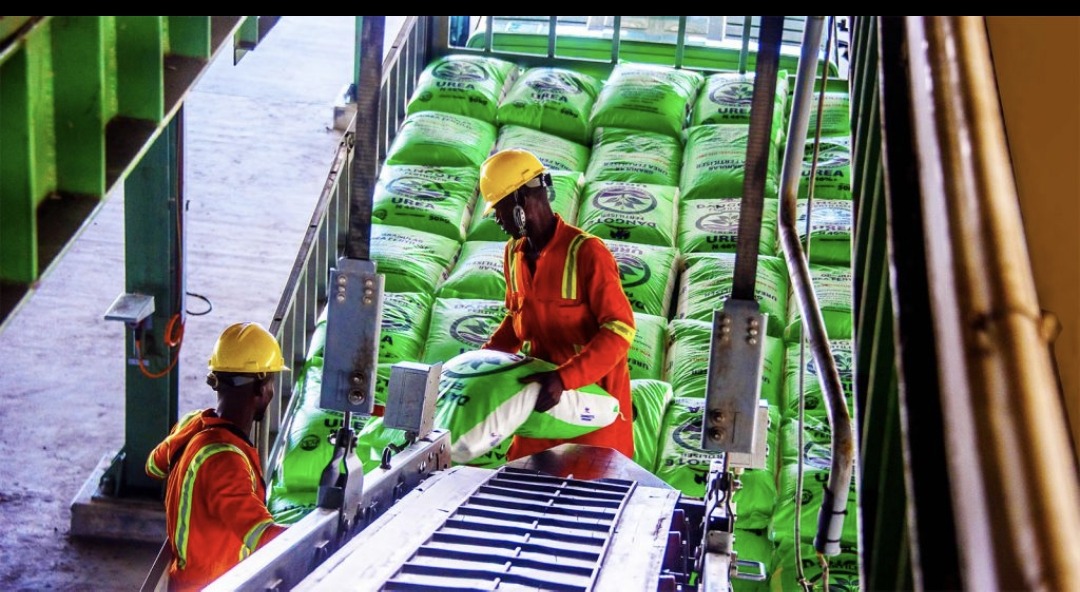
Dangote Industries Limited has restated its commitment to expanding investments in Northern Nigeria’s agricultural sector, in alignment with the government’s agenda to strengthen food security, boost agricultural productivity and create employment opportunities.
A statement from the Group Chief, Branding and Corporate Communication Officer of the company, Mr. Anthony Chiejina, said Dangote Group is deepening its commitment to Nigeria’s agricultural transformation through strategic investments in mechanised agriculture, advancing major rice milling projects in northern states, alongside sugar backward-integration investments.
The statement quoted the company’s Regional Director and Senior Adviser to the Group President, Mrs Fatima Wali-Abdurrahman, as saying: “These initiatives are designed to strengthen domestic food production, stimulate agro-industrial development, create employment and unlock the vast agricultural potential of Northern Nigeria.
Mrs. Wali-Abdurrahman said the Group’s fertiliser business represents a major contribution to Nigeria’s agricultural development, providing locally manufactured inputs that can help farmers improve productivity, enhance soil fertility and increase crop yields.
She disclosed that Dangote Industries Limited (DIL) is sponsoring the 2026 National Agricultural Show, scheduled to open on Monday, November 16, as part of its continued efforts to support and advance agricultural development in Nigeria.
The Agricultural Show, organised under the auspices of the National Agricultural Foundation of Nigeria, will be formally declared open by the Minister of Agriculture and Food Security, Senator Abubakar Kyari.
The statement said the Group’s engagement also places emphasis on inclusive participation, particularly by encouraging greater involvement of women and young people, who remain essential to the future of agriculture and agribusiness in Nigeria.
It said the Group’s vision is to contribute to a more productive, competitive and self-sufficient agricultural sector, positioning Nigeria to harness its enormous agricultural potential, strengthen food security and become a major player in Africa’s agricultural economy.
Meanwhile, speaking to newsmen in Abuja, National Coordinator, National Agricultural Foundation of Nigeria (NAFN) Hajiya Aishatu Rufa’I Ibrahim, said this year’s Show is guided by the theme: Building a Resilient Nigerian Agrifood System: Empowering Farmers, Mobilizing Investment and Driving Innovation for Food Security and Shared Prosperity.
Mrs. Ibrahim said: “This year’s Agric Show is unique because it goes beyond the traditional exhibition of agricultural products. It provides a strategic platform for connecting farmers, investors, policymakers, technology providers and other stakeholders to develop practical solutions to Nigeria’s food security challenges.’
She described NAFN’s relationship with the Dangote Group as instrumental to its success in fostering private-sector partnerships that support Nigeria’s drive for agricultural development, industrialisation and food security.
She said: “The Dangote Group remains an important reference point in Nigeria’s investment landscape, and we appreciate its contributions to the country’s economic development.”
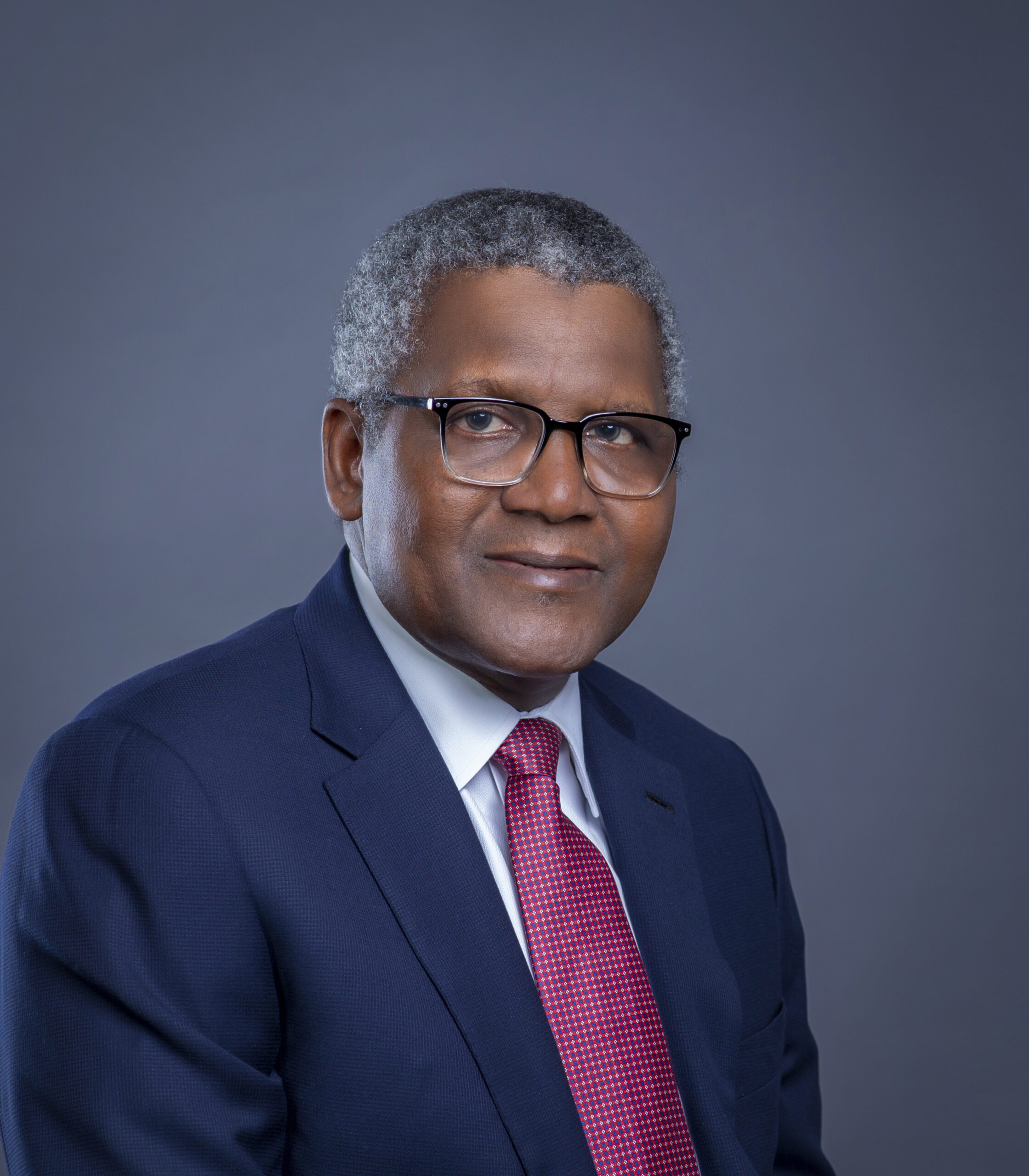
She added: “The message of the Foundation to Alhaji Aliko Dangote is to urge him to continue to expand his investment footprints in Nigeria’s agricultural sector. His experience in large-scale industrial investment can help transform agriculture through mechanization, agro-processing, storage, logistics and commodity production.
“The country needs more indigenous investors of his calibre to see agriculture not merely as farming but as a major business opportunity capable of generating wealth, creating jobs and securing Nigeria’s food future.”















News
2027: Baffa Babba Dan’Agundi Donates Campaign Office to Kano APC Presidential, Gubernatorial Campaign Council
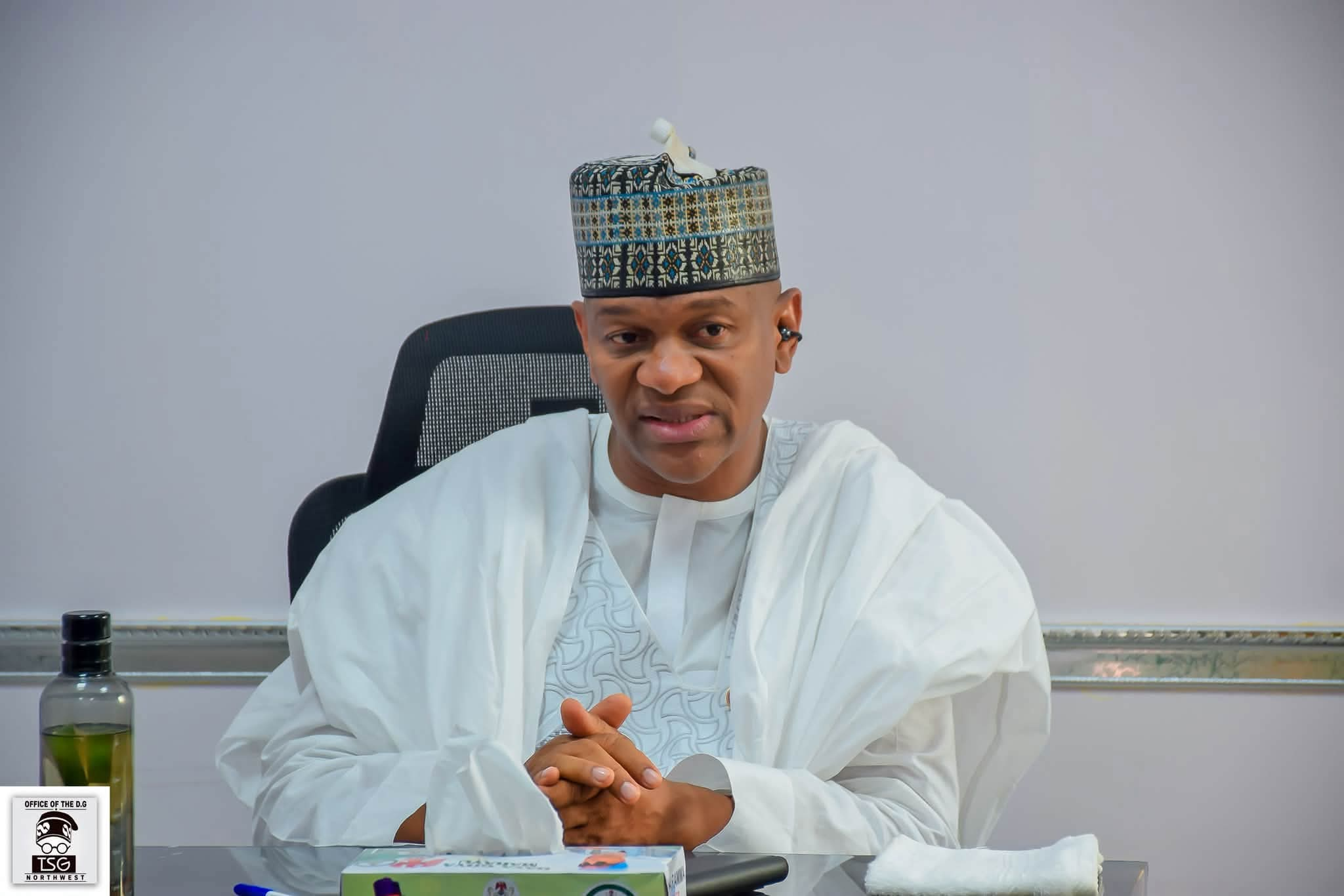
Hon. Dr. Baffa Babba Dan’Agundi, Director-General of the National Productivity Centre, has donated a campaign office to the Kano State Presidential and Gubernatorial Campaign Council (PGCC) of the All Progressives Congress (APC) ahead of the 2027 general elections.
The campaign council announced the donation in a press release issued on Saturday, and signed by its Campaign Spokesperson II, Hon. Sanusi Majidadi Kiru.
According to the statement, the donated facility, located at No. 10, Audu Bako Way, Kano, will serve as the operational headquarters of the Kano State Presidential and Gubernatorial Campaign Council.
The council described the gesture as a demonstration of political loyalty, commitment and personal sacrifice towards strengthening the APC’s preparations for the 2027 general elections.
The statement said the provision of the facility would enhance administrative coordination, strategic planning and the effective execution of the council’s responsibilities ahead of the elections.
The campaign council, while expressing appreciation to Dan’Agundi, said his contribution reflected a commitment to the party’s success beyond personal interests.
According to the statement, the donation was not merely the provision of office accommodation but a strategic investment in the organisational capacity and operational efficiency of the party’s campaign structure.
The council conveyed its appreciation to Dan’Agundi on behalf of Kano State Governor, Alhaji Abba Kabir Yusuf, the leadership and management team of the campaign council, the APC, its various directorates and members.
It described the intervention as an example of leadership by example, noting that commitment to party ideals should be demonstrated through practical contributions rather than declarations.
The council also called on APC leaders, political appointees, elected representatives, stakeholders, supporters and other party members to emulate Dan’Agundi by making meaningful contributions towards the activities of the campaign organisation.
It stressed that the task of preparing for the 2027 general elections required collective responsibility, unity of purpose and a willingness among party members to make sacrifices.
The statement further formally notified party stakeholders, members of the various directorates, political organisations, support groups and the general public that the council’s new headquarters is situated at No. 10, Audu Bako Way, Kano.
It explained that the facility would serve as the central point for official campaign coordination, administrative activities and engagement with stakeholders.
The council reiterated its appreciation to Dan’Agundi, describing his donation as a lasting testimony to loyalty, generosity and commitment to the APC.
It expressed confidence that collective determination, unity and sacrifice among party members would help build a formidable campaign organisation capable of delivering its mandate in the 2027 general elections.
News
Bauchi Govt Suspends Emir over Alleged Misconduct, Inaugurates Probe Panel
By Yusuf Danjuma Yunusa
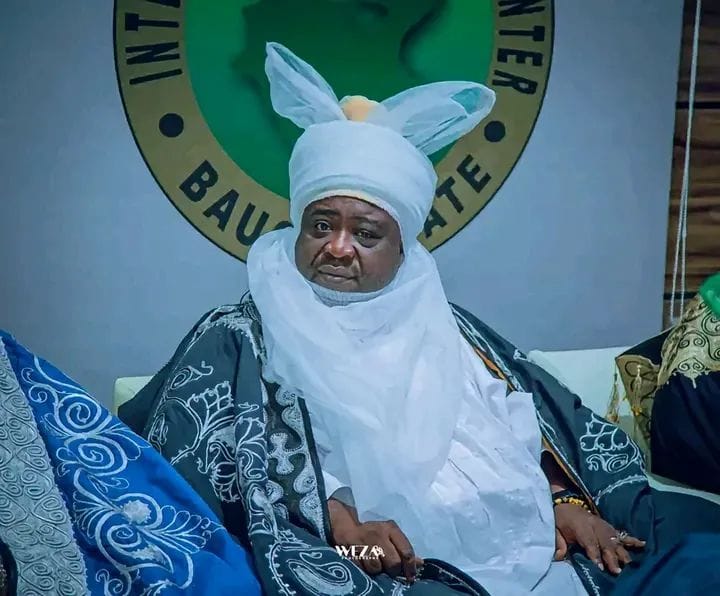
The Bauchi State Government has suspended the Emir of Lame, Aliyu Lame, in the Toro Local Government Area over allegations of misconduct.
The government also approved the constitution of a 12-member administrative panel of Inquiry to investigate the allegations against the traditional ruler.
This is contained in a statement on Saturday in Bauchi by the Special Adviser to Governor Bala Mohammed on Media and Publicity, Mukhtar Gidado.
According to him, the governor approved the decision after receiving formal petitions and intelligence reports from community leaders, stakeholders and security agencies.
Mr Gidado said the allegations included unlawful interference in land administration, unauthorised collection of levies, interference in the operations of mining companies and other alleged acts of misconduct.
He added that the alleged activities generated tension within the Lame Emirate and raised concerns about public peace and security.
“The Ministry for Local Government and Chieftaincy Affairs had earlier requested explanations from the Emir who submitted written responses.
“However, the government considered the explanations unsatisfactory and deemed it necessary to conduct an independent administrative investigation.
“The panel, chaired by retired Deputy Inspector-General of Police, Sani Mohammed, comprises representatives of security agencies, relevant ministries, Toro Local Government Area and other government institutions.”
He stated that the panel has three weeks to investigate the allegations, examine relevant documents, invite concerned parties and submit its findings and recommendations to the government.
The government spokesman further said that the suspension was a precautionary administrative measure aimed at safeguarding the integrity of the investigation and preventing possible interference with witnesses and official records.
He said that the emir was directed to remain within the Lame Emirate unless authorised otherwise and must refrain from interfering in its administrative, traditional and official affairs throughout the suspension period.
Mr Gidado also said that the government directed the Senior Councillor of the Emirate Council, Bala Gumau, to oversee its day-to-day administrative affairs in an interim capacity.
He said the government urged residents of the Lame Emirate and Toro Local Government Area, community leaders, traditional titleholders and youths to remain calm, peaceful and law-abiding while cooperating with the security agencies and the panel.
News
Kano Task Force Accuses Pharmaceutical Council of Nigeria of Shielding Drug Dealers
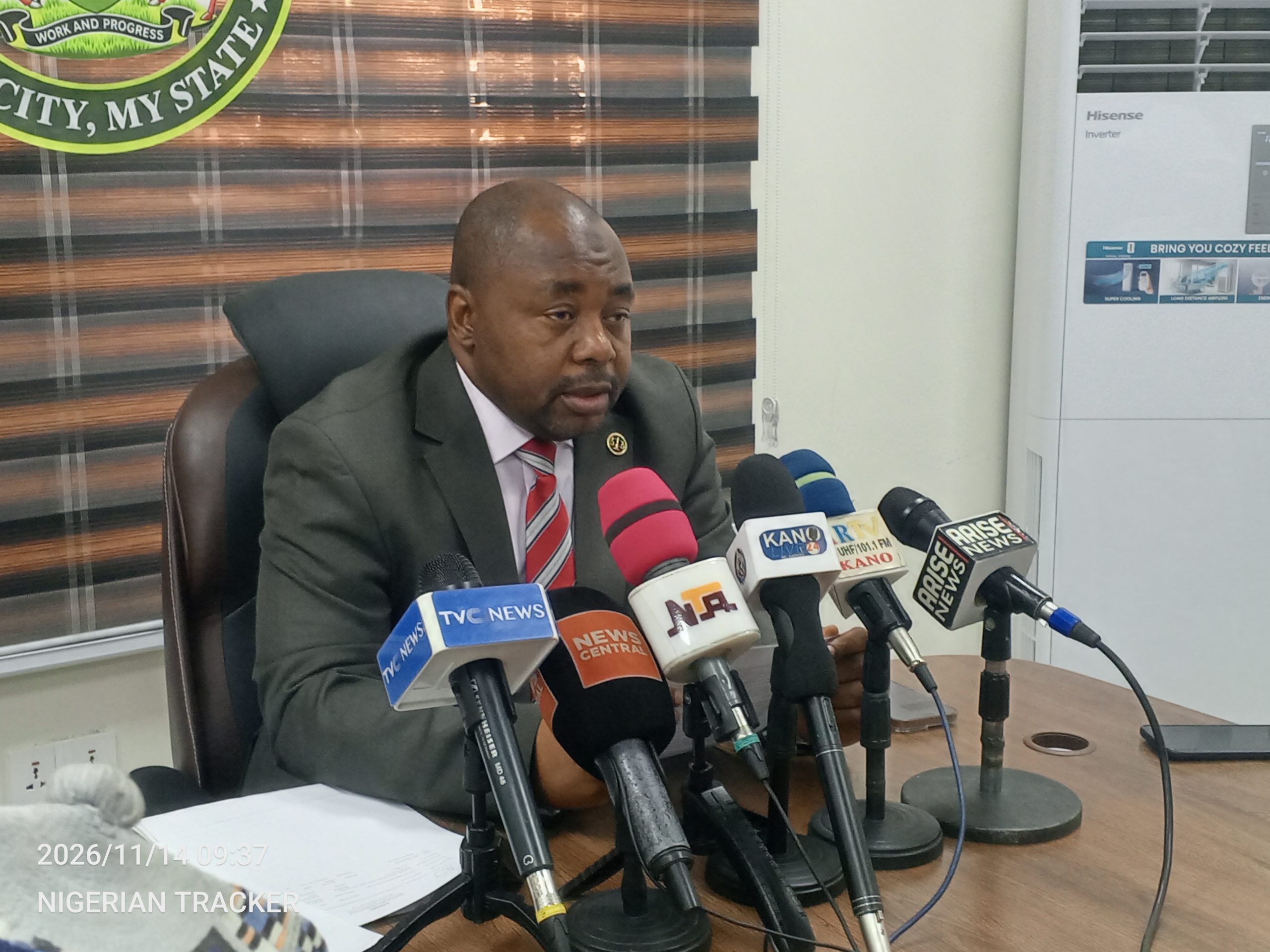
The Chairman of the Kano State Multi-Agency Taskforce on Drug Abuse and Illicit Trafficking, Muhuyi Magaji Rimingado, has accused the Pharmaceutical Council of Nigeria (PCN) of allegedly shielding drug dealers and facilitating the distribution of illicit substances in Kano State.
Rimingado made the allegations while addressing journalists in Kano, where he expressed concern over what he described as the involvement of some public officials in activities that undermine the state’s efforts to combat drug abuse and illicit drug trafficking.
The task force chairman said the fight against drug abuse in Kano had reached a critical stage requiring decisive measures against individuals and institutions allegedly using their public positions to create an enabling environment for illegal drug trafficking.
According to him, the task force would no longer concentrate exclusively on arresting drug users while individuals and organisations allegedly responsible for supplying the substances continued to enjoy protection from regulatory authorities.
Rimingado said pregabalin and other controlled substances remained among the most widely abused drugs in Kano State, adding that the situation required regulatory agencies to discharge their responsibilities with patriotism, professionalism and fear of Allah.
He argued that if regulatory institutions performed their statutory duties effectively, there would be little need for the state government to establish additional mechanisms to confront the growing problem of drug abuse.
The chairman disclosed that the task force had recorded 1,760 arrests since the commencement of its operations, with 890 suspects convicted for various drug-related offences.
He further stated that 63 suspects were awaiting trial, while approximately 690 convicted persons were being held in various correctional facilities.
Rimingado explained that other offenders had either been referred for rehabilitation, fined or sentenced to community service, describing the figures as evidence of the task force’s extensive efforts towards reducing drug demand, disrupting supply networks and confronting thuggery.
He maintained that the task force’s strategy recognised the direct relationship between drug abuse and the activities of street gangs and thugs, stressing that tackling the supply chain was essential to achieving sustainable results.
However, Rimingado said the task force could not continue arresting drug users without confronting those allegedly responsible for making the substances available to them.
He specifically accused some regulatory officials of shielding drug dealers despite having statutory responsibilities to prevent unauthorised access to controlled pharmaceutical products.
The task force chairman recalled the recent seizure of 3.18 million pregabalin capsules by the agency, describing the development as an indication of the scale of the drug distribution problem confronting Kano State.
According to Rimingado, eight out of every 10 suspected drug users arrested in Kano were either found in possession of pregabalin or confessed to abusing the substance.
He questioned the circumstances surrounding the issuance of import licences to pharmaceutical companies dealing in pregabalin, particularly following its rescheduling as a controlled drug by the National Agency for Food and Drug Administration and Control (NAFDAC) on September 14, 2026.
Rimingado wondered what regulatory data informed the issuance of import licences to several companies, alleging that some businesses had exploited the privileges granted to them to facilitate the distribution of controlled substances.
In what he described as findings from preliminary investigations, Rimingado alleged that an import licence granted to UGO Lab Production Nigeria Limited on October 23, 2026, was part of a wider network of companies allegedly involved in the unlawful distribution of pregabalin.
He claimed that investigations revealed that the owner of UGO Lab Production Nigeria Limited had also established another company known as SEEMARK Pharmaceutical Nigeria Limited, which he alleged was created as a front for clandestine drug distribution activities.
The task force chairman further accused the Pharmaceutical Council of Nigeria of facilitating the alleged activities by registering a property at No. 10 Apple Avenue, which he described as a purely residential location, for pharmaceutical operations.
According to Rimingado, the property was allegedly used as a concealed distribution outlet for pregabalin, thereby providing a channel through which the substance found its way into the streets of Kano.
He argued that registering a residential property for such activities amounted to a breach of the provisions of the Land Use Act and raised serious questions about the regulatory procedures followed by the PCN.
Rimingado said the alleged actions of the council had undermined the objectives of the Controlled Wholesale Chain (CWC), which he said the regulatory institution itself advocated.
He challenged the regulatory authorities to explain how pregabalin had become widely available on the streets of Kano despite its controlled status, insisting that the substance was rarely found in conventional pharmaceutical outlets across the state.
The chairman maintained that the widespread availability of pregabalin outside recognised pharmaceutical channels could not be dismissed as accidental, arguing that it pointed to possible weaknesses or deliberate compromises within the regulatory system.
Rimingado also alleged that some staff members of the Pharmaceutical Council of Nigeria were deeply involved in clandestine pharmaceutical businesses, claiming that such involvement explained what he described as the council’s excessive protection of its regulatory jurisdiction.
He expressed concern over what he considered the council’s insistence on exclusive authority to seal premises, even in situations where other government agencies had uncovered alleged wrongdoing.
The task force chairman noted that the PCN had fewer than 20 staff members in Kano State but continued to insist that it alone possessed the authority to seal premises suspected of violating pharmaceutical regulations.
He argued that such an approach was counterproductive, particularly when the state government’s multi-agency task force was working to address a public health and security challenge affecting thousands of residents.
Rimingado stressed that the statutory responsibilities of federal regulatory agencies should not be interpreted as immunity from legitimate oversight, collaboration or accountability by other relevant government institutions.
He maintained that public officials were expected to operate within the limits of the law and should not use their positions to obstruct efforts aimed at protecting the public from the dangers of illicit drug trafficking.
The chairman warned that any public official who acted contrary to the provisions of the law could face criminal liability, adding that the task force was prepared to deploy all necessary legal measures to address the alleged misconduct.
He reaffirmed the task force’s commitment to pursuing drug dealers, disrupting distribution networks and ensuring that individuals and institutions allegedly contributing to the drug abuse crisis were held accountable.
Rimingado said the fight against drug abuse in Kano required collective responsibility, insisting that regulatory agencies must demonstrate transparency, integrity and commitment if the state was to make meaningful progress in tackling the menace.

Dangote Driving Agribusiness In North, Sponsors 2026 National Agric Show

2027: Baffa Babba Dan’Agundi Donates Campaign Office to Kano APC Presidential, Gubernatorial Campaign Council

Bauchi Govt Suspends Emir over Alleged Misconduct, Inaugurates Probe Panel

Kano Task Force Accuses Pharmaceutical Council of Nigeria of Shielding Drug Dealers

2027: INEC to Conduct Mock Presidential Poll Nov 28

Open The Social Sciences “A Tribute to a Heterodox Scholar: Mallam Ibrahim Muazzam

NDC Deputy Governorship Candidate Gives Kano Information Commissioner 48-Hour Ultimatum Over Alleged Defamation

Kano’s War On Drugs: How Barr. Muhyi’s Taskforce Is Changing The Game

Gov. Yusuf Appoints Inuwa Waya Director of International Corporations Engagement

Sen. Kalu Admits Selling Heavy Weapons to Any Buyer
Dangote Driving Agribusiness In North, Sponsors 2026 National Agric Show
2027: Baffa Babba Dan’Agundi Donates Campaign Office to Kano APC Presidential, Gubernatorial Campaign Council
Bauchi Govt Suspends Emir over Alleged Misconduct, Inaugurates Probe Panel
Kano Task Force Accuses Pharmaceutical Council of Nigeria of Shielding Drug Dealers
2027: INEC to Conduct Mock Presidential Poll Nov 28
Open The Social Sciences “A Tribute to a Heterodox Scholar: Mallam Ibrahim Muazzam
NDC Deputy Governorship Candidate Gives Kano Information Commissioner 48-Hour Ultimatum Over Alleged Defamation
Kano’s War On Drugs: How Barr. Muhyi’s Taskforce Is Changing The Game
Gov. Yusuf Appoints Inuwa Waya Director of International Corporations Engagement
Sen. Kalu Admits Selling Heavy Weapons to Any Buyer
-

 Opinion5 years ago
On The Kano Flyovers And Public Perception
-

 Features5 years ago
How I Became A Multimillionaire In Nigeria – Hadiza Gabon
-

 Opinion6 years ago
Kano As future Headquarters Of Poverty In Nigeria
-
 History6 years ago
Sheikh Adam Abdullahi Al-Ilory (1917-1992):Nigeria’s Islamic Scholar Who Wrote Over 100 Books And Journals
-

 Opinion5 years ago
My First Encounter with Nasiru Gawuna, the Humble Deputy Governor
-

 History5 years ago
The History Of Borno State Governor Professor Babagana Umara Zulum
-
 History6 years ago
The Origin Of “Mammy Market” In Army Barracks (Mammy Ochefu)
-
 News5 years ago
Federal University Of Technology Babura To Commence Academic Activities September