
News
The Essence of Great Health During Ramadan—By Dr. Nelson Aluya

Ramadan is far more than abstaining from food and drink. It is a sacred season of discipline, renewal, and elevation of the human spirit. For Muslims around the world, it is a month where the body, mind, and soul are aligned in purposeful worship. Observed as one of the Five Pillars of Islam, fasting during Ramadan nurtures taqwa (God-consciousness), strengthens self-control, cultivates gratitude, and deepens empathy for those in need.
As a physician serving patients from diverse racial, ethnic, and religious backgrounds for over two decades, I have spoken at numerous Pre—Ramadan Health Fairs and seminars for the last fifteen years, and have walked alongside many individuals seeking guidance on how to manage their health, take their medications and fast safely. I believe that Ramadan offers tremendous spiritual and even physiological benefits when approached with knowledge, preparation, and medical wisdom.
*The Divine Foundation of Fasting*
Ramadan occurs during the ninth month of the Islamic lunar calendar. Its obligation is rooted in the Qur’an:
“O you who believe! Fasting is prescribed for you as it was prescribed for those before you, that you may attain taqwa.”
— Surah Al-Baqarah (2:183)
The Qur’an further clarifies the period and purpose:
“The month of Ramadan in which was revealed the Qur’an, a guidance for mankind and clear proofs for the guidance and the criterion…”
— Surah Al-Baqarah (2:185)
Fasting extends from dawn (Fajr) until sunset (Maghrib) for 29–30 days, beginning with the sighting of the new moon. In 2026, Ramadan is expected to begin around February 18 or 19, depending on lunar observation.
The Qur’an also provides compassionate exemptions:
“…And whoever is ill or on a journey – then an equal number of other days…”
— Surah Al-Baqarah (2:185)
Islamic law exempts the ill, travelers, the elderly who cannot tolerate fasting, pregnant or breastfeeding women if fasting may cause harm, menstruating women, and children. This divine mercy underscores a foundational principle: preservation of health precedes ritual obligation when harm is likely.
*Ramadan: A Holistic Act of Worship*
The fast is not merely physical deprivation. It is moral and spiritual refinement.
The Prophet Muhammad (peace be upon him) said:
“Whoever does not give up false speech and evil actions, Allah is not in need of his leaving his food and drink.”
— (Sahih al-Bukhari)
Thus, Ramadan is:
– A purification of the soul
– A strengthening of discipline
– A cultivation of patience
– A renewal of gratitude
– A communal celebration through shared Iftar
*Preparing for Ramadan: A Physician’s Perspective*
Fasting without knowledge can be harmful. The body undergoes metabolic transitions during prolonged fasting:
– Glycogen( sugar)stores are depleted.
– Fat metabolism( breakdown) increases.
– Ketone bodies(chemical produced in place of sugar during fastin) are produced.
– Hormonal shifts occur (including insulin reduction and glucagon increase).
– Fluid balance ( Dehydration)changes in the absence of water
While many experience modest weight loss, others gain weight due to excessive caloric intake at Iftar.
Preparation must therefore be intentional.
*1.Know Your Health Status*
Before Ramadan, assess:
– Physical and mental health
– Level of daily activity
– Chronic medical conditions
– Nutritional needs
– Work demands
– Hydration capacity
– Medication schedules
*2. Schedule a Pre-Ramadan Medical Visit*
The “Visit — Your Doctor and You” is critical.
A pre-Ramadan consultation should include screening or review of may have developed along the way:
– Diabetes
– Hypertension
– Heart disease
– Chronic lung disease
– Kidney disease
– Autoimmune conditions
– Cancer
– Pregnancy
For those who insist on fasting despite chronic illness, coordinated medical supervision is essential.
The Qur’an emphasizes balance:
“…And do not throw yourselves into destruction with your own hands…”
— Surah Al-Baqarah (2:195)
Health preservation is not a lack of faith — it is an expression of wisdom.
*Suhoor and Iftar: Strategic Nutrition*
*Suhoor (Pre-Dawn Meal)*
The Prophet encouraged Suhoor:
“Take Suhoor, for in Suhoor there is blessing.”
— (Sahih al-Bukhari)
A balanced Suhoor should include:
– Complex carbohydrates (oats, whole grains)
– Lean protein (eggs, legumes, yogurt)
– Healthy fats (nuts, olive oil)
– Adequate hydration
– Limited salt to reduce thirst.
*Iftar (Breaking the Fast)*
Traditionally, the fast is broken with dates and water, following the practice of the Prophet. Dates provide:
– Natural sugars for quick glucose replenishment
– Fiber
– Potassium
– Antioxidants
However, moderation is key. Heavy fried foods, excessive sweets, and large portions often lead to:
– Weight gain
– Blood sugar spikes
– Gastric distress
– Sleep disruption
Ramadan should not become a festival of overconsumption. The Qur’an reminds:
“…Eat and drink, but do not be excessive. Indeed, He does not like the excessive.”
— Surah Al-A’raf (7:31)
*Medication Management During Ramadan*
Medication timing often requires adjustment:
– Once-daily medications may shift to Iftar.
– Twice-daily regimens may need restructuring.
– Insulin dosing requires individualized modification.
– Diuretics ( water pills)may increase dehydration risk.
– Certain medications cannot be safely delayed.
Never adjust medications independently. Collaborative planning between patient and physician is essential.
*Who Should Not Fast?*
The Qur’anic exemption in Surah 2:185 is both clear and compassionate.
Those advised not to fast include:
– Uncontrolled( Sugar) diabetics
– Advanced heart failure patients
– Severe chronic kidney disease
– Active cancer patients undergoing therapy
– Frail elderly individuals
– High-risk pregnancies
Faith is not measured by physical endurance but by sincerity and obedience. For some, abstaining from fasting is the true act of submission.
*Mental and Spiritual Health During Ramadan*
– Ramadan strengthens psychological resilience:
– Structured routine enhances discipline.
– Night prayers (Taraweeh) improve communal bonding.
– Increased charity fosters empathy.
– Qur’an recitation enhances reflection and calm.
Scientific literature( Books ) ,increasingly recognizes that mindful fasting, spiritual meditation, and communal connection improve emotional regulation and stress resilience.
*Community, Compassion, and Character*
Ramadan is a communal equalizer. Rich and poor experience hunger together. Shared Iftar meals strengthen bonds across socioeconomic lines.
The Qur’an emphasizes generosity:
“And they give food in spite of love for it to the needy, the orphan, and the captive…”
— Surah Al-Insan (76:8)
True health is not merely biological — it is relational, spiritual, and ethical.
*The Balance Between Faith and Medicine*
As a physician who has cared for thousands of patients across cultures and beliefs, I have learned that faith and medicine are not adversaries. They are allies.
Ramadan teaches restraint. Medicine teaches prudence. Together, they preserve life.
The essence of great health during Ramadan lies in:
– Spiritual awareness
– Medical wisdom
– Nutritional balance
– Disciplined moderation
– Compassion for oneself and others
When approached correctly, Ramadan becomes a month of metabolic recalibration, spiritual elevation, and communal unity.
*My Spiritual Reflection*
Ramadan is not a test of starvation — it is a training of the soul.
It refines character. It disciplines appetite. It strengthens gratitude. It elevates consciousness.
And when practiced with knowledge and preparation, it can nurture both spiritual vitality and physical well-being.
“…Allah intends for you ease and does not intend for you hardship…”
— Surah Al-Baqarah (2:185)
May this Ramadan be one of wisdom, balance, safety, and profound renewal amin.
— Dr. Nelson Aluya
















News
Zamfara Varsity ASUU Threatens Warning Strike Over FG-ASUU Agreement, Promotion Arrears

The Academic Staff Union of Universities (ASUU), Zamfara State University, Talata Mafara Branch, has issued a two-week ultimatum to the Zamfara State Government to implement the December 2025 Federal Government-ASUU agreement and settle other outstanding financial obligations owed to its members.
The union disclosed this in a statement signed by its Acting Secretary-General, Abdussamad Muhammad Usman, following its second congress meeting held on September 21, 2026, under the leadership of the branch chairman, Comrade Anas Dogo.
According to the union, its members have reached a point where they can no longer guarantee the uninterrupted provision of academic and intellectual services in the university if the state government continues to delay the implementation of the agreement.
The ASUU branch said the December 2025 Federal Government-ASUU agreement remains a major part of its demands, insisting that academic staff of Zamfara State University should enjoy the same conditions and benefits being implemented for their counterparts in other states of the federation.
Comrade Anas Dogo said the union had exhausted what it described as all available political, diplomatic and administrative avenues to persuade the state government to address the concerns of its members without resorting to industrial action.
Dogo, according to the statement, said repeated engagements with the relevant authorities had failed to produce the desired outcome, leaving the union with the option of issuing a formal ultimatum before taking further action.
The union leadership said its demands go beyond the implementation of the Federal Government-ASUU agreement, adding that it is also demanding the payment of outstanding promotion arrears and other financial obligations incurred by the state government.
According to ASUU, the unresolved promotion arrears have continued to constitute a financial burden for affected academic staff, while the non-implementation of the December 2025 agreement has created disparities between lecturers at Zamfara State University and their counterparts in other universities.
The union said its decision to give the government a two-week ultimatum followed a series of meetings and consultations with stakeholders connected to the university and the state education sector.
The statement said the union had engaged the chairperson of the university’s governing council and the university management in an effort to resolve the issues internally before escalating the matter to other authorities.
ASUU further said it subsequently wrote letters requesting meetings with the Commissioner for Education, the Head of Service and the Secretary to the Zamfara State Government, but alleged that its efforts to secure meaningful engagement with the officials were unsuccessful.
The union described the failure of the various engagements as the reason for its decision to set a two-week deadline for the government to respond to its demands and take concrete steps towards implementation.
Dogo said the union was still committed to dialogue and would prefer an amicable resolution of the dispute, but stressed that its members could not continue to provide uninterrupted academic services indefinitely without the outstanding issues being addressed.
According to the union, failure by the state government to meet its demands within the two-week ultimatum would trigger a warning strike by academic staff of Zamfara State University, Talata Mafara.
The union leadership further warned that if the warning strike failed to produce a resolution, it could proceed to a total and indefinite industrial action, which would have wider implications for academic activities at the institution.
Abdussamad Muhammad Usman, Acting Secretary-General of Zamfara State University ASUU Branch, said the union was communicating its position to the government and the public in the interest of resolving the dispute before it escalates.
The union urged the Zamfara State Government to use the two-week period to address the implementation of the December 2025 Federal Government-ASUU agreement, promotion arrears and other outstanding financial obligations in order to avert disruption of academic activities at the university.
News
Kano Task Force Arrests 380 Suspects, Secures Over 230 Convictions in Two Months
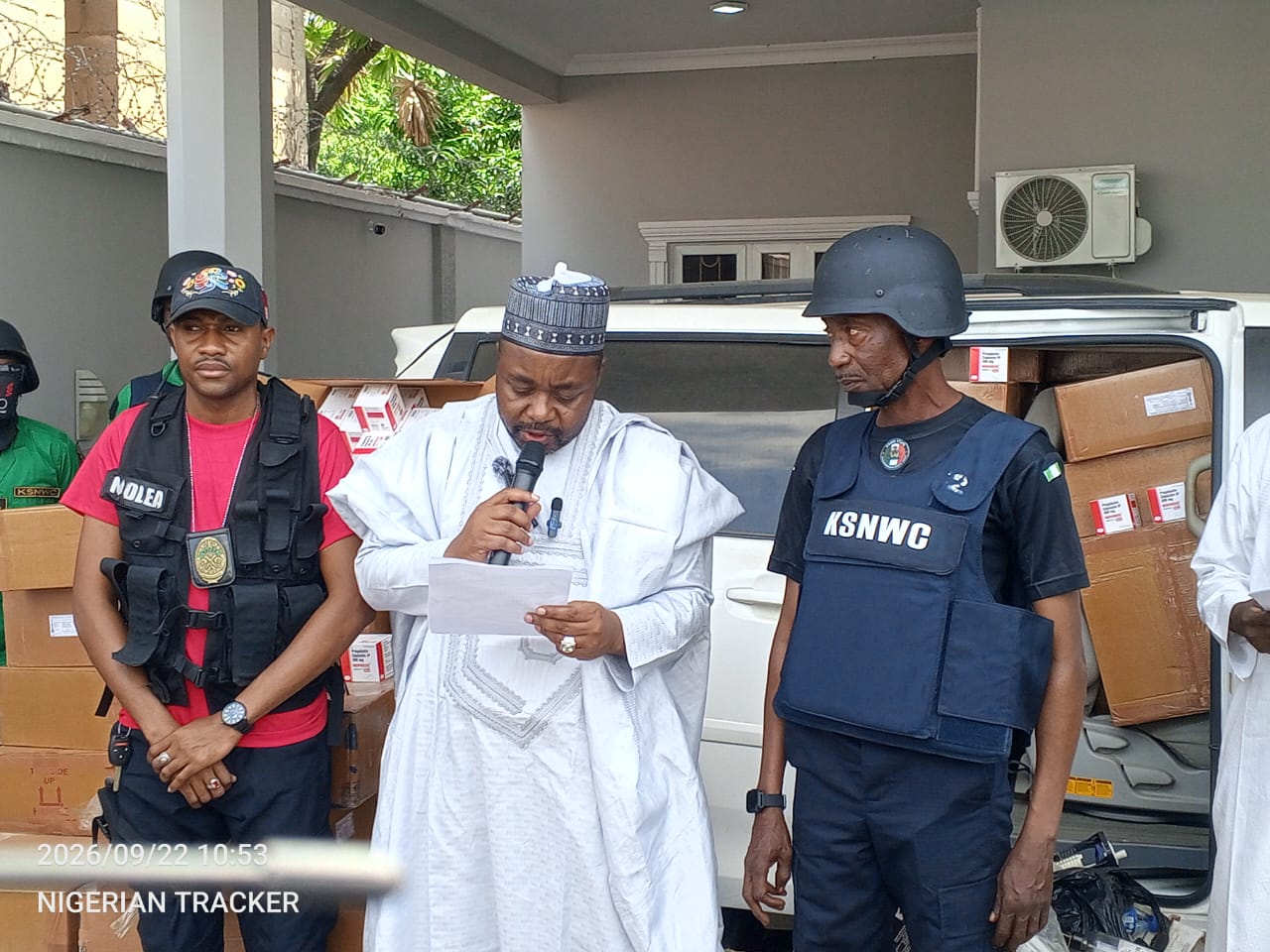
The Kano State Multi-Agency Task Force on Drug Abuse and Illicit Trafficking says it has arrested more than 380 suspects and secured over 230 convictions within two months of its inauguration, as part of intensified efforts to combat drug abuse, illicit trafficking, thuggery and other related crimes in the state.
Chairman of the Task Force, Barrister Muhuyi Magaji Rimin Gado, disclosed this on Tuesday,while briefing journalists on the activities and achievements of the committee since its inauguration on July 22, 2026. The task force was established as part of the Kano State Government’s response to substance abuse and drug-related criminal activities.
According to Rimin Gado, the committee has conducted a series of joint enforcement and dislodgment operations targeting drug joints, criminal hideouts and locations where youths allegedly gather to abuse illicit substances before engaging in activities including thuggery, phone snatching and other crimes.
Rimin Gado said the operations covered several identified black spots in Kano metropolis, including Race Course, Filin Idi, Filin Mahaha, Tashar Rami, Kawo and Tashar Rimi, among other locations.
The Task Force chairman said the operations resulted in the arrest of more than 380 suspects and the recovery of assorted substances, including Cannabis Sativa, Exol-5, Diazepam, Pentazocine injection, Tramadol, Pregabalin capsules, Rubber Solution and other substances identified by the task force as being abused illicitly.
He said the committee also recovered locally made weapons from some of the locations, including knives, cutlasses, daggers, clubs and other offensive weapons allegedly used by suspected drug dealers and members of criminal groups.
Rimin Gado said the recovery of the weapons was significant because some of the suspects allegedly used them to intimidate residents, commit crimes and resist arrest during enforcement operations.
The Task Force chairman also disclosed that about 870,000 capsules of Pregabalin were seized from a pharmaceutical company in the state over suspected diversion of the controlled substance for illicit use.
According to Rimin Gado, the circumstances surrounding the discovery raised concerns about compliance with federal and state regulations governing pharmaceutical warehouse operations and the distribution of controlled medicines.
He therefore called on pharmaceutical companies, pharmacy managers, superintendent pharmacists and other personnel in the pharmaceutical supply chain to strengthen their internal controls and ensure that controlled medicines do not find their way into illicit markets.
Rimin Gado warned that the Task Force would investigate anyone found culpable in the diversion of controlled drugs, stressing that legitimate pharmaceutical businesses must cooperate with inspections and inquiries.
The chairman further disclosed that more than 230 convictions had already been secured from cases handled by the Task Force since its inauguration.
He cited the conviction of two men, Kabiru Isa, popularly known as Mada, and Usman Hamisu, also known as Mani, over their alleged involvement in exposing 43 underage children to intoxicating substances.
The two men were previously reported to have been sentenced by Magistrate Muhammad Alhaji Sani of Magistrate Court No. 44, Gwammaja, Kano, after being convicted of offences including criminal conspiracy, membership of an unlawful society and administering intoxicating substances.
Rimin Gado said the 43 children, many of whom were involved in street scavenging, were allegedly supplied with Rubber Solution and other intoxicating substances instead of being properly paid for their work.
He said the children had been rescued and subjected to medical examinations, counselling and treatment, while efforts were ongoing to trace their families.
The chairman said some of the children’s families had already been identified and reunited with them, while the rehabilitation and reintegration process for others was continuing.
Rimin Gado also disclosed what he described as a landmark case involving alleged illegal administration and distribution of Pentazocine.
According to him, the Task Force acted on a complaint concerning the alleged administration of Pentazocine to a 63-year-old woman by former Chairman of Rogo Local Government Area, Yahuza Musa.
He said the allegation was further corroborated by a 24-year-old man who claimed to have spent more than N10 million and a plot of land to purchase the same injection from the former local government chairman.
Rimin Gado said the former chairman had subsequently been charged before a competent court, where the case remains pending.
The chairman said the Task Force had also intensified its campaign against the activities of criminal gangs popularly referred to as Daba, with several suspected gang members arrested and convicted.
Rimin Gado identified some of those convicted as Abdullahi Ahmad, popularly known as Horror; Abubakar Sada, also known as Daburi; Abdullahi Sani, known as Sarki Ale; and Umar Aliyu, among others.
He said some suspected gang members had used social media platforms to allegedly glorify or encourage thuggery and violence, adding that the Task Force would continue to pursue individuals involved in such activities.
Rimin Gado said the convictions were intended to demonstrate that drug abuse, gang activities and violent thuggery would be treated as criminal matters requiring enforcement and prosecution.
The chairman also announced a breakthrough in the investigation of a phone-snatching syndicate known as ‘Yan Liya, which allegedly uses commercial tricycles, popularly called Adaidaita Sahu or Keke Napep, to steal mobile phones from members of the public.
According to Rimin Gado, the Task Force arrested a suspect linked to the syndicate, secured his conviction and obtained the forfeiture of a tricycle allegedly used in the commission of the crime.
He said the suspect reportedly confessed that he could not count the number of phones allegedly stolen by the syndicate.
Rimin Gado further alleged that some owners of the tricycles used by the syndicate were aware of the criminal activities of their riders and sometimes demanded higher payments because of the proceeds generated from the illicit operations.
The chairman therefore urged members of the public to exercise caution when using commercial tricycles and warned owners against knowingly allowing their vehicles to be used for criminal activities.
He said the Task Force would pursue not only individuals involved in criminal activities but also the instruments allegedly used to commit the offences, including vehicles, where the law permits forfeiture.
Beyond arrests and prosecutions, Rimin Gado said the Task Force was combining enforcement with prevention, treatment and rehabilitation.
He said about 125 people had been referred to the Kano Reformatory Institute in Kiru for rehabilitation as part of efforts to address substance abuse as a problem requiring treatment and recovery rather than enforcement alone.
The Task Force had earlier announced plans to establish additional rehabilitation facilities and engage stakeholders in prevention and treatment programmes across the state.
Rimin Gado said the committee had also embarked on sensitisation programmes involving communities, religious institutions, schools, markets and other stakeholders to educate residents about the dangers associated with drug abuse.
The chairman said the growing demand for rehabilitation had placed significant pressure on the Kano State Reformatory Institute in Kiru, which he said had reached capacity.
According to Rimin Gado, Governor Abba Kabir Yusuf had provided an additional facility in Tofa Local Government Area to serve as an extension of the rehabilitation infrastructure.
He said the facility would be equipped and put into operation to accommodate people seeking treatment and rehabilitation, particularly as more families were voluntarily bringing relatives affected by substance abuse for assistance.
Rimin Gado said the broader objective of the intervention was to take 10,000 youths off the streets, rehabilitate them, provide skills acquisition opportunities and support their eventual reintegration into society.
He said the Task Force was engaging industrial stakeholders and other relevant organisations on strategies for creating employment and productive opportunities for youths who complete rehabilitation.
According to him, the objective is to ensure that rehabilitated youths return to their communities with useful skills and opportunities that can reduce the risk of relapse and re-engagement in criminal activities.
The proposed 10,000-person intervention is consistent with earlier statements by the Task Force that its strategy would combine enforcement with detoxification, rehabilitation, skills acquisition and economic reintegration.
Rimin Gado attributed the progress recorded by the Task Force to the cooperation among security, law enforcement, government and community-based institutions working under the multi-agency framework.
He specifically appreciated personnel from the National Drug Law Enforcement Agency, Nigeria Police Force, Department of State Services, Nigeria Security and Civil Defence Corps, Nigeria Customs Service, Nigerian Correctional Service, KOSSAP, Vigilante groups, Hisbah and KAROTA for their participation in the operations.
The chairman said the multi-agency structure was designed to reduce inter-agency rivalry and improve intelligence sharing, joint operations and coordinated responses to drug abuse and associated criminal activities.
Governor Abba Kabir Yusuf had, at the inauguration of the Task Force in July, directed the committee to coordinate intelligence gathering, enforcement, public enlightenment, rehabilitation and collaboration among relevant agencies.
Rimin Gado also acknowledged the contributions of non-governmental organisations, civil society groups, traditional institutions, religious organisations and the media to the campaign against drug abuse.
He appealed to residents to provide timely and relevant information to the Task Force and other security agencies on drug trafficking, criminal hideouts and activities that threaten public safety.
The chairman said the Task Force’s activities were in line with Governor Yusuf’s objective of achieving a drug-free Kano under his administration’s “Kano First Agenda.”
Rimin Gado expressed appreciation to Governor Yusuf for what he described as the political will and institutional support behind the establishment of the Task Force, saying the administration’s approach had brought several agencies together under a common framework to confront drug abuse, illicit trafficking and related criminal activities.
The Kano State Government inaugurated the multi-agency task force on July 22, shortly after the governor signed an executive order aimed at tackling substance abuse, thuggery and related criminal activities across the state.
The Task Force chairman said the committee would sustain its enforcement, prevention, rehabilitation and reintegration programmes, with the stated objective of making Kano safer while providing vulnerable youths affected by substance abuse with opportunities to recover, acquire skills and return to productive community life.
News
Uromi Killings: Human Rights Group Demands Explanation Over N6m Given to Kano Victims’ Families
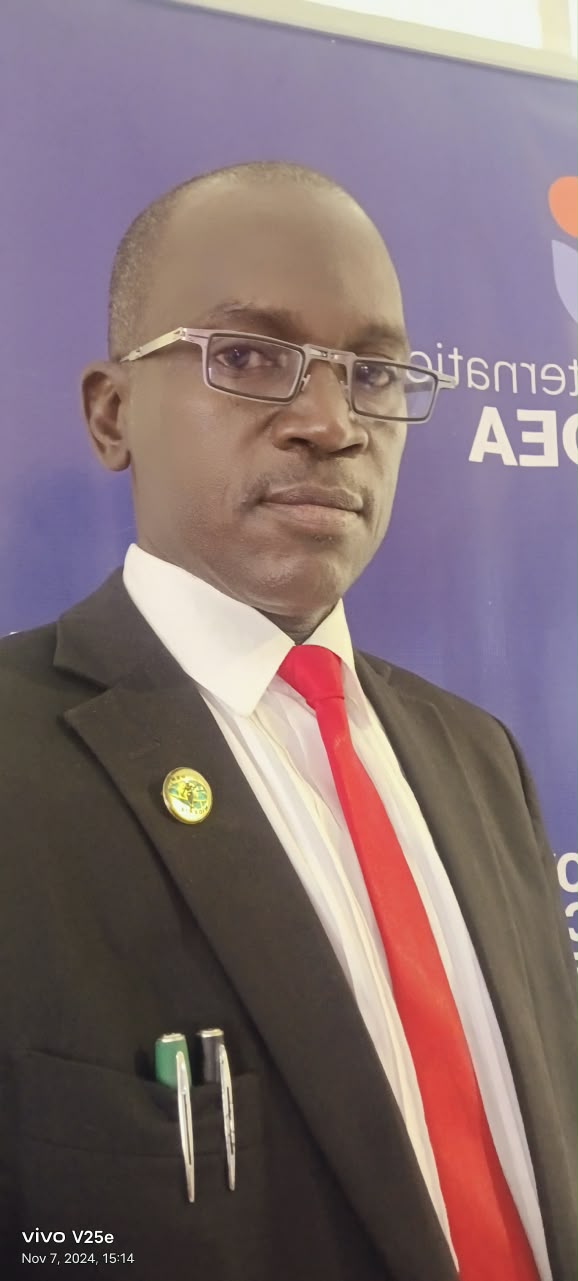
The International Human Rights Network has demanded clarification from the Kano State Government over the reported N6 million given to families of Kano hunters killed during the Uromi killings in Edo State.
The organisation wants Governor Abba Kabir Yusuf to explain whether the money was paid as compensation for the lives lost or was merely financial support to the bereaved families.
The coordinator of the International Human Rights Network, Comrade Haruna Ayagi, made the demand while addressing journalists in Kano, saying the families deserve transparency from the government on the nature and purpose of the payment.
Ayagi said the Kano Government should make the matter public and clearly communicate to the affected families whether the N6 million represents compensation, humanitarian assistance or another form of government intervention.
“We are drawing the attention of the government to be transparent. We want the government to do something and let it be open. They want an explanation of the N6 million given to them, whether it is compensation,” Ayagi said.
while those who sustained injuries were reportedly given N1.8 million each.
The human rights activist said the government should not stop at providing financial support but should also follow up with the Edo State Government and other relevant authorities regarding possible compensation for the victims.
Ayagi specifically urged Governor Yusuf to establish the status of any compensation or diya that may be due to the families of those killed, saying the victims’ relatives need clarity on what they should expect.
“It is not only the support we want. We want the Governor to follow up and track from the Edo State Government whether it is diya or support,” Ayagi said.
The coordinator also recalled that the Kano State Government had previously sent the Commissioner for Information to visit the affected families during Eid-el-Fitr, when relief materials and financial assistance were distributed.
According to Ayagi, the families were given bags of rice and cash support ranging between N250,000 and N350,000.
He said such assistance was appreciated but should not be confused with compensation for the lives lost, stressing that the government should state clearly what the N6 million represents.
Ayagi said the families of the deceased remained entitled to information about the steps being taken by the authorities to pursue justice and address the consequences of the killings.
One of the bereaved family members, Bala Dutse Ahmadu, said his son was among those killed in the Uromi incident and left behind 11 children who are now struggling to cope with life without their father.
Ahmadu said the financial assistance provided by the government had offered some relief to the family, but maintained that the support could not erase the consequences of losing a breadwinner.
“My son lost his life during the Uromi killings. He left 11 children. We are now in hardship since he left,” Ahmadu said.
He said the family appreciated the support received but insisted that compensation for the life lost had yet to be adequately addressed.
According to Ahmadu, the affected families are also seeking justice, saying the payment of financial assistance alone does not resolve the circumstances surrounding the deaths.
The International Human Rights Network therefore called on the Kano State Government to publicly clarify the N6 million payment and intensify its engagement with the Edo State Government and other relevant authorities on compensation and justice for the victims.

Zamfara Varsity ASUU Threatens Warning Strike Over FG-ASUU Agreement, Promotion Arrears

Kano Task Force Arrests 380 Suspects, Secures Over 230 Convictions in Two Months

Uromi Killings: Human Rights Group Demands Explanation Over N6m Given to Kano Victims’ Families

President Tinubu Adds Days to Working Vacation, Returns at Weekend

Court Adjourns El-Rufai’s N1 billion Suit Against ICPC, AGF, Police

95% of Governor Abba Kabir Yusuf’s Promises Have Been Fulfilled — CPS Interview By Musa Diso, In Kano

Bello Sharada: A Great Writer, A Bookish Soul, Gone Too Soon

Imam Jingir Sells Out, Deploys Muslim-Muslim Chants Minutes After ₦600 Million APC Windfall

NUT Launches ‘Go Public’ Campaign to Promote Public Education in Nigeria
Zamfara Varsity ASUU Threatens Warning Strike Over FG-ASUU Agreement, Promotion Arrears
Zamfara Varsity ASUU Threatens Warning Strike Over FG-ASUU Agreement, Promotion Arrears
Kano Task Force Arrests 380 Suspects, Secures Over 230 Convictions in Two Months
Uromi Killings: Human Rights Group Demands Explanation Over N6m Given to Kano Victims’ Families
President Tinubu Adds Days to Working Vacation, Returns at Weekend
Court Adjourns El-Rufai’s N1 billion Suit Against ICPC, AGF, Police
95% of Governor Abba Kabir Yusuf’s Promises Have Been Fulfilled — CPS Interview By Musa Diso, In Kano
Bello Sharada: A Great Writer, A Bookish Soul, Gone Too Soon
Imam Jingir Sells Out, Deploys Muslim-Muslim Chants Minutes After ₦600 Million APC Windfall
NUT Launches ‘Go Public’ Campaign to Promote Public Education in Nigeria
Zamfara Varsity ASUU Threatens Warning Strike Over FG-ASUU Agreement, Promotion Arrears
-

 Opinion5 years ago
On The Kano Flyovers And Public Perception
-

 Features5 years ago
How I Became A Multimillionaire In Nigeria – Hadiza Gabon
-

 Opinion6 years ago
Kano As future Headquarters Of Poverty In Nigeria
-

 History5 years ago
Sheikh Adam Abdullahi Al-Ilory (1917-1992):Nigeria’s Islamic Scholar Who Wrote Over 100 Books And Journals
-

 Opinion5 years ago
My First Encounter with Nasiru Gawuna, the Humble Deputy Governor
-

 History5 years ago
The History Of Borno State Governor Professor Babagana Umara Zulum
-

 History5 years ago
The Origin Of “Mammy Market” In Army Barracks (Mammy Ochefu)
-

 News4 years ago
Federal University Of Technology Babura To Commence Academic Activities September