
News
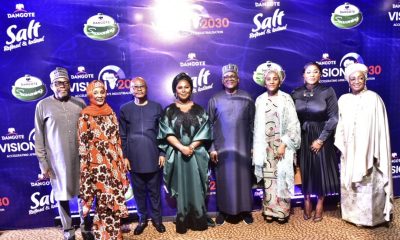
NULGE Mourns Elder Statesman Alhaji Aminu Dantata
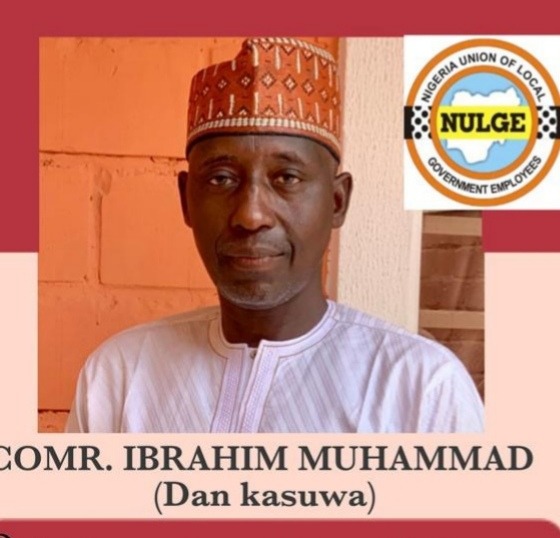
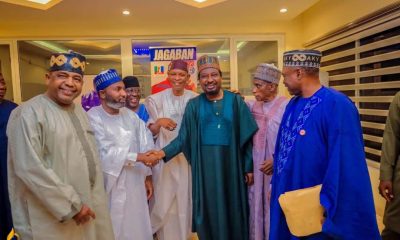
The Kano State Chapter of the Nigeria Union of Local Government Employees (NULGE) has expressed its deepest sorrow and sadness over the death of the Kano based business mogul, Alhaji Aminu Alhassan Dantata.
This was made known in a statement issued by the State Union chairman, Comrade lbrahim Muhammad (aka Dankasuwa) while extending condolance to deceased family.
Comrade lbrahim Muhammad described late Aminu Dantata the as a , magnanimous, humble, considerate, helpful confidential and polite who spent his life time in given out his wealth to charity.
He maintained that the monumental loss which came at a time when the deceased’s support was highly needed and created a huge void that would be difficult to fill as people like Dr Aminu Alhassan Dantata are few within the larger community.
The statement prayed that his family will continue with his legacies from where he stopped in assisting the less privileged irrespective of their regional, ethinic, religious, or political inclinations.
It is also prayed that his positive actions will over weight his errors and Almihty Allah in his infinite mercy make Aljannahtul firdausi his final abode.









News
Reclaiming Kano From Tiktokers,Social Media Deviants And Sojojin Baka
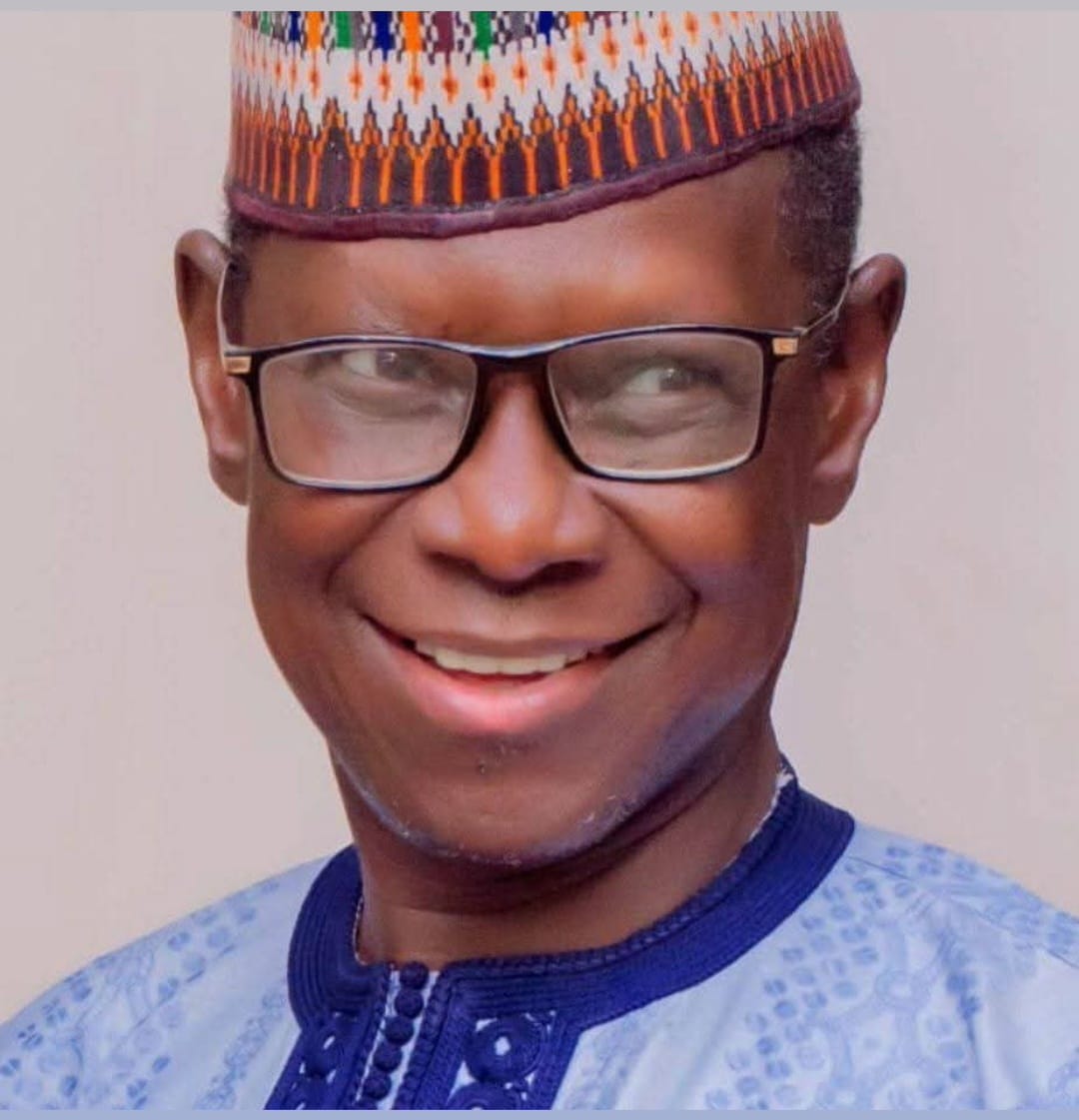
By Baba Dantiye, MON, mni, FNGE
Kano occupies a special place in the history, culture and intellectual development of Northern Nigeria. It is a society whose identity has been shaped over centuries by commerce, scholarship, religion, enterprise, community solidarity and an enduring tradition of respect for human dignity. Its people have long been recognised for their industry, hospitality, religious consciousness and appreciation of social values. From the ancient city walls to the bustling markets, from the traditional institutions to the centres of Islamic learning, Kano has cultivated a reputation that generations have worked hard to preserve.
It is against this background that the changing character of public discourse in the state should concern every well-meaning citizen. The growing misuse of social media, particularly by individuals who appear to have mistaken freedom of expression for freedom to insult, intimidate, blackmail, ridicule and destroy the reputations of others, presents a challenge that deserves serious attention. The phenomenon is not peculiar to Kano, but its implications for a society with such a rich cultural and religious heritage make it particularly important.
What should make this development even more concerning is the possibility that, if left unchecked, the trend could spread further across Northern Nigeria, with potentially damaging consequences for our social, cultural and religious values. Kano, as one of the region’s most influential centres of commerce, scholarship, religion and public discourse, has a responsibility to lead by example. We cannot afford to allow a culture of online abuse, character assassination, misinformation and reckless public commentary to become normalised across our communities. What begins as a disturbing trend in one society can easily become a wider regional challenge if responsible citizens and institutions fail to act.
The emergence of TikTok, Facebook, Instagram, X, YouTube and other digital platforms has fundamentally transformed how people communicate, exchange information and participate in public affairs. These platforms have opened extraordinary opportunities for education, business, creativity, journalism, political participation and social mobilisation. Young people who previously had limited access to traditional media can now communicate their ideas to audiences across the world. Small businesses can advertise their products, talented individuals can showcase their abilities, and citizens can draw attention to issues requiring public intervention.
There is therefore no justification for treating social media itself as the enemy. The problem is not the technology but the behaviour of some of those using it. A smartphone does not confer wisdom, a large following does not establish credibility, and the ability to produce a viral video does not automatically make its creator an authority on public affairs. The same platforms that can be instruments of education and development can also become channels for misinformation, harassment, character assassination and social division.
What is increasingly disturbing is the emergence of individuals who appear to have built their online identities around provocation, abusive language, manufactured controversies and the deliberate humiliation of others. Some have turned public insults into entertainment and the destruction of reputations into a means of attracting followers and generating income. Others seem to regard every public institution, traditional ruler, religious leader or prominent citizen as a legitimate target for ridicule, regardless of the truth, context or consequences of their publications.
In our local parlance, the expression “Sojojin Baka” captures a particular dimension of this behaviour: individuals who are quick to issue verbal attacks, make sweeping allegations and wage battles through their mouths or keyboards, often without accepting responsibility for the consequences. Constructive criticism is an essential component of a healthy society, but reckless allegations, threats, intimidation and deliberate falsehoods cannot be defended merely by describing them as activism.
There is also a more troubling dimension that deserves investigation. It is reasonable to ask whether some of the individuals who engage in coordinated online attacks are acting entirely on their own or whether some are sponsored, encouraged or protected by powerful political, economic or other interests. Where evidence establishes that individuals or organisations finance, commission or instigate unlawful online activities, they should not imagine that their distance from the actual publication automatically places them beyond accountability. Those who sponsor misconduct must be prepared to answer for their own actions under the law. Political influence, financial resources and social connections should not confer immunity.
This is not an argument against organised political communication, advocacy or the right of citizens to mobilise around causes they believe in. It is a warning against the deliberate financing and deployment of online abuse, intimidation, falsehood and character assassination as instruments of political or personal warfare. Kano deserves political competition based on ideas, records, policies and performance, not a contest in manufactured outrage.
Perhaps the most important consideration is that Kano is a deeply religious society. Our moral and social values did not begin with the arrival of the internet, smartphones or social media applications. They were taught in our homes, schools, neighbourhoods and religious institutions long before many of us knew that such technologies would exist. Respect, restraint, truthfulness, good neighbourliness, protection of human dignity and consideration for the common good are principles that have traditionally guided our relationships.
Our religious teachings place considerable emphasis on the responsibility attached to speech, the avoidance of falsehood, the protection of other people’s dignity and the consequences of causing harm. These principles should remain our guiding compass in the digital space. We cannot claim to be a religious and culturally conscious people in our homes and communities, only to abandon those values when we pick up our phones. The internet should not become a licence to suspend the discipline and moral responsibility that define our identity.
The responsibility for addressing this challenge cannot, however, rest entirely on individual users. The owners and operators of the platforms must also accept their obligations. Meta Platforms, which operates Facebook, Instagram and Threads; TikTok; X; and Google, through YouTube, have become influential participants in the information environment in which Nigerians live and conduct their affairs.
These companies benefit commercially from the enormous engagement generated by Nigerian users. They must therefore demonstrate that they take seriously the safety, dignity and rights of the people whose activities generate value for their businesses. Their community standards, complaint mechanisms, content moderation systems and procedures for dealing with harassment, threats, impersonation, non-consensual disclosure and other harmful content must be accessible, responsive and effective. Particular attention must be paid to the protection of children and young people. Platform operators should not enjoy the commercial benefits of operating in Nigeria while treating the protection of Nigerian users as an afterthought.
Nigeria has laws and regulatory organisations responsible for regulating activities in the digital environment, promoting responsible conduct and protecting citizens’ rights, privacy and other legitimate interests. These provisions and institutions should be effectively implemented and properly coordinated to ensure that digital platforms operate responsibly and that users are protected against abuse, exploitation and unlawful conduct. The courts also have an important role in ensuring justice, protecting individual rights and holding offenders accountable, while safeguarding the constitutional right to freedom of expression. Legitimate criticism of government, public officials, traditional institutions and public policies must never be confused with abuse, intimidation or deliberate falsehood.
Within Kano, our own institutions also have an important role to play. The Hisbah Board, the Sharia Commission and the Shura Commission can contribute, within their respective responsibilities, to promoting moral values, social discipline, responsible behaviour and respect for the dignity of others. Their roles should complement the efforts of families, religious leaders, traditional institutions, schools and other stakeholders in encouraging citizens, particularly young people, to appreciate that good conduct and moral responsibility do not end when they enter the digital space.
For Kano State, the response should be constructive, educational and firmly grounded in the law. Government should consider a comprehensive digital citizenship and responsible social media awareness programme involving schools, universities, religious institutions, traditional councils, youth organisations and the media. Young people should be encouraged to use their digital skills for innovation, entrepreneurship, education, public enlightenment and the promotion of Kano’s cultural heritage.
Traditional rulers and religious leaders have important roles in reinforcing values of responsible communication. Parents and teachers must pay greater attention to the digital activities of children and young people, not necessarily through excessive restrictions but through guidance, supervision and education. The media should also strengthen its commitment to verification, professional ethics and responsible reporting, particularly in an environment where unverified information can spread rapidly.
Kano State Government should work within its constitutional and legal powers, collaborating with relevant federal institutions to improve digital literacy, facilitate reporting of unlawful conduct and promote responsible online engagement. Public officials and political actors must lead by example. They should demonstrate that disagreement does not require abuse and that political competition does not justify the destruction of personal reputations.
We must also resist the temptation to condemn an entire generation. Many young Kano residents are using social media productively, creating employment, promoting businesses, acquiring knowledge and showcasing their talents. They should be encouraged, supported and given opportunities to contribute to society. The objective is not to silence young people or deprive them of the benefits of technology. It is to help them understand that rights come with responsibilities and that digital citizenship requires the same discipline expected of citizens in the physical world.
Ultimately, reclaiming Kano is not about reclaiming it from technology, young people or legitimate dissent. It is about reclaiming the values that have sustained our society and ensuring that the digital age strengthens rather than diminishes them. It is about restoring respect to public conversation, truth to public information, responsibility to political engagement and dignity to human relationships.
Kano must not surrender its rich intellectual, cultural and religious heritage to the temporary excitement of viral videos, online insults and manufactured controversies. We must embrace innovation without abandoning our identity, encourage freedom without celebrating irresponsibility and promote criticism without legitimising character assassination.
The challenge before us is therefore collective. Government must act within the law, regulatory organisations must discharge their responsibilities, platforms must be accountable, the courts must uphold justice, our moral and religious institutions must provide guidance, and citizens must exercise their freedoms responsibly. Those who sponsor unlawful conduct must understand that influence is not immunity, just as those who publish it must understand that a digital footprint can carry real-world consequences.
The future of Kano must be built on knowledge, enterprise, responsible citizenship and respect for the common good. We should bequeath to the next generation a society in which technology expands opportunities, public discourse enriches understanding and freedom is exercised with wisdom.
That, in the final analysis, is what reclaiming Kano should mean.
Baba Dantiye, MON, mni, FNGE
Former Commissioner for Information and Internal Affairs, Kano State
Former President, Nigerian Guild of Editors (2003–2008)
News
Kwankwaso Accuses Kano Governor Abba of Using EFCC to Intimidate Him, Block NDC Candidate
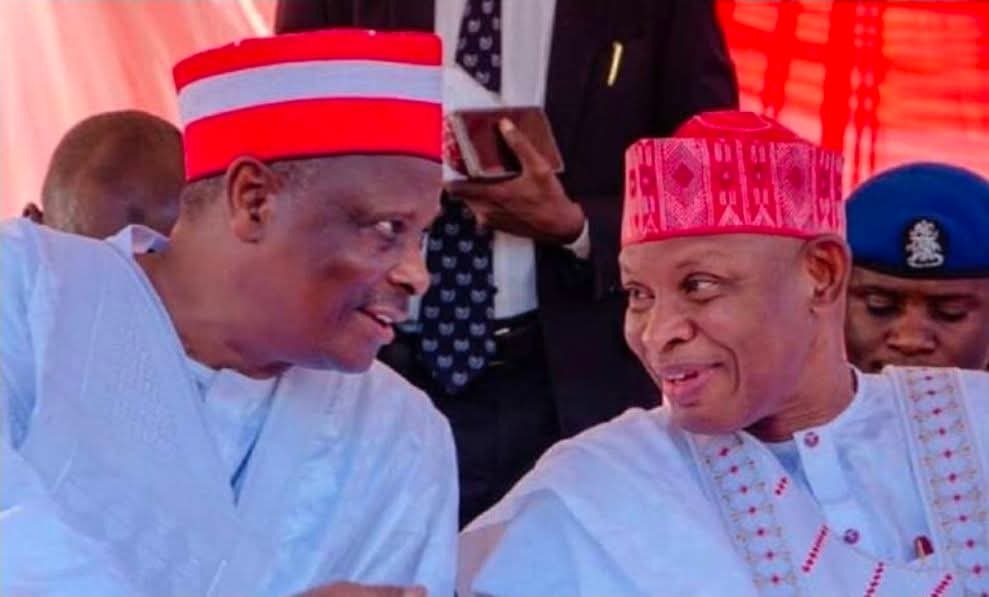
Former Kano State Governor and New Nigeria Democratic Congress (NDC) vice-presidential candidate, Senator Rabiu Musa Kwankwaso, has accused Governor Abba Kabir Yusuf of allegedly using the Economic and Financial Crimes Commission (EFCC) to intimidate him and damage his reputation ahead of the 2027 general elections.
Kwankwaso also accused the governor of allegedly attempting to manipulate institutions, including the Independent National Electoral Commission (INEC) and the judiciary, to prevent the Kano State NDC governorship candidate, Comrade Aminu Abdussalam, from participating in the 2027 elections.
The former governor made the allegations in a statement published on his verified Facebook page, where he expressed concern over what he described as the alleged use of anti-corruption institutions for political purposes.
Kwankwaso recalled that Governor Abba Kabir Yusuf had served under him in several capacities, including as his Personal Assistant, Principal Private Secretary and Commissioner, before becoming the political movement’s preferred candidate in the 2019 and 2023 governorship elections.
He noted that Yusuf eventually won the 2023 governorship election through their collective political efforts, describing their relationship as one spanning 43 years.
According to Kwankwaso, the longstanding relationship and trust he had placed in the governor had regrettably been abused.
He alleged that the governor was determined to drag him and members of his family into public controversy by using government institutions, particularly the EFCC, to undermine the reputation he had built over nearly five decades in public service.
The former governor further claimed that Governor Abba had personally submitted a formal request to the EFCC several months ago, seeking an investigation against him.
Kwankwaso alleged that after the governor reportedly failed to secure the commission’s cooperation, he resorted to using an organisation identified as the Society for Anti-Corruption and Good Governance Initiative (SACGGI) to mount pressure on the anti-graft agency.
He claimed that the organisation was neither registered with the Corporate Affairs Commission (CAC) nor had any verifiable digital presence or formal relationship with the EFCC or the Independent Corrupt Practices and Other Related Offences Commission (ICPC).
According to him, the group was allegedly deployed to organise physical protests at the EFCC premises in an attempt to pressure the commission into taking action against him.
Kwankwaso also accused the governor and some members of his cabinet of allegedly using sections of the media to advance what he described as a campaign against his reputation through selective leaks and the amplification of information on public platforms.
He argued that the alleged actions were particularly concerning because they were taking place ahead of the 2027 general elections.
The NDC vice-presidential candidate maintained that the developments appeared calculated to distract attention from important political issues, undermine the credibility of his political camp and weaken its capacity to contest and win elections.
He warned that such political manoeuvres could further heighten tensions in Kano State and threaten the prevailing peace and security in the state.
Kwankwaso further alleged that the purported campaign was not limited to him but had extended to other political candidates, particularly the NDC governorship candidate in Kano State, Comrade Aminu Abdussalam.
He said Abdussalam was currently defending his governorship ticket before INEC and the courts, alleging that there were attempts to influence relevant institutions to prevent the publication of his name and ultimately stop him from contesting the 2027 governorship election.
According to Kwankwaso, the alleged move was intended to create an opportunity for Governor Abba Kabir Yusuf to contest the election unopposed.
The former governor, however, commended the EFCC for what he described as its professional handling of two previous invitations extended to him during his years in public service.
He expressed appreciation to the commission for maintaining its institutional procedures and exercising prudence in handling matters concerning him.
Reflecting on his public service record, Kwankwaso said he had maintained a clean record more than 11 years after leaving the Kano State Government, having served two full terms as governor between 1999 and 2003 and 2011 and 2015.
He also highlighted his previous positions in government, including 17 years in the civil service, Deputy Speaker of the House of Representatives during the aborted Third Republic, elected delegate to the 1994–1995 Constitutional Conference, Minister of Defence, Special Adviser to the President on Darfur, member representing the North-West on the Niger Delta Development Commission and member of the 8th Senate.
He urged younger politicians and serving public office holders to exercise caution in their conduct, warning that political power and public office were temporary.
“Public office is transient; those who live in glass houses should be careful about throwing stones,” he cautioned.
Kwankwaso also thanked members of the public who, according to him, had refused to be misled by what he described as efforts to tarnish his reputation, particularly those who had spoken in defence of his record and political achievements.
He insisted that his public record remained intact and that his achievements in public service spoke for themselves.
The former governor consequently called on political actors to respect the independence of government institutions and refrain from actions capable of undermining their credibility or eroding public confidence.
Kwankwaso further wishes Kano State and the Federal Republic of Nigeria continued peace and progress.
News
2027: After Clerics, Barau Mobilises 3,405 Traditional Rulers in Kano for Tinubu, Abba, Other APC Candidates
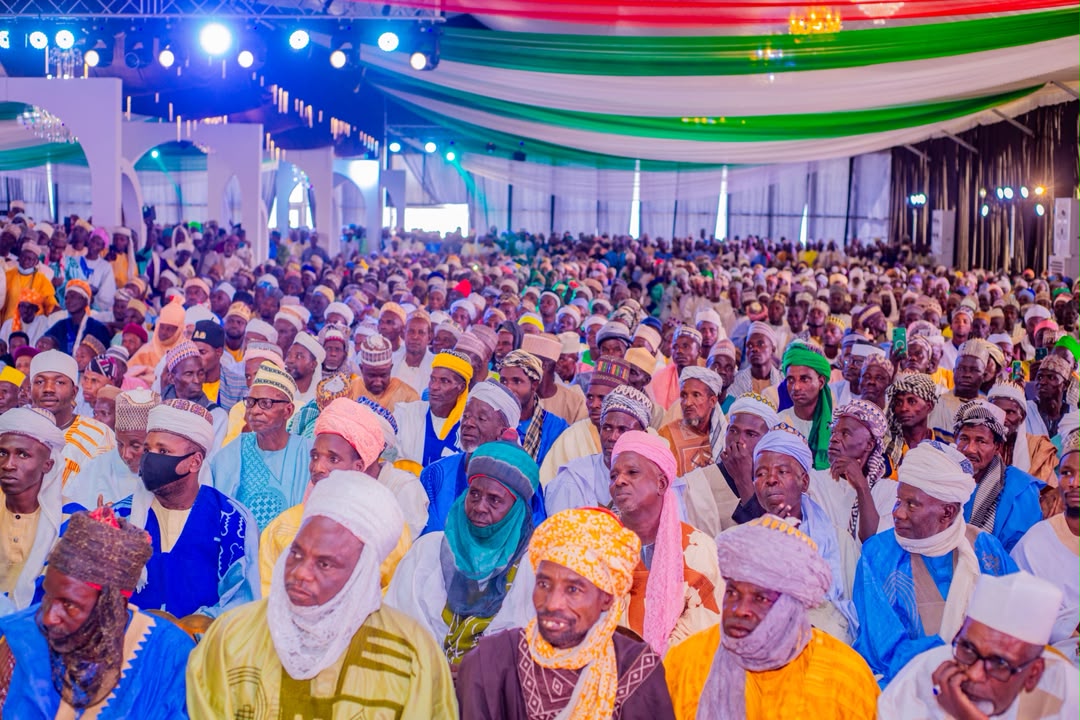
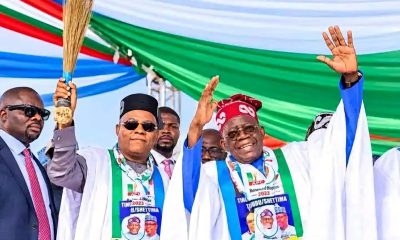
As part of his ongoing engagement with stakeholders across Kano North Senatorial District, the Deputy President of the Senate, Senator Barau I. Jibrin, on Thursday met with 3,405 traditional rulers, urging them to support and vote for President Bola Ahmed Tinubu, Governor Abba Kabir Yusuf, himself for re-election as Senator representing Kano North, and all other candidates of the All Progressives Congress (APC) in the 2027 general elections.
The meeting, held at the Ali Jita Event Centre in Kano, brought together 3,405 traditional rulers, comprising all the 3,032 ward heads, 347 village heads, and 26 representatives and secretaries of the district heads.
The engagement came barely 72 hours after Senator Barau rallied more than 2,000 Islamic clerics from the 13 local government areas of Kano North Senatorial District for President Tinubu and other APC candidates ahead of the 2027 general elections.
In the past months, the Deputy President of the Senate has intensified engagements with critical stakeholders across Kano North, reaching out to different groups with a common message and objective: support and vote for President Tinubu and all APC candidates in the 2027 general elections. APC from top to bottom.
In a statement by his Special Adviser on Media and Publicity, Ismail Mudashir, Senator Barau commended the traditional rulers for their invaluable contributions to grassroots development, describing them as indispensable partners in promoting peace, security and the wellbeing of the people.
He expressed profound appreciation for their cooperation, prayers and continued support, noting that traditional institutions remain closest to the people and understand their needs and challenges.
On security, the Deputy President of the Senate acknowledged the challenges confronting some communities in Kano North but expressed optimism over the improving situation through the collective efforts of security agencies and other stakeholders.
He said the decision of the Nigerian Army to deploy a battalion to Dambatta Local Government Area, in addition to existing security formations across the district, would strengthen security and safeguard lives and property.
Highlighting major electricity projects across the district, Senator Barau disclosed that the power projects in Bichi, Dawanau Market and Kwanar Kanye in Kabo would gulp over N130 billion.
“These projects may take time, but they will definitely turn around the economic fortunes of our senatorial district. I remember when I was in the House of Representatives between 1999 and 2003, similar power projects were attracted to Ogun State by the former President. Today, the state has become an industrial hub. We will get there in Kano North too,” he said.
He explained that the electricity projects, alongside the Federal University of Science and Technology (FUST), Kabo, Police Training School, Immigration Training School and Civil Defence Training School, would boost economic activities, create employment opportunities and accelerate development across the district.
In the health and education sectors, Senator Barau disclosed plans to transform the Bagwai and Kabo hospitals into major referral and teaching hospitals, with Kabo Hospital expected to serve as a teaching hospital for FUST, Kabo.
He also revealed plans to upgrade the Federal College of Education, Bichi, and Audu Bako College of Agriculture, Dambatta, into universities, subject to the lifting of the existing embargo on the establishment and conversion of tertiary institutions.
Ahead of the 2027 general elections, the Deputy President of the Senate urged the traditional rulers to encourage their subjects to support and vote for President Tinubu, Governor Abba, himself as Senator for Kano North Senatorial District and all APC candidates.
He noted that Governor Abba’s decision to join the APC had strengthened cooperation between the Federal and State Governments, positioning Kano to attract more Federal Government projects and development interventions in the next administration.
Speaking on behalf of the traditional rulers, the Village Head of Lakwaya in Gwarzo Local Government Area, Alhaji Idris Ado Lakwaya, said they attended the meeting with the approval of the Kano Emirate Council.
” We have the permission and approval of the Emir to attend this function. We thank the Deputy President of the Senate for his relentless efforts to address the challenges facing us, including insecurity,” he said.
** Barau Meets Kano North Fulani Association, Persons with Disabilities **
Meanwhile, the Deputy President of the Senate also met with members of the Kano North Fulani Association and associations of persons with disabilities at the Amani Event Centre in Kano as part of his ongoing consultations with stakeholders across the district.
Speaking at the meeting, former Senate Chief Whip, Senator Bello Hayatu Gwarzo, urged all to vote for President Tinubu, Governor Abba, Senator Barau and all APC candidates in the 2027 general elections.
Senator Gwarzo commended Senator Barau for his extensive engagement with stakeholders and different groups across the district.
” President Tinubu has already started well, and we are very optimistic that all his initiatives will bring the desired results that will benefit everyone. So, come out en masse and vote for him and all APC candidates from top to bottom. All these bogus promises by others (oppositions) will not take us anywhere. Let us support and vote for Mr President. He has good intentions for us,” he said.
In his remarks, Senator Barau reiterated his call for support for all APC candidates, urging the groups to mobilise their members and other residents to vote for the APC in the 2027 general elections.

Reclaiming Kano From Tiktokers,Social Media Deviants And Sojojin Baka

WHY I WILL VOTE FOR ABBA

Kwankwaso Accuses Kano Governor Abba of Using EFCC to Intimidate Him, Block NDC Candidate

2027: After Clerics, Barau Mobilises 3,405 Traditional Rulers in Kano for Tinubu, Abba, Other APC Candidates

A Moment in Time-Binta Spikin

Kano’s War On Drugs: How Barr. Muhyi’s Taskforce Is Changing The Game

Begging in Northern Nigeria: What Future Are We Preparing for Our Society?

NDC Deputy Governorship Candidate Gives Kano Information Commissioner 48-Hour Ultimatum Over Alleged Defamation

Bauchi Govt Suspends Emir over Alleged Misconduct, Inaugurates Probe Panel

Senator Kawu Sumaila Commends Kano Drug Task Force, Donates ₦5m to Operatives, Supports Rescued Children
Reclaiming Kano From Tiktokers,Social Media Deviants And Sojojin Baka
WHY I WILL VOTE FOR ABBA
Kwankwaso Accuses Kano Governor Abba of Using EFCC to Intimidate Him, Block NDC Candidate
2027: After Clerics, Barau Mobilises 3,405 Traditional Rulers in Kano for Tinubu, Abba, Other APC Candidates
A Moment in Time-Binta Spikin
Kano’s War On Drugs: How Barr. Muhyi’s Taskforce Is Changing The Game
Begging in Northern Nigeria: What Future Are We Preparing for Our Society?
NDC Deputy Governorship Candidate Gives Kano Information Commissioner 48-Hour Ultimatum Over Alleged Defamation
Bauchi Govt Suspends Emir over Alleged Misconduct, Inaugurates Probe Panel
Senator Kawu Sumaila Commends Kano Drug Task Force, Donates ₦5m to Operatives, Supports Rescued Children
-

 Opinion5 years ago
On The Kano Flyovers And Public Perception
-

 Features5 years ago
How I Became A Multimillionaire In Nigeria – Hadiza Gabon
-

 Opinion6 years ago
Kano As future Headquarters Of Poverty In Nigeria
-
 History6 years ago
Sheikh Adam Abdullahi Al-Ilory (1917-1992):Nigeria’s Islamic Scholar Who Wrote Over 100 Books And Journals
-
 Opinion5 years ago
My First Encounter with Nasiru Gawuna, the Humble Deputy Governor
-
 History5 years ago
The History Of Borno State Governor Professor Babagana Umara Zulum
-
 History6 years ago
The Origin Of “Mammy Market” In Army Barracks (Mammy Ochefu)
-
 News5 years ago
Federal University Of Technology Babura To Commence Academic Activities September