
News
State of Emergency in Zamfara State Urgently Needed, Say Coalition of Arewa Media Activists
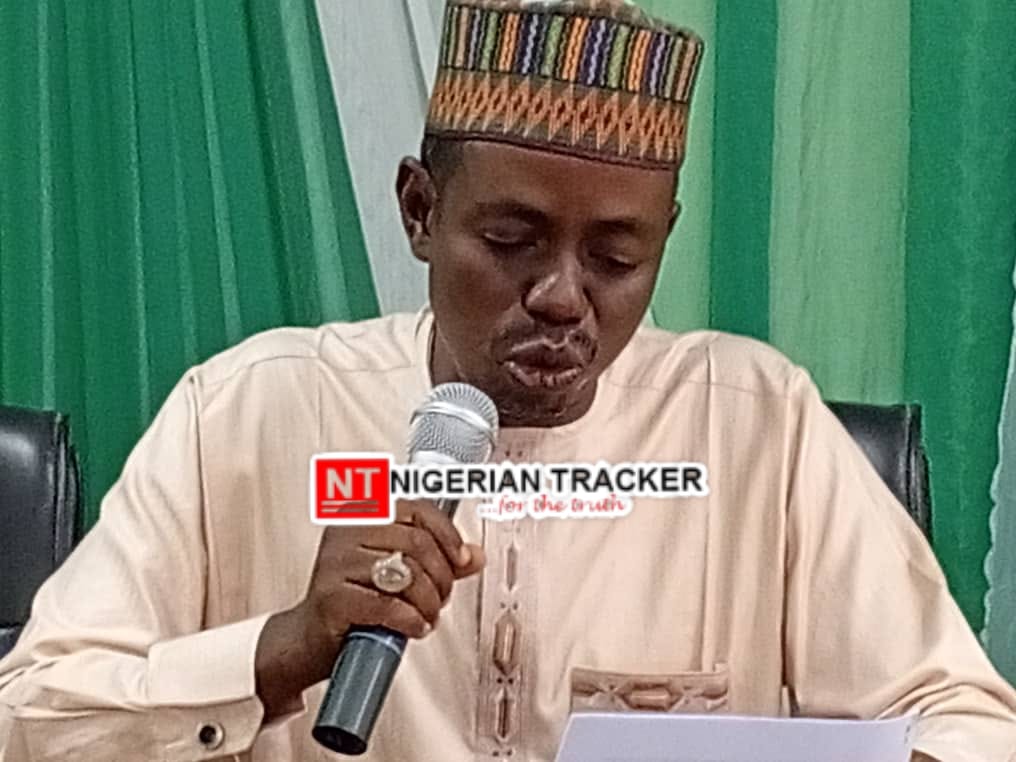
In a stern communique issued by the Coalition of Arewa Media Activists, including Nigerian Tracker,signed by Ibrahim Muazzam on Saturday , October 28, 2023, the dire security situation in Zamfara State was brought to the forefront, with the coalition deeming it necessary to address the escalating crisis and propose a solution.
The coalition, comprised of concerned media activists, made a comprehensive assessment of the security challenges in Zamfara State over the last three months, and the consensus was that the situation had worsened considerably, with recurring incidents of kidnapping, mass killings, and banditry. These issues have resulted in the loss of numerous lives, crippled the state’s economy, and obstructed any meaningful development.
The communique read by Ibrahim Muazzam at Kano Press centre said the coalition underscored that the responsibility for the escalating crisis lay primarily with the administration of Governor Dauda Lawan.
They accused the administration of displaying a lack of responsiveness, negligence, and a callous attitude toward addressing the security challenges. Furthermore, the coalition alleged that the governor was engaging in political gamesmanship, unfounded allegations against the federal government, and unnecessary vendettas against his predecessor, all of which diverted attention from the urgent security matters.
Moreover, the coalition pointed out that the federal government had made several efforts through the Ministry of Defense to foster collaboration and enact effective measures to tackle the worsening security situation in Zamfara State. However, they noted that these attempts were often obstructed and undermined by the state government without justifiable reasons.
One particularly distressing incident highlighted by the coalition was Governor Dauda Lawan’s foreign trip when female students of the Federal University Gusau were abducted. While the federal government promptly launched a rescue mission through its security agencies, the state government’s response was notably absent, signifying a lack of responsive leadership and commitment to safeguarding the lives and properties of Zamfara’s residents.
The coalition concluded that Governor Dauda Lawan’s focus appeared to be more on political vendettas and discrediting others than on the welfare and security of the state. They warned that such an approach by the state government would result in devastating consequences and unparalleled distractions within the state.
Consequently, the coalition made a fervent call to the President of the Federal Republic and the federal legislature to consider declaring a state of emergency in Zamfara. They deemed this necessary because, in their view, effective security measures were unattainable without an able and cooperative leadership in the state. Cooperation and synergy with the federal government and other stakeholders were seen as imperative to combat the security challenges effectively. The coalition urged the federal authorities to prioritize the state’s welfare over political considerations and take decisive action to prevent Zamfara from descending into further calamity and unprecedented disaster










News
BREAKING: El-Rufai Released Following Mother’s Death, Son Alleges Unlawful Detention
By Yusuf Danjuma Yunusa
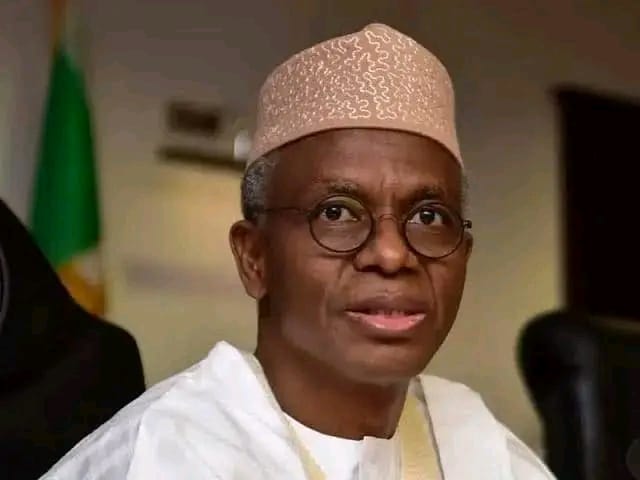
Nasir El-Rufai, the former governor of Kaduna State, has returned home after what his family describes as a period of detention, just in time for the funeral of his late mother.
His son, Bashir El-Rufai, confirmed the development in a post on X (formerly Twitter), stating that his father had been released. Bashir characterized the detention as “unlawful and illegal,” and directed sharp criticism at the agency involved, referring to it as “one of the most corrupt agencies in the Federal Republic of Nigeria that is a lame excuse of a pathetic institution.”
The former governor had reportedly presented himself to the Economic and Financial Crimes Commission (EFCC) on February 16 for questioning. According to Bashir’s account, El-Rufai was held by the commission until his release prior to the funeral.
News
Breaking:Kano Deputy Governor Resigns
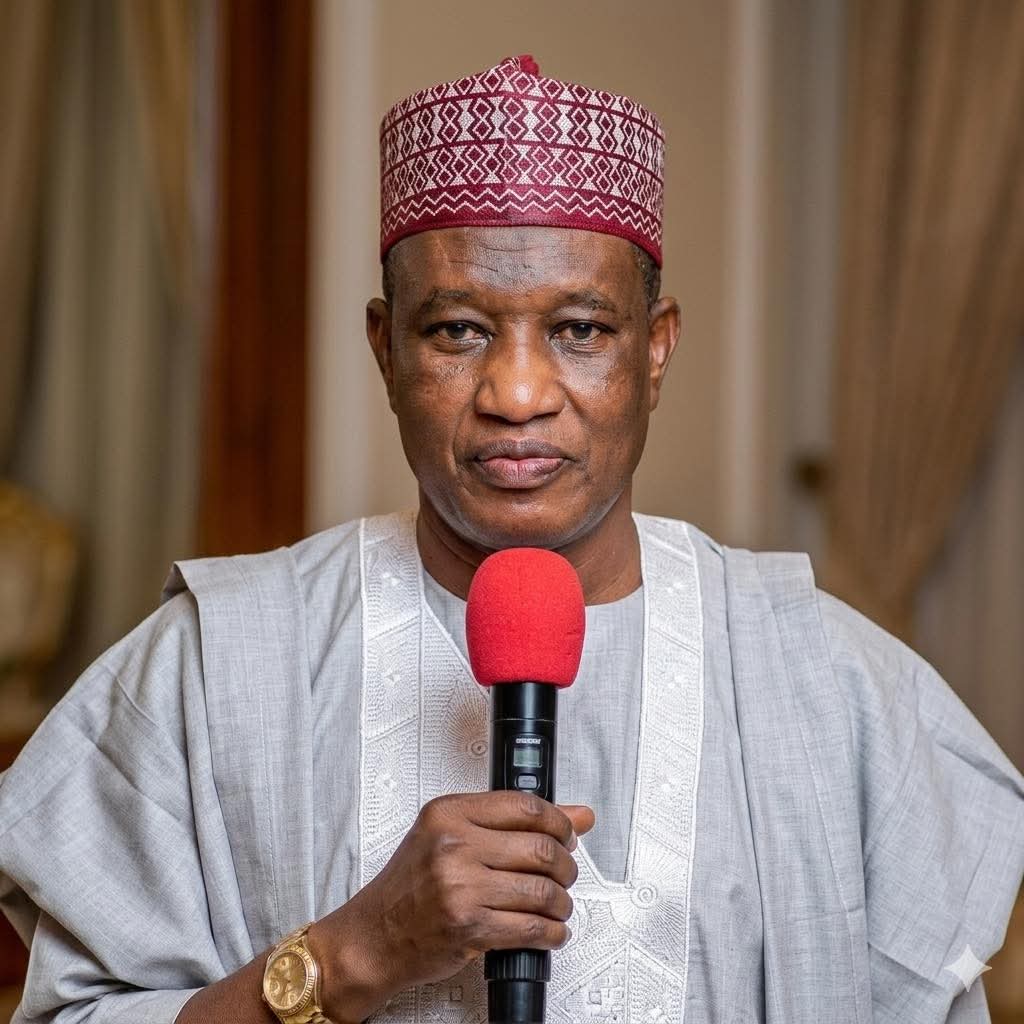
The Kwankwasiyya Movement has announced the resignation of the Deputy Governor of Kano State Comrade Aminu Abdulsalam Gwarzo, stating that the decision was formally communicated to the public in a press release issued on Friday and signed by its spokesperson, Dr. Habibu Sale Mohammed.
According to the statement, the resignation was taken “in the overall interest of the people and the stability of governance” in the state, with the movement noting that recent developments had significantly limited the Deputy Governor’s ability to fully discharge the responsibilities of the office.
The movement also addressed the ongoing issues involving the Kano State House of Assembly, emphasizing that the Deputy Governor’s decision to step down should not be interpreted as an admission of any allegations raised against him, and insisting that he continues to maintain his innocence.
Describing the move as one of “statesmanship,” the statement said the resignation was intended to reduce political tension and prevent further disruptions to governance and development efforts in Kano State, while demonstrating a commitment to peace and political maturity.
The Kwankwasiyya Movement further disclosed that the former Deputy Governor plans to redirect his focus toward strengthening the movement’s internal structures and strategies, particularly as political actors begin positioning ahead of Nigeria’s 2027 general elections.
The statement added that this renewed engagement would involve rebuilding party frameworks and pursuing strategic realignments aimed at promoting what it described as people-oriented leadership, social justice, and sustainable development.
The movement called on its supporters and residents of Kano State to remain calm, law-abiding, and committed to democratic principles, assuring the public that additional details regarding the resignation would be communicated in due course, according to the spokesperson.
Comrade Aminu Abdulsalam Gwarzo the Deputy Governor has been enmeshed in a political battle with his boss Governor Abba Kabir Yusuf since the Governor defected to the All Progressives Congress without the blessing of the NNPP National leader Senator Rabiu Musa Kwankwaso.
Recently the Kano state House of Assembly has issued Impeachment notice on Comrade Aminu Abdulsalam Gwarzo over allegation of corruption.
News
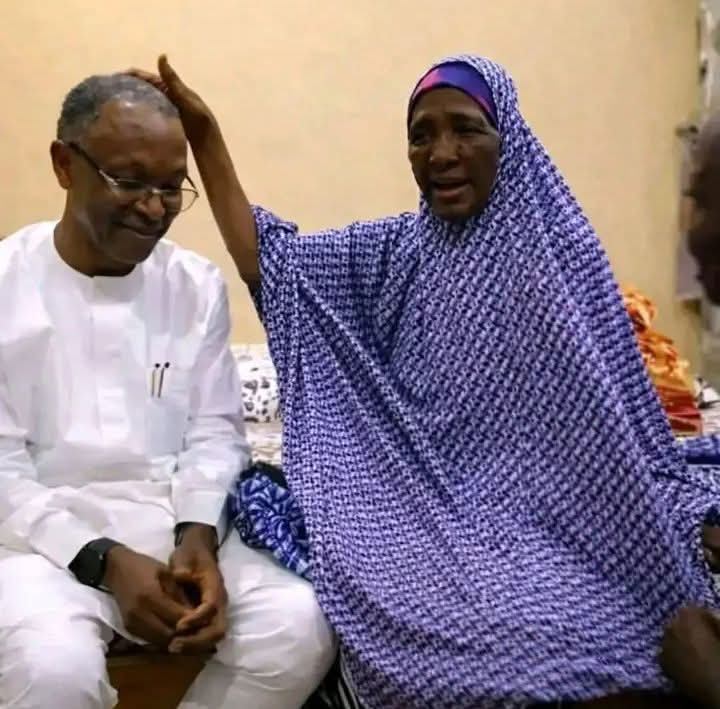
Hajiya Umma El-Rufai, Mother of Former Kaduna Governor, Passes Away
By Yusuf Danjuma Yunusa
Hajiya Umma El-Rufai, the mother of former Kaduna State governor, Mallam Nasir El-Rufai, has died.
According to family sources, she passed away on Friday afternoon. While details surrounding her death remain unclear at this time, the family has since confirmed the sad event.
The announcement was made public by her grandson, Bello El-Rufai, in a statement shared on Facebook. The statement read:
“Inna lillahi wa inna ilayhi raji’un. From Allah SWT we came and to Him we shall all return.
I would like to inform the public of the demise of my grandmother, Hajiya Umma El-Rufai, who passed away a few hours ago.
She is the biological mother of our father, Mallam Nasir El-Rufai. We are grateful for the life she lived and pray that Allah SWT bless her gentle soul.
May He bless the souls of the parents we have lost. On behalf of our family, we seek your prayers. Thank you.”
The family is expected to release further details regarding funeral arrangements in due course.

APC National Convention : How DSP Barau Displays Political Sagacity, Deep Knowledge of Democracy Before President Tinubu, Others

BREAKING: El-Rufai Released Following Mother’s Death, Son Alleges Unlawful Detention

Breaking:Kano Deputy Governor Resigns

Hajiya Umma El-Rufai, Mother of Former Kaduna Governor, Passes Away

ASUU Threatens Nationwide Shutdown

The Governor Who Chose His People Over His Politics: Abba Yusuf and the Moral Courage Behind Kano First

FREEDOM OF SPEECH, NOT FREEDOM FROM CONSEQUENCE: A CITIZEN’S CALL FOR RESPONSIBLE PUBLIC COMMENTARY

Press Freedom: IPI Nigeria Calls on New Acting IGP to End Police Harassment of Journalists
Tinubu to Swear in Olatunji Disu as Inspector-General of Police on Wednesday
Restoring the Glory That Was Always There: Governor Abba Kabir Yusuf and the Historical Vision Behind Kano First
APC National Convention : How DSP Barau Displays Political Sagacity, Deep Knowledge of Democracy Before President Tinubu, Others
BREAKING: El-Rufai Released Following Mother’s Death, Son Alleges Unlawful Detention
Breaking:Kano Deputy Governor Resigns
Hajiya Umma El-Rufai, Mother of Former Kaduna Governor, Passes Away
ASUU Threatens Nationwide Shutdown
The Governor Who Chose His People Over His Politics: Abba Yusuf and the Moral Courage Behind Kano First
FREEDOM OF SPEECH, NOT FREEDOM FROM CONSEQUENCE: A CITIZEN’S CALL FOR RESPONSIBLE PUBLIC COMMENTARY
Press Freedom: IPI Nigeria Calls on New Acting IGP to End Police Harassment of Journalists
Tinubu to Swear in Olatunji Disu as Inspector-General of Police on Wednesday
Restoring the Glory That Was Always There: Governor Abba Kabir Yusuf and the Historical Vision Behind Kano First
-

 Opinion4 years ago
On The Kano Flyovers And Public Perception
-

 Features5 years ago
How I Became A Multimillionaire In Nigeria – Hadiza Gabon
-

 Opinion5 years ago
Kano As future Headquarters Of Poverty In Nigeria
-

 History5 years ago
Sheikh Adam Abdullahi Al-Ilory (1917-1992):Nigeria’s Islamic Scholar Who Wrote Over 100 Books And Journals
-

 Opinion4 years ago
My First Encounter with Nasiru Gawuna, the Humble Deputy Governor
-

 History5 years ago
The Origin Of “Mammy Market” In Army Barracks (Mammy Ochefu)
-

 History4 years ago
The History Of Borno State Governor Professor Babagana Umara Zulum
-

 News4 years ago
Federal University Of Technology Babura To Commence Academic Activities September