
Opinion
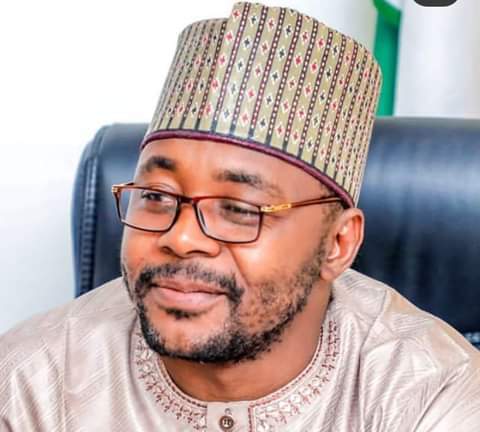
Kano Assembly :Making A Hero In Muhuyi Magaji
By Auwalu Abdulqadir
As the unfolding Drama between the Kano state House of assembly and the former chairman of Kano state public complaints and Anti-corruption commission continued, the general public has been awash with fallacies since a committee was constituted by the state assembly to investigate the so-called allegations being meted against Barrister Magaji while he was at the office.
The nitty-gritty of law-making requires experience devoid of political interference, but the legislature has thrown itself into futility and derails from its main function of making good laws which they were elected to do.
Now they have executed the main hatched job which they were scripted to do on behalf of the executive arm of government.
.Sometimes I wondered how scriptwriters work hard to film a whole movie into real-life stories to which the Kano legislature did a few months back as if My Boss Muhuyi Magaji Rimin Gado is their only legislative agenda in the third quarter of the year 2021.
From the committee, they set up in a closed-door meeting to suspension, then asking my boss to appear before them and then making the world believe that he falsified medical report, blab la bla.
Lawmakers are now making the most populous state in Nigeria a laughing stock in the eyes of the world.
The lawmaking body’s probe of Barrister Muhuyi revolves around one thing, that is the issue of posting an accountant to his office which led to suspension, then asking him to appear before them despite his health challenges and now recommending his removal which was the main goal of his detractors and those that don’t want to see the fight against corruption by my boss succeed in Kano.
Every individual in and around the world is much aware of a story uncovered by one of the investigative online media in Nigeria, The Daily Nigerian, and others on a plot to remove the most celebrated Anti-graft boss among the 36 states of the Federation.
The story on the plan to remove him went viral on the 27th of June 2021, and the Kano state legislature went Gaga the following week through diversionary tactics, and here is where we are that is the 26th of July recommending his final removal as the Anti Graft boss.
The reason why I said diversionary tactics was that the story broken on the 27th of June on a plot to remove Muhyi Magaji from his position has now come to reality.
They are now telling the public all sorts of stories through misleading information.
Now taken us back a little on how the scenario started, on June 27th Daily Nigerian and other online mediums carried the following story exactly as follows.
“’ Plot to remove the chairman of the Kano State Public Complaints and Anti-Corruption Commission, PCAC, Muhuyi Rimingado, has thickened as Governor Abdullahi Ganduje allegedly mounts pressure on the State Assembly to execute the hatchet the job.
Informed sources at the Assembly said that the governor wanted the legislators to remove the state anti-corruption commission boss for poke nosing into his family’s affairs.
“There is actually a plot, with the governor as arrowhead, to remove Muhuyi. Although the governor did not specifically state Muhuyi’s offense, he just wanted him out of that office.
“You know in the governor’s usual antics of pushing the legislature to take the bullet for him. Remember he did the same when he wanted to get rid of his former deputy, Hafiz Abubakar, and former Emir Muhammadu Sanusi II,” said a legislator familiar with the plot.
Hepatitis Day: 9 In 10 People Are Ignorant
On the possibility of executing the governor’s bidding, the lawmaker said majority members of the Assembly are rubber-stamps.
The crisis began early this month when Mr. Rimingado beamed his searchlight into the contracts allegedly awarded to companies linked to the governor’s family.
In a letter sighted with reference number PCACC/CM/OFF/VOL.1/071 dated June 10, 2021, and signed by the chairman of the commission, Muhuyi Rimingado, the commission requested the commissioner of the Ministry of Works to provide information relating to the construction of Cancer Center and the supply of diesel by the state government.
“In the exercise of its powers under Section 9 and Section 15 of the Kano State Public Complaints and Anti-Corruption Commission Law 2008 (as amended), the Commission is currently conducting an investigation which requires you to provide the following details:-
“(a) All documents relating to Cancer Centre
“(b) All documents pertaining to procurement of Diesel.
“(c) Any other information that will aid the Commission’s investigation.”
Credible sources told this newspaper that bulk diesel supply in government ministries, departments and agencies is allegedly the exclusive preserve of the first family.
It was gathered that the contract for the construction of the Cancer Centre, allegedly believed to be handled by a proxy of the first family, is undergoing a series of variations, which calls for concern of the commission.
The contract for the Cancer Centre was initially awarded at the cost of N2.4 billion but currently stands at over N5billion due to a series of variations.
It was gathered that there is alleged round-tripping in the diesel supply contracts, such that funds were allegedly released without the supply of the commodity.
Mr Rimingado, a lawyer, recently came under fire for his failure to investigate the governor’s corruption, particularly the dollar bribe-taking videos exposed by this newspaper in October 2018.
Efforts to speak with Mr Rimingado on his removal plan proved abortive as he barred incoming calls into his known telephone number.
A spokesman for the governor Abba Anwar did not pick our reporter’s calls, nor respond to a text message seeking the governor’s response on the matter’’
Daily Nigerian
The following week after 27th June Daily Nigerian and other publications were vindicated when the House suspended my boss from office without giving him a fair hearing.
The content of the above story is yet to be answered by the state legislature and July 27 is where we are that is recommending his removal by the assembly based on the following flimsy excuses.
If people like Timi the Law are alive and Human Rights lawyer Gani Fawehenmi, they will weep on how the law-making process in Nigeria has been bastardized by no one other than those who are supposed to uphold its sanctity and protect it.
Can we say we are in a paramilitary era where trump up charges are instituted on military officers by their military superiors just to get rid of certain individuals they are not pleased with by making them heroes of their own time?
Now people and expert jurists should look at this and see how the state assembly executed what it was set to do.
The report on that made Headlines on the removal of my boss goes as follows.
“ Kano State House of Assembly has today in its plenary session received a report of the House Adhoc Committee on the investigation of a petition received by the House from the office of the Accountant General of the State against Muhuyi Magaji esq.
The Adhoc Committee Chairman Umar Musa Gama presented the report before the Honourable House where the House deliberated and agreed on the recommendation of the Committee.
Among the recommendation as Stated by the Majority Leader Labaran Abdul Madari in a chat with journalists after the sitting includes;
That the House should recommend the immediate removal of Muhuyi Magaji esq by the State Government as the suspended Chairman of the Public Complain and Anti Corruption Commission as provided by Section 6 of the Anti Corruption Law 2010 as amended which provides that,
“The Chairman or any other member of the Commission appointed under this Law may at any time be removed from office by the Governor acting upon a resolution supported by simple majority of the members of the State House of Assembly, praying that he be removed from office for inability to discharge effectively the functions of his office or for any other reason.”
The Committee further recommends the arrest, investigation, and prosecution of Muhuyi Magaji esq for the offenses of forgery and presenting false information to public office under sections 262,363,364 and 161 of the penal code of Kano State as amended.
Similarly, the Committee recommends that the said Accountant staff on grade level 04 should be dealt with in accordance with Kano State Civil Service rules whereas the rejected Chief Accountant by the suspended Chairman should be directed to take over the affairs of the Account Department of the Commission.
Later the House set up an Adhoc Committee under the Chairmanship of the Deputy Speaker Zubairu Hamza Masu to investigate the financial dealings of the Commission from 2015 to date and to submit a report within three months.
As at today, the House of Assembly has not received a court order on this matter.
The above-itemized issues have shown how the house is making a mockery of the law, first by including an item that has never been a subject of their investigation, that is the so-called forgery they said he has committed when they made it mandatory that he must appear before them.
Now since chief executives are making a faux pass in dealing with the judiciary, the legislative arm of government has now followed suit, that is ignoring court orders, the court order was given three days to their sitting and despite the reportage by the press, in their resolution recommending his removal from the office they said they have not received any court order, lawmakers are now ignoring the law which is a pity for the growth and sustenance of democracy.
As the legislative arm of government is independent, one asks why will they not allow government agencies that are independent to discharge their responsibilities.
The reason why the PCACC has had many breakthroughs under the chairmanship of my boss was that he did his best to ensure that its independent and in the course of doing that the legislature was teleguided to use that in removing Barrister Muhuyi Magaji.
In order to justify their flimsy excuse in suspending and recommending the sack of Barrister Muhuyi, just because he wanted to assert the independence of the commission they cited the that he rejected an accountant sent to his office, an independent body acts independently and no one should raise an eyebrow.
With the unfolding scenario, the Kano state house of assembly has made a hero in Barrister Muhuyi Magaji Rimin Gado one of the celebrated Anti-corruption Czar.
The Yet to be answered Questions by the legislature
From the diversionary tactics of the legislature and to sweep things under the carpet during Barrister Muhyi’s Melodrama scripted by the lawmakers they once claim to have constituted another committee to investigate the finances of the commission,but nothing was heard from a mere mention.
Another gullibility they played with the people of Kano and other Nigerians was that since there was already a conspiracy to deal with him they went ahead to flout a court order restraining them from investigating him by a court of competent jurisdiction which made people to smell a rat in the pot of chickens,at the end, they have shown that they are their own judges.
Now they have made people to believe that Muhuyi Magaji’s fight against corruption is a nuisance to them and their pay masters.
The media is much aware how a committee was set up to scrutinize the finances of the commission and then later shifted the issue to the allegation of forgery and all was done without giving the accused a fair hearing.
The issue of forgery need to be proven beyond a reasonable doubt before condemning the person of Muhyi Magaji and in all the accusations he has never been allowed to prove his innocence what a pity
Auwalu Abdulqadir is the personal assistant to Barrister Muhuyi Magaji Rimin Gado
Opinion
Rabe Darma’s First 100 Days: Laying the Foundation for Nigeria’s Housing Renaissance
By Ahmad Danyaro
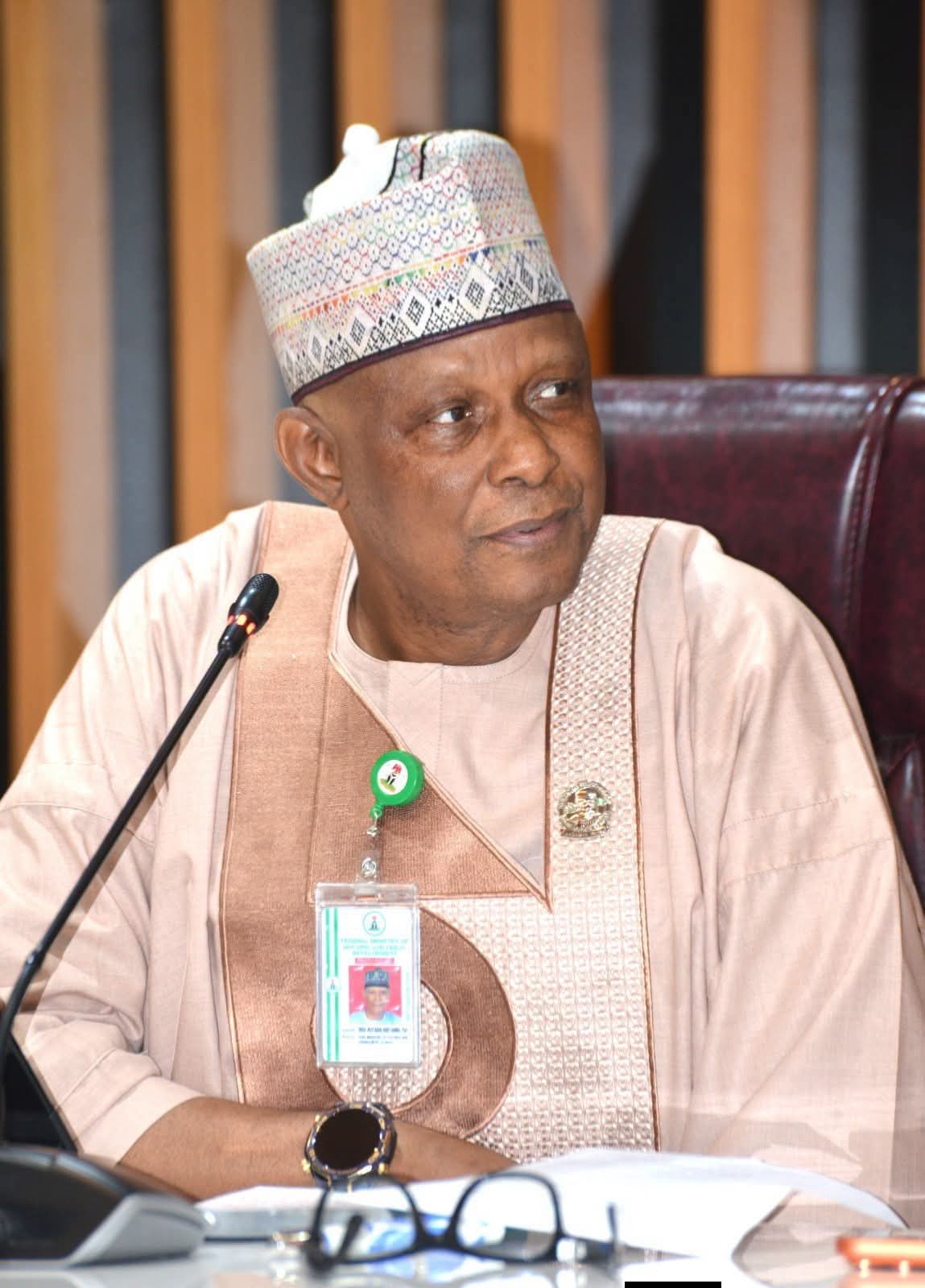
Housing is more than bricks and mortar. It is about dignity, economic opportunity, social stability, and national development. Countries that have transformed their housing sectors have not merely built homes; they have built systems that make homeownership accessible, urban development sustainable, and investments attractive. Nigeria has long struggled to achieve these ideals, but the first 100 days of Engr. Dr. Muttaqha Rabe Darma as Honourable Minister of Housing and Urban Development have offered encouraging signs that a new era may be unfolding.
Since assuming office on 27 April , Dr. Darma has approached Nigeria’s housing challenge with a clear understanding that lasting solutions require more than commissioning housing estates. Rather, they demand comprehensive reforms that address the structural barriers responsible for decades of inadequate housing delivery. His administration has focused on land administration, investment promotion, institutional coordination, industry regulation, and social inclusion—areas that form the bedrock of a sustainable housing sector.
One of the defining initiatives of his first 100 days is the proposed nationwide Social Housing Programme, designed to extend affordable housing to all 774 Local Government Areas of the federation. The programme represents one of the most ambitious efforts to decentralise housing delivery in Nigeria’s history. If effectively implemented, it has the potential not only to reduce the country’s huge housing deficit but also to stimulate local economies through construction activities, job creation, and infrastructure development.
Equally significant is the programme’s emphasis on social inclusion. By prioritising women, children, victims of insecurity, internally displaced persons, and communities affected by natural disasters, the Minister has demonstrated that housing policy must also serve as social policy. In a nation grappling with displacement caused by insecurity and climate-related disasters, such an approach reflects both compassion and strategic thinking.
Within his first 100 days, Dr. Darma has also underscored the indispensable role of private-sector participation in addressing Nigeria’s housing deficit. Recognising that government resources alone cannot meet the nation’s housing needs, he has actively engaged international investors and development partners. His discussions with Japan’s CHODAI Company Limited and other prospective partners signal Nigeria’s renewed commitment to attracting global expertise, innovative technology, and long-term financing into the housing and infrastructure sectors.
Across the world, successful housing programmes are anchored on strong Public-Private Partnerships. By assuring investors that Nigeria remains open for business and committed to creating an enabling environment, the Minister is laying the groundwork for increased investment capable of accelerating housing delivery and modern urban development.
Perhaps the most transformative aspect of his reform agenda is the renewed focus on land administration.
For decades, access to land has remained one of the greatest obstacles to affordable housing in Nigeria. Lengthy registration processes, insecure titles, bureaucratic bottlenecks, and ownership disputes have discouraged investment while placing homeownership beyond the reach of many citizens. Dr. Darma’s commitment to the Nigerian Land Titling, Registration and Documentation Programme (NLTRDP) represents a bold effort to tackle these long-standing challenges.
The proposed digitalisation of land records, deployment of Geographic Information Systems (GIS), electronic documentation, and the establishment of a more efficient land administration framework promise to improve transparency, shorten processing timelines, and restore confidence in land ownership. These reforms may not generate the excitement of housing commissioning ceremonies, but they are precisely the institutional changes capable of transforming the sector over the long term.
The Minister has also demonstrated commendable resolve in addressing the persistent challenge of building collapses through stronger regulation of Nigeria’s built environment. His insistence on ending quackery, enforcing professional standards, and strengthening regulatory oversight reflects a commitment to safeguarding lives and restoring confidence in the construction industry.
By advocating a coordinated regulatory framework involving all professional bodies and stakeholders, Dr. Darma is reinforcing the principle that sustainable development must be underpinned by professionalism, accountability, and strict compliance with building standards.
Institutional efficiency has equally featured prominently in his first 100 days. Through engagements with Federal Controllers of Housing across the federation, the Minister has emphasized improved project monitoring, stronger inter-agency coordination, and enhanced accountability in project execution. These administrative reforms may receive less public attention, but they are essential to translating policy into measurable outcomes.
Naturally, the true test of any administration lies not in policy announcements but in implementation. Nigerians have witnessed ambitious programmes in the past that faltered due to inadequate funding, bureaucratic delays, weak political will, or inconsistent execution. The reforms initiated during these first 100 days must therefore be sustained through transparency, measurable targets, stakeholder collaboration, and rigorous monitoring.Even so, the direction being charted deserves recognition.
For perhaps the first time in many years, national conversations on housing are moving beyond the mere construction of houses towards broader institutional reforms encompassing land governance, digital transformation, investment attraction, professional regulation, and inclusive urban development. This holistic approach aligns more closely with global best practices and recognises housing as both a social necessity and a catalyst for economic growth.
Housing remains one of the strongest multipliers in any economy. It drives manufacturing, construction, transportation, financial services, and numerous small businesses while generating employment across multiple sectors. A vibrant housing industry strengthens communities, improves living standards, and contributes significantly to national development.
In his first 100 days, Engr. Dr. Muttaqha Rabe Darma has outlined an ambitious roadmap for the sector. His priorities are becoming increasingly clear, and his early interventions suggest a willingness to confront some of the most difficult structural challenges that have hindered Nigeria’s housing development for decades.
The journey ahead will undoubtedly be demanding. Expectations remain high, resources are limited, and implementation will ultimately determine the success of these reforms. However, if the momentum generated during these first 100 days is sustained with consistency, professionalism, and accountability, Nigeria’s housing sector could be on the threshold of a genuine transformation.
For millions of Nigerians who still dream of owning a decent and affordable home, that is a vision worth supportingand one that deserves every opportunity to succeed.
Danyaro is a Media and Public Affairs Analysts based in Abuja.
Opinion
WARAKA: The Story of Kano Sexual Assault Referral Centre (SARC)

A Story by Nurse Ekwem Chinwendu Blessing (BNSC, RPHN, RM, RN)
I was out on my routine duty at Murtala Specialist Hospital for my ambulance service when I decided to take a walk to a centre I had heard about from Sir Muhammad Sunusi Specialist Hospital Accident and Emergency Unit. The centre is called WARAKA–SARC — ‘Waraka’ meaning ‘healing’ in the English language. It is housed in the same building with the Kano State Contributory Healthcare Management Agency (KSCHMA), a beautiful block within Murtala Specialist Hospital. The centre comprises three offices and two toilets. Inside, the offices are adorned with colourful posters of alphabets, numbers, GBV survivors support, pathway for initial care after sexual assaults and domestic animals and pets, creating a quiet and therapeutic atmosphere. The staff are warm and friendly.
The centre was sponsored by non-governmental organisation’s (NGOs) and championed by four ministries in the state: the Ministry of Health, the Ministry of Women Affairs, the Ministry of Justice, and the State Police Force. Unfortunately, the NGOs have since pulled out. WARAKA–SARC attends to cases of sexual assault and gender-based violence for both males and females. I was informed that between 7 and 12 September 2015, training was conducted for doctors, nurses, and counsellors on the management of such cases. Due to the high rate of reported incidents, the NGOs and the four aforementioned ministries pushed for the official opening of the centre.
During my visit, I met several members of staff: a nurse nearing retirement, counsellors, a receptionist, and a volunteer who also serves as the Monitoring and Evaluation Officer. She conducts serological tests such as pregnancy test (serum), HIV, HBsAg, HCV, and VDRL. I had expected to see a doctor trained to assist with forensic examinations, but none was present. I was told that doctors had indeed been trained to provide evidence-based care to clients; however, due to the high demand for medical personnel, they were redeployed to other hospitals and units. Due to that, When a client presents — whether as a case of domestic violence or assault — they are referred to the Gynaecology Emergency Unit, the Gynaecology Ward, the Accident and Emergency Unit, or the Paediatric Unit, depending on the client’s age and the nature of the assault. Following examination, the client returns to WARAKA–SARC for further management, including counselling and serology. On average, the centre sees about fifty clients per week.
Notwithstanding these challenges, this is the only functioning centre in the state that attends to cases of sexual assault and gender-based violence. I noted that all services rendered to clients are free of charge, and the centre also provides continuous follow-up care.
Based on my observation, WARAKA–SARC is a sensitive and vital centre. I therefore suggest the following measures to improve the care and services provided to clients:
· The deployment of medical personnel — including doctors, nurses, and counselling psychologists — to the centre.
· The four ministries should consistently include the centre in their annual budgets.
· Continuous engagement of staff through training, rural outreach programmes, community sensitisation, and the provision of incentives.
· NGOs should resume and sustain their collaboration with the centre.
· Proper referral pathways for clients to the centre must be established and maintained.
· The Ministry of Justice should make it mandatory for all cases of sexual assault and gender-based violence to pass through WARAKA–SARC before trial. This will enhance the centre’s visibility among individuals and communities.
· Additional centres should be established in strategic local government areas to bring services closer to rural communities far from Kano town, thereby improving access and utilisation.
· Community enlightenment on the importance of the centre and the need to seek help freely when necessary.
· Religious and community leaders should partner with the centre to promote peace and encourage community members to utilise its services.
Speak out, get help — end the cycle of violence.
WARAKA SARC: Your path to healing and justice.
Stop GBV. Support survivors. Strengthen justice.
WARAKA SARC: Restoring dignity, rebuilding lives.
Supporting survivors with care, dignity, and compassion.
WARAKA SARC — A Safe Space for Healing.
WARAKA–SARC HOTLINES
0903 042 4123
0902 894 4933
SAY NO TO GENDER-BASED VIOLENCE
END VIOLENCE AGAINST CHILDREN
Opinion
How Kano Digitized Land Turns N50m to N750m Monthly
– Abba Ka Cika Gwarzo…
By Abba Anwar
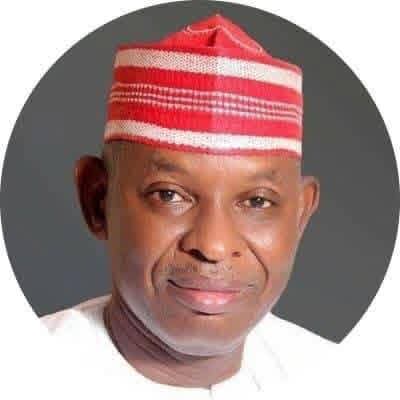
Land administration, safety and security of land documents are dancing gorgeously to the gallery, as the administration of His Excellency, Executive Governor of Kano State, Abba Kabir Yusuf digitalized and institutionalized land administration and ownership in the last three years.
Study tour to Kano Geographic Information System (KANGIS), by states like Abia, Kaduna, Jigawa, Adamawa, among others is a clear testimony that Kano is making headway with excellent innovations in land administration and management. Analog to digital development.
Before now, KANGIS was a small unit /department under the state Ministry of Land and Physical Planning. But when Governor Yusuf came on board, the agency turned into full-fledged and autonomous agency with the establishment Law. Normal legislative procedures were followed. And now an independent agency. This makes seamless operations possible. With clear mandate and global taste.
Billions of Naira injected in overhauling and modernizing the agency, were recovered within six months of becoming an autonomous agency. With full Information Communication Technology (ICT) infrastructure which turned the face of the agency via digital and GIS infrastructures, pave the way for that.
Employing GIS enterprise, that is modernizing land administration, beginning from land application to the level of acquiring Certificate of Occupancy (C of O) has now become a seamless operation. Where slow operation fades away.
For Internally Generated Revenue (IGR) the agency was generating a maximum of Fifty Million Naira (N50m) monthly. With the new Law in place and dedicated leadership, from His Excellency down to the Director General of the agency, Dr Dalhatu Aliyu Sani, and dedicated staff, KANGIS can now boost of generating a maximum of up to Seven Hundred and Fifty Million Naira (N750m) monthly.
Racketeering of land documents by touts and weak minded internal elements, has significantly minimized. A system has now been in place for a land applicant to monitor the movement and progress of his or her application from the comfort of one’s room.
There is an improved manpower, who are always undergoing training and retraining. To cope with the global best practice. With this and the digitalization of the agency, corruption is being reduced to minimal level in the administration and management of land. So also laziness from the part of the staff, unproductive posture, double allocation and insecured process for land ownership are all shelved aside.
Under the wisdom of His Excellency, the Governor, the agency, KANGIS, works hand in hand with the state ministry for land and physical planning. Unlike in some other states, where such agencies wall out ministries of land. Not only maintaining the two institutions, in Kano, both the agency and the ministry work harmoniously in rancour-free atmosphere.
Though land ministry is the mother ministry, but rivalry between them is significantly at the lowest level. It may interest one to know that all payments of the ministry are paid through KANGIS.
The Director General of KANGIS Dr Sani is a renown scholar of geographic information system of global repute, who was invited by Governor Yusuf from far away Turkey, to come and serve his state. Without hesitation, Dr Sani responded positively to His Excellency’s request. Here he is, Dr Sani brought many strategies and innovations to KANGIS. The political will of the Governor helps much in this development. That has eluded the agency since its creation in 2012.
Understanding the genuine political will and commitment of the Governor towards the spirit development of the agency, the good working relationship between all the political appointees and staff of the agency and the mother ministry, is strengthening day in day out. They all understand what team work is to the development of the state.
Ranging from the Commissioner for Land and Physical Planning, Abudujjabar Muhammad Umar, Adviser to the Governor on Land Matters, Hadiza Gadanya, Director General of KANGIS, Dr Dalhatu Aliyu Sani, Senior Special Assistant to the Governor on Land Matters, Alhaji Ahmad down to the Senior Special Reporter Nanu Kankarofi, all believe and understand what team work is and what Governor Yusuf wants in reshaping land administration, control and ownership in the state. Kudos to them all.
Another important picture of Governor’s genuine love for a new Kano is his non-interference in KANGIS’s operations and technical decisions. Being an autonomous with competent hand as the Director General, Governor Yusuf believes he puts a square peg in a square hole. At KANGIS and the mother ministry, modernization with global touch is quite visible. It was this visibility, I guessed, that prompted other states to come to Kano and start shopping for ingenious land administration.
I can still remember vividly clear, when the immediate past Minister for Housing and Urban Development, Ahmad Dangiwa visited KANGIS sometime back, he informed the DG that when he returned back to Abuja, he would inform President Bola Ahmed Tinubu, to kindly urge other states of the federation to come to Kano and visit KANGIS for them to replicate Kano model of land administration. I don’t know if that really happened.
With the full operation and commitment of KANGIS and Land Ministry, Kano Master Plan of over 30 years is now being undusted and ready to be revisited word by word. This is possible as a result of Governor Yusuf’s political will and commitment.
Anwar writes from Kano
Monday, 3rd August, 2026

Court arraigns car dealer over alleged false stolen vehicle report

Genius Academy Marks 11th Anniversary, Graduates Students in Kano

CSO calls on pantami to respond to 2021 Allegations over NCC’s official corruption.

Rabe Darma’s First 100 Days: Laying the Foundation for Nigeria’s Housing Renaissance

EFCC Freezes Osun Govt Account 10 Days to Election

Alhaji Tijjani Rabiu Spikin: A Neighbour, Philanthropist, and Friend of Children

Is N100,000 Worth the Risk?’ Nigerians React to Soldiers’ Salary Increase

Goodwill, Visibility, and Operational Security: A Strategic Communication Reading of Senator Ahmad Lawan’s DIA Post

MAAUN Clarifies Status of Former Visiting Lecturer, Reaffirms Zero-Tolerance Policy on Sexual Harassment

Kano Governor Yusuf Shortlisted for Africa’s SANKOFA Award of Excellence in Infrastructural Development
Court arraigns car dealer over alleged false stolen vehicle report
Genius Academy Marks 11th Anniversary, Graduates Students in Kano
CSO calls on pantami to respond to 2021 Allegations over NCC’s official corruption.
Rabe Darma’s First 100 Days: Laying the Foundation for Nigeria’s Housing Renaissance
EFCC Freezes Osun Govt Account 10 Days to Election
Alhaji Tijjani Rabiu Spikin: A Neighbour, Philanthropist, and Friend of Children
Is N100,000 Worth the Risk?’ Nigerians React to Soldiers’ Salary Increase
Goodwill, Visibility, and Operational Security: A Strategic Communication Reading of Senator Ahmad Lawan’s DIA Post
MAAUN Clarifies Status of Former Visiting Lecturer, Reaffirms Zero-Tolerance Policy on Sexual Harassment
Kano Governor Yusuf Shortlisted for Africa’s SANKOFA Award of Excellence in Infrastructural Development
-

 Opinion4 years ago
On The Kano Flyovers And Public Perception
-

 Features5 years ago
How I Became A Multimillionaire In Nigeria – Hadiza Gabon
-

 Opinion6 years ago
Kano As future Headquarters Of Poverty In Nigeria
-

 History5 years ago
Sheikh Adam Abdullahi Al-Ilory (1917-1992):Nigeria’s Islamic Scholar Who Wrote Over 100 Books And Journals
-

 Opinion5 years ago
My First Encounter with Nasiru Gawuna, the Humble Deputy Governor
-

 History5 years ago
The History Of Borno State Governor Professor Babagana Umara Zulum
-

 History5 years ago
The Origin Of “Mammy Market” In Army Barracks (Mammy Ochefu)
-

 News4 years ago
Federal University Of Technology Babura To Commence Academic Activities September