
News
Bauchi Assembly Partners with a foundation to better the lives of women and children
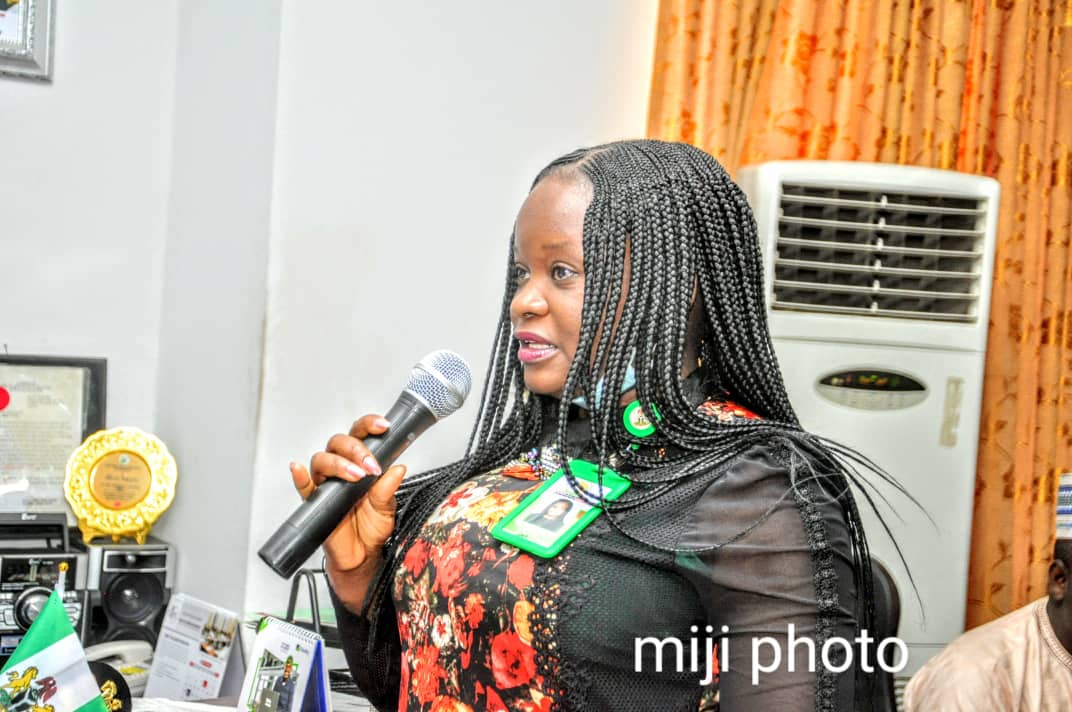
Speaker of the Bauchi State House of Assembly Rt. Hon. Abubakar Y Suleiman has expressed the determination of the legislative arm to partner with the Women Africa International Foundation to improve the wellbeing of women and children in Bauchi State.
He made the statement when he received in audience members of the Women Africa International Foundation who paid him a courtesy visit in his office on Tuesday.
According to the Speaker, the welfare of women and children is one of the top priorities of the Bauchi State House of Assembly thus they have made various resolutions and legislation to better the lives of women and children which he said are the most vulnerable in the society.
He commended the Foundation for establishing its northern region headquarters in Bauchi which he said the state will be at a bigger advantage to gain a lot from the Foundation.
On the issue of the rape of a minor at Wunti Street Bauchi, the Speaker explained how the State Assembly acted promptly to ensure justice for the victim.
He directed the Chairman House Committee on Women Affairs to investigate the allegation that the raper of the girl was prosecuted without the knowledge of the family of the victims and act accordingly.
In his remarks, Chairman House Committee on Women Affairs Hon. Wanzam Muhammad commended the Foundation for its humanitarian services in the country.
Hon. Wanzam explained that the North, especially the northeast which is ravaged by the Boko Haram insurgency is in dire need of such services in order to ameliorate the hardship faced by people as a result of the insecurity and other calamities.
He urged the Foundation to judiciously spread its services to all parts of the State so that many lives will be touched.
Speaking earlier, Leader of the Foundation Aishatu Garba Aminu explained that the Foundation is a nongovernmental organization that strives to improve the wellbeing of women and children in sub-Saharan Africa.
According to her, the Foundation which started its operations in the southern part of the country has now extended to northern Nigeria and established its northern region headquarters in Bauchi.
She requested the contribution and partnership of the State Assembly in discharging its mandate in the State.
The Leader also commended the State Assembly for the prompt response and attention are given to a girl raped by a 50 years old man at Aminu Street Bauchi.
According to her, this has further indicated the quality representation of the State lawmakers and their concern on the plight of women and children.
She however lamented how reports they gathered revealed that the family of the victim is not carried alone by the security agencies on the matter in which the raper was even prosecuted without the knowledge of the family of the victim.
The Leader, therefore, urged the Speaker to intervene so as to ensure justice is done to the victim.
News
BREAKING: El-Rufai Released Following Mother’s Death, Son Alleges Unlawful Detention
By Yusuf Danjuma Yunusa
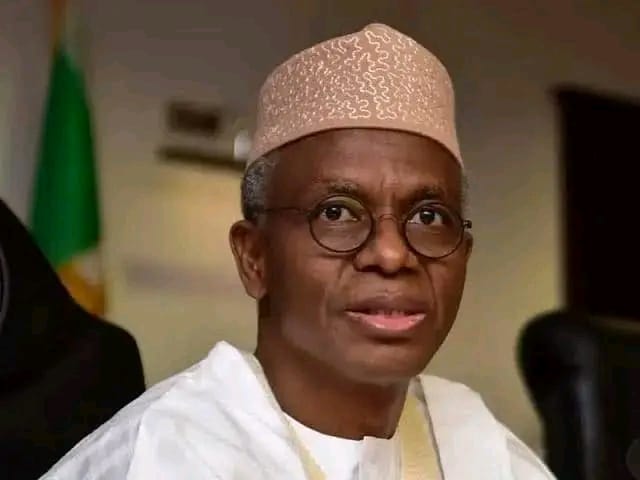
Nasir El-Rufai, the former governor of Kaduna State, has returned home after what his family describes as a period of detention, just in time for the funeral of his late mother.
His son, Bashir El-Rufai, confirmed the development in a post on X (formerly Twitter), stating that his father had been released. Bashir characterized the detention as “unlawful and illegal,” and directed sharp criticism at the agency involved, referring to it as “one of the most corrupt agencies in the Federal Republic of Nigeria that is a lame excuse of a pathetic institution.”
The former governor had reportedly presented himself to the Economic and Financial Crimes Commission (EFCC) on February 16 for questioning. According to Bashir’s account, El-Rufai was held by the commission until his release prior to the funeral.
News
Breaking:Kano Deputy Governor Resigns
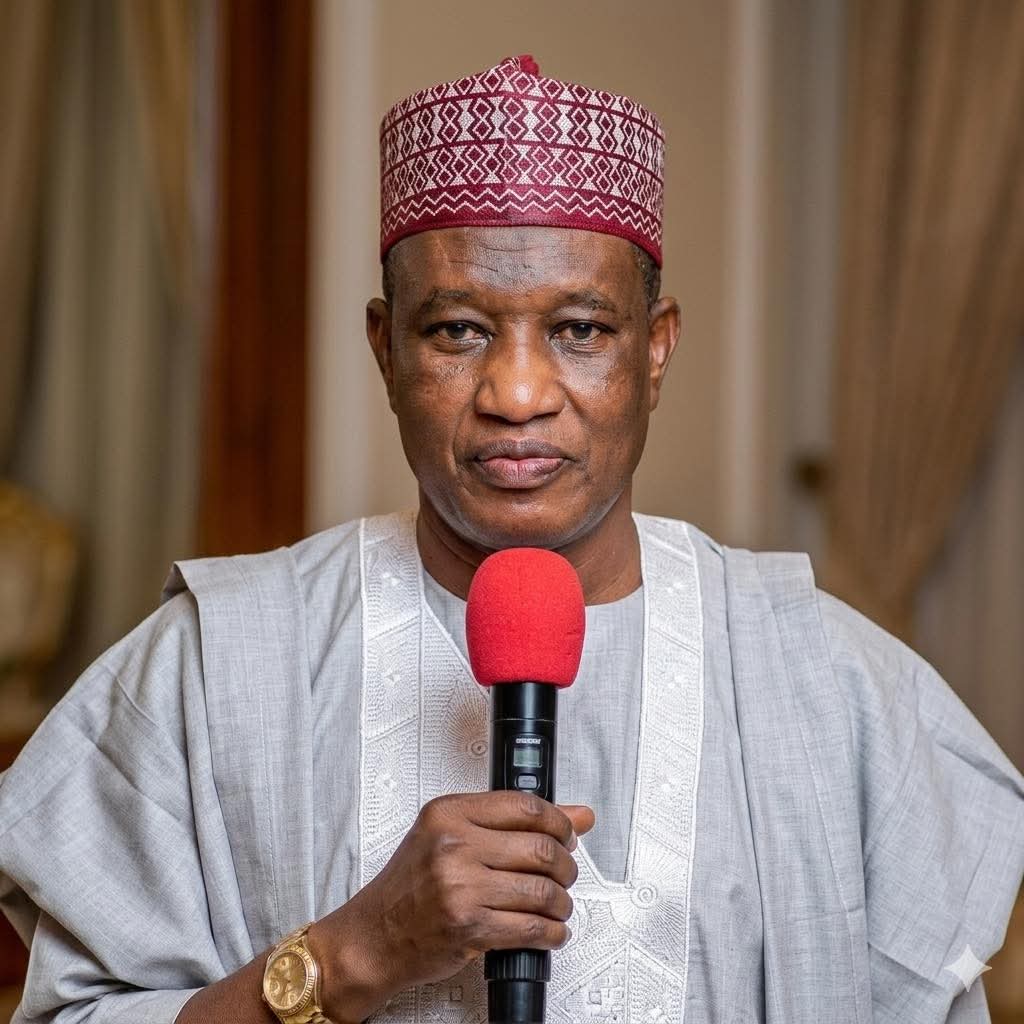
The Kwankwasiyya Movement has announced the resignation of the Deputy Governor of Kano State Comrade Aminu Abdulsalam Gwarzo, stating that the decision was formally communicated to the public in a press release issued on Friday and signed by its spokesperson, Dr. Habibu Sale Mohammed.
According to the statement, the resignation was taken “in the overall interest of the people and the stability of governance” in the state, with the movement noting that recent developments had significantly limited the Deputy Governor’s ability to fully discharge the responsibilities of the office.
The movement also addressed the ongoing issues involving the Kano State House of Assembly, emphasizing that the Deputy Governor’s decision to step down should not be interpreted as an admission of any allegations raised against him, and insisting that he continues to maintain his innocence.
Describing the move as one of “statesmanship,” the statement said the resignation was intended to reduce political tension and prevent further disruptions to governance and development efforts in Kano State, while demonstrating a commitment to peace and political maturity.
The Kwankwasiyya Movement further disclosed that the former Deputy Governor plans to redirect his focus toward strengthening the movement’s internal structures and strategies, particularly as political actors begin positioning ahead of Nigeria’s 2027 general elections.
The statement added that this renewed engagement would involve rebuilding party frameworks and pursuing strategic realignments aimed at promoting what it described as people-oriented leadership, social justice, and sustainable development.
The movement called on its supporters and residents of Kano State to remain calm, law-abiding, and committed to democratic principles, assuring the public that additional details regarding the resignation would be communicated in due course, according to the spokesperson.
Comrade Aminu Abdulsalam Gwarzo the Deputy Governor has been enmeshed in a political battle with his boss Governor Abba Kabir Yusuf since the Governor defected to the All Progressives Congress without the blessing of the NNPP National leader Senator Rabiu Musa Kwankwaso.
Recently the Kano state House of Assembly has issued Impeachment notice on Comrade Aminu Abdulsalam Gwarzo over allegation of corruption.
News
Hajiya Umma El-Rufai, Mother of Former Kaduna Governor, Passes Away
By Yusuf Danjuma Yunusa
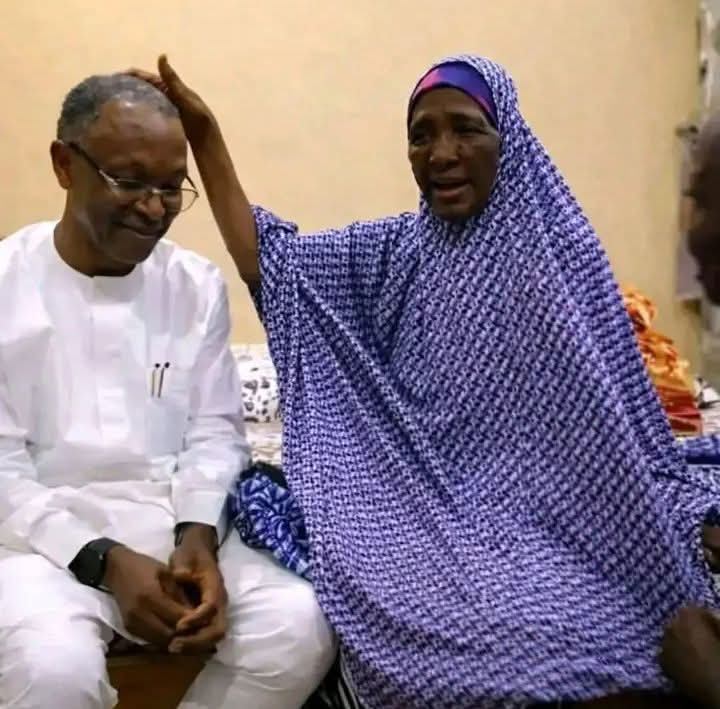
Hajiya Umma El-Rufai, the mother of former Kaduna State governor, Mallam Nasir El-Rufai, has died.
According to family sources, she passed away on Friday afternoon. While details surrounding her death remain unclear at this time, the family has since confirmed the sad event.
The announcement was made public by her grandson, Bello El-Rufai, in a statement shared on Facebook. The statement read:
“Inna lillahi wa inna ilayhi raji’un. From Allah SWT we came and to Him we shall all return.
I would like to inform the public of the demise of my grandmother, Hajiya Umma El-Rufai, who passed away a few hours ago.
She is the biological mother of our father, Mallam Nasir El-Rufai. We are grateful for the life she lived and pray that Allah SWT bless her gentle soul.
May He bless the souls of the parents we have lost. On behalf of our family, we seek your prayers. Thank you.”
The family is expected to release further details regarding funeral arrangements in due course.

BREAKING: El-Rufai Released Following Mother’s Death, Son Alleges Unlawful Detention

Breaking:Kano Deputy Governor Resigns

Hajiya Umma El-Rufai, Mother of Former Kaduna Governor, Passes Away

ASUU Threatens Nationwide Shutdown

APC Convention:FG Orders Remote Work for Offices Near Eagles Square

The Governor Who Chose His People Over His Politics: Abba Yusuf and the Moral Courage Behind Kano First

FREEDOM OF SPEECH, NOT FREEDOM FROM CONSEQUENCE: A CITIZEN’S CALL FOR RESPONSIBLE PUBLIC COMMENTARY

Press Freedom: IPI Nigeria Calls on New Acting IGP to End Police Harassment of Journalists
Tinubu to Swear in Olatunji Disu as Inspector-General of Police on Wednesday
Restoring the Glory That Was Always There: Governor Abba Kabir Yusuf and the Historical Vision Behind Kano First
BREAKING: El-Rufai Released Following Mother’s Death, Son Alleges Unlawful Detention
Breaking:Kano Deputy Governor Resigns
Hajiya Umma El-Rufai, Mother of Former Kaduna Governor, Passes Away
ASUU Threatens Nationwide Shutdown
APC Convention:FG Orders Remote Work for Offices Near Eagles Square
The Governor Who Chose His People Over His Politics: Abba Yusuf and the Moral Courage Behind Kano First
FREEDOM OF SPEECH, NOT FREEDOM FROM CONSEQUENCE: A CITIZEN’S CALL FOR RESPONSIBLE PUBLIC COMMENTARY
Press Freedom: IPI Nigeria Calls on New Acting IGP to End Police Harassment of Journalists
Tinubu to Swear in Olatunji Disu as Inspector-General of Police on Wednesday
Restoring the Glory That Was Always There: Governor Abba Kabir Yusuf and the Historical Vision Behind Kano First
-

 Opinion4 years ago
On The Kano Flyovers And Public Perception
-

 Features5 years ago
How I Became A Multimillionaire In Nigeria – Hadiza Gabon
-

 Opinion5 years ago
Kano As future Headquarters Of Poverty In Nigeria
-

 History5 years ago
Sheikh Adam Abdullahi Al-Ilory (1917-1992):Nigeria’s Islamic Scholar Who Wrote Over 100 Books And Journals
-

 Opinion4 years ago
My First Encounter with Nasiru Gawuna, the Humble Deputy Governor
-

 History5 years ago
The Origin Of “Mammy Market” In Army Barracks (Mammy Ochefu)
-

 History4 years ago
The History Of Borno State Governor Professor Babagana Umara Zulum
-

 News4 years ago
Federal University Of Technology Babura To Commence Academic Activities September